
Iwin Dmello
13.7K posts

Iwin Dmello
@iwindmello
MS Communication, Manipal Institute of Communication.
Udupi & Bangalore Katılım Temmuz 2011
4.2K Takip Edilen1K Takipçiler

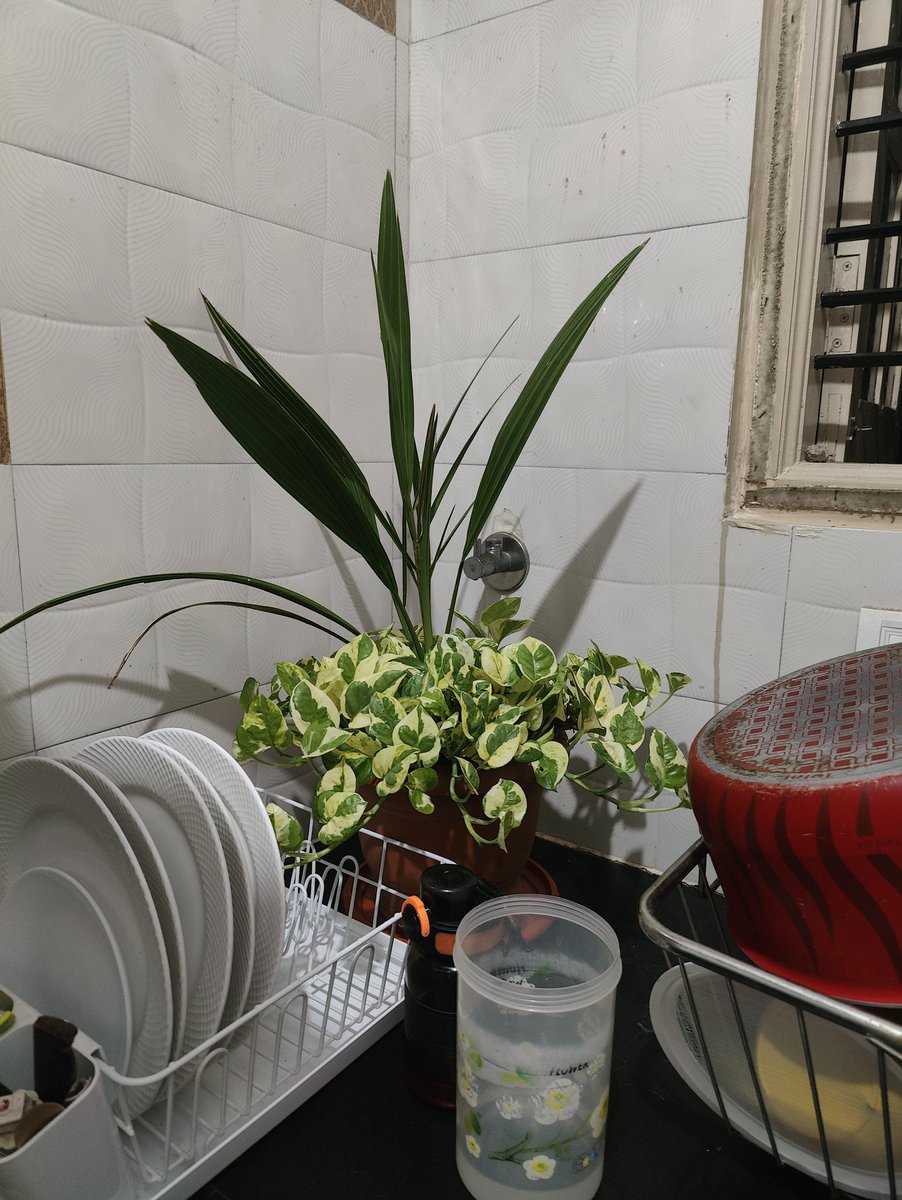
How to keep the kitchen cool while working there? Tip 1: keep your eyes cool with plans in the kitchen
English
English

English



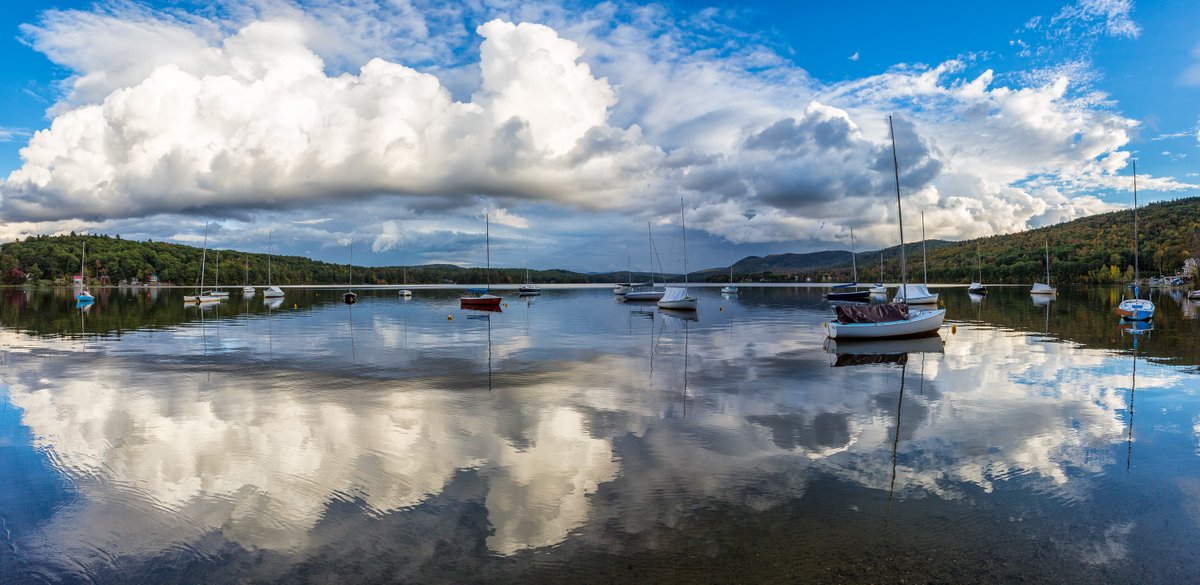
Show me a better cloud photograph than this! #clouds #Photography

John Getchel@JohnGetchel
Show me a better Cloud Photograph than this.
English



Show me a better Cloud Photograph than this.
D Miller@DMiller52325459
Show me a better Cloud Photograph than this.
English
@thewirepak @Paul_Koshy And the current acts look a bit dicy with 'the' attitude
English

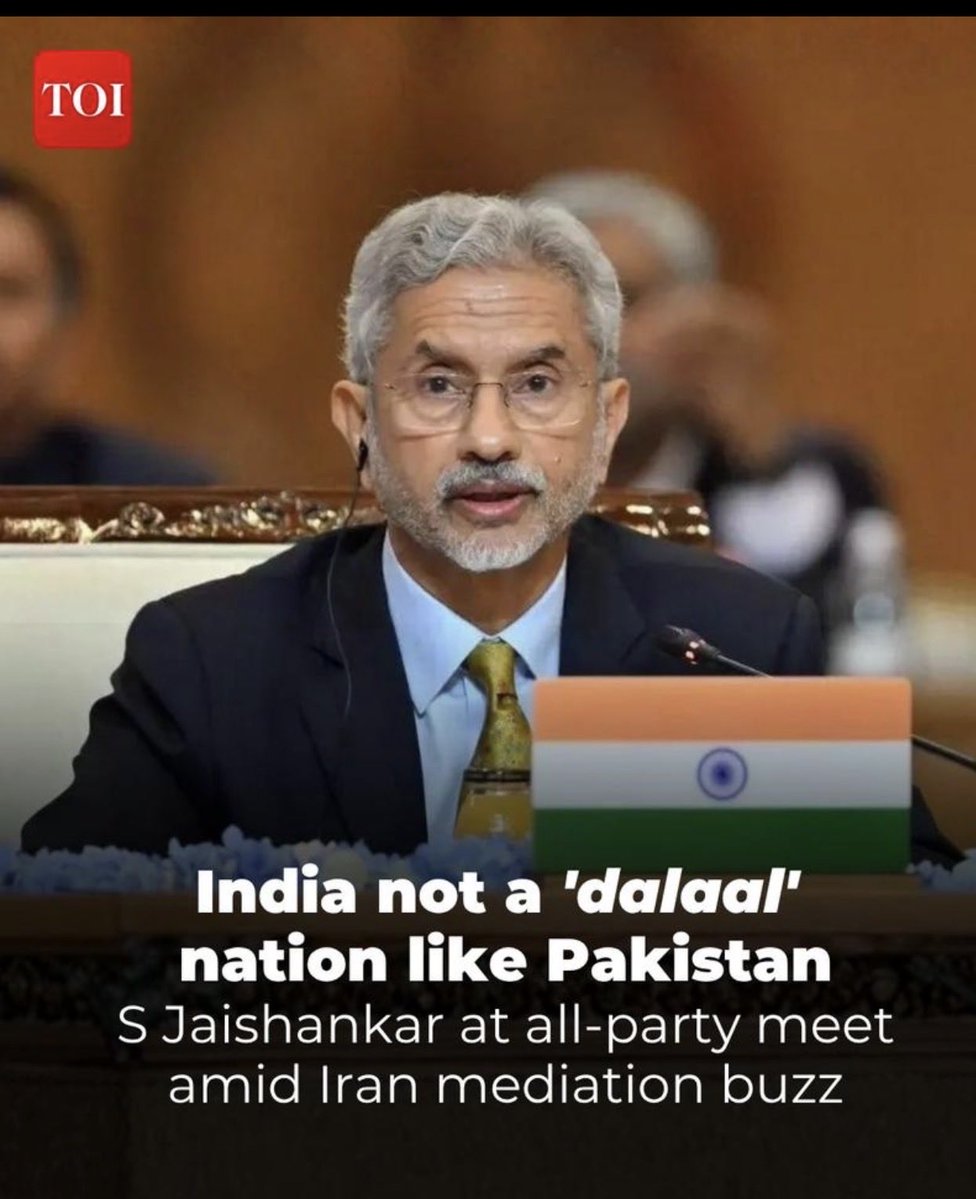
Imagine calling peace efforts ‘dalaali’ just because you weren’t invited to the table. That’s not diplomacy, that’s insecurity. Exposes Indians. Sore crybabies and looser!
English
@dpkBopanna Sometimes using Kannada language for important things shows commitment, real empathy, and sentiment. You are trying to build the glory you lost with life lost and blood spilling at least make it look like you mean it.
English

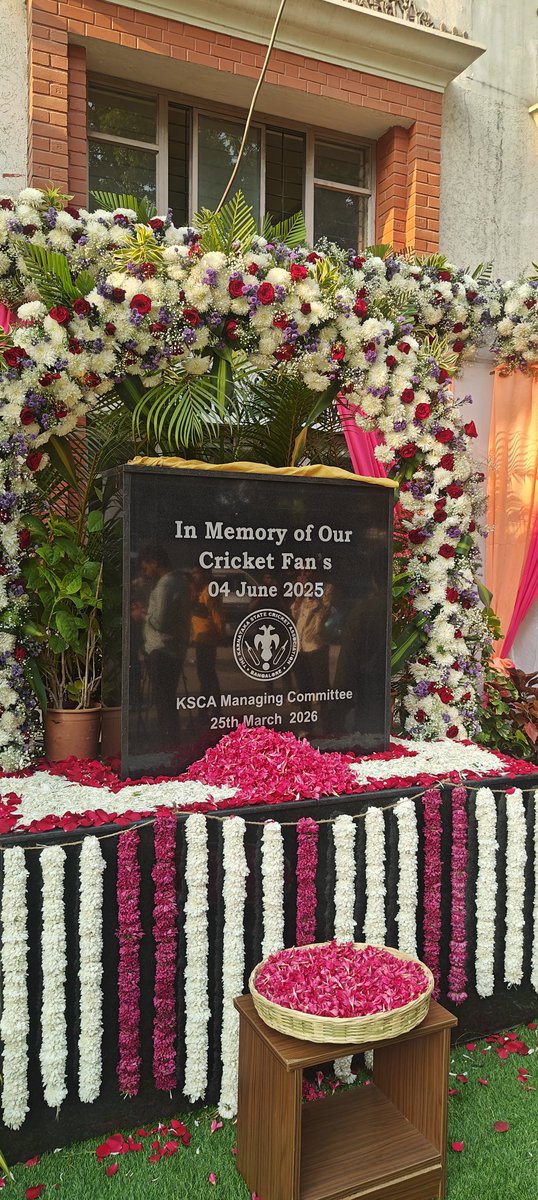
Karnataka State Cricket Association installed a plaque memorial at the entry to Chinnaswamy stadium in the memory of those who lost their lives in the stampede last year. Unfortunately they got the punctuation for Fans wrong, tried to make amends but clearly still visible.
English




@dpkBopanna Love this. God blesses us all with good food and we should respect it all days.
English
"I don’t believe in Rahu Kaala or Gulika Kaala. I eat non-vegetarian food even on festivals like Ugadi and Shivaratri, there’s nothing wrong with it" : CM Siddaramaiah while speaking in the assembly about presenting the state budget at an "auspicious time."
English
@gulaab_ali_ @SirKazamJeevi Could you tell me, will this guy be allowed inside a court with this dress?
English

Goa's Prajwal Revanna? Son of BJP Leader Detained In Major Sexual Exploitation Case Involving 30 Minor Girls
timesnownews.com/crime/goa-soha…
English

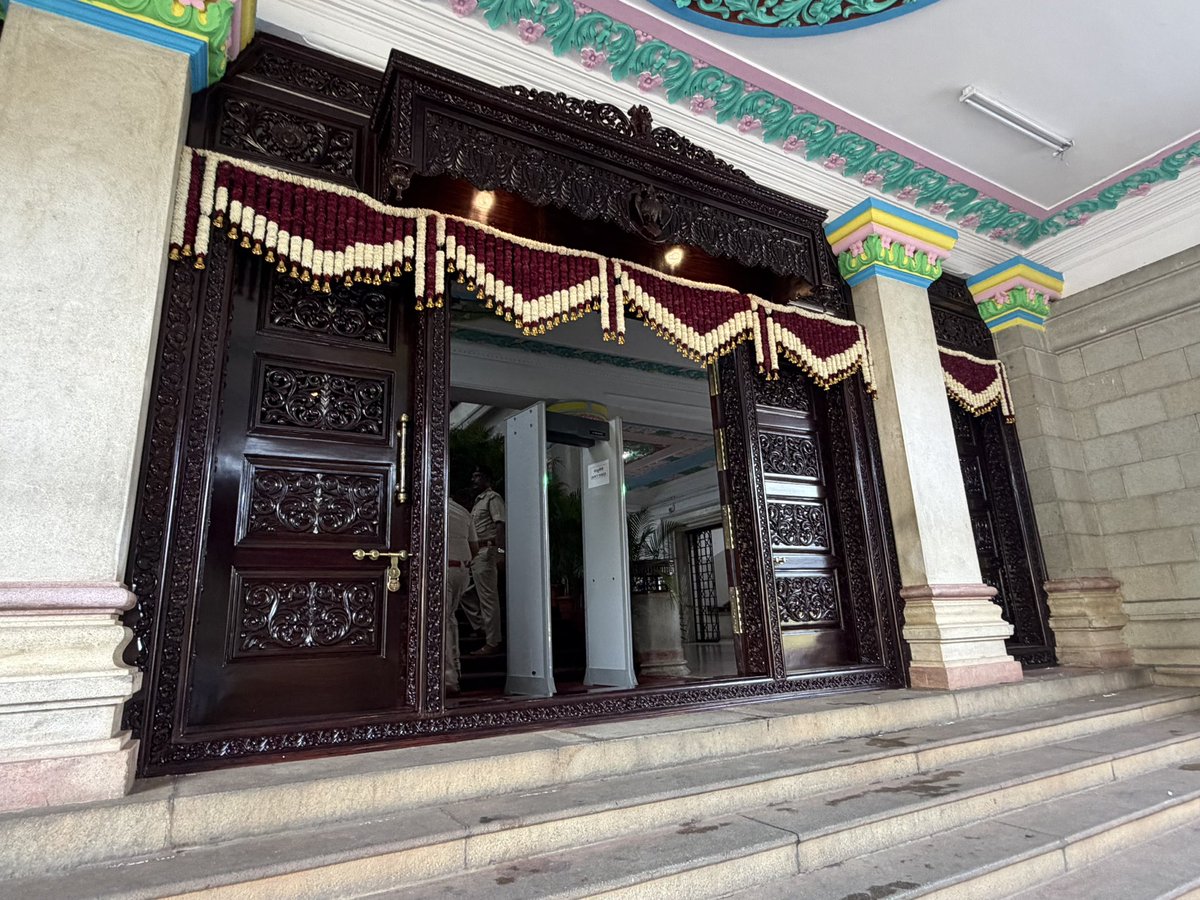
@nagarjund Now there is a door to legislate, I like the colour that represents the people inside
English

@Persianserene1 @autumnshade Wonder if they are not shia's or sunni's are Arabs Jews!
English

Arabs didn’t help Sunnis in Gaza, and now they’re not helping Shias in Iran and in fact, they are helping Israel and America continue bombing us
So what exactly is your religion Arabs?
Do you even have one?
English
Silk Market, Peshawar— circa 1910. Peshawar's silk market history is deeply intertwined with the ancient Qissa Khwani Bazaar (Storytellers’ Street), a pivotal hub on the Silk Road for over two millennia.
As a campground for merchants from Central Asia, Afghanistan, and India, it facilitated the exchange of silk, spices, and tea, while professional storytellers entertained travellers.
Peshawar, previously known as Purusapura and the capital of the Kushan Empire, was a major commercial center where merchants met to exchange goods along the Silk Road. Known as the "Street of Storytellers," this bazaar historically served as a meeting place where caravan traders rested and sold goods, including textiles, from Central Asia and Afghanistan.
In the late 19th century, the Sethi family were prominent traders operating along this branch of the Silk Road, building the famous, intricately carved Sethi House in 1884. The market attracted merchants from as far as China and Russia, blending Central Asian, South Asian, and local Pashtun cultural influences. #Peshawar #Pakistan #History

English