

shinchan
6.9K posts


@UapEcosystem That's not what he said, tho. You need to start being honest or get better at reading.
English
@jefflee2015 All 5000 plus cases? Mick hadn’t see that and neither have you. You need a reality check big time
English

I had my team of robots knock up a user-friendly site on UFOs in art history. Did they miss any?
metabunk.org/ufoarthistory/…
English
@UapEcosystem >All cases with sufficient information turned out not to be large drones
He's right.
English
@jefflee2015 Can you let Mick know that as well? That there were drones? Please and thank you

English
@UapEcosystem Of course there were drones - drones exist. But there were no "car-sized" drones or a drone "invasion". And no aliens, lmfao.
English
@jefflee2015 @MickWest Do you not get the memo? Or are you still pretending there were NO DRONES? Lmao delusional as hell
youtu.be/V2p9MDgOSuI?si…

YouTube
English
@BandWagonPrdcts the irony.
the standard for UFO nuts:
OMG SPOOKY PAINTING!
English

@PolygonPeasant @jefflee2015 I’m absolutely certain you have set the standard that low for yourself. That’s why you are behind the curve.
English
There is nothing UFO-related in this painting. It's an annunciation image, with Mary and Child in the foreground, and an angel announcing the birth to the shepherd in the background. All standard iconography. Including the three stars of her virginity
metabunk.org/ufoarthistory/…
Anna Paulina Luna@realannapaulina
English
@jefflee2015 @MickWest Yikes you clearly have not been reading the room. You must think your Presidents order is going to release some dots ? lol delulu indeed
English
@jefflee2015 It’s not about what YOU think is true. It’s about what the largest consensus believes.
English
@BandWagonPrdcts So who does? Random UFO nuts on twitter who's never put in the work? lmfao.
English
@jefflee2015 Yeah you don’t decide who the experts are anymore kiddo. Lost your credibility in the “trust the experts” long ago.
Good science is ALWAYS changing so those “experts” have been outdated. Try again.
English
@BandWagonPrdcts Saying it's a UFO doesn't make it one, either. It's about evidence. Historians - the experts - don't find those paintings interesting in the way UFO nuts do.
English
@jefflee2015 Just saying that doesn’t make it true.
English
@BandWagonPrdcts He doesn't need to because they are already confirmed, lol.
English
@PolygonPeasant So the answer is no he didn’t confirm these theories with anyone. Just say that it’s less words
English
@UapEcosystem @MickWest This dude's gonna be repeating this for decades to come, and the aliens will never be revealed lol.
English
@MickWest Mick “no evidence exists” West! Good job! Man MetaClunk is going to look so dated after the UFO files are released. It’ll be like a frozen moment in time.
English





I genuinely can’t believe how anyone can see this and still think God isn’t real
Curiosity@CuriosityonX
How Bones Heal After a Fracture
English

English
Five of my followers were murdered in the last two years.
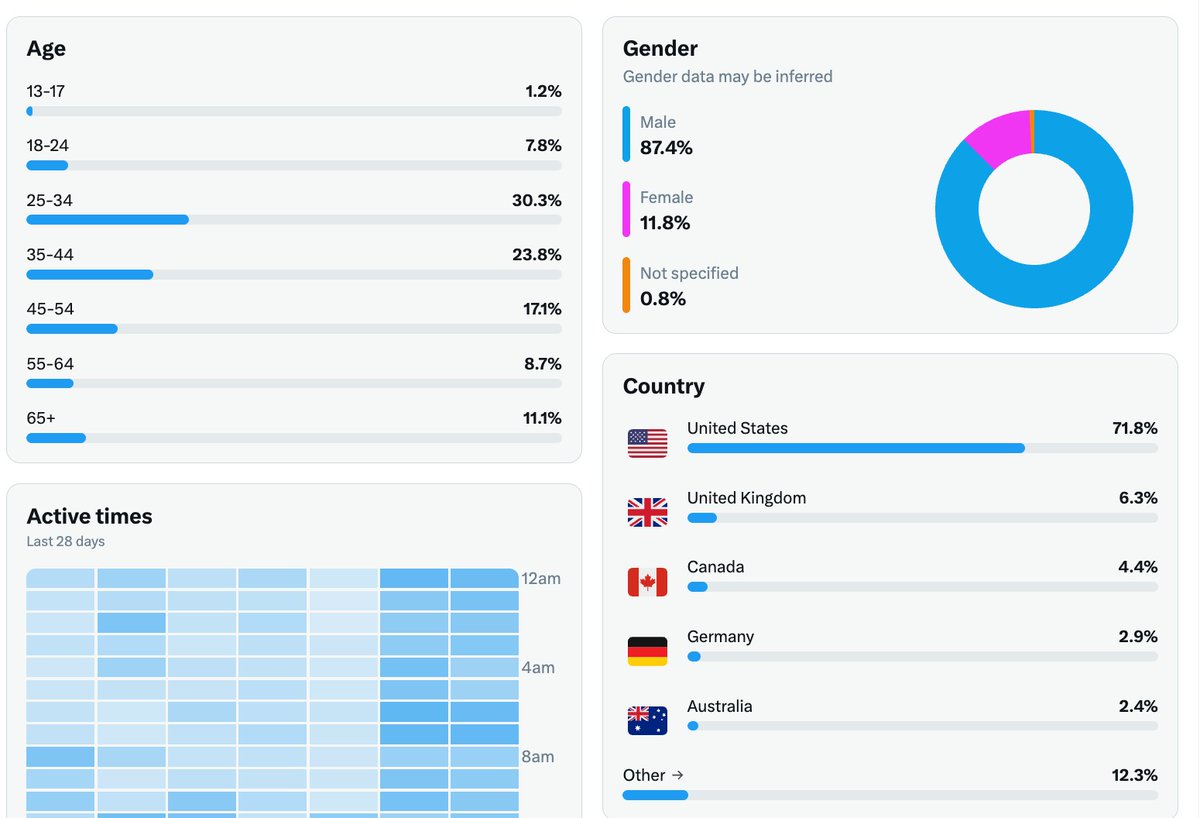
At least that's the expected rate. Given my audience demographics, there would be over 200 deaths among my followers.
This cherry-picking of "suspicious" deaths is stupid. Do the math. Learn about the base-rate.

Mick West@MickWest
This is stupid. The 10 people represent vastly fewer deaths and missing people than you'd expect from the population represented by those 10 people, whichever way you slice it. Doocy's framing is "access to classified nuclear or aerospace material." The relevant population is the cleared workforce in those sectors. Conservatively: - Los Alamos National Laboratory: ~16,000 employees and contractors - Sandia National Laboratories: ~17,000 - Lawrence Livermore: ~8,000 - NASA (full agency + contractors): ~60,000 - Kansas City National Security Campus: ~7,000 - Air Force Research Laboratory and associated contractors: ~10,000+ - Aerospace defense contractors with nuclear/classified aerospace roles (Lockheed, Raytheon, Northrop, Boeing, Aerojet, etc.): several hundred thousand A conservative minimum for "access to classified nuclear or aerospace material" is at least 500,000 people. The actual figure using Doocy's framing is arguably closer to 1–2 million if you include all cleared aerospace and defense contractor personnel. Expected deaths over ~2 years The ages of the 10 average around 59. For educated US professionals aged 45–70, annual all-cause mortality runs roughly 0.7–1.0% per year. Using 500,000 people at 0.8% per year over 2 years: Expected deaths = 500,000 × 0.008 × 2 = 8,000 Even in a far more restricted population of 50,000 the expected deaths are 800. Finding 10 is not anomalous — it is a near-invisible fraction of expected mortality. Expected homicides US homicide rate is approximately 6 per 100,000 per year. In 500,000 people over 2 years: Expected homicides = 500,000 × 0.00006 × 2 = 60 The list contains at most 2 genuine homicides (Loureiro and Grillmair) with identified perpetrators and no UAP connection. That is below the expected rate. Expected missing persons Roughly 600,000 people are reported missing in the US annually — about 0.18% per year. In 500,000 people over 2 years: Expected missing = 500,000 × 0.0018 × 2 = 1,800 The list contains 5 missing persons. Again, well within expectation. You can restrict the calculation to just "scientists"; it does not change anything. It's just cherry-picking some cases from the expected thousands and calling it a pattern.
English

REF UAP DEADLINE:
No one from the Pentagon had responded until we reached out, and it appears that someone did not pass the letter to the appropriate authorities. How convenient. Nonetheless, we will be getting the requested list. We are not waiting for a briefing at some unspecified future date. The Secretary of War is someone I consider a friend and someone who backs the President. The President has authorized the release, so whoever is trying to be cute at the Pentagon can take a hike.
English
@digijordan But they (NASA) do have other photos that show stars. What are you saying? That they forget to add the stars sometimes? Lmfao.
You are utterly delusional OR you have zero shame and are willing to look stupid just for the good and bad attention. You are a gross either way.
English

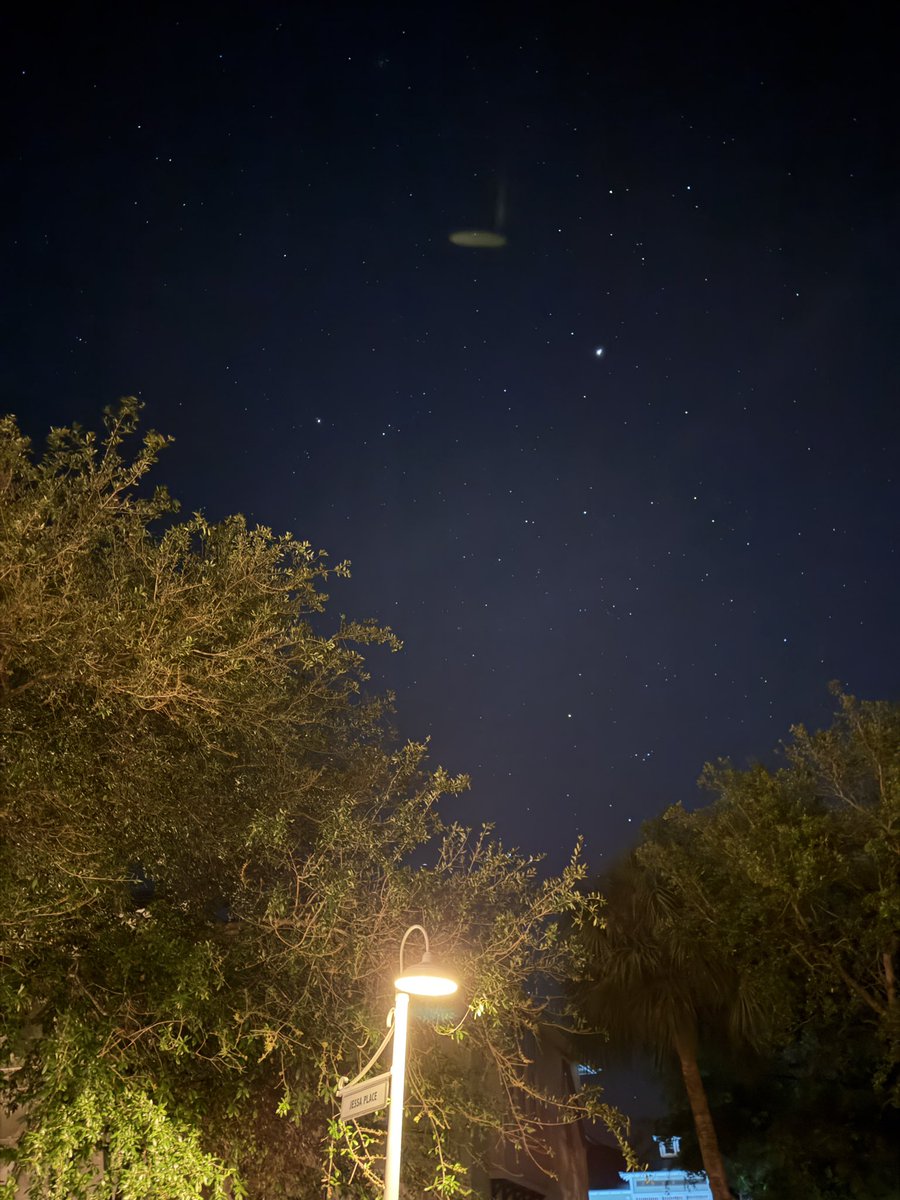
The first photo, I took tonight with my phone.
The second one NASA took…with billions of dollars.
I was screamed at by dozens of rabid people, about how it’s IMPOSSIBLE to capture stars with a bright light in the foreground.
The pic I took has tons of light pollution AND the atmosphere working against it…
And you can see hundreds of stars.
NASA’s has ZERO STARS.
I just really don’t get it.

English
@digijordan Vast majority of people calling you out never said it's "impossible" to capture stars with a bright light. You are lying or have a low IQ.
English
The NPCs literally all say the same thing. It’s wild. I thought the simulator would be more dynamic than this.
English
@PicturesFoIder Because people use rich celebs as outlets to project their unhappiness and bitterness.
English

Why do so many people have a problem with this?

English