@jerryquickley
42K posts
@jerryquickley
@jerryquickley
Art & Habitual Line Steppin' Find me on Mastodon: @[email protected]
WhistleBlower! Out Now Katılım Mart 2014
354 Takip Edilen1.2K Takipçiler
@jerryquickley retweetledi
Terrifying reality check. Senator Bernie Sanders confirms tech oligarchs like Bezos and Zuckerberg are secretly investing hundreds of billions into AI and robotics for one sinister reason. He reveals their ultimate goal is to permanently replace and eliminate human labor.
English
@jerryquickley retweetledi

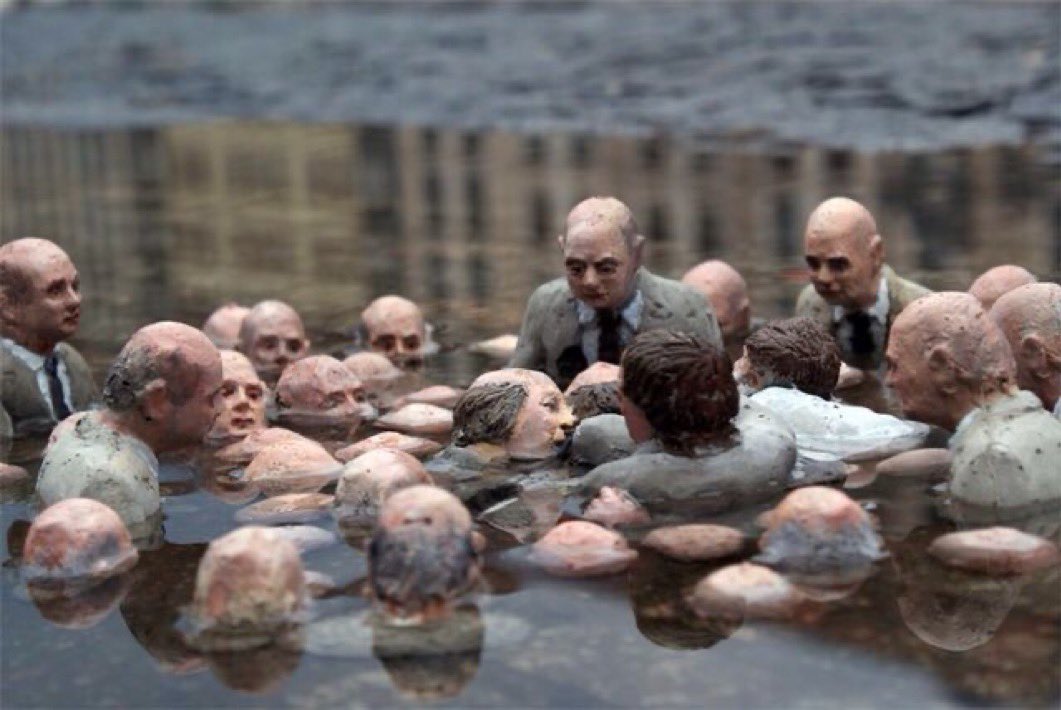
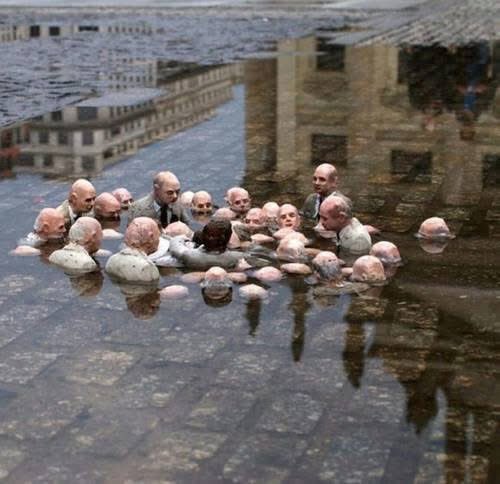
“Politicians discussing global warming,” street art in Berlin by Isaac Cordal.
English
Half of ALL money generated by AI must be put in a public trust to provide an income for people made jobless by AI.
#Obvi
GIF
English
We let rich white men scour the earth and murder millions of whales, pushing many species to extinction, so that at night, people could use whale oil to read. Fortunately before they killed ALL the whales, new technology emerged that allowed people to read at night.
MC Squared@mcsquared34
English
Newly released footage shot by Epstein on Epstein Island...
Anonymous@YourAnonNews
If there ever was a WTF kinda person, it would definitely be RFK Jr.
English
@YourAnonNews New documentary trailer about the time that RFK Jr., spent as a "river keeper" on the Hudson...
youtube.com/watch?v=-HqPxx…

YouTube
English
@YourAnonNews One day it will be revealed that RFK jr. has a hidden underground bunker deep in the woods in which he did the most terrible things imaginable to both humans and animals.
English
WTF is wrong with him?
Anonymous@YourAnonNews
If there ever was a WTF kinda person, it would definitely be RFK Jr.
English
@jerryquickley retweetledi
Massive bombshell. Anthropic co-founder Chris Olah warns that AI will displace human labor on a catastrophic global scale. He confirms tech elites have absolutely no mechanism to share the wealth, leaving the global poor completely abandoned to suffer. He is 100% accurate.
English
@jerryquickley retweetledi
Potential U.S./Iran Settlement of Unprovoked and Criminal U.S.-Israeli War: Four Points revcom.us/en/potential-u…
English
@jerryquickley retweetledi

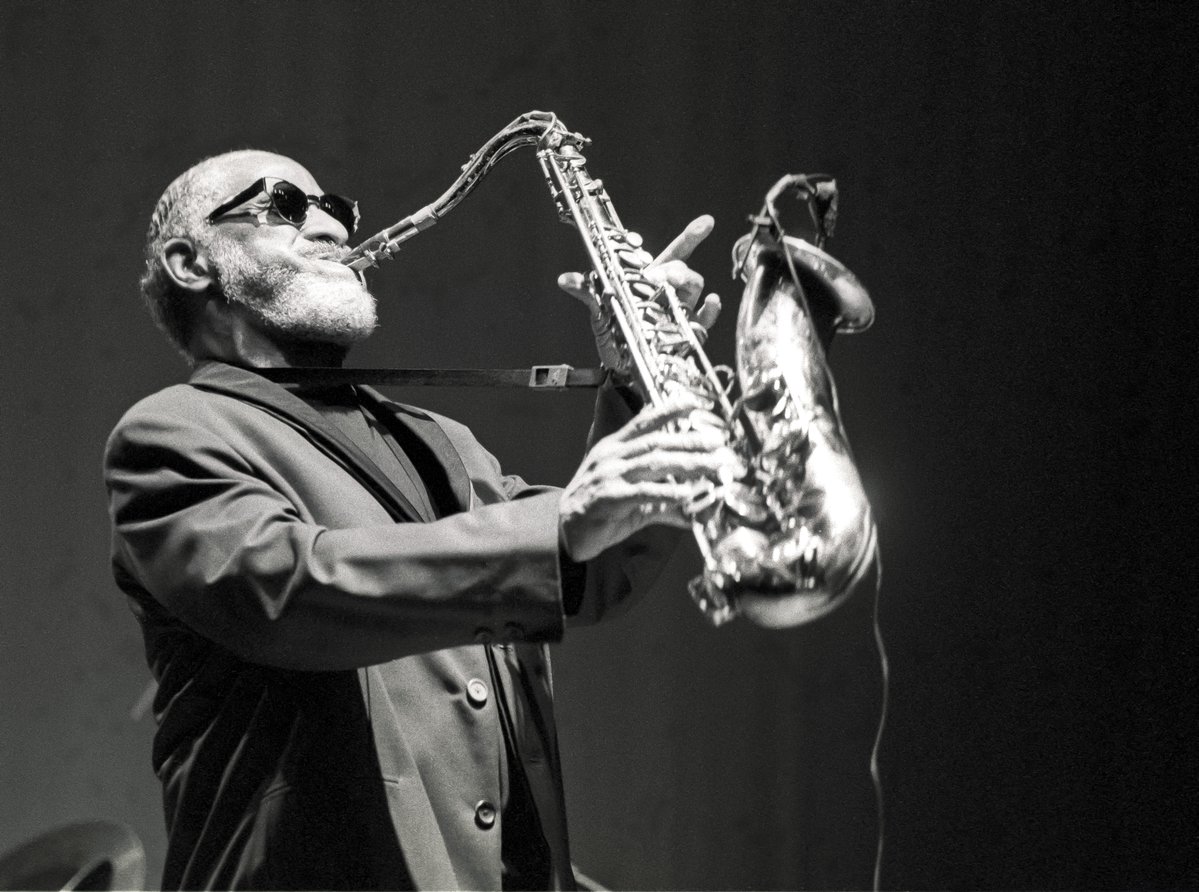
We are deeply saddened to hear of the passing of saxophonist Sonny Rollins. Known as the “Saxophone Colossus,” Rollins was among the finest improvisers on the tenor saxophone to appear on the instrument since the mid-1950s.
Rollins was a master of intelligent and provocative spontaneity combined with an excellent technique. He displayed an interest in unaccompanied saxophone improvisation and manipulations of tone color long before such techniques became common in modern jazz.
In a seven-decade career, he has recorded over sixty albums as a leader. A number of his compositions, including “St. Thomas”, “Oleo”, “Doxy”, and “Airegin”, have become jazz standards.

English
Sonny Rollins wrote the composition Oleo to reflect the sense of power, wonder, & disruption created by Kirby Dots.
gonzomike@gonzomike
Sonny Rollins was also a big comic book nerd. Jack Kirby was his favorite artist. 'Nuff said.
English
@jerryquickley retweetledi


@jerryquickley retweetledi

@jerryquickley retweetledi

Amazon is worth $2 trillion. But it didn't deign to pay the millions of dollars it racked up in unpaid fines as its’ trucks illegally polluted our air and forced New Yorkers to breathe in their exhaust.
We collected every dollar they owe the people of this city — and will continue to hold them accountable. In New York, corporations are held to the same standard as everyone else.
No company — no matter how large or powerful — is above the law.

English
@jerryquickley retweetledi

@jerryquickley retweetledi

Sonny Rollins, géant du saxophone et du jazz, est mort.
Le musicien a pendant plus de 65 ans réécrit le jazz avant de s'éteindre à New York.
Auteur d’une vingtaine d’albums majeurs, ancien compagnon de route de Coltrane, Charlie Parker ou Miles Davis.🎶
radiofrance.fr/franceculture/…
Français
@jerryquickley retweetledi