

Jonathan Luff
9.3K posts

Jonathan Luff
@jjluff
Recovering Diplomat. Chief of Staff @ Recorded Future. Senior Advisor @ Portland. Investor in Security, AI, Defence.
London Katılım Ocak 2011
1.5K Takip Edilen1.7K Takipçiler
@AnEmergentI Claude will have hacked those records in a couple of months so I’m tending towards journalists not historians 😉
English

Can't possibly be true.
Whitehall + 'chief scientific advisers' assured successive Prime Ministers that it was 'tech bro hype' & it was more important to focus on 'misinformation' and avoid 'industry capture'.
Those of us who worked to bypass them to setup AISI were idiots!
chiefofautism@chiefofautism
someone at ANTHROPIC just showed CLAUDE finding ZERO DAY vulnerabilities in a live conference demo claude has found zero day in Ghost, 50,000 stars on github, never had a critical security vulnerability in its entire, history... it found the blind SQL injection in 90 minutes, stole the admin api key, then did the exact, same thing to the linux kernel
English
Please, @British_Airways, retire your A380 fleet. Every flight there’s an issue.
English

English

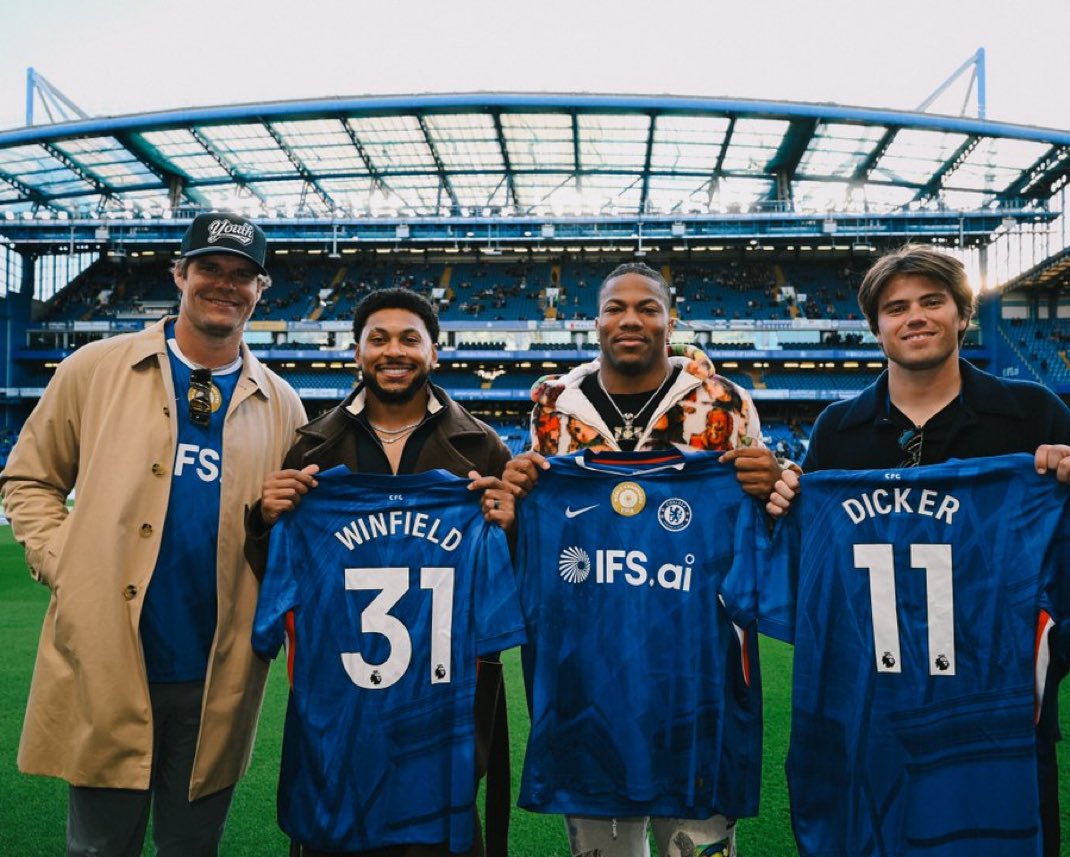
Antoine Winfield Jr., Cameron Dicker, Daiyan Henley & Greg Olsen at Stamford Bridge today! ⚽️🏈
(via @ChelseaFC)
English

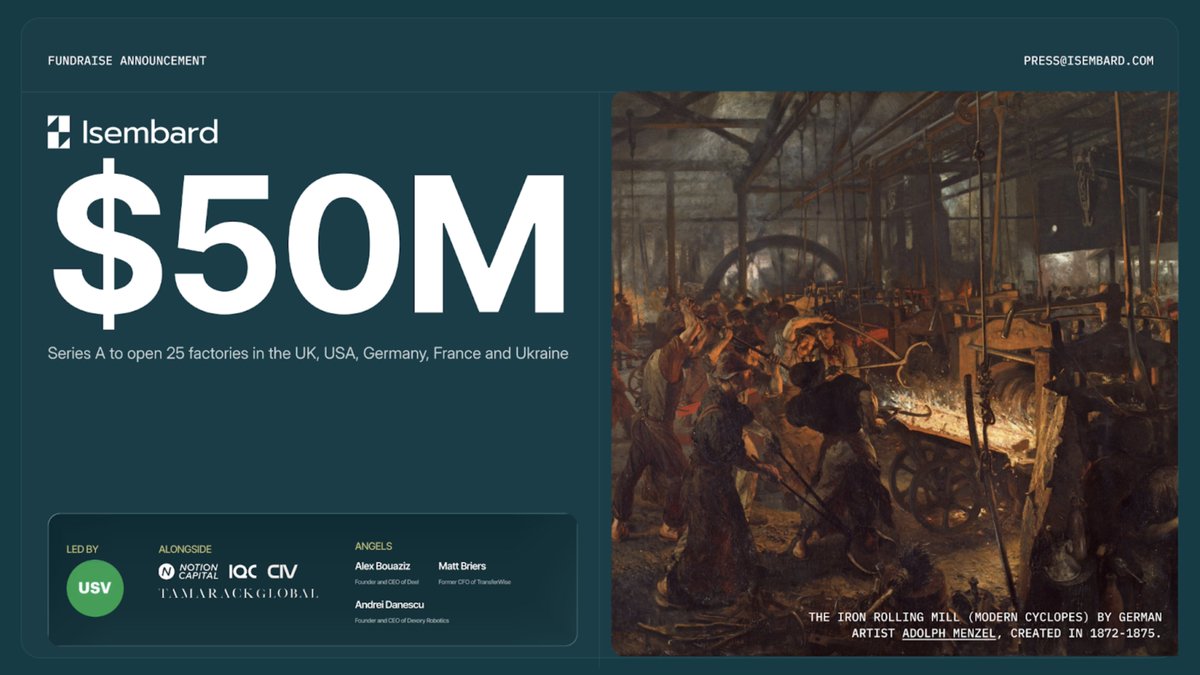
Today @IsembardGroup announces our $50m Series A. More factories, more engineers, more countries. If not now, when...
🇬🇧🇺🇸🇩🇪🇫🇷🇺🇦
English
@AFitzgerald1992 @IsembardGroup Huge congratulations, Alex! Onwards.
English
Join @RecordedFuture co-founder @cahlberg and former MI6 Chief Sir Alex Younger for a live intelligence briefing and a conversation on the implications of the Iran Crisis on 9 March at 0900 ET / 1300 GMT linkedin.com/posts/jonathan…
English
Jonathan Luff retweetledi

The conflict w/ Iran is evolving quickly across cyber, information operations & geopolitics.
On March 9, our Co-Founder @cahlberg joins former MI6 Chief Sir Alex Younger for a live briefing on what’s happening now & what could come next.
Save your spot: bit.ly/40cWw1Q

English
This @RecordedFuture 👇 #ATO
Dustin@r0ck3t23
The entire SaaS industry is building software for a customer that is about to go extinct. The human buyer. Insight Partners co-founder Jerry Murdock just exposed the fatal architectural flaw in every incumbent tech company’s business model. Your dashboards. Your UI. Your enterprise sales motion. Your human-in-the-loop workflows. All of it was engineered for a buyer that is disappearing in real time. Murdock: “If you’re not making your software for autonomous agents today, you’re going to be challenged in the future. Maybe it’s six months, maybe a year, maybe 18 months, but you’re going to be severely challenged if you still think human beings are going to buy your software.” Not disrupted. Not pressured. Structurally eliminated. For two decades, software was built around the cognitive limits of human biology. Dropdowns, dashboards, and notifications existed because the human brain needed them to navigate digital space. An autonomous agent needs none of that. It doesn’t browse your product page. It doesn’t sit through your demo. It doesn’t respond to your sales email. It doesn’t care how clean your UI is. It just executes. The agentic era runs on machine-to-machine infrastructure. Frictionless. Autonomous. No human in the loop. No patience for friction you built for a species it replaced. The window is six to eighteen months. The builders who survive will tear out the entire human interface layer and replace it with pure, unthrottled infrastructure that agents can consume at full speed. Everyone else will spend those eighteen months perfecting a dashboard that no one is ever going to log into again.
English
Air superiority may not be what it once was. Hoping friends in the region are safe and well.
English

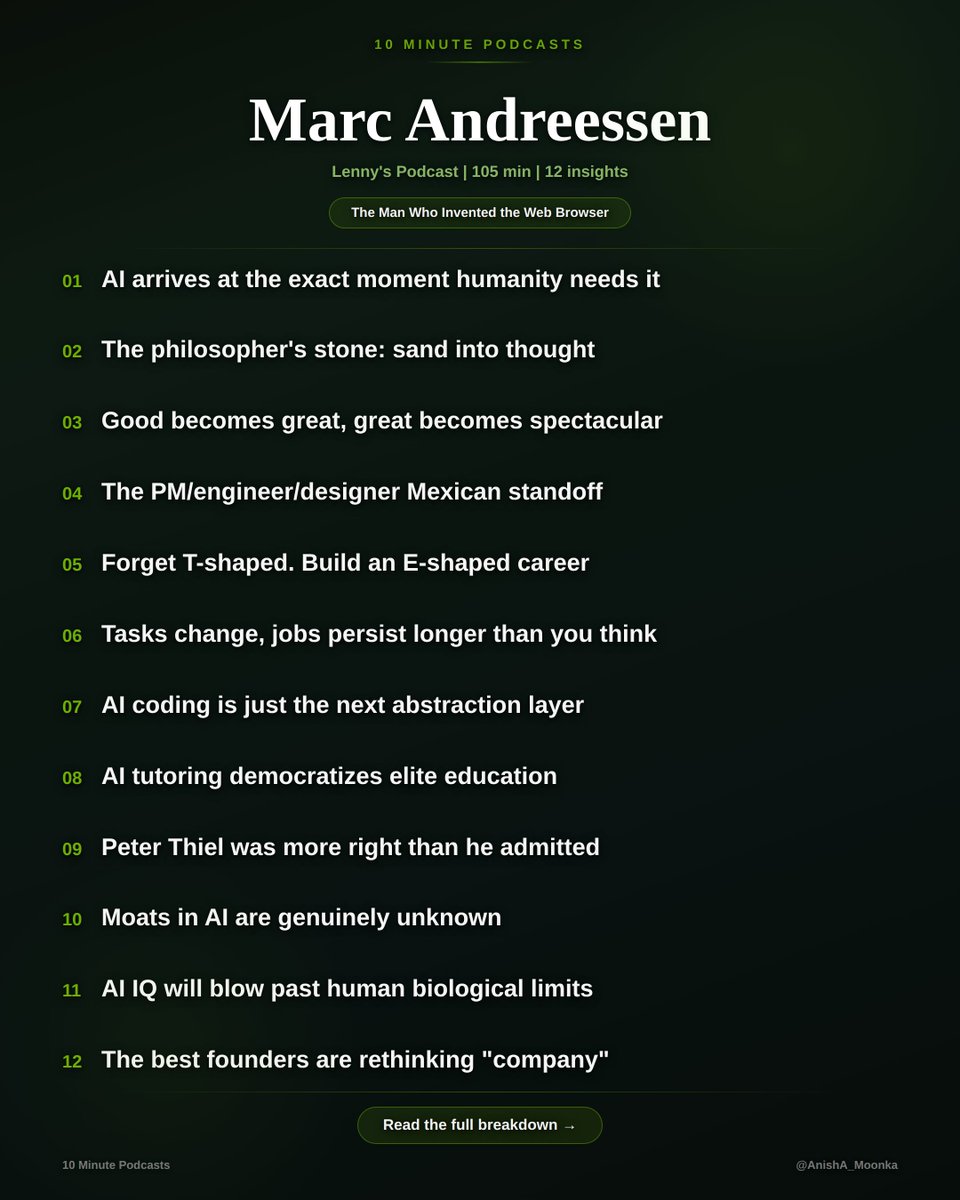
Marc Andreessen just dropped ~105 mins on Lenny's Podcast covering AI, jobs, careers, and why everyone is panicking about the wrong thing.
Just the clearest macro framework I've heard on where AI actually lands.
My notes:
𝟭. 𝗔𝗜 𝗶𝘀 𝗮𝗿𝗿𝗶𝘃𝗶𝗻𝗴 𝗮𝘁 𝘁𝗵𝗲 𝗲𝘅𝗮𝗰𝘁 𝗺𝗼𝗺𝗲𝗻𝘁 𝗵𝘂𝗺𝗮𝗻𝗶𝘁𝘆 𝗻𝗲𝗲𝗱𝘀 𝗶𝘁.
US productivity growth has been running at half the rate of the 1940-1970 era and a third the rate of 1870-1940. The global population is declining below replacement in dozens of countries, including China. Without AI, we would be panicking about economies shrinking from depopulation, not job loss.
The timing is almost miraculous. This is what Andreessen means when he says the real boom has not started yet. We have been in a 50-year productivity drought, and most people do not even realize it.
𝟮. 𝗔𝗜 𝗶𝘀 𝘁𝗵𝗲 𝗽𝗵𝗶𝗹𝗼𝘀𝗼𝗽𝗵𝗲𝗿'𝘀 𝘀𝘁𝗼𝗻𝗲.
Isaac Newton spent decades trying to transmute lead into gold and never succeeded. AI does something more powerful: it converts sand (silicon) into thought. The most common material in the world is the rarest output.
This one metaphor reframes the entire AI conversation. You do not have a job loss problem. You have a philosopher's stone sitting on your desk that you are not using enough.
𝟯. 𝗔𝗜 𝗺𝗮𝗸𝗲𝘀 𝗴𝗼𝗼𝗱 𝗽𝗲𝗼𝗽𝗹𝗲 𝘃𝗲𝗿𝘆 𝗴𝗼𝗼𝗱, 𝗮𝗻𝗱 𝘃𝗲𝗿𝘆 𝗴𝗼𝗼𝗱 𝗽𝗲𝗼𝗽𝗹𝗲 𝘀𝗽𝗲𝗰𝘁𝗮𝗰𝘂𝗹𝗮𝗿𝗹𝘆 𝗴𝗿𝗲𝗮𝘁.
The best coders right now are not reporting 2x productivity. They are reporting 10x. The gap between "pretty good with AI" and "elite with AI" is widening, not narrowing.
This is the most important signal for career planning right now. If you are just using AI to do the same job slightly faster, you are leaving the real leverage on the table.
𝟰. 𝗧𝗵𝗲𝗿𝗲'𝘀 𝗮 𝗠𝗲𝘅𝗶𝗰𝗮𝗻 𝘀𝘁𝗮𝗻𝗱𝗼𝗳𝗳 𝗯𝗲𝘁𝘄𝗲𝗲𝗻 𝗣𝗠𝘀, 𝗲𝗻𝗴𝗶𝗻𝗲𝗲𝗿𝘀, 𝗮𝗻𝗱 𝗱𝗲𝘀𝗶𝗴𝗻𝗲𝗿𝘀.
Every engineer now thinks they can be a PM and designer. Every PM thinks they can code and design. Every designer knows they can do both. And they are all correct, because AI enables each role to absorb the tasks of the other two.
I have seen this firsthand in the investing world. The analyst who can build models and write narratives is 5x more valuable than someone who can do only one. The same convergence is happening in the product.
𝟱. 𝗙𝗼𝗿𝗴𝗲𝘁 𝗧-𝘀𝗵𝗮𝗽𝗲𝗱. 𝗕𝘂𝗶𝗹𝗱 𝗮𝗻 𝗘-𝘀𝗵𝗮𝗽𝗲𝗱 𝗰𝗮𝗿𝗲𝗲𝗿.
Scott Adams could not have created Dilbert by being the world's best cartoonist or the world's best business mind. He needed both. The additive effect of two skills is more than double. Three skills are more than triple. Larry Summers puts it differently: don't be fungible.
The person who can code, design, and ship a product is no longer a unicorn. They are the new baseline for "extremely valuable." If you are only one of those three things, you are increasingly replaceable.
𝟲. 𝗝𝗼𝗯𝘀 𝗮𝗿𝗲 𝗯𝘂𝗻𝗱𝗹𝗲𝘀 𝗼𝗳 𝘁𝗮𝘀𝗸𝘀. 𝗧𝗮𝘀𝗸𝘀 𝗰𝗵𝗮𝗻𝗴𝗲. 𝗝𝗼𝗯𝘀 𝗽𝗲𝗿𝘀𝗶𝘀𝘁.
Executives never typed their own emails in the 1970s. Secretaries printed incoming emails and hand-delivered them. Both roles survived the transition, just with different task sets. The same will happen with AI and coding, PM work, and design.
Everyone obsessing over "will my job disappear" is asking the wrong question. The right question is: which tasks in my job are about to rotate, and am I ready to pick up the new ones?
𝟳. 𝗔𝗜 𝗰𝗼𝗱𝗶𝗻𝗴 𝗶𝘀 𝗷𝘂𝘀𝘁 𝘁𝗵𝗲 𝗻𝗲𝘅𝘁 𝗮𝗯𝘀𝘁𝗿𝗮𝗰𝘁𝗶𝗼𝗻 𝗹𝗮𝘆𝗲𝗿.
We went from human calculators to machine code to assembly to C to scripting languages. Each layer was dismissed by the previous generation. Each time, the new layer won, and total coding employment grew. AI coding is the same pattern, not a rupture.
The Perl programmers of 2005, laughing at JavaScript, are the C programmers of 1995, laughing at scripting. History rhymes, and it always rewards the people who adopt the next abstraction first.
𝟴. 𝗔𝗜 𝘁𝘂𝘁𝗼𝗿𝗶𝗻𝗴 𝗱𝗲𝗺𝗼𝗰𝗿𝗮𝘁𝗶𝘇𝗲𝘀 𝗲𝗹𝗶𝘁𝗲 𝗲𝗱𝘂𝗰𝗮𝘁𝗶𝗼𝗻.
One-on-one tutoring is the only method proven to move a student from the 50th to the 99th percentile (Bloom's two sigma effect). It used to require being born into royalty. Alexander the Great was tutored by Aristotle. Now, any kid with a phone can access the same quality of personalized instruction.
This is the most under-discussed consequence of AI. Every parent reading this should be supplementing their kid's education with structured AI tutoring right now. Not next year. Now.
𝟵. 𝗣𝗲𝘁𝗲𝗿 𝗧𝗵𝗶𝗲𝗹 𝘄𝗮𝘀 𝗺𝗼𝗿𝗲 𝗿𝗶𝗴𝗵𝘁 𝘁𝗵𝗮𝗻 𝗔𝗻𝗱𝗿𝗲𝗲𝘀𝘀𝗲𝗻 𝗼𝗿𝗶𝗴𝗶𝗻𝗮𝗹𝗹𝘆 𝗮𝗱𝗺𝗶𝘁𝘁𝗲𝗱.
Progress in bits masked stagnation in atoms. The built world is barely different from 50 years ago. Same bridges from the 1930s, same dams from the 1910s. Cartels, monopolies, unions, and regulations prevent the rate of change that people had 100 years ago.
This is also why AI will not transform everything overnight. Institutional sclerosis is real. Healthcare alone could take a generation. If you are building in atoms, budget for a war of attrition, not a blitzkrieg.
𝟭𝟬. 𝗠𝗼𝗮𝘁𝘀 𝗶𝗻 𝗔𝗜 𝗮𝗿𝗲 𝗴𝗲𝗻𝘂𝗶𝗻𝗲𝗹𝘆 𝘂𝗻𝗸𝗻𝗼𝘄𝗻.
Within a year of ChatGPT's launch, five American companies, five Chinese companies, and open-source all had roughly equivalent models. DeepSeek emerged from a hedge fund in China and basically replicated the American labs' work. The smartest AI insiders privately admit there aren't many real secrets among the big labs.
This is the most honest take I have heard from a top-tier VC. No one knows if the value accrues to models, apps, or infrastructure. Anyone who tells you otherwise is selling you certainty they do not have.
𝟭𝟭. 𝗔𝗜 𝗜𝗤 𝘄𝗶𝗹𝗹 𝗯𝗹𝗼𝘄 𝗽𝗮𝘀𝘁 𝗵𝘂𝗺𝗮𝗻 𝗹𝗶𝗺𝗶𝘁𝘀.
Human IQ caps around 160 because of biology. Current AI models test around 130-140. There is no theoretical ceiling stopping AI from reaching 200, 250, or 300. The concept of AGI as a "human equivalent" will be a footnote because AI will race past that threshold.
This is the frame that makes the "will AI take my job" debate feel small. We are not building a replacement for human thought. We are building something that will be better than the best human thought has ever been.
𝟭𝟮. 𝗧𝗵𝗲 𝗯𝗲𝘀𝘁 𝗳𝗼𝘂𝗻𝗱𝗲𝗿𝘀 𝗮𝗿𝗲 𝗿𝗲𝘁𝗵𝗶𝗻𝗸𝗶𝗻𝗴 𝘄𝗵𝗮𝘁 𝗮 𝗰𝗼𝗺𝗽𝗮𝗻𝘆 𝗲𝘃𝗲𝗻 𝗶𝘀.
Layer one: AI redefines products. Layer two: AI redefines jobs within companies. Layer three, which has not dropped yet: AI redefines the very concept of having a company. The holy grail is the one-person, billion-dollar outcome, and the best founders are chasing it.
Satoshi did it with Bitcoin. Instagram and WhatsApp came close with tiny teams. The question is no longer if this is possible with software. The question is how many of these we will see in the next five years.
AI is the philosopher's stone. The question is whether you pick it up.
The full podcast is worth your time. Link in replies.
English

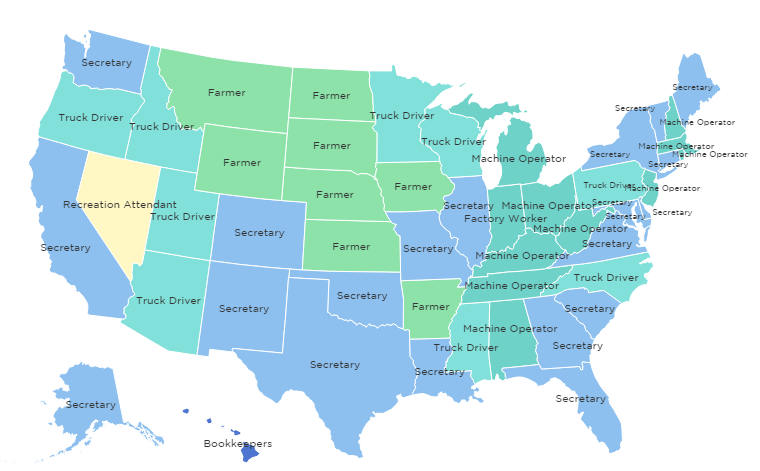
I wanted to understand how automation hits white collar jobs so I went on a huge research trip into the last time it happened: the 1980s
We rarely talk about the mass automation brought about by the PC. But it was massive! Take a look at this map of the most popular job in every US state in 1978. With the exception of truck drivers – for now – every job on that map has been reshaped by automation
English

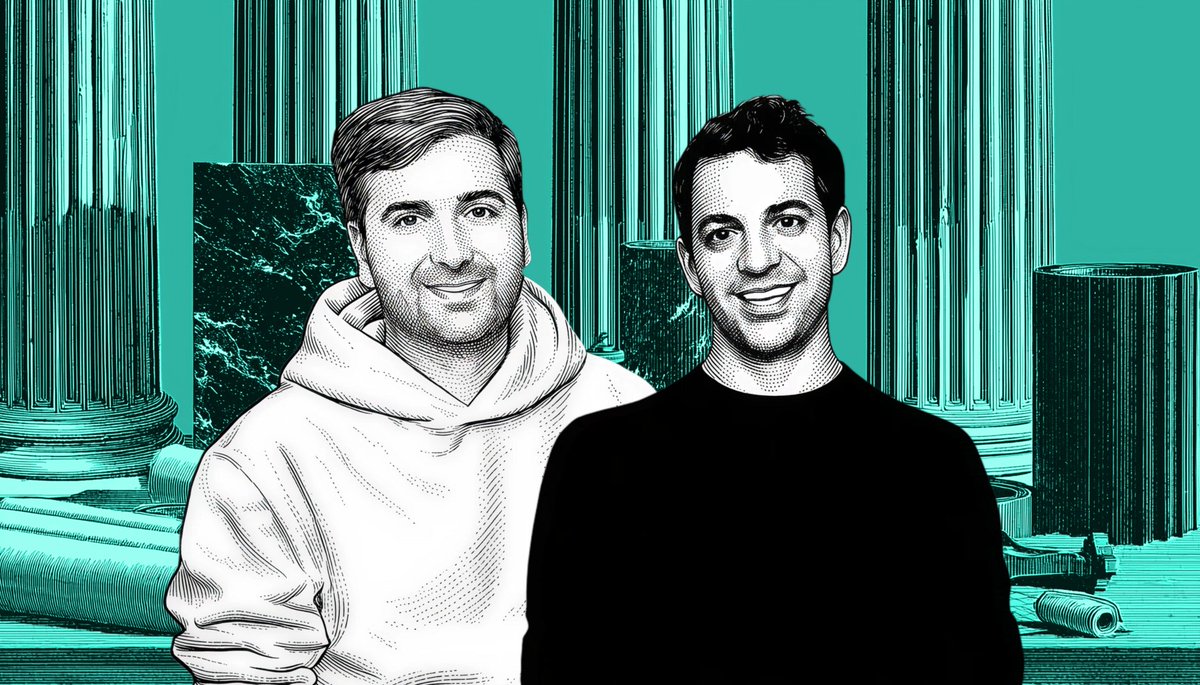
The Codex team at OpenAI runs its own coding agent on its own codebase.
@danshipper asked @thsottiaux and @ajambrosino what automations and skills they use daily. Here are five of them (some of them run while the team sleeps).
English

Don’t know who this Italian guy is but this is a fantastic speech to launch the Games
English
English


I think conferences should almost never do panels. Speakers usually don't prepare much for them, don't engage much with each other, and end up talking about different things. "Fireside chats" and short, focused lectures are usually a much better use of people's time.
English

what films should I download for a couple of six hour flights this week? I will be up early for both of them, so ideally nothing that requires supreme amounts of concentration
English
"nobody knows his name"
Podcast Notes 🗒️@podcastnotes
There's a guy who might be more important than Elon Musk and nobody knows his name. He's the reason ChatGPT exists. The reason the AI race started. And he just solved a 50-year-old problem that could cure cancer. This is the story of Demis Hassabis:
English