Jason Frisch
3.2K posts

Jason Frisch
@jmfrisch
使えるねっと株式会社 代表取締役社長 CEO of Tsukaeru cloud services group Japan , Australia, Indonesia, US and Denmark
Nagano Katılım Aralık 2009
553 Takip Edilen290 Takipçiler
Jason Frisch retweetledi

@PrisonPlanet Plenty of masks still in Japan.. they haven't managed to update their brains yet.
English
Jason Frisch retweetledi

Email sudah menjadi pusat kolaborasi bisnis modern.
Ikuti webinar “BEYOND EMAIL” & dapatkan demo Zimbra + Mail Buster untuk tingkatkan efisiensi & keamanan bisnis Anda.
Daftar sekarang! cloudmatika.zoom.us/webinar/regist…
#EmailSecurity #emailbisnis #WebinarIndonesia

Indonesia
Jason Frisch retweetledi

AI is redefining IT, fast.
See how @Acronis is leading the shift to smarter, scalable IT services at this virtual event.
Old tools won’t survive.
👉 Save your spot: acronis.events/event/ai-first…
#MSP #ManagedServices #ITLeaders #AI #CyberSecurity

English

Jason Frisch retweetledi

@levelsio It's really bad in Denmark too. The degrowth/net-zero nonsense has sunk into the unconsciousness to a degree where they don't even notice or question the insanity. Like laughing gas being discouraged for births because of CO2 impact??? dr.dk/nyheder/indlan…
English
Jason Frisch retweetledi

Japan spent 30 years throwing everything at economic stagnation: zero interest rates since 1999, endless stimulus packages totaling over $6 trillion, quantitative easing that ballooned their central bank balance sheet to 130% of GDP. The result? Three decades of economic flatline.
Austrian economic theory predicted this perfectly. You can't print prosperity. Capital misallocation from artificially low rates creates zombie companies that should have failed. Government spending crowds out productive private investment. Japan's politicians kept doing more of what caused the problem.
The lesson stares every central banker in the face: stimulus doesn't create wealth, it redistributes and destroys it. Yet they keep reaching for the same broken tools.

English
Jason Frisch retweetledi

The smell of weed is the smell of death. The pungent odor of civilizational decay
Normalizing it is normalizing decline itself
𝐈𝐯𝐲𝐬𝐨𝐧✰@stit57881
Smelling weed in public for me is like smelling the little baked pie on the windowsill in cartoons I can't lie

English

@steipete I switched to Codex, and to be honest, I've never seen openclaw follow instructions so easily. It seems to have suddenly remembered all I trained it on when I first started. All bow to OpenAI!
English
Jason Frisch retweetledi

【最新記事】
#SaaS とは?意味や仕組み、#クラウド との違い、代表的なサービス例、導入時のポイントまでをわかりやすく解説。#データ保護 や #バックアップ など、SaaS活用に必要な #セキュリティ 対策についても紹介しています。
tsukaeru.net/blog/understan…
#dx #業務効率化 #情報システム

日本語

🚨Breaking: An Anthropic engineer (@trq212) just broke down how they actually use skills inside Claude Code — and it’s a completely different mindset.
Here’s the real system 👇
Skills are NOT text files.
They are modular systems the agent can explore and execute.
Each skill can include:
reference knowledge (APIs, libraries)
executable scripts
datasets & queries
workflows & automation
→ The agent doesn’t just read… it uses them
The best teams don’t create random skills.
They design them into clear categories:
• Knowledge skills → teach APIs, CLIs, systems
• Verification skills → test flows, assert correctness
• Data skills → fetch, analyze, compare signals
• Automation skills → run repeatable workflows
• Scaffolding → generate structured code
• Review systems → enforce quality & standards
• CI/CD → deploy, monitor, rollback
• Runbooks → debug real production issues
• Infra ops → manage systems safely
→ Each skill has a single responsibility
The biggest unlock is verification
Most people stop at generation.
Top teams build systems that:
simulate real usage
run assertions
check logs & outputs
→ This is what makes agents reliable
Great skills are not static.
They evolve.
They capture:
edge cases
failures
“gotchas”
→ Every mistake becomes part of the system
Another thing most people miss:
Skills are folders, not files.
This allows:
progressive disclosure
structured context
better reasoning
→ The filesystem becomes part of the agent’s brain
And the biggest mistake?
Trying to control everything.
Rigid prompts.
Micromanagement.
Over-constraints.
Instead:
provide structure
give high-signal context
allow flexibility
→ Let the agent adapt to the problem
The best teams treat skills like internal products:
Reusable.
Composable.
Shareable across the org.
That’s how you scale agents.
Not with better prompts.
But with better systems.
Save this. This is how AI actually gets useful.

English
Jason Frisch retweetledi

Yeah its funny but comparing the Iran war to one launched under a similar duplicitous veil of diplomacy that led to the eventual death of the nation who launched it isn't the best analogy!
CSPAN@cspan
Q: "Why didn't you tell U.S. allies…about the war before attacking Iran?" President Trump: "We wanted surprise. Who knows better about surprise than Japan? Why didn't you tell me about Pearl Harbor?"

English
Jason Frisch retweetledi

How many paper straws do we need to use to offset these emissions?
BRICS News@BRICSinfo
JUST IN: 🇮🇱🇮🇷 Israel strikes Iranian oil infrastructure.
English
Jason Frisch retweetledi

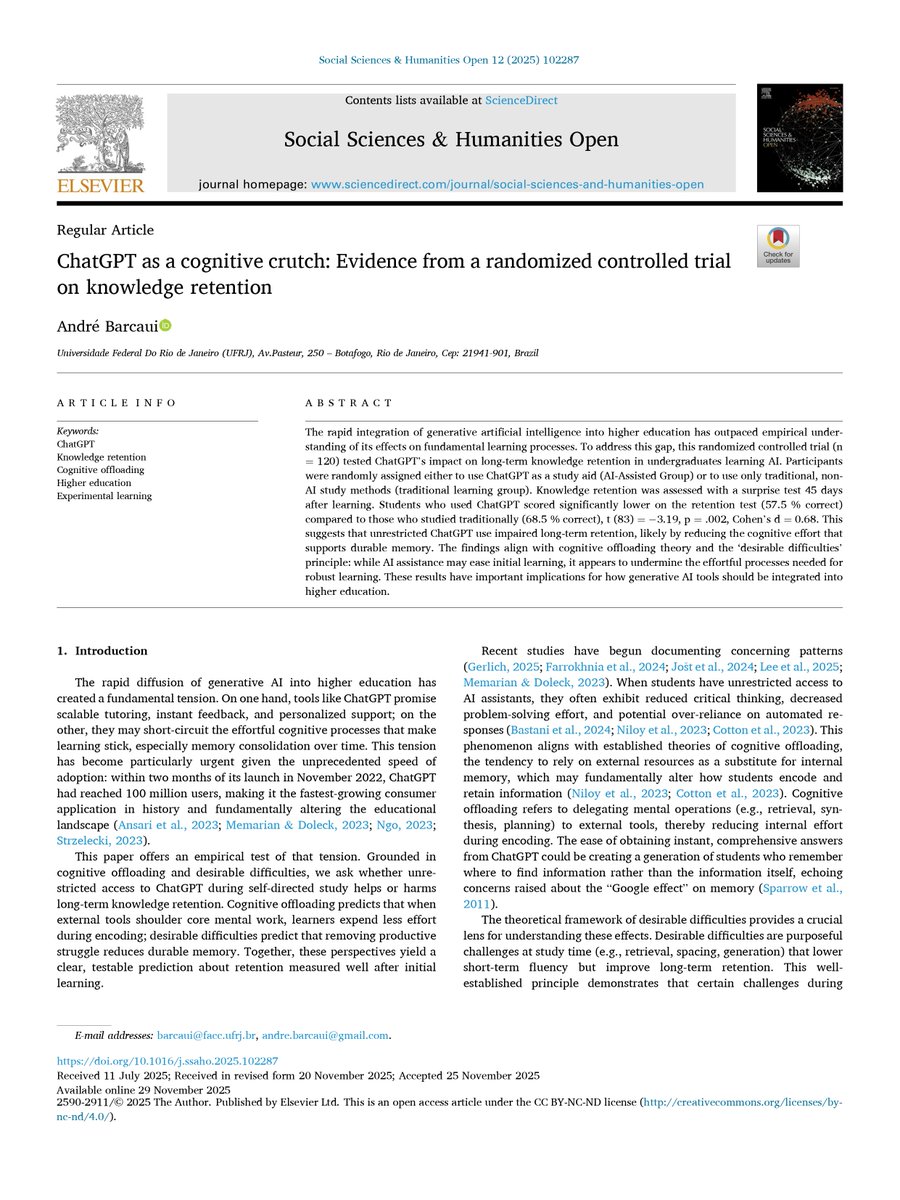
🚨BREAKING: If you've used ChatGPT for writing or brainstorming in the last 6 months, your creative ability may already be permanently damaged.
A controlled experiment just proved the effect doesn't reverse when you stop using it.
3,302 creative ideas. 61 people. 30 days of tracking.
Researchers split students into two groups. Half used ChatGPT for creative tasks. Half worked alone. For five days, the ChatGPT group outperformed on every metric. Higher scores. More ideas. Better output. AI was making them better.
Then day 7. ChatGPT removed. Every creativity gain vanished overnight. Crashed to baseline. Zero lasting improvement.
But that's not the bad part.
ChatGPT users' ideas became increasingly identical to each other over time. Same content. Same structure. Same phrasing. The researchers called it homogenization. Everyone using ChatGPT started producing the same ideas wearing different clothes.
When ChatGPT was removed, the creativity boost disappeared -- but the homogenization stayed. 30 days later, same result. Their creative range had been permanently compressed.
Five days of use. Permanent damage 30 days later.
A separate trial confirmed it. 120 students. 45-day surprise test. ChatGPT users scored 57.5%. Traditional learners scored 68.5%. AI reduces cognitive effort. Less effort means weaker encoding. Weaker encoding means less creative raw material.
You're not renting a productivity boost. You're financing it with your originality.
The interest rate is permanent.

English
Jason Frisch retweetledi

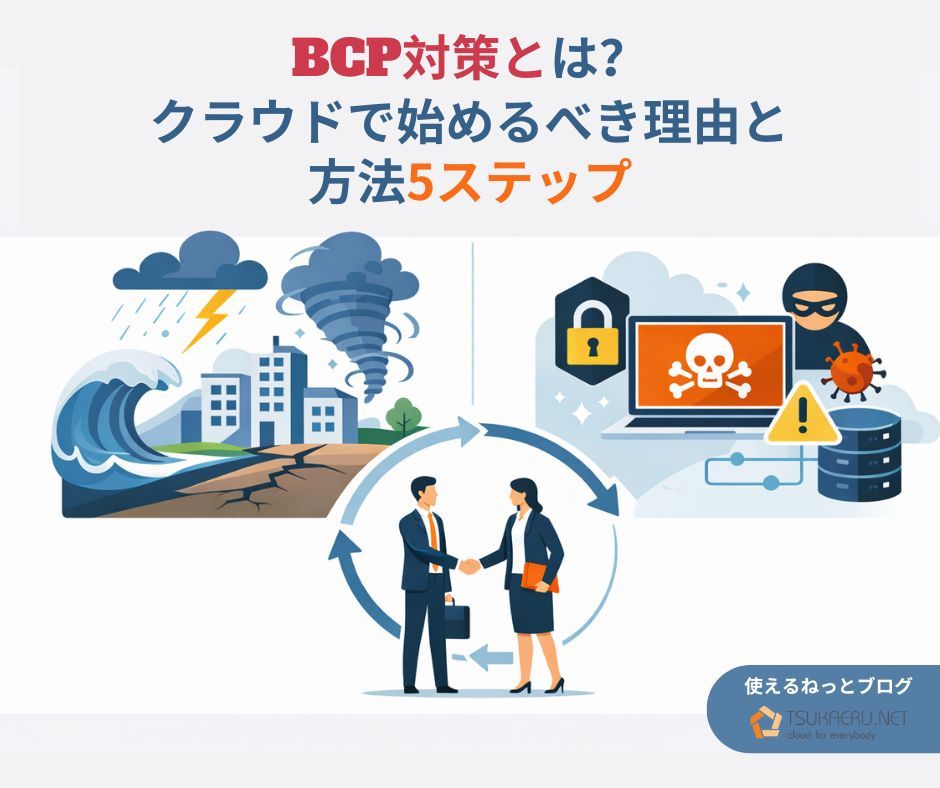
【最新記事】
災害+サイバー攻撃に備える #BCP対策。特にITやクラウドへの依存度が高い #中小企業 にとって、BCP(#事業継続 計画)は「いつか」ではなく「今」考えるべきテーマです。#クラウド で始める5ステップを解説しました。
tsukaeru.net/blog/business-…
#バックアップ #ストレージ

日本語
Jason Frisch retweetledi

【最新記事】
日本リージョンでも海外法の影響を受ける可能性がある理由とは?
CLOUD Actの基本・誤解・対策をコンパクトに整理。実務判断に役立つ要点を解説。
tsukaeru.net/blog/what-is-c…
#クラウド #データ保護 #リスク管理 #クラウド法 #情報セキュリティ

日本語