@FlyoverStoicism The antipode theory is geography cosplay, not causation. Patagonia and Siberia being opposite points on a globe doesn’t magically create geopolitical arson rituals.
English
Jack Kruse
47 posts

@johnjackc1
I’m a neurosurgeon on a mission to create health from disease by decentralized thinking & BTC! Bitcoin pleb decade club in exile https://t.co/rya9uRSpXf


@DrJackKruse If enough people get it, there will only be room left at the Siberian hub 😆
@DrJackKruse Appreciate the education, but I don’t appreciate the recurrent condescending tone.


Over the last 250 million years, at least five completely unrelated lineages of crustaceans have independently evolved into crab-like forms, a phenomenon so common that biologists gave it its own name: carcinization. And despite decades of study, scientists still don’t fully understand why it keeps happening. Detailed evolutionary research shows that “crabbiness”, the distinctive wide, flattened body, tucked tail, and armored shell, has appeared, disappeared, and sometimes reappeared across different branches of the crustacean family tree. In one of the strangest cases, king crabs actually re-evolved crab-like traits after their ancestors had already lost them (a process called decarcinization). This repeated convergence suggests the crab body plan offers powerful survival advantages. Crabs are incredibly successful and adaptable, thriving in virtually every marine and coastal environment on Earth — from coral reefs and rainforests to deep-sea vents and underground caves. Their sideways scuttling allows quick directional changes while keeping an eye on predators, and their hard exoskeleton provides excellent protection. Yet the mystery remains: some crab-like species walk forward, others have ditched the shell entirely, and plenty of non-crab crustaceans do just fine without ever evolving into crabs. The real fascination for biologists lies in what this tells us about evolution itself: under certain environmental pressures, nature seems to repeatedly converge on the same highly effective solutions — almost as if the crab shape is one of evolution’s favorite “optimal” designs. [“One hundred years of carcinization – the evolution of the crab-like habitus in Anomura (Arthropoda: Crustacea).” Biological Journal of the Linnean Society]

Bitfinex has received a licence to offer spot trading, along with its already regulated derivatives and tokenised securities activities in El Salvador, one of the most deliberately constructed digital asset jurisdictions in the world. Learn more: bitfinex.com/post/?id=1181





Why the huge push to convince our species we should eat C3 or C4 grasses? IYKYK. patreon.com/posts/cpc-82-a…


The hypothalamus is key to circadian & hormonal balance—its dysfunction drives metabolic decline and aging. Disrupted rhythms impair sleep, hormones & heart health. Diseases like laminopathies reveal links between circadian disruption and accelerated aging. Chronotherapy may offer new solutions. #Aging #CircadianRhythm sciencedirect.com/science/articl…


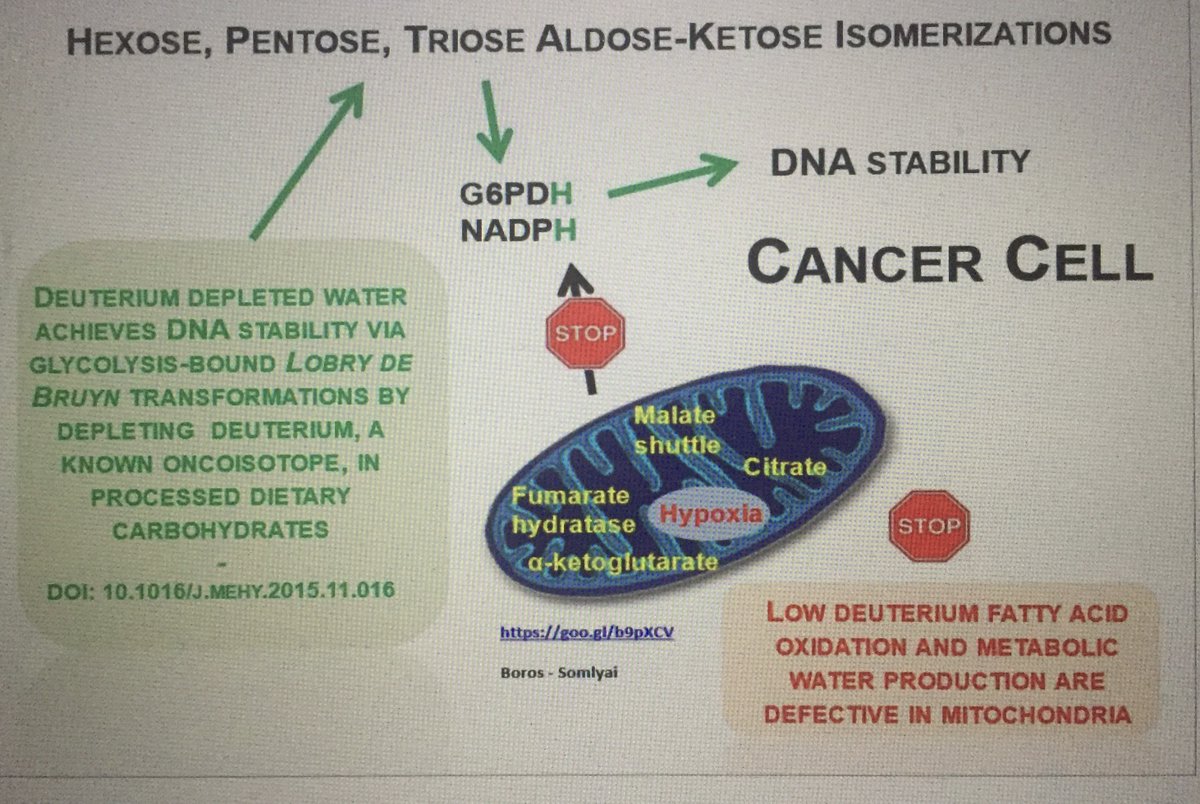
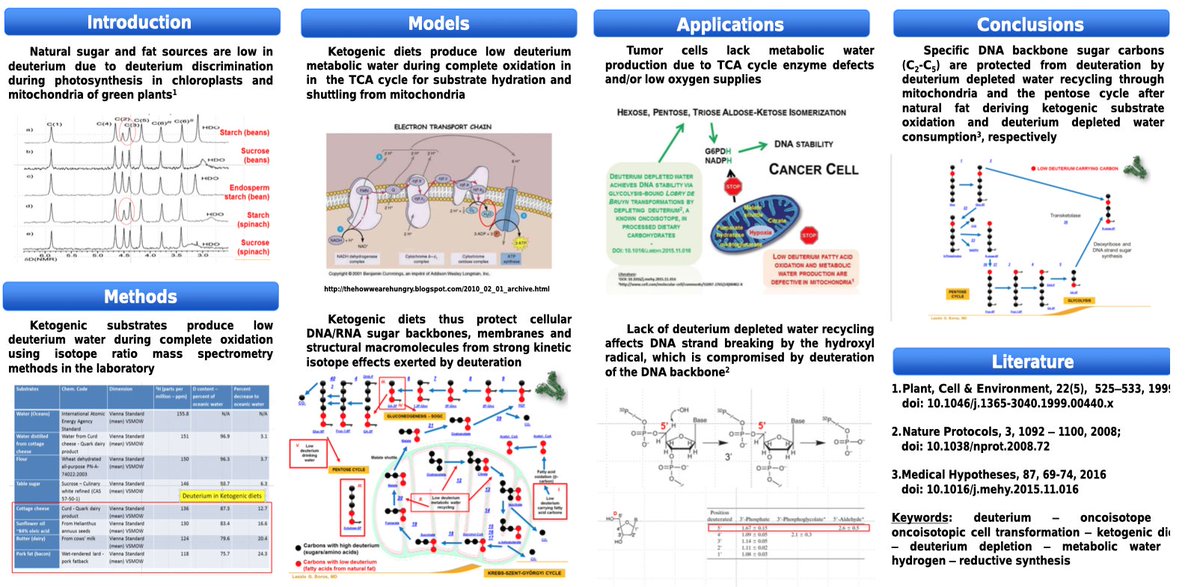

A 16-hour fasting regimen may boost cancer immunotherapy. Transient nutrient stress reshapes tumor metabolism, increasing isoleucine in the TME and enhancing CD8+ T cell function. In mice & patients, short-term fasting improved immune response—offering a feasible way to strengthen treatment. #Fasting, #immunotherapy, #cancer, cell.com/cell-metabolis…