Larry OBrien

3K posts

Larry OBrien banner
Larry OBrien

Larry OBrien

@larryobrien

Founder, Former Ottawa Mayor, Author | Understanding Canada-USA Cultural, Economic & Political Differences.

Ottawa, Ontario Katılım Nisan 2011
253 Takip Edilen1.9K Takipçiler
Sabitlenmiş Tweet
Larry OBrien
Larry OBrien@larryobrien·
Ian Lee and I just launched our Substack: Canada in the Age of Trump's America. Every week: the analysis that didn't fit in the book, or that the world changed too fast to include. Tariffs. USMCA. Arctic sovereignty. Alberta. The hard conversations Canada keeps avoiding. Free. No spin. No party line. See it here: obrienl.substack.com/p/why-we-start…
English
1
0
1
128
Erik Thorvaldsson
Erik Thorvaldsson@erik_thorvalds·
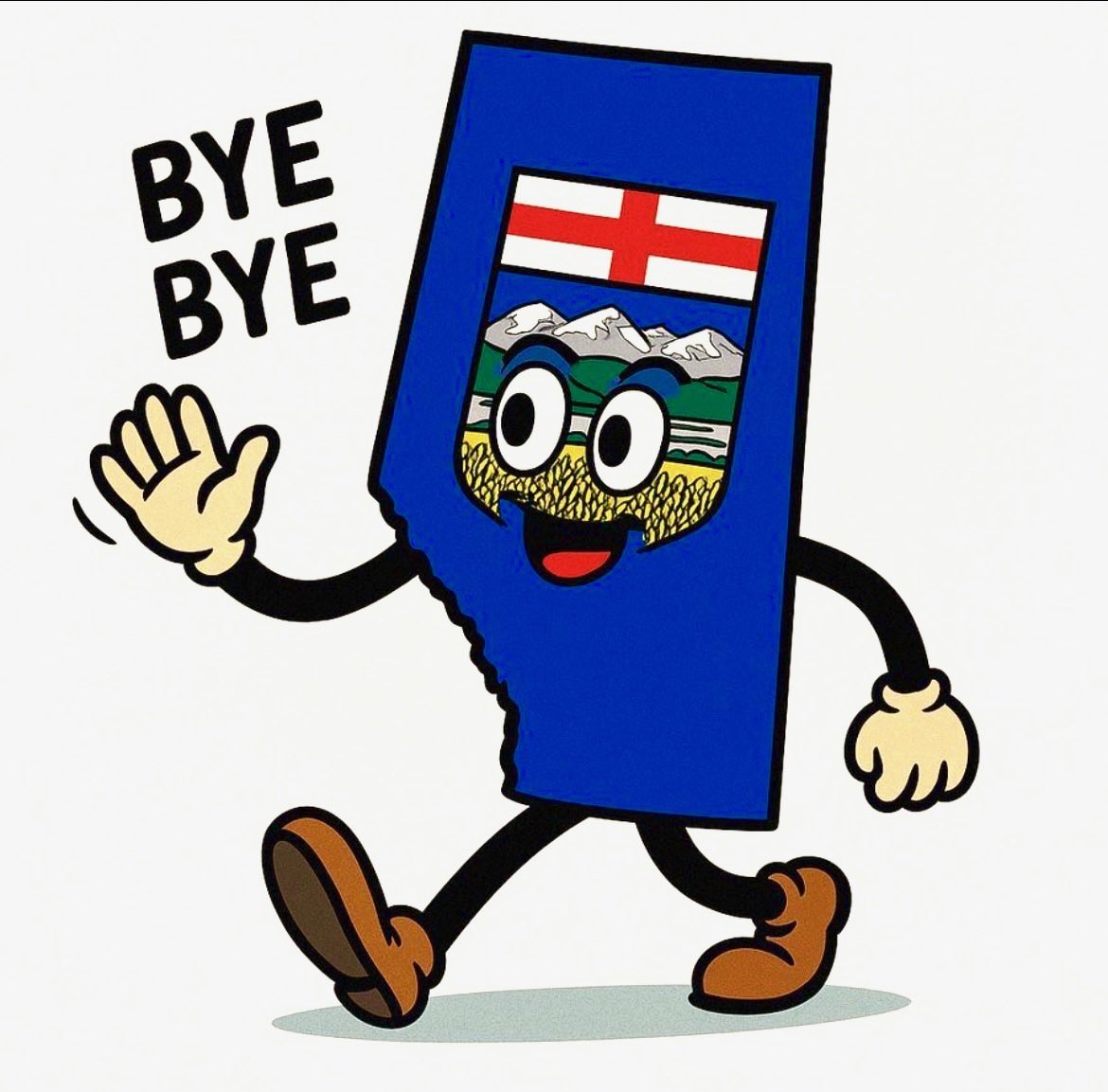
THE ONLY PATH FOR ALBERTA IS INDEPENDENCE. ITS TIME TO LEAVE THE FAILING CANADIAN STATE!
Erik Thorvaldsson tweet media
English
86
274
1.6K
9.1K
Shuv Majumdar
Shuv Majumdar@shuvmajumdar·
CANADA has the BIGGEST ECONOMIC OPPORTUNITY in a GENERATION. ALASKA is moving fast on pipelines to the northwest Pacific, backed by private finance. And Mark Carney’s Liberals? They propose nearly a billion dollars for a road to a Beijing-owned mine in the north. They ram a $90 billion high-speed rail fantasy through a conflict-of-interest laden budget. Our potential. Our jobs. Our resources. All in Liberal hands – and they’re throwing it all away.
Power The Future Alaska@PTFAlaska

The Alaska LNG pipeline will be the largest infrastructure project in the Arctic and a game-changer for U.S. energy leadership. @SecretaryWright called it the single most important energy infrastructure project of this administration. @GovDunleavy

English
36
451
1.1K
58.6K
Larry OBrien
Larry OBrien@larryobrien·
@wealthmoose When CEOs reject carbon pricing en masse, that's not lobbying — that's a productivity signal. Canada's business investment per worker is already 40% below that of the U.S. Add regulatory drag, and you don't get green growth, you get capital flight. obrienl.substack.com
English
0
0
0
4
wealthmoose
wealthmoose@wealthmoose·
🚨🇨🇦 CEOs Are Explicitly Rejecting the Federal Carbon Pricing Policy 🚩 
In March 2025, 14 Canadian oil & gas CEOs (representing major players) published an open letter demanding the repeal of Ottawa’s carbon pricing framework. Their exact words: the federal scheme is “not globally cost competitive” and should be scrapped so provinces can set “more suitable carbon regulations.” This wasn’t fringe..it was a coordinated push from the sector that pays the biggest share of industrial carbon costs. Pipeline and energy executives echoed the same call. Repeal, not “strengthen.” #Canada #CdnPoli #CarbonTax #Energy #Pipeline
Jasmin Laine@JasminLaine_

According to Canada’s Environment Minister, “a strong predictable Carbon Price” is what industries are looking for. Do you believe this is what industry CEO’s want in Canada?

English
23
114
244
11.7K
Larry OBrien
Larry OBrien@larryobrien·
Ontario's fuel dependency on a U.S. pipeline is exactly the vulnerability a $544B foreign oil import bill buys you. Canada spent 35 years sending energy wealth abroad instead of building east-west infrastructure. The fix isn't complicated — it's political will. obrienl.substack.com
English
0
0
0
5
Tom Quiggin
Tom Quiggin@TomTSEC·
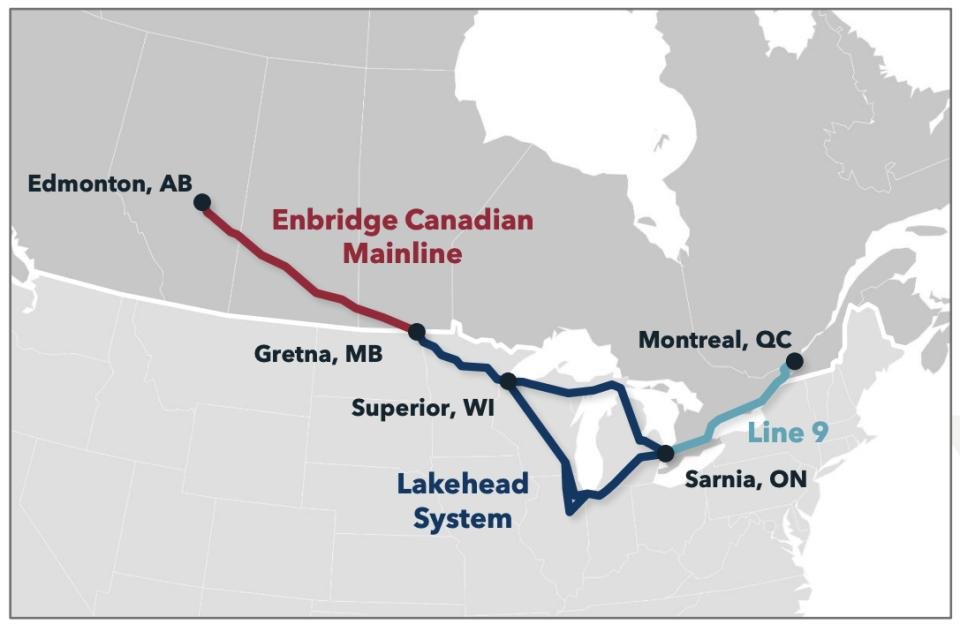
REMINDER Most of the gasoline and jet fuel in Ontario (and Quebec) is dependent on a pipeline in the USA. A variety of American politicians are already trying to close it due to age and environmental concerns. The Canadian policy*** of willfully aggravating the USA is short sighted to say the least. ***Carney, Ford, etc.
Tom Quiggin tweet media
English
140
458
1.4K
66.4K
Larry OBrien
Larry OBrien@larryobrien·
Alberta should win the vote on Separation. They have strong reasons to do so. That province is fed up with funding Canada’s woke Laurentian Elite policy agendas at its expense, resulting in lost jobs and a lower standard of living. Alberta is frustrated and no longer willing to accept this. From 2008 to 2023, the province contributed a net $240 billion to federal programs like equalization, despite ongoing pipeline delays, rising carbon taxes, and perceived federal neglect. They get nothing in return from the Cooperative Federalism they signed up to in 1905. Yet that may be what brings. Canada to its senses and enables building a truly functional Canada. See more at obrienl.substack.com
English
0
2
1
46
Rise Of Alberta
Rise Of Alberta@RiseOfAlberta·
An Independent Alberta means lower taxes, stronger growth, controlled immigration, and more of our money staying here at home. Alberta has everything it needs to build a strong future as an independent nation.
Rise Of Alberta tweet media
English
16
147
465
4.4K
Larry OBrien
Larry OBrien@larryobrien·
The 'but' is doing a lot of work in that sentence. Ambition without regulatory reform is just press releases. Trans Mountain took 10 years. LNG Canada took 7. If 'urgency' means anything, show us a project approved in under 3 years. obrienl.substack.com cc @drianlee and I discuss this in great detail in our soon-to-be-released book, The Future of Canada Trump's America.
English
0
0
0
14
Heather Exner-Pirot
Heather Exner-Pirot@ExnerPirot·
“Canada is approaching energy policy with renewed ambition, pragmatism and urgency.” I want to believe every word of this but the fact is proponents/investors are in a holding pattern until they get clarity on the industrial carbon price, methane regs and Clean Electricity Regs.
GC Newsroom@NewsroomGC

The Honourable Minister Tim Hodgson “Canada’s Energy Comeback: Building an Energy-Secure World” Opening of Canada House, CERA Week 2026 Houston, Texas ow.ly/8uXY106wf8x

English
34
52
322
15.2K
Larry OBrien
Larry OBrien@larryobrien·
You are so right, @jkenney, Nova Scotia lifting the gas ban is the first domino. Now watch New Brunswick, PEI, and Quebec. The $544B we've spent importing foreign oil into Eastern Canada since 1988 is the most damning number in Canadian energy policy. Build the pipeline. obrienl.substack.com @drianlee and I discuss this in detail in our upcoming book, "Canada's Future in the Age of Trump's America.
Jason Kenney 🇨🇦🇺🇦🇮🇱@jkenney

“There is no business case” for East Coast LNG - Justin Trudeau, immediately following Russia’s full scale invasion of Ukraine. This must stand as one of the most flagrantly stupid remarks ever made by a Canadian Prime Minister. Everyone in politics says dumb things from time to time. I sure did. The problem is that this dumb statement reflected government policy, based on an astonishing blend of energy, economic, and geopolitical illiteracy. Mark Carney was elected on the premise of being literate on energy, the economy, and geopolitics. On the promise of getting big things done “faster than ever,” of making Canada “an energy superpower,” of becoming the “fastest growing economy in the G7.” So get on with it already. Eastern Canadian provinces are increasingly positive on gas production and exports, eg Nova Scotia lifting its ridiculous gas production ban. There is a growing shift back to energy realism in Quebec politics. Enough consultations, meetings, and triangulating energy politics. Embrace East Coast LNG as a moon shot project, with war time urgency. Prove that Canada can once again do big things quickly, while making Canada wealthier, and helping the world achieve energy security.


English
0
1
1
84
Larry OBrien
Larry OBrien@larryobrien·
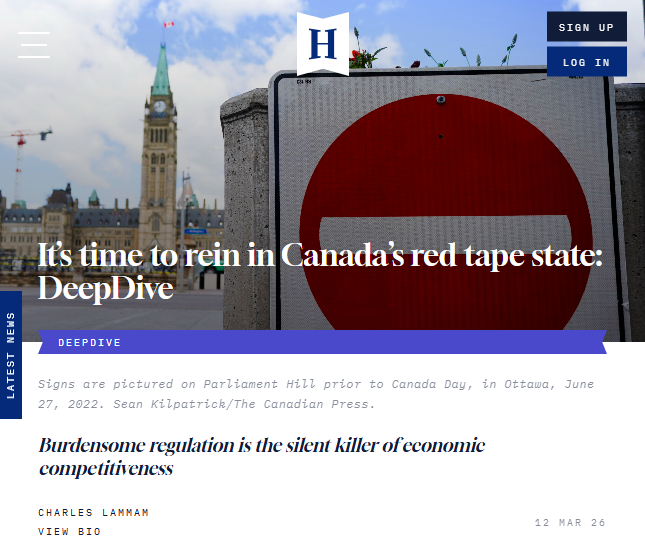
@iedm_montreal 'Quietly' is the right word. Every major project in Canada now takes 2-3x longer to approve than in the US or Australia. That's not caution — that's competitive suicide. One project, one review. It's not complicated. obrienl.substack.com
English
0
0
0
5
IEDM - MEI
IEDM - MEI@iedm_montreal·
Canada’s “red tape state” is quietly undermining our competitiveness. Excessive, duplicative regulation deters investment, slows projects, raises prices, and protects incumbents. Serious regulatory reform would be a low-cost, high-impact way to boost productivity and, ultimately, our standard of living. #cdnpoli #cdnecon thehub.ca/2026/03/12/its… To learn more, read our publication on the matter: iedm.org/reining-in-can…
IEDM - MEI tweet media
English
1
2
6
194
Larry OBrien
Larry OBrien@larryobrien·
@Concern70732755 Again, this is the trap nobody's talking about. Article 32.10 gives the US a veto on any Canada-China trade deal. We can't diversify away from the US while staying inside CUSMA — that's the real negotiating bind. obrienl.substack.com cc @drianlee
English
0
0
0
14
Concerned Canadian
Concerned Canadian@Concern70732755·
Carney’s China Pivot mistake !! The China pivot -marked by his January 2026 Beijing visit, tariff reductions on Chinese EVs (capped initially at ~49,000 units), and reciprocal Chinese concessions on Canadian canola, pulses, and other agri-products—is an economic mistake for three core reasons. 1. Over-Reliance on an Unreliable, Coercive Partner China’s economy features heavy state subsidies, non-market practices, IP theft risks, and a track record of weaponizing trade (e.g., past arbitrary detentions and retaliatory tariffs on Canadian goods). Increased dependence on Chinese markets for commodities like canola exposes Canadian producers to sudden political leverage, while importing subsidized Chinese EVs risks hollowing out domestic auto manufacturing and supply chains. Short-term gains in select sectors do not offset long-term vulnerabilities to Beijing’s strategic priorities over mutual benefit. 2. Distorts North American Integration Canada’s prosperity is overwhelmingly tied to the US market (~10x larger in trade volume than China). Deepening ties with China introduces subsidized inputs that can undermine integrated North American production, turning Canada into a potential backdoor for Chinese goods. This erodes the competitive edge of continental supply chains in autos, energy, and manufacturing, where rules-based, high-standard integration with the US and Mexico delivers far greater value than transactional deals with a non-market economy. 3. Jeopardizes CUSMA Renewal The pivot directly complicates the 2026 CUSMA (USMCA) review/renegotiation. USMCA’s Article 32.10 (“China clause”) was designed precisely to prevent any party from forging deeper non-market ties that could flood the bloc with distorted goods. US officials (including Commerce Secretary Lutnick) have explicitly viewed the EV/canola arrangement as problematic, signaling hardened US positions, potential demands for stricter origin rules, or even bilateral shifts. This reduces Canada’s leverage, invites retaliatory tariffs or exclusionary terms, and risks destabilizing the agreement that underpins the bulk of Canadian exports—precisely when diversification rhetoric cannot realistically replace continental realities in the near term. In summary, the pivot prioritizes symbolic “strategic autonomy” and short-term commodity relief over the geography, scale, and reliability of North American trade. It weakens Canada’s negotiating hand on CUSMA, heightens exposure to Chinese coercion, and undermines the high-value, rules-aligned integration that has driven Canadian economic strength. A wiser approach would emphasize diversification with trusted partners while safeguarding the indispensable US relationship.
English
2
9
31
921
Larry OBrien
Larry OBrien@larryobrien·
@fordnation @fordnation Doug, the House vote is a start — but sectoral tariffs on steel, aluminum and energy are still live. Victory lap can wait. The real test is the CUSMA table in July. obrienl.substack.com. Good work on signing the Trade Mobility Act.
English
0
0
0
17
Doug Ford
Doug Ford@fordnation·
Tonight, the U.S. House of Representatives voted to end tariffs on Canada. An important victory with more work ahead. Thank you to every member from both parties who stood up in support of free trade and economic growth between our two great countries. Let’s end the tariffs and together build a more prosperous and secure future.
English
1.1K
611
6.5K
319.5K
Larry OBrien
Larry OBrien@larryobrien·
@JShamess World-class resources, third-world regulatory timelines. Canada's LNG opportunity is real — but only if we stop treating our own energy sector as the enemy. The world is watching and moving on without us. Dr. Ian Lee and I discuss issues like this at obrienl.substack.com
English
2
0
2
26
Larry OBrien
Larry OBrien@larryobrien·
Tobi's diagnosis is correct. We have to move MUCH MUCH faster. The IMF puts the internal trade barrier drag at $210B/year — equivalent to a 9% self-imposed tariff. We're doing to ourselves what we're blaming Trump for. Dr. Ian Lee and I discuss issues like this at obrienl.substack.com
English
0
0
0
13
Larry OBrien
Larry OBrien@larryobrien·
@aeberman12 @vtchakarova Canada holds the #1 global potash reserves, #2 uranium, and sits on $60T in untapped Arctic minerals. Decoupling from China starts with Canada choosing to be a supplier — not a bystander. Dr. Ian Lee and I discuss issues like this at obrienl.substack.com
English
0
0
0
10
Larry OBrien
Larry OBrien@larryobrien·
@cecile_shaw8 @MelissaLMRogers This is the China factor hiding in plain sight. We debate pipelines while Beijing quietly acquires the infrastructure. Canada needs a critical minerals and energy sovereignty doctrine — not just court rulings. Dr. Ian Lee and I discuss issues like this at obrienl.substack.com
English
0
0
0
7
Cecile Shaw
Cecile Shaw@cecile_shaw8·
PetroChina already owns half of Alberta's Grand Rapids Pipeline (460 km oil line). They just got blocked by an Alberta court (Jan 2026) from forcing the buyout of the other half without FEDERAL approval. But with Carney heading to China now amid trade talks & pressure to boost energy exports, Beijing will likely lean hard on him to greenlight full ownership. What happened to Canada 🇨🇦 first & sovereignty?
English
9
32
123
2.9K
Melissa 🇨🇦
Melissa 🇨🇦@MelissaLMRogers·
No big deal 🇨🇦 but PetroCHINA is currently seeking full ownership of an Alberta pipeline system 👀 PetroChina of course is a Chinese state owned enterprise Sovereignty is important 😀
English
127
787
2.1K
37.9K
Larry OBrien
Larry OBrien@larryobrien·
The Hormuz lesson is exactly right. 20M barrels/day at risk through one chokepoint — while Canada has three secure tidewater ports and 172B barrels sitting in the ground. The world needs us. We need to act like it. Dr. Ian Lee and I discuss issues like this at obrienl.substack.com
English
0
0
1
6
Barry Sharp
Barry Sharp@BarryESharp·
Post 1. Lessons from the Strait of Hormuz: Energy Blackmail and the Urgent Case for Canadian Energy Sovereignty 29th March 2026 As Canadian families pull up to the pumps this spring and wince at gasoline prices pushing toward $1.70 a litre, or higher in some provinces, the unfolding crisis in the Middle East is delivering a brutal, unambiguous lesson. Energy is not just another commodity. It is the lifeblood of modern economies, and when adversaries weaponise it, ordinary citizens pay the price in higher grocery bills, strained household budgets, and a creeping sense of national vulnerability. The ongoing Hormuz confrontation, triggered by precision strikes on Iranian nuclear and military infrastructure on 28 February, has closed one of the world’s most critical oil chokepoints. Global crude has surged past $113 a barrel. For Canada, a nation blessed with the world’s third-largest proven oil reserves, more than 160 billion barrels, the vast majority locked in the oil sands of Alberta, this should never have been an emergency. Yet here we are. The facts are stark. Roughly one-fifth of the planet’s seaborne oil normally flows through the Strait of Hormuz. Iran’s decision to mine the waterway and unleash proxy attacks across the region has triggered the sharpest energy shock since the 1970s. In Canada, the pain is immediate and personal. Truckers in Ontario and Quebec, already squeezed by carbon taxes and rising operating costs, face diesel bills that threaten to push freight rates higher and grocery prices with them. Prairie farmers filling combines and heating barns feel the same sting. Atlantic Canadians, who rely more heavily on imported oil, watch their heating costs climb at the worst possible moment after a long winter. Even in energy-rich Alberta and British Columbia, the ripple effects hit hard: higher input costs for manufacturers, delayed construction projects, and a stock-market wobble that erodes retirement savings. This is not abstract geopolitics. It is pocketbook reality for millions of Canadians who simply want to drive to work, heat their homes, and feed their families without fearing the next monthly statement. Why Canada Was Caught Off Guard Canada should have been insulated. We are a net exporter of crude, producing a record 5.3 million barrels per day in recent years. Our oil sands represent one of the most secure, ethically produced sources of energy on the planet, developed under some of the strictest environmental standards anywhere. Yet geography and policy have conspired against us. Eastern refineries, built decades ago for imported light crude, lack the pipelines and upgrading capacity to run reliably on western heavy oil. The result? Even as tankers loaded with Canadian crude sail to the United States, we still import roughly one million barrels per day into Atlantic Canada and Quebec. In a crisis, that dependence becomes a liability. The deeper problem is ideological. For years, federal policy has treated abundant domestic hydrocarbons as a political inconvenience rather than a strategic asset. Emissions caps on the oil and gas sector, escalating carbon taxes, and regulatory thickets have slowed new investment and delayed critical infrastructure. Major pipeline projects, Northern Gateway, Energy East, Keystone XL, were killed or endlessly delayed not because they were unsafe or uneconomic, but because they clashed with a net-zero-by-2050 timetable that brooks no compromise. The Trans Mountain Expansion finally opened last year, a rare victory, yet it came after years of legal warfare and billions in taxpayer dollars that could have been spent elsewhere.
English
4
11
13
454
Larry OBrien
Larry OBrien@larryobrien·
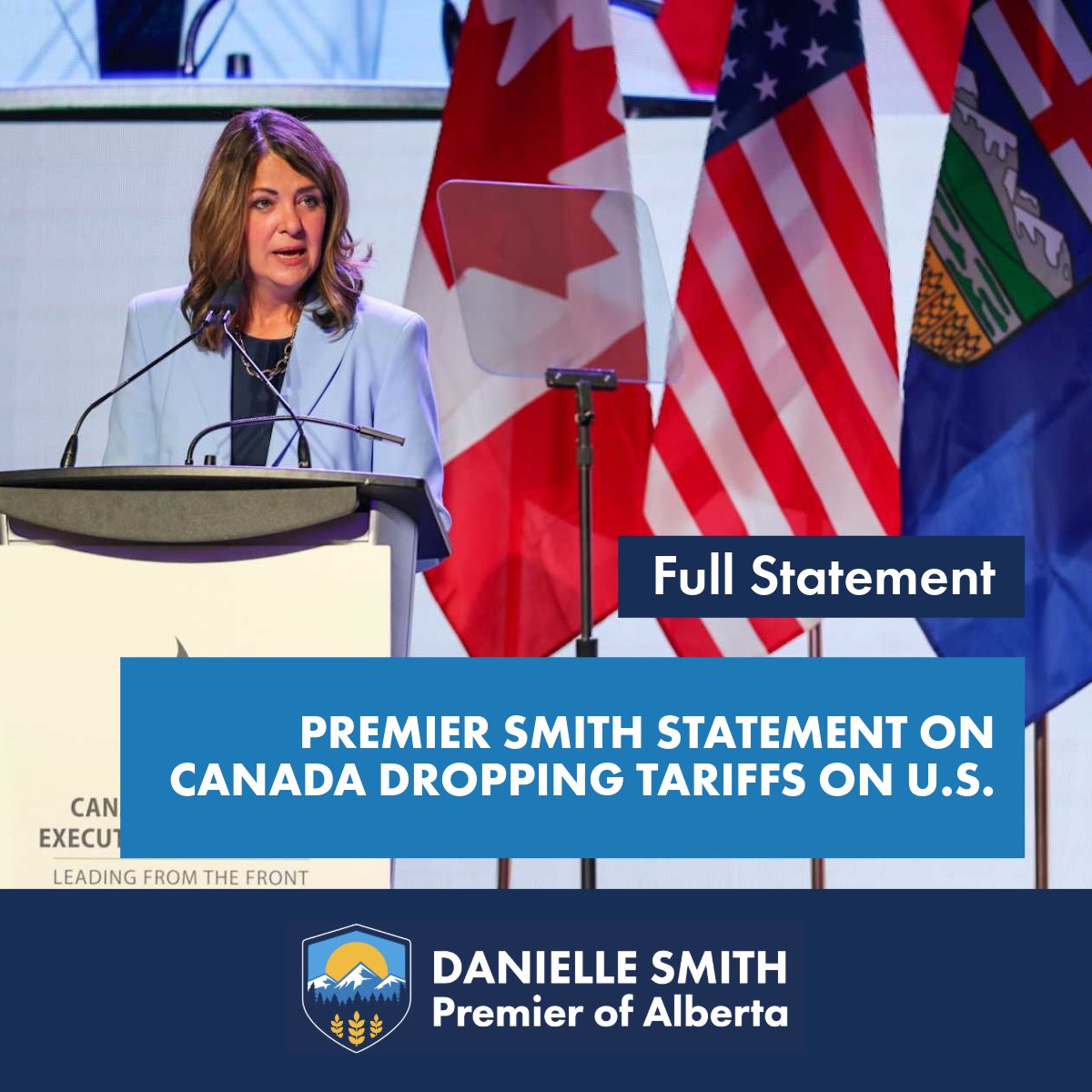
@ABDanielleSmith Danielle is right — and the same logic applies to our own interprovincial barriers. We impose a $210B annual self-tariff on ourselves. Fix that first, then negotiate from strength. Dr. Ian Lee and I discuss issues like this at obrienl.substack.com
English
0
0
0
6
Danielle Smith
Danielle Smith@ABDanielleSmith·
Canadian tariffs on U.S. goods primarily hurt Canadian citizens and businesses, just as U.S. tariffs on Canadian goods primarily hurt American citizens and businesses. That has long been and will continue to be the Government of Alberta’s position on tariffs. That is why I support today’s decision by Prime Minister Mark Carney to remove retaliatory tariffs on CUSMA-compliant U.S. goods. This is a positive step in the ongoing trade negotiations between our two countries. Over the course of this year, I’ve met with dozens of governors, senators, members of Congress, allies of the current administration and the President of the United States himself. I remain convinced that the path to a positive resolution with our U.S. partners lies in strong, consistent diplomacy and a commitment to working in good faith toward shared priorities, rather than angry rhetoric and retaliation. Alberta’s diplomatic strategy has directly contributed to the vast majority of Alberta exports remaining tariff free throughout this turbulent time. One thing remains certain however: Canada must build a stronger economy by diversifying and growing our export markets. To achieve this, the federal government must immediately repeal the Trudeau-era laws, such as the net zero power regulations, the oil and gas production cap, the tanker ban and C-69 that continue to restrict resource development and hold back our economy, costing Canada tens of millions in lost economic activity every single day. I urge the federal government to continue negotiating to resolve the remaining tariff issues and restore a free and fair trade agreement with the United States, while diversifying and strengthening the Canadian economy by unleashing our world-class natural resource sector.
Danielle Smith tweet media
English
381
532
2.7K
140.6K