Laura Spinney

2.4K posts

Laura Spinney banner
Laura Spinney

Laura Spinney

@lfspinney

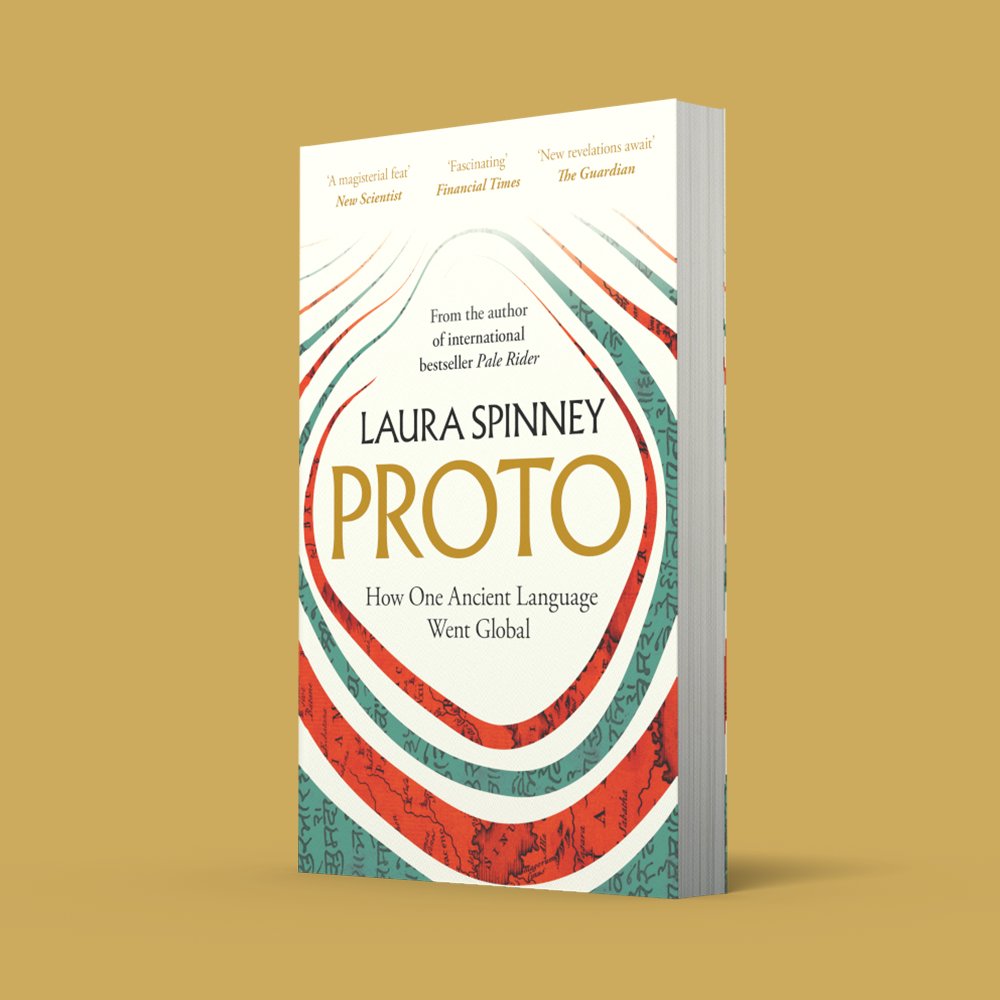
Novelist, science journalist and author of PALE RIDER and PROTO

Ile-de-France, France Katılım Temmuz 2012
259 Takip Edilen4.4K Takipçiler
Thomas H Bak
Thomas H Bak@thbaketal·
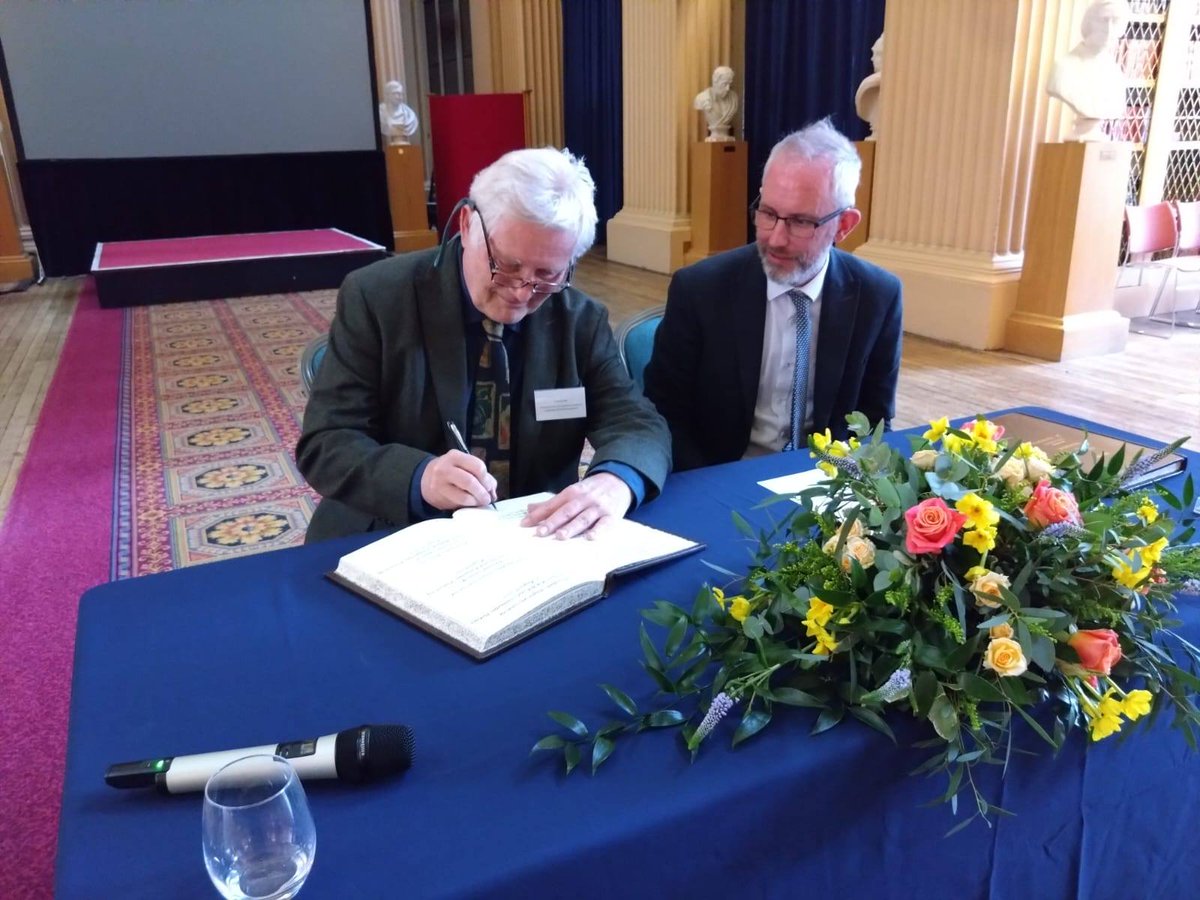
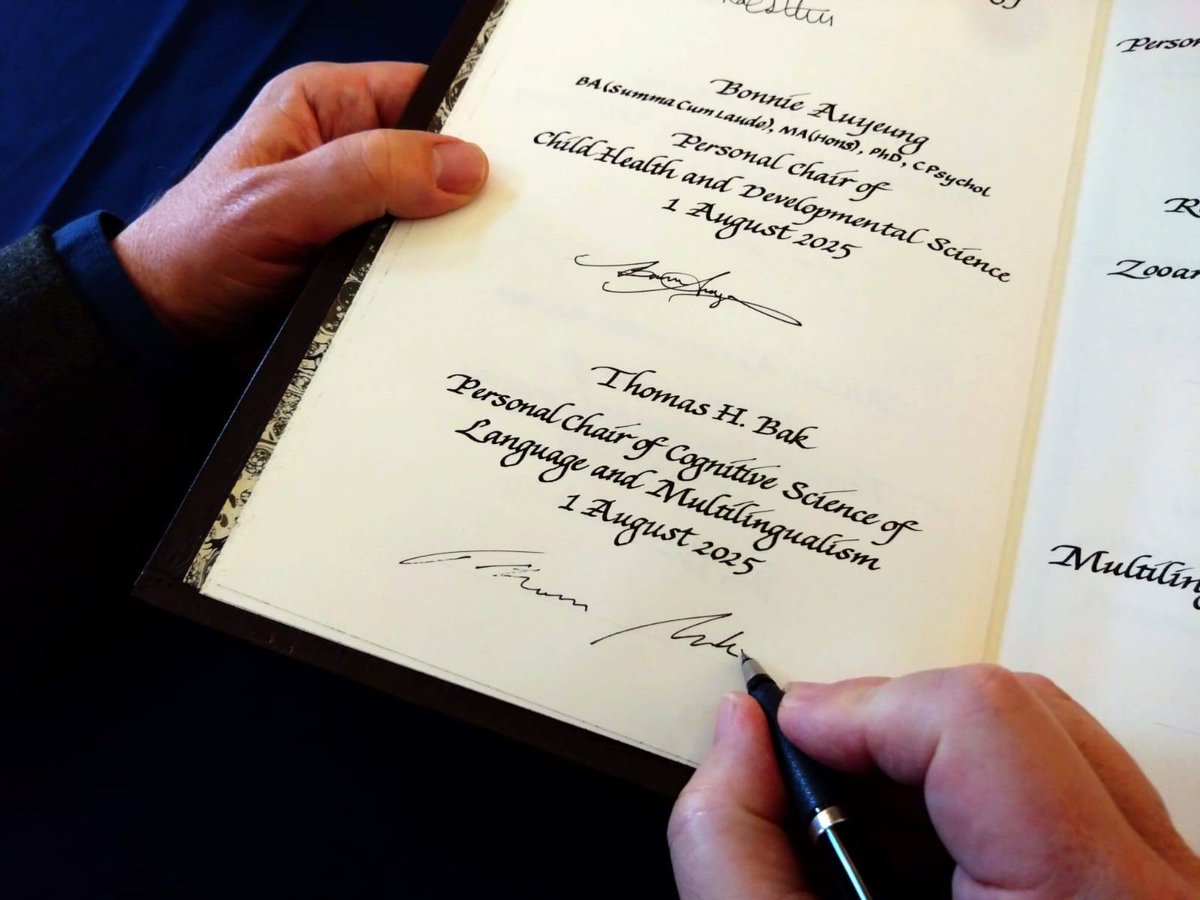
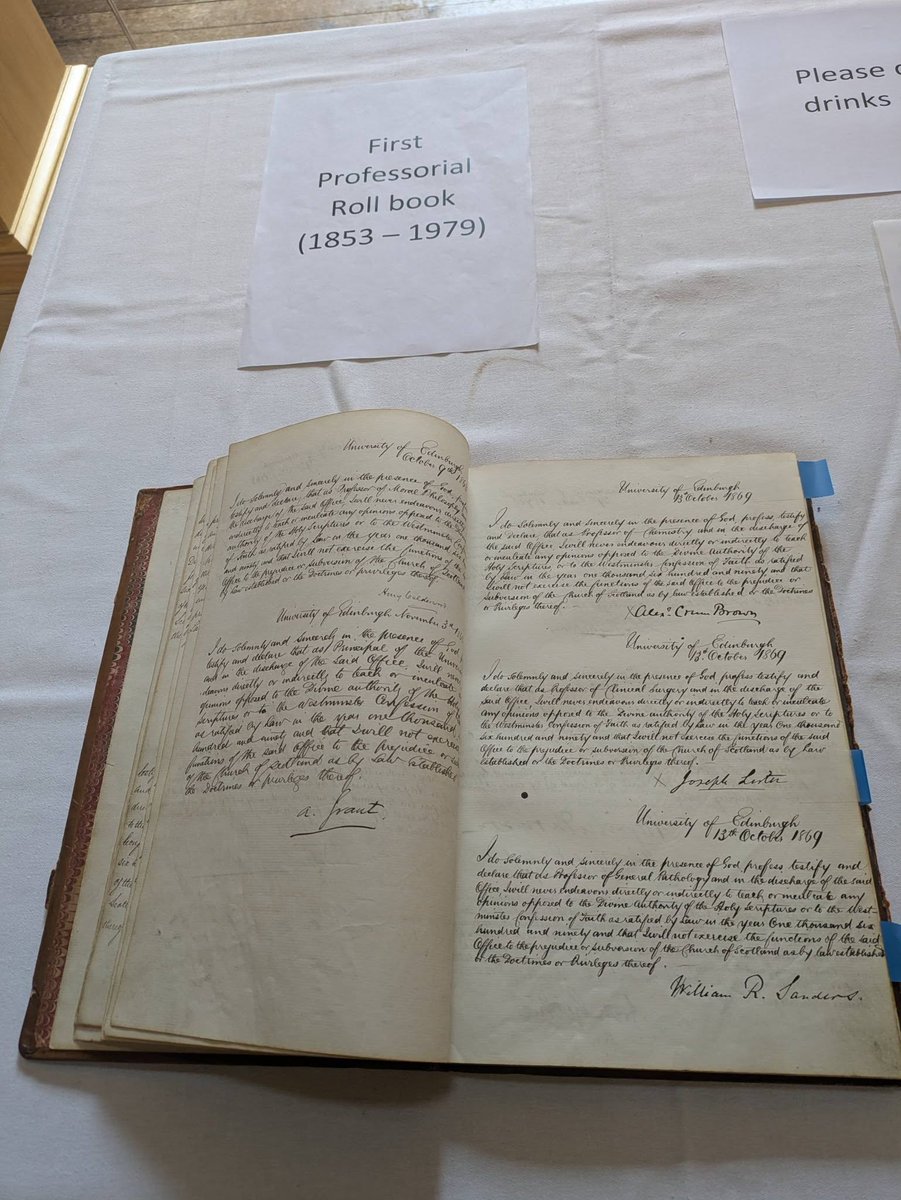
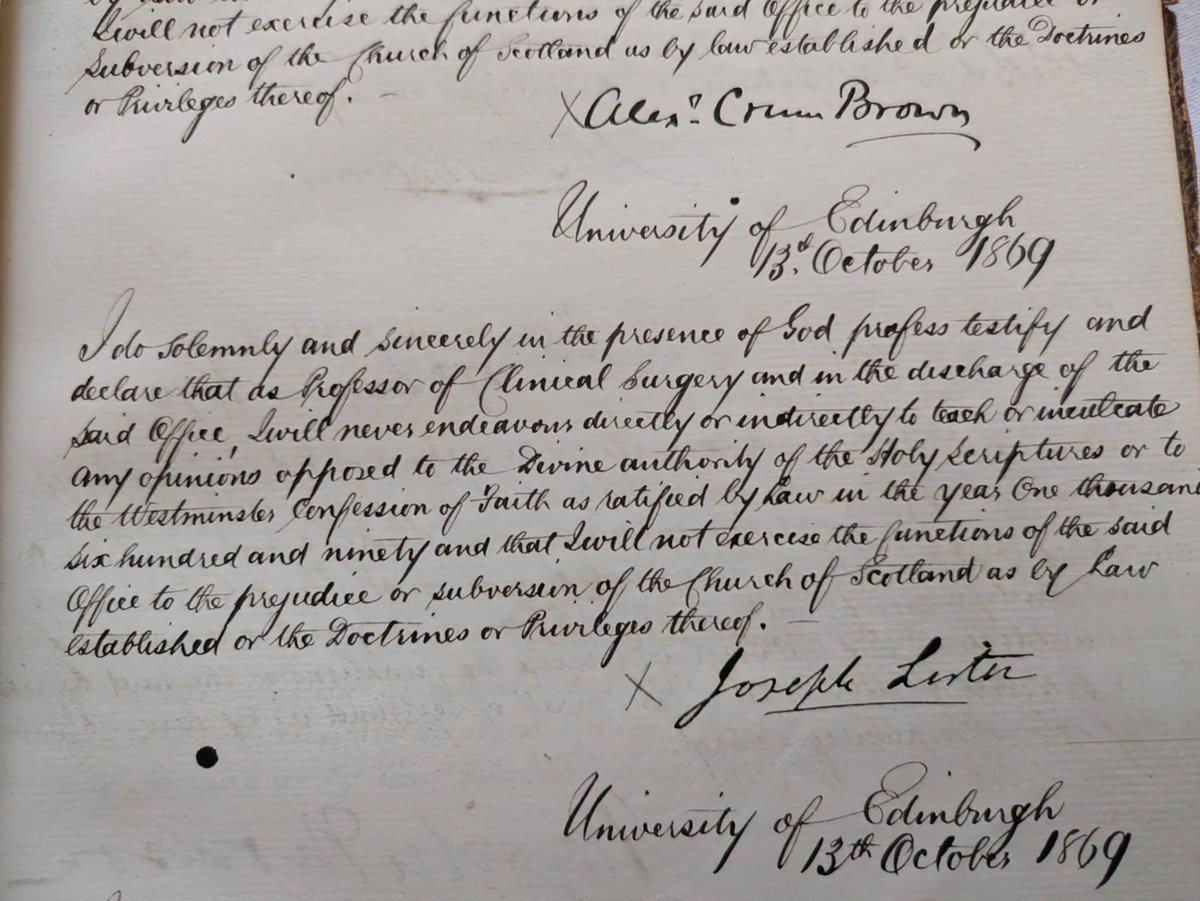
The moment I have been waiting for decades... Signing the professorial roll @ University of Edinburgh, originally a written oath not to teach anything contrary to the Holy Scriptures & the Church of Scotland. Nice to be in the company of Joseph Lister, though not David Hume...)
Thomas H Bak tweet mediaThomas H Bak tweet mediaThomas H Bak tweet mediaThomas H Bak tweet media
English
4
2
10
414
Laura Spinney
Laura Spinney@lfspinney·
@DrFrancisYoung @HarperCollins Thank you. I take on board what you say about mythology, nevertheless people don't seem to stop trying... I'm interested in the fact that some linguists eg @riccginevra argue that if you do attempt it, you must start from the language.
English
0
0
3
129
Laura Spinney
Laura Spinney@lfspinney·
@cobbaltt @kaeshour Thank you. That's exactly right. And in the book I wrote I was more precise than in a phone interview where time was short. Even so, the labels don't capture the fluid reality.
English
0
0
0
29
Gopalakrishnan R
Gopalakrishnan R@cobbaltt·
@kaeshour @lfspinney This is a matter of labels, not of the language itself. I suppose you'd rather that she had said that "a language that came to be called Sanskrit was brought by immigrants". I agree that I prefer this framing but it doesn't make a difference to the larger point.
English
2
0
1
73
उद्ररुहैन्वीय
@lfspinney is clearly mistaken. Let’s put it this way — was English ever spoken in what’s now Germany or Denmark? Did the Saxons and Jutes bring “English” with them to the Isles? Or did their W Germanic dialects transformed into Old English of Ælfred within England?
Sushant Singh@SushantSin

"The weight of the evid­ence is behind the the­ory that Sanskrit came with immig­rants who we know for sure came into India via the north­w­est corner, per­haps via the Khy­ber Pass, like so many later immig­rants, around 1600 BCE or a little earlier." @lfspinney to @SobhanaNair

English
3
1
9
680
Laura Spinney
Laura Spinney@lfspinney·
@kaeshour Your confidence is impressive. India didn't exist 4,000 years ago, and Sanskrit was spoken long before it was attested.
English
0
0
0
30
उद्ररुहैन्वीय
@lfspinney This statement that Sanskrit came with immigrants is plain wrong. As silly as saying Romans brought French into France. Sanskrit is the label of Indo-Iranian *only* attested in the Indian subcontinent. It is a local stage of evolution sharing areal features like retroflexes.
उद्ररुहैन्वीय tweet media
English
1
0
0
57
Je m'appelle kapil
Je m'appelle kapil@kapil_harwani·
@lfspinney Salut! Looking forward to attend your session On 15 Jan. at 1 PM at JLF'26. <"Proto: How One Ancient Language Went Global"> À bientôt! :)
Français
1
0
0
18
Laura Spinney
Laura Spinney@lfspinney·
The horse cemetery at Tsarskoye Selo has been restored and is now open to visitors. If only there wasn't a war on we could all go and marvel at the ancient - and modern - Eurasian custom of burying your trusty steed shorturl.at/Cflyh #PROTO
English
0
0
1
450
Laura Spinney retweetledi

NYAS
NYAS@NYASciences·
How do pandemics, language, and identity intersect? Science journalist Laura Spinney (@lfspinney) joins Nick Dirks (@NickDirks) on the latest Shaping Science episode to explore the 1918 flu, language origins, and how crisis shapes society. Listen now: nyas.org/ideas-insights…
NYAS tweet media
English
0
2
3
562
Laura Spinney
Laura Spinney@lfspinney·
Thank you @davcr 😎
The New Statesman@NewStatesman

BOOKS OF THE YEAR Introduced by @tanjil_rashid_ This time last year, I was experimenting with a career in teaching. Schools offer an amazing insight into the future of the written word. Books were once the most natural, most common and most important objects in a school, but today they have receded from school life. Schooling is now mediated not by the page but the screen. Of the dizzying number of wonderful books published each year – and recommended in our “Books of the year” feature – few will likely reach the eyes of young people. This was the year people started fretting about the consequences of this for what has historically been our book-oriented. A year ago, in the OECD’s once-in-a-decade skills survey, we learned that adults across the developed world are becoming less literate. According to the National Literacy Trust, enjoyment of reading among young people fell this year to its lowest ever recorded level (surveys began in 2005). Amid all this, the one book that seemed to find itself more, not less, read was Neil Postman’s Amusing Ourselves to Death, which had argued in 1985 that declining literacy posed a threat to democracy. Whatever side you might think you’re on, you’re actually on the same side: the one that says, “We are passionate about the reading life!” That’s why, at the New Statesman, we haven’t just reviewed books in 2025; we’ve reflected on why they matter. There’s still so much life in literature. Our list of the year’s best books, selected by luminaries from Julian Barnes to Slavoj Žižek, speaks to that vitality, and for the first time this year we have also inaugurated a New Statesman fiction book of the year and nonfiction book of the year. Read our cover story to find out what they are:

English
0
0
3
283