李威猛

103 posts

李威猛

李威猛

@liweimeng877

Katılım Eylül 2023
51 Takip Edilen2 Takipçiler
Geoffrey Miller
Geoffrey Miller@gmiller·
Great thread. Amos Tversky taught me about his 'heuristics and biases' research in grad school. But then I worked with Gerd Gigerenzer, who was a fierce critic of Tversky & Kahneman. Gerd developed compelling evolutionary arguments for why many 'fallacies' are actually adaptive reasoning tools. Worth checking out his work if you haven't yet.
English
2
4
39
3.7K
Maarten Boudry
Maarten Boudry@mboudry·
Why do people believe crazy stuff? It's because they fall for “fallacies”, we're told. Memorize the classics (ad hominem, post hoc, straw man) and you’ll be inoculated against error. It's a neat little story, and I used to believe it too. But I've become a fallacy apostate. 🧵/1

Maarten Boudry tweet media
English
79
51
398
98K
李威猛 retweetledi
Nassim Nicholas Taleb
Nassim Nicholas Taleb@nntaleb·
The late great Art De Vany had many insights (I am still working on his X-obit). RIP. He noticed that professional athletes could not stay long without a meal; metabolically compromised but aerobically fit. Also while thinking of him his trick came to mind & instantly cured my shoulder problem: he recommended holding a plate behind the neck at every workout. And of course he loved excentric (negative) exercise.
Howard Luks MD@hjluks

Yesterday’s post about heart rate and base building triggered a number of responses from experienced runners saying, “But I run at 145+ HR, and I’m fine.” That reaction actually highlights how poorly understood the distinction between cardiovascular fitness and aerobic fitness still is, even among dedicated endurance athletes. Let's explore this a bit... Most runners run too fast on their slow days and too slow on their fast days. Cardiovascular fitness refers to the delivery system. It reflects how effectively the heart pumps, how well blood flow is distributed, and how efficiently oxygen is transported to working tissues. Aerobic fitness, however, is primarily about utilization. It reflects how well the muscles use the oxygen delivered through oxidative metabolism, including mitochondrial function, fat oxidation capacity, lactate handling, and overall metabolic efficiency. These are related systems, but they are not interchangeable, and one can be well developed without the other being optimized. It is entirely possible to have strong cardiovascular fitness and still operate with relatively high metabolic cost during steady-state efforts. This is particularly common among recreational runners and even among experienced non-elite endurance athletes who have spent years training at moderate intensities. They are durable, consistent, and capable, but their “easy” work often occurs at a higher fraction of their physiological capacity than they realize. When an athlete reports that their easy runs consistently sit in the mid-140s (above 75% of maxHR), it does not reflect poor fitness. In many cases, it reflects a well-trained cardiovascular system paired with a habitual training intensity that sits near or above the first lactate threshold. The effort may feel subjectively easy due to years of adaptation, but metabolically, it is not truly low-intensity work. The body relies more on glycolytic pathways than on oxidative metabolism, even during easy runs. This matters because the full development of the aerobic system is driven by sustained training below the first lactate threshold. While higher intensities absolutely stimulate mitochondrial biogenesis, the adaptations associated with metabolic efficiency—improved fat oxidation, expanded capillary density, lower lactate production at submaximal workloads, and reduced sympathetic strain—are most robust when a significant portion of training occurs at genuinely low intensities. In other words, intensity can build fitness, but extensive low-intensity volume refines efficiency. When most training time is spent at or above LT1, athletes often become very good at tolerating moderate metabolic stress rather than minimizing the cost of aerobic work. At elevated hr intensity, oxidative stress per session is higher, sympathetic activation remains elevated, and the recovery burden accumulates over time, even if the athlete feels subjectively comfortable. RPE can remain low while physiological strain remains moderate, particularly in experienced runners who have adapted psychologically to that level of effort. In my office, it is clear that there is also a practical clinical layer that becomes increasingly relevant in midlife. The cardiovascular system adapts relatively quickly to the stress of training. Connective tissues—tendons, fascia, cartilage, and bone—adapt much more slowly. When moderate-to-high metabolic load is layered onto repetitive impact before true aerobic efficiency and tissue resilience are established, the total recovery demand rises. This pattern is reflected in the training errors I see routinely in clinic: Achilles pain, plantar fasciitis, patellofemoral symptoms, and lateral hip or gluteal tendinopathy. They are usually mismatches between the distribution of training intensity and our recovery capacity. This changes with age... and it will catch up to you. None of this means that running at higher heart rates is inherently harmful, nor does it suggest that intensity should be avoided. Threshold work, tempo runs, and even high-heart-rate sessions are valuable tools. The issue is distribution. If most weekly mileage is performed at a moderate metabolic intensity, the athlete maintains cardiovascular fitness but sacrifices some metabolic flexibility and efficiency. Easy days are no longer truly low-cost, and recovery between harder sessions is less complete. What is often given up is range. An athlete with a well-developed aerobic base can run at a lower heart rate for the same pace, oxidize more fat, produce less lactate at submaximal intensities, and accumulate more total training volume with less physiological strain. Their easy runs are genuinely easy at a metabolic level, allowing higher-quality work when intensity is introduced. They are not just fit; they are efficient and durable. Base training, therefore, is not about avoiding effort or running unnecessarily slowly. It is about lowering the physiological cost of work so that training becomes more repeatable, recovery becomes more predictable, and long-term durability improves. The heart remains strong, performance is preserved, and the metabolic system becomes more efficient. For lifelong runners, especially after forty, efficiency and recovery capacity often become the true limiting factors rather than motivation or discipline.

English
22
38
532
114.5K
李威猛 retweetledi
Nassim Nicholas Taleb
Nassim Nicholas Taleb@nntaleb·
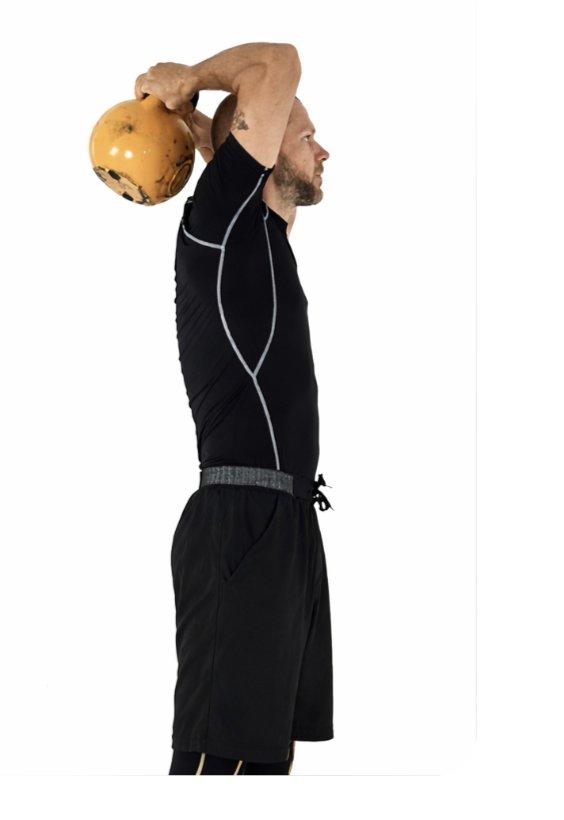
2/This friend of mine has chanced upon the following trick: he held a kettlebell behind the neck as a stretching exercise for up to a minute. It produced yuuuge relief! Is this standard for shoulder problems?
Nassim Nicholas Taleb tweet media
English
25
7
125
24.7K
李威猛 retweetledi
Nassim Nicholas Taleb
Nassim Nicholas Taleb@nntaleb·
This friend of mine has been dealing with painful shoulder impingement as a punishment for doing too many clean/pres w/o the diversification of lateral moves. Full body exercise is not full body exercise. 1) What is the best therapy? 2) Is rucking good or bad for it?
Nassim Nicholas Taleb tweet media
English
270
24
863
302.2K
李威猛 retweetledi
Nassim Nicholas Taleb
Nassim Nicholas Taleb@nntaleb·
2/ Actually cheated by using 8lbs of sand bags from the weighted vest to add weight as clothes & books may be too light. The idea is to minimize gyms & purposeful exercise.
English
16
18
385
42.4K
李威猛 retweetledi
Nassim Nicholas Taleb
Nassim Nicholas Taleb@nntaleb·
The only people who think there is no genocide are: 1- Those committing the genocide, 2- Governments controlled by those committing the genocide, 3- Psychopathic friends of those commiting the genodice, 4- Retards.
Paul Graham@paulg

It's official. It's genocide.

English
352
3.8K
15.9K
745.3K
李威猛 retweetledi
Nassim Nicholas Taleb
Nassim Nicholas Taleb@nntaleb·
He was not "Muslim" Syrian. He was Syrian. Religions come and go, populations stay. Syria was not "Muslim" for most of its 6000+ year history, even during the Omayad (it was Christian majority then); like Palestine, it underwent conversions over the past 5 centuries.
ADAM@AdameMedia

Steve Jobs’s father was a Muslim Syrian named Abdul Fattah Jandali, who was born in Homs, Syria. An Arab made the iPhone, the Mac and one of America’s most valuable companies.

English
126
312
3.5K
268.2K
李威猛 retweetledi
Nassim Nicholas Taleb
Nassim Nicholas Taleb@nntaleb·
TRUE WEALTH (2nd Ed) Worriless sleeping Clear conscience Reciprocal gratitude Absence of envy Foamy coffee Crusty bread Inexperienced enemies Frequent laughs No meals alone No gym classes Gravel bicycling Good digestive functions No Zoom meetings Periodic surprises Nothing to hide: financial and fiscal tranquility Muscular strength & endurance Ability to nap Access to a hammock
English
518
2.5K
15.8K
3.4M
李威猛 retweetledi
Nassim Nicholas Taleb
Nassim Nicholas Taleb@nntaleb·
@Firsou @Zzeghedrane @HsenAndil I said in Antifragile that oranges were not Lindy (as all sweet fruits).They came from Goa and were bred for sweetness by the Portuguese (hence Portokali) Rule: I don't eat what doesn't have a Greek or Ancient Semitic name.
English
11
13
48
0
李威猛 retweetledi
Nassim Nicholas Taleb
Nassim Nicholas Taleb@nntaleb·
I have a secret to share. If you want to spread information, make it look like a secret. But don't tell anybody about this. (Version 2)
English
50
117
1.5K
140.2K
李威猛 retweetledi
Nassim Nicholas Taleb
Nassim Nicholas Taleb@nntaleb·
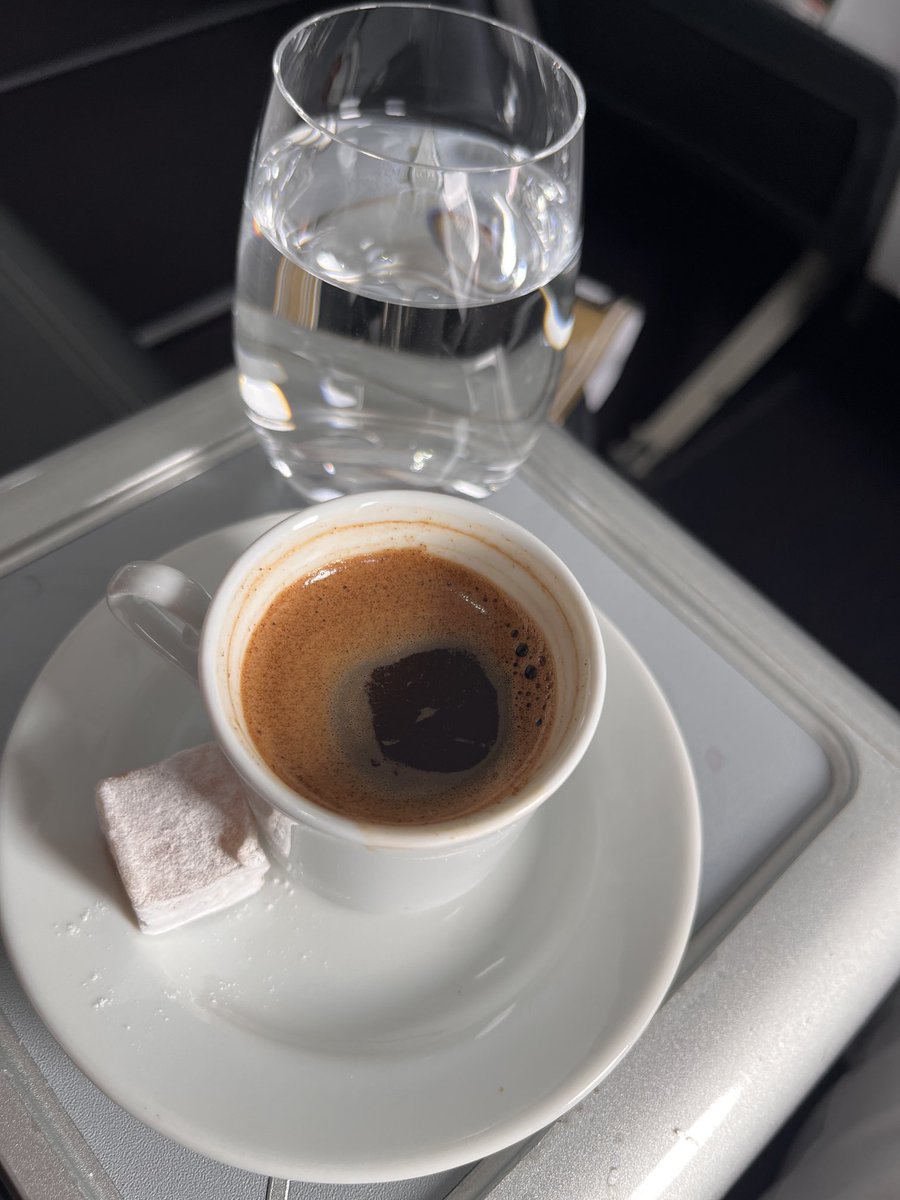
East Med coffee on the way back to the Levant. Always with half a glass of water. Always.
Nassim Nicholas Taleb tweet media
English
446
71
2.4K
1.8M
李威猛 retweetledi
Nassim Nicholas Taleb
Nassim Nicholas Taleb@nntaleb·
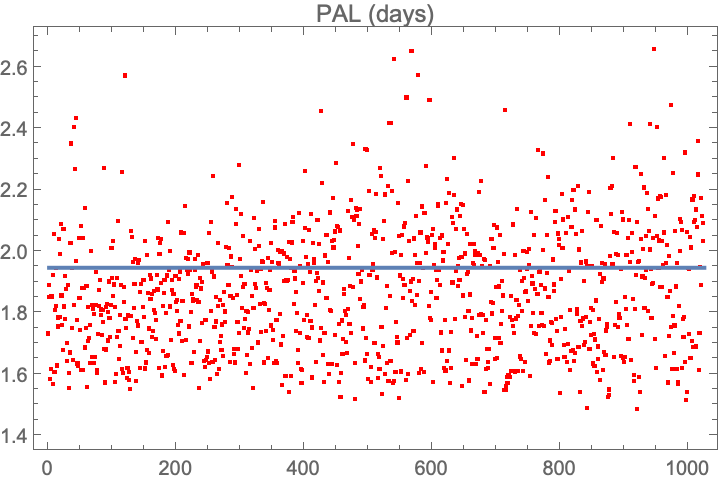
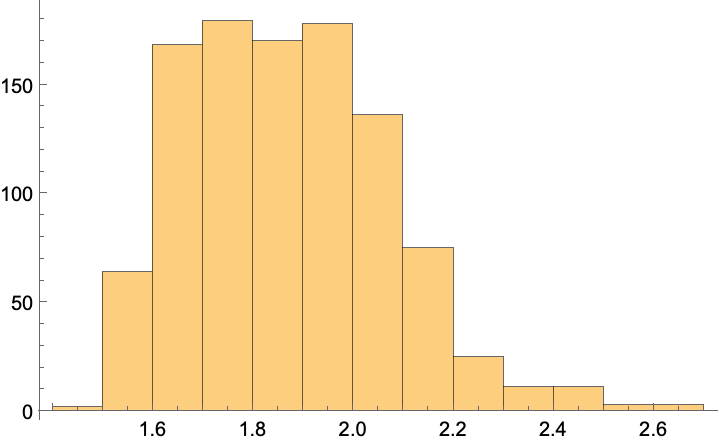
A potentially informative metric is the Physical Activity Level, PAL, total calories burned/basal metabolism. The idea: if you consume > 3500 calories/day you wd get enough nutrients. Even w/just bread, you may get enough protein. Hunters Gatherers: PAL 2-2½. My target: 2.2
Nassim Nicholas Taleb tweet mediaNassim Nicholas Taleb tweet media
English
44
55
667
185.2K
李威猛 retweetledi
Nassim Nicholas Taleb
Nassim Nicholas Taleb@nntaleb·
2) Sometimes the protein thing can be too obvious to bust. These "protein chips" have a lower proportion of protein than... bread. If you consumed 3000 calories of just whole wheat bread, you'd get 120 g of protein.
Nassim Nicholas Taleb tweet mediaNassim Nicholas Taleb tweet media
English
12
12
355
77K
李威猛 retweetledi
Nassim Nicholas Taleb
Nassim Nicholas Taleb@nntaleb·
The protein story is based on statistical BS, amateur data fudging. Bro Science is really for idiots. 1- Some do very well growing muscles on minimal protein ing., others poorly on large doses. 2- Remove the line, see the fraud. 3- One of the authors failed to reveal he was SHILLING for a protein supplement company. 4- For older people, ZERO evidence that supplementation work. 5- There is a variance among individuals but can be partially due to OTHER stuff they do, ingest, etc. (h/t @maxflowminclout). cc:@EricTopol
Nassim Nicholas Taleb tweet mediaNassim Nicholas Taleb tweet media
Invisible Hand Fluffer@maxflowminclout

I assumed taleb was on one, but I looked into it some more, and the protein for strength training literature is amongst the worst I've seen. e.g. spot the problems with this graph, from by far the most cited meta-analysis in the field (A source of the "1.6g/kg" myth) ...

English
112
179
1.4K
654.9K
李威猛 retweetledi
Nassim Nicholas Taleb
Nassim Nicholas Taleb@nntaleb·
The 3 largest French corps, LVHM, LOréal, & Hermès are into #Lindy Medieval products. France went from an engineering powerhouse to making handbags. Why? Technology is too competitive, w/low margins; leave it to the Chinese & sell them luxury purses, champagne & perfume.
English
162
713
5K
672.5K
李威猛 retweetledi
Nassim Nicholas Taleb
Nassim Nicholas Taleb@nntaleb·
2- Some memory "loss" w/age may be efficient filtering. You get better at predicting what you need to remember. Don't immediately assume senescence. But bad bones/osteopenia weaken memory in animal models (Karsenti). Most moderns have sick bones at 50. Do heavy weightlifting!
English
12
57
331
0
李威猛 retweetledi
Nassim Nicholas Taleb
Nassim Nicholas Taleb@nntaleb·
Sophisticated minds adopt simplified lifestyles; simplistic minds are drawn to overly sophisticated lifestyles. I've learned from Socrates is that the most tasty cuisine is whatever you eat when hungry: the more ravenous you are, the more succulent the meal. #BedofProcrustes
English
70
466
3K
0