

…... . .… .….
593 posts


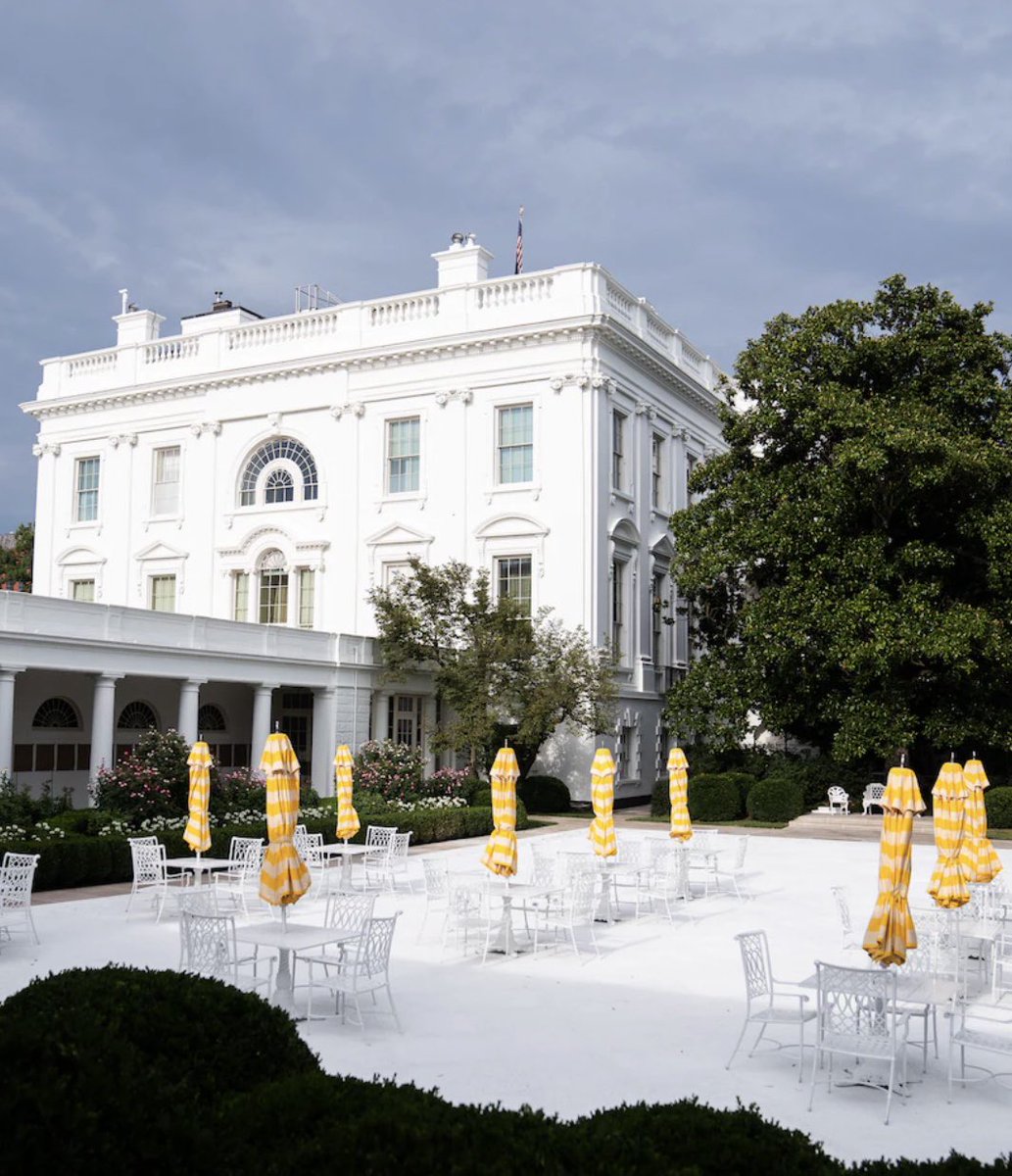
On the left, the revamped White House Rose Garden w/its umbrellas
On the right, the Trump National Doral pool area w/its umbrellas

English
@DaveTaylorNews To a hammer, every problem is a nail. Raising rates would be a policy mistake and we will find out too late. smh/ hope for a stay
English

The RBA will raise the cash rate on Tuesday.
It will be the right call. Inflation is too high.
It will also achieve very little because it’s not mortgage borrowers driving inflation higher.
The stupidity of this hits me every time the RBA meets.
English

@cbusrick @Mt_hoelscher @alphaticaio I know what you mean. It also hurts when the index run so hard and passive investing is returning more daily and active management isn’t keeping up (for now)
English

@Mt_hoelscher @alphaticaio I’m not a perma bear guy. Being long and bullish is where you make your money most of the time as history shows us. But there are so many concerning issues right now that doesn’t even make the market flinch. It makes me nervous. I’m mostly in cash right now.
English
@Tyberious2100 What’s his handle? I want to see excuses and copes now
English

🤣🤣🤣
I know this one trader and he bragged, I'l been doing this for 30 years". He called "the top" after the bounce to 680 and sold all of his Calls and went into long dated Puts; June, Sep and Oct.
His subscribers are deeply underwater but they have some time, QQQ 580 and SPY 600 IIRC.
English


Dinner for 10 (colleagues) tonight. Trying something new: Miso Risotto topped with asparagus topped with roasted salmon marinated in Momofuko chili garlic crunch,

English


Trump is an embarrassment to the United States
Look at this DISRESPECTUL behaviour
English
@ausstockchick You need to leave australia for good for it to even matter. Global income, babe.
English

If the CGT changes are implemented, investors will distribute money elsewhere.
Watch it flow out of Australia.
That’s what I will do.
I’m determined not to let this government take my money to pay for pink haired propaganda.
English
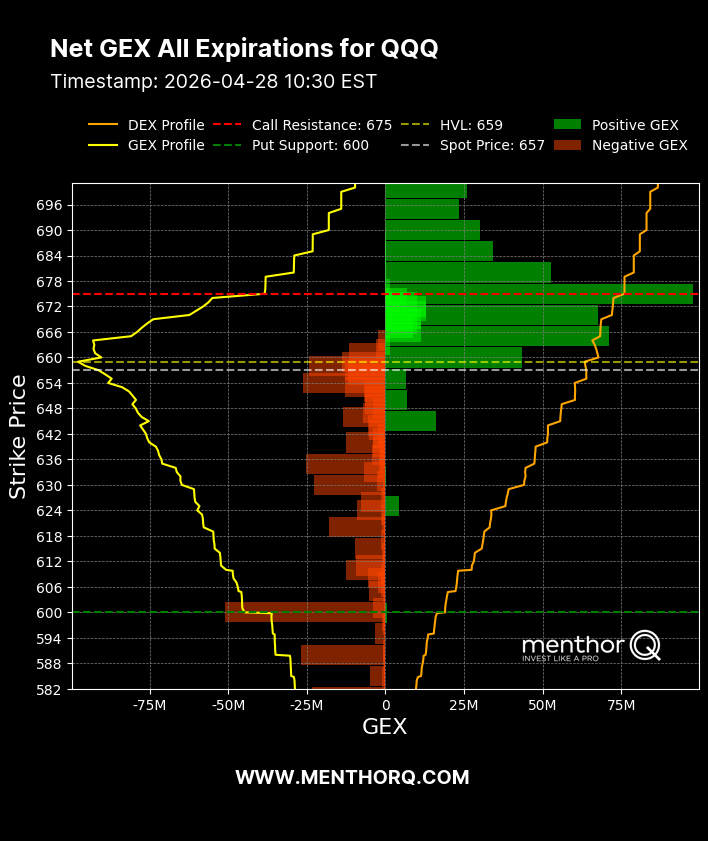
@MenthorQpro I’m new to your tweets. I find this chart extremely useful. Will I be able to self serve this on your platform for a daily update?
English

@DAWSOTR @bespokeinvest Think he meant NVDA + GOOGL ~10tn. 🤷♂️
English

@bespokeinvest Closing in? Nvidia needs to nearly double and goog isnt even halfway there.
English

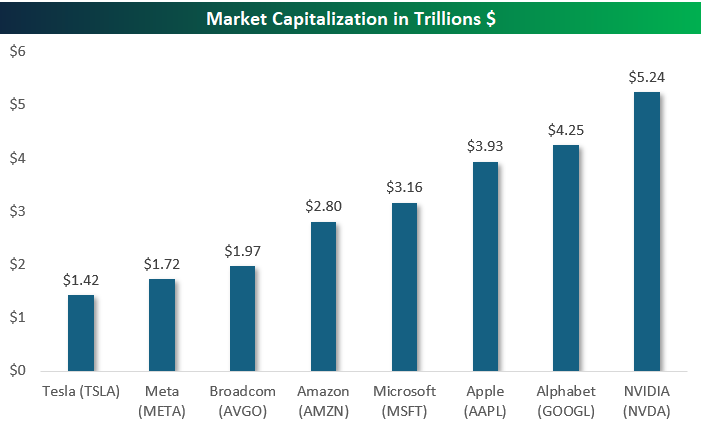
Market caps of the mega-caps. NVIDIA and Alphabet closing in on $10 trln.
NVIDIA $NVDA $5.24 trln
Alphabet $GOOGL $4.25 trln
Apple $AAPL $3.93 trln
Microsoft $MSFT $3.16 trln
Amazon $AMZN $2.80 trln
Broadcom $AVGO $1.97 trln
Meta $META $1.72 trln
Tesla $TSLA $1.42 trln
Svenska
@10NewsAdl "discriminate against" when entitled and refusing to follow the rules to get approved for a legit disability parking permit (i.e. let the docs decide if he actually needs one, probably does but still.. )
English

A South Australian man is calling for urgent changes at Adelaide Airport after a distressing encounter he says left him feeling humiliated and discriminated against.
English
@melaniedoak but whats the point of having rules if you can willy nilly wave it off... either 1) get rid of the rule or 2) do the right thing, get your mum to apply for the bloody permit like everyone else who needs it
English

When you wake up in the morning and think how can I be the biggest wanker in Australia today?
English
@alphaticaio @JaimeVelo Hmm something is not working for me, what did i do wrong? Entered my email but no newsletter and how do i get onto these 'private' signals?
English

@JaimeVelo It’s not going to be all public. Our trading strategies and signals will be private.
English
The most dangerous trades in markets aren't the ones everyone is watching.
They're the ones hiding inside the plumbing.
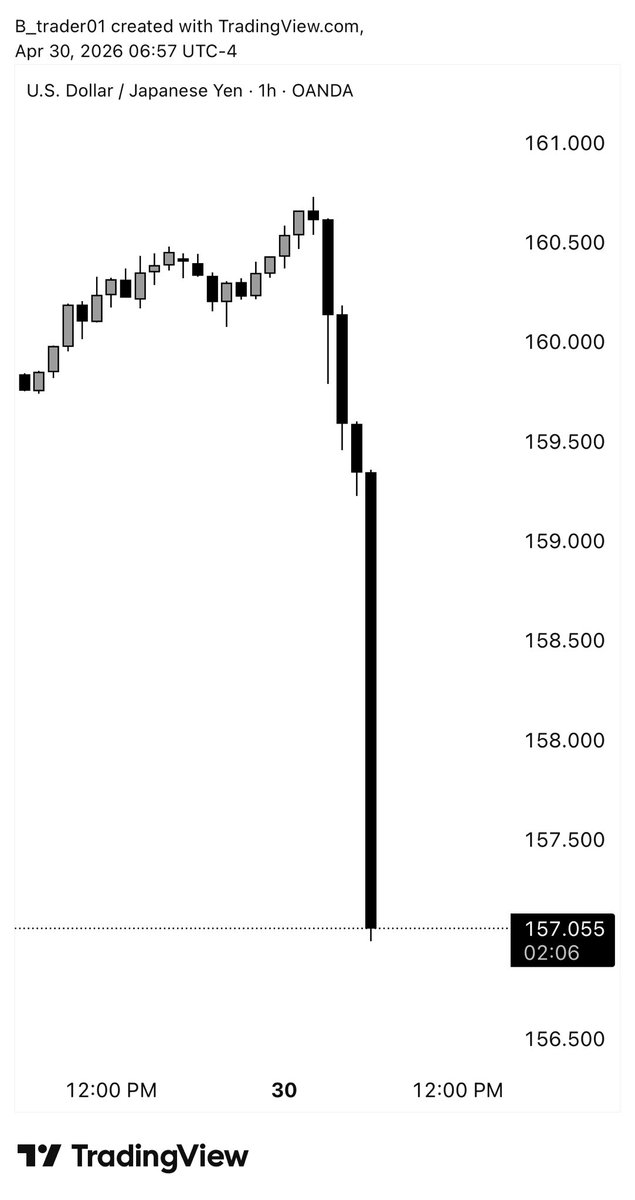
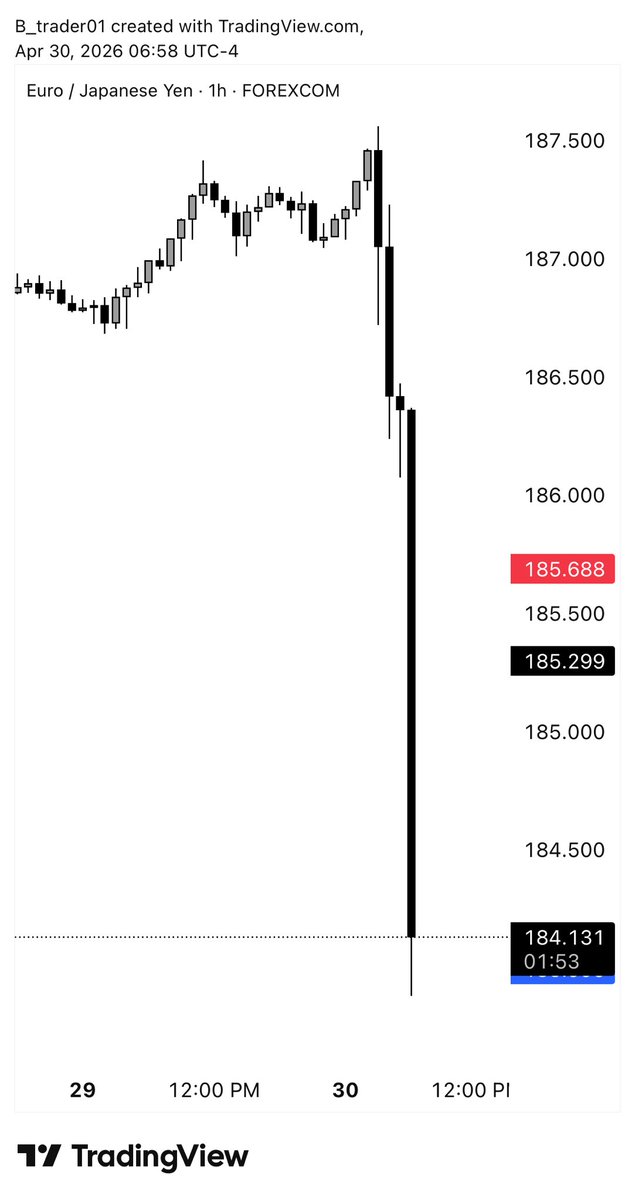
Japan's carry trade has quietly funded trillions in US assets for decades. Borrow yen at near-zero rates. Convert to dollars. Park in Treasuries, tech, anything with yield. Collect the spread. Repeat.
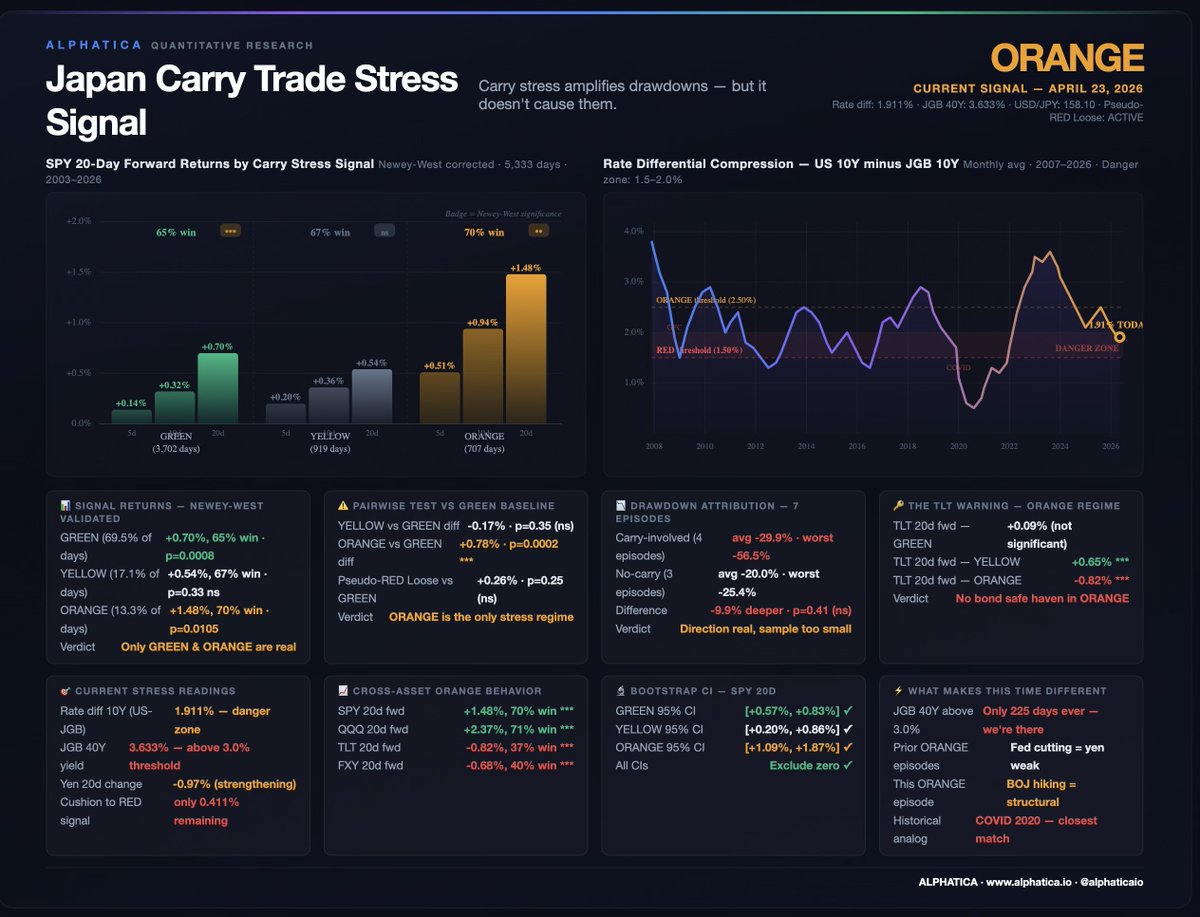
That spread is now at 1.91%. The lowest it has been since the COVID crash.
We built a carry trade stress model from scratch, 5,333 trading days, 2003 to 2026, to test what this compression actually means for US equities. Here is what we found.
Four inputs. One signal.
US 10Y minus JGB 10Y rate differential. USD/JPY 20-day direction. JGB 40Y yield level. Three thresholds. Four signal tiers: GREEN, YELLOW, ORANGE, RED.
We then ran Newey-West autocorrelation-corrected t-tests on every tier. Standard significance tests overstate confidence when stress periods cluster in time. We corrected for that.
WHAT THE DATA SAYS
GREEN (69.5% of days): +0.70% average 20d SPY return. 65% win rate. p=0.0008 after correction.
YELLOW (17.1% of days): looked significant at p=0.0014. After Newey-West correction, p=0.33. Not significant. YELLOW is statistically indistinguishable from GREEN.
ORANGE (13.3% of days): +1.48% average 20d return. 70% win rate. p=0.0105 after correction. The only stress tier that survives rigorous testing.
The uncomfortable truth: carry stress has historically been bullish for equities, not bearish. Most ORANGE periods coincided with Fed cutting cycles, where lower US rates compressed the differential but also lifted asset prices.
THE PART EVERYONE MISSES
Carry stress alone does not cause crashes. But look at the 7 major SPY drawdowns since 2007.
The 4 drawdowns where yen strengthening was present averaged -29.9%. The 3 drawdowns without carry involvement averaged -20.0%. The GFC: -56.5% in 517 days, had yen strengthening on 61% of trading days during the episode.
Carry stress doesn't ignite the fire. It pours gasoline on it.
And there is one more signal worth watching. During ORANGE periods, TLT averages -0.82% over 20 days at only 37% win rate. Highly significant. Bonds sell off alongside equities. The traditional flight-to-quality hedge disappears exactly when you need it most.
WHY THIS TIME IS DIFFERENT
Every prior ORANGE period in our data was driven by the Fed cutting rates; yen weakness was the byproduct of US monetary easing. The equity market rose because cheap money was flowing.
This ORANGE period is driven by the BOJ hiking. The compression is coming from Japan, not from Washington. The JGB 40Y is at 3.633%, a level reached on fewer than 225 trading days in our entire dataset. The mechanism is structurally different.
The closest historical analog in our data is February 2020. ORANGE signal. Rate differential averaging 1.11%. Yen strengthening on 73% of days during the episode. That drawdown was -34.1% in 33 days.
THE SIGNAL RIGHT NOW
Signal: ORANGE
Rate differential: 1.911%, inside the danger zone
JGB 40Y: 3.633%, above the 3.0% RED threshold
Pseudo-RED Loose: ACTIVE
Cushion to RED: 0.411%
One BOJ hike or one Fed cut closes that gap.
THE TRADE
Carry stress alone is not a reason to go short US equities. The data does not support that.
But the cross-asset picture is the actionable piece.
If you are long equities in an ORANGE regime, your bond hedge is broken. TLT has historically sold off during ORANGE. The 60/40 portfolio does not protect you the way it usually does.
The position: stay long equities, short duration. Reduce TLT, IEF, and long-dated bond exposure. If you want a carry stress hedge, FXY, the yen ETF averages -0.68% during ORANGE periods, meaning yen strength is NOT the dominant dynamic yet. A small long FXY position is cheap optionality on a genuine unwind.
The trigger to watch: USD/JPY breaking below 150. That is when yen strengthening becomes disorderly. That is when ORANGE becomes RED. That is when the gasoline ignites.
150 is the line. We are at 158.
Keep watching.
$SPY $SPX $QQQ $JPY #Japan #BOJ
English

@KitchenRecipes_ Are you trying to make sake with that level of polishing?!
English

@BullandBaird @RyanDetrick Everybody is a sTrAtEgIsT today. Hahaha. Dont even know wtf a reserve currency status vs swift payment is.
English

But I was told “de Dollarization” was happening.
So many dumb myths.
Joumanna Nasr Bercetche@JoumannaTV
The opposite of de-dollarization The USD's portion of international transactions rose to a record 51.1% in March, up from 49.2% a month earlier, according to the latest data compiled by global financial messaging service Swift
English

@GAltringham It’s fine but expect a slow burn. Maybe similar to Arrival
English

Contact (1997) - A coworker recommended this movie. Should I watch it? 🤔

English
@MenthorQpro In other words, don't fade it but set alerts to get ready?
English
