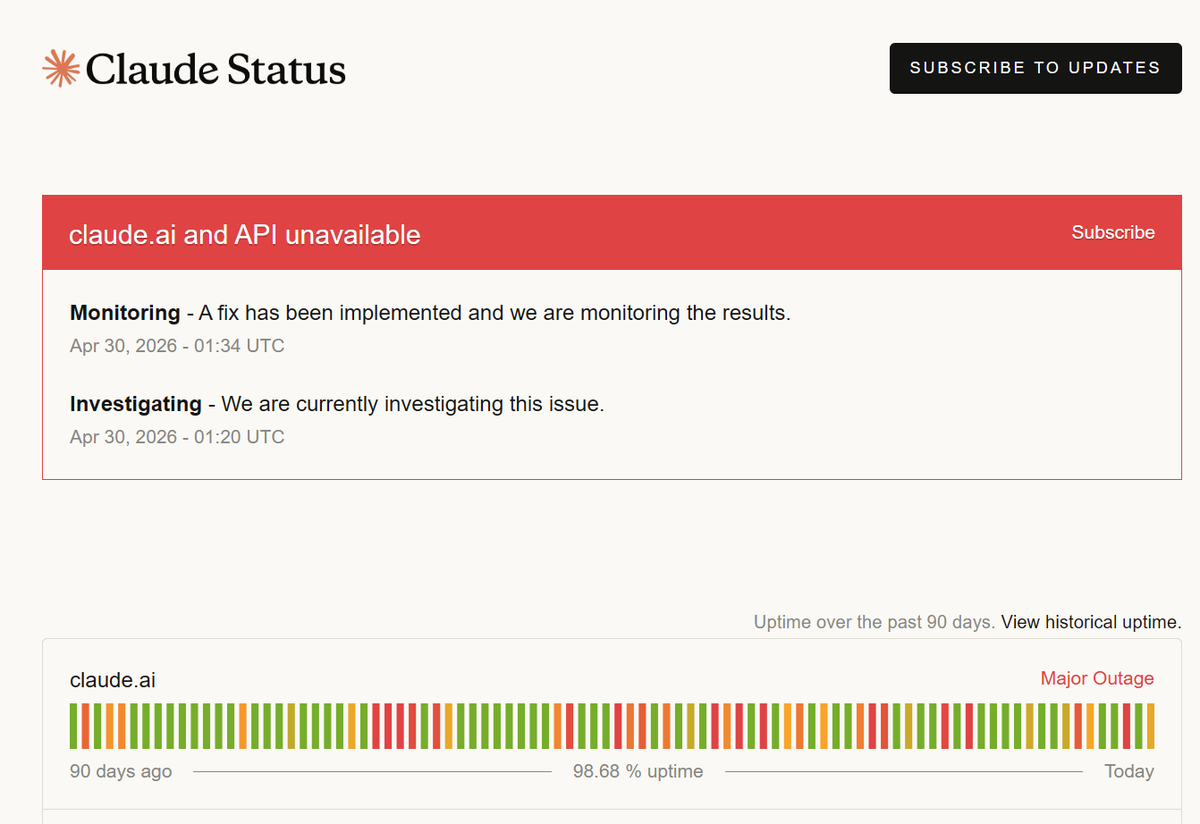
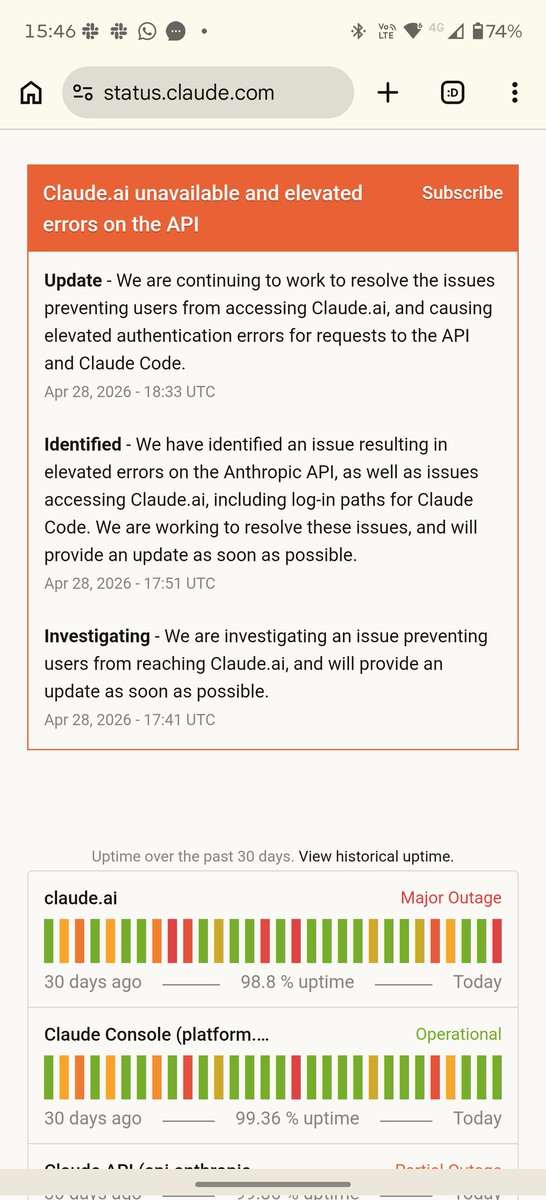
@giovannibassi "What if we switch databases?"
O velho argumento do problema que ninguém teve na vida kkkk
Português
Lf
2K posts

@luty81
Software Engineer * Amateur Racing Driver

The hidden cost of "enterprise" .NET architecture: Debugging hell. I've spent 13+ years in .NET codebases, and I keep seeing the same pattern: Teams add layers upon layers, to solve the problems they don't have. IUserService calls IUserRepository. IUserRepository wraps IUserDataAccess. IUserDataAccess calls IUserQueryBuilder. IUserQueryBuilder finally hits the database. I've seen a lot of classes having one-line methods whose sole purpose was to call the next layer and that's it. But to change one validation rule, you step through 5 layers. To fix a bug, you open 7 files. The justification is always the same: "What if we need to swap out Entity Framework?" "What if we switch databases?" "What if we need multiple implementations?" What if this, what if that. The reality: Those "what ifs" don't come to life in 99% of cases. I haven't worked on a project where we had to swap the ORM. But I've seen dozens of developers waste hours navigating through abstraction mazes. This happens with both new and experienced developers. New developers asking on Slack all the time: "Where to put this new piece of code?" But senior developers are too busy to answer that message. Why? Because they are debugging through the code that has more layers than a wedding cake. The end result? You spend more time navigating than building. Good abstractions hide complexity. Bad abstractions ARE the complexity. And most enterprise .NET apps? Way too much of the second kind.


@oraulsena Único motivo para pegar qualquer Windows ao invés do MacOS é para jogar. Fora isso, não tem nenhum sentido, principalmente do ponto de vista de segurança.



For 50 years, software engineering ran on code rationing. Writing code was expensive, so we rationed it carefully through roadmaps, RFCs, prioritization meetings, and scope reviews. This created a role: the No Engineer. No, that won't scale. No, we don't have bandwidth. No, that's out of scope. No, we need a design doc first. The No Engineer was valuable for 50 years. Every "no" saved real money. Their judgment was the rationing system. LLMs will be the end of code rationing. Code is cheap now. And while the No Engineer is explaining why something can't be done, the Yes Engineer has already shipped three versions of it. If you're a Yes Engineer, the next decade is yours.

Github comprado pela Microsoft, e uns poucos migraram pro Gitlab. Agora o Google está comprando uma parte significativa do Gitlab. Pra onde eles vão? Resposta: ninguém liga. Github segue sendo a causa do #FOSS. itprotoday.com/open-source/al…
Pull requests disappeared on GitHub for many (all?) users. This is just the latest outage on a platform where reliability has been beyond unacceptable the last few months. A fair question: at what point would customers move? How much pain is too much? And where do they move?

Anthropic CEO (Dario Amodei): "Coding is going away first, then all of software engineering." What do you think about this?