
mLAB_Acadia

9.1K posts

mLAB_Acadia banner
mLAB_Acadia

mLAB_Acadia

@mLAB_Acadia

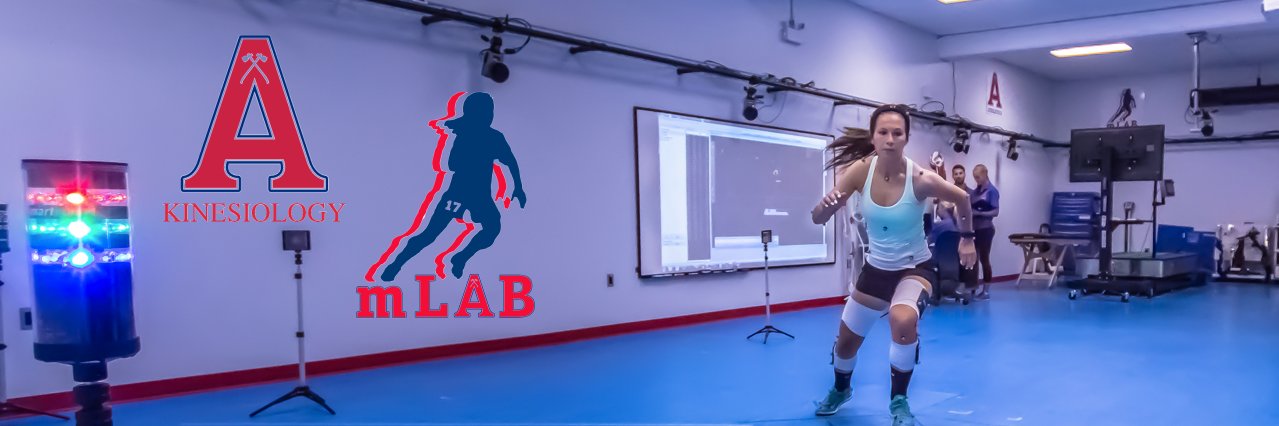
Through research, the John MacIntyre mLAB (motion Lab of Applied Biomechanics) at Acadia University aims to prevent injuries and enhance performance in athletes

Wolfville, NS, Canada Katılım Mayıs 2013
1.3K Takip Edilen961 Takipçiler
mLAB_Acadia retweetledi
Timothy Hewett, PhD
Timothy Hewett, PhD@TimothyHewett1·
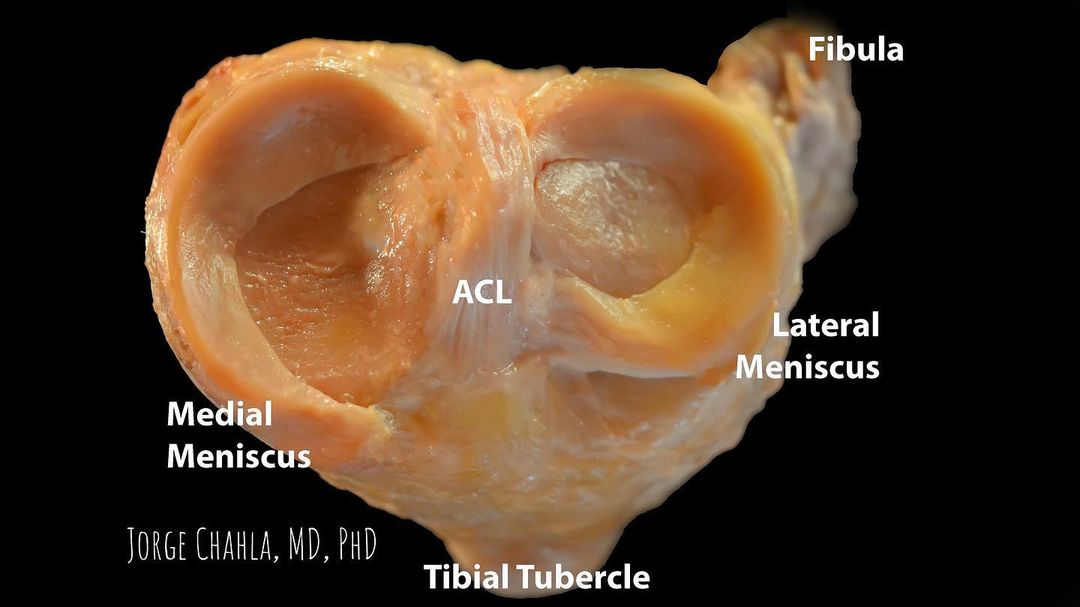
The 3 commonly used clinical tests for an ACL deficient knee demonstration beautifully here during examination under anaesthesia: 1. The Pivot Shift Test 2. The Lachmans Test 3. The Anterior Drawer Test @Hewett1Tim @TimHewett5
English
7
102
390
39.8K
mLAB_Acadia retweetledi
Aether
Aether@aether_coin·
Human eye anatomy
Filipino
74
3K
12.3K
937.9K
mLAB_Acadia retweetledi
James McCormack
James McCormack@Flawless_Physio·
📖🔍: The association between running volume and knee osteoarthritis prevalence: A systematic review and meta-analysis: 2023 🏃‍♀️🏃‍♂️📉 Image: orthobullets.com/recon/12287/kn… pubmed.ncbi.nlm.nih.gov/36809693/ 🌐 Study explores if knee OA prevalence differs among runners with varying weekly running volumes, finding no significant overall difference 📊. Suggests higher running volumes may align with lower knee OA prevalence 🤔. Regular running might benefit cartilage health, yet the precise impact on knee OA prevalence is not fully determined 🏃‍♂️🩺. More research is needed for clearer practice guidelines 📚🔬. Prospective studies should systematically vary weekly running volume & intensity to better understand the relationship between high weekly running volume and knee OA prevalence 📈🤝. Results offer reassurance for clinicians prescribing exercise; evidence indicates that long-term running >48 km per week may not increase knee OA prevalence, despite inconclusive findings overall 🏥👟. Limitations include varying cut-offs for weekly running volumes, self-selection bias, self-reported running volume, and no adjustment for other factors influencing OA diagnosis 📝🚫.
James McCormack tweet media
English
0
63
194
20.1K
mLAB_Acadia retweetledi
Exercise and Sport Sciences Reviews
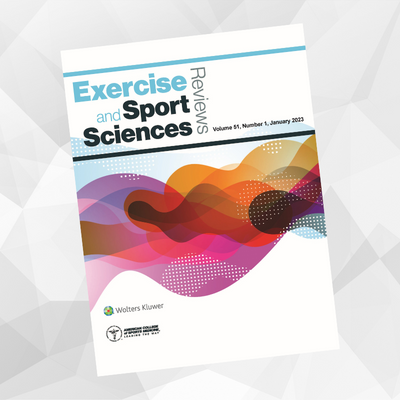
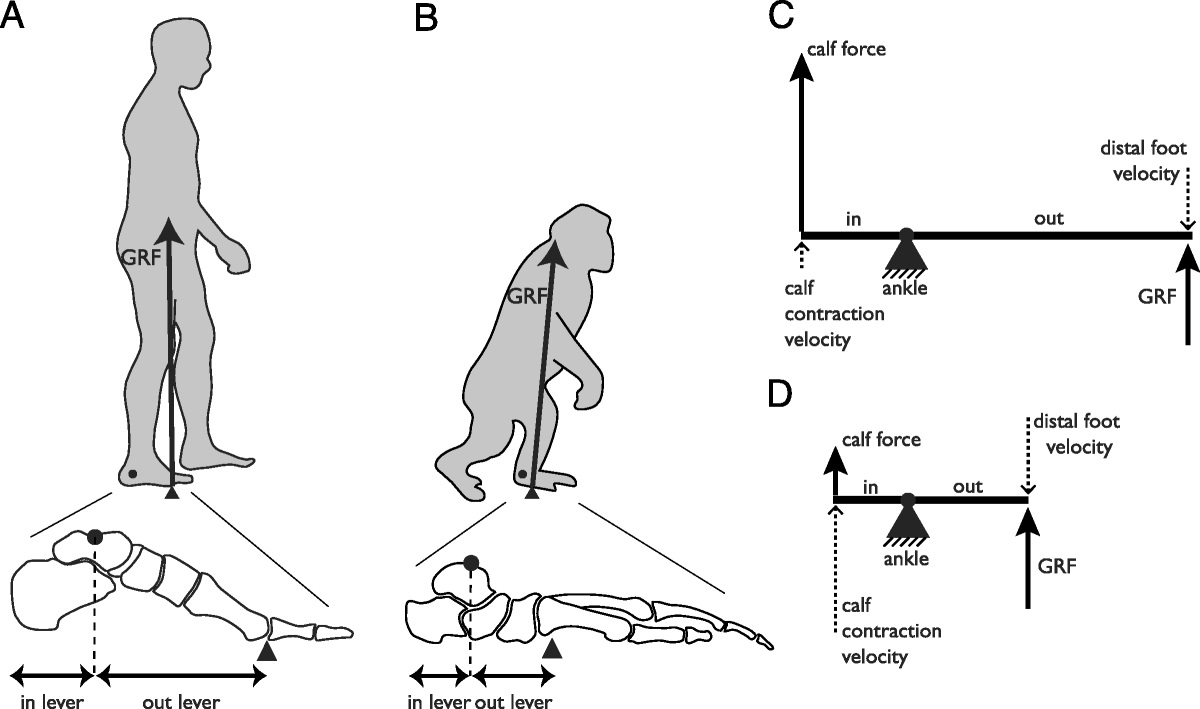
Shoe design features such as sole stiffness and heel height affect many aspects of the evolved biomechanical functions of the foot. New perspectives for progress from @aliyaw_ar and Lieberman: brnw.ch/21wECYa
Exercise and Sport Sciences Reviews tweet media
English

0
16
56
11.9K
mLAB_Acadia retweetledi
Matt Whalan
Matt Whalan@FigtreePhysio·
Nice paper highlighting an often reported barrier to implementing some of FIFA11+/11+. Provides supports for the upgraded version @FootballAUS Perform+ with strength work in the cool down which was based on this work 👇 pubmed.ncbi.nlm.nih.gov/31376194/ footballaustralia.com.au/performance/fo…
Matt Whalan tweet media
Torstein Dalen-Lorentsen@torsteindalen

1/ Have you ever wondered why on earth you would do heavy strength training to start your football training? Us too: bmjopensem.bmj.com/content/9/4/e0…

Wollongong, New South Wales 🇦🇺 English

1
25
113
34.7K
mLAB_Acadia retweetledi
Learn.Physio
Learn.Physio@LearnPhysio·
📈 Knowing the tendon strain values for certain exercises/tasks can help guide exercise progressions 📖 Add this paper by Devaprakesh et al, (2022) to your reading list 👉 Full text: pubmed.ncbi.nlm.nih.gov/35142563/ 👀 And be sure to watch Jill Cook's Lower Limb Tendon Course!
Learn.Physio tweet media
English
0
23
65
12.4K
mLAB_Acadia retweetledi
Physio Network
Physio Network@PhysioNetwork·
Do you treat patients after ACL SURGERY? Here are 4 must-read blogs with expert insights:
Physio Network tweet media
English
2
78
402
63.1K
mLAB_Acadia retweetledi
Damian Harper, PhD
Damian Harper, PhD@DHMov·
‼️Over 50% of ACL injuries in female soccer players reported to occur in defensive pressing while decelerating! Unfortunately, another one recently confirmed in @BarclaysWSL with Gabby George from @ManUtd ⚽️ More research needed into this specific situational pattern. #ACL
Damian Harper, PhD tweet media
English
5
18
84
22.3K
mLAB_Acadia retweetledi
Wouter Welling, PhD
Wouter Welling, PhD@wouter_welling·
⚠️RTS is after an ACL reconstruction not a static moment in time but a dynamic and individual process 📈We use this figure to create a RTS profile for every patient!
Wouter Welling, PhD tweet media
English
5
20
112
17.5K
mLAB_Acadia retweetledi
Dr Tom Hughes
Dr Tom Hughes@dt_hughes·
A simple tool to help identify #ACL #knee injuries in trauma settings is LIMP index.. asks if: Leg gives way at injury Inability to continue Marked swelling Pop heard or felt > 2 of these can ID those needing referral ⬇️appropriate discharges by 22% tinyurl.com/ycka23uh
Dr Tom Hughes tweet media
English
1
28
100
28.7K
mLAB_Acadia retweetledi
Trung Phan
Trung Phan@TrungTPhan·
Eliud Kipchoge’s 1:59:40 marathon run is truly insane when you break down the numbers: ▫️4:35 per mile pace (the record for one mile is 3:43 and he kept the pace 26x) ▫️OR 2:50 per KM pace (he did it 42x and each kilometre was within 2:48 to 2:52) ▫️The average men’s marathon time for 5km is ~30 mins (Kipchoge’s 5km pace was 14:13 mins, which he did ~8x) ▫️The world record 10km run is 26:11 (Kipchoge’s 5km pace was 28:26 which he did ~4x) ▫️His 100m pace was 17 seconds, which he did 422x ▫️The 21km per hour pace (or 13 miles per hour) isn’t even available on some treadmills The sub-2 hour run — which was staged in Vienna in 2019 — is unreal but doesn’t count for marathon record purposes. Why? Because the event was optimized for Kipchoge: coaches brought him water and he had pacemakers (including a car laying down a laser beam). The human pacemakers might be my favourite part. They were 41 of the world’s top runners with >50 combined medals at Olympics and World Championships. All knew Kipchoge was the GOAT and chipped in. Kipchoge’s pace was so punishing that the pacemakers swapped in and out at 5-minute intervals. The best part — shown below — is when Kipchoge waves them off at the end and they cheer him on as he goes HAM to the finish line.
English
164
1.4K
8.9K
3.1M
mLAB_Acadia retweetledi
Benoy Mathew
Benoy Mathew@function2fitnes·
Avascular Necrosis of the Femoral Head (AVNFH) is a disease of the proximal femur and, if untreated, 80% of cases progress to femoral head collapse and secondary arthritis. Early diagnosis is essential and relies on clinicians maintaining a high level of suspicion of the disease in patients with unexplained hip pain, especially in young and active individuals. MRI is the GOLD standard for diagnosis. When it comes to the treatment of early or ‘pre-collapse’ AVNFH, there remains no firm consensus. There is a distinct lack of large, randomized controlled trials, and no level 1 evidence. Full Link sciencedirect.com/science/articl…
Benoy Mathew tweet media
English
3
18
61
14.2K
mLAB_Acadia retweetledi
Aspetar سبيتار
Aspetar سبيتار@Aspetar·
⚽️ 👟 Rotational traction is linked to increased injury risk in football. Rotational traction of soccer football shoes on a hybrid reinforced turf system and natural grass. 🔗 #OpenAccess ▶️ bit.ly/3I6YUeN ✍️ @AtholThomson
English
0
23
73
11.9K
mLAB_Acadia retweetledi
HoundsSpeed +
HoundsSpeed +@houndsspeed·
#ACL prevention in female soccer starts at youngest ages with progressive exposure to more intense, complex takeoffs and landings. These impacts are supported by specific relative strengths that promote self awareness and total body control through full ROM #LTAD
Westmoreland City, PA 🇺🇸 English
14
174
1.2K
426K