

Marcus Storm-Mollard
1.7K posts

@marcus1storm
Founder @clarm_ai @ycombinator X25 - automates inbound sales. Building in public. 🇬🇧🇨🇭🌉


Engineering job openings are at the highest levels we’ve seen in over 3 years There are over 67,000 (!!!) eng openings at tech companies globally right now, with 26,000 just in the U.S. We don’t know if there would have been more open roles if not for AI or if AI is actually leading to more open roles, but since the start of this year, the increase in open eng roles is accelerating even more.


Every additional minute your toddler spends on a screen, they hear about 7 fewer words from you. By age 3, they also make 5 fewer attempts to talk back and lose one back-and-forth exchange with a parent. That’s from a 2024 JAMA Pediatrics study that put speech-recognition recorders inside actual homes across Australia. The 49% stat in this tweet is real. It comes from a 2017 study at SickKids Hospital in Toronto that tracked 894 children aged 6 to 24 months. For every 30 minutes of handheld screen time per day, the risk of a child being slow to form words and sentences increased by 49%. But only the speech output was affected. Gestures, body language, and social interaction were all fine. The mechanism is displacement. A toddler’s brain learns language through something researchers call “serve and return”: baby babbles, parent responds, baby tries again. That loop is how the brain’s language wiring gets built. When a screen is on, that exchange drops off. And we can now see it on brain scans. A 2020 JAMA Pediatrics study at Cincinnati Children’s Hospital scanned the brains of 47 kids aged 3 to 5. Kids with more screen time had weaker white matter, the insulation around nerve fibers that helps different parts of the brain talk to each other. The weak spots were in the exact areas that control language and early reading. A 2023 study at Tohoku University in Japan followed 7,097 children from birth. More screen time at age 1 was associated with higher rates of communication delays at ages 2 and 4. Each additional hour widened the gap. The AAP recommends zero screen time for children under 18 months, except for video calls. The average child under 2 already gets over an hour a day. But a 2023 systematic review found that when kids with speech delays stopped using devices for six months, 36.7% showed measurable improvement. The word in the tweet is “destroys.” The data says it’s closer to “delays,” and in many cases, delays that respond when the screens come off.

We’ve trained a multimodal AI model to turn routine pathology slides into spatial proteomics, with the potential to reduce time and cost while expanding access to cancer care.


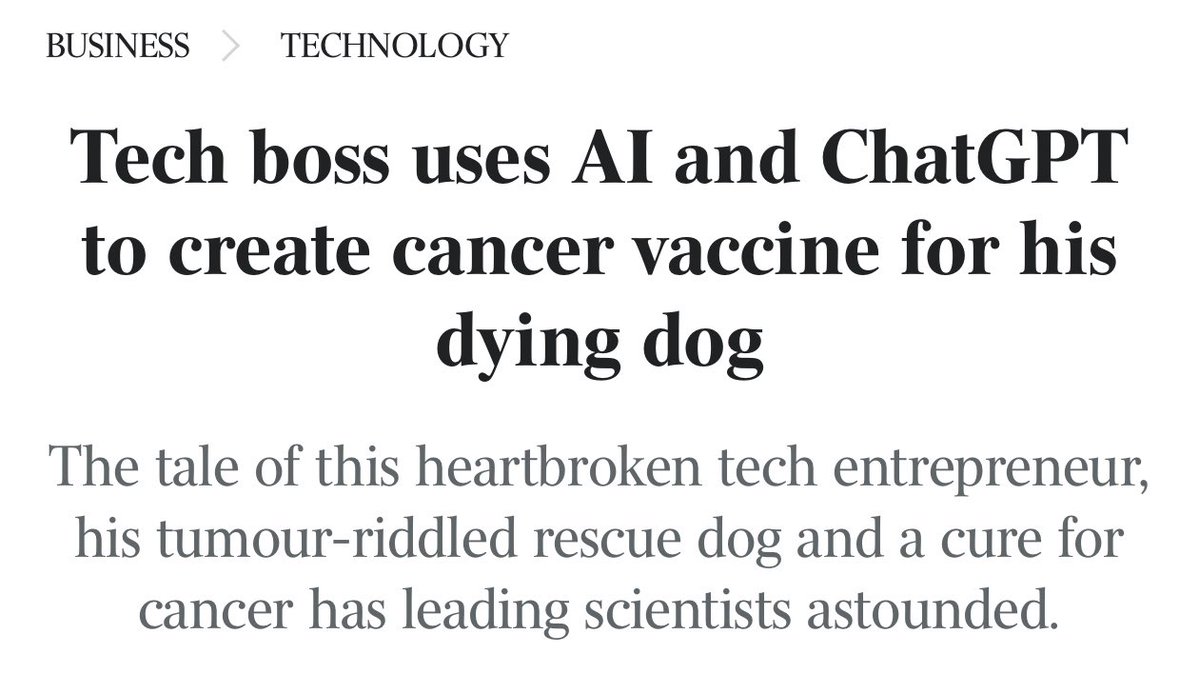
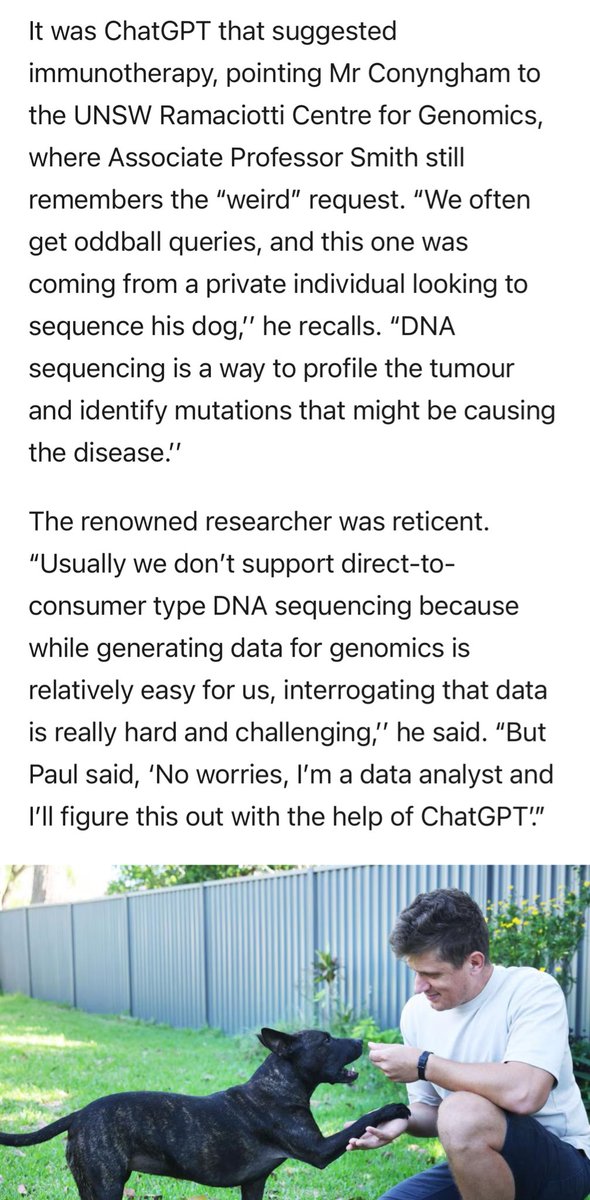
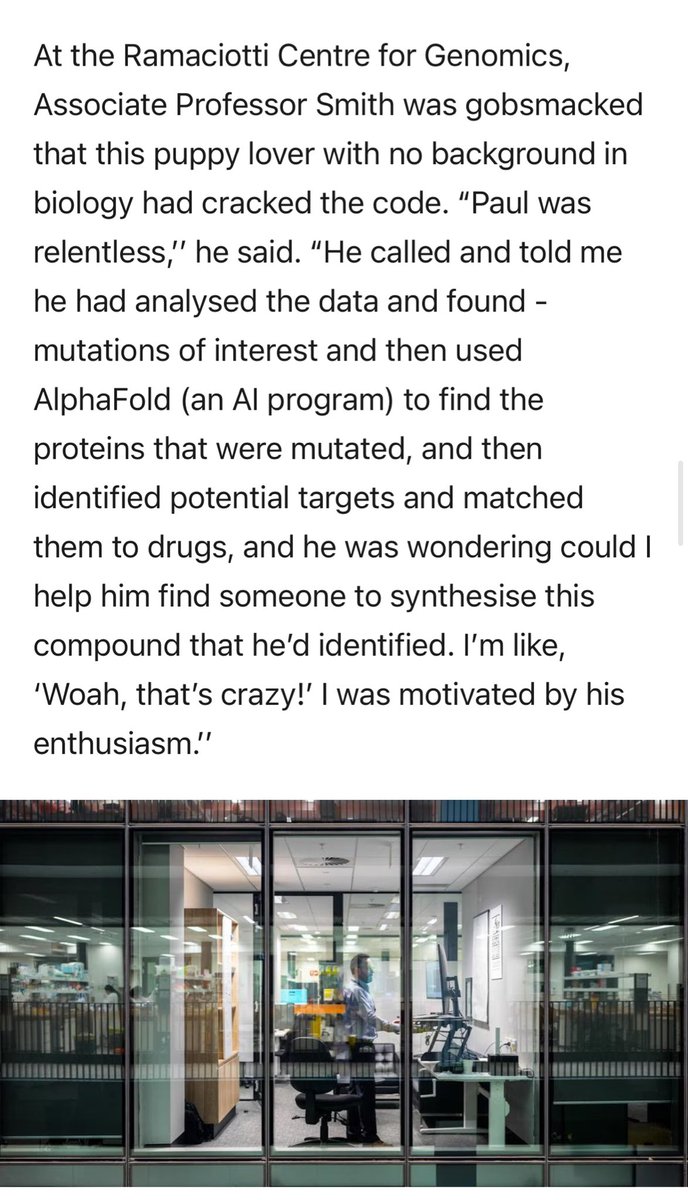
This is wild. theaustralian.com.au/business/techn…


Anthropic is valued at $380 billion. For nearly a year during its fastest growth period, their entire marketing operation was one guy. Austin Lau, a non-technical growth lead, was running paid search, paid social, email & SEO completely solo. Just Claude Code & some insane automation he built himself without writing a single line of code. Here's the exact workflow: - Export ad performance CSVs into Claude Code - AI flags what's underperforming - Sub-agent 1 writes headlines - Sub-agent 2 writes descriptions - Figma plugin auto-swaps copy into 100 ad templates - MCP server pulls live Meta data to close the loop Output went up 10x. Creation went from 2 hours to 15 minutes. Conversion rates beat industry average by 41%. This isn't AI helping a marketing team. This is one person replacing what used to be a 50-person department.