Ray Marshall retweetledi
Ray Marshall
3.3K posts


@provemewrong411 Easy to promote bombings while living cosy in the west, Anna.
English

@HavryshkoMarta @_9612461395591 @FreakyAvatar Elections will be held once the war has ended and occupiers get their asses back to Russia. How do you expect regions to hold elections in which parts are still under constant bombardment?
English

@_9612461395591 @FreakyAvatar Закон може легко бути змінений при бажанні. Але його немає. Є лише великий страх втратити владу.
Українська
Ray Marshall retweetledi

M51 Whirlpool galaxyin Canes venatici constellation by Adam Block adamblockphotos.com/m51-whirlpool-…

English

@Alex_Oloyede2 Why a Nigerian propagandist cares about elections in Ukraine?
English
Ray Marshall retweetledi

A unos 15 000 años luz del Sistema Solar, podemos observar la estrella WR 124. La vemos en el espectro infrarrojo, con el telescopio James Webb, y es una estrella que tiene 30 veces la masa del Sol. Antes de llegar a la explosión como supernova, está en un período breve de su vida donde ha expulsado sus capas exteriores al espacio, generando una vistosa nebulosa, que mide 6 años luz. Crédito: NASA/ESA #FelizSabado

Español
Ray Marshall retweetledi

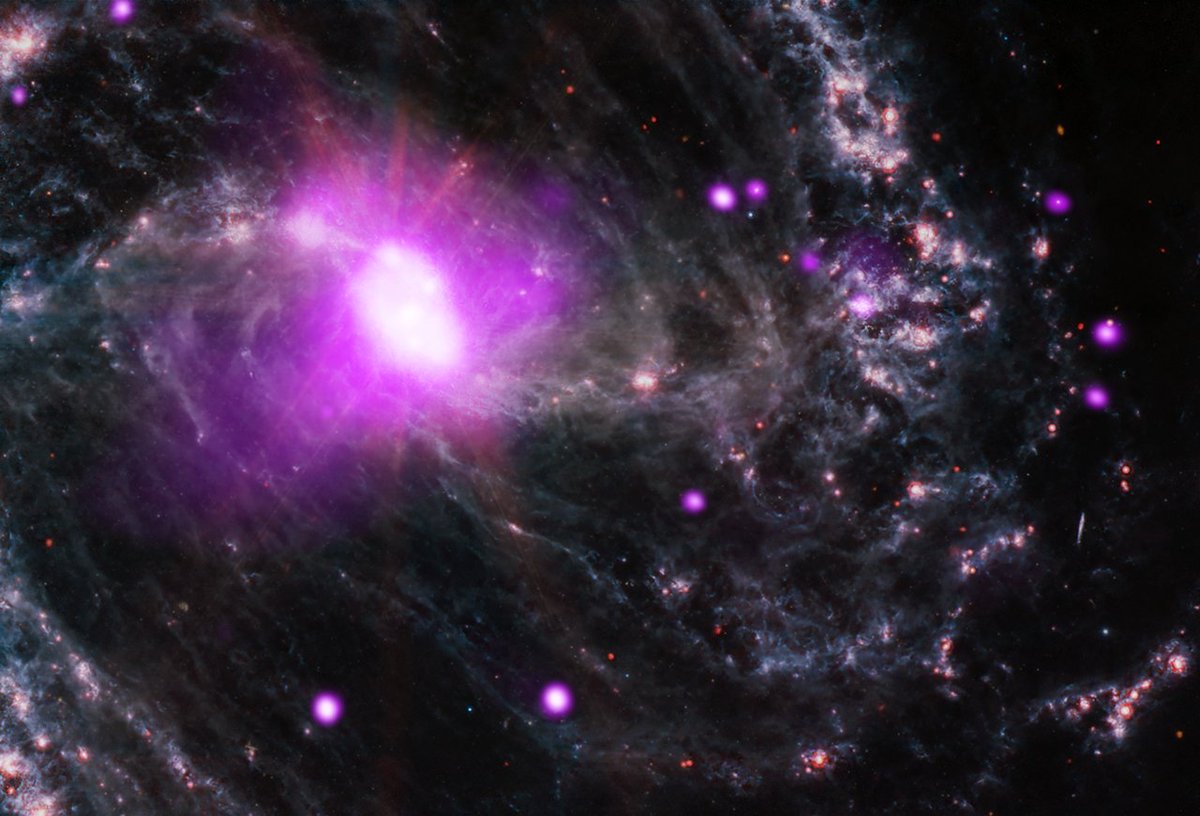
At the heart of galaxy NGC 1365, a supermassive black hole is basically feasting at an all‑you‑can‑eat buffet in this image from Chandra and @NASAWebb. Located about 60 million light-years from Earth, this gobbling black hole has a mass of roughly 2 million suns... and growing.⚫

English
Ray Marshall retweetledi

NASA’s James Webb Space Telescope has delivered breathtaking new portraits of stars being born — capturing protostars in their rawest, most primordial moments.In the dark, dusty folds of the Taurus Molecular Cloud, Webb turned its infrared eyes toward two fascinating newborns: HH 30 and L1527. What it revealed is nothing short of spectacular. Piercing through opaque clouds of gas and dust that have hidden these objects for eons, the telescope unveiled glowing, supersonic jets blasting outward like cosmic searchlights and delicate, swirling protoplanetary disks — the very birthplaces where planets may one day form.These stunning high-resolution images offer an unprecedented front-row seat to one of the universe’s most dramatic processes: the violent, beautiful emergence of new st

English
Ray Marshall retweetledi

@NatasaIvanova9 You saved them by occupying and oppressing them? How many thousands of families you destroyed by sending them to gulags?
English
Ray Marshall retweetledi

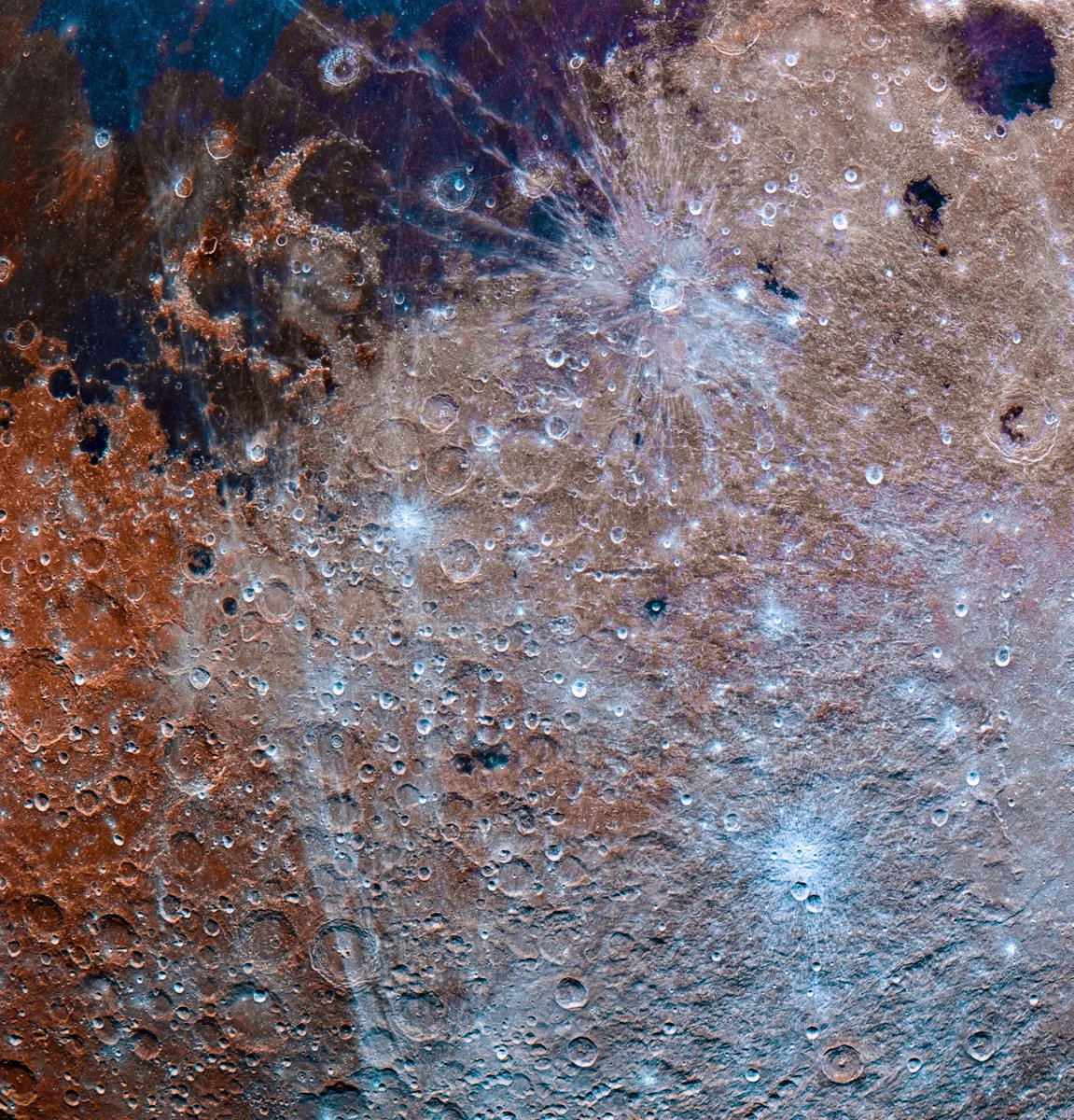
The stunning color of the far side of the moon, photographed by human hands for the first time since 1972. Advancements in digital photography over the last 54 years gives us a much better look at the moon's battered history.
Photos captured by @astro_reid, processed by me.

English
Ray Marshall retweetledi

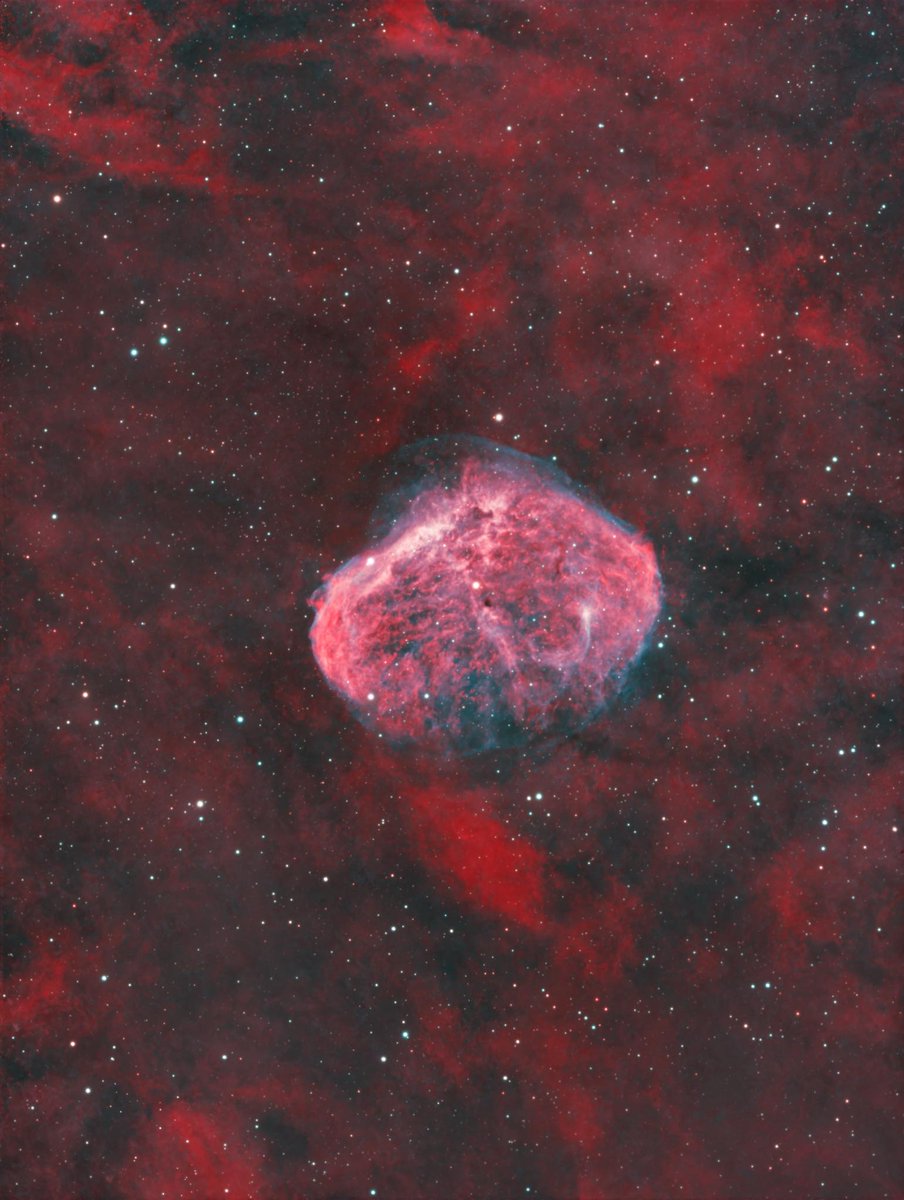
Crescent Nebula
5 hours 40 minutes of Ha and Oiii data
Svbony MK127 at 975mm (0.65 reducer) with a 1600mm pro camera.
Svbony’s SV227 filters
from Bortel 5 backyard in Reno, Nevada.
Credit:Mike Barnes
#svbony #CrescentNebula #Astrophotography #Mk127 #DeepSkyImaging

English
Ray Marshall retweetledi

The Great Nebula in Orion can be found just below and to the left of the easily identifiable belt of three stars in the popular constellation Orion(Alnilam, Alnitak & Mintaka).
This fuzzy patch contains one of the closest stellar nurseries, lying at a distance of about 1500 light years and in the picture below, the red region on the left consists of nebulae designated M42 and M43 and contains the bright Trapezium open cluster.
The blue region on the right is a nebula primarily reflecting the light from internal bright stars and recent observations of the Orion Nebula by the Hubble Space Telescope have located solar-system sized star-forming regions.

English
Ray Marshall retweetledi