Sabitlenmiş Tweet

Medha Bankhwal
382 posts

@mbankhwal
AI Trust x Business Transformation | Prev: EdTech Co-founder, ex- @McKinsey, @Google



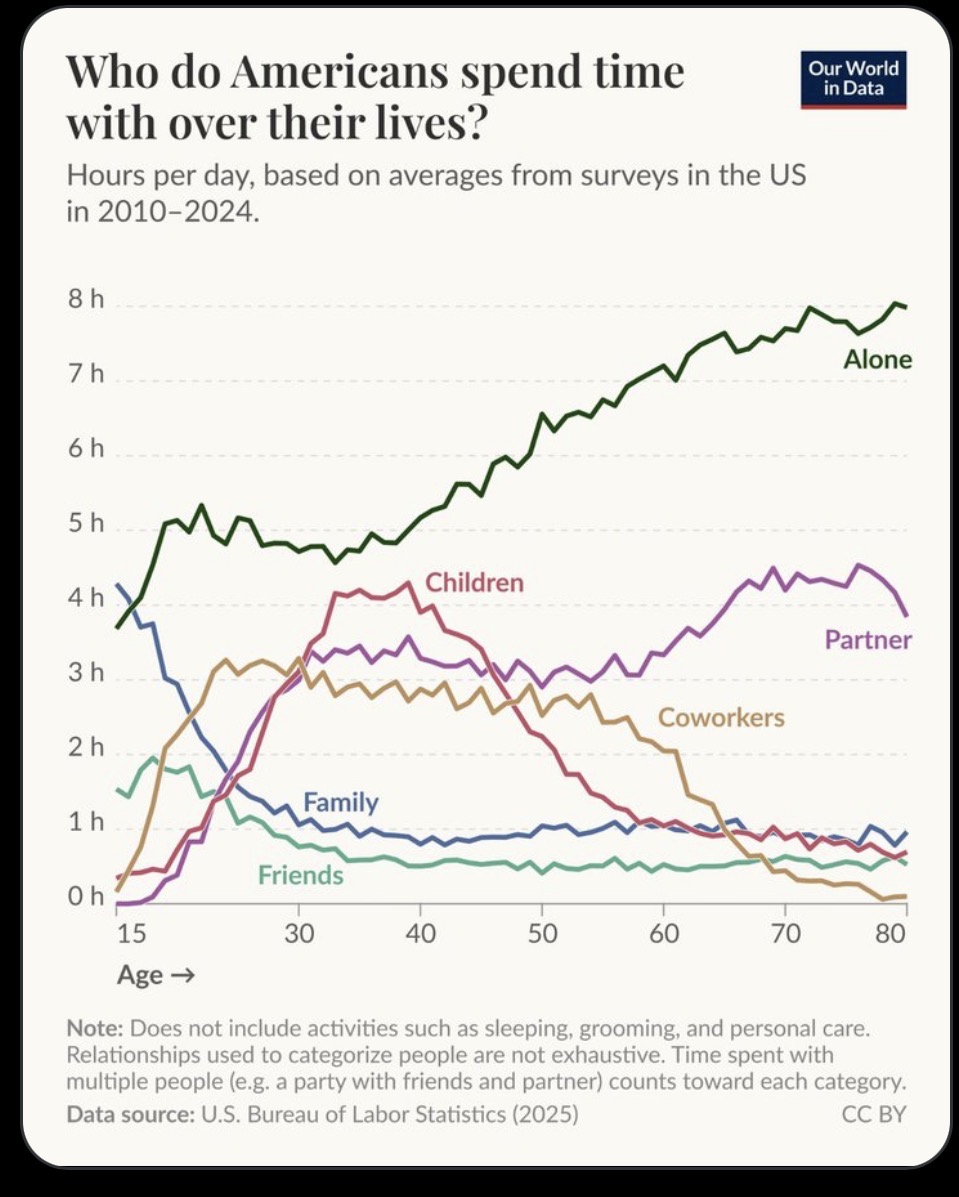


"Space" isn't about working less. It's about spending your hours on what actually matters to you. Full video link in the comment. @angelina_magr

I had a fascinating conversation with @abhshkdz about how to win in AI (+ why horizontal > vertical). @abhshkdz is a pioneer in agentic AI (2016 PhD thesis on agents that can see, talk, and act + Meta FAIR Lab researcher) & co-founder of @yutori_ai (Radical Ventures, Felicis, Elad Gil, Sarah Guo, Scott Belsky, Guillermo Rauch, etc). My biggest learnings: 1. Errors compound viciously in multi-step processes In complex workflows, each decision is a point for errors to multiply. 90% accuracy sounds great until you realize that over a 10-step workflow, you're failing more than succeeding. Over 50 steps, you're basically guaranteed to fail. On top, the long tail of edge cases in every process makes this worse. You can't train on every possible scenario. Instead, your agents need to detect mistakes quickly and backtrack. The effort to get there is enormous - getting from 50% → 80% → 99+% reliability scales almost linearly in effort. There's no shortcut. 2. Depth on one thing creates memorization, not generalization If you train too narrowly - on one customer, one workflow, one use case - your model learns the quirks, not patterns. You get brittle intelligence that can't transfer. @yutori_ai initially built a food ordering agent for DoorDash. It worked beautifully. But when they tested it on other food sites - same category, similar UIs - it collapsed. The model had memorized DoorDash's quirks instead of learning how food ordering works. 3. To win in horizontal AI, pick a capability, then go wide Building in horizontal AI is as competitive as it gets. As a small startup, focus on a single, powerful capability, do it incredibly well, and apply it broadly. After their DoorDash experiment failed to generalize, @yutori_ai scoped down to one capability: Agents that monitor the web for anything you care about - specific but broadly applicable. Training on all sites on the web across diverse UIs within that single capability made the model robust to become the best at this capability. 4. Research and product have to talk Many AI companies have big research teams. When research and product operate in isolation, you get either science projects that never ship or products built on shaky technical foundations. Ideas should flow both directions. Sometimes research unlocks a capability that product can ship. Sometimes product shapes the research roadmap. The key is visibility across the company. 5. In fast-moving spaces, plan in 3-month horizons Anything beyond that has too much variance - both in what you can build and what the world will look like. Have rough sketches for 6 to 12 months, but plan in quarters. You can't predict further out, pretending otherwise wastes everyone's time. 6. Everyone should read user feedback Customer feedback has to reach every corner of the company. At @yutori_ai, all onboarding emails come from the founder / replies land in his inbox. On top, everyone on the team, no matter how technical, rotates through reading user feedback.