...!eza...

50K posts

...!eza...

...!eza...

@mdisele

Gadfly

enroute Katılım Ocak 2010
1K Takip Edilen1.1K Takipçiler
...!eza... retweetledi
sandile swana
sandile swana@sandileswana·
Black on black economic cannibalism avoids the central question of confronting Racial Capitalism, Economic apartheid and the mafia state in South Africa. The violent xenophobia in South Africa is a right-wing diversion from confronting Racial Capitalism, economic apartheid and the mafia state in South Africa. This perspective aligns with critical political economy analyses of contemporary South Africa, which argue that localized violence distracts from deep-seated, systemic inequalities. The Diversionary Mechanics of Xenophobia Scapegoating: Marginalised communities blame foreign African nationals for scarce resources, housing, and jobs. Structural Blindness: Attention shifts away from state failures to redistribute wealth effectively. Horizontal Violence: Oppressed groups fight each other rather than challenging elite structures. The Three Structural Pillars Racial Capitalism: Capital accumulation remains deeply tied to historically racialised exploitation and cheap labour. Economic Apartheid: Geographic and financial divides closely mirror the segregation of the pre-1994 era. The Mafia State: Systemic corruption and state capture divert public funds meant for societal transformation. Political Implications Right-Wing Populism: Politicians use anti-foreigner rhetoric to win votes without offering structural economic solutions. Status Quo Protection: The ruling elite avoids accountability for failing to dismantle the dual economy. Fragmented Solidarity: Class-based mobilization across national borders is disrupted by nationalist divisions.
English
5
8
12
625
...!eza... retweetledi
sandile swana
sandile swana@sandileswana·
Black on black economic cannibalism avoids the central question of confronting Racial Capitalism, Economic apartheid and the mafia state in South Africa. The violent xenophobia in South Africa is a right-wing diversion from confronting Racial Capitalism, economic apartheid and the mafia state in South Africa. This perspective aligns with critical political economy analyses of contemporary South Africa, which argue that localized violence distracts from deep-seated, systemic inequalities. The Diversionary Mechanics of Xenophobia Scapegoating: Marginalised communities blame foreign African nationals for scarce resources, housing, and jobs. Structural Blindness: Attention shifts away from state failures to redistribute wealth effectively. Horizontal Violence: Oppressed groups fight each other rather than challenging elite structures. The Three Structural Pillars Racial Capitalism: Capital accumulation remains deeply tied to historically racialised exploitation and cheap labour. Economic Apartheid: Geographic and financial divides closely mirror the segregation of the pre-1994 era. The Mafia State: Systemic corruption and state capture divert public funds meant for societal transformation. Political Implications Right-Wing Populism: Politicians use anti-foreigner rhetoric to win votes without offering structural economic solutions. Status Quo Protection: The ruling elite avoids accountability for failing to dismantle the dual economy. Fragmented Solidarity: Class-based mobilization across national borders is disrupted by nationalist divisions.
English

7
12
25
1.3K
...!eza... retweetledi
sandile swana
sandile swana@sandileswana·
Why do people not recognise the Zulu, Mpondo, Xhosa , Thembu , Sotho,Tswana and other local kingdoms as kingdoms. Why do people talk of Tswana tribe and tribalism when referring to these kingdoms. The failure to recognize Zulu, Mpondo, Xhosa, Thembu, Sotho, Tswana, and other local kingdoms as fully functioning states—and the insistence on using terms like "tribe"—is a direct legacy of colonialism, apartheid, and the Eurocentric redefinition of political structures. [1, 2, 3] While South Africa does formally recognize several traditional kingships under the Traditional Leadership and Governance Framework Act 41 of 2003, historical and social discourse often minimizes them. [1, 2] Here is why this occurs: 1. Colonial and Apartheid Engineering ("Divide and Rule") "Tribe" as a Reductionist Label: Colonial and apartheid administrators intentionally used the term "tribe" to suggest that African societies were primitive, fragmented, and lacked complex governance, thereby justifying colonial intervention. Divide and Rule: By classifying unified kingdoms like the AmaXhosa or Batswana into smaller, antagonistic "tribes" (such as Bafokeng, Bakwena, etc.), the government weakened their collective power and ability to resist, using tribalism to promote infighting. Homelands System: Apartheid forced people into "bantustans" or "tribal homelands," which were designed to relegate these kingdoms to inferior political status rather than recognizing them as sovereign nations. [1, 2, 3, 4, 5] 2. Disregarding Political Sophistication Complex Political Organization: The Zulu, Xhosa, Sotho, and others were not just tribes; they were powerful states with distinct legal systems, economies, and military structures. Kingdoms vs. Chiefdoms: While many were organized as complex, centralized kingdoms (e.g., the Basotho under Moshoeshoe I), colonialists frequently reduced any indigenous political structure to a "tribe". The Tswana Example: Batswana were not a single kingdom, but a collection of distinct merafe (nations/kingdoms) like the Bakwena, Bangwato, and Barolong, which were treated as independent political entities but later grouped simply as a "Tswana tribe". [1, 2, 3, 4, 5] 3. Eurocentric Definitions of Statehood Nation vs. Tribe: European narratives often reserve the word "nation" or "kingdom" for political entities that fit a European model, while branding indigenous, decentralized, or differently organized states as "tribes". Misinterpretations of Social Structures: Some scholars suggest that in the 19th and 20th centuries, colonial historians rewritten African history to make it seem as if kingdoms like the Zulu were newly arrived or "novels" rather than established states. [1, 2, 3] 4. Why "Tribalism" is Still Used Institutionalization: "Tribalism" became a useful, although incorrect, term to describe political tension or cultural differences, often exacerbated by the apartheid-era manipulation of ethnic identities. Persistence of Stereotypes: Even post-1994, the political engineering of the past ensures that many still view these kingdoms through the lens of ethnic loyalty rather than as political, constitutional entities. [1, 2] Formal Recognition in Modern South Africa Despite common discourse, the South African government does officially recognize several kingships, including: [1, 2] AmaZulu: King Misuzulu kaZwelithini AmaXhosa: King Mpendulo Sigcawu AbaThembu: King Buyelekhaya Dalindyebo AmaMpondo: King Zanozuko Tyelovuyo Sigcau Bapedi ba Maroteng: King Thulare Victor Thulare VhaVenda: King Toni Mphephu Ramabulana AmaNdebele: King Makhosonke Enoch Mabena [1, 2, 3, 4] The "tribe" label is generally considered an outdated, politically charged term that fails to reflect the true historical complexity and legal status of these African kingdoms. [1, 2, 3, 4, 5]
English
8
12
26
2K
...!eza... retweetledi
United Communist Front (India)
United Communist Front (India)@BolshevikSpeaks·
“Freedom in capitalist society always remains about the same as it was in ancient Greek republics: Freedom for slave owners” — Lenin
English
0
7
53
1K
...!eza...
...!eza...@mdisele·
pula is created when govt and b.o.b issues bwp and spends first. taxes & other revenues (e.g. extractive minerals economy) dividends. then drains liquidity, fights inflation & shapes version incentives. "taxpayer loss" is mainstream short hand, not how currency works here.
Mmegi@MmegiOnline

#UPDATE: Auditors estimate country’s financial loss at P33bn btwn 2014 and 2024 The released summary of the national forensic audit report estimates that taxpayers lost P33 billion due to suspected bribery, corruption, fraud and embezzlement between April 2014 and March 2024.

English
0
0
0
82
...!eza... retweetledi
Jonathan Said
Jonathan Said@JonathanSaid1·
The African financial sector remains ill suited for industrial strategy. Many European countries had public banks mandated to invest in agriculture & manufacturing with patient capital, eg Sparkassen (savings) & Raiffesen (coop) banks in Germany. They were key to finance SMEs.
English
15
161
448
21.4K
...!eza... retweetledi
Craig Murray
Craig Murray@CraigMurrayOrg·
In 2018 when Kelloggs announced they were leaving Venezuela overnight, making hundreds redundant, the Venezuelan government just let them go and helped the workers physically take over the factory. It is still producing, using 100% Venezuelan raw materials. An inspirational story
English
55
2.3K
8.8K
164.3K
...!eza... retweetledi
Therapy
Therapy@Mathaba2022·
Apartheid used alcohol to pacify Black communities. Democracy handed them gambling licences instead. 1996: gambling legalised. 2004: online betting opened up. 2026: still no real ad restrictions. Billboards don’t go up in Sandton. They go up in Soweto, Soshanguve, Mamelodi. 27% of South Africans are on illegal gambling sites alone and that’s before you count the legal ones bleeding people dry. The industry knows exactly who its targeting. The NGB is only now waking up. Different era. Same playbook. Keep people broke, distracted and dependent.
English
0
18
39
2.3K
...!eza... retweetledi
simple boi: mabele & amabele
simple boi: mabele & amabele@Queen_Finxa·
Sorghum isn’t “brown maize” Well intended but very incorrect
English
3
30
159
10.8K
SAFO NYAME HERBAL THERAPEUTICS
SAFO NYAME HERBAL THERAPEUTICS@safonyameherbal·
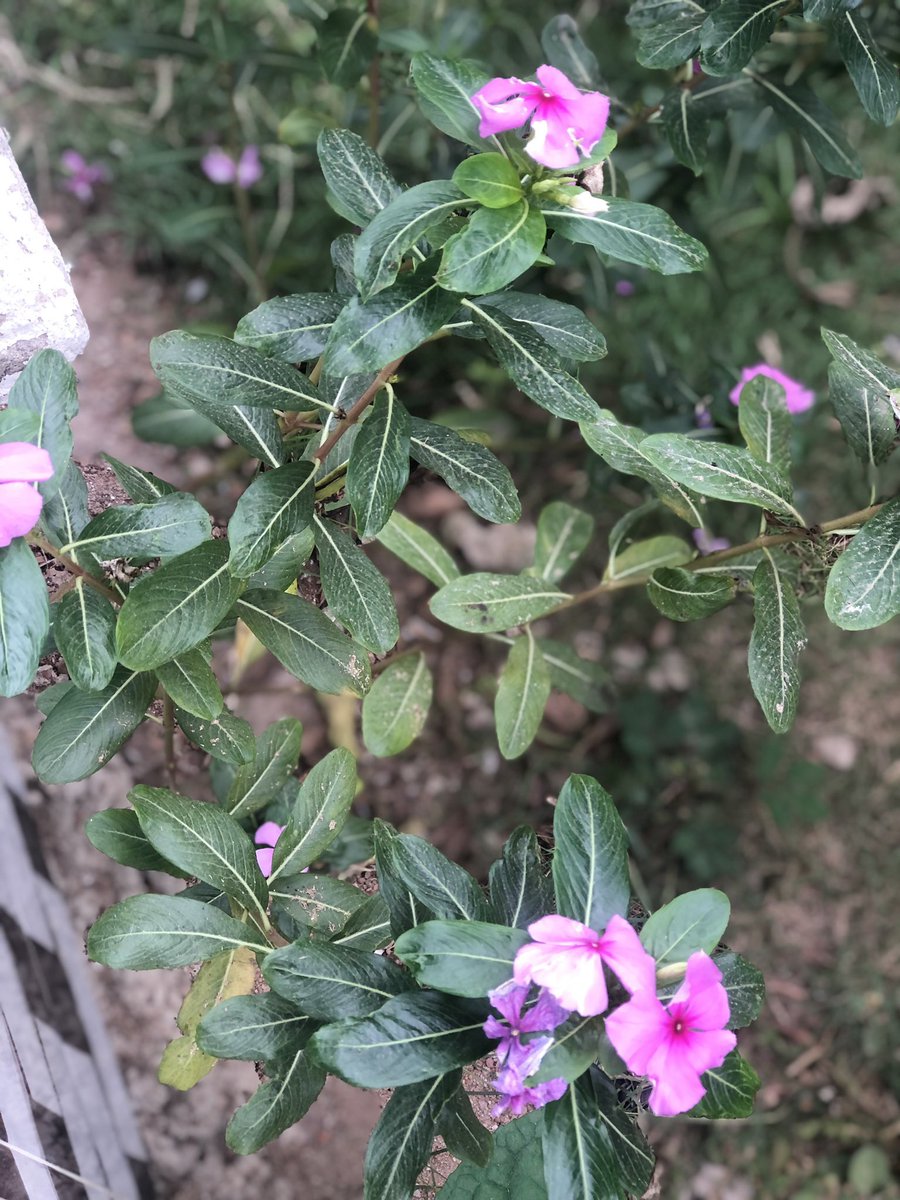
Note that whenever you go to the hospital for CHEMOTHERAPY, you are going to pay huge amount of money on compounds (Vincristine and Vinblastine) isolated from a common plant at your backyard called CATHARANTHUS ROSEUS(Madagascar periwinkle)🍀 As Africans, we just need to invest more into the research of plant medicine. The Healer is at your backyard❤️
SAFO NYAME HERBAL THERAPEUTICS tweet mediaSAFO NYAME HERBAL THERAPEUTICS tweet media
English
18
191
609
23.9K
...!eza...
...!eza...@mdisele·
@MrTshepisoLue 🤣 your tweet is auto translated from portuguese. ba sentse karabo.
English
1
1
0
53
...!eza... retweetledi
Finance & economics
Finance & economics@Ndala_Momane·
FACT: DENEL has no history of profitability except in the so-called 9 wasted GUPTA years. STATE CAPTURE DIDN'T DESTROY DENEL, PRAVIN DEFUNDING & PURGING DID. You may hate how Guptas wanted to arbitrage DENEL via their proximity to Zuma but DO NOT LIE.
Pieter Du Toit@PieterDuToit

South Africa’s arms defence industry wasn’t only an African leader, it produced world class technology. Then state capture came. And the Guptas. What’s left is a shell of what it used to be. Tomorrow on News24.

English
9
87
142
6.2K
...!eza...
...!eza...@mdisele·
@SABCNews what's this, he thinks he is still talking to area l crowd in francistown?
English
0
0
0
51
SABC News
SABC News@SABCNews·
WATCH | Political economist Moeletsi Mbeki says the country's biggest problem is that too much money is spent on public servants' salaries rather than investments.
English
225
336
1.3K
117.1K