Kyle Wegner

53 posts

Kyle Wegner

Kyle Wegner

@modcalifivy

"...men’s clothing design by the 1960s was thoroughly Californian, even if its origins on the West coast were usually hidden."--William Ramsey Scott

Katılım Temmuz 2014
19 Takip Edilen12 Takipçiler
Kyle Wegner
Kyle Wegner@modcalifivy·
@urban_comp Peter, do you have an opinion on "Smooth abraded bull leather"? I'm looking at these loafers by Velasca and I am not familiar with "Smooth abraded bull leather". Thank you.
Kyle Wegner tweet media
English
1
0
1
26
Kyle Wegner
Kyle Wegner@modcalifivy·
@TENDRELsb @dieworkwear "Penlington's house style can be described as a fusion of 1970s opulence, Laurel Canyon Americana, and Westernwear." x.com/dieworkwear/st…
derek guy@dieworkwear

If you're interested in bespoke tailoring and based in the United States, I have some trunk show announcements to share with you. A hundred years ago, the average person who used a bespoke tailor was a man who needed clothes for certain situations, such as tweed sport coats for leisure or dark worsted suits for doing business in London. Today, dress codes are far more relaxed, and bespoke tailors are more likely to serve clients who choose to wear tailored clothing, rather than being forced into it as a kind of uniform. This helps explain Nina Penlington's business. To be sure, she can cut a conservative dark worsted suit that will look at home in any business setting. For nearly two decades, that was her bread-and-butter, as she worked as a cutter on Savile Row, making such clothes for clients at Gieves & Hawkes and Dege & Skinner (companies that dress the British Royal family). However, since becoming an independent cutter running her own tailoring business, Penlington has taken greater creative license. This includes making velvet jackets inspired by Paul McCartney, which you can pair with jeans and a band t-shirt in the afternoon. And the black twill Western suit you see above on @urban_comp (it's hard to see in the photo, but that has a Western yoke, smile pockets, and arrowhead-shaped tacks). Penlington's house style can be described as a fusion of 1970s opulence, Laurel Canyon Americana, and Westernwear. This makes her uniquely suited to people who love traditional bespoke craft but see themselves as a bit more free-spirited and creative. It also helps explain why Penlington has made suits for various musicians, such as Jarvis Cocker and Emma Richardson (the bassist for The Pixies). Consider Penlington if you need traditional business suits or if you want something a bit more rock 'n roll. Regional stereotypes about tailoring rarely do the subject justice. Still, if you had to draw a rough distinction between British and Italian tailoring, it wouldn't be wrong to say that the latter is generally softer. That contrast helps frame the work of Fred Nieddu, a London-trained bespoke tailor who incorporates elements of Italian construction into his practice. Fred's jackets typically include minimal shoulder padding, along with a full body canvas and just a bit of laptair near the collarbone to keep the jacket from collapsing. Despite the soft construction, his jackets have a ton of shaping. You can see this in the photo above of Ralph Fiennes, who is wearing one of Fred's creations. The minimal padding results in a softer, more natural shoulder line, while the fuller chest keeps the jacket from being too slim fit. The result is a man who looks beautifully dressed but also at home and natural in his clothes. I feel I can always spot one of Fred's coats because he often uses a very straight lapel with a larger collar. This gives his jackets an angular, almost Art Deco appearance. That said, he's also one of the most flexible tailors in London. Given his extensive experience making clothes for films — The Phoenician Scheme, Mickey 17, Midas Man, and over a dozen others — he's capable of making a variety of things. Still, generally always a good idea to stay relatively close to a tailor's house style. Oh, and he makes fantastic overcoats, as you can see above in the photo of Douglas Cordeaux, co-owner of Fox Brothers. That specific overcoat is made with set-in sleeves, but Fred is one of the few who can also easily execute a raglan-sleeve construction (a much more difficult design that not all tailors are willing to take on). My usual disclosure: this is not a paid tweet, as I never do paid tweets. I don't get anything in return for making these announcements — no kickbacks, discounts, freebies, or whatever else. I make these announcements simply because I love real tailoring and it's my pleasure to help real tailors. If you have questions, please contact them directly, as I'm not their representative.

English
1
0
1
70
TENDREL
TENDREL@TENDRELsb·
@dieworkwear Derek awhile back you mentioned someone who had a bit of a 70s feel to tailoring. Maybe some slightly flared dress pants. Does this ring any bells? Wish I saved the pictures to remember….
English
2
0
3
5.3K
derek guy
derek guy@dieworkwear·
If you're based in the United States and interested in bespoke tailoring or shoemaking, I have some trunk show announcements to share with you. Since Twitter recently changed their format, I will be posting this as a thread. 🧵
English
17
32
810
157.8K
Kyle Wegner
Kyle Wegner@modcalifivy·
@JohnnyAndAI @dieworkwear redford makes the above two guys look like amateur hour; poplin dress shirts are absolutely the wrong choice of shirt for this look
English
1
0
7
601
Lee Gaines
Lee Gaines@JohnnyAndAI·
@dieworkwear Thoughts on this clean urban cowboy look? Any tips to maximize the aesthetic?
Lee Gaines tweet mediaLee Gaines tweet media
English
5
0
3
3.7K
derek guy
derek guy@dieworkwear·
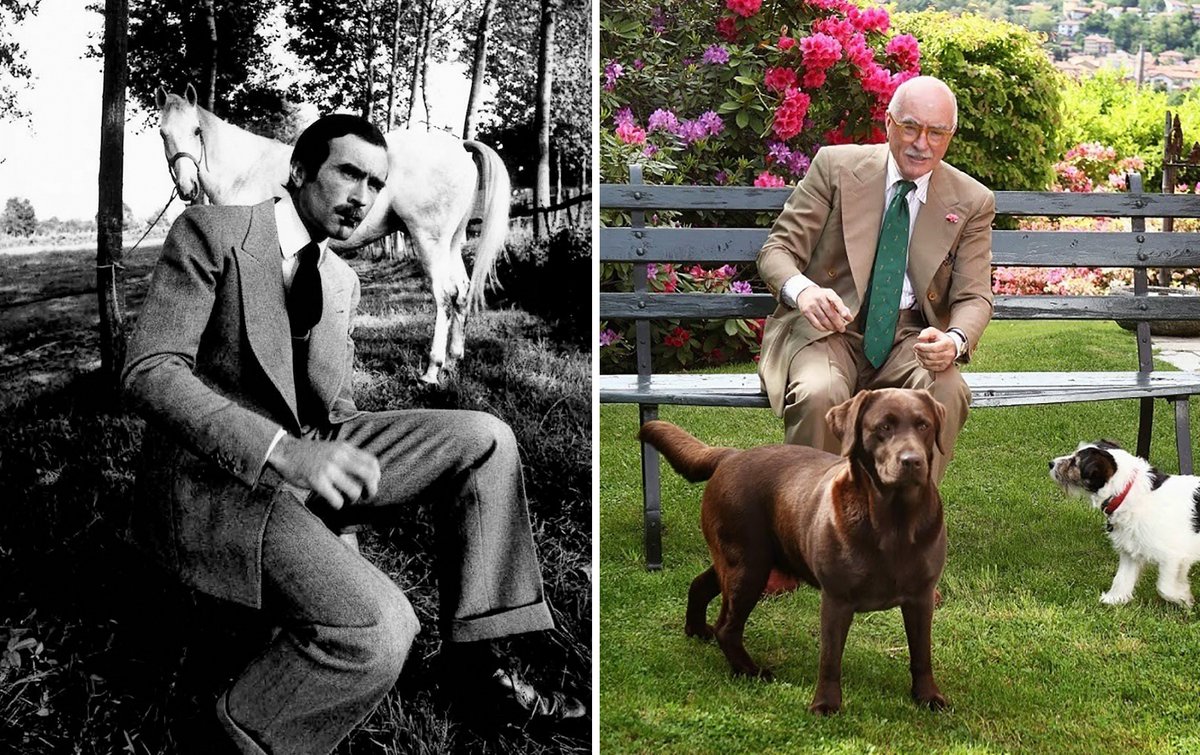
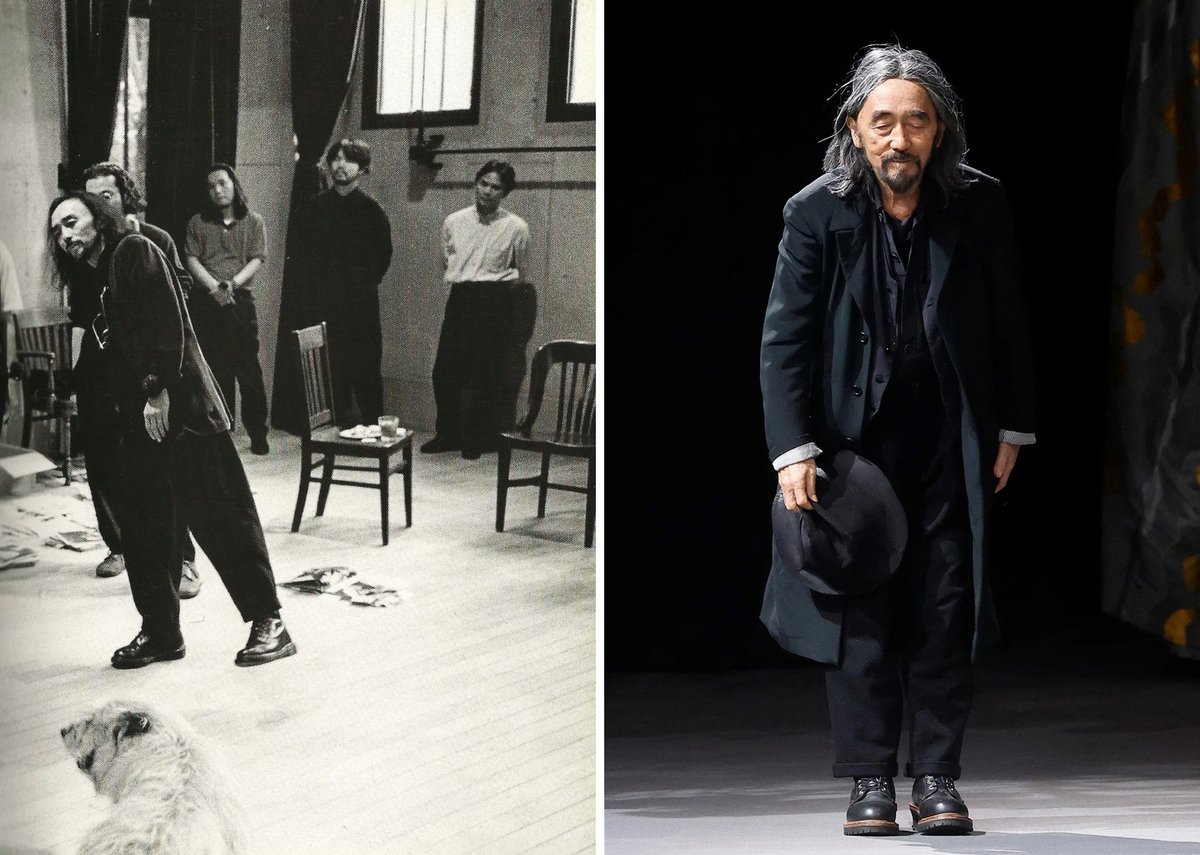
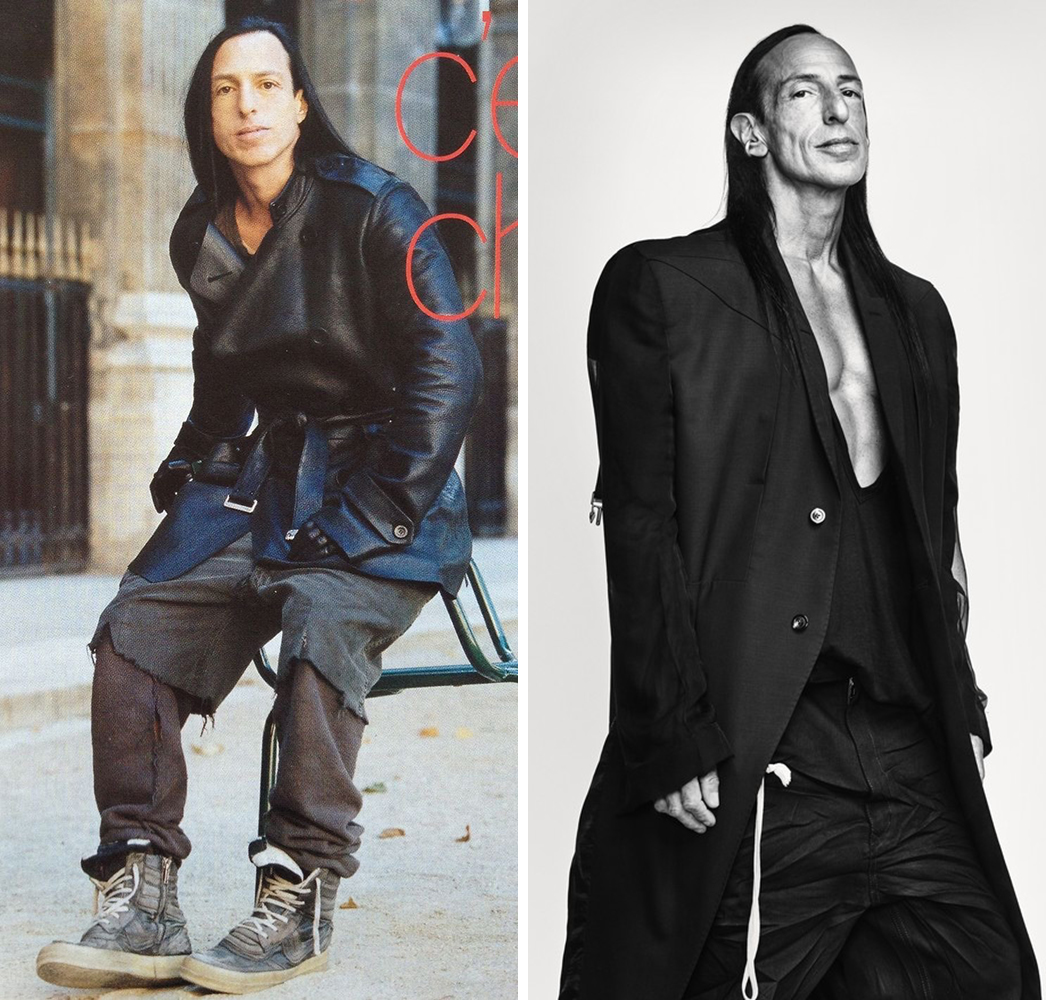
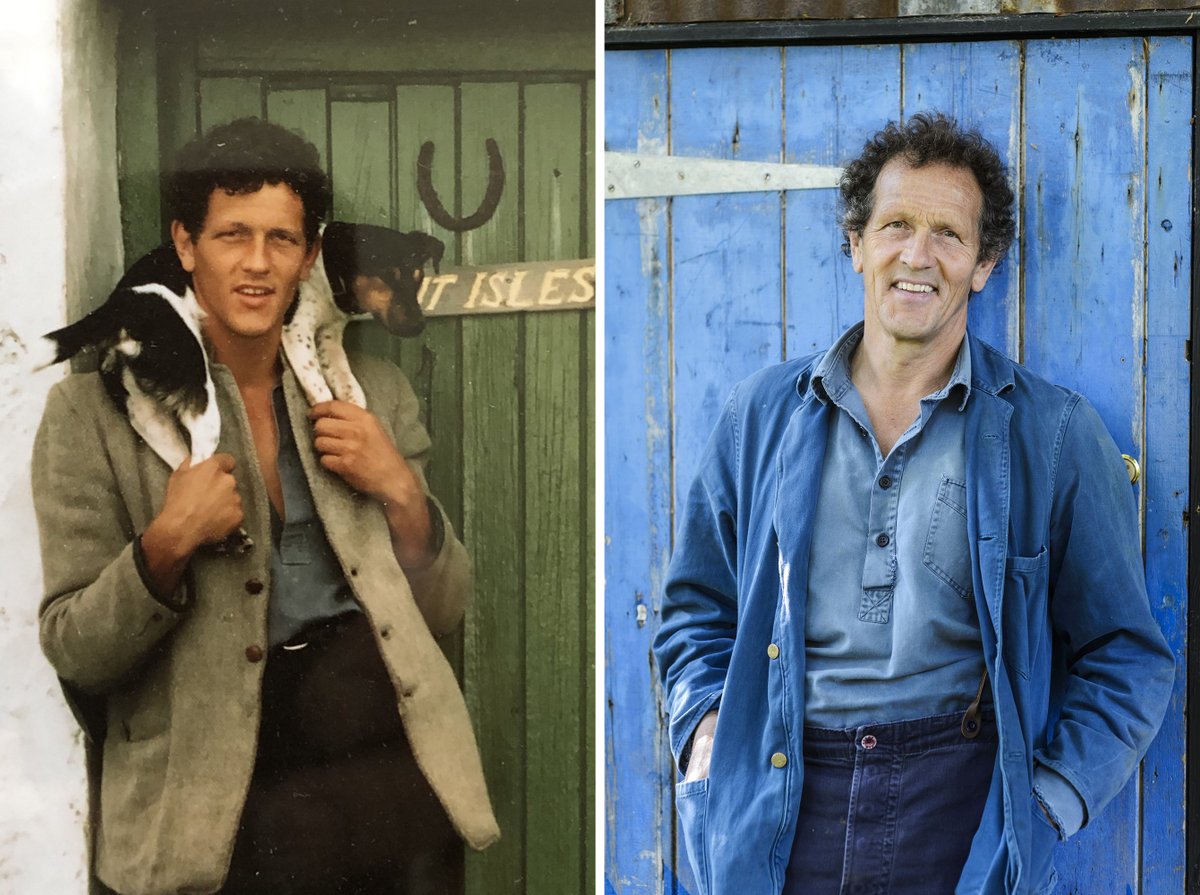
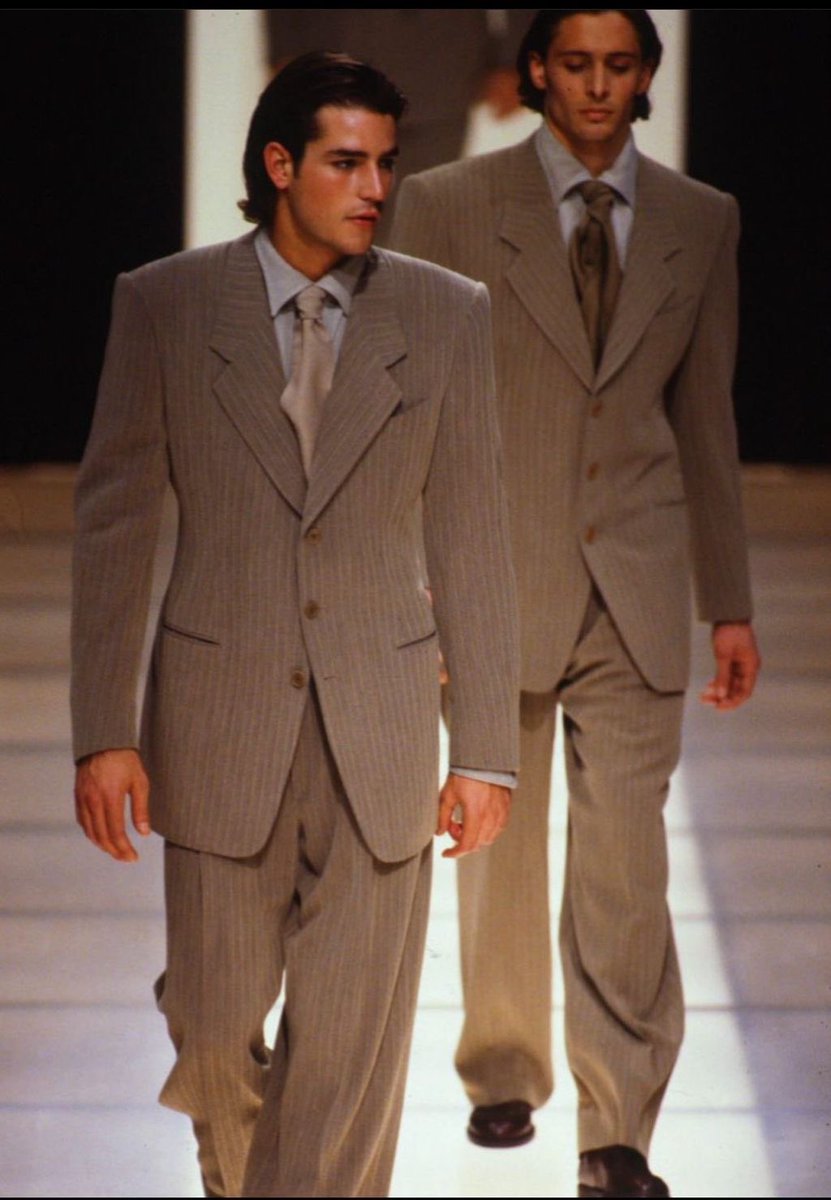
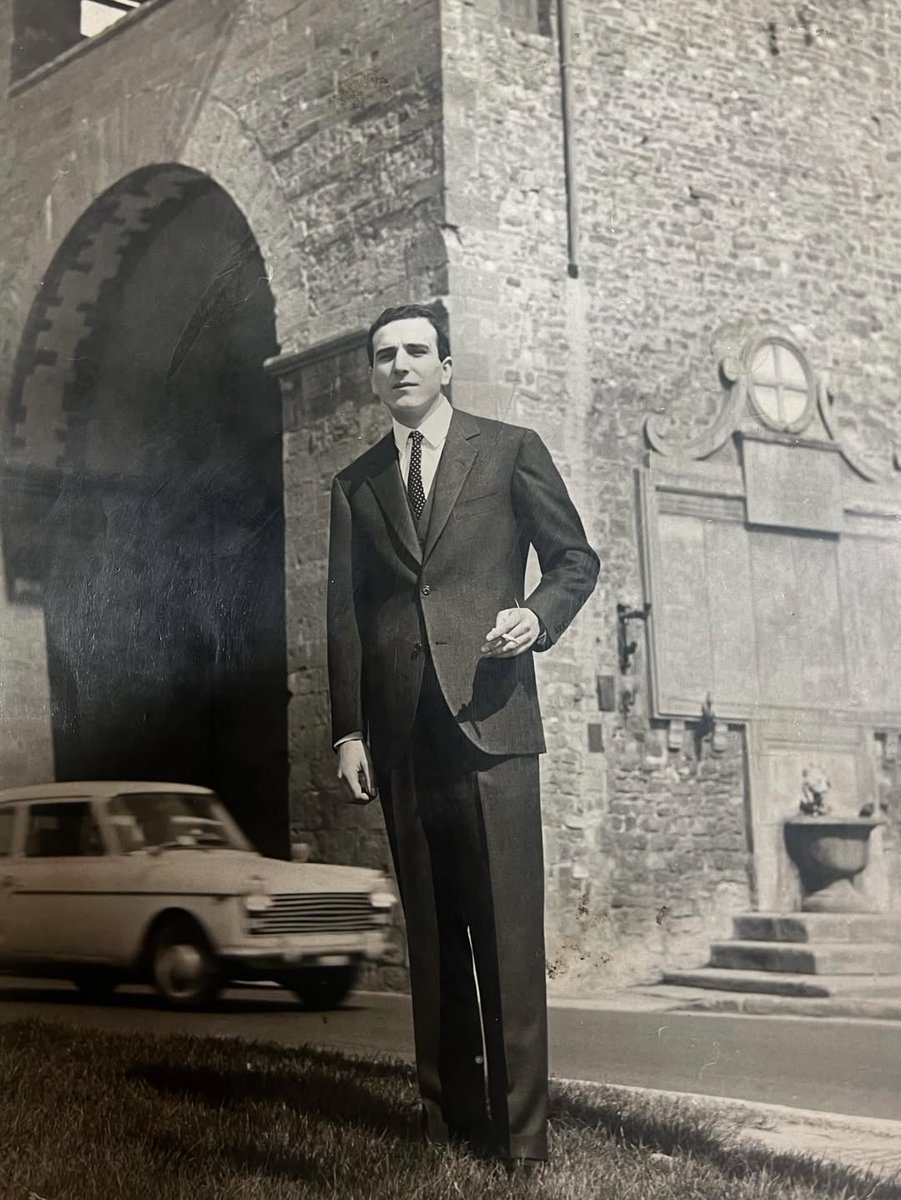
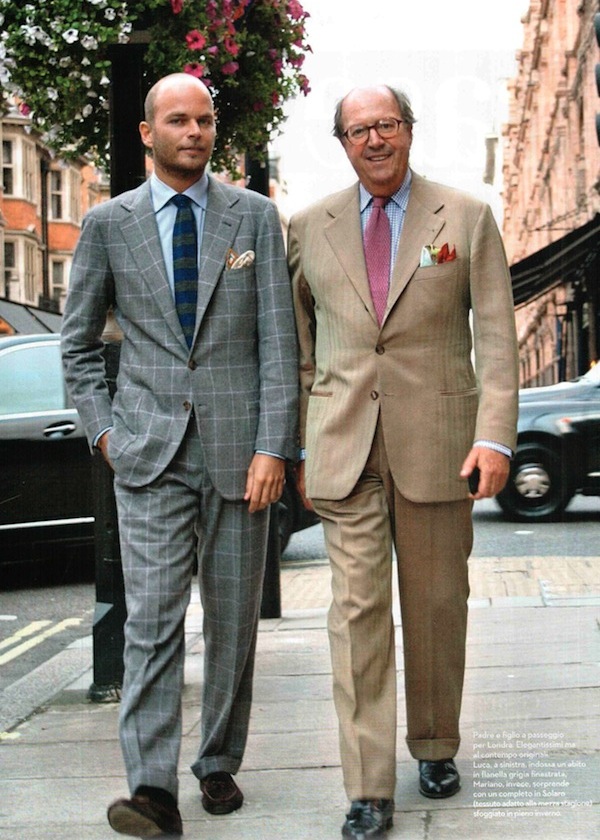
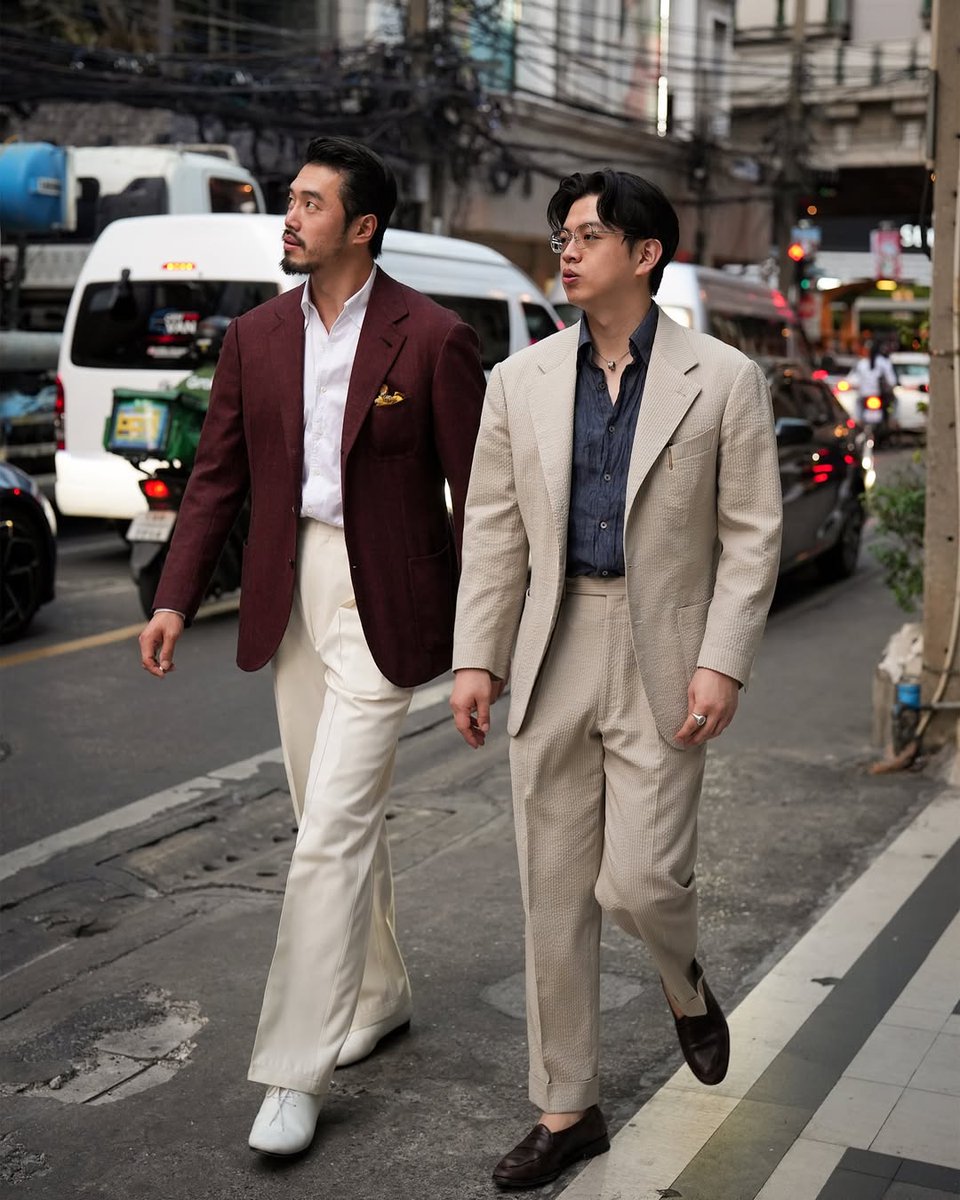
I disagree. I think good style can be something you develop and then wear for decades. Here are four men who have mostly dressed the same their entire lives. Pictured in order of apperance: Luciano Barbera, Yohji Yamamoto, Rick Owens, and Monty Don
derek guy tweet mediaderek guy tweet mediaderek guy tweet mediaderek guy tweet media
Swampie@BluetownBorn

@dieworkwear If you want to keep your jacket for more than five years, you are hopelessly out of style
English
50
103
2.8K
280.7K
derek guy
derek guy@dieworkwear·
@modcalifivy @richrickrico looks like some kind of panama weave. i dont know if it's wool. the uneven yarn make me think maybe it's some kind of blended fiber.
English
1
0
18
2.8K
derek guy
derek guy@dieworkwear·
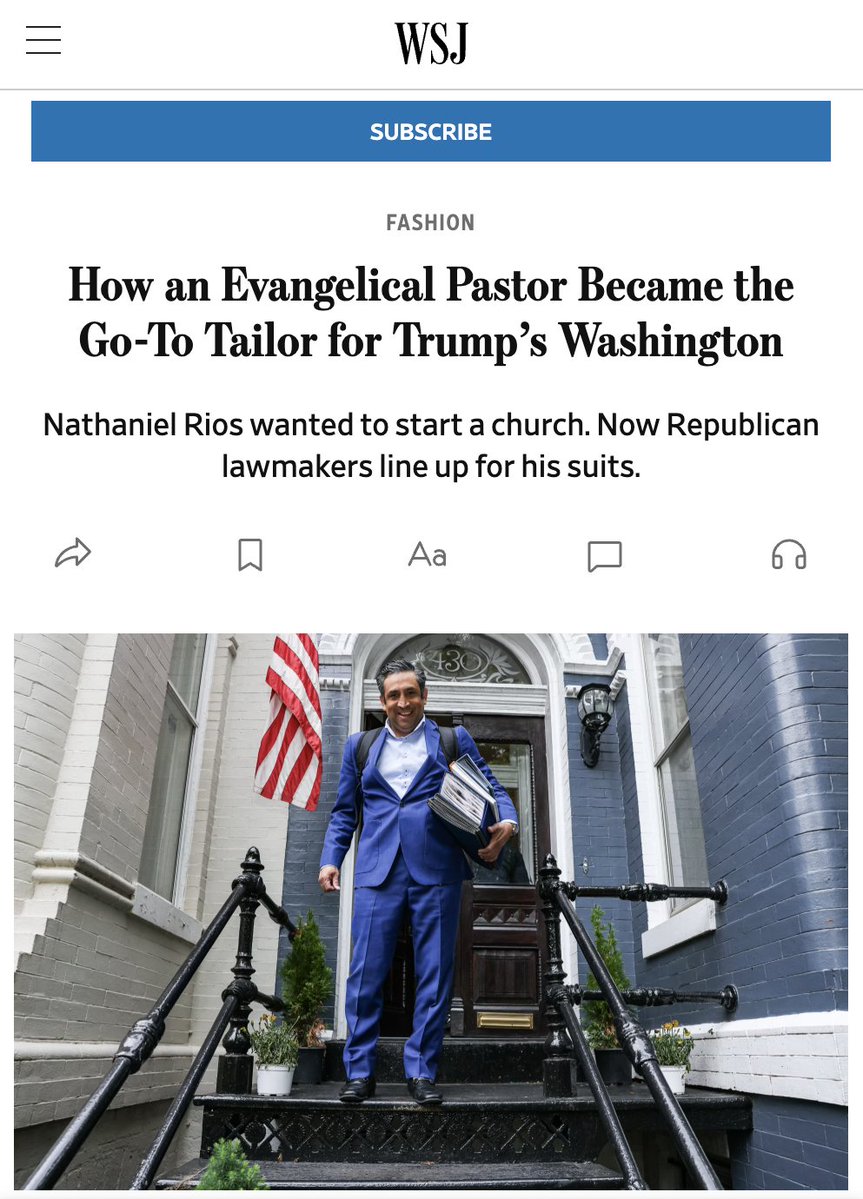
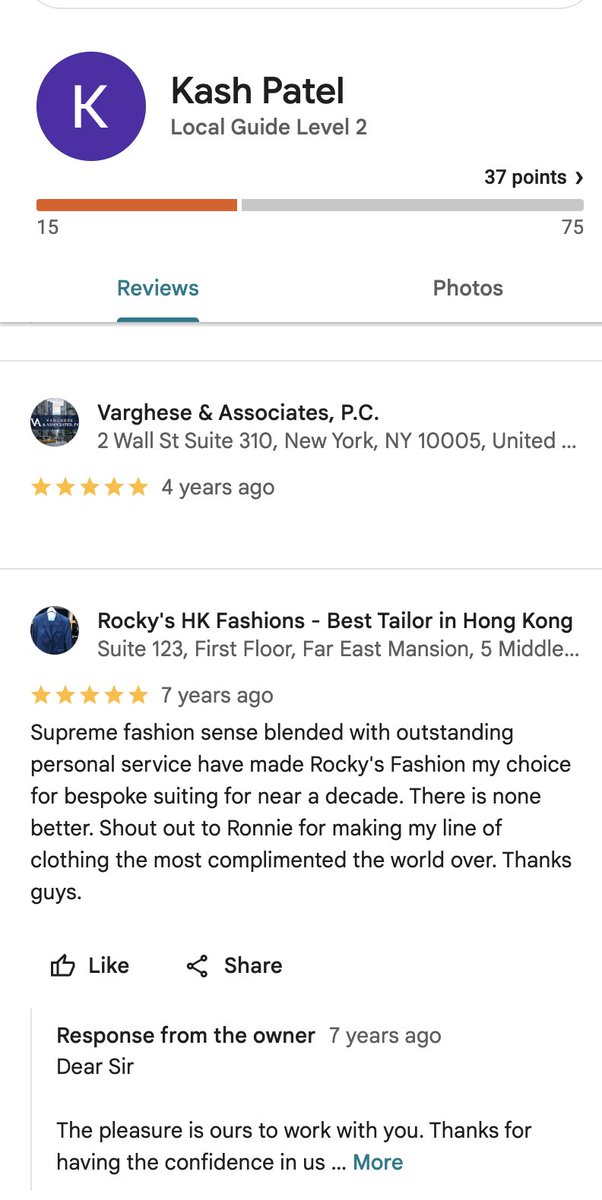
Not true. Pete Hegseth's clothes are custom-made. A few years ago, my friend and I had a debate about whether you can spot custom tailoring. This friend has more than 30 years of experience working with some of London's best bespoke tailors. He believes that an educated eye can spot the difference between a custom and an off-the-rack suit. I don't think you can, assuming certain conditions (too detailed to get into here). Ultimately, we agreed on one thing: you can spot custom tailoring when the clothes are so ugly that no designer would ever make them. This explains a lot of the clothing you see nowadays. On a television segment aired long ago, Pete Hegseth said he used a company called Book a Tailor. And in the recent email hack, it was revealed that Kash Patel's email address was linked to this online clothing review, indicating he uses Rocky's HK Fashions. Long ago, Gavin McInness also talked about his tailor. They all share one thing: they wear clothes that were made in low-wage East Asian countries. I should note at the outset that there's nothing inherently wrong with East Asian tailoring. In fact, some of the world's best tailoring is done there, including at firms such as WW Chan (Hong Kong) and Atelier BRIO (Beijing). I would stake my reputation on saying that some of the best East Asian tailoring today rivals that of Savile Row. Seoul is also a tremendous hub for quality custom tailors (e.g., Assisi, The Finery Company, B&Tailor, Hamin Kim, among others). However, these people are not using such firms. Instead, they are relying on a new system developed sometime in the late 20th century that has since taken off with the development of digital information technology. In this system, someone with little experience in the clothing industry will set up a custom clothing company. For the sake of discussion, let's call this person Mark and the company "Custom Threads." Mark doesn't know much about tailoring, but he likes suits and wants to make money. So he contacts one of these factories in East Asia and sets up a partnership. Mark meets with clients in the US. Since he's wearing a suit and has a tape measurer around his neck, customers assume he knows what he's doing (some may even refer to him as a "tailor," even if he's not one). He takes detailed measurements of these clients, jots down their fabric choice, and sends the information to his partners in East Asian. The garment is then made by adjusting the block pattern, sewn straight to finish, and delivered to Mark, who presents it to the customer for a fitting. Small adjustments are made here and there — maybe taking up the sleeve or nipping the waist. But since Mark is not actually a technically trained cutter, he may miss things, such as a wrongly placed neckpoint that makes the jacket scissor in or out. If the customer is very far off from the block pattern, it may not fit him at all. But Mark is not in a good position to address these matters — he neither has the skills nor the margins to put this customer in a proper garment. If Mark is not very well educated on tailoring, then his customers are even less so. Thus, the customer is just happy with the crude hallmarks of custom-made goods, such as the monogram he asked for. Or the contrast colored buttonhole that he believes makes him stand out in a good way. The customer doesn't know how to check for more meaningful issues, such as front-back balance, so it's the blind leading the blind. This system is very different from the system of your grandfather's generation. If a man wanted a custom suit, he would have gone to a custom tailoring shop, which may have been owned by someone who wasn't a cutter, but the cutter would have seen you in person and thus been able to address technical issues. At the very least, the person running the "front of house" would have had more experience in the clothing trade (e.g., Tommy Nutter). Last year, The Wall Street Journal did an article about a pastor-turned-tailor. He, too, relies on this system: he measures customers and sends the info to an overseas factory, where the clothes are made in China, Thailand, and Vietnam. Again, there's nothing inherently wrong with Chinese or Thai tailoring. But when the starting price is $300 for a suit ($500 after Trump imposed his tariffs), you can be sure he's not using the best shops. This is why Hegseth's suits look the way they do. He got his clothes from someone with little experience in the clothing trade and has no technical tailoring skills. Thus, both he and the company owner are easily led by stale trends (e.g., short jackets, tight pants, low-rise, etc.). Hegseth has little experience with custom tailoring and a low level of personal taste, so he checks every possible custom option — funky lining, contrast buttonhole, etc. This is why I often tell people that they should try ready-to-wear first. Custom tailoring is not a guarantee of quality tailoring, especially not in this new system where people with no experience or technical skills are just sending measurements to a distant factory. Hegseth also demonstrates the one bit of common ground I found with my friend during our debate: you can tell clothes are custom-made when they are so ugly, no designer would ever make such a thing.
derek guy tweet mediaderek guy tweet mediaderek guy tweet media
Mohsen S. Mirtaher@MMirtaher

@dieworkwear He's not that sophisticated. He wears off the rack.

English
49
220
3.1K
816.8K
Kyle Wegner
Kyle Wegner@modcalifivy·
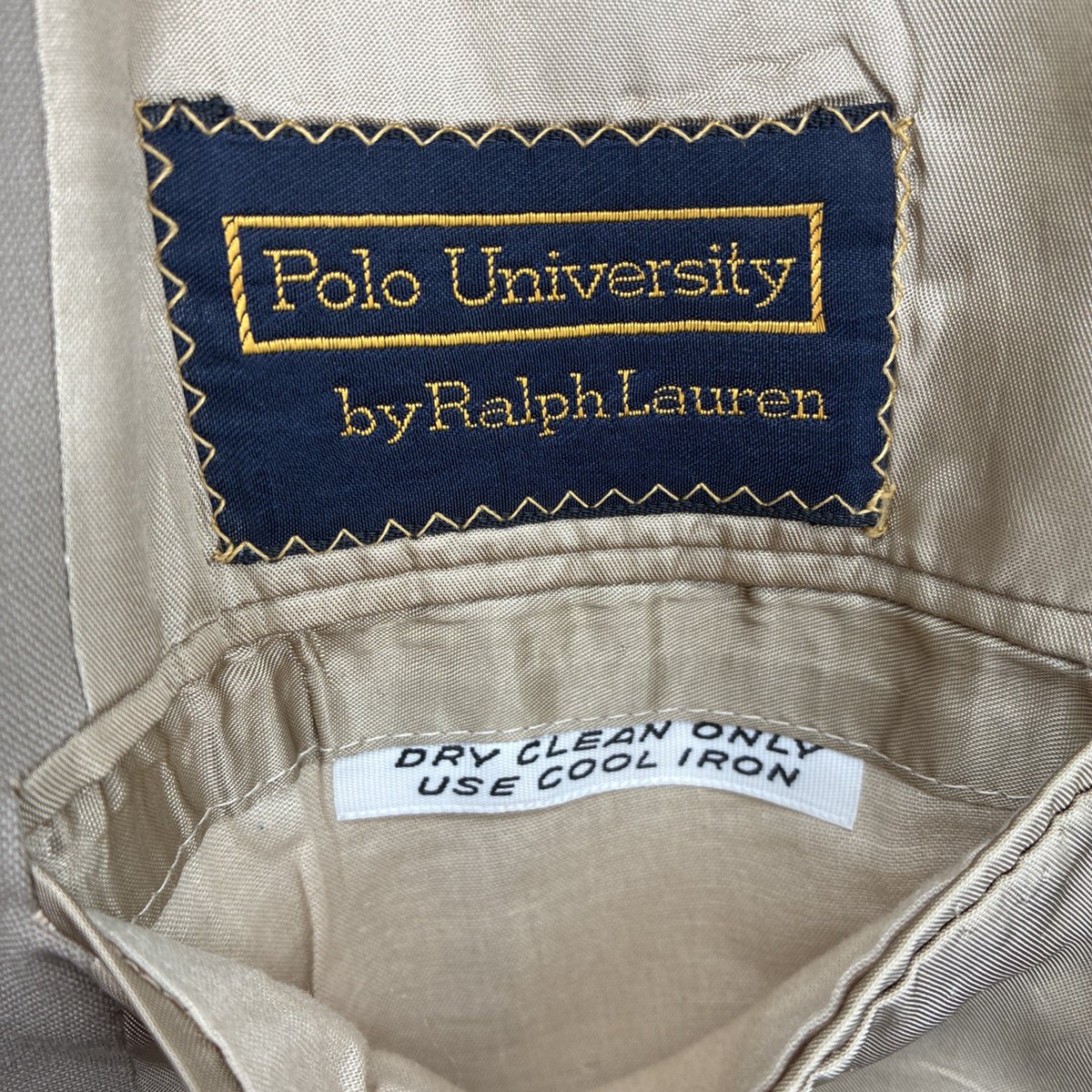
@dieworkwear @richrickrico Derek, could you help me identify this fabric? This is from a vintage Polo University Ralph Lauren suit; 80s I believe. I believe it is wool? But what type of wool, if so? Thank you very much.
Kyle Wegner tweet mediaKyle Wegner tweet media
English
1
0
2
2.3K
derek guy
derek guy@dieworkwear·
@richrickrico The price of a custom suit will depend on where it was made and how it was made. But generally speaking, someone looking for a quality custom suit should expect a two-piece suit to start around $3.5k.
English
6
2
94
9.9K
Ruth Laura Edlund
Ruth Laura Edlund@tdgor·
@dieworkwear Have you written before about finishing layers? I mean a jacket obviously but what else?
English
2
0
8
9.7K
derek guy
derek guy@dieworkwear·
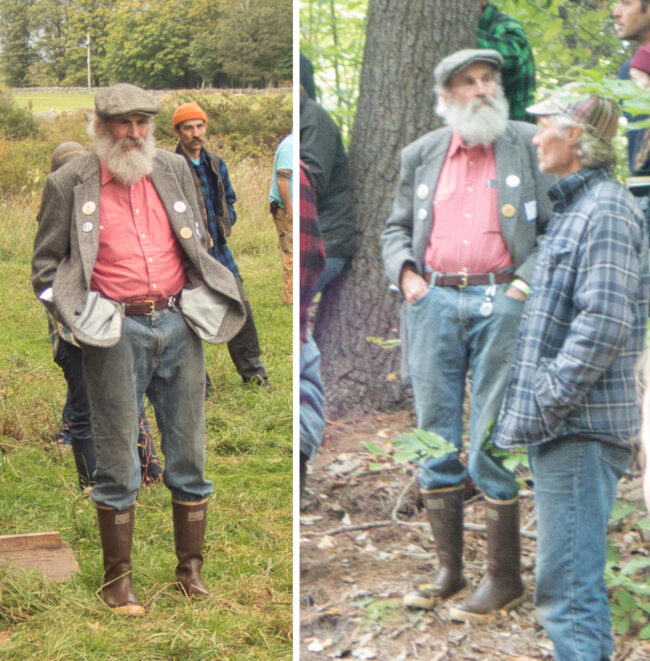
I think interesting outfits are about two things. First, what does the outfit suggest? Second, what does the outfit look like? Outfits will naturally suggest something, whether you want them to or not. Some of the most stylish people I see in real life are not even into fashion. This includes the owner of an Italian restaurant near me, who wears big navy sport coats that don't quite fit, along with a gold Mariner-link bracelet. Or a barista who I thought wore Lemaire and Margiela, but actually alters thrifted clothes at home with her sewing machine. Some years ago, I wrote a blog post about the charming ways I see people dress at my local bookstore. Specifically, the people who attend author talks — the old anthropology guy with a beaten Jansport and dusty cords. The exquisite ladies with fancy scarves. The tweedy bookstore owner. Sometimes these clothes hint at something interesting about the person's inner life. The old anthropology guy may know a lot about linguistics. One can imagine the Italian restaurateur charming people every night in his sports coat and gold bracelet. Second, what does the outfit look like? If we are talking about the stylishness of an outfit, then there has to be an outfit. A porn star may have an interesting life, but one can't say someone has a stylish outfit if they're not wearing an outfit. Thus, for an outfit to be visually interesting, it helps to have certain characteristics. First is shape and drape (Does the outfit have a distinctive silhouette? How does the fabric hang and move?). Second, the use of accessories or layers (good outfits often have a "finishing layer"). Some will have texture, although not all outfits need them. A lot of fashion content is about how to achieve a trendy look. Or how to dress in a way to project certain desirable attributes — wealth, fitness, success, respectability, etc. This sort of content can be fine, but doesn't always resonate with me. At worst, sometimes this advice lands you with something like slide one. Some years ago, a stylist dressed Stephen Colbert for the cover of WSJ Magazine. I felt the clothes made him look less like himself — the minimalist, trendy look said nothing about his inner life except "I want to look trendy." I think this can make you look like an ambulant mannequin. The clothes suggest nothing except that you're a consumer. IMO, a good outfit suggests something culturally and personally. It also looks natural. And it often employs things such as shape, drape, layers, and texture. The outfit doesn't have to look eccentric — although it can. The best summation of good style comes from my friend and fellow menswear writer Bruce Boyer, who said, "Style is simply about being yourself on purpose." Sometimes this cultivation is a lifelong process, which is why it can take some experimentation. Some years ago, a friend of mine in Vermont attended a workshop about growing flax, the plant used to produce linen. One of the attendees wore a gray tweed sport coat with a pink chambray shirt, jeans, and Wellies. I found his outfit to be very charming/ interesting.
derek guy tweet mediaderek guy tweet media
Jordan Bowman 🇵🇸@Jordan37780169

@dieworkwear what makes an outfit "not boring" in your opinion?

English
31
108
3.2K
500.7K
Alexander 𖤓 Nietzschean Vitalist
Alexander 𖤓 Nietzschean Vitalist@UbermenschMind·
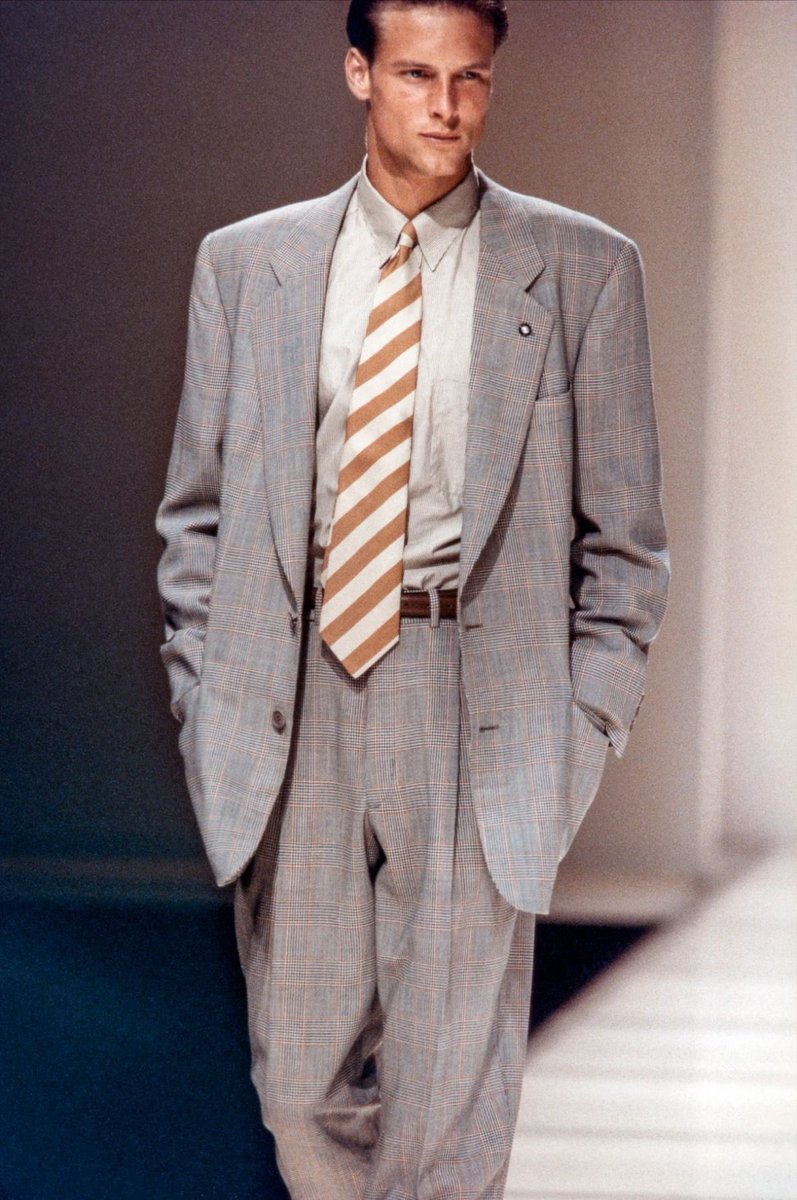
Nothing beats the 90s Armani cut: -broad padded shoulders -slim cut waist -soft fabrics -minimalist aesthetic -lower burton stance -wider pleated pants
Alexander 𖤓 Nietzschean Vitalist tweet mediaAlexander 𖤓 Nietzschean Vitalist tweet media
English
19
73
1.6K
70.6K
Kyle Wegner
Kyle Wegner@modcalifivy·
@kynakwado2 @dieworkwear Did you read the bloomberg article he posted? He'd probably make the best OCBD in the US and sell it for like $250. And the best polo coat for like $3000 and on and on. Clothes that are "American" and then he'd export them.
English
0
0
1
2.3K
kynakwado2
kynakwado2@kynakwado2·
@dieworkwear I have been wondering a funny idea—if you were put in charge of, say, Brooks Brothers, what would you do?
English
2
0
6
228.2K
derek guy
derek guy@dieworkwear·
There's a pervasive belief that we no longer produce clothes in the United States. This is not true. In this thread, I will tell you about some great made-in-USA brands — some that run their own factories, while others are US brands contracting with US factories. 🧵
derek guy tweet media
English
117
537
5.5K
700.9K
Kyle Wegner
Kyle Wegner@modcalifivy·
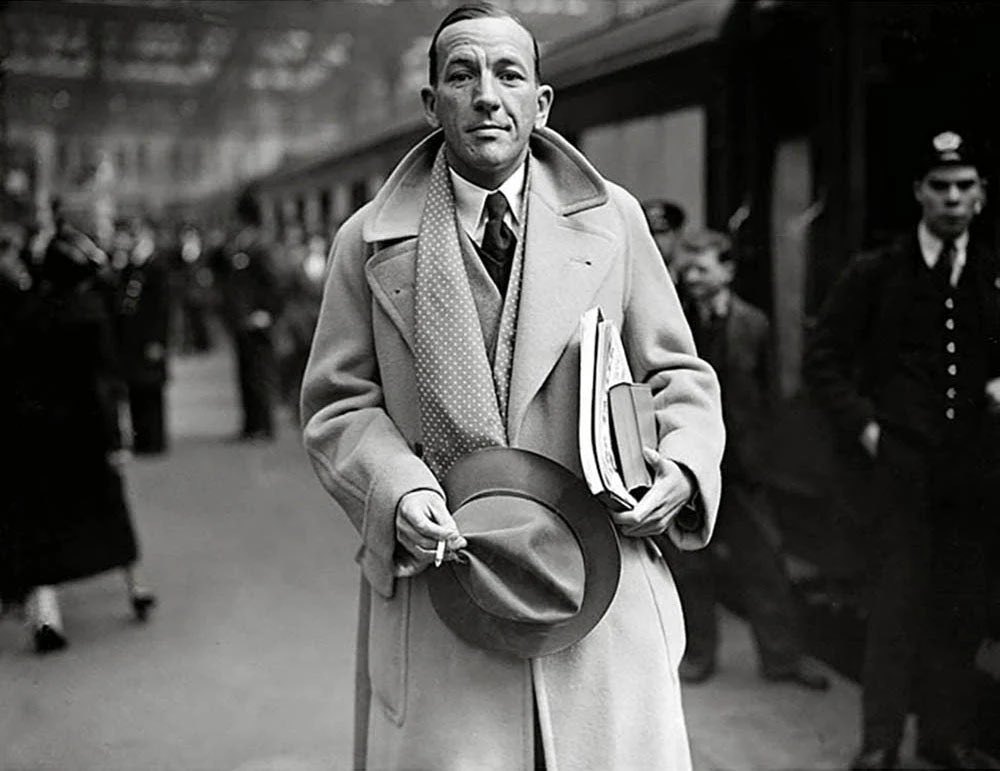
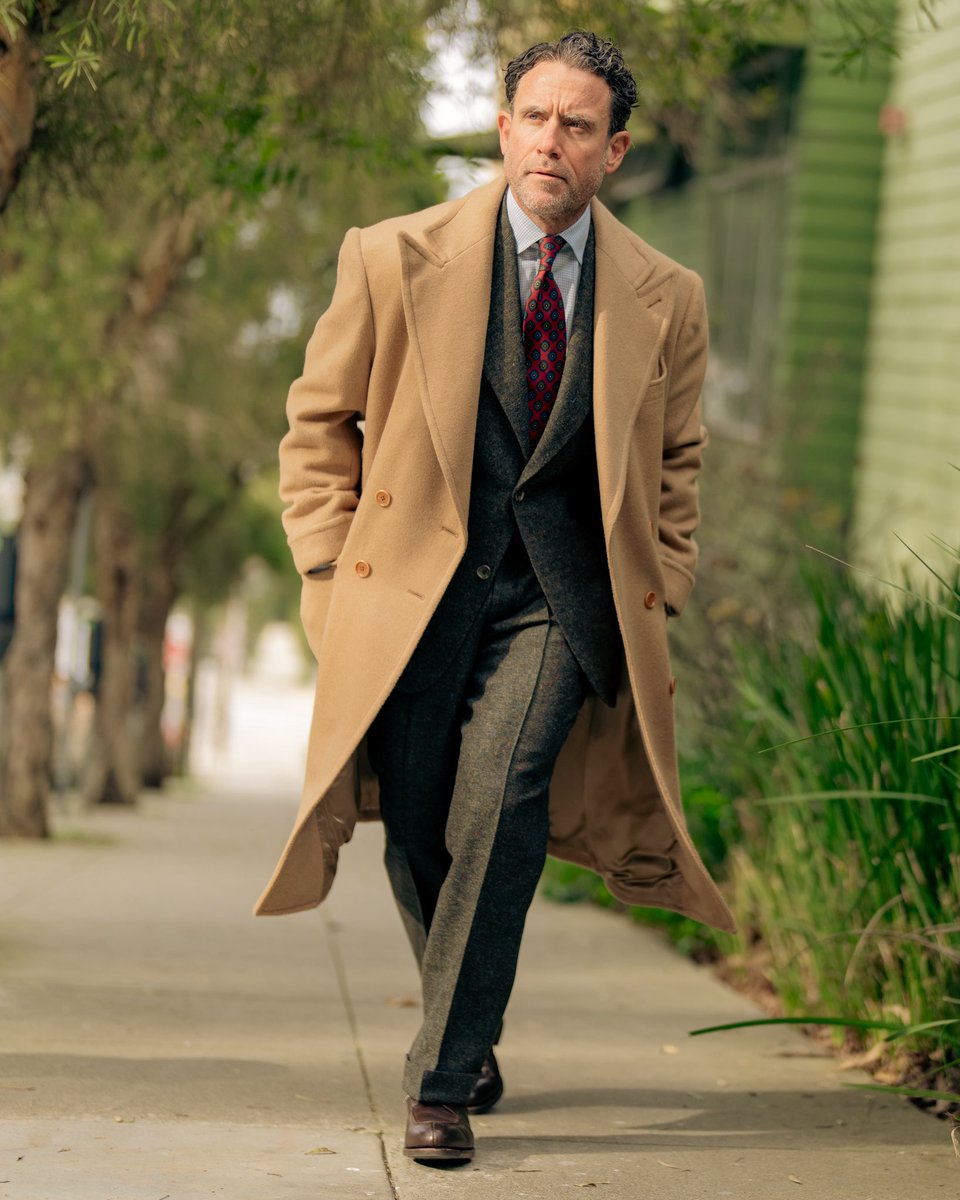
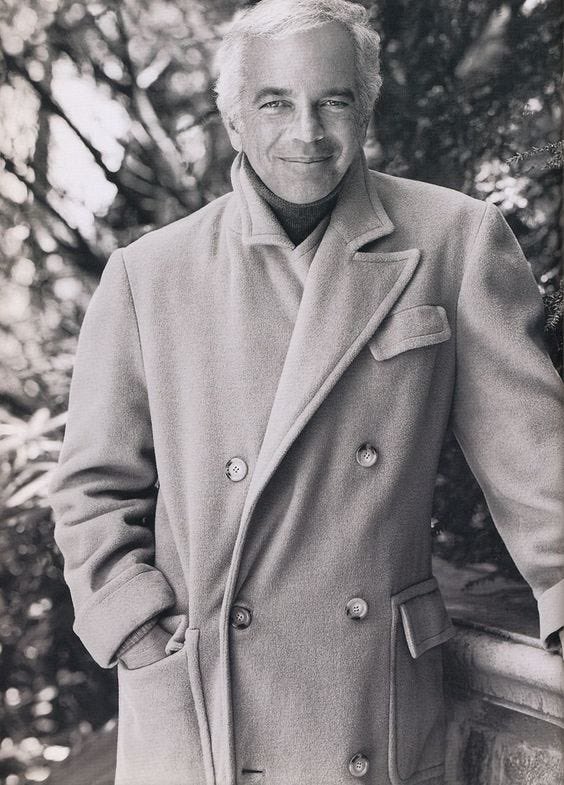
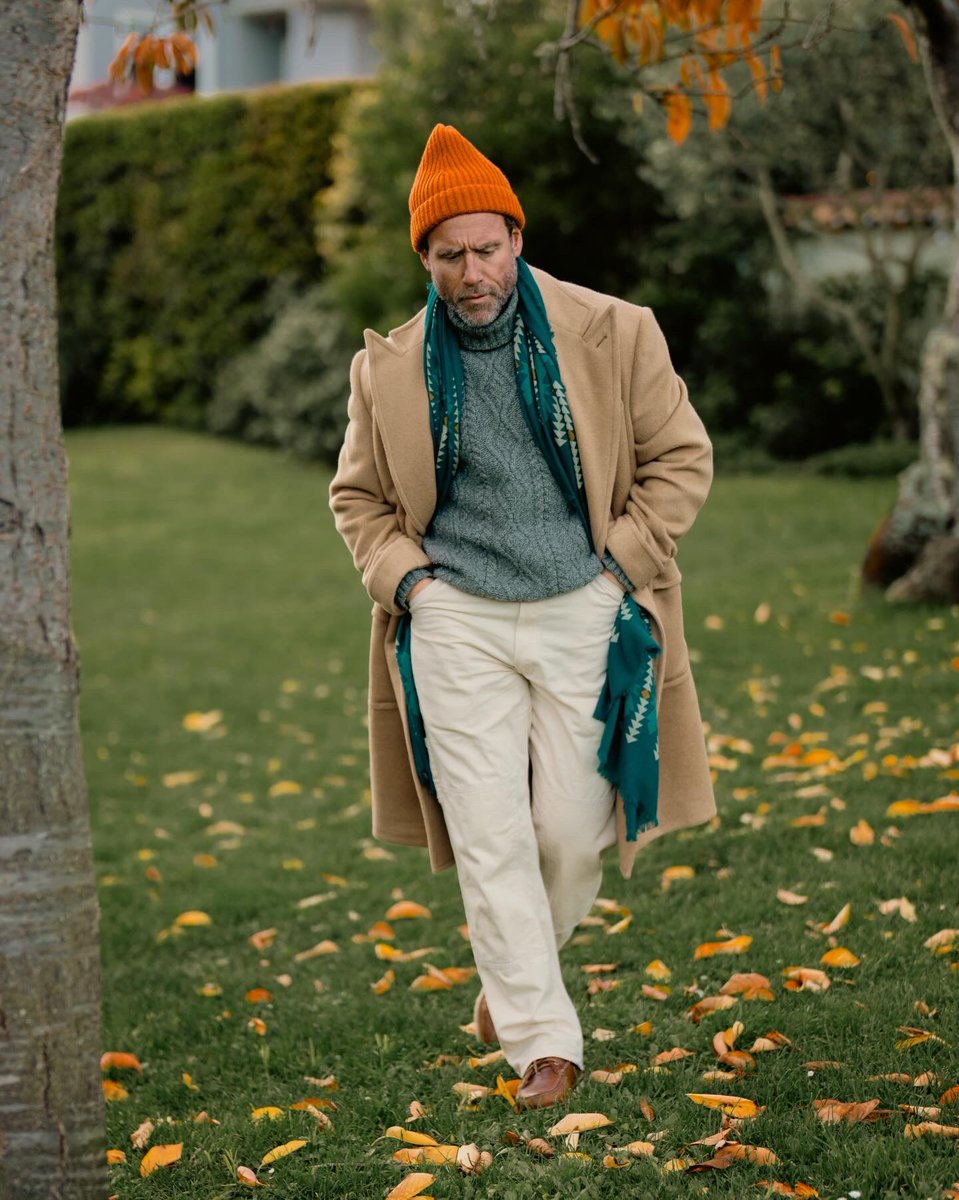
@urban_comp Totally makes sense to me that the polo coat is your all time favorite overcoat. Throwing in a few more examples for polo coat inspiration.
Kyle Wegner tweet mediaKyle Wegner tweet mediaKyle Wegner tweet mediaKyle Wegner tweet media
English
0
0
2
372
Urban Composition
Urban Composition@urban_comp·
The polo coat (so named because it was worn by polo players after games) is my all time favorite overcoat. Here’s why 🧵
Urban Composition tweet mediaUrban Composition tweet mediaUrban Composition tweet mediaUrban Composition tweet media
English
11
40
1.2K
73.1K
Kyle Wegner
Kyle Wegner@modcalifivy·
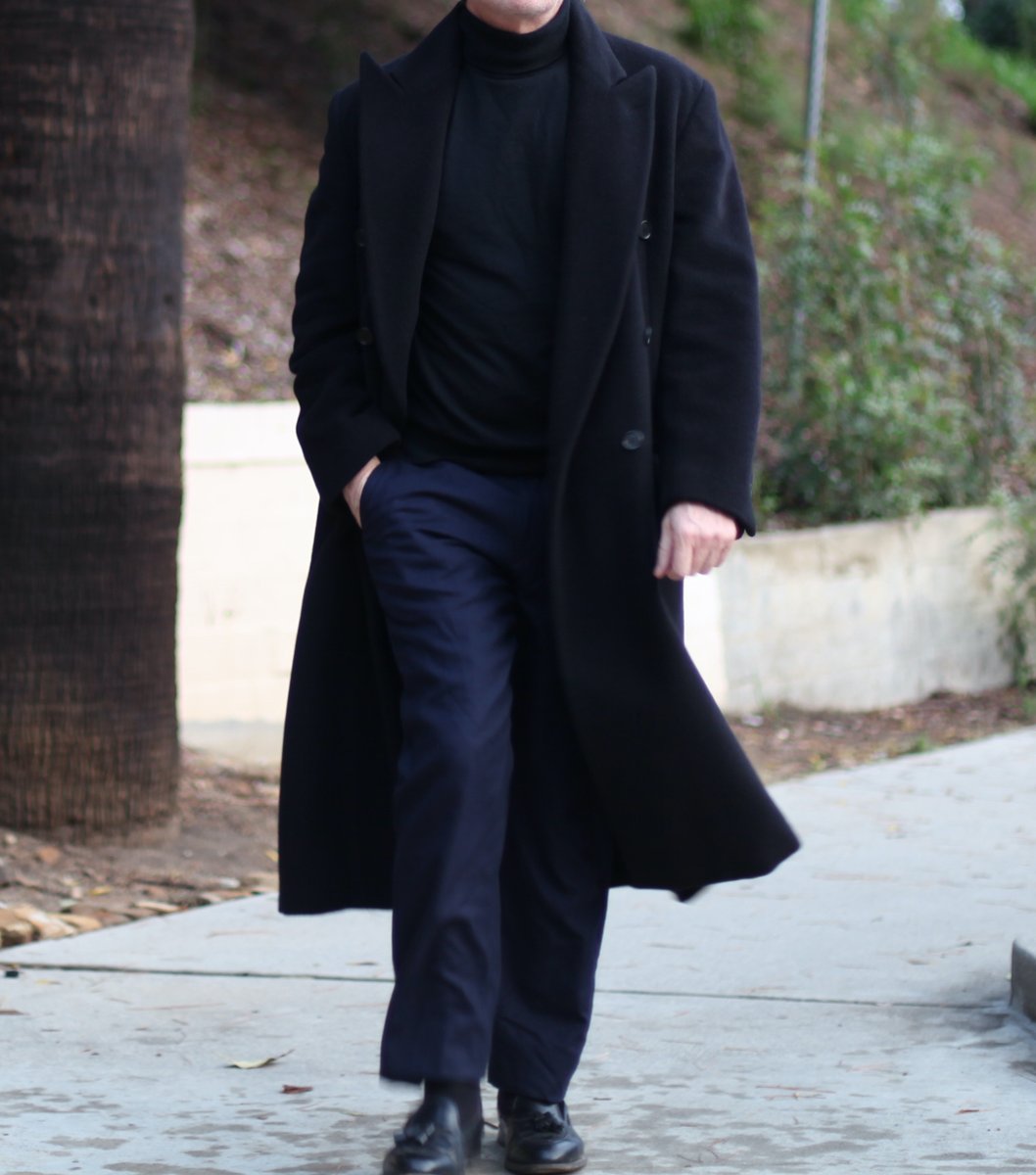
@think__again @dieworkwear if you want something similar (meaning of this length--with verve and drama) and "cheaper", you are gonna have to go preowned and vintage; i.e., these three (camel brooks brothers, eBay; black armani, studio wardrobe auction, L.A.; gray pendleton, eBay)
Kyle Wegner tweet mediaKyle Wegner tweet mediaKyle Wegner tweet mediaKyle Wegner tweet media
English
0
0
1
522
derek guy
derek guy@dieworkwear·
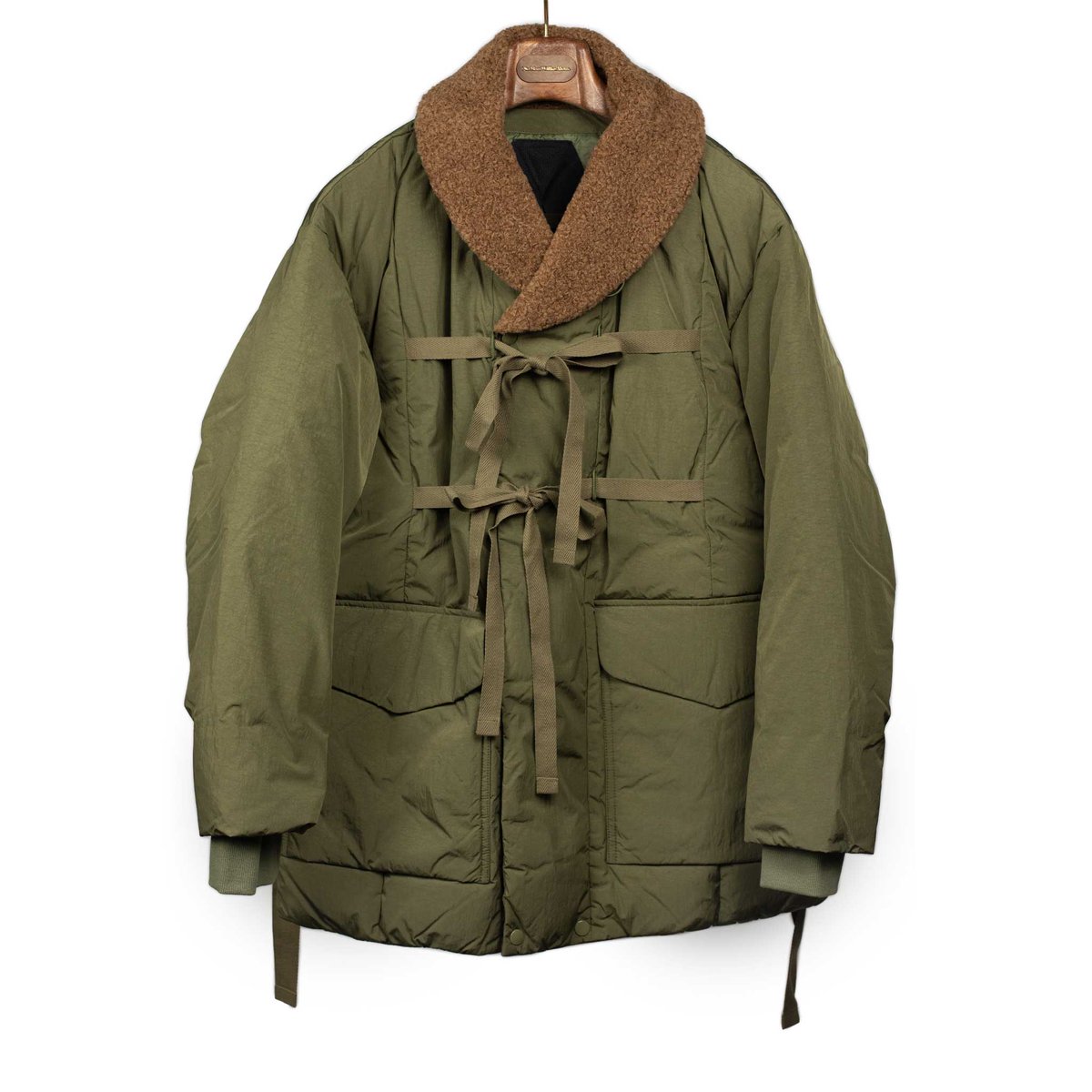
Some things I saw recently that I think are cool (overcoat edition): — Seihcra at Foggy & Sunny in Toyoma, Japan (new line by a former Huntsman tailor) — Umit Benan (fuzzy alpaca blend?) — The Anthology wrap coat — Kaptain Sunshine umbrella coat at No Man Walks Alone 😍
derek guy tweet mediaderek guy tweet mediaderek guy tweet media
English
23
35
1.2K
157.9K
COURTNEY BULIS
COURTNEY BULIS@BulisCourtney·
@CoraCHarrington Menswear guy @dieworkwear did a whole thread about how to find items, key search words and things to look for in the descriptions that was amazing! I should have bookmarked it.
English
2
0
2
809
Cora Harrington
Cora Harrington@CoraCHarrington·
Resurfacing eBay as THE place to buy inexpensive secondhand. People on here call me broke for it, but basically whatever brand or fiber you want is over there. No, it’s not cool and hip, but it is good.
Cora Harrington@CoraCHarrington

Around half of my clothing purchases for the past few years have been from eBay, which is the uncool but highly effective older sister of where to find good secondhand clothes. When you know your style and fave brands, buying cheap and disposable becomes more and more distasteful

English
37
134
2.5K
88.2K
derek guy
derek guy@dieworkwear·
i felt the same way about people being upset about cracker barrel logo, a design made in the 1970s to provoke nostalgia. felt like people were mistaking corporate contrivances for culture.
English
24
41
2.2K
122.1K
derek guy
derek guy@dieworkwear·
interesting to me that people are nostalgic for this bc cultural critics at the time saw this as shallow, corporate, teenybopper version of "real" punk. it was part of "mall culture," all deemed bad. either you yearn for your youth or you can be nostalgic for anything.
culture@notgwendalupe

24 years ago, Sum 41 released 'In Too Deep'

English
326
485
10K
716.3K
Ashkata
Ashkata@Ashkata_·
@dieworkwear Anyone know what kind of shoes/boots Mads is wearing in the second pic? Is it like a work boot or something? @dieworkwear any suggestions?
English
1
0
2
4.7K
derek guy
derek guy@dieworkwear·
these are the two "fashion" outfits men know
derek guy tweet mediaderek guy tweet media
English
105
368
9.2K
510.9K
derek guy
derek guy@dieworkwear·
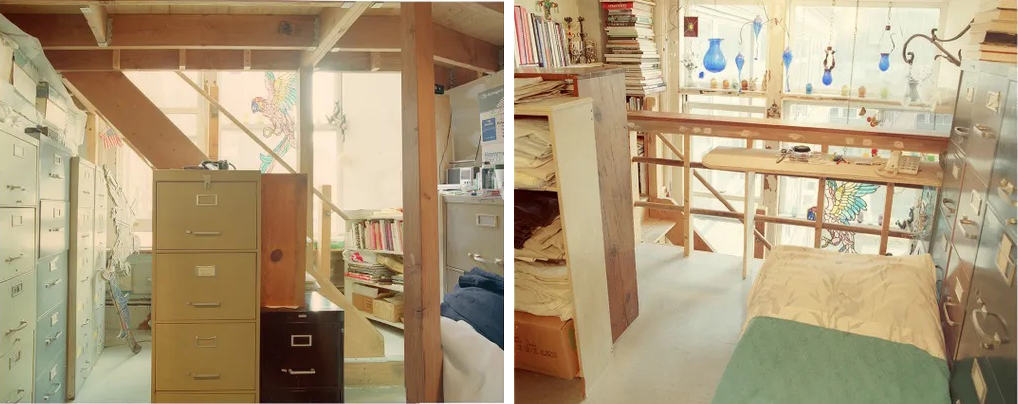
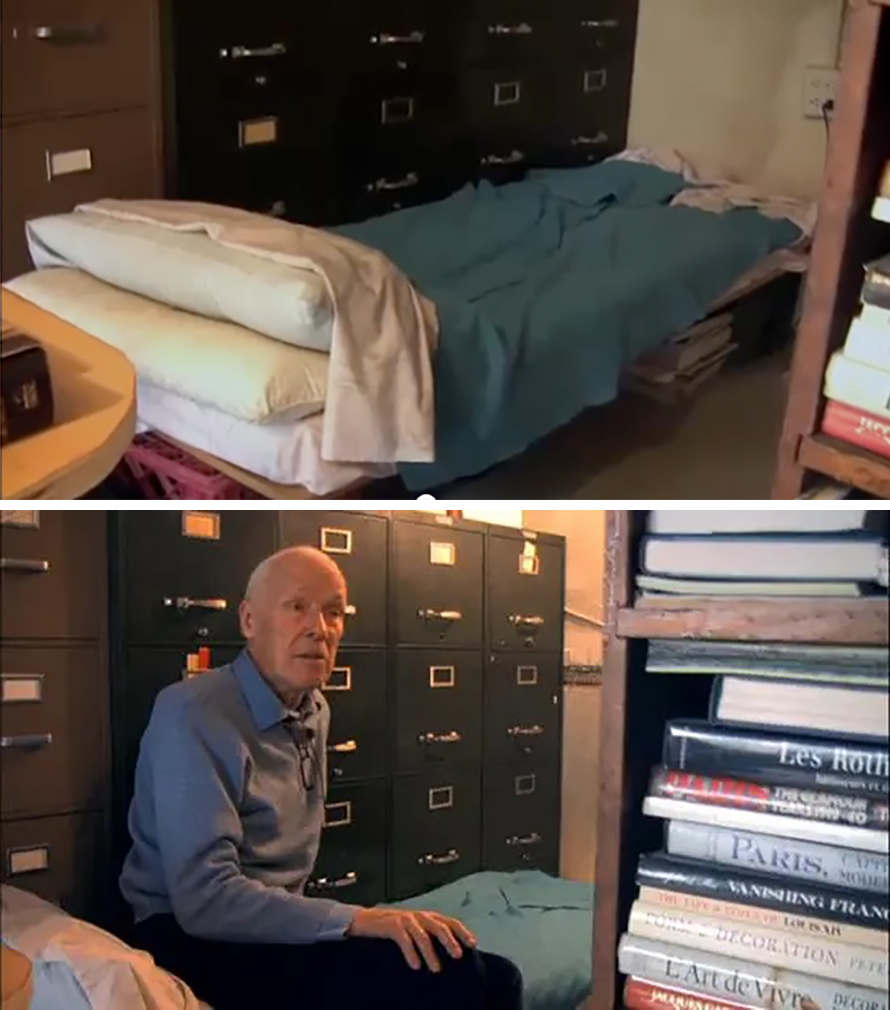
very few ppl are as talented and fortunate as bill cunningham. but i often think about how he was able to live an honest life doing what he loved bc he lived simply. even at the height of his career, he slept on cot. "if you don’t take money, they can’t tell you what to do."
derek guy tweet mediaderek guy tweet mediaderek guy tweet mediaderek guy tweet media
English
60
142
2.8K
170.6K
derek guy
derek guy@dieworkwear·
@modcalifivy @ChrisTzavara looks like doeskin and originally designed to be worn as a sport coat. but IMO, that will be challenging to wear.
English
1
0
42
3.5K
derek guy
derek guy@dieworkwear·
I don't understand this argument. The US doesn't suffer from an unemployment problem. It suffers from a wage growth problem. If you don't work in certain jobs within certain industries, you've seen low wage growth over the last 50 years. Every discussion of re-shoring US manufacturing harkens back to a 1950s America, when a man could graduate high school and raise a family by getting a job at the local factory. Yet, every discussion talks about this issue from the perspective of the nation or the factory owner. They are not thinking about the worker. If a factory implements AGI robots, many of the jobs within clothing factories will automatically be wiped out — the person doing simpler jobs (e.g. marking pockets), the person packing boxes, the person doing quality control, etc. All of these jobs will be wiped out. Will this make the US factory more competitive to a Chinese factory? I don't know, although I assume the Chinese factory will have the same robots. Perhaps shipping and logistics will play a bigger role, as this person says. This is great news for the factory owner! Or people with deep pockets who can build a factory! But this is not the average American who just graduated high school and has no such privileges. You are taking the perspective of the factory owner (the capitalist), who never had a problem surviving in the old post-industrial economy. Some will say, "well even if we fill the clothing factory with AGI robots, someone will have to maintain those robots." True! And in the old post-industrial economy, we needed engineers to program software, design products, and do other high-end knowledge work. This again doesn't benefit the guy who just graduated high school and has no such privileges. You are simply swapping one knowledge-intensive service economy for another. I simply don't understand why Americans can only think of making cheap t-shirts and jeans for a domestic market. They should instead thinkig of moving upstream to higher-end products — tailoring, knitwear, footwear — and focus on the global market. The average Italian doesn't buy high-end suits. Yet there's a robust Italian luxury clothing sector. The same is true in France (leather goods) and Japan (denim). The US should invest in *skilled work* in clothing manufacturing. Yes, this will require some training, but it broadens the scope of opportunities for the high-school graduate. Anyone can go into a factory and slap jersey fabric onto a machine, letting the machine set the pockets. Soon, that person won't even be needed. Not everyone can baste a canvas onto a suit. And even if one day we develop AGI robots to deo this work, there is the *romance* of handcraftsmanship, which allows the worker to stay employed. IMO, when people discuss this issue, they should think about class. What is good for the worker? Do not just think about factory owners.
Thom@thombax

Logistics becomes a bigger relative cost input that advantages the local manufacturer. They can deliver quicker, cheaper, and carry less inventory. They can respond to trends faster. If the cost to make a US shirt is $3, it sells for $50, is MTM and is delivered in 3 days. That's a deal compared to a China made shirt that costs $1 to make, sells for $48 and arrives in two weeks.
English
71
500
4.7K
502.2K
Javier Hernández
Javier Hernández@HernandezJavi_·
@dieworkwear Derek, im going to Japan in October. Any local brand or store that u'd recommend? Thanks!
English
5
0
8
4K
derek guy
derek guy@dieworkwear·
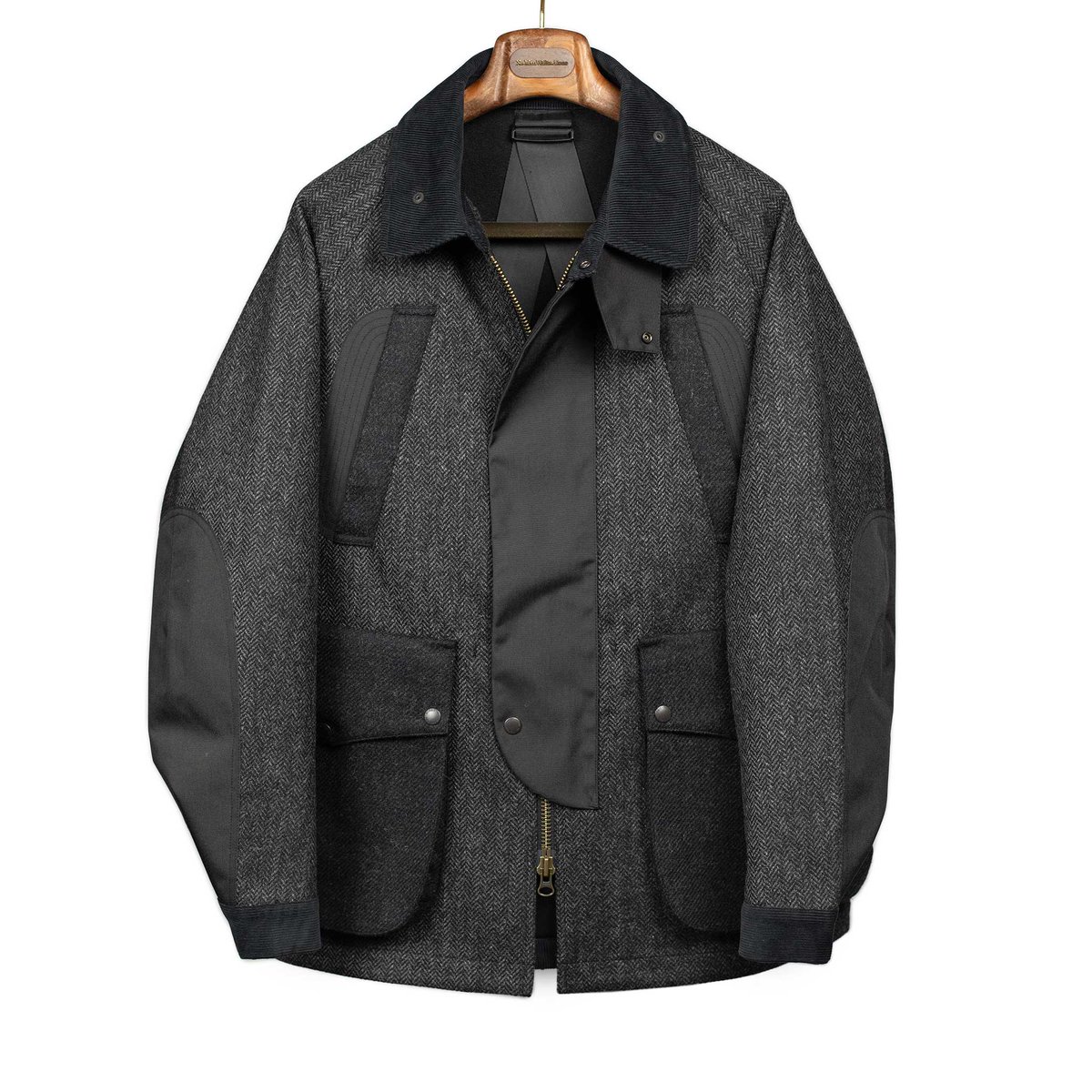
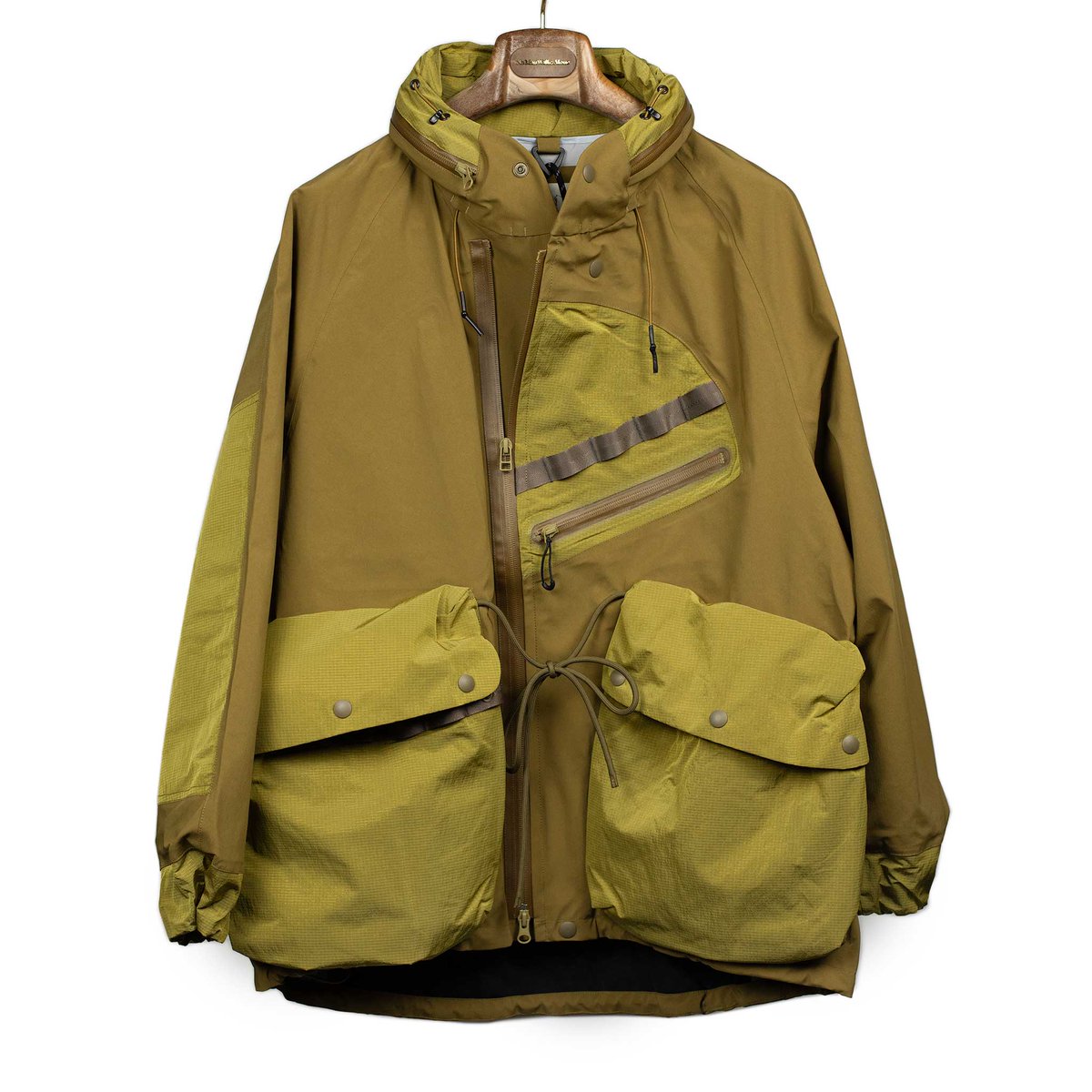
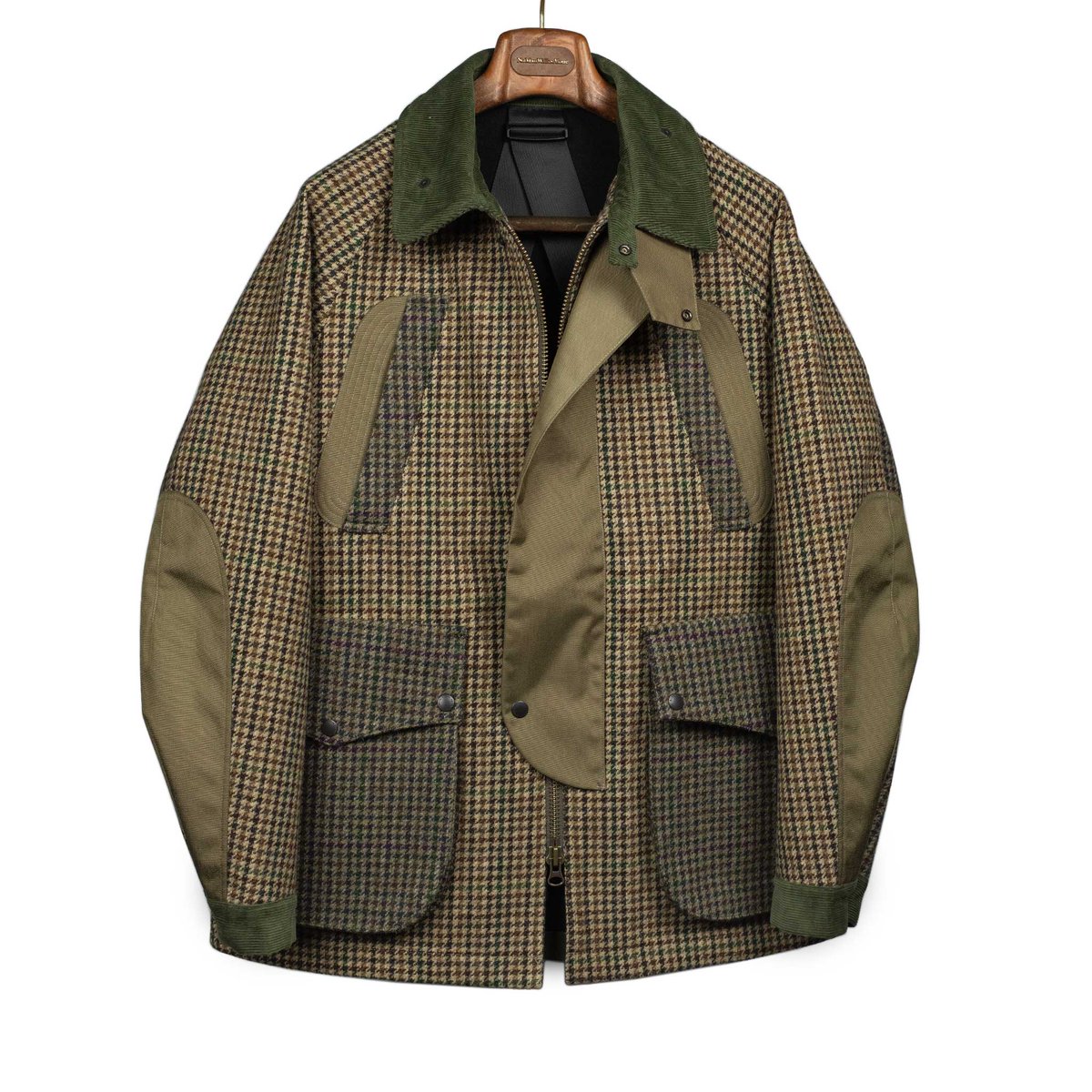
talked to a store that said they decided to not pick up anything this fall/winter from norbit, a japanese brand that makes some of the coolest outerwear around. the reason: uncertainty around tariffs
derek guy tweet mediaderek guy tweet mediaderek guy tweet mediaderek guy tweet media
English
54
109
3.2K
236K