Ayebaze Moreen

141 posts

Ayebaze Moreen

Ayebaze Moreen

@moreenayebaze

Katılım Mart 2026
10 Takip Edilen6 Takipçiler
Ayebaze Moreen retweetledi
GO GREEN
GO GREEN@ECOWARRIORSS·
"At a time when other pollen is scarce, they open up their faces wide to allow every passing insect a feast" Such an amazing gift from nature But many survive only in the gutter as heartless neat and tidy monsters mow or spray them out of existence theguardian.com/environment/20…
English
17
185
365
27.3K
Ayebaze Moreen retweetledi
Tangwa Abilu.🌿🌏🌾🍀🍃.SDG's.
Imagine a future where humanity unites to heal the planet: green cities, restored forests, clean energy everywhere. It's possible—if we value life over luxury. Our decisions now write that story. Who's in? 🌱☀️
Tangwa Abilu.🌿🌏🌾🍀🍃.SDG's. tweet media
English
5
22
46
351
Ayebaze Moreen retweetledi
Kim M.🌈🐘🦋
Kim M.🌈🐘🦋@violin4all·
Native Pollinators Good for Biodiversity and the Spirit. #PlantNativePollinators Happy Easter. 🪺🪻🌺🌺Eco-Easter, thread lightly with 👣🐾mindfulness towards all in Nature.
Kim M.🌈🐘🦋 tweet media
English
1
8
15
102
Ayebaze Moreen retweetledi
Green is a mission
Green is a mission@Greenisamissio1·
Repetition Forests, guarantee for -clean oxygen-rich air -CO2storage -biodiversity -water purification and regulation -lowering of temperatures -wind breakers -enrichment of healthy soil -Medicine for our body and mind💚🌱🌿☘️🌲🌳🍀💚
Green is a mission tweet media
English
4
69
116
1.2K
Ayebaze Moreen retweetledi
🇺🇬CHRIS SSALI 🇷🇼
🇺🇬CHRIS SSALI 🇷🇼@chris_chemist11·
Let's not fall for the same old tricks, folks! 🌎 The fossil fuel industry wants us to believe that individual actions like recycling, reusing, and refusing are enough to tackle the climate crisis. But let's be real, these are just bandaids on a bullet wound. The real culprits are the corporations that continue to pollute and destroy our planet, and it's time they take responsibility! 🚨 The science is clear: fossil fuels are the main driver of climate change, and yet, governments continue to subsidize these polluters to the tune of $7 trillion annually. 🤯 That's right, our tax dollars are funding the destruction of our planet! It's time to hold them accountable and demand a Fossil Fuel Treaty that prioritizes people over profits. We need systemic change, not just individual actions. We need to transition to renewable energy, and we need to do it now! 🌞💨 The technology is there, but the will is lacking. It's time for governments and corporations to step up and make the necessary changes. The people are rising up, and we're not going to back down! 🌟 From Uganda to the Pacific, communities are fighting back against fossil fuel projects and demanding a just transition. We're not just fighting for our own survival; we're fighting for the future of our planet. So, let's not get distracted by the myths of recycling and reusing. Let's focus on the real issue: the fossil fuel industry and their enablers in government. It's time to hold them accountable and demand a better future for all. #United4ClimateJustice #StopFossilFuelsSubsidies 🚨 Some key demands: - A just and equitable phase-out of fossil fuel production - A Global Just Transition Fund to support affected communities - A ban on new fossil fuel extraction projects - An end to fossil fuel subsidies and investments Let's keep pushing until we get the change we need! 💪 @GretaThunberg @NaomiKlein @VanessaNakate @AlexandriaV @ChristianaFigueres @AntonioGuterres 🌟 @BiocoreE @TiredEarth_FR @Tiredearth #FossilFuelTreaty #ClimateJustice #UnitedForClimateJustice #ClimateAction #EnvironmentalProtection
🇺🇬CHRIS SSALI 🇷🇼 tweet media
Kampala, Uganda 🇺🇬 English
0
10
14
233
Ayebaze Moreen retweetledi
🇺🇬CHRIS SSALI 🇷🇼
🇺🇬CHRIS SSALI 🇷🇼@chris_chemist11·
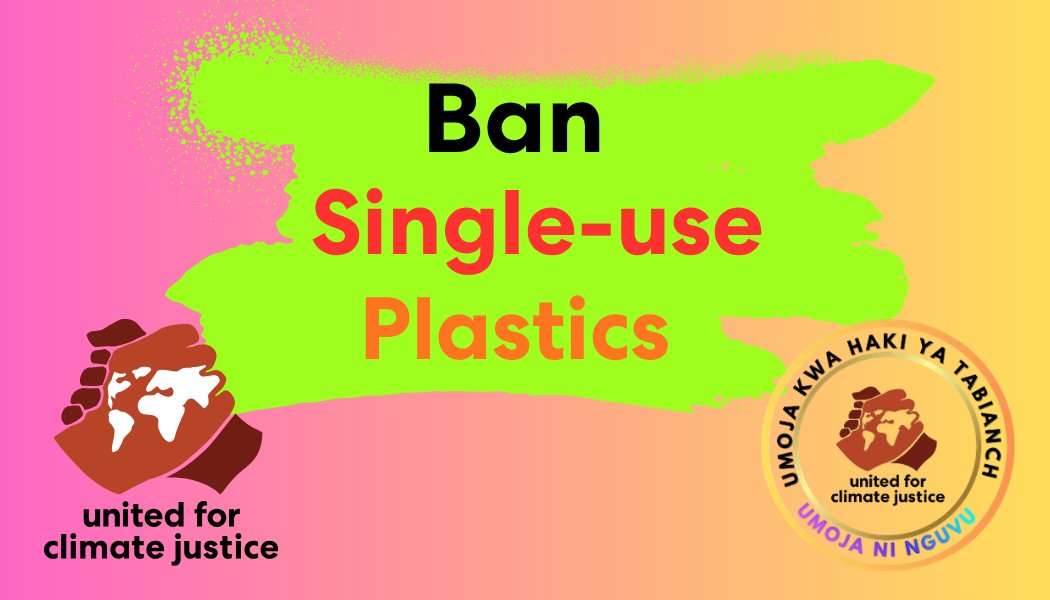
As we navigate the complexities of the 21st century, one of the most pressing issues facing our planet is the unchecked production and disposal of plastic. With plastic pollution choking our oceans, harming marine life, and contaminating the very fabric of our ecosystem, it's imperative that we take immediate action to address this crisis. The statistics are alarming: over 300 million tons of plastic are produced annually, with only a fraction being recycled. The majority ends up in landfills or our natural environment, woking its way into the food chain and posing a significant threat to human health. But there's hope. By stopping plastic production at the source, we can significantly reduce the amount of plastic waste that ends up in our environment. This means rethinking our reliance on single-use plastics, investing in sustainable alternatives, and promoting a culture of reuse and recycling. The Impact of Plastic Production Plastic production is not just a matter of environmental concern; it's also a social justice issue. The production of plastic is often linked to fossil fuel extraction, which disproportionately affects marginalized communities and contributes to climate change. Moreover, the plastic industry's focus on profit over sustainability has led to the proliferation of microplastics, which have been found in our water, food, and even the air we breathe. The consequences for human health are still being studied, but the evidence so far is alarming. A Call to Action So, what can we do to stop plastic production at the source? 1. Say no to single-use plastics: Refuse single-use plastics, such as straws, bags, and cutlery, and opt for reusable alternatives instead. 2. Invest in sustainable alternatives: Support businesses that offer eco-friendly products and packaging. 3. Promote a culture. Educate yourself and others about the importance of reducing plastic waste and promoting sustainable practices. 4. Support policy change: Advocate for policies that ban single-use plastics, increase recycling rates, and promote sustainable waste management. The Power of Collective Action The fight against plastic pollution is a collective one. It requires individuals, businesses, and governments to work together towards a common goal. By stopping plastic production at the source, we can create a ripple effect that inspires change across industries and communities. We can create a world where plastic is no longer a pollutant, but a valuable resource that is reused and recycled. Join the Movement Let's join forces to stop plastic production at the source. Share this post with your network, and let's inspire a wave of change. #StopPlasticProduction #Sustainability #EcoFriendly #ReduceReuseRecycle #PlasticFree #ClimateAction #CollectiveAction #UmojaNiNguvu 🌍💚 Take Action Today - Sign the petition to stop plastic production at the source: - Share your plastic-free journey on social media using #StopPlasticProduction - Support businesses that offer sustainable alternatives @19jokersmoker96 @aacjinaction @ahengst @akintomiwa18833 @alexatweme @AllisonJEdwards @AndreaTEdwards @andrew_mug69931 @AndrewEmor_ @AndrewStanden3 @AngelaWalkr @AniShahver14395 @annette_kezaabu @Arch_Twik @AyebareDenise @AtomicTruths_7 @ExtinctionR @NLRebellion @XR_BSE @XRebellionWA @XRHaringey @XRebellionUK @xr_cambridge @xrinlearning @ECOWARRIORSS @fridayfuturebd @Green_iwg @Green_iwg @greenheronh @greenheronh @Greenpeaceafric @LilHandsGoGreen @LilHandsGoGreen @munansiGI @Ubunifu_Hub @HelloItsAlbert_ @NBPTROCKS
🇺🇬CHRIS SSALI 🇷🇼 tweet media
Kampala, Uganda 🇺🇬 English
0
11
14
228
Ayebaze Moreen retweetledi
🇺🇬CHRIS SSALI 🇷🇼
🇺🇬CHRIS SSALI 🇷🇼@chris_chemist11·
Uganda's decision to ban single-use plastics is a significant step towards mitigating the country's plastic pollution crisis 🌍. However, the effectiveness of this ban hinges on robust implementation, enforcement, and a shift in consumer behavior. Plastic pollution is a pressing issue in Africa, with far-reaching consequences for biodiversity, communities, and the environment. The Impact of Plastic Pollution Plastic pollution affects Africa's ecosystems in numerous ways: - Litter and Pollution: Plastic waste litters streets, waterways, and landscapes, degrading natural beauty and causing blockages in drainage systems. For instance, plastic bags often clog drains, leading to flooding during rains, as seen in many Ugandan towns. - Harm to Wildlife: Animals ingest plastic, mistaking it for food, leading to death or severe health issues. In Lake Victoria, plastic waste threatens fish populations, impacting both ecosystems and livelihoods. - Economic Impacts: Local economies, particularly those reliant on tourism and fishing, suffer due to plastic pollution. For example, tourism in national parks is affected when visitors encounter polluted environments. The Risks of Weak Bans Weak or poorly enforced bans can lead to: - Increased Pollution: Without strict enforcement, businesses may continue using single-use plastics, exacerbating pollution. - Greenwashing: Symbolic bans allow companies to claim environmental responsibility without making meaningful changes. - Health Risks: Burning plastics releases toxic chemicals, posing health risks to communities. Pathways to Real Change Achieving a plastic-free future requires: 1. Strong Policies and Enforcement: Clear regulations and penalties for non-compliance are crucial. Governments must work with law enforcement to ensure adherence. 2. Investment in Waste Management: Efficient waste collection and recycling systems reduce plastic leakage into the environment. Partnerships with NGOs and international organizations can enhance infrastructure. 3. Eco-Friendly Alternatives: Promoting alternatives like biodegradable packaging or reusable products can reduce reliance on plastics. Local businesses can be supported through incentives for sustainable practices. 4. Awareness and Education: Campaigns can shift consumer behavior, encouraging responsible disposal and reducing plastic use. Success Stories and Challenges Countries like Rwanda and Kenya have implemented strict plastic bans, showing positive environmental outcomes. However, challenges persist, such as: - Enforcement: Smuggling and non-compliance undermine bans. - Affordability: Alternatives can be more expensive, affecting low-income households. - Cultural Shifts: Changing ingrained habits requires sustained efforts. Uganda's ban is a step forward, but success depends on: - Government commitment to enforcement - Collaboration with businesses and communities - Support for vulnerable groups in transitioning Let's push for policies that protect ecosystems and communities 🌍. @UNEP @Africa_Engage @WangariM #PlasticBan #Biodiversity #Sustainability #Africa #WasteManagement #EcoFriendly @moreenayebaze #plastic #Stopfossilsubsidies #endfossilfuelsubsidies #United4ClimateJustice @VanForUnity @ahengst @19jokersmoker96 @aacjinaction @akintomiwa18833 @alexatweme @AllisonJEdwards @AndreaTEdwards @AndrewEmor_ @AngelaWalkr @ANMLDFR @annette_kezaabu @Arch_Twik @AyebareDenise @AtomicTruths_7 @BagumaRT @AngelaWalkr @Green_iwg @XRebellionWA @ExtinctionR @ExtinctionR @ExtinctionR @NLRebellion @XR_BSE @XRebellionWA @XRHaringey @ExtinctionB @XRebellionUK @StayGroundedNet
🇺🇬CHRIS SSALI 🇷🇼 tweet media
Kampala, Uganda 🇺🇬 English
2
13
22
264
Ayebaze Moreen
Ayebaze Moreen@moreenayebaze·
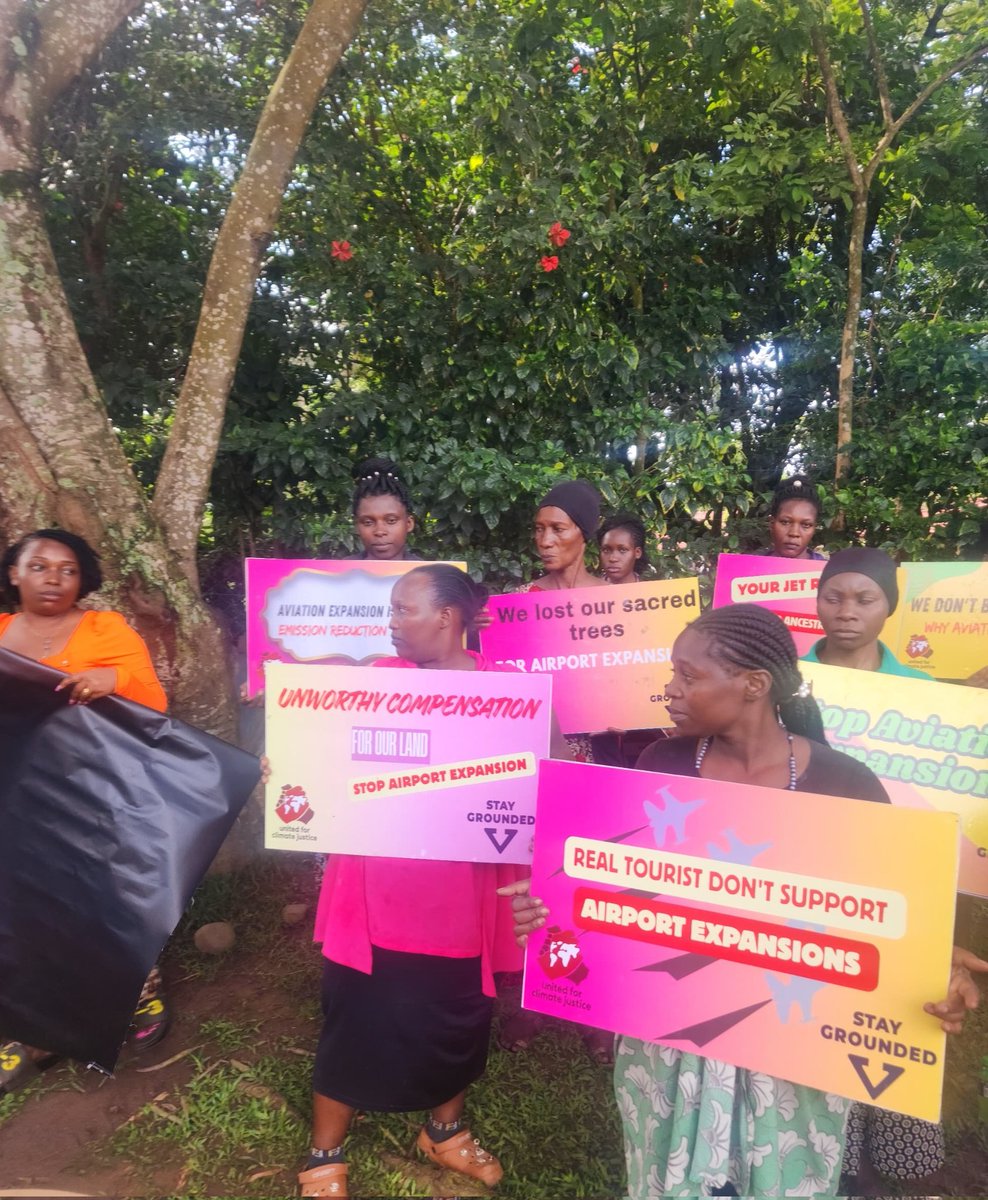
In Uganda,women are leading the charge against climate change,advocating for sustainable solutions and speaking out against harmful expansions like airport growth that threaten our environment. United for a greener future #StayGrounded #RedLinesForAirports #NoAirportExpansion
Ayebaze Moreen tweet media
Kampala, Uganda 🇺🇬 English

0
0
0
6
Ayebaze Moreen retweetledi
Center for Citizens Conserving Environment( CECIC)
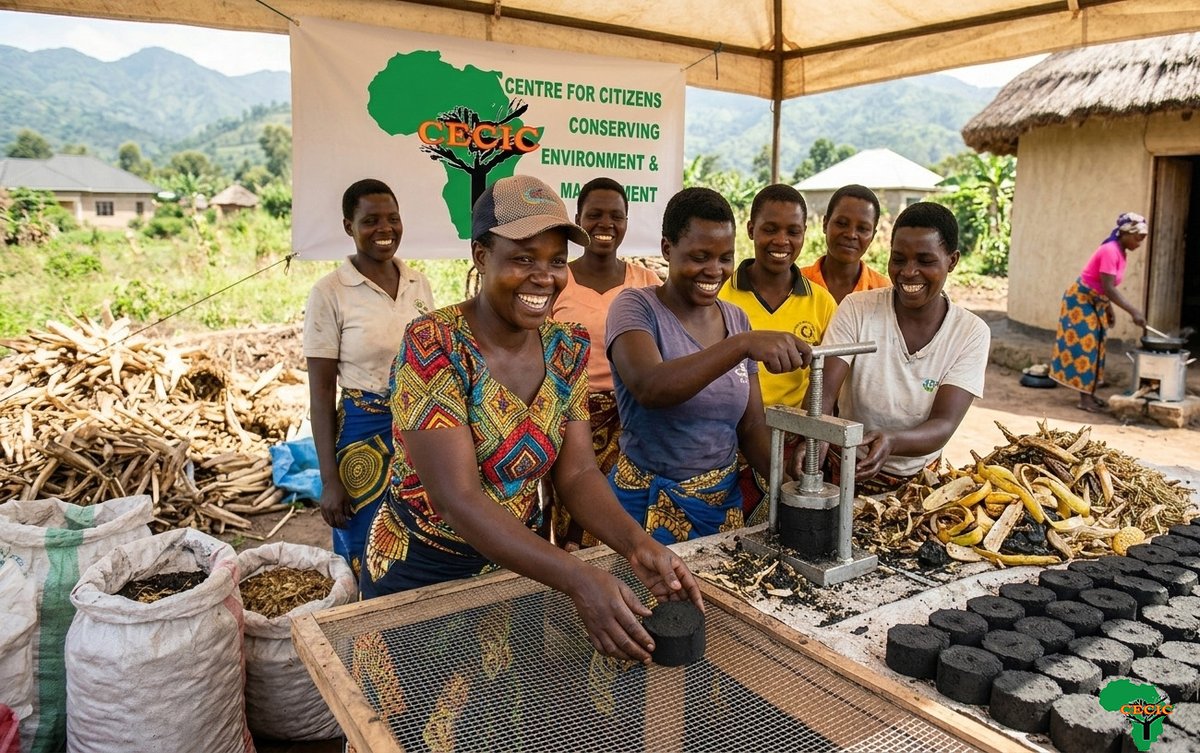
Empowering women in Kasese, Nyamwamba Division, Mumbuzi! 🌍✨ We visited these incredible women as they mastered the art of making eco-friendly briquettes. This initiative provides a clean cooking alternative, significantly cutting harmful emissions and protecting their health.
Center for Citizens Conserving Environment( CECIC) tweet mediaCenter for Citizens Conserving Environment( CECIC) tweet mediaCenter for Citizens Conserving Environment( CECIC) tweet media
English
1
3
8
102
Ayebaze Moreen retweetledi
GAIA -Global Alliance for Incinerator Alternatives
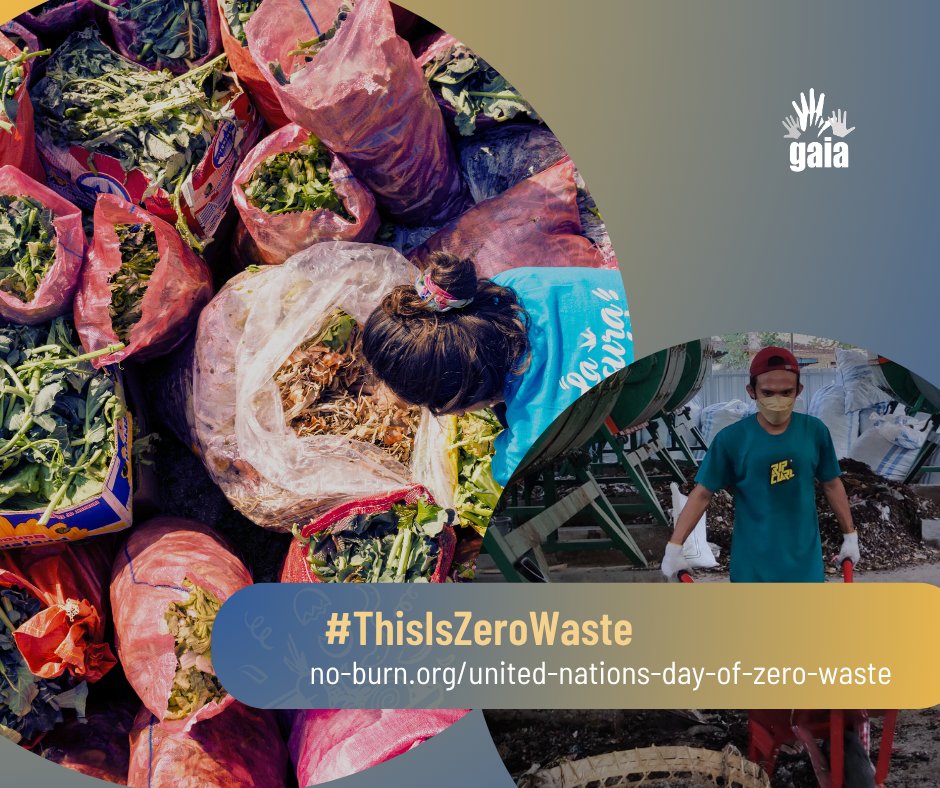
This year’s theme for the UN International Day of Zero Waste is reducing food waste. Across the world, GAIA members are leading innovative efforts to reduce food waste and organic waste through community-based zero waste solutions. From food recovery programs to composting initiatives and local organics management systems, these organizations are helping cities prevent food loss, strengthen local food systems, and reduce climate pollution. #ThisIsZeroWaste, learn more here: no-burn.org/united-nations… #ZeroWasteDay #BeatWastePollution #foodloss
GAIA -Global Alliance for Incinerator Alternatives tweet media
English
0
9
10
203
Ayebaze Moreen retweetledi
🇺🇬CHRIS SSALI 🇷🇼
🇺🇬CHRIS SSALI 🇷🇼@chris_chemist11·
Plastic pollution is a looming threat to Uganda's food and water systems, particularly in vulnerable areas like the Ssese islands, where the Buganda Water Day 2026 is set to highlight environmental concerns 🌍. With 600 metric tons of plastic waste generated daily in Uganda and only 40% collected for disposal, the situation demands urgent attention. The Impact of Plastic Pollution - Water Insecurity: Plastic waste clogs water channels, compromising wetlands' ability to regulate floodwaters and recharge groundwater. This exacerbates water scarcity, affecting communities reliant on natural water sources. - Food Insecurity: Plastic pollution harms aquatic ecosystems, impacting fisheries—a critical food and income source for many Ugandans. Microplastics in water and food pose health risks to humans. - Health Risks: Burning plastics releases toxic chemicals, contributing to respiratory issues and environmental health hazards. Government Initiatives Uganda's government has introduced measures to tackle plastic pollution: - Plastic Ban: A ban on single-use plastics aims to curb plastic waste. Enforcement and alternative solutions are key to its success. - Wastewater Compliance: Targeting 100% compliance within 18 months to improve environmental protection and public health. Collective Action Needed 1. Reduce Plastic Use: Switch to eco-friendly alternatives like biodegradable packaging, paper bags, or cloth bags. 2. Proper Waste Disposal: Ensure plastic waste is disposed of correctly through designated collection points or recycling initiatives. 3. Support Sustainable Initiatives: Back organizations working on plastic pollution solutions, like cleanup drives or advocacy groups. Specific Actions for Individuals - Use reusable water bottles and bags. - Participate in community cleanup events. - Advocate for plastic-free alternatives in local markets. Organizational Support - Partner with local NGOs to enhance waste management infrastructure. - Invest in eco-friendly packaging solutions. - Support awareness campaigns targeting schools and communities. Raising Awareness - Leverage social media to highlight plastic pollution's impact. - Collaborate with influencers and local leaders to amplify the message. - Integrate environmental education in schools. The Buganda Water Day 2026 can catalyze change. Let's unite to combat plastic pollution and protect Uganda's water and food systems @UNEP @Africa_Engage #PlasticPollution #ClimateJustice #FoodSecurity #WaterSecurity #Sustainability #BugandaWaterDay2026 @UNEP @Greenpeace @Oceana @nature_org @EPA @EnvAgency @ETEnvironment @PewEnvironment @PlasticPollutes @5gyres @BaselAction @ClimateReality @OurOcean @NWF @brkfreeplastic #BreakFreeFromPlastic @GAIAnoburn @gretathunberg @khayhoe @naomiaklein @cfiguer @billmckibben @ClimateHuman @drjamesehansen @ed_hawkins @jacquelyngill @NamugerwaLeah @jeromefosterii @jamie_margolin @the_ecofeminist @Dzennypha @majandrraa @NamugerwaLeah @UNEP @Greenpeace @Oceana @nature_org @EPA @EnvAgency @ETEnvironment @PewEnvironment @PlasticPollutes @5gyres @BaselAction @ClimateReality @OurOcean
🇺🇬CHRIS SSALI 🇷🇼 tweet media
Uganda 🇺🇬 English
1
13
18
247
Ayebaze Moreen retweetledi
AHMED DIDAATI 🇺🇬
AHMED DIDAATI 🇺🇬@AliDidaat·
A clear reminder of our climate reality: livestock feeding in plastic-filled waste. Climate action starts with proper waste management to protect our communities, animals, and environment #PlasticPollution #Santapp #エスケイプ
AHMED DIDAATI 🇺🇬 tweet media
English
0
2
3
224
Ayebaze Moreen retweetledi
AHMED DIDAATI 🇺🇬
AHMED DIDAATI 🇺🇬@AliDidaat·
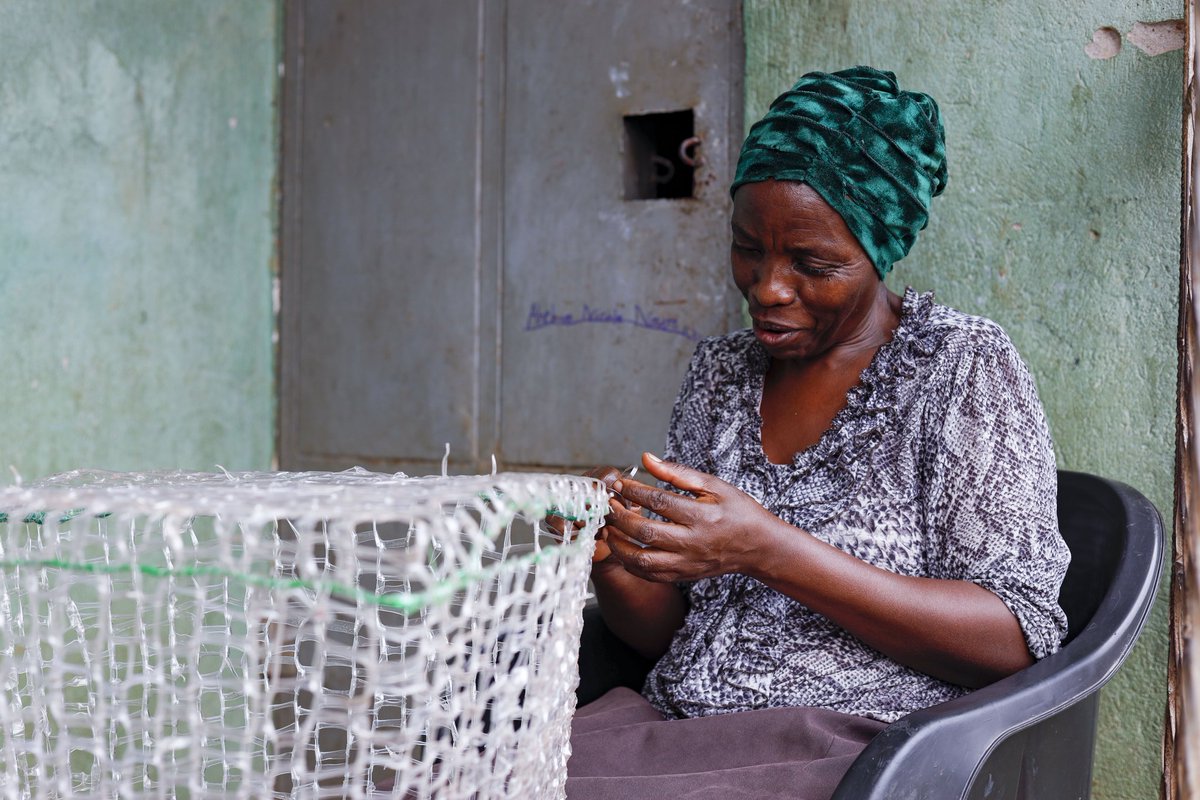
Turning plastic waste into purpose. ♻️ A woman crafts a trash bin from discarded plastic—supporting cleaner communities, local livelihoods, and grassroots climate solutions. Real change starts at the local level. #CircularEconomy #sstvi #WilliamEst
AHMED DIDAATI 🇺🇬 tweet media
English
0
1
1
373