
Pawan Rao MD, FASN🩺

1.6K posts

Pawan Rao MD, FASN🩺 banner
Pawan Rao MD, FASN🩺

Pawan Rao MD, FASN🩺

@nephronus

❤️ preserving, treating & transplanting kidneys. Chief @stjosephshealth. @UTHealthSA alum. #NephSap reviewer. #Cricket enthusiast. @cuse fan! Love #nephtwitter

Syracuse, NY Katılım Nisan 2010
1.4K Takip Edilen1K Takipçiler
Pawan Rao MD, FASN🩺 retweetledi
CME INDIA
CME INDIA@CMEINDIA1·
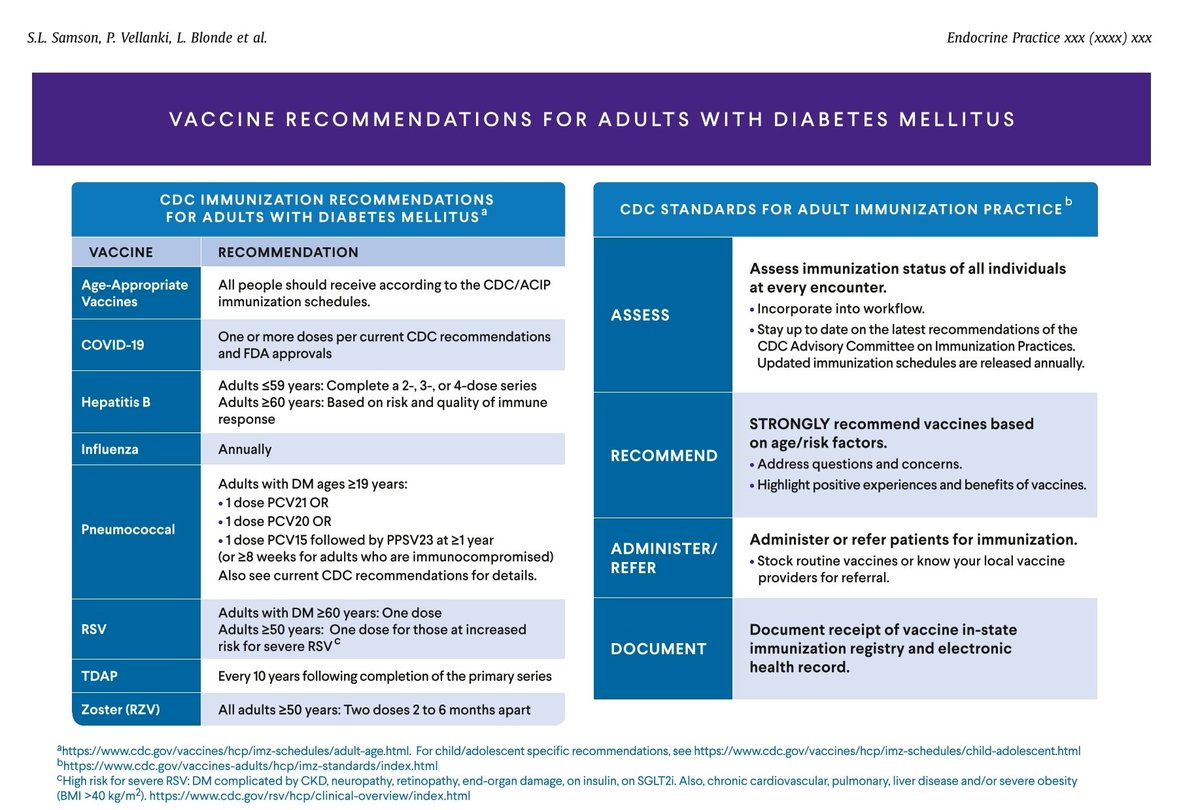
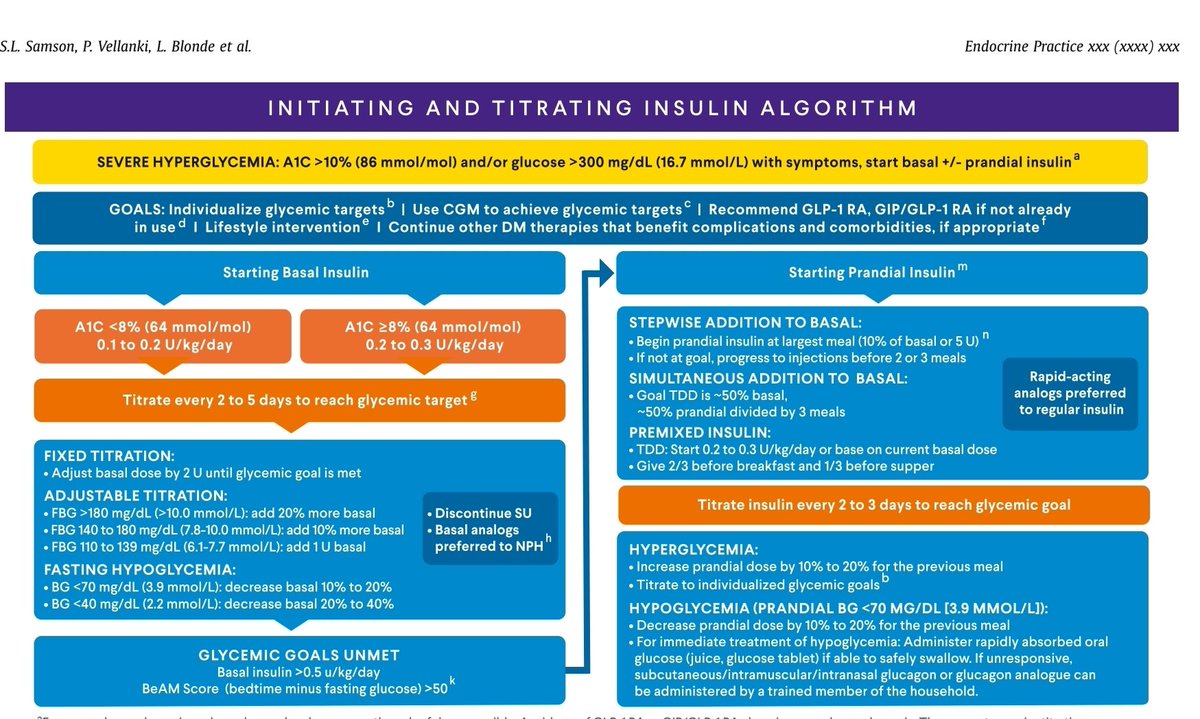
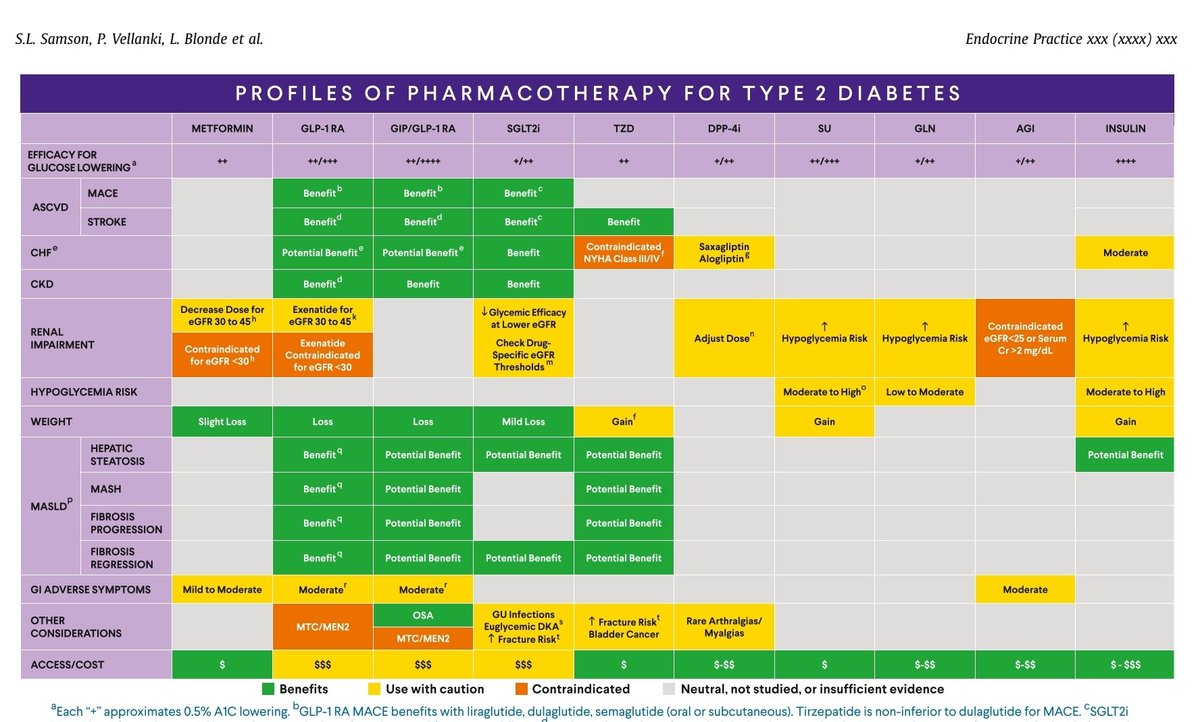
AACE 2026 – Type 2 Diabetes Algorithm Update 🔹 Pearl 1 — Diabetes care is no longer glucose-centric AACE 2026 shifts the paradigm from HbA1c control to comprehensive cardiometabolic risk reduction. 🔹 Pearl 2 — Obesity is now a primary therapeutic target Weight management is not adjunct—it is central to both prevention and treatment of T2D. 🔹 Pearl 3 — Treat adiposity early, not late Early use of anti-obesity pharmacotherapy (e.g., GLP-1 RA / dual incretins) is encouraged to alter disease trajectory. 🔹 Pearl 4 — Complications drive therapy selection Choice of drugs should be guided by ASCVD, CKD, HF, and obesity—not just HbA1c level. 🔹 Pearl 5 — GLP-1 RA and SGLT2 inhibitors remain foundational These agents are prioritized for both glycemic control and organ protection (heart, kidney, weight). 🔹 Pearl 6 — “Right diagnosis” precedes “right treatment” AACE introduces emphasis on evaluating diabetes type—avoid mislabeling all patients as T2D. 🔹 Pearl 7 — Prediabetes is a treatable disease state Aggressive lifestyle + weight-focused interventions can delay or prevent progression. 🔹 Pearl 8 — Dyslipidemia management is integral, not optional LDL-C and non-HDL targets are critical components of diabetes care. 🔹 Pearl 9 — Hypertension control is part of diabetes therapy Blood pressure optimization is a core pillar of reducing macrovascular risk. 🔹 Pearl 10 — Personalization is the new standard Therapy must be individualized based on phenotype: obesity, sarcopenia, CV risk, renal status, and age. 🔹 Pearl 11 — Move from “treat to target” to “treat to outcome” Focus shifts toward reducing events (MACE, CKD progression, mortality), not just numbers. 🔹 Pearl 12 — Diabetes is a multisystem disease Management must integrate metabolic, cardiovascular, renal, and functional domains. 🔶 CME INDIA One-Line Takeaway “AACE 2026 redefines diabetes care: treat weight early, reduce risk aggressively, and individualize therapy beyond glucose.” endocrinepractice.org/article/S1530-…
CME INDIA tweet mediaCME INDIA tweet mediaCME INDIA tweet mediaCME INDIA tweet media
English
3
83
229
11.4K
Pawan Rao MD, FASN🩺 retweetledi
Eric Topol
Eric Topol@EricTopol·
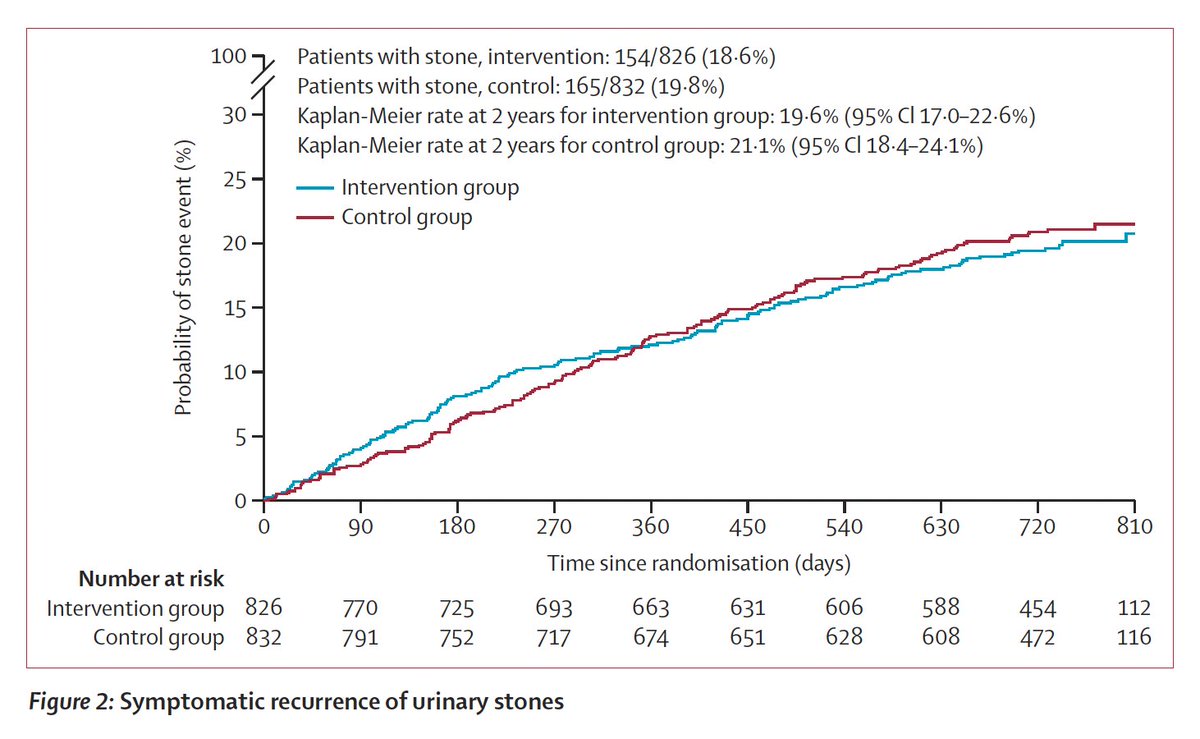
If you've had a kidney stone, you've been advised that the most important thing to prevent another bout is to increase hydration. Now a randomized trial of hydration in over 1600 participants showed no benefit, despite evidence of increase during volume. thelancet.com/journals/lance…
Eric Topol tweet media
English
93
309
2K
546K
Pawan Rao MD, FASN🩺 retweetledi
David McKenzie
David McKenzie@mckenzielaw·
I am 51 years old, and this morning I woke up with my bladder. In the clinical vernacular of high-grade urothelial carcinoma, that qualifies as a small miracle of modern immunotherapy. I am now six consecutive cystoscopies clear — cancer-free by every measure available to modern urology — thanks to a drug called #Anktiva, an IL-15 superagonist that, when combined with BCG, activates the body's own natural killer cells (NK) to hunt residual disease. It is, in the estimation of the physicians who administer it, a genuine paradigm shift in bladder preservation. It is also, in the estimation of the bureaucracies that control access to it, an inconvenient line item. Just yesterday, March 9, 2026, @ImmunityBio officially resubmitted its supplemental biologics license application to the FDA seeking approval of Anktiva for papillary-only NMIBC— the precise indication that describes my disease. The FDA acknowledged receipt. No new clinical trials were requested because, from my unscientific mind, none were needed: the QUILT-3.032 data have been shouting for two years. The three-year numbers show 96% disease-specific survival and an astonishing bladder-preservation rate for patients like me. The question that should haunt every policymaker in Washington is elemental: How many bladders were unnecessarily removed in the 24x months it took for the paperwork to catch up with the science? A brief autobiography of absurdity. In April 2024, I sat in a urologist's office in Raleigh, North Carolina, learning that a recurrent tumor had appeared near my bladder neck. I was 49 (!). BCG — the only FDA-approved intravesical immunotherapy for 4x decades — had seemingly failed me. My urologist did not reach for the cystectomy playbook; no, he's a careful clinician who exhausts every bladder-sparing option before surrendering an organ. But we both understood the arithmetic. High-grade recurrence after BCG narrows the corridor. Each failed therapy nudges you closer to the end of the algorithm, where a surgeon removes your bladder, your prostate, and your surrounding lymph nodes, harvests a segment of your small intestine, and constructs a urinary diversion. Not fun to this David. The clinical euphemism for the aftermath is "altered quality of life." The honest term is grimmer (you pick that term). And here is what the euphemism obscures: a radical cystectomy is not even a cure. It is a trade. Urothelial carcinoma can recur in the upper tracts, the urethra, or at distant sites. The surgery itself carries a complication rate that would make a malpractice actuary reach for a stiff drink — bowel obstruction, chronic metabolic acidosis, recurrent urinary infections, sexual dysfunction, stomal complications. You surrender the organ and still live under the piano. The insurer, in other words, is not purchasing a definitive solution with a cystectomy. It is purchasing a more expensive, more morbid uncertainty. Five days after my recurrence surgery, by sheer providence, I learned at a Bladder Cancer Advocacy Network walk in Chapel Hill that the FDA had approved a drug called Anktiva — just five days earlier. A nurse practitioner pointed me toward the ImmunityBio booth. I waited for the company's representatives to return from the walk (I had run it), took their cards, and connected them with my urologist that same week. The timing was cinematic. The bureaucratic odyssey that followed was Kafka. Anktiva had been approved for NMIBC with carcinoma in situ. My disease was papillary without CIS. Same organ, same lethality, same drug, same mechanism of action — but a different billing code. And in American medicine, the billing code is sovereign. What ensued was two months of insurance denials, appeals, prior authorizations, secondary denials, secondary appeals, and the occasional Orwellian phone call in which a claims adjuster with no medical training explained to my board-certified urologist why the drug he prescribed was not "medically necessary." My nurse and I wept on the phone when the first approval came through. Then it was rescinded. Then approved again. Then denied again. That the drug eventually reached my bladder is a testament to individual heroism within an institutional wasteland. My urologist refused to accept no for an answer and waged a months-long campaign against an insurance apparatus designed to outlast precisely that kind of physician. A hospital administrator at WakeMed stuck his neck out to find a pathway through his own institution's reimbursement labyrinth when others might have shrugged and deferred. The drug company's field representatives (Erin, prayers up 🙏, and thank you) moved with an urgency that matched the clinical stakes. And I, for my part, brought twenty-two years of litigation instincts to a process that rewards exactly that disposition and punishes everyone who lacks it. These are the people who took risks. My urologist took clinical risk. The administrator took institutional risk. ImmunityBio took the scientific and financial risk of developing a novel immunotherapy. I took the existential risk of being a guinea pig. The system rewarded none of us. It rewarded the toll collectors. There are three absurdities that define the Bladder Preservation Tax, and they are worth naming precisely. The first is architectural. My urologist — the physician who scoped my bladder, resected my tumors, prescribed the drug, and monitors me quarterly — could not administer Anktiva in his own office. Not because he lacked clinical competence. The procedure is identical to a standard BCG instillation: you mix the drug in, catheterize the patient, wait two hours, and drain. A nurse practitioner could supervise it. But under the "Buy and Bill" reimbursement regime, a private urology practice cannot absorb the financial risk of a $36,000 retrospective denial triggered by an insurer's retroactive coverage determination. Only the hospital's oncology department — bolstered by 340B drug pricing discounts and a battalion of billing specialists — could afford to play the game. I've been physically relocated one floor down, from urology to oncology, not for any medical reason but to satisfy a ledger. My urologist became a referring physician for his own treatment plan. If this drug is not moved into the urological setting — into the offices of the physicians who actually treat bladder cancer — the vast majority of eligible patients will simply never receive it. The oncologists were there to catch the ball, and I am grateful they did. But the ball should never have been thrown. The second is regulatory. The FDA approved Anktiva for CIS on the strength of a 71% complete response rate — a figure that crushed the agency's own 30% efficacy benchmark. For papillary disease without CIS, the QUILT-3.032 trial showed a 54% improvement in BCG efficacy, 96% disease-specific survival at three years, and an 80% bladder-preservation rate — the highest in any published series for this population. And yet the FDA issued a Refusal to File letter in May 2025, then spent ten months in procedural back-and-forth before acknowledging the resubmission yesterday. I do not doubt the agency's scientific rigor. I question its sense of proportion. When the data show that four out of five patients in a study cohort preserved their bladders over three years, the regulatory question is no longer whether the drug works. It is whether the agency can process its own answer fast enough to matter. The third is economic. Blue Cross Blue Shield of North Carolina was prepared to pre-authorize a radical cystectomy — a six-figure hospitalization with a high complication rate and a lifetime of follow-up costs — while simultaneously denying coverage for a $36,000 outpatient immunotherapy that might render the surgery unnecessary. Let that settle. Read that once more. The insurer preferred the more expensive, more dangerous, less efficacious option because the immunotherapy didn't fit neatly into an existing reimbursement code. This really pisses me off. The cystectomy generates facility fees, billable complications, durable medical equipment revenue, and downstream specialist referrals for years. The immunotherapy generates a coverage headache. One need not be a health economist to identify which outcome the system is optimized to produce. Because I fought this battle — loudly, exhaustingly, and with a lawyer's instinct for leverage — our local oncology center at WakeMed in Raleigh is now treating seven additional patients who might otherwise have faced more drastic interventions. Seven bladders preserved because one patient happened to have the resources, the temperament, and the professional training to survive the bureaucracy. That's not a healthcare system. That is a proof of concept for its failure. The rent-seekers — and I use that term with its full Ricardian weight — are not the scientists who developed this drug or the surgeons who administer it. They are the intermediaries who profit from complexity: insurers who have industrialized denial, hospital systems that have mastered 340B arbitrage, and a regulatory apparatus that cannot distinguish between protecting patients and protecting the administrative status quo. They take no clinical risk. They accept no physical consequence. They produce no innovation. They collect a toll. I have my bladder. I have my health. I have six clear cystoscopies and a gratitude that borders on the theological. But I am a fifty-one-year-old attorney with a combative disposition, a patient girlfriend, and enough disposable rage to treat the insurance appeals process as a second litigation practice. Most bladder cancer patients do not have those luxuries. Most comply with the denial letter. Most lose the organ. --- *David L. McKenzie is an attorney in Raleigh, North Carolina, specializing in intellectual property and First Amendment law. He is a bladder cancer patient advocate and has been in sustained remission from high-grade non-muscle invasive bladder cancer since April 2024.
David McKenzie tweet media
English
108
185
1.2K
60.1K
Pawan Rao MD, FASN🩺 retweetledi
Abdelhamid Hamdy
Abdelhamid Hamdy@abdelhamed012·
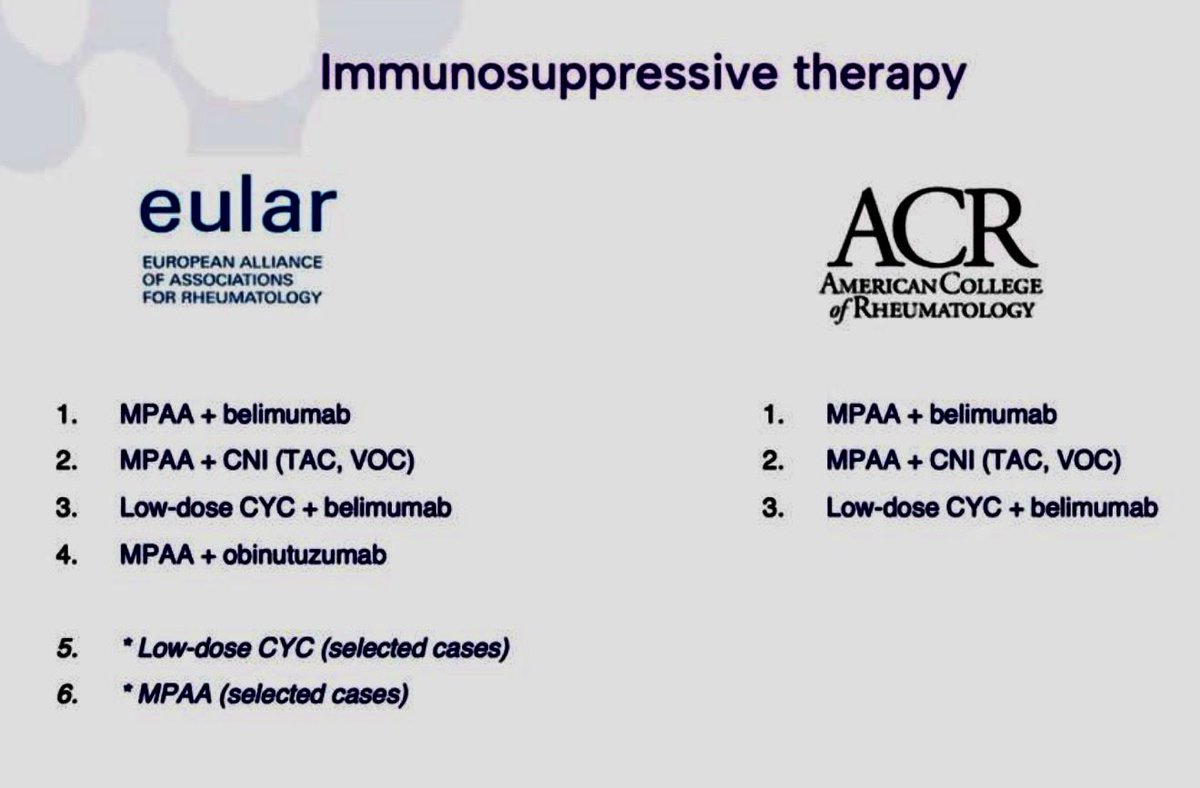
Lupus nephritis 2026 triple therapy
Abdelhamid Hamdy tweet mediaAbdelhamid Hamdy tweet mediaAbdelhamid Hamdy tweet mediaAbdelhamid Hamdy tweet media
English

0
47
131
4.3K
Pawan Rao MD, FASN🩺 retweetledi
AJKD
AJKD@AJKDonline·
“A Change is Gonna Come” to Treatment of Lupus Nephritis: A Review @TWhittier_RUSH bit.ly/43X14f5
AJKD tweet media
English
2
46
107
6.2K
Pawan Rao MD, FASN🩺 retweetledi
DocXus
DocXus@docxusofficial·
Daily BP pills are soon to be OBSOLETE And most people haven’t even heard of what’s replacing them. Zilebesiran. One injection. Six months of blood pressure control. That’s it. Not a better pill. Not a new combination tablet. A completely different mechanism that makes daily dosing irrelevant. Here’s why this matters: 1.3 billion people globally have hypertension. We’ve had drugs for it for 40 years. Control rates are still garbage. Why? Because 50% of patients don’t take their meds properly. That means every second patient is either skipping doses or quitting entirely. Patients are already swallowing five or six other pills a day and the BP tablet is the first one they drop. We cracked the pharmacology 40 years ago. We never figured out how to get humans to actually take the pills. Zilebesiran bypasses the adherence problem entirely. Here’s what it actually does: - siRNA delivered to liver cells via GalNAc conjugation - enters the RISC pathway - finds angiotensinogen mRNA and destroys it - the protein that feeds the entire renin angiotensin system never gets made - not blocking RAAS downstream like every ACE inhibitor and ARB on the market - killing it at the source Two shots a year. No forgetting pills. No adherence curve to worry about ever again. The one thing everyone needs to know though. There is no reversal. No antidote. No off switch. You take the shot and your RAAS is suppressed until the drug clears on its own months later. Potentially risking excess hypotension. It’s too early but that’s the real debate. Near perfect adherence on one side. Complete irreversibility on the other. Every cardiologist and nephrologist on earth is going to have to pick a side on this. But the direction is already locked in. RNA therapeutics in hypertension isn’t some speculative future. It’s here. It’s in trials. It works. The way we think about blood pressure treatment is about to fundamentally change. The era of daily antihypertensives had a 40 year run. It’s ending. And it won’t be gradual.
DocXus tweet media
English
38
242
732
56.4K
Pawan Rao MD, FASN🩺 retweetledi
Kenar Jhaveri
Kenar Jhaveri@kdjhaveri·
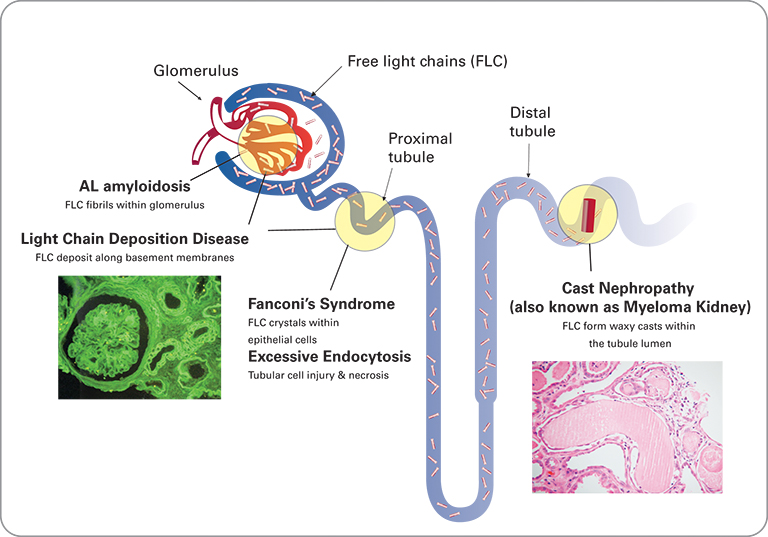
#onconephrology #clinicalpearls Most Common(MC) things of myeloma in the kidney MC tubular disease- cast nephropathy MC Kappa chain associated GN- LCDD MC lambda chain associated GN- Amyloidosis MC electrolyte problem- hypercalcemia Most enigmatic disease- PGNMID binding site fig
Kenar Jhaveri tweet media
English
2
71
146
0
Pawan Rao MD, FASN🩺 retweetledi
Rohit Loomba
Rohit Loomba@DrLoomba·
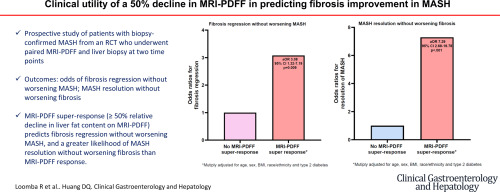
Clinical utility of a 50% and 30% decline in MRI-PDFF in predicting fibrosis improvement in metabolic dysfunction-associated steatohepatitis - CGH cghjournal.org/article/S1542-…
Rohit Loomba tweet media
English
2
8
27
1.3K
Pawan Rao MD, FASN🩺 retweetledi
Johnson Thomas, MD, FACE
Johnson Thomas, MD, FACE@JohnsonThomasMD·
Liver fibrosis is often silent until it's advanced. How can we screen for it without immediate imaging or biopsies? Enter the FIB-4 Score. A quick tutorial on the most useful non-invasive screening tool for liver disease (especially MASLD/NAFLD). 🧵👇 #LiverHealth #MedEd #PrimaryCare What is FIB-4? It's a calculated score that estimates the degree of liver scarring. The beauty is its simplicity. You only need 4 routine clinical values: 1️⃣ Age 2️⃣ AST (liver enzyme) 3️⃣ ALT (liver enzyme) 4️⃣ Platelet Count No fancy labs required. 🩸 Think of FIB-4 as a Triage Tool, not a diagnostic cannon. Its greatest strength is its "Negative Predictive Value." It is excellent at RULING OUT advanced fibrosis. It helps identify low-risk patients who don't need expensive referrals or specialized testing right now. How to interpret the score (Standard ages 35-65): 🟢 < 1.30 (Low Risk): High probability of no advanced fibrosis. Re-assess in 2-3 years. 🟡 1.30 – 2.67 (Indeterminate): The "Grey Zone." Needs a second look (e.g., FibroScan). 🔴 > 2.67 (High Risk): Suggests advanced fibrosis/cirrhosis. Refer to Hepatology. ⚠️ Important Clinical Pearl: Age is part of the formula. Older patients naturally score higher, leading to false positives. For patients aged > 65, the "Low Risk" rule-out threshold is raised to < 2.0 (instead of 1.30). Don't over-refer your older patients! Summary: ✅ FIB-4 uses routine labs to triage liver risk. ✅ Great at ruling OUT disease (<1.30). ✅ Adjust the cut-off for age >65 (<2.0). ✅ High scores need specialist workup.
Johnson Thomas, MD, FACE tweet media
English
2
33
93
4.6K
Pawan Rao MD, FASN🩺 retweetledi
Eric Topol
Eric Topol@EricTopol·
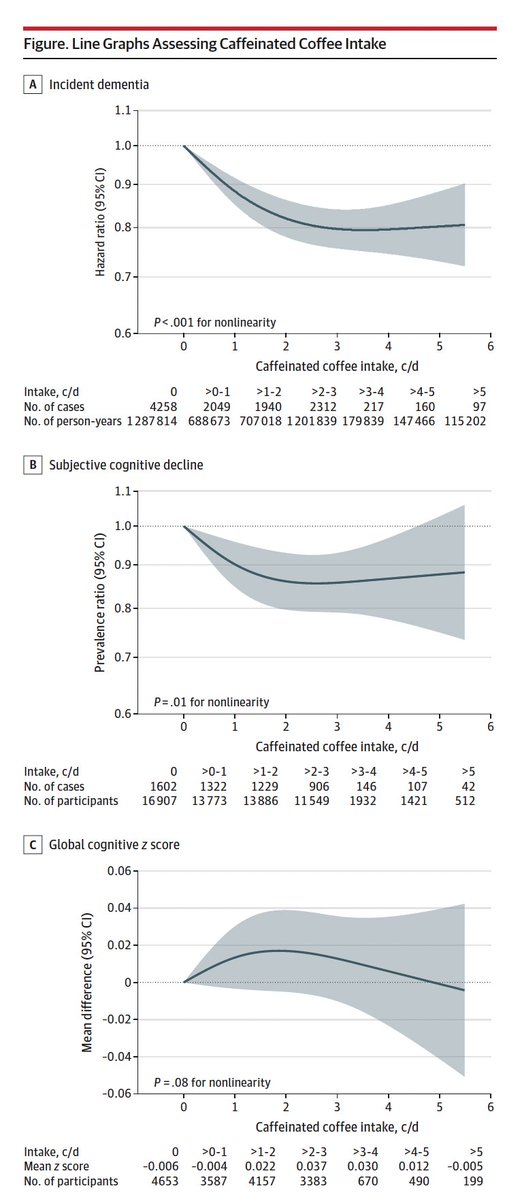
Coffee and improved cognition, reduced dementia >130,000 people followed 37 years Benefit seen only with caffeinated coffee or tea and most pronounced ~2 cups/day @JAMA_current ☕️☕️jamanetwork.com/journals/jama/…
Eric Topol tweet media
English
73
576
2.3K
398.7K
Pawan Rao MD, FASN🩺 retweetledi
Nature Reviews Drug Discovery
Nature Reviews Drug Discovery@NatRevDrugDisc·
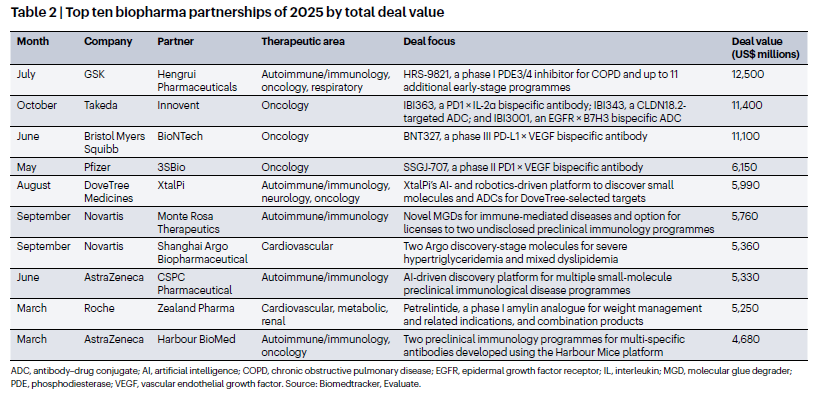
This article in the February issue analyses M&As and partnerships in the biopharma industry in 2025, with GSK's potential $12.5 billion partnership with Hengrui Pharmaceuticals focused on a PDE3/4 inhibitor for COPD in the top spot for licensing deals nature.com/articles/d4157…
Nature Reviews Drug Discovery tweet media
English
0
8
36
8.2K
Pawan Rao MD, FASN🩺 retweetledi
Michael Weintraub, MD
Michael Weintraub, MD@MWeintraubMD·
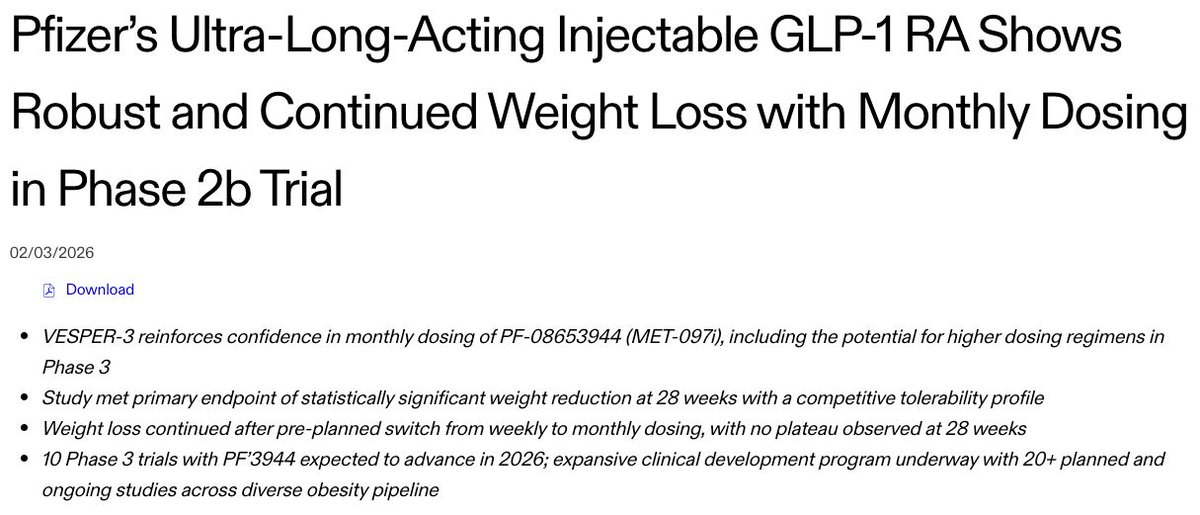
🚀 A once-monthly GLP-1 RA phase 2b top-line results announced today! 📢 🔬 Pfizer announced its Phase 2b VESPER-3 study investigating recently acquired Metsera MET-097i monthly maintenance dosing of injectable GLP-1 RA in adults with overweight/obesity. The study included weekly dosing until week 12 followed by monthly dosing. 📉 12.3% placebo-adjusted weight loss at week 28 with no plateau observed suggesting continued weight loss is expected. ⚠️ Gastrointestinal adverse events were mild-moderate severity. investors.pfizer.com/Investors/News…
Michael Weintraub, MD tweet media
English
2
8
30
2.2K
Pawan Rao MD, FASN🩺 retweetledi
Henry Han
Henry Han@HanCardiomd·
The year in CV medicine 2025: the top 10 papers in DM and metabolic disorders Landmark trials in 2025 reshaped care with metabolic and renal benefits that reduce CVD risk and mortality academic.oup.com/eurheartj/adva… #EHJ @ESC_Journals
Henry Han tweet mediaHenry Han tweet mediaHenry Han tweet media
English
1
26
77
4.7K
Pawan Rao MD, FASN🩺 retweetledi
Edgar V. Lerma 🇵🇭
Edgar V. Lerma 🇵🇭@edgarvlermamd·
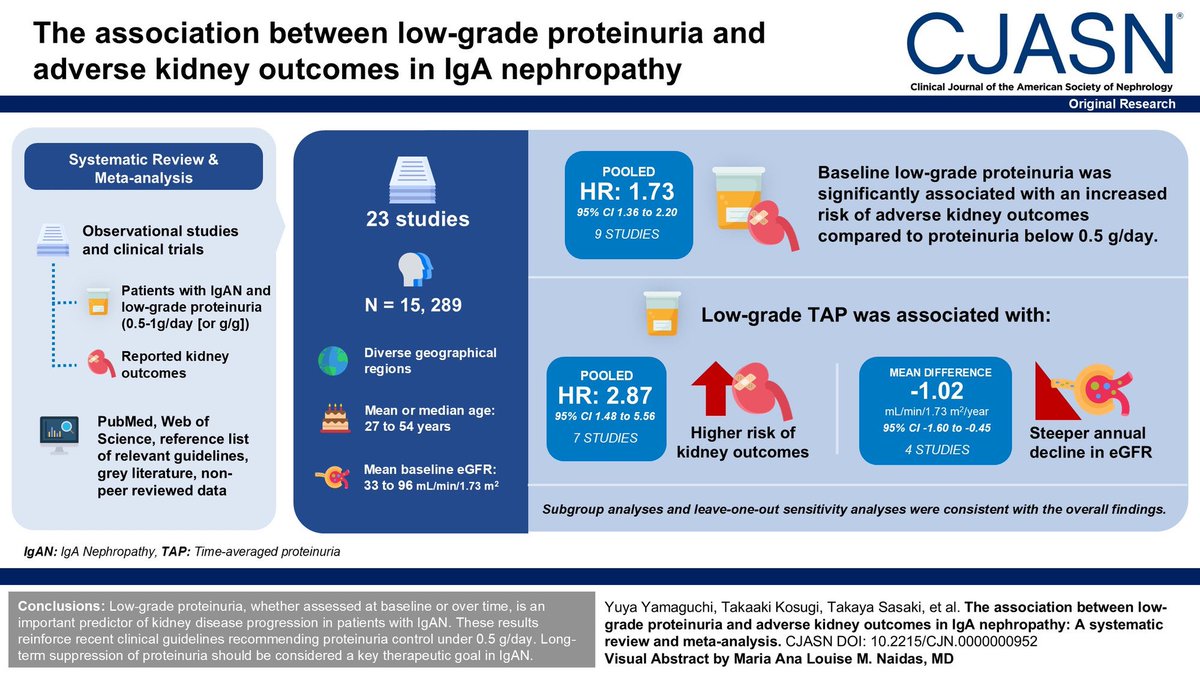
Low-grade proteinuria, whether assessed at baseline or over time, is an important predictor of kidney disease progression in patients with IgA nephropathy #IgAN ca. 2026 from @asnpublications #Nephpearls 📌 These results reinforce recent clinical guidelines recommending proteinuria control under 0.5 g/d 📌 Long-term suppression of proteinuria should be considered a key therapeutic goal in #IgAN 👉🏼 pubmed.ncbi.nlm.nih.gov/41385286/
Edgar V. Lerma 🇵🇭 tweet media
Edgar V. Lerma 🇵🇭@edgarvlermamd

RaDaR: In this IgA Nephropathy #IgAN cohort, patients traditionally regarded as being low risk, with proteinuria <0.88 g/g (<100 mg/mmol), had high rates of kidney failure within 10 years ca. 2024 from @CJASN #Nephpearls #NephJC 👉 pubmed.ncbi.nlm.nih.gov/37055195/

English
1
8
40
4.5K
Pawan Rao MD, FASN🩺 retweetledi
CKJ
CKJ@CKJsocial·
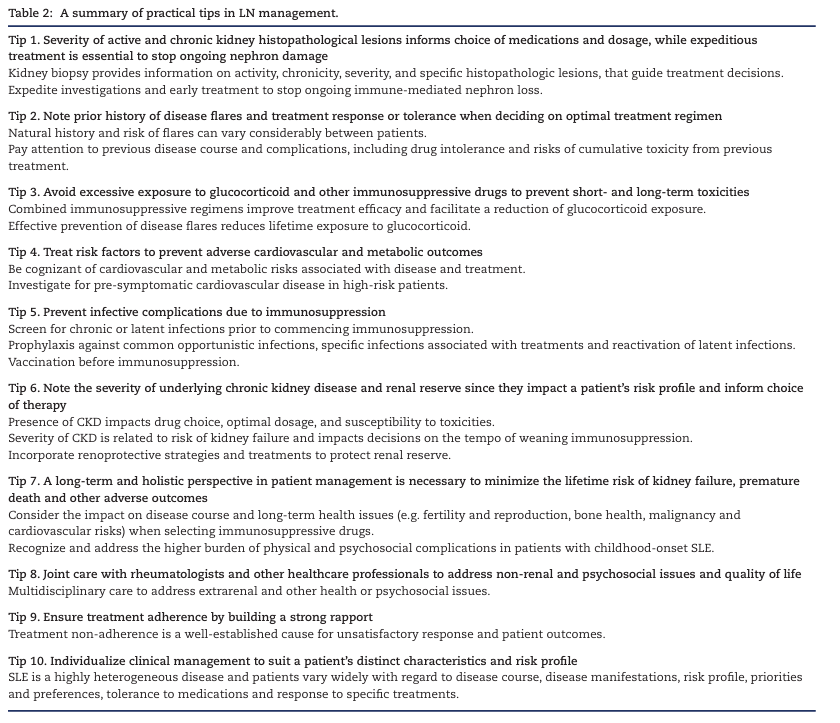
Ten tips in lupus nephritis management doi.org/10.1093/ckj/sf…
CKJ tweet media
Indonesia
0
43
127
5.6K
Pawan Rao MD, FASN🩺 retweetledi
Jonathan Chávez
Jonathan Chávez@JonathanNefro·
En personas con diálisis peritoneal estables, agregar el iSGLT2 empagliflozina 10mg al día no mejoró el ultrafiltrado, no cambio parámetros de la prueba de equilibrio peritoneal, ni tampoco en la diuresis😒 Ensayo clínico EMPOWERED Kidney Int Rep 2026 doi.org/10.1016/j.ekir…
Jonathan Chávez tweet media
Español
2
19
83
3.5K