Sabitlenmiş Tweet

How AI is Transforming IT Service Desk Automation for MSPs, by @networkthinking substack.networkthinking.com/p/how-ai-is-tr…
English
Wally Hass
2.3K posts
@networkthinking
Providing Managed Services to our clients
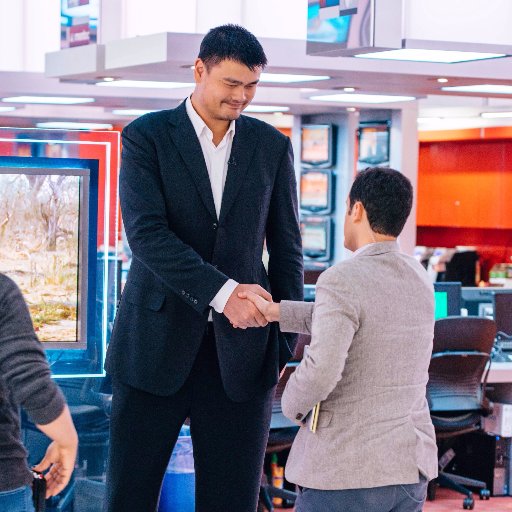
The evidence is clear, vandals have repeatedly caused damage to the Reflecting Pool. Some of these acts were even caught on camera. We also provided the U.S. Attorney's office expert and eyewitness testimony to the damage done by vandals and provided every piece of evidence they asked for in the requested time line detailing each area of damage at the pool. The Reflecting Pool is part of the Lincoln Memorial and dates back to 1922. @POTUS cares deeply about protecting our sacred national monuments and his leadership has led the restoration of our Nation's Capital by Making D.C. Safe and Beautiful Again. Intentional damage done to the Reflecting Pool is no different than defacing any one of our other national monuments. We won't back down to deranged people who want to destroy, deface, or degrade our monuments.







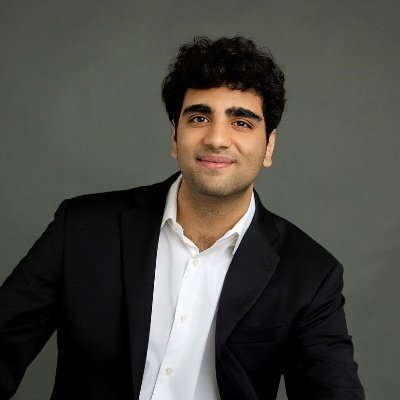
Introducing BYOC (Bring Your Own Cloud)! Enterprises kept telling us the same thing... our email data can't leave our cloud. So we built AgentMail to run inside theirs. Outposts brings the entire email layer, sending, receiving, storage, and search, into your own cloud account. We still handle upgrades, security patches, and the product. Your cloud, your data, our product. Read our blog to learn more. Link in comments.



The US-Saudi nuclear deal makes no sense A few points on the shocking U.S.–Saudi nuclear deal announced. 🔺This reflects a weaker American bargaining position, not a stronger one. The broader context is China. The Biden administration pursued a nuclear deal with Saudi Arabia, as part of a broader expansion of Trump’s Abraham Accords, in part to pull Riyadh closer to Washington and away from Beijing. But Washington’s position has deteriorated since then. The credibility of the U.S. security umbrella has weakened, GCC states have become more strategically autonomous, and Saudi Arabia has gained leverage by diversifying its partnerships. The result appears to be that Washington had to offer substantially more to try to keep Saudi from drifting further toward China, while getting substantially less in return. 🔺Biden was going down the same path… The Biden administration reportedly considered similar arrangements, but its efforts were derailed by the repercussions of the October 7 attacks. Biden officials also understood the risks, although it did not prevent them from pursuing it and signalling willingness to offer Saudi major nuclear concessions. Some of the contingency ideas reportedly discussed bordered on the surreal: having American troops physically guard Saudi enrichment facilities from the Saudis themselves, or designing systems that would allow the United States to disable—or even destroy remotely—the facilities if necessary. The fact that such safeguards were seriously contemplated should itself have been a warning. If your proposal requires extraordinary mechanisms to prevent your own ally from using the technology you are providing, perhaps the proposal is fundamentally flawed. 🔺This likely weakens Washington’s negotiating position with Iran If there is eventually another U.S.-Iran nuclear agreement, today’s decision establishes an entirely new benchmark. It becomes impossible to argue that Saudi Arabia may enrich uranium while Iran cannot, although Tehran was never going to accept zero enrichment in the first place. But proposals that earlier had been entertained - such as a 5- to 10-year moratorium on enrichment - may now also be out of reach. Moreover, and perhaps more importantly, it becomes harder to insist on intrusive international inspections for Iran while accepting a far lighter non-IAEA inspection regime for Saudi Arabia. And it becomes much more difficult to portray enrichment itself as an unacceptable proliferation risk. Washington has made the type of deal it wants from Iran more complicated. Full analysis on Substack: tritaparsi.substack.com/p/the-us-saudi…