Nigel Pont
781 posts

@nigelpont
Web3 Humanitarian Cash Transfers


It’s very unfortunate that crypto is a great solution for refugees who are stateless and forced to interact with crumbling institutions and payment rails, but nobody in crypto builds for refugees because they’re not useful consumers for gambling


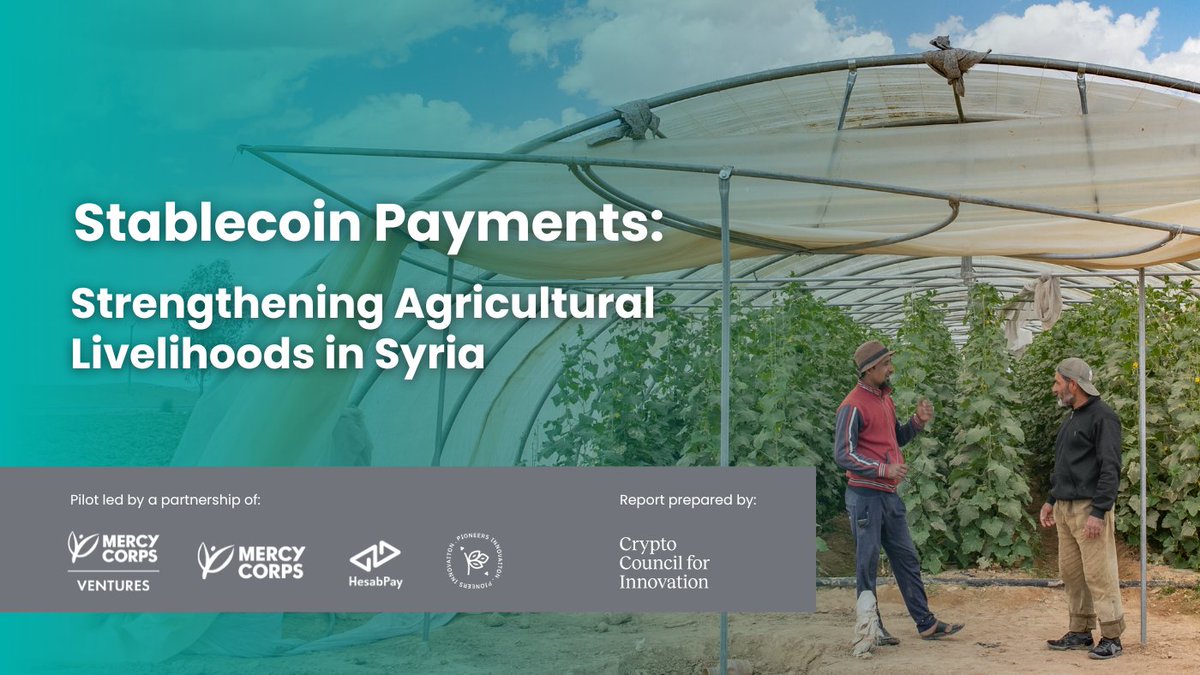
Algorand and @Noah_HQ are partnering to bring regulated, institutional-grade payments on-chain. Through this integration, Algorand developers gain access to Noah’s regulated payment infrastructure. This allows organizations across the ecosystem to open virtual bank accounts in USD and EUR, accept traditional bank payments, and settle those funds on-chain in a compliant way. The partnership strengthens use cases across fintech, DeFi, real-world payments, and humanitarian programs like HesabPay and the Aid Trust Portal. It supports teams in the US, Europe, India, and beyond, and also creates a smoother connection between banks and blockchain. Initial implementations are planned for 2026.


Algorand Foundation Impact Lead @mattkeller1 just penned his latest article for @Forbes. He explored how blockchain technology can enhance trust and transparency in humanitarian aid. Read the full piece below 👇


On the Inequality of Compassion - Statement of our Chairman Michael Schumann after his return from Antalya Diplomacy Forum: ”Let it be said at the outset - every loss of human life that occurs under the shadow of war, whether amid the thunder of artillery or the quieter horror of so-called “precision strikes“, is an event of relentless tragedy, a rupture in the fabric of humanity that no rhetorical balm can mend. The grief of the bereaved, like the guilt borne by those who, whether by command or complicit silence, have helped bring it about, runs so deep that it weighs heavily on the souls of all involved - often across generations. And yet, how strangely varied are the responses these tragedies evoke in our collective consciousness! When rockets fall on Sumy, when children perish and families are obliterated, a chorus of outrage rises swiftly across the capitals of Europe - amplified by headlines, commentary, and statesmanlike pronouncements. But when similar horrors occur in Gaza - with a regularity that numbs the conscience and perpetrated by leaders of nations we call friends or partners - those same voices fall silent, or at best, retreat into the hushed murmur of diplomatic platitudes, as though the unspeakable might be rendered tolerable through polite evasion. I have just returned from a conference in Türkiye, attended by numerous representatives of Arab nations - cultivated, clear-eyed individuals whose questions were born not of resentment, but of a sincere longing for moral coherence. They asked, not without bitterness, yet with just cause: Where is Europe’s outrage in the face of the suffering in their part of the world? What reveals itself here - and it is a phenomenon of deeply troubling significance - is a distortion of perception, both in the media and society at large: a quiet, creeping hierarchy of human suffering, which leads us to distinguish between victims of the first and those of the second order. This, I fear, will not go without consequence. For once justice is made relative, it tends to recede - and the accusation against us, who have relativized it, will one day return with doubled force, like all that has been suppressed, and come and haunt us at a high cost.“ #ADF2025 #MEET4DIPLOMACY #Humanity #Justice #Suffering #Europe #Russia #Ukraine #Israel #Gaza