

Dr. Pam R
202 posts

@PamR33
Dreamer by day, scientist by night at the Red-Horse Lab @Stanford 🤍🔬 | Prev. @GladstoneInst @Cal


Why do guinea pigs have so many natural bypass arteries? In our preprint, we use this ischemia-resistant mammal + in vivo Perturb-seq to ask how protective collateral arteries are built. The surprise: more collaterals may come from turning down “artery repressor” pathways, including WNT, hypoxia-response, and TCA cycle. Knocking down selected repressors increased pial collaterals in mouse brain. @RonghaoZhou @kristyredhorse @jengreitz @BRaftrey @PamR33 @ChenMaggieSY biorxiv.org/content/10.648…


Excited to share our preprint, reviving @kristyredhorse's interest in the placenta from her PhD ~20 years ago! We find using 3D imaging that the mouse placenta is far more invasive than previously thought. Furthermore, we find a surprise from our favorite chemokine CXCL12...🧵:


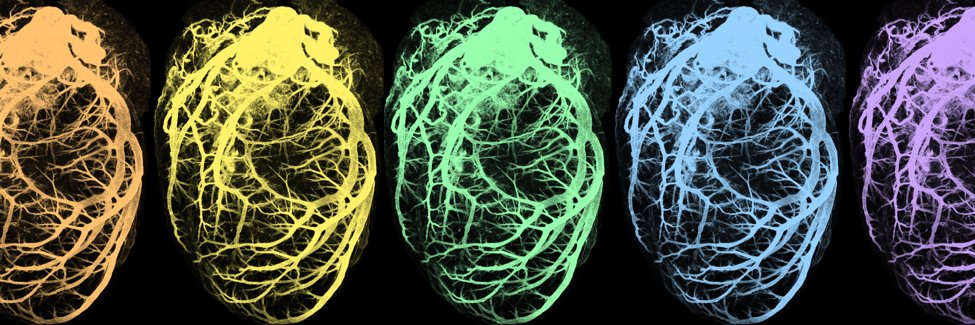
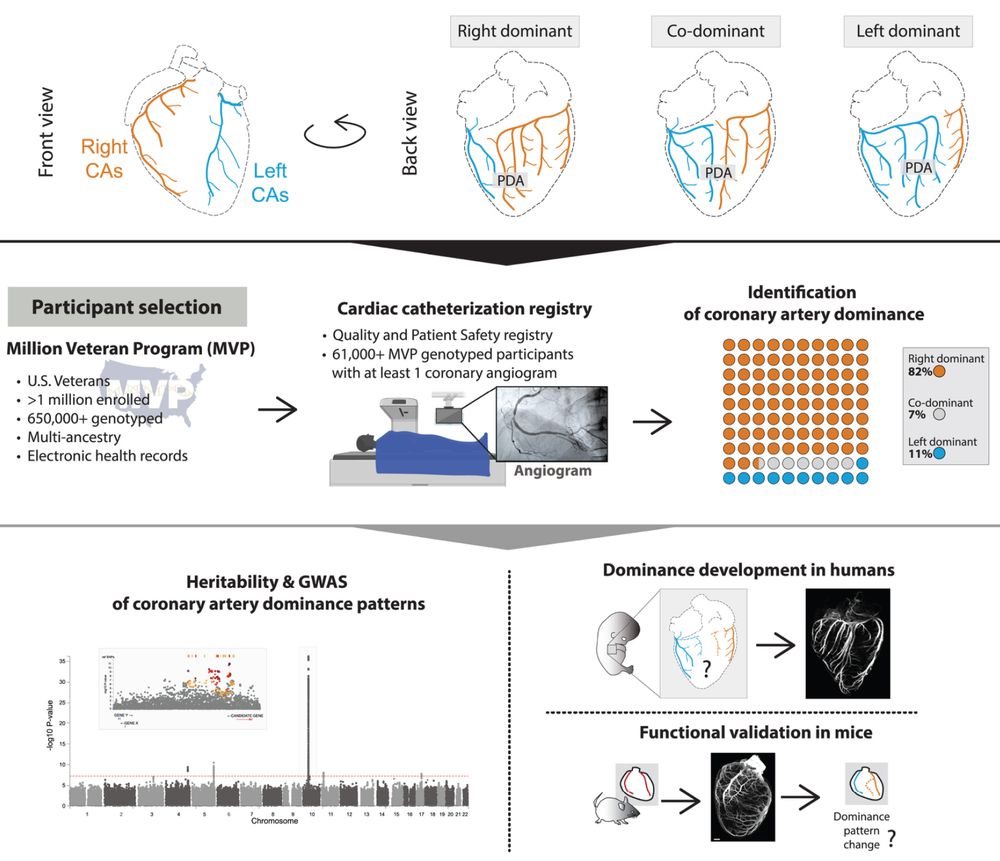
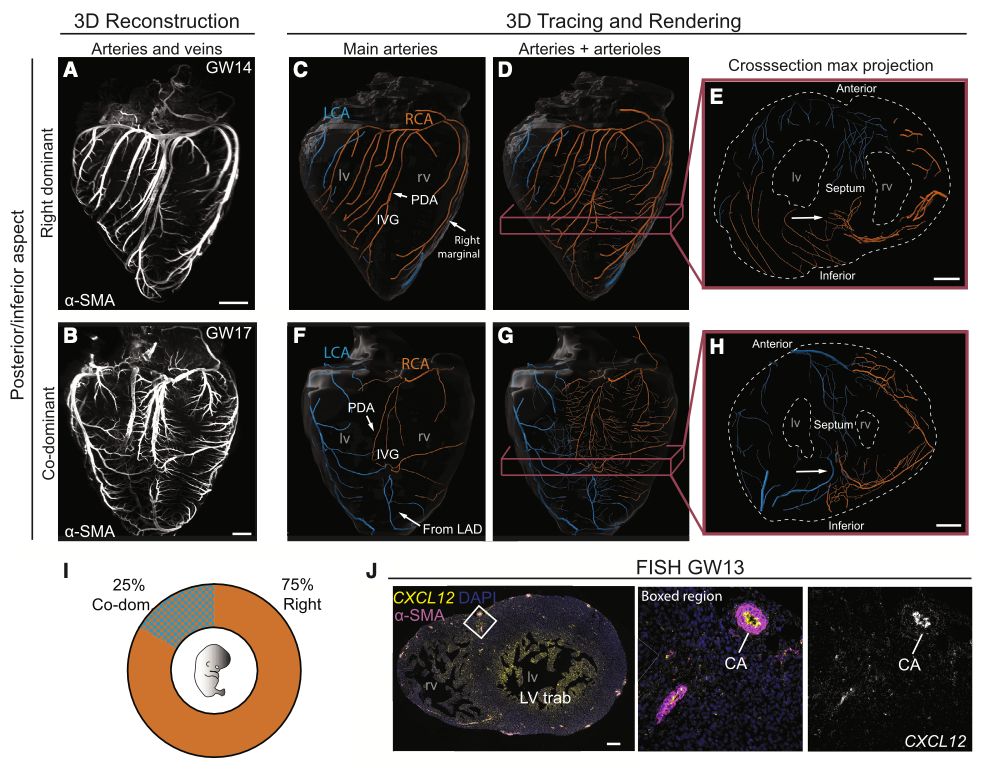
"Among all the uncertainty, you can always count on awesome science to make you smile. Check out our latest @CellCellPress interdisciplinary endeavor—a reminder that we all have a 🫀, whether right-dominant or not! sciencedirect.com/science/articl…
Seeking someone looking for a two-year postbac position to get my group up and running at Yale University! We will be utilizing chromatin tracing and other multiplexed imaging approaches to study the relationship between 3D genome organization and epigenetic memory in embryos!


What’s a perfect album that came out when you were 16?