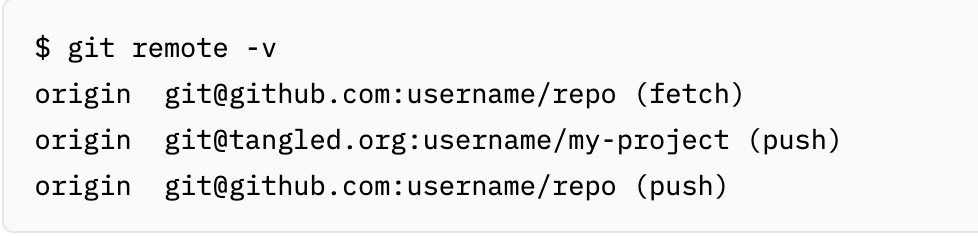
@juristr@mitsuhiko Jealousy levels rising....
Somewhat tangential but is there any particularly good Austrian beers that one should hunt down.. For science...
@ryanvogel Looks like @thdxr got up and said "any engineer out there who wanna be an engineer, and stay a star, and not have to worry about the harness tryna be, all in the context, dancin', come to OpenCode"
@zeeg So the point is not that TUIs are better but that they enable enough to keep you in the terminal which is where you’re doing your “work”. If you were an IDE guy you’d likely opt for IDE extensions etc. And if you use emacs well, god help you
Is this not just a context switching thing? _If_ I’m choosing to work in a terminal for my main goal, e.g. coding, then not having to leave it for other stuff I need to do is a nice UX. Sure a browser etc can ultimately have a better UI but if I can do what I need to do without leaving my primary interface then all the better.
TUIs are not good sorry yall
a CLI is a utility, and situational. this should not be confused with stuffing a full interactive GUI into a low capability platform.
"lets ignore all the great UI technology of the last 20 years and build some caveman shit"
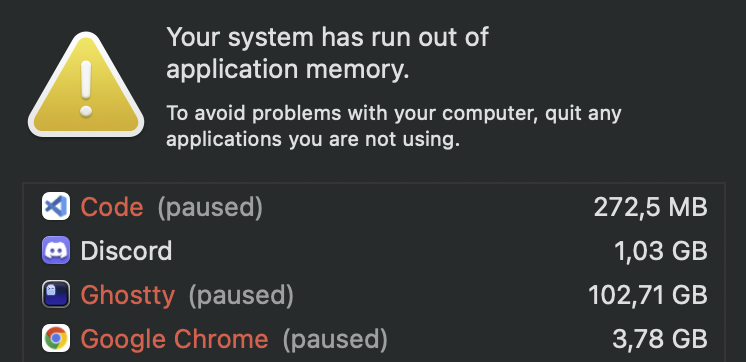
@steipete Whenever this has happened to me is a rogue LSP (Java) process and/or orphaned nvim process. It's been sporadic enough that I've not investigated the repro either, just killed all the "orphaned" nvims
Sure but we were talking about projects where code quality does matter, where it would directly correlate to development speed and stability. And I don't think we _don't_ care about a compiler generating slop? I think we've just leveraged the fact that a bunch of people have made it so that it doesn't and now we don't need to think about it. This is not an aesthetic thing as much as it's about degradation over time.
And if they don’t then it doesn’t matter. This is the move from assembly to c, or the move from c to interpreted languages all over again. Who cares if it generates slop code. Just like we don’t care that the compiler generate slop byte code, we won’t care that an llm generates slop code. I already don’t care.
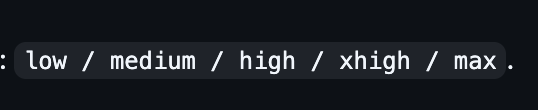
from my experience, even the best models (Opus 4.6, 5.4 xhigh / 5.3 codex) cannot write good code today without an amount of work that is equivalent to just doing the work myself
am excited for a world where they can, but in the current state i have very low trust in them
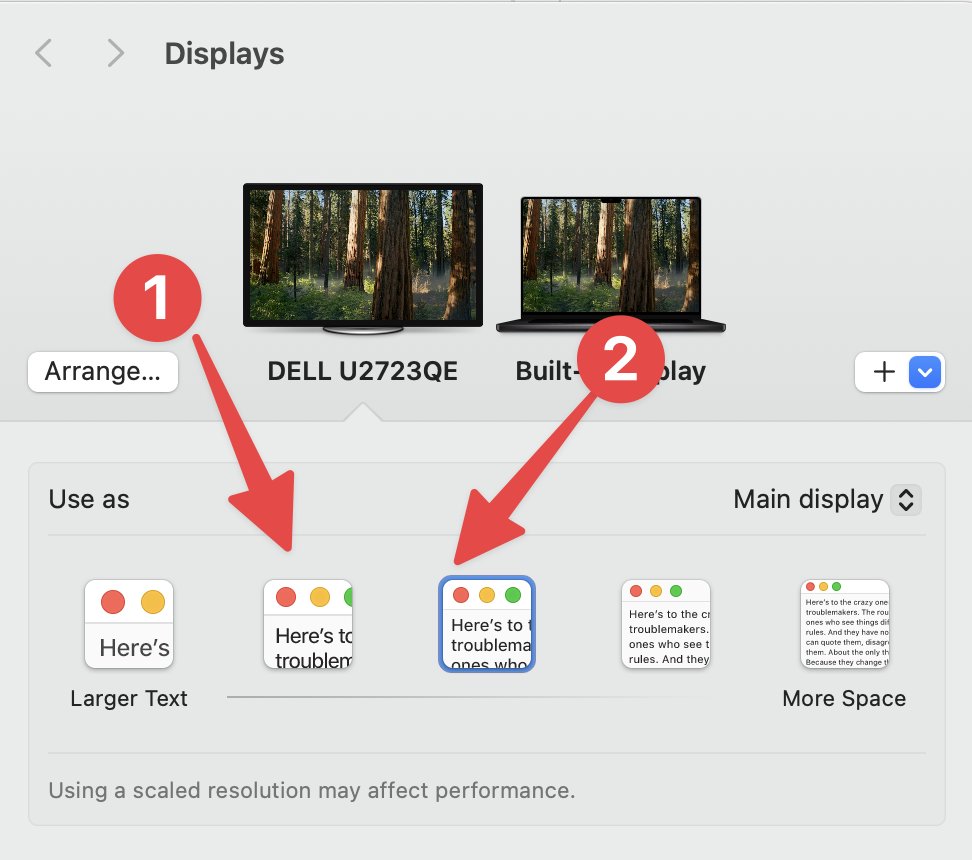
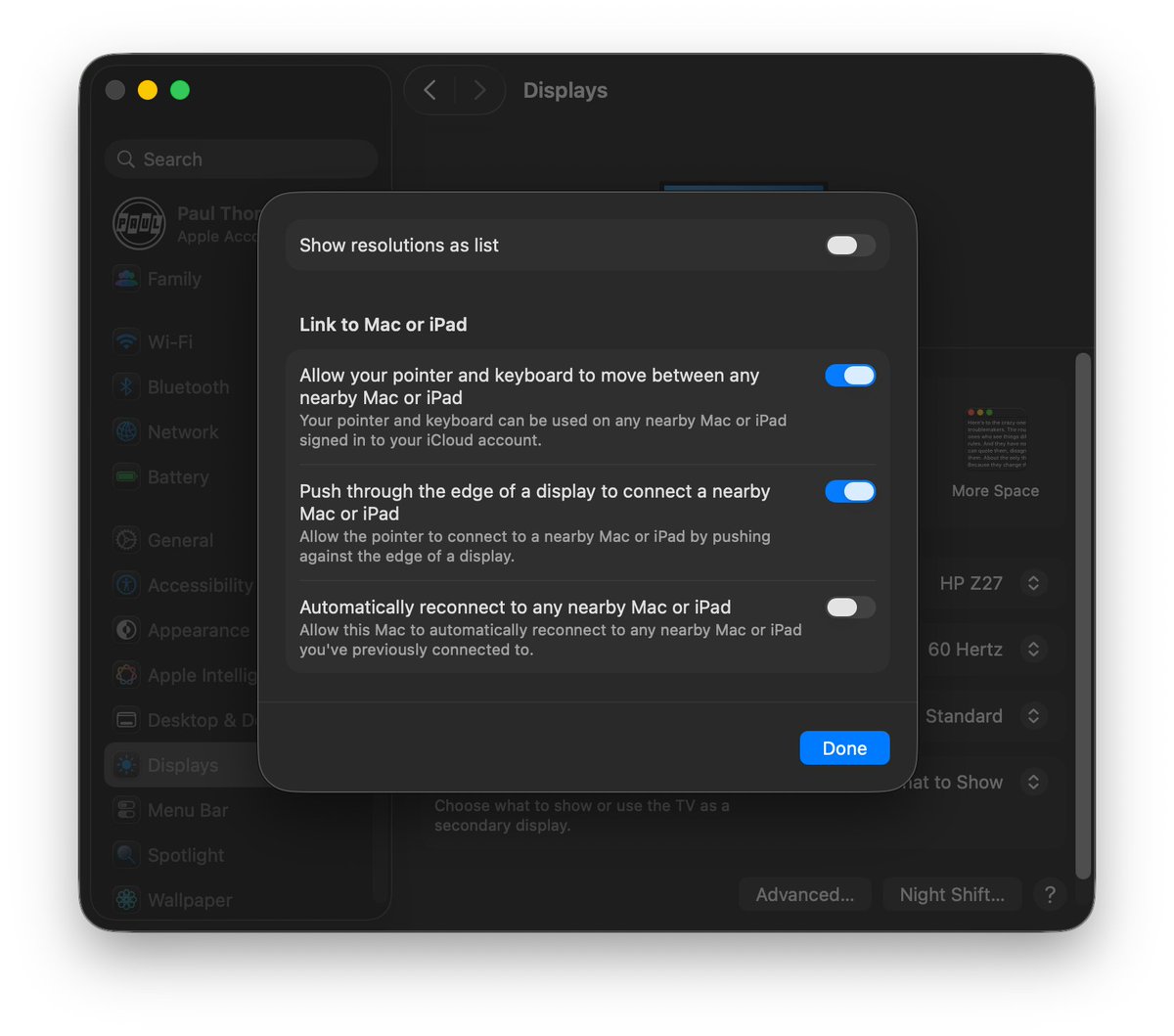
I switched from (1) to (2) yesterday after YEARS (decades, probably) being on x1440.
So many confused feelings:
- wow so much screen real state
- AND my eyes can handle it
- at least I think they can?
- can they?
- yeah... wow, I feel young!
- but, ... can they?
Nice.
I think Brendan Burns said it on a podcast that the price you pay for the resilience you get from having multiple control is some complexity (due to the async nature of it). So it (k8s) is just a matter of understanding the tradeoff you're making.
I've seen so many people start with the higher-level managed platforms and have to "drop down" to K8s over time and at the other end, the "K8s is too complex, we can build our own orchestrator" people who slowly just re-implement it, then you realised why it is the way it is.
Kubernetes isn't a scam. People don't just realize what it is, and what it brought to the world. What Kubernetes did to the world is to teach and bring Control System theory to the masses. With control system, you could run software at scale like never before. If you design your software in closed feedback loops, you can have, just like a machine, an ongoing stable system running for 7/24, that can self recover and steer itself.
People trying to use other orchestration systems, had to work and implement all of it themselves. And most of them didn't had proper primitives, so it was very brittle. With Kubernetes, you have /status, the reconciler/controller-runtime framework, requeues and CRD's. If you use all of these together, you can build a feedback loop, and apply control systems knowledge. And with Google's push, it became the winner.
There is a really nice book about it: "Designing Distributed Control Systems: A Pattern Language Approach". It's actually about machines, not software (like how to build proper big machines that can run 7/24). But if you read it, you immediately see how the patterns in the book described, are actually primitives used by Kubernetes ecosystem.
Nice. Aside from the amount of times I've seen something (particularly an external integration) "work" in a pre-prod environment and then totally break in prod, there's also the aspect of the idea everyone has in their head being different. You see it internally in meetings where everyone walks away with a different understanding, but in this case we're talking about what we thought the customer wanted which we don't realise is wrong till they use it (which is the "assumptions" quote you mentioned :P ).
But highlighting the behavioural changes the bottlenecks make to an org is an interesting angle..
@paulthomson83 yep. "Software only becomes valuable when you ship it to customers. Before then it’s just a costly accumulation of hard work and assumptions." :) intercom.com/blog/shipping-…
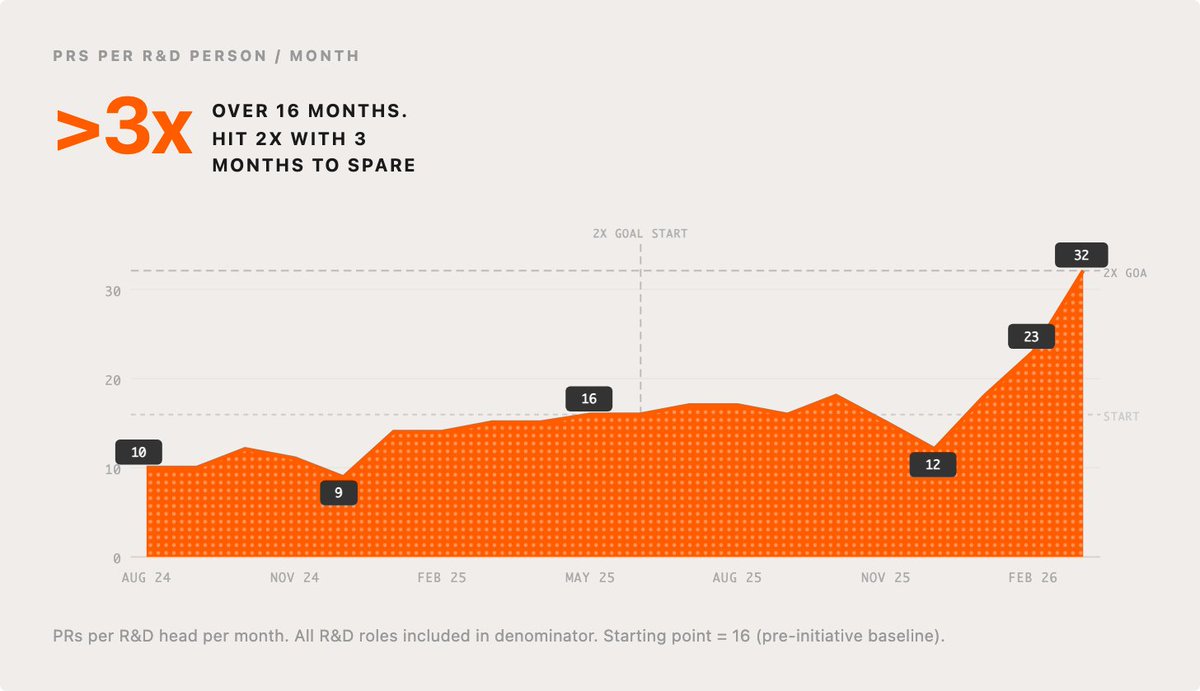
9 months ago we publicly committed to 2x the productivity of our R&D org at @intercom.
It was scary. It wasn't always clear we'd pull it off.
We hit it with 3 months to spare. In fact, looking back 16 months - we've 3x'd.
Here's what actually happened (with receipts): 🧵
Taking a similar approach except the "PRs" in question are merges to a GitOps repo, which makes then analogous to a deploy. As you say, not perfect, but I optimising for iteration speed (given that we know you don't _really_ learn if something works till it's in prod) is the thing to aim for, and then just improve the guardrails upstream of that as we go.
PRs per person across ALL of R&D (engineers, designers, PMs, managers - everyone):
Aug 2024: 16/month
Mar 2026: 33/month
Yes, we measured PRs. No, it's not perfect. But imperfect metrics driven with determination beat perfect metrics that never get set.