UCHAGUZI 29 OKTOBA. Ee Mungu Tunawaombea marehemu wetu raha ya milele. Tuwazike kwa heshima, kuwafariji wafiwa, kuuguza majeruhi, kusaidia waathirika. Tuombe toba kuondosha sifa za taifa letu kwa kutotambua HAKI ndiyo msingi wa yote na haina mbadala. Twakuomba utusikie
Conflicting reports surround Tanzania’s CDF Gen. Mkunda. Unverified claims suggest he ordered TPDF troops to shield protesters, sparking a clash with Samia’s regime. Some allege he fled abroad, others say loyal soldiers guard him — and the darkest rumour: he’s been eliminated.
Charles Kataratambi has been my friend since May 1989.
A very close and dear friend.
He kept saying that I taught him bad manners because I introduced him to Harold Robbins’ Dreams Die First.
He said he’d never read books with ‘bad manners’ until that point.
He, @PiusPerryB1 and I used to get novels, split them into 3 parts and read them during prep time. We’d exchange the parts we’d read for the ones we hadn’t.
And as curious S1 kids, we were clear about what was interesting and what wasn’t.
One day he spotted me at a restaurant- busy trying to close a deal.
He called the waitress, paid our bill and left me a note that said, Dreams Die First.
And because it wasn’t in Pius’ horrible handwriting, it could only have been Charlie.
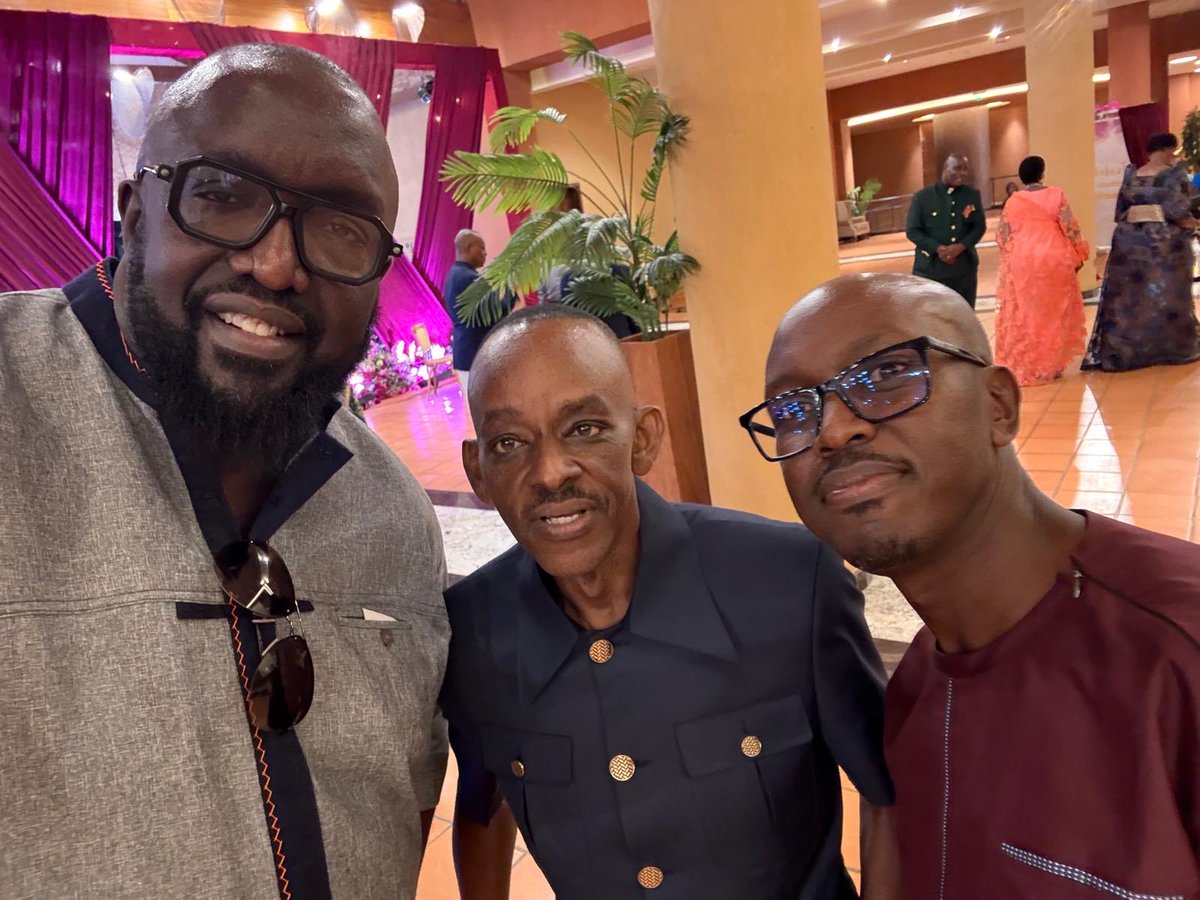
The last time I saw Charlie was at @patty_tamba_kay’s wedding in April.
That’s him in the middle. The other brother is Steven Kinuka- who I also met when we joined the great Namilyango College.
It was great to see him and he was optimistic that his health struggles were behind him.
To hear that he’s passed on is devastating! My thoughts are with his amazing family. He’s been with the same girl since we were in S1.
What a man!
A GOOD man!
I will miss him dearly. And so will everyone who knew him.
Rest in Peace Charlie.
Give Cedu a big hug!
When you lead with purpose, others will soon follow. @DailyMonitor is giving @newvisionwire a few lessons in headline writing! Thank you, our neighbours and comrades for being good students!
😅😅😅🤗🤗🤗
Warning: Contains details of sexual assault. Agather Atuhaire, a Ugandan activist arrested and held for days in Tanzania, has told the BBC that she was raped while in custody. bbc.in/4kEjZRH
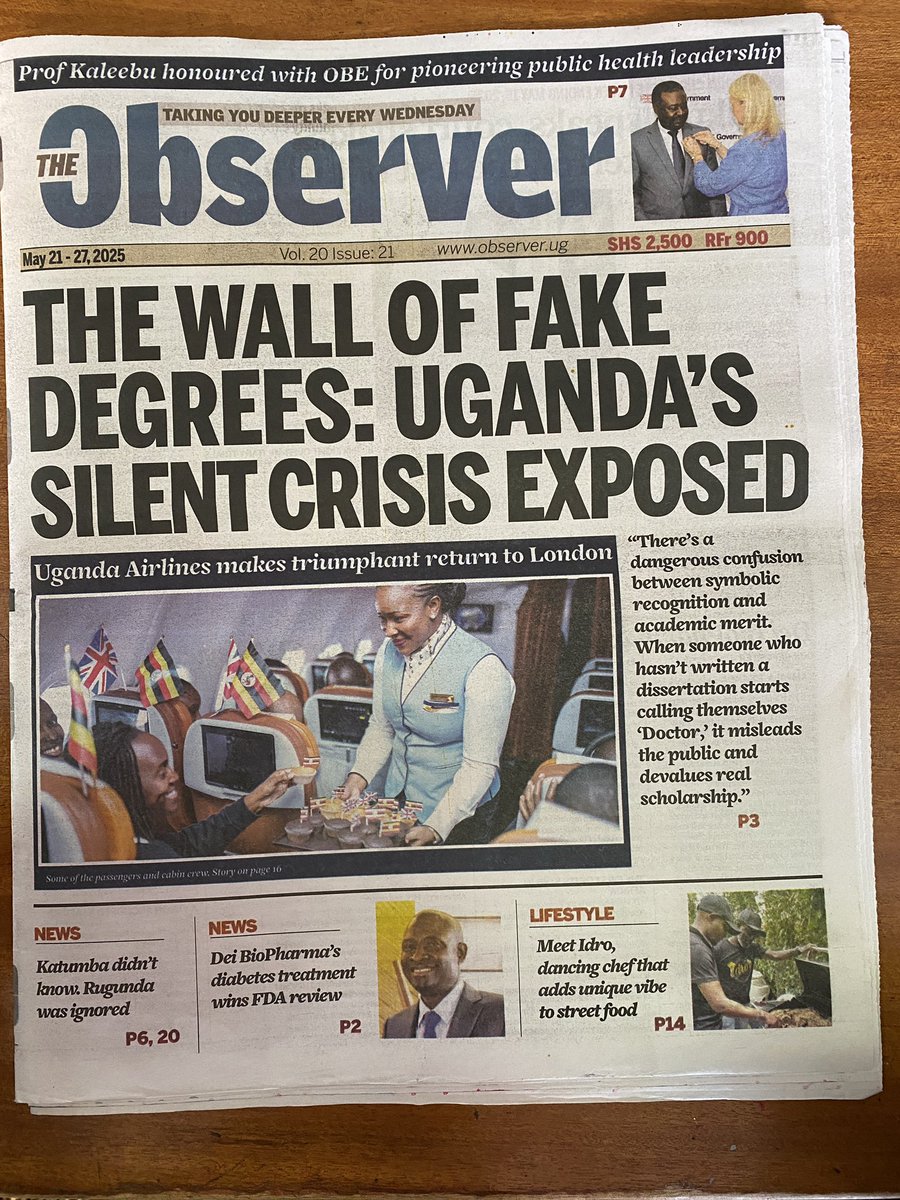
Today’s Legal Methods exam seems to have been partly drawn from this week’s column in @observerug 😅😅😅
My main suspect re this mischief is @IsaacBakayana 😝😝😝
Asazeewo abaana banvume mu bigezo 😅😅😅
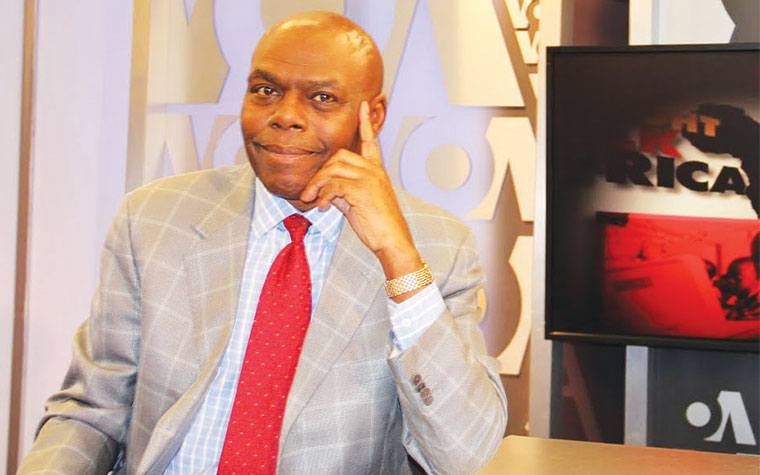
According to close friends of the late Shaka Ssali, he had requested to be cremated and his ashes sent back home and other countries in Africa. We shall respect his wish, and soon, a date for his sendoff service in Washington DC and Uganda will be communicated.
#RIPShakaSsali
How the ULS President’s Right to a Fair Hearing was Violated.
1/ The recent sentencing of Mr. Isaac Ssemakadde, the Uganda Law Society president, to two years for contempt of court raises profound constitutional and procedural questions.
2/ The case stems from an application by Mr. Hashim Mugisha, who alleged that Ssemakadde made derogatory remarks on his X handle about Judge Musa Ssekaana. Astonishingly, the same judge heard and decided the contempt application and sentenced Ssemakadde. This warrants a closer examination of judicial impartiality.
3/ Article 28(1) of the Constitution guarantees every individual the right to a fair, speedy, and public hearing before an independent and impartial tribunal. This right is absolute, further reinforced by Article 44(c), which declares it non-derogable.
4/ The Constitution (Recusal of Judicial Officers) (Practice) Directions, 2019, were introduced to operationalize these constitutional guarantees. They emphasize the importance of impartiality by requiring judges to step aside in cases where their impartiality may reasonably be questioned, even in the absence of actual bias.
5/ Rule 6(1) of the 2019 Directions is unequivocal: a judge must refrain from participating in proceedings where their impartiality may reasonably be doubted. This standard is not subjective; it is based on the perception of a reasonable observer. The goal is to preserve public confidence in the judiciary, which is as critical as ensuring justice in individual cases.
6/ In this particular case, the alleged contempt arose from remarks directed at the presiding judge. When a judge becomes the subject of the controversy before them, it is difficult, if not impossible, to maintain the appearance of impartiality, regardless of their intentions or conduct.
7/ The issue here is not whether the judge acted with actual bias but whether their continued involvement in the case created a reasonable apprehension of bias. The principle that justice must not only be done but must also be seen to be done is central to the legitimacy of judicial decisions.
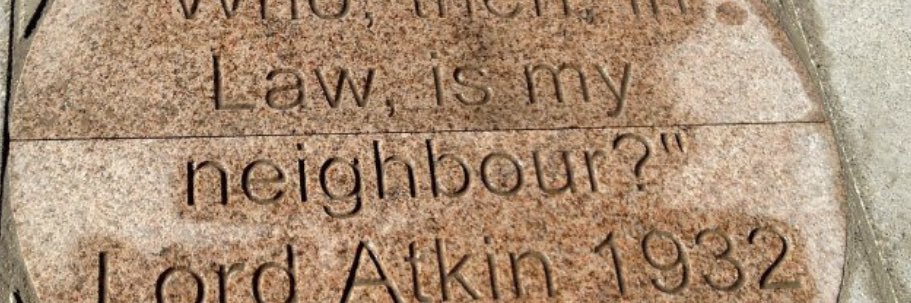
8/ The principle of nemo judex in causa sua (no one can be a judge in their own cause) was violated in this instance. This foundational principle of natural justice prohibits a judge from presiding over a case in which they have a personal interest or are directly implicated.
9/ By presiding over a case in which they were directly implicated, the judge undermined the constitutional guarantee of a fair hearing under Article 28(1). Since this right is non-derogable under Article 44(c), there is no room for exceptions or compromises, no matter the circumstances.
10/ The broader concern here is the potential erosion of public trust in the judiciary. Judicial impartiality is not just a legal requirement; it is a cornerstone of public confidence in the justice system. When impartiality is called into question, it casts doubt on the fairness of the process and the legitimacy of the outcome.
11/ A constructive alternative would have been for the judge to recuse themselves and allow another judge to handle the matter. This approach would have demonstrated a commitment to fairness, preserved the integrity of the proceedings, and reinforced public trust in the judiciary.
12/ The judiciary must take deliberate steps to reinforce the principles enshrined in the Constitution and the 2019 Directions. This includes fostering a culture where recusal is viewed not as a sign of weakness but as a strength—a demonstration of the judiciary’s commitment to fairness and the rule of law.
13/ The right to a fair hearing is the foundation of justice. It is not merely a procedural formality but a substantive guarantee that protects the integrity of the judicial process. Upholding this right is essential to preserving the rule of law and the public’s faith in the judiciary. #RuleOfLaw#FairHearing#JudicialImpartiality
Pursue neither as the primary focus. Pursue the truth & justice & should they lead to the acquisition of power or money ; you will put it to its proper use. You won't get drunk as all who pursue it & acquire without the guiding values. Duncan, you seem to be on a slippery path.
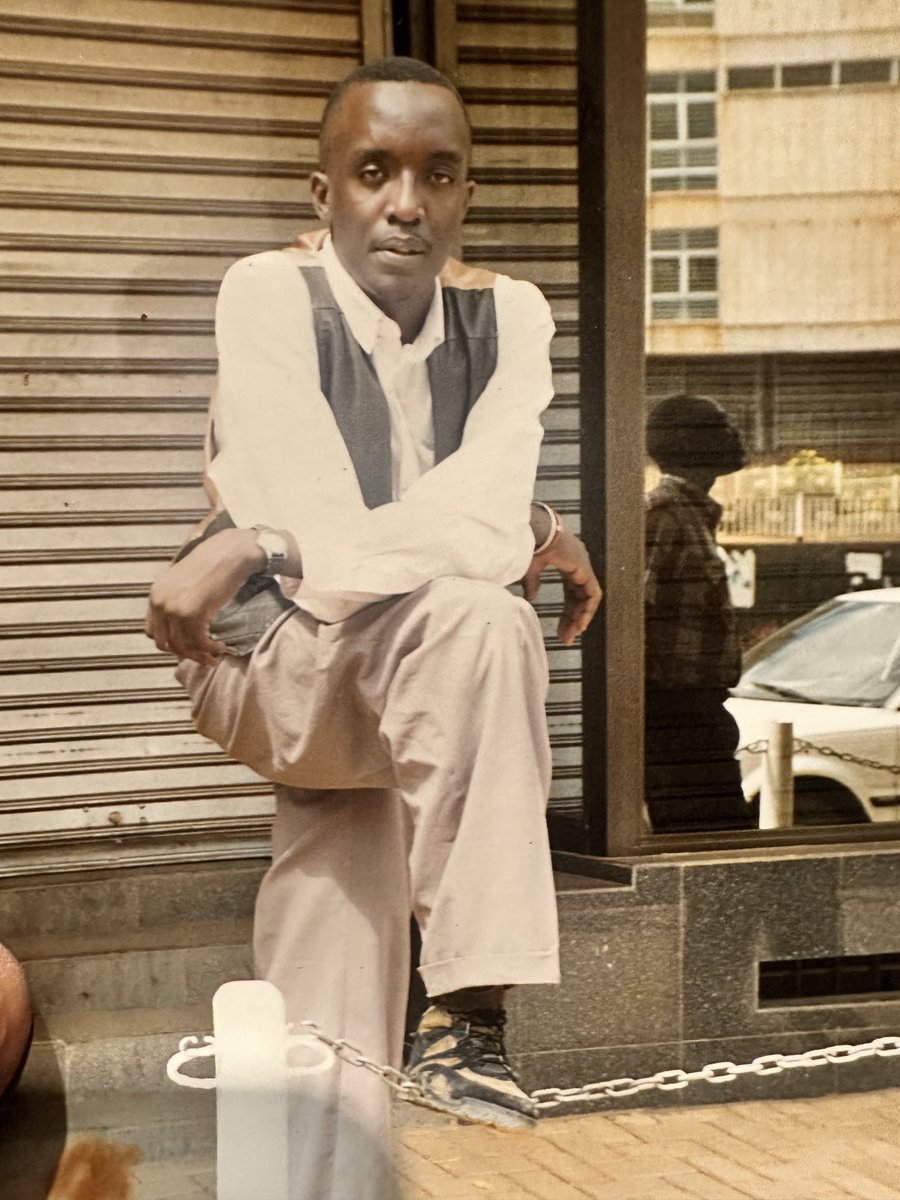
Decades ago when I’d just started on radio.
Kato Plaza Nkrumah Road- HQ of Radio Sanyu and Sanyu TV. Plus the late Mzee Thomas Katto’s other business, International Credit Bank.
We are still here.
Happy World Radio Day!
Sunday- waiting for a ride to Naguru to do WDZ.