Shantanu Pradhan

550 posts

Shantanu Pradhan

Shantanu Pradhan

@PradhanLab

Assistant Professor, Department of Biotechnology, IIT Madras

Chennai, India Katılım Mayıs 2019
682 Takip Edilen473 Takipçiler
Shantanu Pradhan retweetledi
Swapnil Srivastav
Swapnil Srivastav@theswapnilsri·
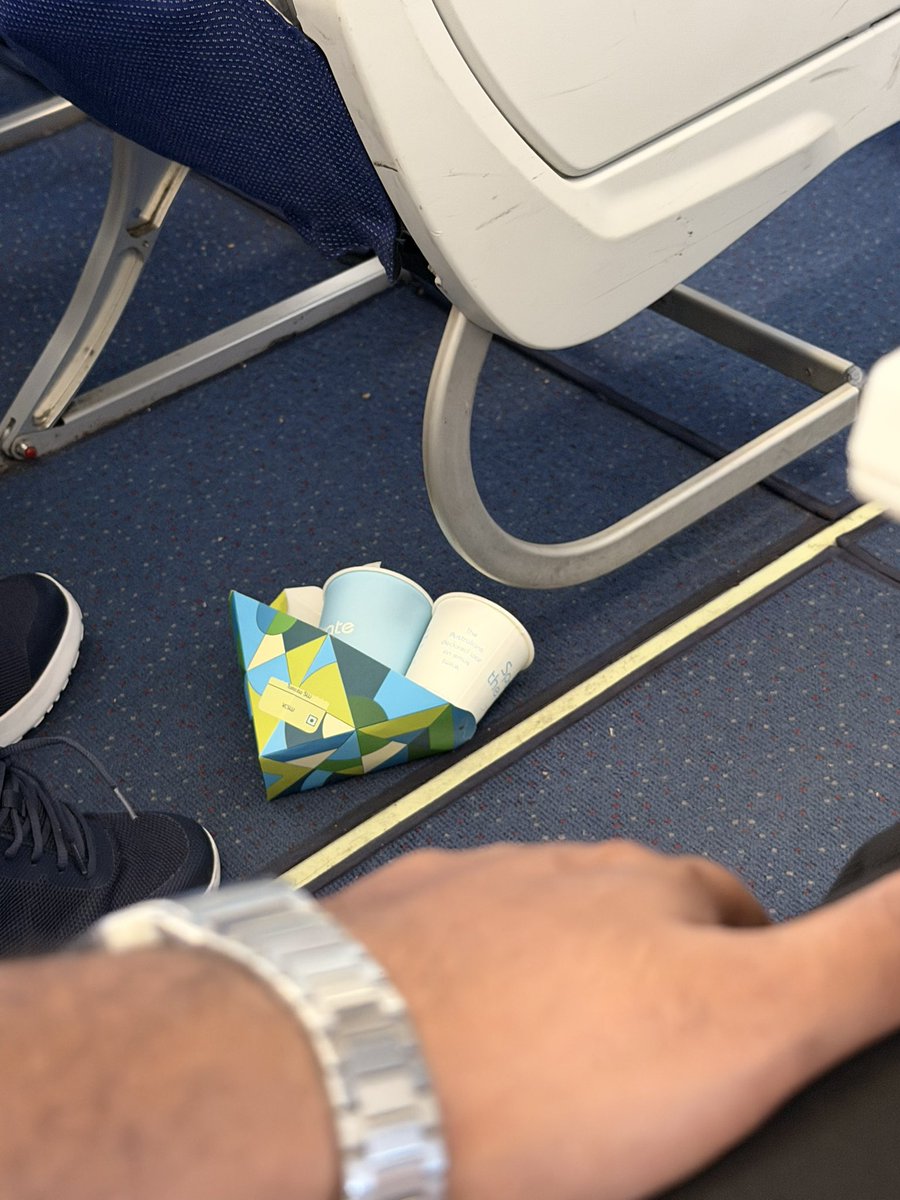
Something small happened on my flight yesterday. IndiGo flight. Sitting next to a guy, well put together, well dressed. The kind of person you’d point to and say “educated, aware.” He finishes his snack. Looks at the trash in his hand. And places it on the floor under the seat in front. Not accidentally. Deliberately. The cabin crew came through for trash collection. Did their job perfectly. Collected from everyone’s hands, every tray table. The stuff on the floor, easy to miss from that angle, stayed. We landed. His cups and food box were still sitting there on the aircraft floor. And I just sat with this feeling I couldn’t quite name. It wasn’t anger. It was something closer to disappointment. Or maybe exhaustion. Because we’ve been having this conversation about civic sense in India for decades now. And nothing moves. Here’s what I’ve come to believe. It’s not an awareness problem. It’s not an education problem. It’s not even an income problem. It’s a “whose problem is it” problem. Most people in India have unconsciously decided that shared spaces, flights, roads, parks, footpaths, are not their responsibility. Someone is paid to clean it. Someone will handle it. Me? I’m just passing through. And that mindset is exactly where the problem begins. Because civic sense isn’t just about what you do. It’s about what you normalize. Every time someone litters and nobody reacts, the bar drops a little lower. Every time someone cleans up after themselves in a space nobody’s watching, the bar rises. We are all, quietly, setting the standard for each other. Choose the standard you want to live in.
Swapnil Srivastav tweet media
English
249
374
1.6K
178.7K
Shantanu Pradhan retweetledi
Inna Vishik
Inna Vishik@InnaVishik·
Academics are not known for their EQ, but there are some scenarios where they put in all their effort to make it seem otherwise. 1) Responses to referee reports, which by decree, must be sufficiently obsequious, lest someone change their opinion for the worse. You cannot LLM your way out of this, the obsequiousness must come from your own heart. 2) Trying to gauge the emotional state of your dean (akin to an abusive relationship). Did we put in enough tit to receive that tat? Are we responding to all whims with sufficient joyful deference?
English
3
2
37
9.4K
Shantanu Pradhan retweetledi
Oded Rechavi
Oded Rechavi@OdedRechavi·
Every PI
English
11
103
810
153.2K
Shantanu Pradhan retweetledi
Fermat's Library
Fermat's Library@fermatslibrary·
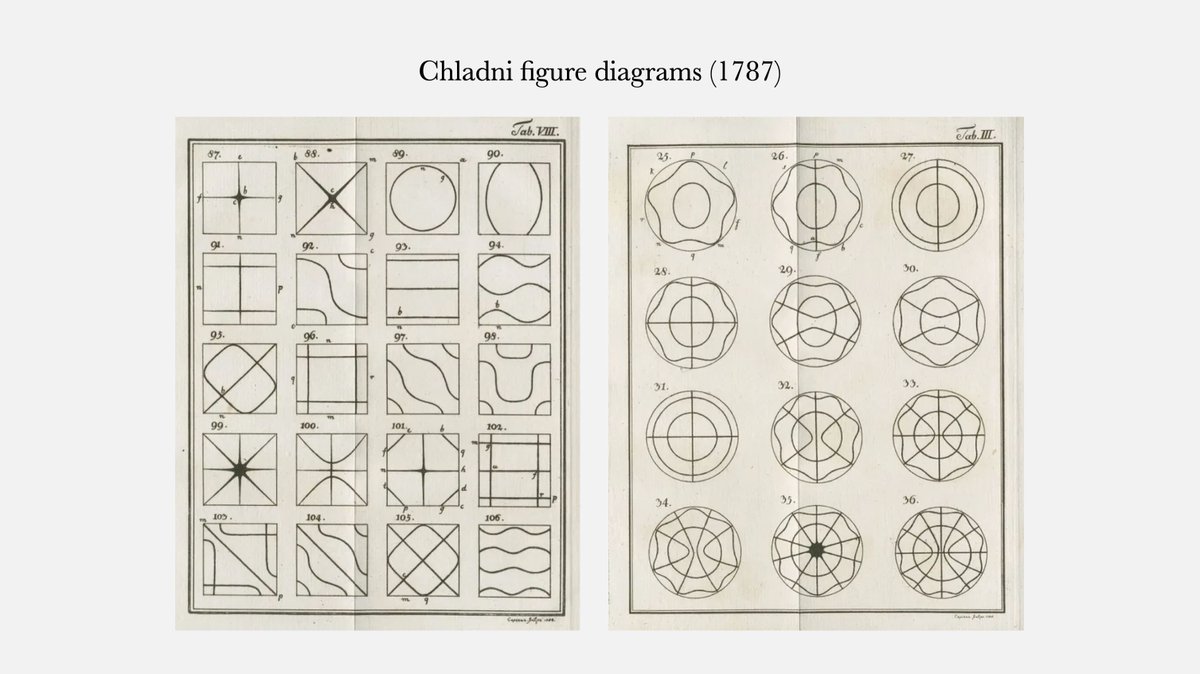
Ernst Chladni was a German physicist and musician, often called "the father of acoustics." In the late 18th century, he developed a technique that made sound visible: he sprinkled sand on metal plates and bowed them with a violin bow. The sand migrated to the nodal lines revealing geometric patterns now known as Chladni figures. In 1808 when Napoleon saw the demonstration and was so impressed he offered a prize for the best mathematical explanation. Sophie Germain, a self-taught French mathematician was the only entrant who got the approach right - though her solution had some flaws. She became the first woman to win a prize from the Paris Academy of Sciences for her work on elasticity theory. The math describing Chladni figures later showed up in quantum mechanics when Schrödinger used similar mathematics to describe electron orbitals.
Fermat's Library tweet media
English
6
104
469
28.1K
Shantanu Pradhan retweetledi
Jasveer Singh
Jasveer Singh@jasveer10·
India isn’t dirty because people can’t clean, or lack civic sense. India is dirty because people genuinely believe it’s not their job. That belief comes from caste. And that belief is not accidental. It comes straight from caste conditioning drilled into people for generations. Caste in India was never just about hierarchy. It was about assigning work. And cleaning got pushed to the bottom. So now even today, people carry that same mindset without even realizing it. I am not the one who cleans. You go to a park, people will eat, throw garbage, walk away. Not because they’re unaware. Their brain literally doesn’t even register that they should pick it up. Why. Because somewhere deep inside, they think cleaning is a ‘lower’ person’s job. Same everywhere - Hill stations, rivers, tourist spots. Trash it and leave. Not laziness. Conditioning. Compare this with somewhere like Singapore - You eat at a place, people clean their own table. They carry tissues, wipe it, and throw garbage properly. Why? Because they don’t think it’s someone else’s job. Even Sri Lanka feels cleaner than India! And then we pretend it’s a Swachh Bharat problem. You can run a hundred Swachh Bharat campaigns. Put dustbins every ten steps. Nothing changes. Because the problem is not infrastructure. It’s identity.
English
459
831
3.3K
269.4K
Shantanu Pradhan retweetledi
Denis Wirtz
Denis Wirtz@deniswirtz·
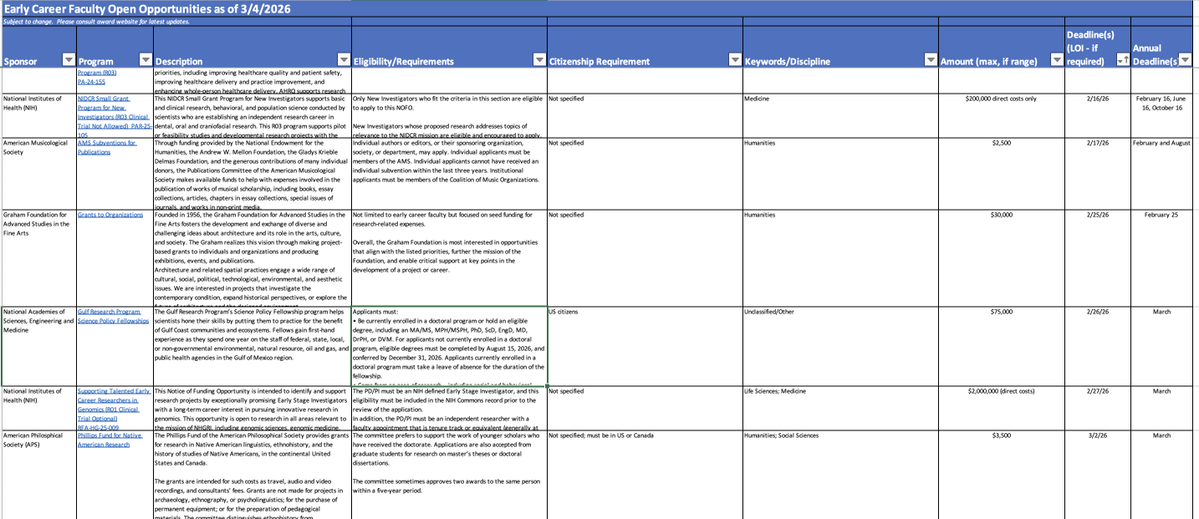
Here is our updated database of grants for early careers researchers in all fields. It goes way beyond traditional NIH and NSF funding opportunities. We list 428 types of grants. Download it here: research.jhu.edu/rdt/funding-op…
Denis Wirtz tweet media
English
15
374
1.2K
147.8K
Shantanu Pradhan retweetledi
Michael Samuel
Michael Samuel@TMEM_Samuel·
I am delighted to be able to share that our latest paper arising from a project co-led by @DrSarahBoyle and me is now out in the world, published in AAAS Science Advances: science.org/doi/10.1126/sc….
English
2
6
15
2.2K
Shantanu Pradhan retweetledi
Prof Lennart Nacke, PhD
Prof Lennart Nacke, PhD@acagamic·
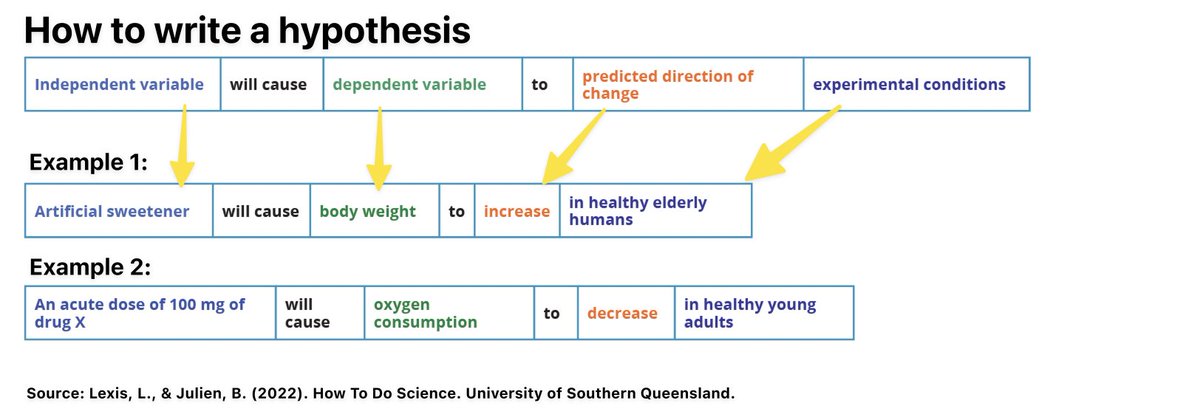
How to write a hypothesis
Prof Lennart Nacke, PhD tweet media
English
4
54
215
9.1K
Shantanu Pradhan retweetledi
Department of Biotechnology IIT Madras
Link (Rolling advt.): facapp.iitm.ac.in Areas: Experimental Cancer Biology, Biomaterials Engineering, Synthetic Biology, Downstream Processing, Bioprocess Modelling, Systems Neuroscience, Super-resolution Imaging
English
0
5
20
3K
Shantanu Pradhan retweetledi
Department of Biotechnology IIT Madras
IIT Madras Department of Biotechnology is actively looking for faculty candidates in the following areas of research. We encourage you to apply and join a vibrant growing community of faculty researchers engaged in active cutting-edge science!
English
5
36
194
24.7K
Shantanu Pradhan retweetledi
Olivier George
Olivier George@brainaddiction·
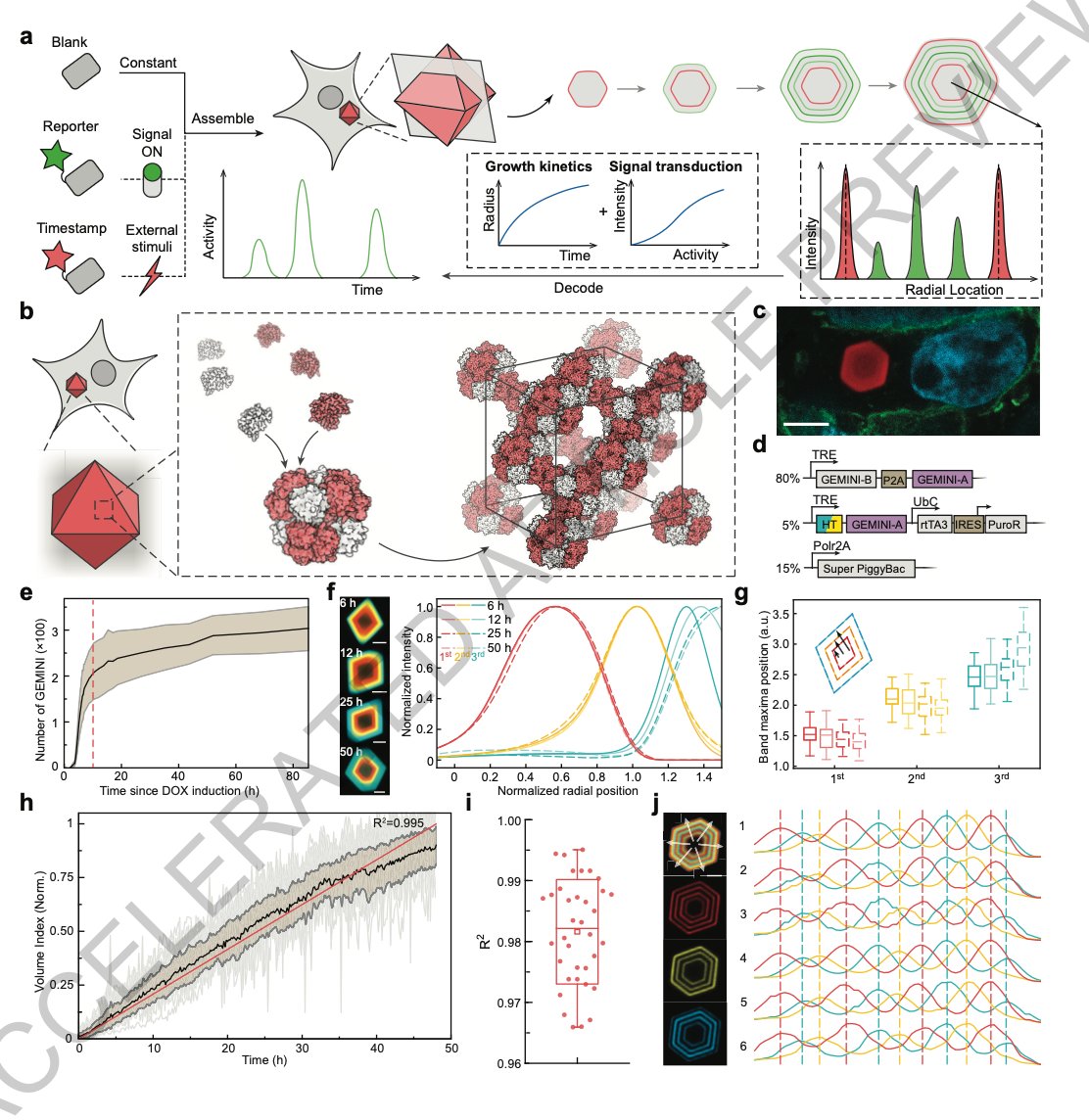
The sky is the limit in bioengineering, just like an airplane's black box, this newly synthetic protein logs a timeline of biological signals within a single cell so that we can reconstruct the cell's history after the fact. this is completely surreal. note that it "minimally impacts neuronal function" as all new technology it will take a while before we discover how bad neuronal function is affected and in which condition, but pretty incredible stuff.
Olivier George tweet media
English
2
11
78
5.3K
Shantanu Pradhan retweetledi
Department of Biotechnology IIT Madras
IIT Madras Dept. of Biotechnology is organizing a 3-day Workshop on Advanced Bioimaging from May 18-20, targeted for PhD scholars, postdocs, and early career researchers. Deadline to submit abstract: March 31. Apply soon! Details: sites.google.com/smail.iitm.ac.…
Department of Biotechnology IIT Madras tweet media
English
1
19
57
3.7K
Shantanu Pradhan retweetledi
IIT Madras
IIT Madras@iitmadras·
1 in 4 Indian breast cancer patients may carry an inherited genetic risk variant — and most of these lie beyond the widely tested BRCA genes. A landmark study by @iitmadras and @karkinoshealth, in collaboration with Kumaran Hospital and Chennai Breast Centre, has revealed critical insights from one of India’s largest germline breast cancer datasets (479 patients). The study published in BMC Cancer and now part of the Bharat Cancer Genome Atlas, shows that 24.6% carried pathogenic variants, but only 8.35% were in BRCA1/2, while 67% of positive findings were in non-BRCA genes such as MLH1, TP53, NF1 and RB1. Researchers also identified India-specific variants, RECQL population differences, and clinically significant DPYD variants linked to chemotherapy toxicity (impacting drugs like 5-FU and capecitabine). The message is clear: India urgently needs multi-gene panel testing, ancestry-specific variant databases, pharmacogenomic screening, and precision oncology guidelines tailored to its population. This study lays the groundwork for exactly that. Find the full study here: doi.org/10.1186/s12885…. [IIT Madras, Karkinos Healthcare, Breast Cancer, datasets, chemotherapy, multi-gene testing, oncology]
English
1
11
25
2.2K