David He

77 posts

David He banner
David He

David He

@realDavidHelium

PhD Candidate | @jeffwranalab | Co-founder of @lrc_bio | Stem Cell Biology and Reprogramming | @UofT @MoGen_Grad @SinaiHealth

Toronto, Ontario Katılım Ağustos 2022
183 Takip Edilen150 Takipçiler
Sabitlenmiş Tweet
David He
David He@realDavidHelium·
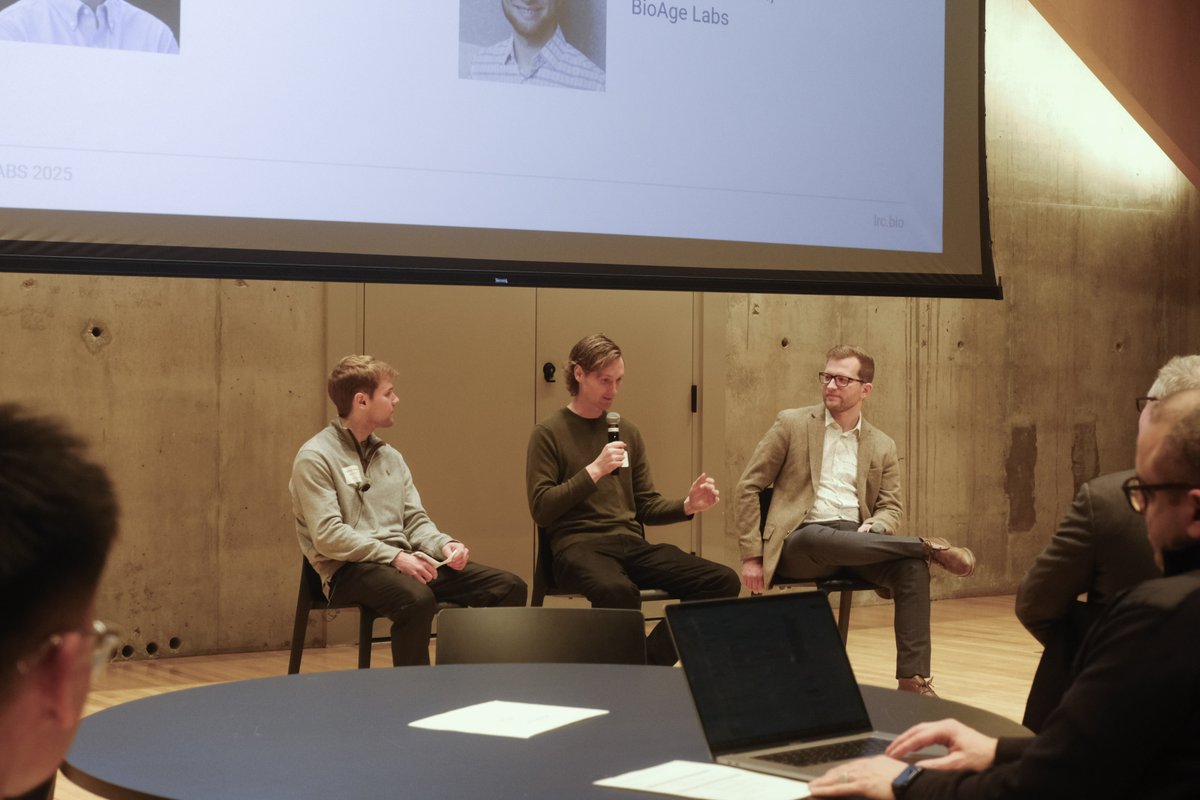
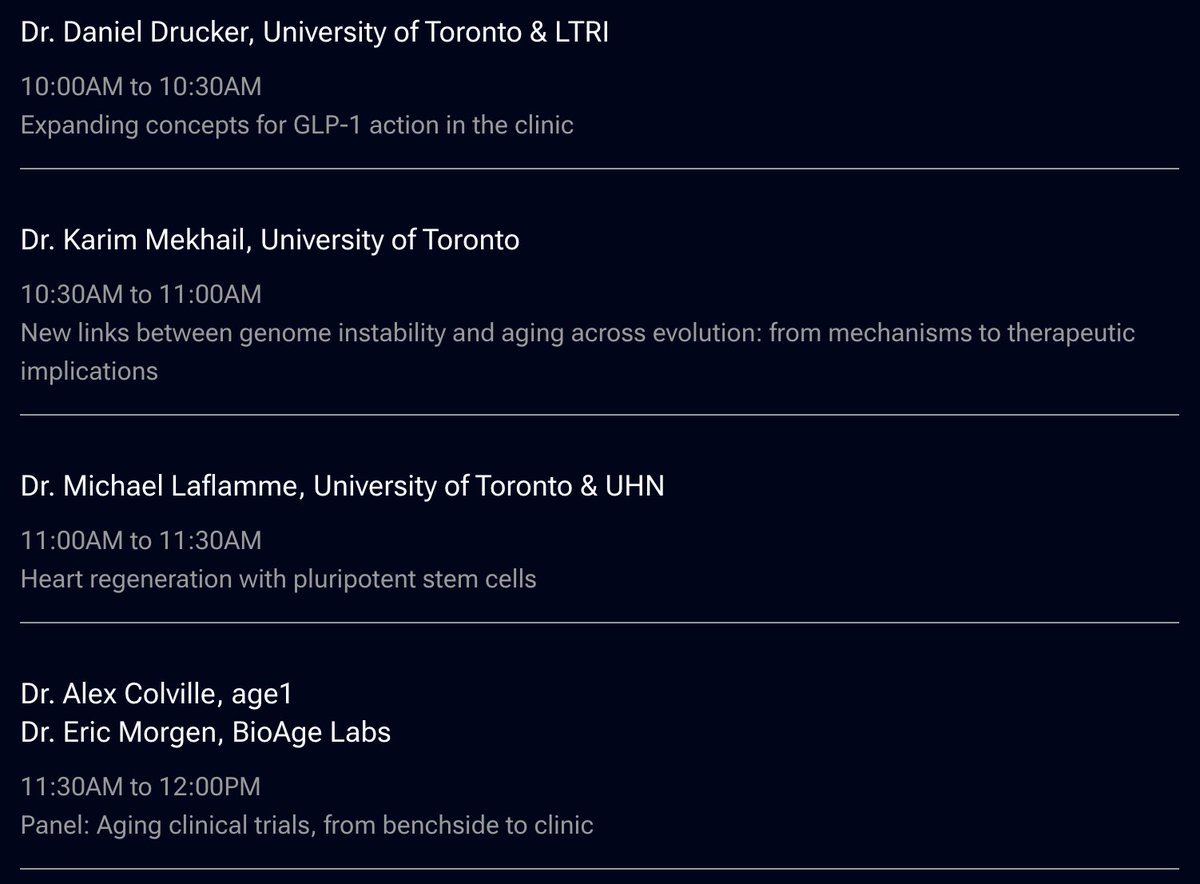
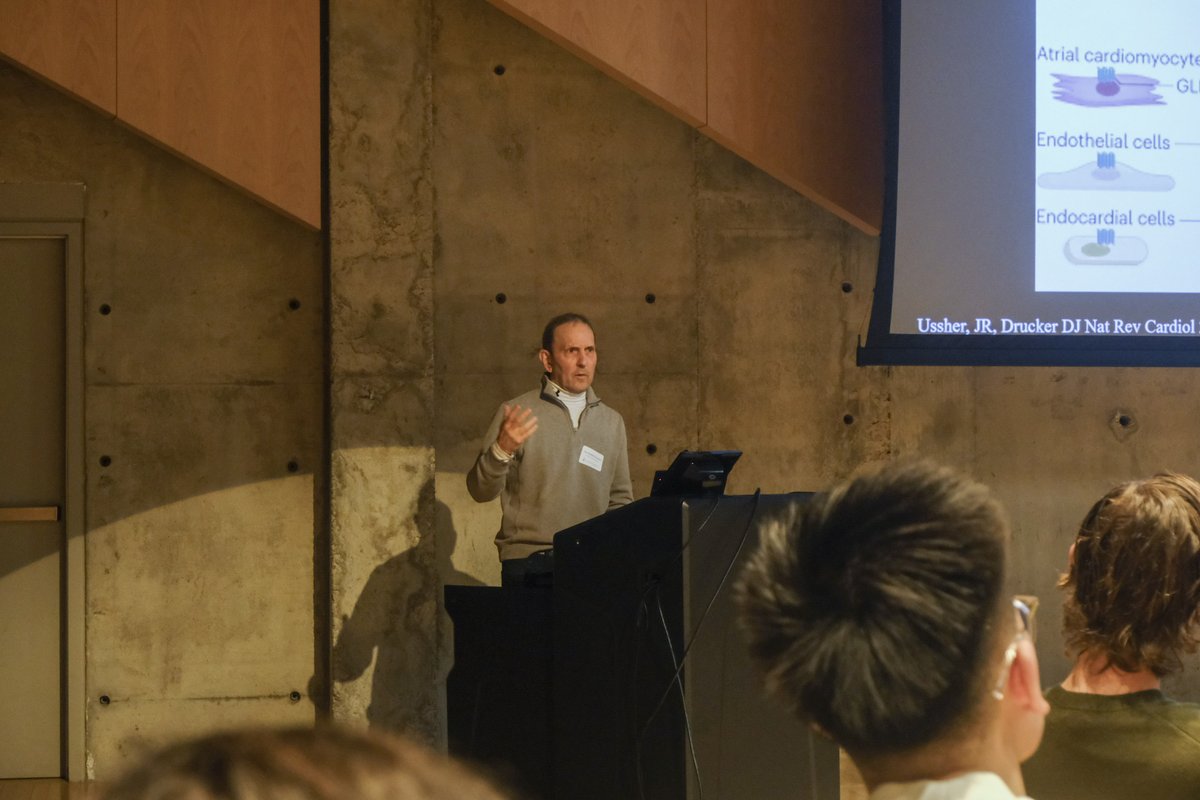
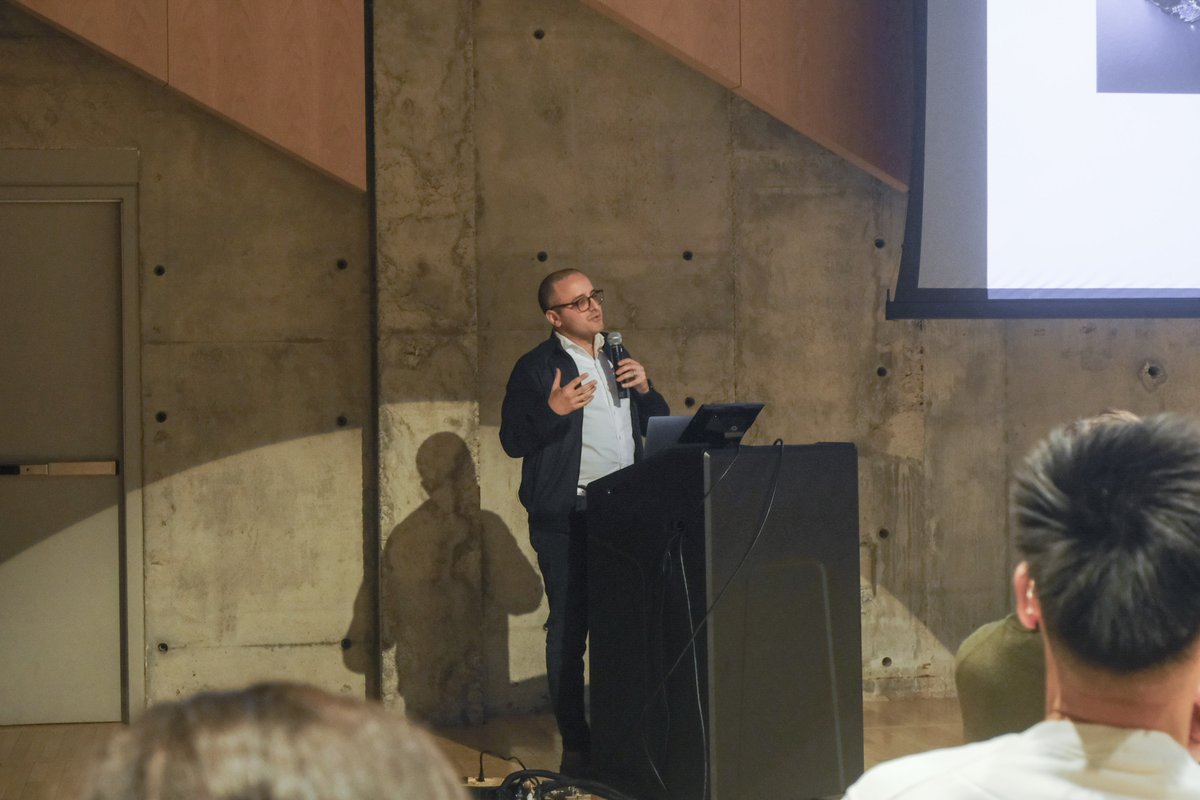
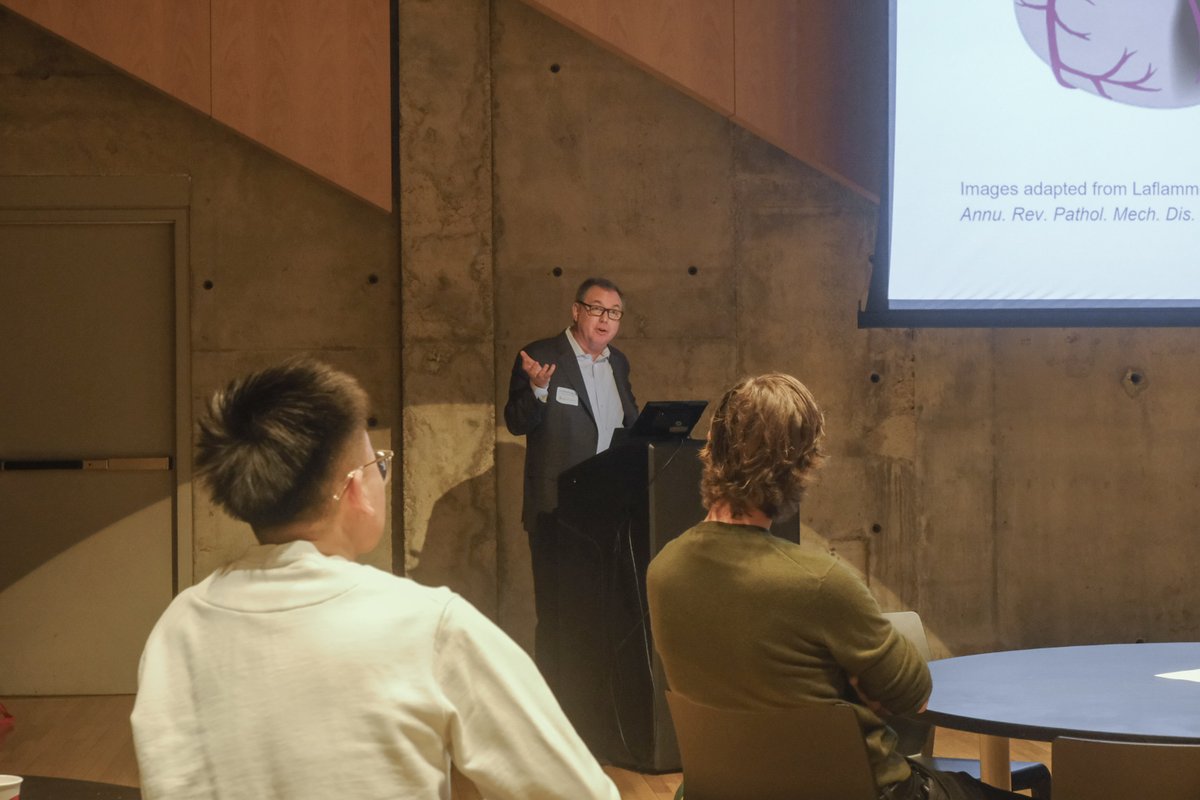
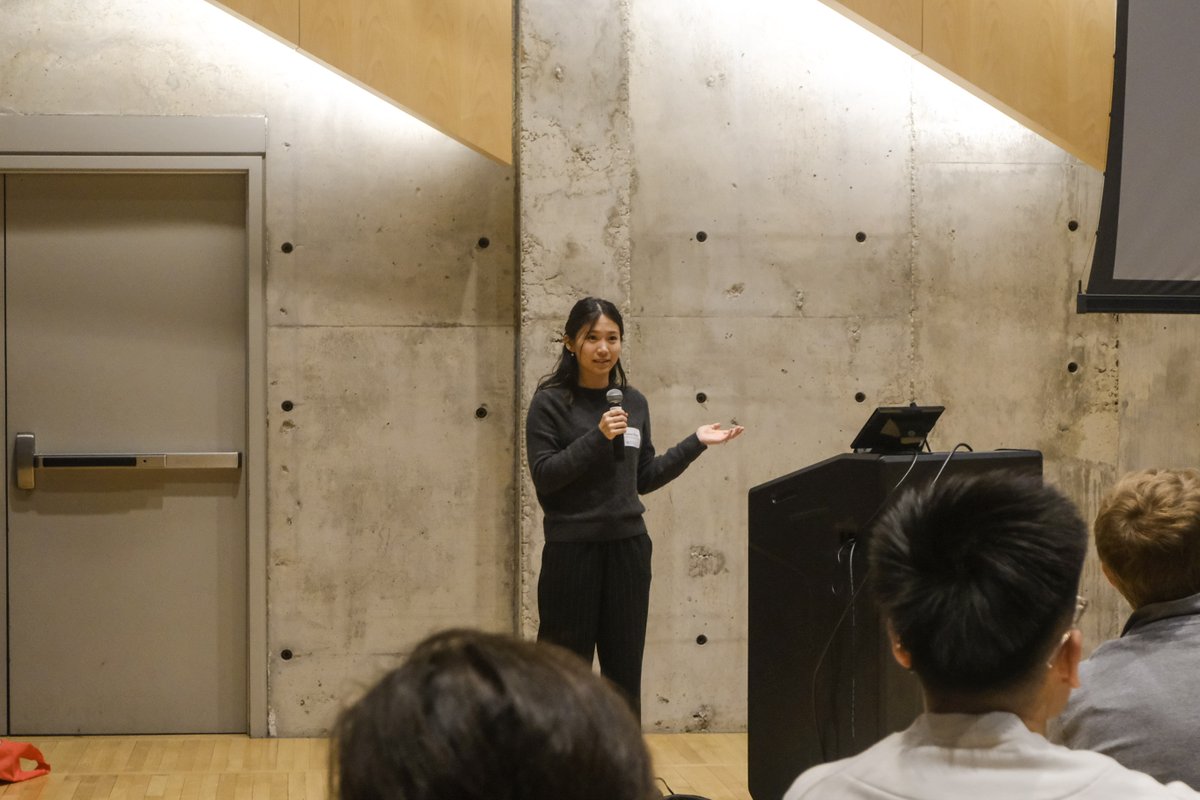
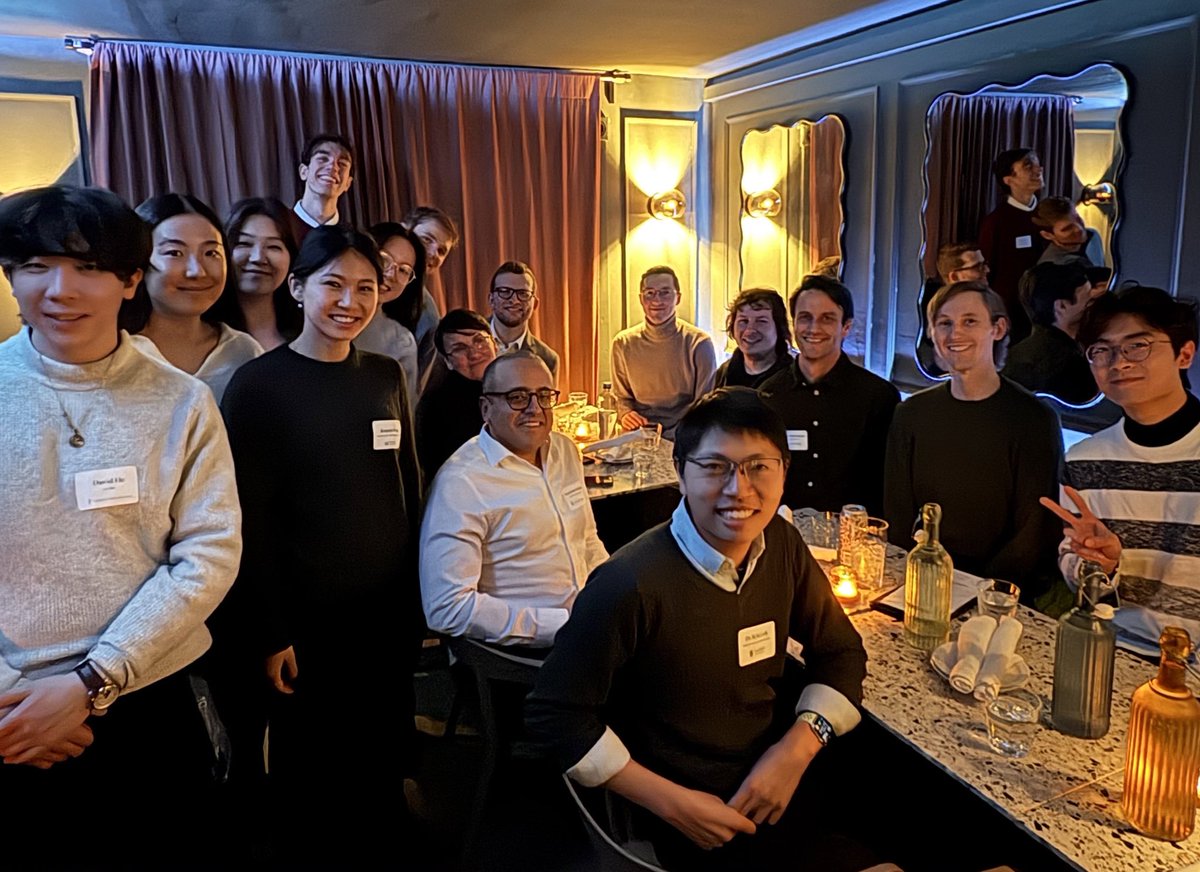
As @lrc_bio co-chairs @maggiezli, @NituAlbert, and I thank our speakers for another successful TABS. Special shoutout to my cofounder Maggie whos direction helped make our vision a reality. We had an amazing team that made it all possible Cameron,@_JennyMin,Yvonne,@victor_ljz
David He tweet media
Longevity Research Circle@lrc_bio

Jan 28, 2025 marked the 2nd edition of our annual Toronto Aging Biology Symposium. We are so grateful to have had 2 successful runs with nearly 300 registrations (undergrad, grad, alum, industry) this year. Furthermore we are ever thankful to our extraordinary lineup of speakers

English
0
1
15
1.1K
David He retweetledi
Tiger Jian
Tiger Jian@tigerhzjian·
(1/6): How can we better test therapeutics without using animals or risking lives? Lab-grown human mini-organs, called “organoids”, provide an answer! Despite their progress, organoids and related methods lack realistic flow through blood vessels, the “plumbing” of our bodies.
English
5
50
263
27.2K
David He retweetledi
SciTech Era
SciTech Era@SciTechera·
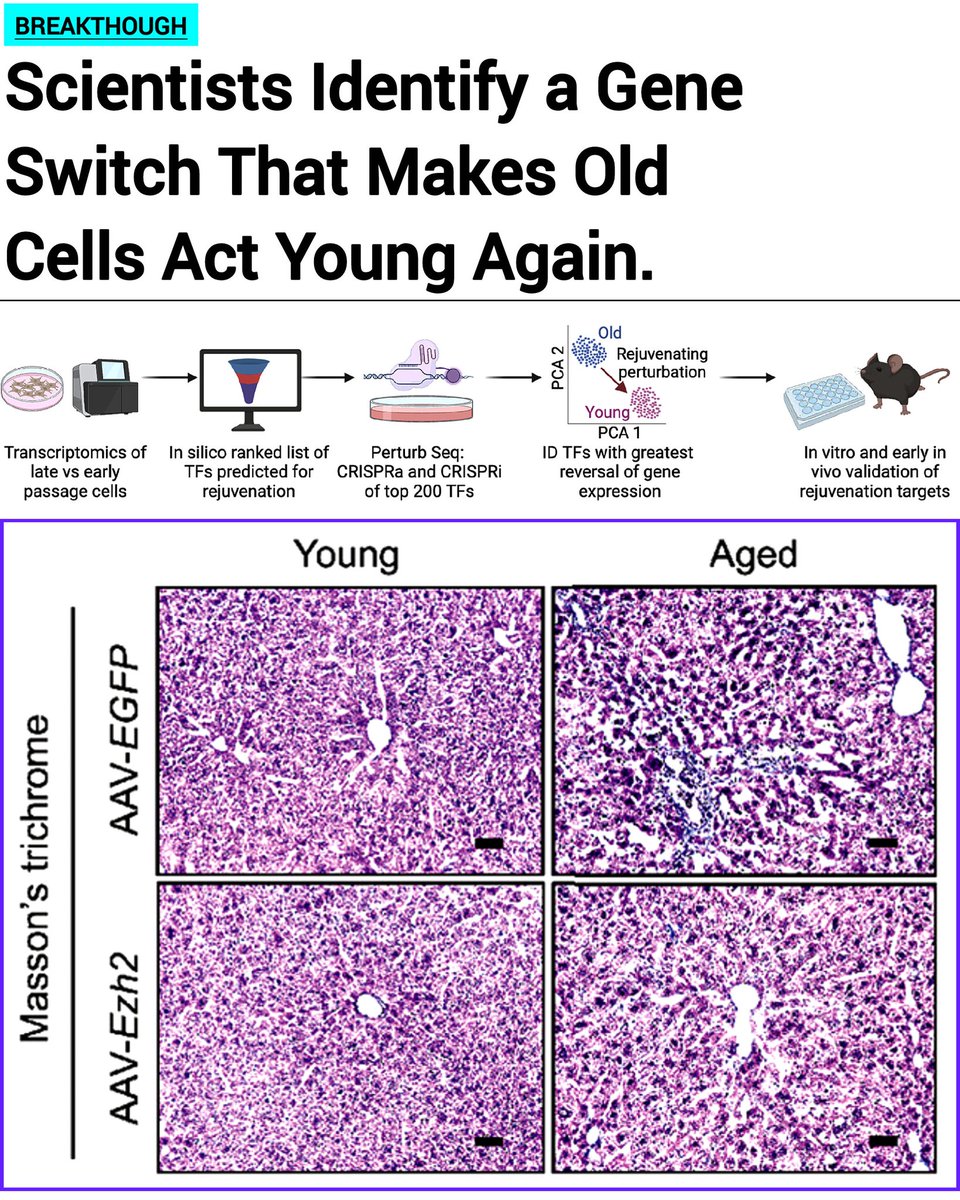
Interesting CELLULAR AGING BREAKTHROUGH Scientists may have found a molecular blueprint to revive old cells. A new UCSF study identified four key transcription factors, E2F3, EZH2, STAT3, and ZFX, that can push aged cells back into a youthful state. By reactivating this gene control network, old human cells regained higher energy levels, increased cell division, and younger gene expression patterns. In aged mice, activating one of these factors reduced liver fat and scarring and improved glucose metabolism, making old tissue function more like young tissue. This discovery suggests aging isn’t just damage, it’s a loss of coordinated gene regulation that may be partially reversible. Instead of replacing cells or turning them into stem cells, this approach hints at resetting cells from within, opening a new path toward therapies focused on extending healthspan, not just lifespan.
SciTech Era tweet media
English
58
409
1.8K
407.4K
David He retweetledi
César de la Fuente
César de la Fuente@delafuentelab·
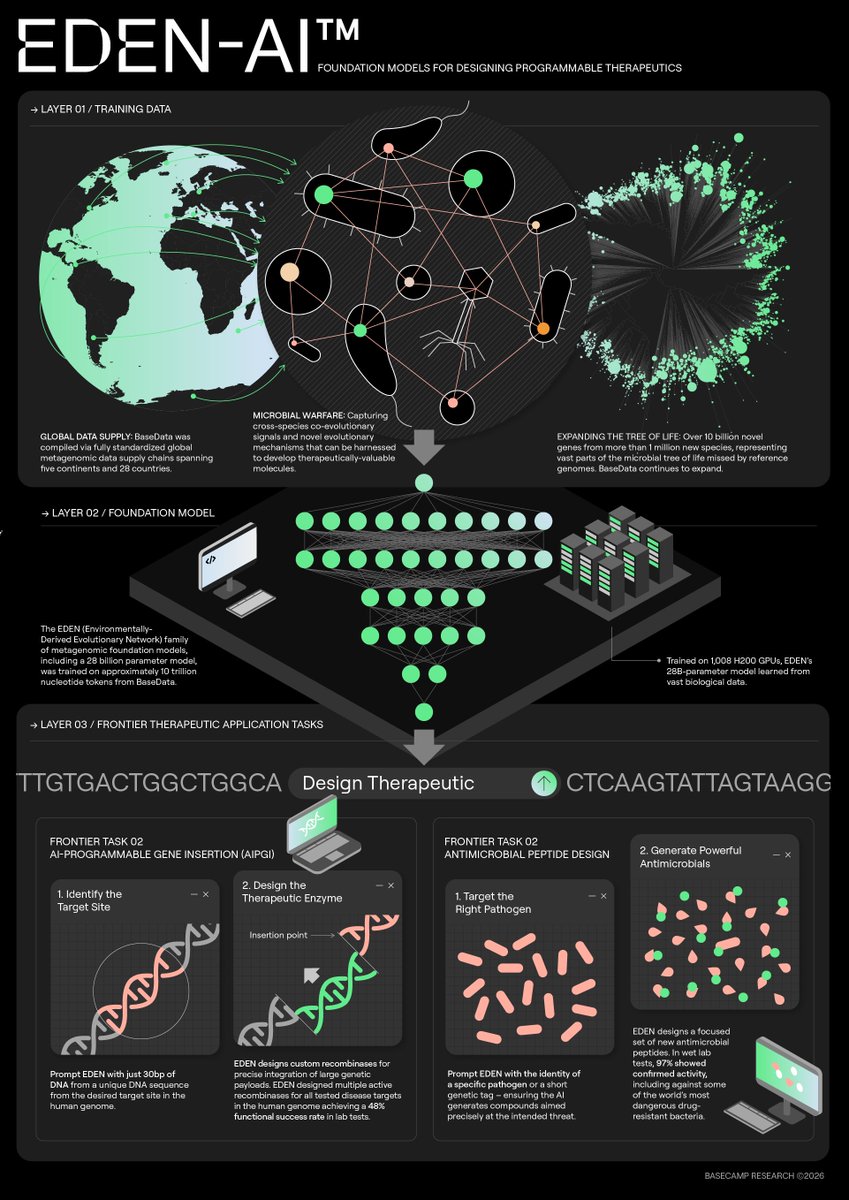
In an incredible collaboration with @Basecamp_Res and @nvidia, today we announce EDEN: an evolution-scale DNA foundation model built on a simple idea—if we dramatically expand the biology we learn from, AI can stop overfitting to a handful of model organisms and start learning principles that truly generalize. Our lab at @Penn helped validate EDEN, which is trained to learn the underlying grammar of biology from vast parts of life we’ve barely sampled. EDEN’s largest model (28B params) was trained on 9.7T nucleotide tokens from BaseData, a dataset enriched for environmental and host-associated metagenomes, phage, and mobile genetic elements — including 10B+ novel genes from 1M+ newly discovered species. One example: using EDEN, we designed new antibiotic peptides with 97% experimental success (32/33 active) — including potent candidates against critical-priority pathogens. More broadly, I’m excited by what this represents: scaling biodiversity changes what models can learn, and it moves us closer to foundation models that don’t just read biology — they help us design within it. Huge thanks to this incredible team: @GeraldeneM49733, Gavin Ayres, @carlagrec, Keith Kam, Gus Minto-Cowcher, John St John, Tanggis Bohnuud, @bakalar_h, @wchowb, Robert Pecoraro, @mdt_torres, Aaron Kollasch, @leungmarcus, @qsirelkhatim, @francescofarin, Connor McGinnis, Srijani Sridhar, Daniel Anderson, @FrancescoOTERI3, Ali Takhabakshi, Jeremie Dona, @TylerShimko, Cedric Stenbeeke, Alexandros Papadopoulos, Malcolm Krolick @JohnsHopkins, @fspoen @OPIGlets @UniofOxford, Purba Gupta, Sandeep Kumar, Anne Bara, Jared Wilbur, @ferruz_noelia @CRGenomica, Timur Rvachov, Fangping Wang, @Hanqun_CAO, Hyun-Su Lee, Japan Mehta, Raphael Chaleil, Valerio Pereno, @potti_siddharth @Stanford, Chris Emerson, Roy Tal Dew, @KevinKaichuang @MSFTResearch @MSRNE, @exnx, @TadimetiNeha, @BanfieldJill @UCBerkeley, Alicia Frame @Azure, @bolton_emma_, @druau, Rory Kelleher, @anthonycosta, @kpowgerade, @glen_gowers, Oliver Vince, Jonathan Finn, & Philipp Lorenz! Link to paper: basecamp-research.com/wp-content/upl…
César de la Fuente tweet media
English
15
93
403
26.5K
David He retweetledi
Jacob Kimmel
Jacob Kimmel@jacobkimmel·
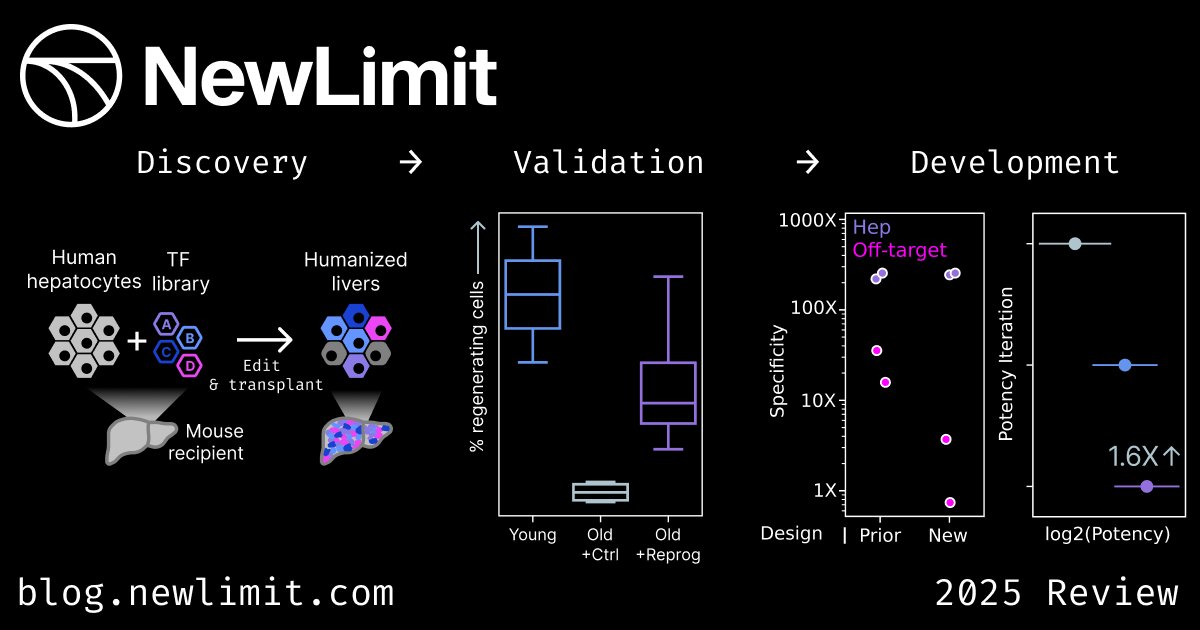
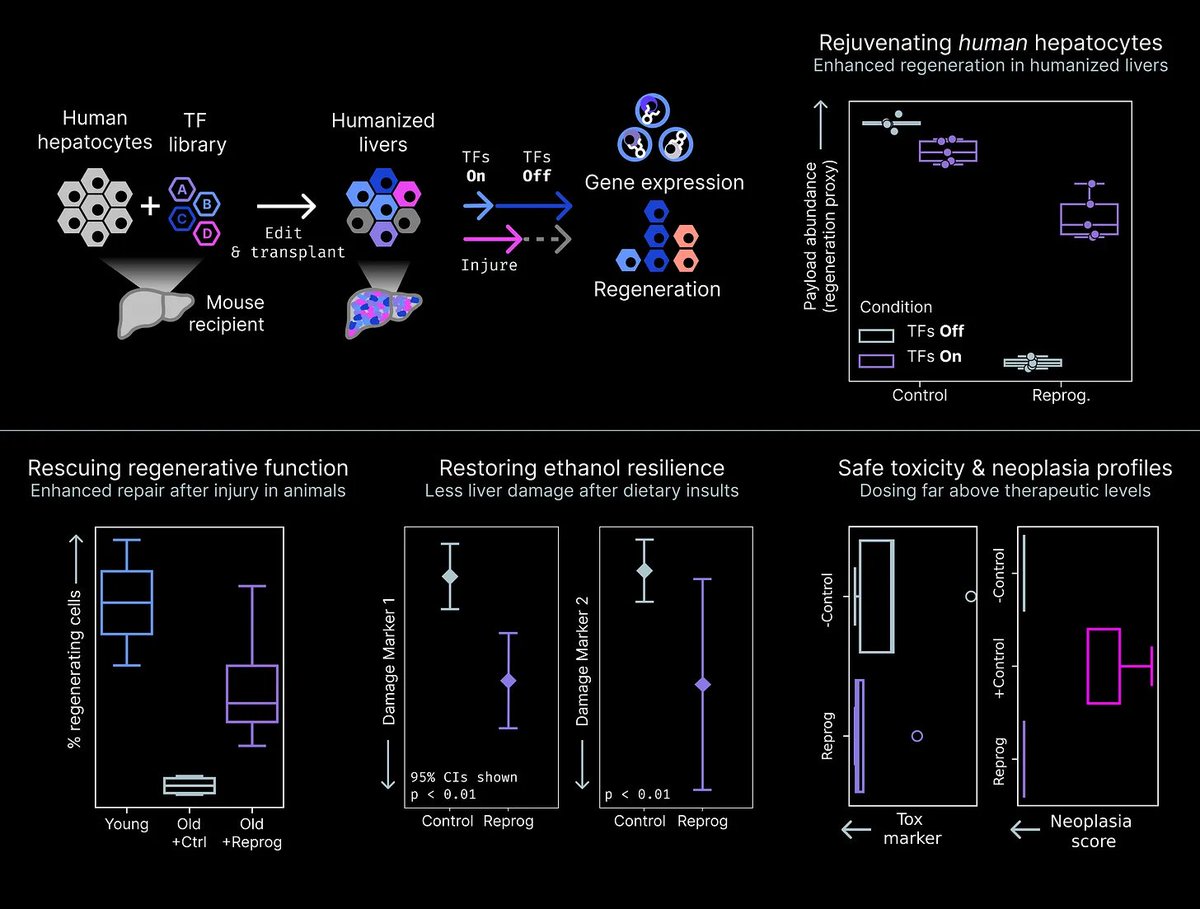
2025 @newlimit: - 0 -> 1 candidate medicine that restores multiple youthful functions in old livers - 2X discoveries/$ with our frontier AI system - >1000X more TF payloads tested vs. the field we built our 1st medicine & began development 2026: we move toward the clinic # discovery cadence @newlimit is built around a set of core technologies we call our Engine. our Engine discovers transcriptions factor (TF) payloads that make old cells look and act young. the Engine prioritizes payloads using: AI systems -> large-scale genomics screens -> functional assays -> animal models of aging & disease in 2025, we increased the scale & fidelity of the Engine many fold. key outputs: - >1000X more TF payloads tested than the field, combined - 16 payloads restore function in animal models - 36 payloads restore function in cells - 600+ make old cells look young based on gene expression - $/function hit down 17X, headcount only up 1.4X # entering early development therapeutic discovery transitions into development once an optimized prototype medicine known as a preclinical candidate is chosen for in-depth evaluation. we imagined at the founding of NewLimit that it would take 5+ years to create one. the science advanced faster than we thought, so we delivered ahead of schedule after just 3 years of operations. our first candidate is based on a payload with pleiotropic activity, making old hepatocytes both look young and act young across multiple dimensions. we discovered the candidate in a humanized liver screen, where it made old human hepatocytes look younger & regenerate like young cells too. one function in one assay isn't enough to say we truly reversed cell age, so we checked others. we found our candidate also restored regenerative function in mice after surgical injury and resilience to alcohol diet. the candidate was also safe -- the liver tolerated it well, and there were no signs of neoplasia (think, cancer). we ran our first lead optimization campaign and generated a candidate with 8X more specific expression and 1.6X the potency of our initial prototype. this became our preclinical candidate and we're moving it toward the clinic now. # AI systems accelerate therapeutic discovery there are >10^16 TF payloads we might test. no matter how many experiments we run, we'll never search the space completely. to discover an optimal reprogramming medicine, we need to effectively prioritize which hypotheses we test before ever entering the lab. only a few years ago, this problem was intractable. humans can't reason through a hypothesis space of this scale. AI systems by contrast can incorporate a plurality of prior knowledge to design experiments that maximize our rate of discovery. this year, we introduced Ambrosia, the 1st AI system that can accelerate the design of reprogramming payloads. Ambrosia builds atop knowledge captured in foundational models of molecular biology and natural language, initializing our system with a strong prior derived from both human languages and nature’s languages. our system first learns to predict the effect of arbitrary reprogramming payloads on both the state and function of old cells. given this discriminative model, Ambrosia can design reprogramming payloads that induce a target cell state or phenotype. the design process can even learn continually from sequential experiments. using Ambrosia to design our experiments, we can improve our discoveries/$ by >2X. we believe this is among the first AI systems that has been integrated effectively into a large scale target discovery process. the complexity of human pathology far exceeds the sophistication of most therapeutics. our medicines have been constrained by our intelligence. reprogramming medicines are only now entering the realm of the possible due to the advent of AI systems that remove this intelligence constraint. if successful, the design of reprogramming medicines that extend human health will represent one of the more dramatic impacts of AI on our world. # diversifying lineages @newlimit's ultimate ambition is to create reprogramming medicines to restore function across most cell types in the body. this year, our progress in hepatocytes & T cells convinced us it was time to add a 3rd type to the portfolio. in August, we launched a Vascular program focused on restoring function in endothelial cells, the cell type that lines blood vessels. endothelial cells are everywhere in the body, and their aging contributes to disease in the kidneys, heart, and even the brain. in just four months, our team - transferred our Engine tech with 0 modifications & executed discovery screens - built 2 functional assays for endothelial cell age - developed a lipid nanoparticle delivery method that delivers TFs to >60% of kidney endothelial cells we never expected this program to move so quickly. by next year, we imagine we'll be able to reprogram old endothelium back to a youthful state. # 2026 @newlimit's first 2 years were focused on a set of fundamental research and technology problems. We built a system to search for reprogramming medicines, discovered the first payloads that can reprogram cell age, and demonstrated that restoring youthful function in old cells was possible. in 2025, we created the first medicine we hope to bring to human trials and showed that it can rescue multiple youthful functions in old cells. 2026 will be the year that we transition from purely a research enterprise to an integrated research & development organization. effective execution in this next stage will allow us to bring reprogramming technology into human patients. if these medicines are successful, we believe they are among the most valuable products possible.
Jacob Kimmel tweet mediaJacob Kimmel tweet mediaJacob Kimmel tweet mediaJacob Kimmel tweet media
English
31
39
396
200.8K
David He
David He@realDavidHelium·
Very cool talk by Dr. Jennifer Doudna @Doudna_lab at @uoftmedicine, highlighting major progress in clinical applications of CRISPR, including taking sickle cell, delivery to whole liver to treat CPS mutation, and CAR-T cells.
David He tweet media
English
0
0
2
115
David He
David He@realDavidHelium·
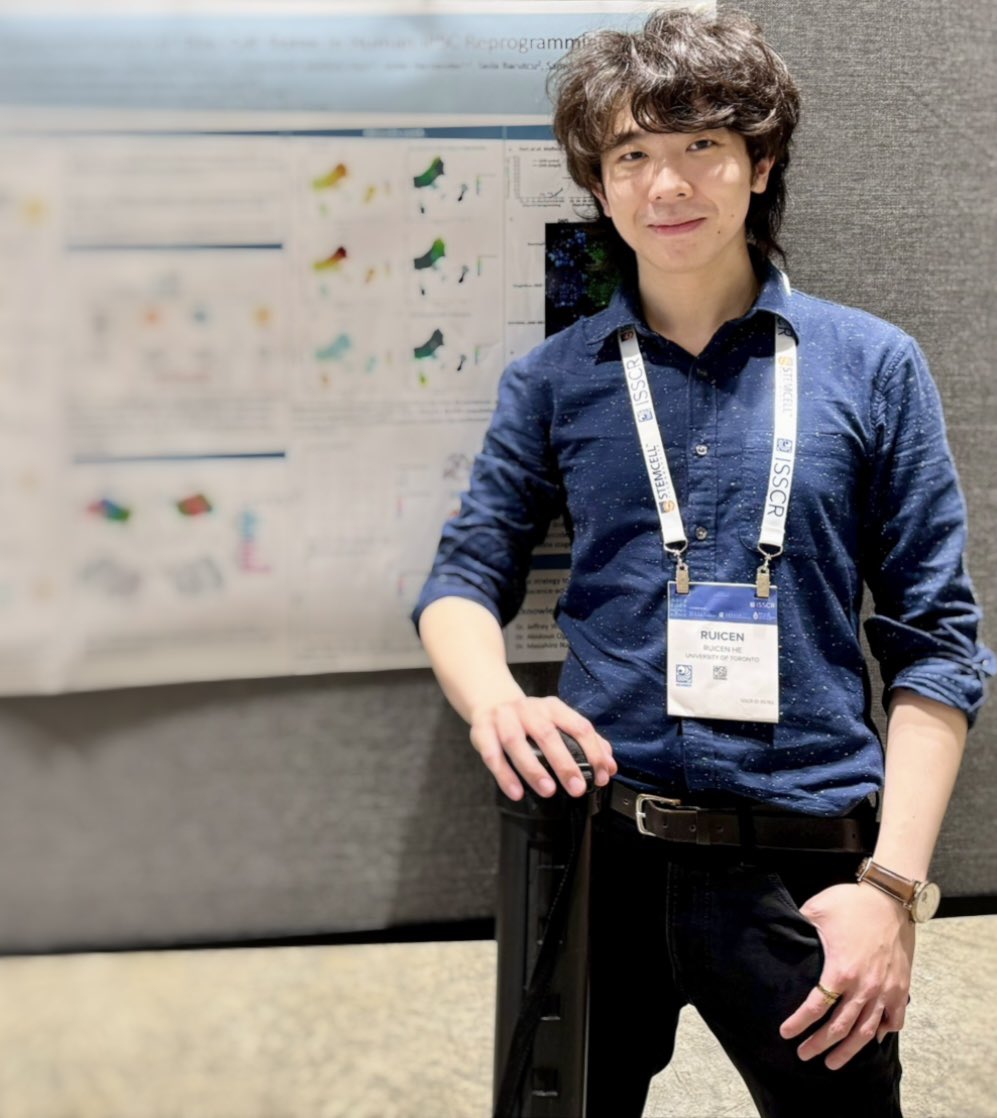
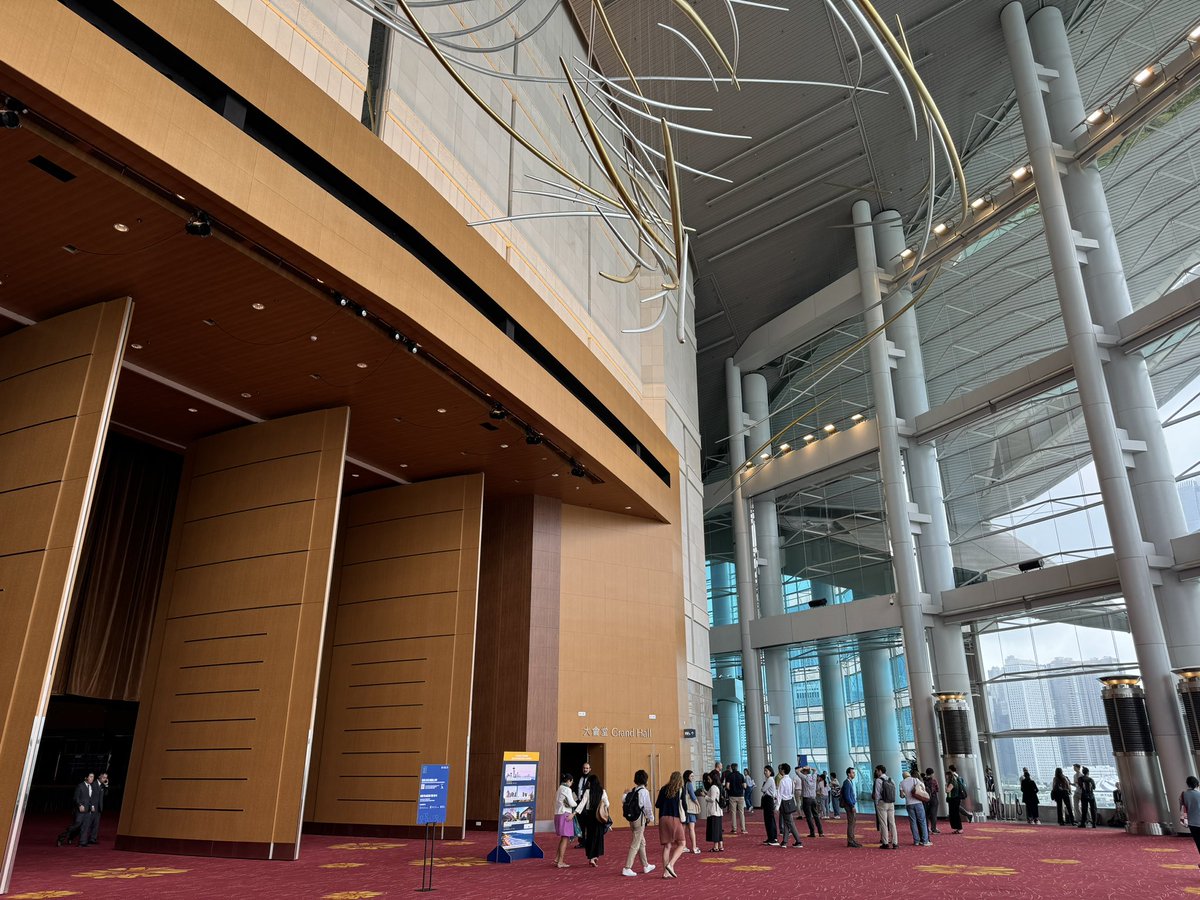
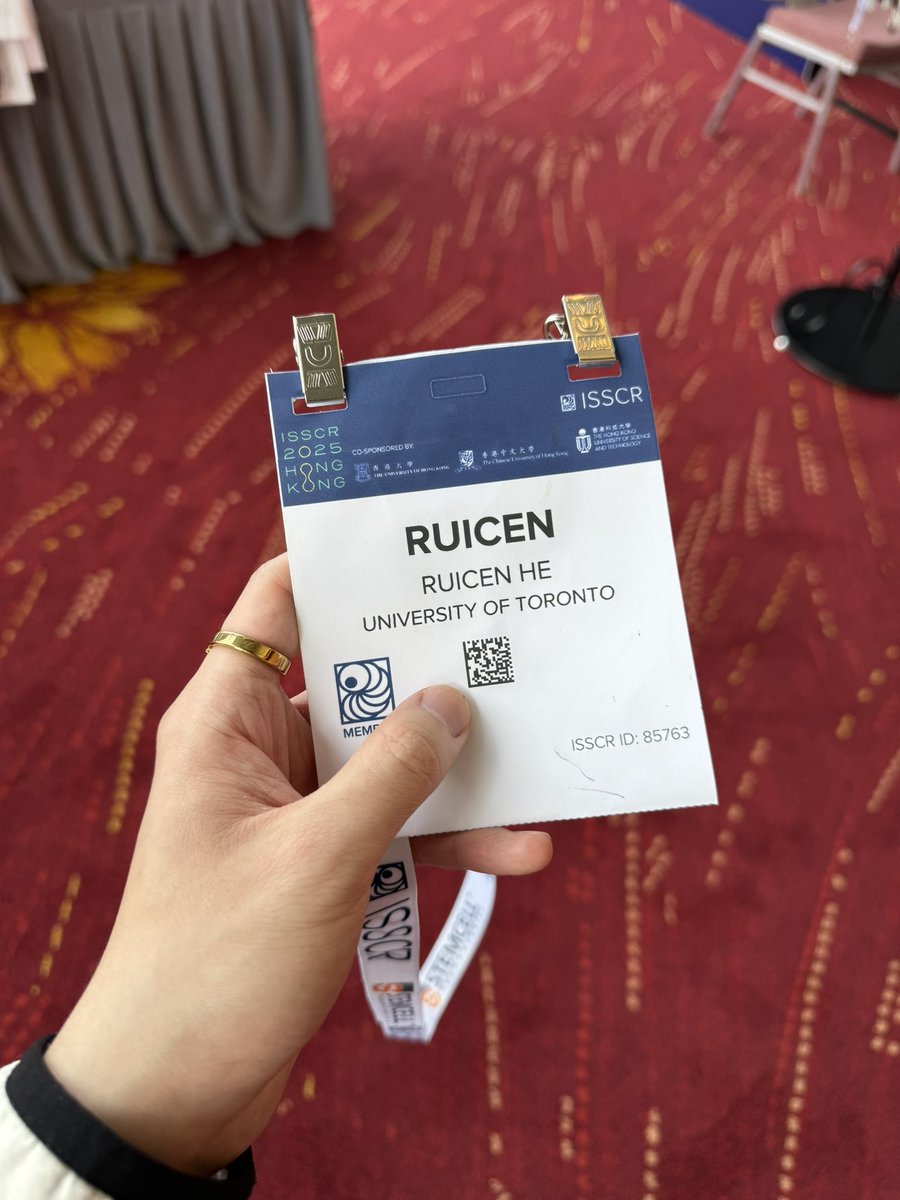
Grateful to have attended #ISSCR2025 ✔️ Hong Kong is one of the best places you can host a conference 🇭🇰 @ISSCR
David He tweet mediaDavid He tweet mediaDavid He tweet media
English
1
2
12
1.1K
David He retweetledi
Austin Argentieri
Austin Argentieri@austinargen·
Five years of work, one big question: Which has a greater impact on aging—our environment or our genes? I'm excited to share our paper published today in Nature Medicine, demonstrating the major role of the #exposome in shaping mortality and #aging. nature.com/articles/s4159…
English
8
111
389
31.8K
David He retweetledi
Longevity Research Circle
Longevity Research Circle@lrc_bio·
@JoanneZPeng @DanielJDrucker @SinaiHealth @KarimMekhail @uoftmedicine @AlexJColville @age1vc @eric_k_morgen @bioagelabs @StanfordMed @OZhulyn @sickkids @ruetz_tyson @proteinqure @TomasBabej This year we had a special panel that highlighted the use of AI/machine learning in the aging industry, and we had the privilege of inviting experts @TomasBabej (@proteinqure) and Dr Michal Koziarski (@VectorInst). Panel was hosted by LRC's @NituAlbert
Longevity Research Circle tweet mediaLongevity Research Circle tweet media
English
1
1
2
320
David He retweetledi
Longevity Research Circle
Longevity Research Circle@lrc_bio·
This year's introductory talk featured @JoanneZPeng from the Amaranth Foundation, who presented a summary of the many bottlenecks and challenges facing the aging field - including developing better pipelines for clinical trials and characterizing the aging brain.
Longevity Research Circle tweet mediaLongevity Research Circle tweet media
English
1
1
3
126