
Rob
293 posts



I'm going to delete this post in 48 hrs...
Because I just dropped the complete system to scale from ZERO to $1,000,000 with Facebook ads.
This is the exact 3-pillar framework we use to take ecom brands from broke to million-dollar months - the same system that helped my Inner Circle student Luca hit $1.1M in 6 months.
We charge $10,000/mo to do this for clients…
But today, I'm giving it away 100% FREE.
Like + Comment "MILLION" and I'll send it to you.
English
Rob retweetledi
The biggest opportunity for would-be startup founders is AI. But the most underpriced opportunity is probably non-AI ideas. So if you have a good non-AI idea, go for it, because everyone else is going to overlook it.
English
Rob retweetledi
Rob retweetledi
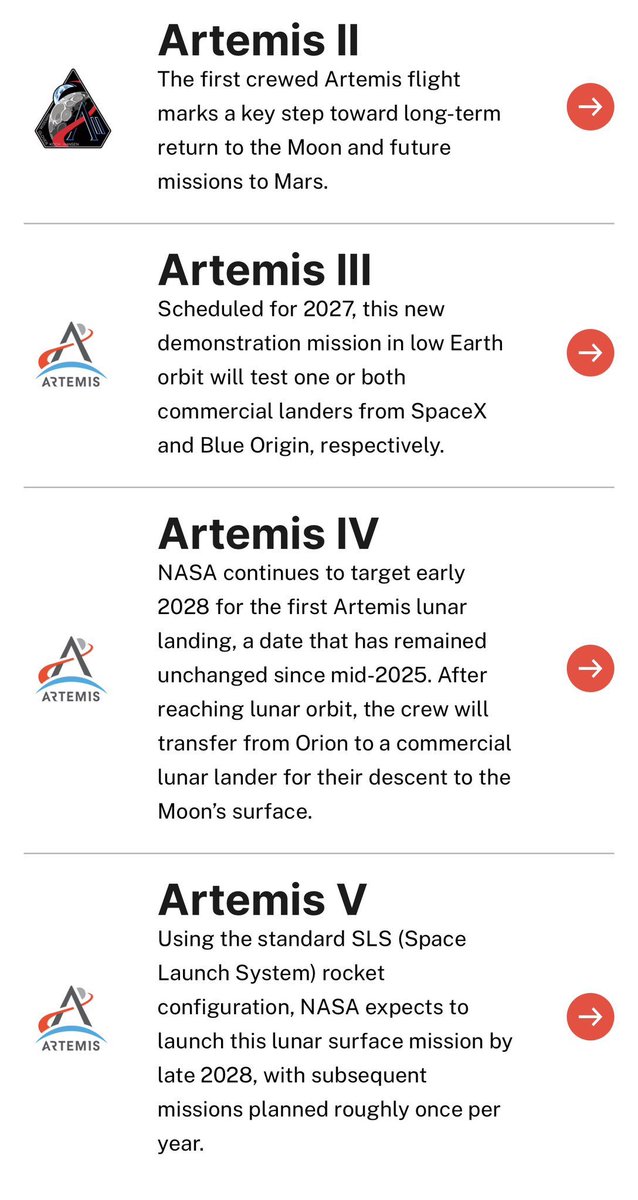
🚨 NASA is targeting Artemis III for 2027, with a Moon landing by 2028
Back-to-back missions will follow to build a permanent lunar base

English
Rob retweetledi

There's a physicist at Stanford named Safi Bahcall who modeled this exact principle and the math is wild.
He calls it "phase transitions in human networks." When you're stationary, your probability of a lucky event is limited to your existing surface area: the people you already know, the places you already go, the ideas you've already been exposed to. Your opportunity window is fixed.
When you move, your collision rate with new nodes in a network increases nonlinearly. Double your movement (new conversations, new cities, new projects) and your probability of a serendipitous encounter doesn't double. It roughly quadruples. Because each new node connects you to their entire network, not just to them.
Richard Wiseman ran a 10-year study at the University of Hertfordshire tracking self-described "lucky" and "unlucky" people. The single biggest differentiator wasn't IQ, education, or family money. Lucky people scored significantly higher on one trait: openness to experience. They talked to strangers more, varied their routines more, and said yes to invitations at nearly twice the rate.
The "unlucky" group followed the same routes, ate at the same restaurants, and talked to the same 5 people. Their networks were closed loops. No new inputs, no new collisions.
Luck isn't random. Luck is surface area. And surface area is a function of movement.
The lobster emoji is doing more work than most people realize. Lobsters grow by shedding their shell when it gets too tight. The growth requires a period of total vulnerability. No protection, no armor, soft body exposed to the ocean.
That's the cost of movement nobody posts about. You have to be uncomfortable first. The new shell only hardens after you've already moved.
ຸ@d9vidson
a moving man will meet his luck 🥀
English
Rob retweetledi

Places to get backlinks for startup:
1. Medium
2. TrustMRR
3. Crunchbase
4. Blogger
5. Weebly
6. Strikingly
7. About
8. GitHub
9. Imgur
10. Pinterest
11. Yelp
12. Tumblr
13. Flickr
14. Slideshare
15. Pixabay
16. Manta
17. Pexels
18. Substack
19. Patreon
20. Reddit
21. Site123
22. Foursquare
23. TinyLaunch
24. Goodreads
25. Scribd
26. Authorstream
27. Craigslist
28. Devpost
29. Gab
30. Tiny Startups
31. Hackernoon
32. Quora
English
Rob retweetledi

This is a more likely path to artificial consciousness than LLMs, in my view.
Michael Andregg@michaelandregg
We've uploaded a fruit fly. We took the @FlyWireNews connectome of the fruit fly brain, applied a simple neuron model (@Philip_Shiu Nature 2024) and used it to control a MuJoCo physics-simulated body, closing the loop from neural activation to action. A few things I want to say about what this means and where we're going at @eonsys. 🧵
English
Rob retweetledi

Marc Randolph on how it took Netflix a year and a half to find product/market fit
When Marc Randolph and Reed Hastings founded Netflix the model didn’t work at all. As Marc tells it:
“You ordered a disk. We mailed it to you with a due date. If you missed the due date, we had late fees. And the reality is the idea was ridiculous. It didn’t work. Nobody would rent from us, and if you did rent from us once, you didn’t rent from us again.”
The two co-founders quickly realized they had to try something different.
“This began a year and a half long process of trying to figure out some way to get people to rent DVDs by mail from us,” Marc explains. “We tried almost everything you could think of.”
Most of these they tried were bad, but that didn’t matter. It was about the process:
“It’s not about having a good idea. It’s about building this process and culture of trying lots of bad ideas. And we got really good at trying lots of bad ideas. One after after another — hundreds of them — each one informing us about what to try next.”
And finally, they found the idea that worked.
Marc and Reed were in the Netflix warehouse looking at several hundred thousand DVDs when they said to each other:
“It’s such a shame that all of these DVDs are here in the warehouse where they’re not doing anyone any good. I wonder if there’s a way to store them at our customer’s houses. Let them keep them, and then when they’re done, they mail it back. And rather than having them pay each time to replace it, let’s just have a monthly subscription and they can rent as often as they want.”
Marc continues:
“There were no due dates. No late fees. It was a ridiculous idea. But when we tested it, it was that mythical product/market fit. It worked. People loved it and couldn’t get enough of it. They told their friends. And they did not cancel their subscriptions.”
Video source: @StevenBartlett (2024)
English
Rob retweetledi

You tell me, does it get any fresher than that?
English
Rob retweetledi

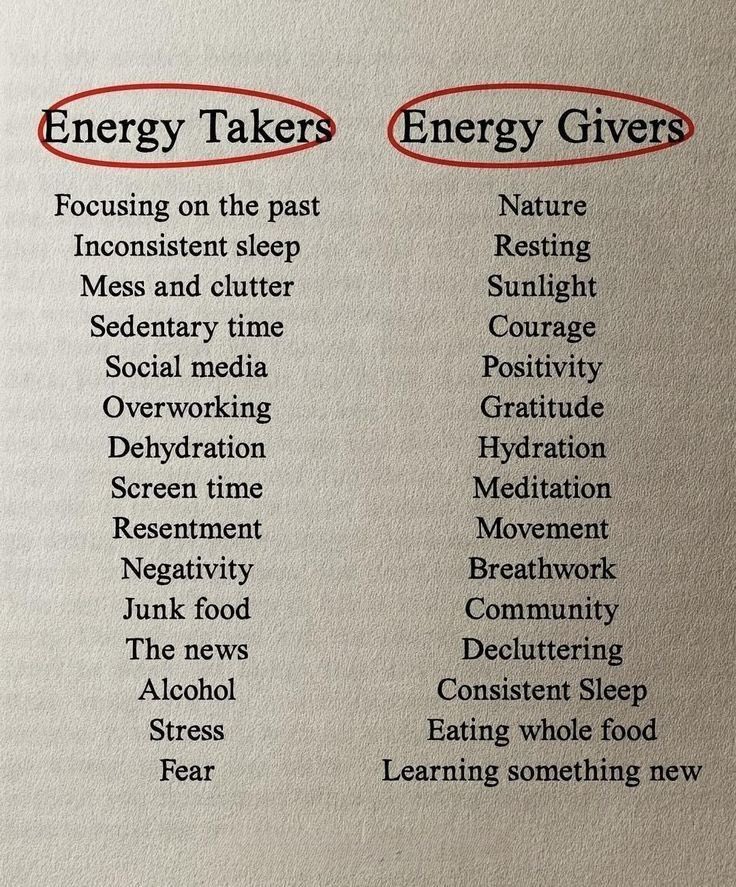
If you're stuck in your life, open this Thread:
1.
English
Rob retweetledi

This bit from Rick Rubin and @hubermanlab reminded me of the composers of early Nintendo games.
Three voices. A drum track. And they still had to fit in the jumping sounds, the coin sounds, all of it.
They made some of the most recognizable music ever written.
Final Fantasy. Zelda. Mario...
They faked echoes with volume shifts. They doubled the bass as a drum. They just figured it out.
"There is something about making the version that you can make with the means that you have that adds something real to the project that may be better than the one that has a lot of money thrown at it." - @RickRubin
Also, Huberman recorded his first episodes in a closet...
Constraints don't ruin the work. They make it.
English
Rob retweetledi

25 signs your vibe-coded app is a TICKING BOMB !
1. API keys hardcoded “for now”
2. No /health endpoint, you just hit the homepage
3. Schema changes live in your head, not migrations
4. Every query is SELECT * and vibes
5. Error handling = console.log(e) and hope
6. No rate limit on auth or writes
7. UTC, local time, and “JS default” all mixed
8. README is empty or wrong
9. No staging env, just “dev” and “prod-ish”
10. One god component owns the whole screen
11. No analytics, just “feels like people use it”
12. You say “we’ll clean this up after launch” every week
13. Env vars live only on your laptop, nowhere else documented
14. Frontend talks directly to 5 different third-party APIs with no wrapper
15. No monitoring or alerts – you find out it’s down from a DM
16. Logs only exist in your local terminal history
17. DB backups are “automatic”… but you’ve never tested a restore
18. Feature flags = commenting code in and out
19. Deploys are done from your local machine with one random script
20. No input validation, you trust whatever the client sends
21. CORS is set to * because “it fixed the error”
22. CI is “I ran it once locally and it worked”
23. Same API token reused across staging, prod, and local
24. Only one person actually knows how to run or deploy the app
Bookmark this to defuse today LOL
English
Rob retweetledi
Former Netflix CEO @marcrandolph says hard work doesn't matter.
Yes, sometimes you have to grind but 99% of the time it doesn't make any difference...
He gives two examples why not:
w/@StevenBartlett
English
Rob retweetledi
Paul Graham’s advice for future startup founders: “Just learn”
“If you make a conscious effort to try and think of startup ideas, you will think of ideas that are not only bad but bad and plausible-sounding—meaning you and everybody else will be fooled by them and you’ll waste a lot of time before realizing they’re no good.”
As Paul Graham explains, the way to come up with good startup ideas is to take a step back:
“Instead of trying to make a conscious effort to think of startup ideas, turn your brain into the type that has startup ideas unconsciously.”
You do this by:
1. Learning a lot about things that matter
2. Working on problems that interest you
3. With people you like and respect (this is incidentally how you get co-founders at the same time as the idea)
“The component of entrepreneurship that really matters is domain expertise. Larry Page is Larry Page because he was an expert on search. And he became an expert on search because he was genuinely interested in it, not because of some ulterior motive.”
PG continues:
“At its best, starting a startup is merely an ulterior motive for curiosity, and you’ll do it best if you introduce the ulterior motive at the end of the process. So here is the ultimate advice for young, would-be startup founders reduced to two words: Just learn.”
Video source: @ycombinator (2017)
English
Rob retweetledi

Jimmy Carr drops brutal parenting truth:
“If you’re kind in the moment, you end up with fat, stupid kids. That’s no good.”
He says real love isn’t giving kids what they want right now (TV, junk food, no books, no effort).
Real love is being “a little bit mean in the moment” so they become who they’re capable of being.
“Hard choices now, easy life later.”
“You’ve got to love who they could be—not just who they are when they’re screaming for screen time.”
Short-term kindness = long-term cruelty.
Short-term toughness = long-term gift.
Which “mean in the moment” rule do you enforce that your kids will thank you for later?
English
Rob retweetledi
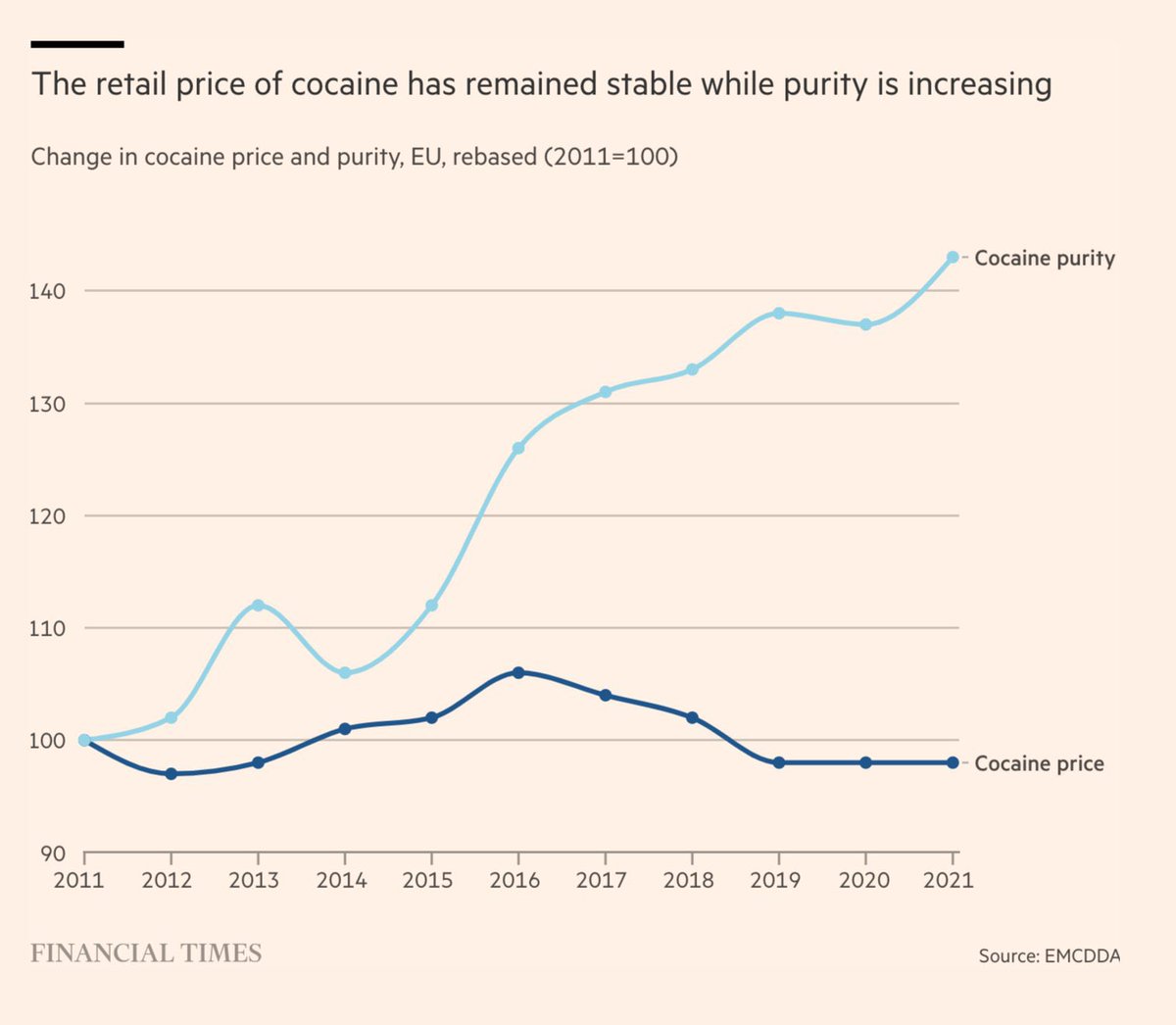
This is literally the only example of something actually getting better in Britain in my adult lifetime and the State wasn’t involved in the slightest. The Adam Smith Institute utterly vindicated.
English
Rob retweetledi
we're making @blocks smaller today. here's my note to the company.
####
today we're making one of the hardest decisions in the history of our company: we're reducing our organization by nearly half, from over 10,000 people to just under 6,000. that means over 4,000 of you are being asked to leave or entering into consultation. i'll be straight about what's happening, why, and what it means for everyone.
first off, if you're one of the people affected, you'll receive your salary for 20 weeks + 1 week per year of tenure, equity vested through the end of may, 6 months of health care, your corporate devices, and $5,000 to put toward whatever you need to help you in this transition (if you’re outside the U.S. you’ll receive similar support but exact details are going to vary based on local requirements). i want you to know that before anything else. everyone will be notified today, whether you're being asked to leave, entering consultation, or asked to stay.
we're not making this decision because we're in trouble. our business is strong. gross profit continues to grow, we continue to serve more and more customers, and profitability is improving. but something has changed. we're already seeing that the intelligence tools we’re creating and using, paired with smaller and flatter teams, are enabling a new way of working which fundamentally changes what it means to build and run a company. and that's accelerating rapidly.
i had two options: cut gradually over months or years as this shift plays out, or be honest about where we are and act on it now. i chose the latter. repeated rounds of cuts are destructive to morale, to focus, and to the trust that customers and shareholders place in our ability to lead. i'd rather take a hard, clear action now and build from a position we believe in than manage a slow reduction of people toward the same outcome. a smaller company also gives us the space to grow our business the right way, on our own terms, instead of constantly reacting to market pressures.
a decision at this scale carries risk. but so does standing still. we've done a full review to determine the roles and people we require to reliably grow the business from here, and we've pressure-tested those decisions from multiple angles. i accept that we may have gotten some of them wrong, and we've built in flexibility to account for that, and do the right thing for our customers.
we're not going to just disappear people from slack and email and pretend they were never here. communication channels will stay open through thursday evening (pacific) so everyone can say goodbye properly, and share whatever you wish. i'll also be hosting a live video session to thank everyone at 3:35pm pacific. i know doing it this way might feel awkward. i'd rather it feel awkward and human than efficient and cold.
to those of you leaving…i’m grateful for you, and i’m sorry to put you through this. you built what this company is today. that's a fact that i'll honor forever. this decision is not a reflection of what you contributed. you will be a great contributor to any organization going forward.
to those staying…i made this decision, and i'll own it. what i'm asking of you is to build with me. we're going to build this company with intelligence at the core of everything we do. how we work, how we create, how we serve our customers. our customers will feel this shift too, and we're going to help them navigate it: towards a future where they can build their own features directly, composed of our capabilities and served through our interfaces. that's what i'm focused on now. expect a note from me tomorrow.
jack
English