@KarlPfleger The article has a table that outlines the results of the 21 studies where statins were given to cancer patients. A lot of them were RTCs. Statin use looks to be most promising for breast cancer. It also discusses some of your questions above. pmc.ncbi.nlm.nih.gov/articles/PMC88…
Okay, so statin anti-cancer effects is a potential reason to prefer to include them over just PCSK9 drugs. Great, there's a reasonable answer to the original question, but how good of an answer, ie how strong is that reason? Is this "reported to have" quantified by large statistically trustworthy data anywhere? How often are statins prescribed to people with low cholesterol purely for their anti-cancer effects? If never, then why not? If never, then why is a person with low-cholesterol from taking PCSK9 drugs alone different from a person with low-cholesterol from healthy lifestyle?
What are the best reasons to use a statin in combo w/ PCSK9 drugs instead of PCSK9 only (to same target LDL)?
Cost.
Oral convenience, partly gone once Enlicitide approved.
Longer safety record, but arguably offset by overall data showing more side effects vs ~none.
What else?
@KarlPfleger That article also notes that, "Statins are reported to have anti-inflammatory and antitumor effects (statin-associated pleiotrophy). Basic research suggests that statins cause pro-apoptotic, growth-inhibitory, and pro-differentiation effects in various malignancies."
Highlighted part says they reduce stroke & other cardio events but nothing else. The stroke & other events mostly due to the cholesterol lowering. Most big ph3 trials show the LDL lowering explains most of MACE reduction. The PCSK9 drugs give as much LDL lowering as you want. So seems like nothing to see here w.r.t. original question.
Here is an extreme example. The left is similar to Miller's tailoring: soft, unpadded shoulders, no structure through the chest, and slim, short jacket, which compounds the problem. On the right, we've added padding, generous haircloth, and lengthened the jacket. Better, no?
Can you guys comment your fav images of art? Ones that speak to you really strongly, you have saved, haven't forgotten? I'm makin a quiz that will incorporate these <3
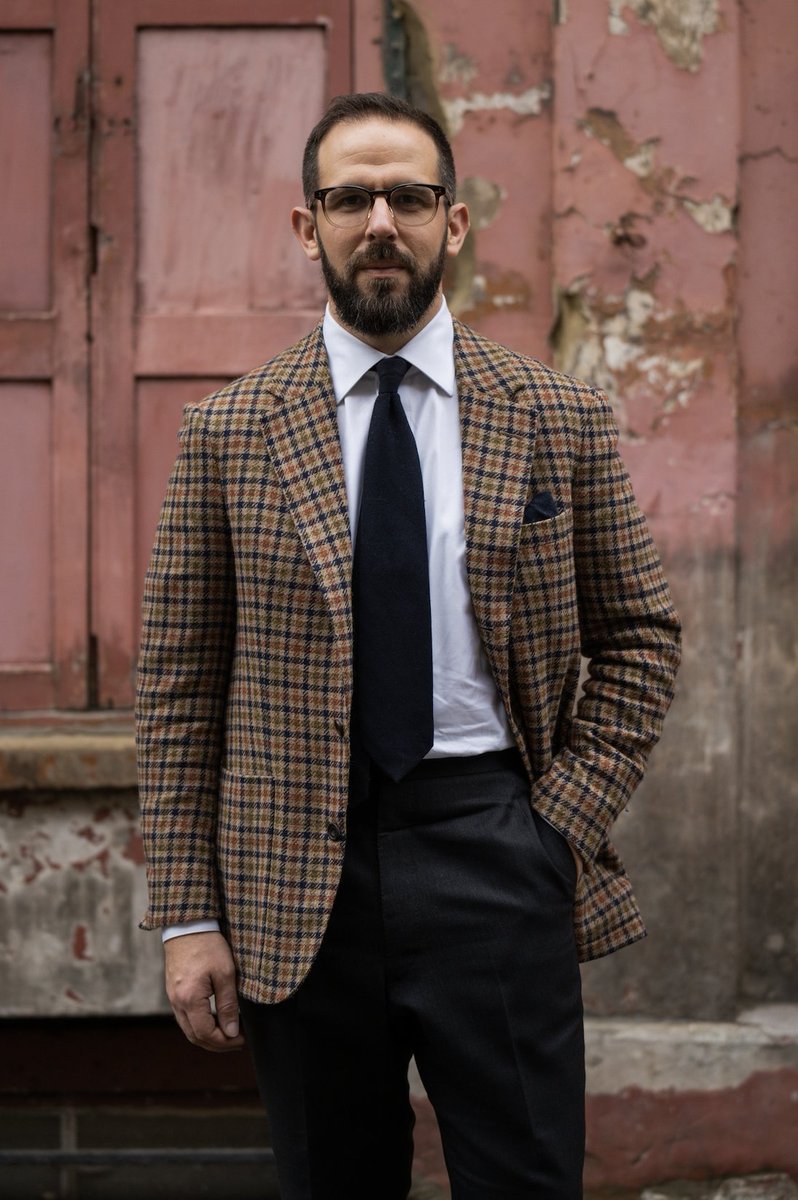
It's actually quite rare to see a wealthy person wearing a nice suit. This is because dressing well is more about knowledge than money, and wealthy people are typically not invested in learning how to dress well. I will give you some examples.
In slide one, we see two powerful, wealthy men, both in custom-tailored suits. Sunak's jacket is too short, both in the body and the sleeves. Bezos, who is pictured here on his wedding day (when he would have wanted to dress well), is wearing a custom dinner suit but with the wrong waistcoat. The low armholes are also causing his jacket to lift. A famous bespoke tailor in Milan said Bezos's outfit made her heart break.
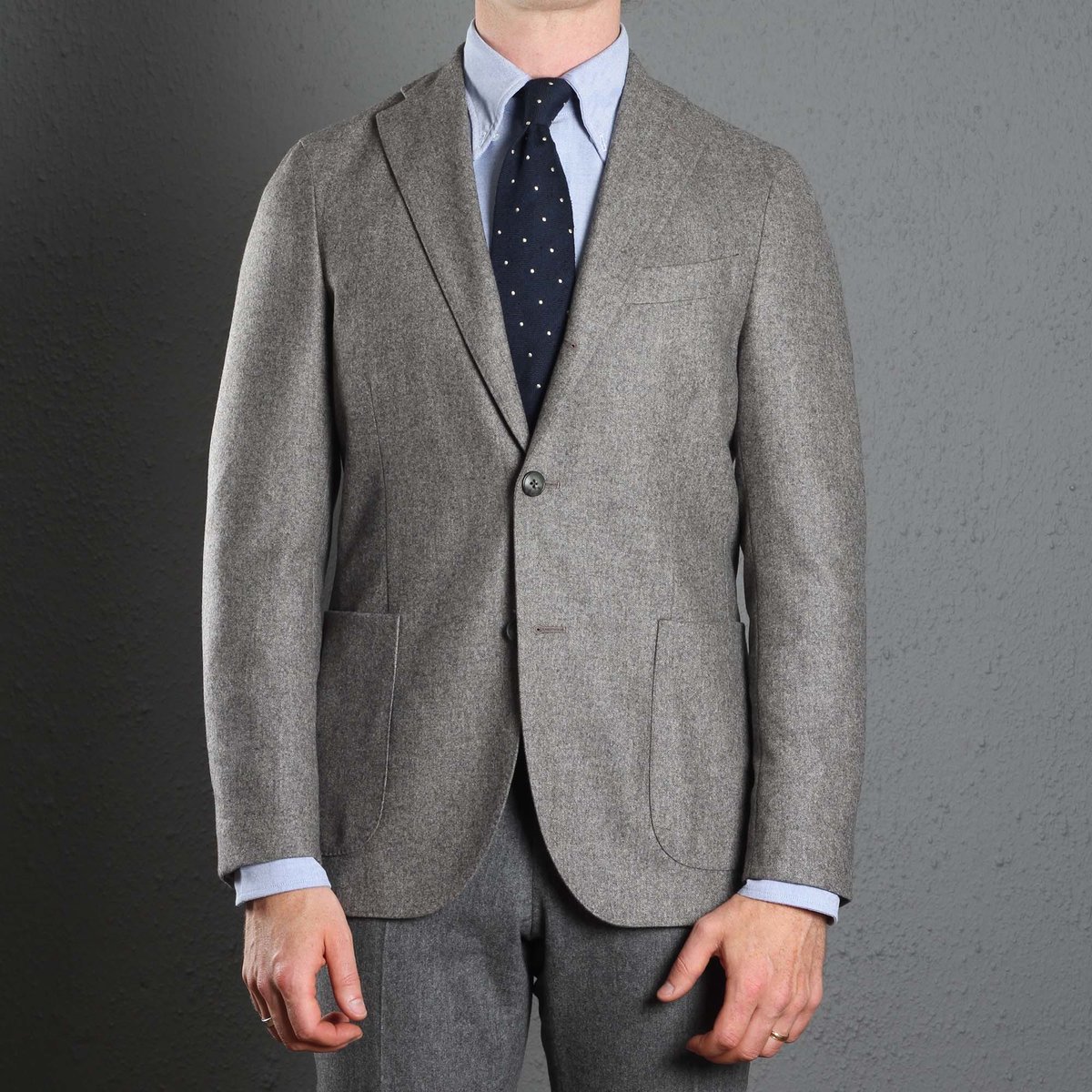
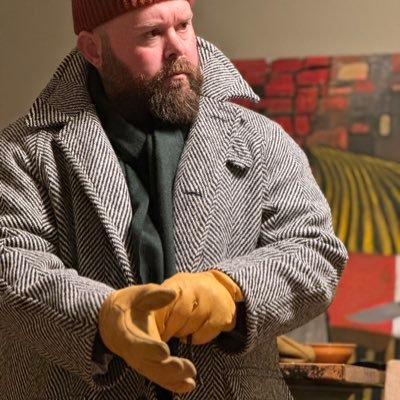
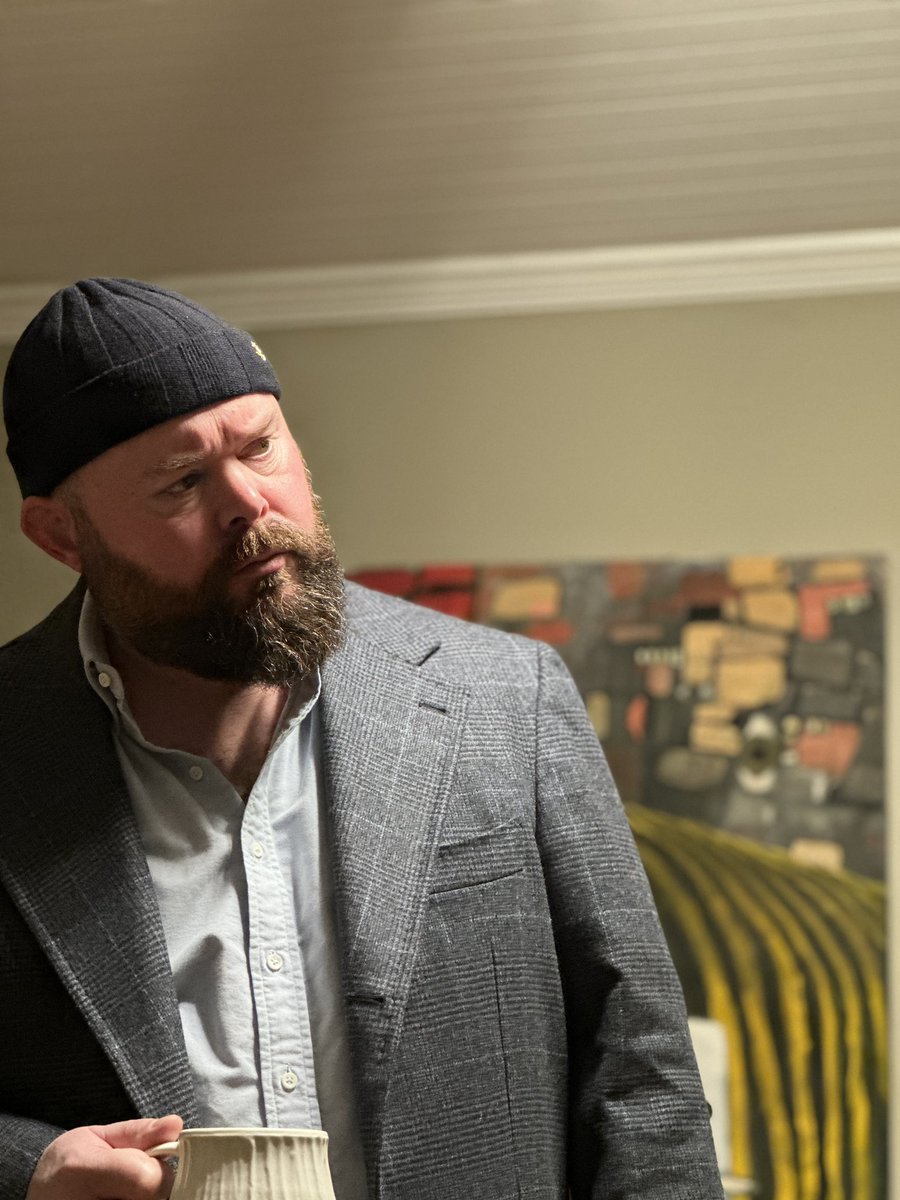
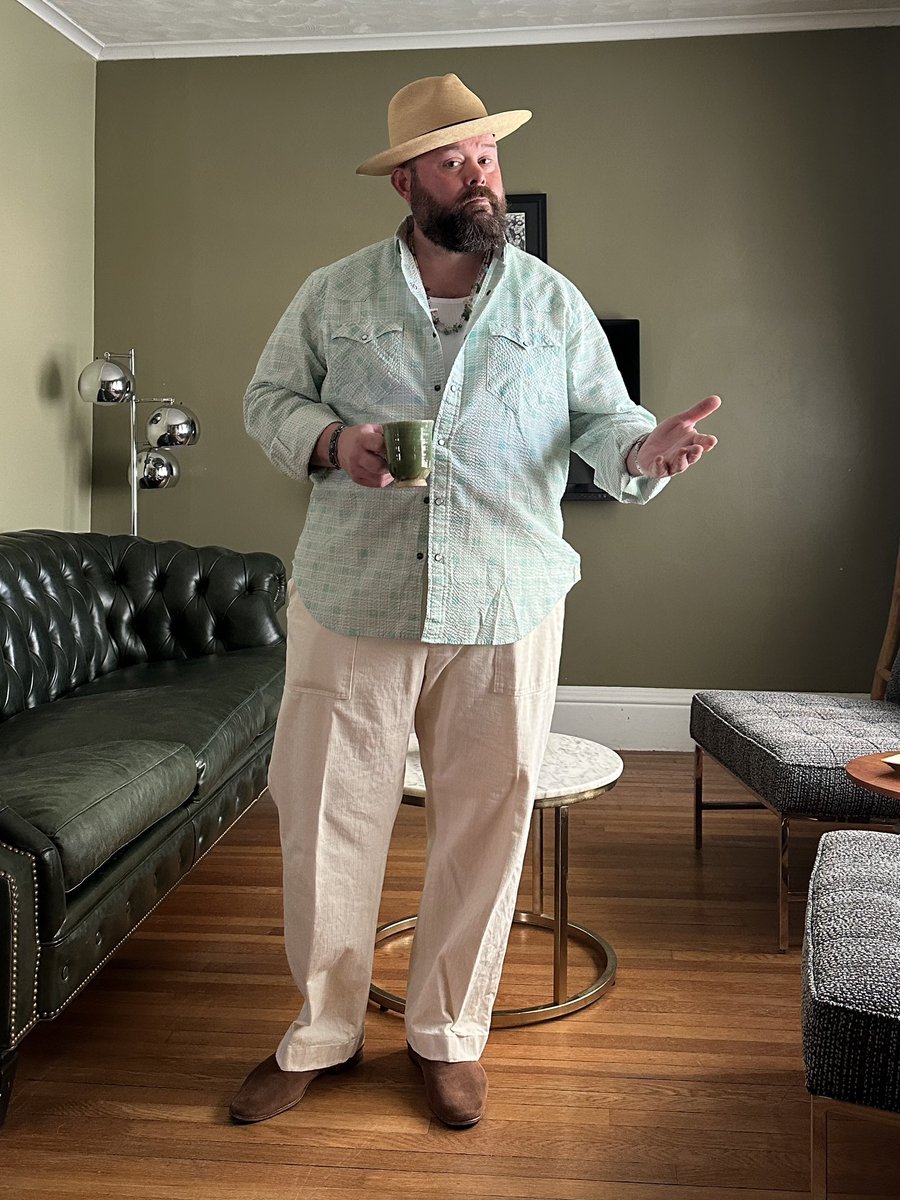
In slides two and three, we see a high school art teacher and an electrician. They are not poor, but their vocations certainly place them several tiers below the former Prime Minister of Britain and one of the wealthiest men in the world. Yet, their clothes fit beautifully, and they are styled in a way that's thoughtful and coherent.
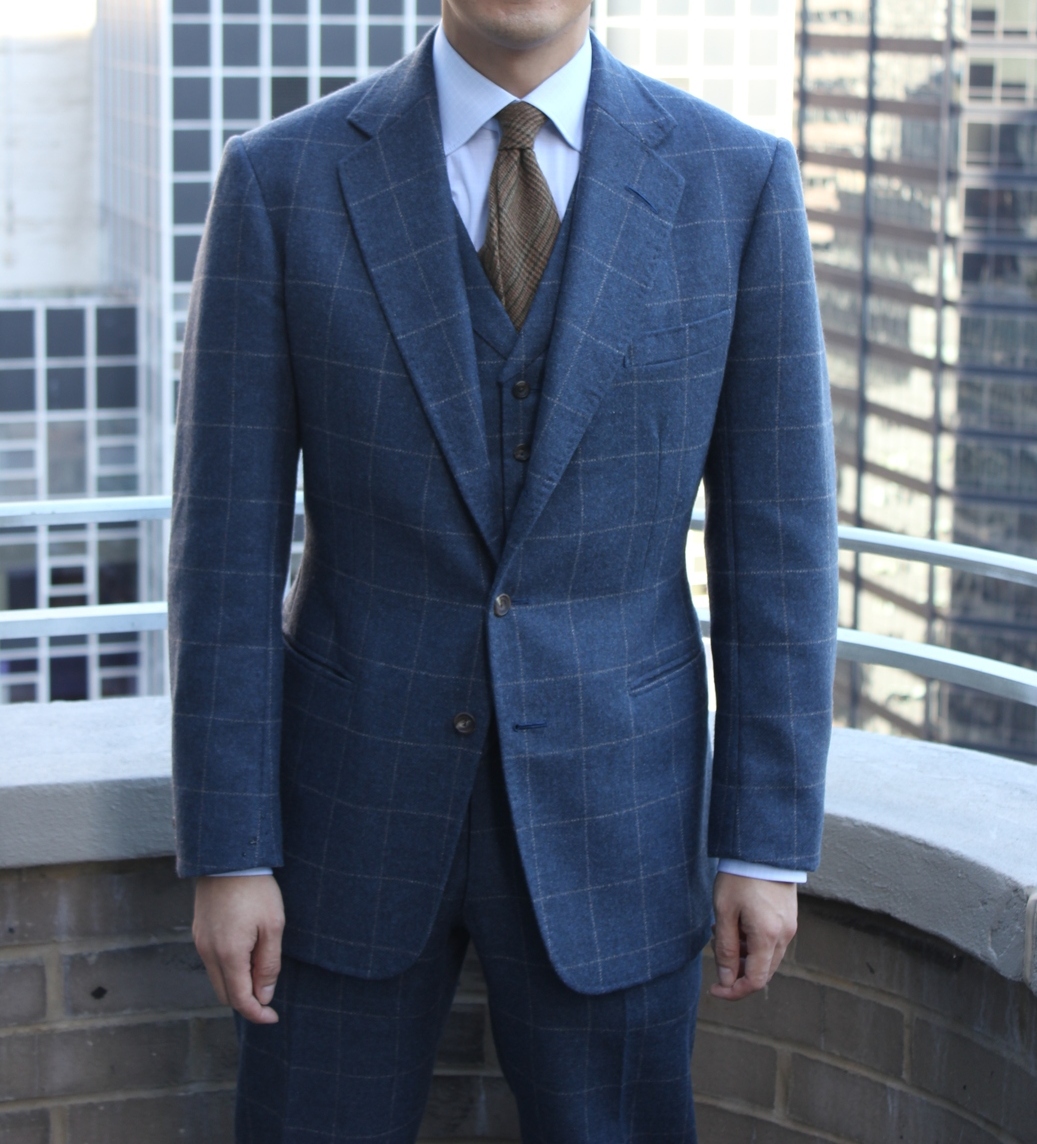
In slide four, we see a man who claims he's wearing a bespoke $20,000 suit from one of the finest tailoring houses on Savile Row. Next to him, in the same slide, is a man wearing a $300 Jos A. Bank suit. The $20k blue suit does not fit well because this man interjected too much during the fitting, insisting to his tailor that he make the suit tighter and shorter, which is why the garment is pulling and rippling all over the place. The other man, despite having more modest means, educated himself on how a suit should fit and achieved more with considerably less.
Online, you will find all types of influencers and writers hawking the latest trends and designer labels, telling you you have to buy such-and-such thing to have "aura." But in reality, money has very little correlation with style. There's no reason to assume that wealthy people can buy nice suits because it's not as simple as pulling out your credit card. You have to educate yourself a bit on the topic.
The list of people like this is truly endless: Ralph Lauren, Daiki Suzuki, Yukio Akamine, Mark Gonzales, Henry Rollins, William Gibson, etc. The styles, while visually different, share two things in common: knowledge of self and an understanding of culture.
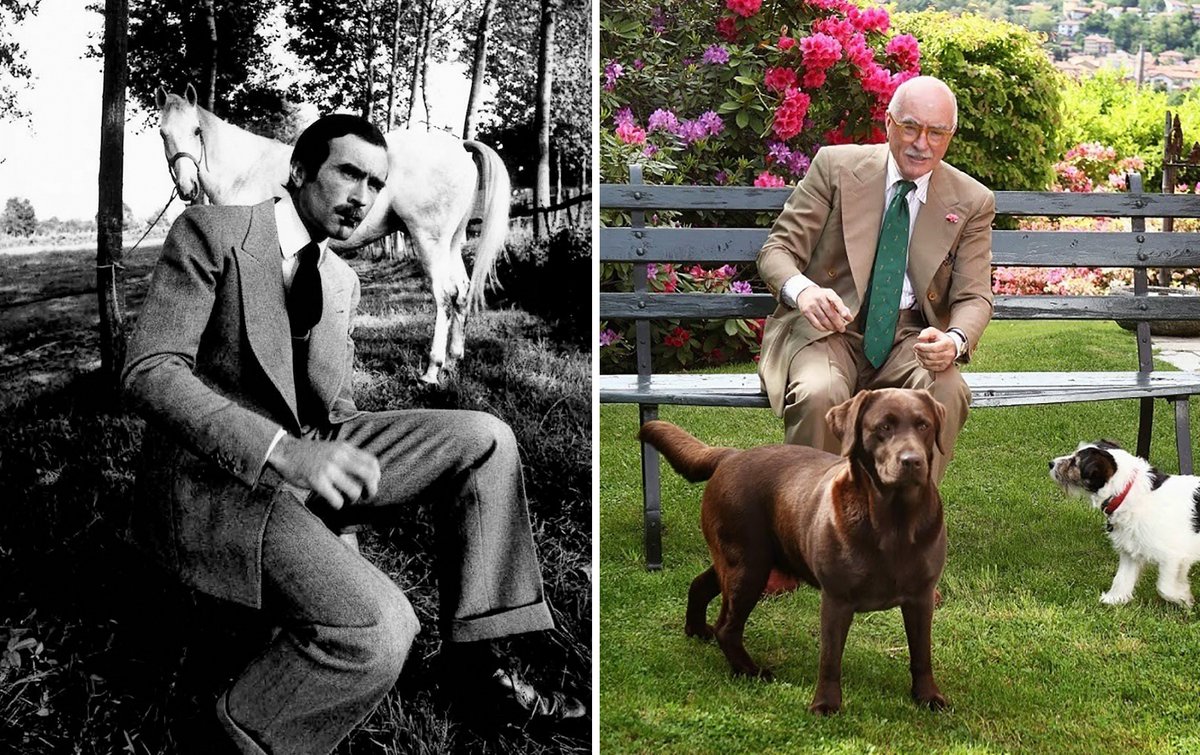
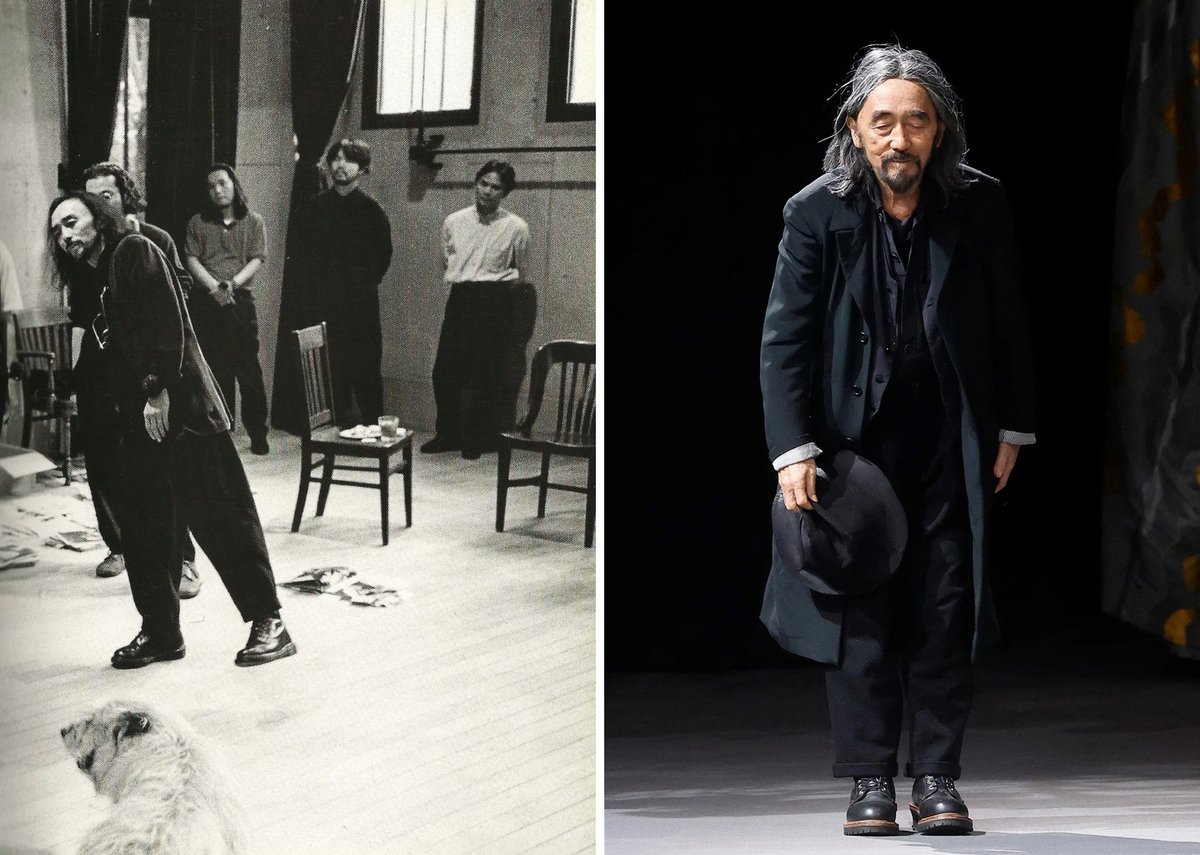
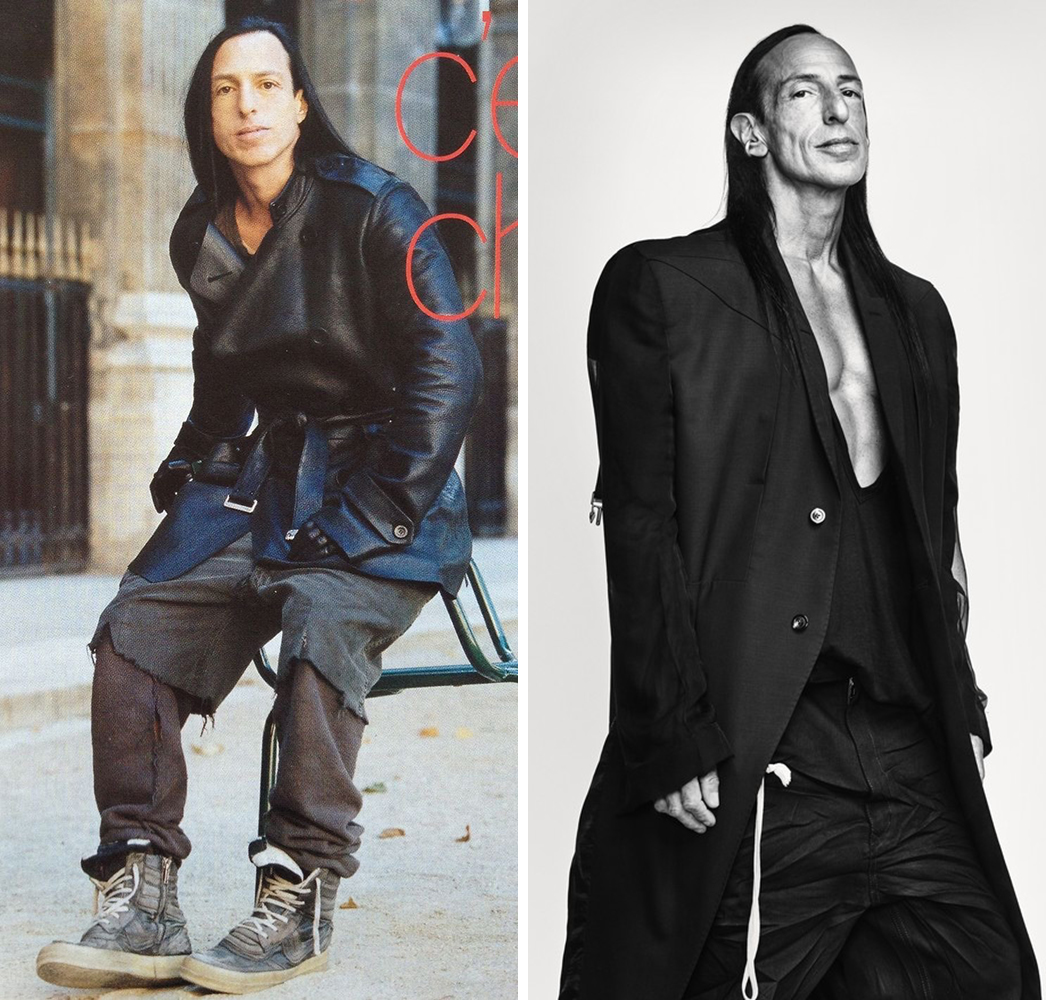
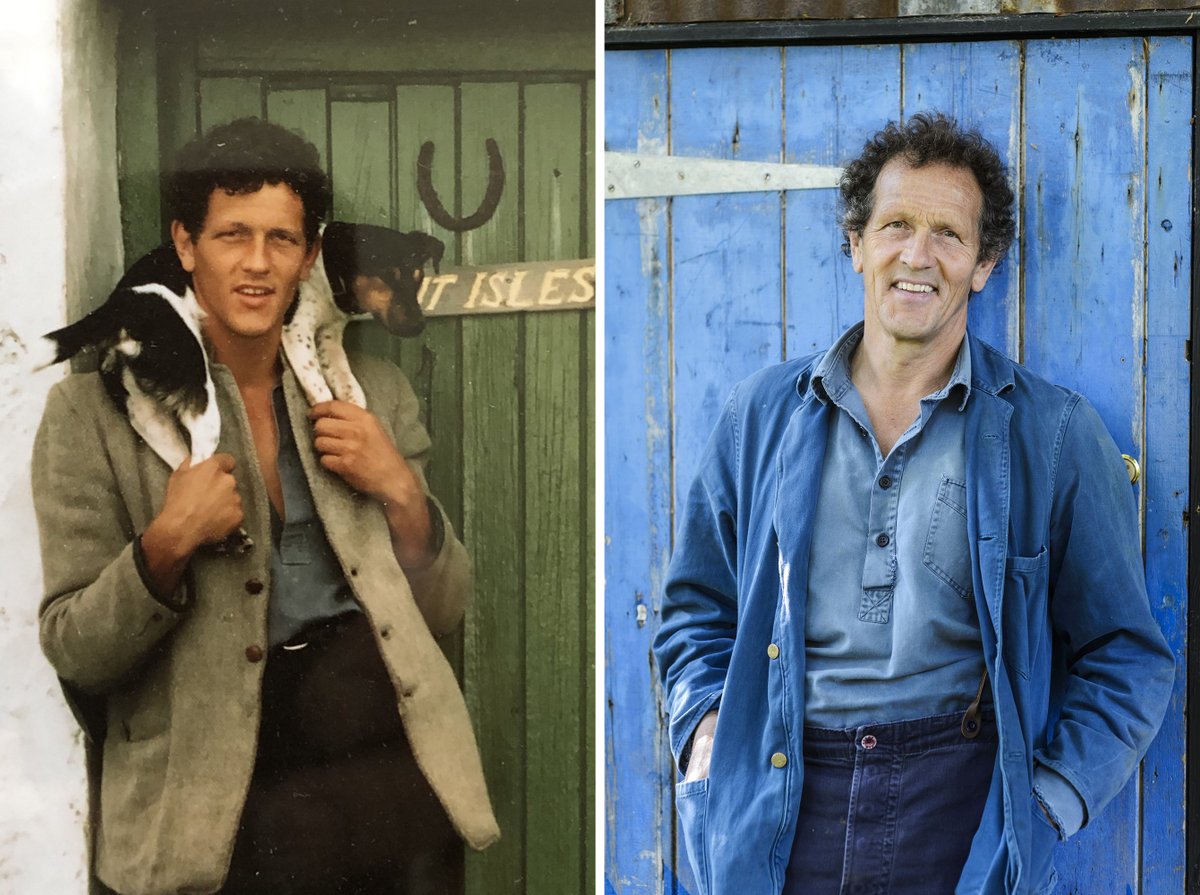
I disagree. I think good style can be something you develop and then wear for decades. Here are four men who have mostly dressed the same their entire lives. Pictured in order of apperance: Luciano Barbera, Yohji Yamamoto, Rick Owens, and Monty Don
@rlambertII It was Fox Brothers, an old run for the London Lounge cloth club sold as stock service. I believe it was a char blue Prince of Wales check but has been sold out for many years.
If you're interested in bespoke tailoring and based in the United States, I have some trunk show announcements to share with you. This time, there's a special announcement for women.
Men's tailoring has largely been shaped by three regional traditions. The first and most obvious is Britain, which gave us the suit. The second is Italy, where tailors created a softer version of British tailoring. And the third is the United States, which created the soft-shouldered sack suits, oxford button-downs, and penny loafers that comprise a look we now call Ivy Style.
As much as I love this country, it's undeniable that bespoke tailoring historically resided in the first two and not the last. Whereas British tailoring was defined by Savile Row, American tailoring was shaped by Brooks Brothers, J. Press, and The Andover Shop, where customers bought off-the-rack clothes made in factories.
This is partly what makes Matthew Gonzalez so special. Born and raised in Southern California, he moved to London in 2007 to pursue a degree in Bespoke Tailoring from the London College of Fashion. Thereafter, he worked for Thom Sweeny and Dunhill before getting picked up as a cutter for Huntsman (arguably one of the top three Savile Row tailoring houses). In 2020, he struck out on his own and created his own tailoring business, becoming the first and only American to operate on their own on Savile Row.
Gonzalez combines the sharp, precise tailoring of Savile Row with the spirit of American style. He favors moderately padded jackets with a three-roll-two closure, straight lapels, and a medium-placed gorge. The result is a softer, more natural silhouette that pairs just as easily with gray flannel trousers as with straight-legged jeans. Gonzalez makes jackets that have the same kind of sensibility as flopped knitted neckties and penny loafers. They would look great with oxford cloth button-downs, denim Western shirts, or even the right t-shirt.
Consider Gonzalez if you like the idea of bespoke tailoring and want something specially made for you, but also identify more with a casual California sense of style than stuffy aristocratic traditions.
Last year, I was talking to Caroline Andrew on the phone about why so many bespoke tailors fail at making things for women. She gave me the best and simplest answer I've heard: most bespoke tailors specialize in making men's clothes, so when faced with a female client, they often adapt their pattern-drafting techniques to a woman's body. But sometimes the result is a woman who looks like she's wearing men's clothes.
The secret, she said, is having a long conversation with the client beforehand to get a sense of how the woman wants to look. If the client wants a traditional men's silhouette, then perfect — there's a pattern drafting technique for that. But if she wants a different silhouette, it's important to get that information out of her first. Women's tailoring is much more open and interpretative than men's. It's not just about shoving different people into the same silhouette, so you have to get to know the client.
If you go to Andrew's Instagram page (IG carolineandrewlondon), you'll find she's made for all sorts of people and body types: men, women, gender conforming, and nonconforming. Some women want very streamlined, slim silhouettes; others prefer something looser. For guys who want something other than a suit, she's even made men's field jackets from robust English cloth.
I'm no expert on womenswear, but Andrew's approach to tailoring for women resonated with me. She also makes clothes for two friends of mine (a husband-and-wife couple), and they look great in Andrew's creations. If you're a woman who's interested in bespoke tailoring, Andrew would approach the process with more care and thoughtfulness than some of the other tailors I typically talk about, given her experience.
Finally, my usual disclosure: these are not paid tweets, as I don't do paid tweets. I don't get anything from making these announcements — no money, kickbacks, freebies, discounts on purchases, store credit, or whatever else. I make these announcements simply because I love tailoring and it's my pleasure to support tailors. If you have questions, please contact the tailors directly, as I am not their representative.
@KarlPfleger@DrJesseMorse Is taking 15 g per day long term safe? I can see the justification for vegans with elevated homocysteine to take 3 g per day to lower homocysteine and reduce stroke risk. 5 g per day may be safe as well and could help with muscle growth. Isn't 15 g per day is untested long term?
@DrJesseMorse Normal creatine intake from diet is 1-2g/day. Vegans make 1-2g/day internally if they don't get it from diet. What data do you think best justifies going 7.5-15x this normal physiological dose?
I've only seen data on short-term endpoints, not long-term health endpoints.
@PalmerLuckey I’d go with “mostly agrees with consensus”. Assuming that most consensus is wrong and that an individual physician is more often the better arbiter is not sound thought. As with Jazz, masters of the art know when to hit the blue notes or play outside…but they always come home
Who do you trust more? Medical doctors who always agree with industry consensus, doctors who never agree with industry consensus, or doctors who agree on some things and disagree on others?
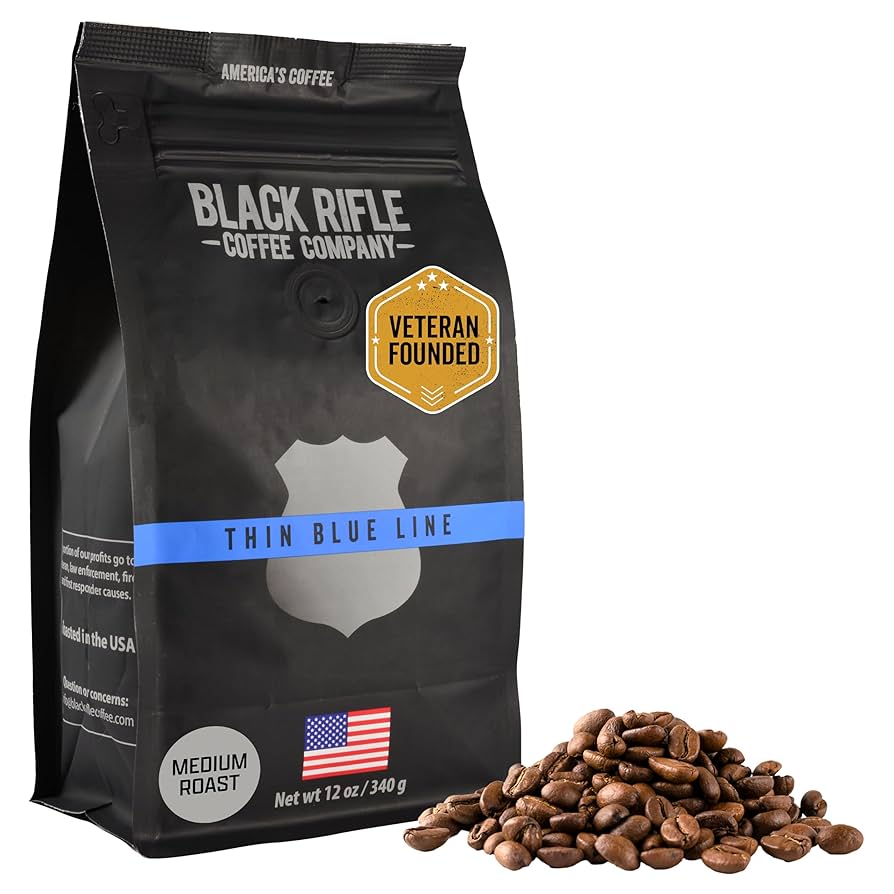
it's the same with all these bullshit products nowadays — identity-driven coffee, watches, etc. these are not developed by real enthusiasts in these fields, so why buy? i need you to have a 2008 join date on a coffee or watch forum and 30k post count for me to care
i dont understand why people buy influencer merch like this. there are factories all over the world that make generic crap, which influencers repackage, slap their name on, and mark up. unless they're experts in this category and developed something new, why buy?