Salman

772 posts

Salman

Salman

@salman

Management Consultant | Dubaian since 2004 | Persian at @salmanweblog

Dubai, United Arab Emirates Katılım Nisan 2007
239 Takip Edilen16.8K Takipçiler
Richard N. Haass
Richard N. Haass@RichardHaass·
Trump's threat to hit Iran's power plants is another undisciplined act. if he follows thru iran will devastate its neighbors-& if he backs down he will further show to iran it can outlast us. open.substack.com/pub/richardhaa…
English
68
175
572
40K
Salman retweetledi
Yorgos K
Yorgos K@YorgosKlivo·
Iran has incredible historical sites. Some going back thousands of years. This is super sad and needs to stop.
Yorgos K tweet media
English
0
1
2
237
Salman retweetledi
NetBlocks
NetBlocks@netblocks·
⚠️ Update: Two full weeks have now passed since #Iran fell into digital darkness amid a regime-imposed internet blackout. The public remain isolated from the outside world with only a limited domestic intranet after 336 hours while state-approved accounts get whitelisted access.
NetBlocks tweet media
English
570
2.6K
4.4K
440.6K
Gregg Carlstrom
Gregg Carlstrom@glcarlstrom·
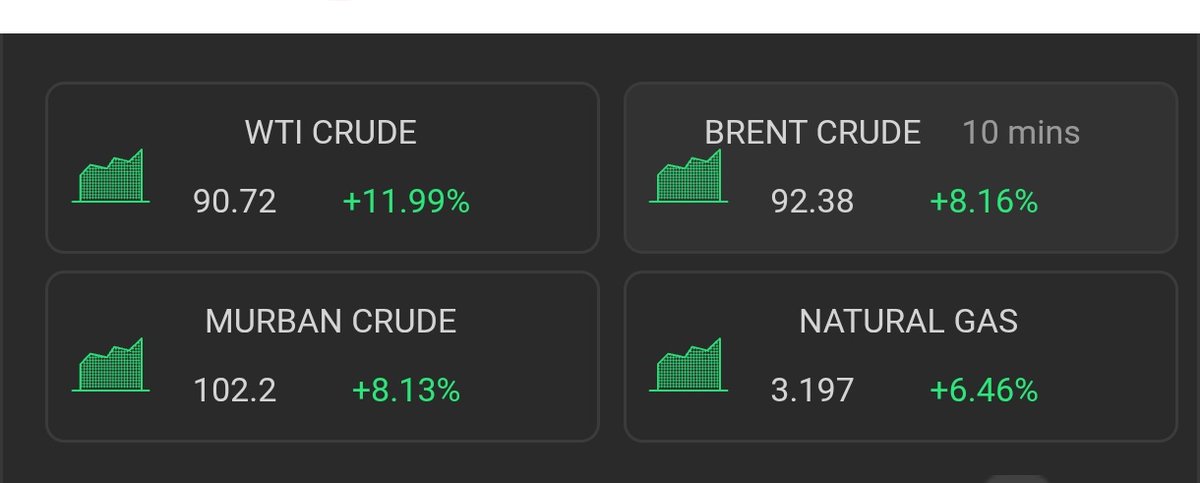
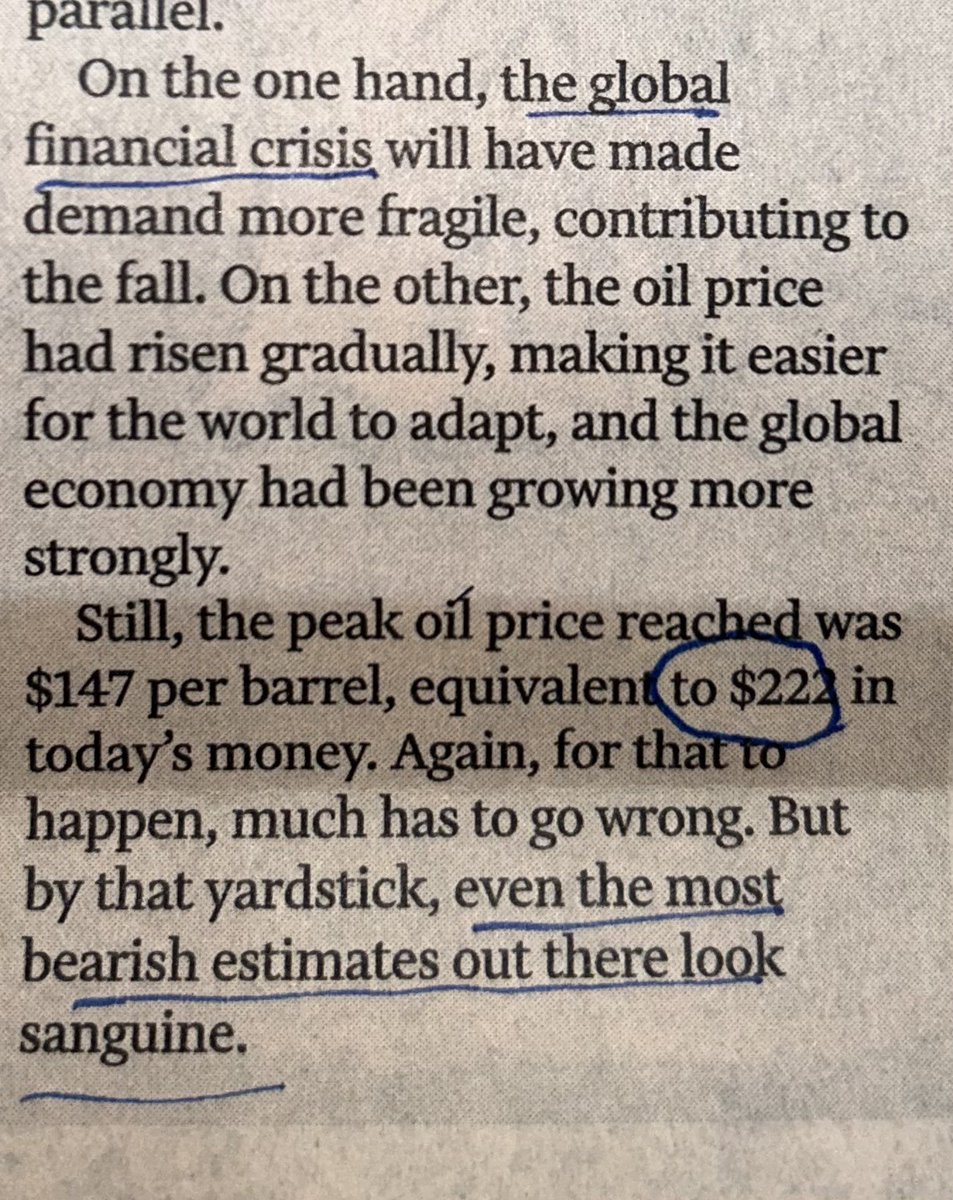
If that was indeed the assumption then either a) they really thought this would be over in a few days, or b) they reckoned that a prolonged war in the world's most important oil patch would have only a fleeting impact on oil prices Neither of which is a particularly reassuring sign about the quality of the pre-war planning
Javier Blas@JavierBlas

Trump on oil prices: “… We figured oil prices would go up, which they will […] They’ll also come down. They’ll come down very fast. And we will have gotten rid of a major, major cancer on the face of the Earth…” The White House seems to be betting now it can end the war quickly enough that the impact of the surge in oil prices doesn’t last enough to hit the economy (and spread into other energy commodities). Let’s see.

English
8
76
359
61.2K
Salman
Salman@salman·
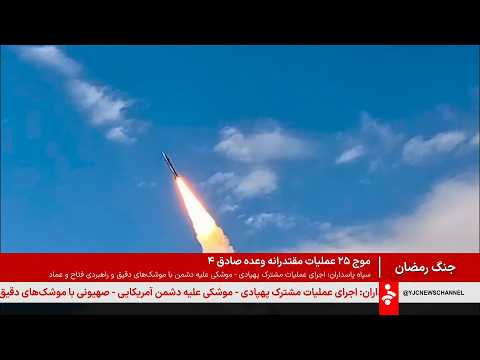
@tparsi Thanks but facts of the next hours was different: (1) Iran continued their attack regardless of what he said (2) in the 2pm news, IRGC specifically rebuffed what he said youtu.be/A8wJIILLWPE?si…
YouTube video
YouTube
English
0
0
3
1.8K
Trita Parsi
Trita Parsi@tparsi·
Speaking to several people involved on all sides, I believe I have gotten to the bottom of the story about Pezeshkian's video message - and how Trump blew up a golden opportunity to de-escalate the war. Here's what happened: Regional efforts at de-escalation in the war had convinced Iran to gradually adjust its regional retaliation conduct. In a first step, the Iranian President, as head of the interim leadership council, announced that attacks on neighboring countries would cease as long as their territories wouldn't be used to attack Iran. This is why Pezeshkian issued that video statement (although he went further in his statement, but that's another matter). Regional states were then expected to respond in kind. This would, understandably, take a few hours, as they were monitoring whether Iran's attacks were being reduced. But before they could reciprocate the reconciliatory tone and take regional de-escalation to the next level, Trump issued his Truth Social post that declared victory, insulted and humiliated Iran, and even issued further threats of “complete destruction and certain death“.  To make matters worse, the US also crossed another red line shortly thereafter by attacking the water desalination plant at Qeshm Island. (This is incidentally a war crime according to Article 54 of the First Additional Protocol to the Geneva Conventions) Trump's actions deliberately or inadvertently sabotaged the sensitive de-escalation talks in the region, which is why there was also an uptick by prominent GCC accounts blaming Trump for the war. Had Trump not done this, chances are that, at a minimum, the regional widening of this war would have been halted and reversed. With last night’s attacks by Israel on Iran‘s oil infrastructure, we can only assume how Iran may retaliate. We’ve entered a new phase of this high-intensity war.
English
273
2.8K
8.8K
1.2M
Salman
Salman@salman·
@ianbremmer Thanks, but this incident was after his remarks. (although there were other small incidents after that as well)
English
0
0
0
144
Seyed Mohammad Marandi
Seyed Mohammad Marandi@s_m_marandi·
The world can thank Trump, Netanyahu, and the Zionists. This is just the beginning.
Seyed Mohammad Marandi tweet media
English
57
972
3.9K
57.1K
Salman retweetledi
DubaiBeat.com
DubaiBeat.com@dubaibeat·
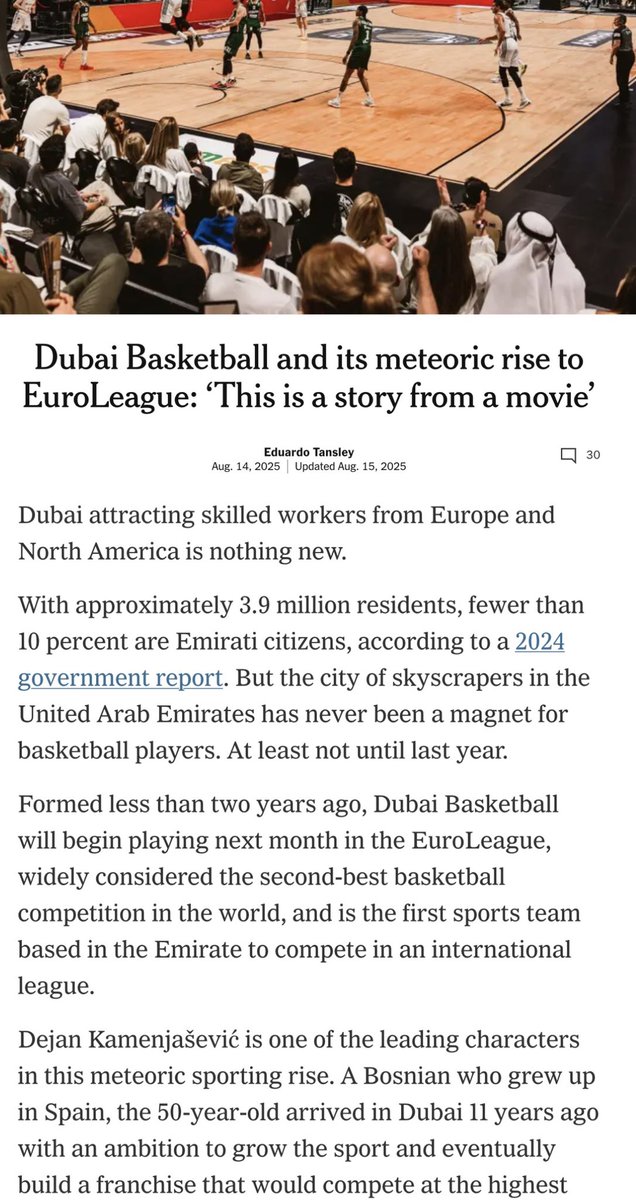
The rise and excellent performance of @dubaibasket in the @EuroLeague is one of the great examples of investments by Dubai. (We have covered Dubai investments since 2007 and we will focus on this story in our special coverage). NYTimes story:
DubaiBeat.com tweet media
English
1
1
2
340
Salman retweetledi
Nima Akbarpour نیما
Joint Statement: Internet Architects & Leaders Condemn the Iran Shutdown January 11, 2026 To: The Government of the Islamic Republic of Iran and the International Community As architects, operators, and stewards of the global Internet infrastructure, we define the Internet not merely as a network of cables and routers, but as a foundational instrument for human connection, economic survival, and the free flow of information. We observe with grave concern the deliberate, total shutdown of Internet connectivity within Iran. This action is not a matter of internal traffic management; it is a disconnection of a nation from the world. By severing the digital lifelines of over 90 million people, the authorities are inflicting profound harm on their own citizens: disabling emergency services, crushing economic activity, and isolating individuals from their families and the global community during a time of crisis. We assert the following principles: 1. Connectivity is a Fundamental Enabler of Human Rights: In the 21st century, the right to assemble, the right to speak, and the right to access information are inextricably linked to internet access. 2. Protecting the Global Internet Commons: National-scale shutdowns fragment the global network, undermining the stability and trust required for the internet to function as a global commons. 3. Transparency: The technical community condemns the use of BGP manipulation and infrastructure filtering to obscure events on the ground. We call upon the relevant authorities in Iran to immediately restore full, unfiltered internet access. We further call upon the international technical community to remain vigilant in monitoring connectivity and to support efforts that ensure the internet remains open, interoperable, and accessible to all. The internet belongs to everyone. It must not be weaponized against the people it was built to serve. Signed, (Signatures are on personal title; affiliations are mentioned for indicative purposes) Internet Pioneers & Governance Leadership - Esther Dyson – Founding Chair, ICANN; Author, “Term Limits: Time and scale in the age of AI” - Geoff Huston – Chief Scientist, APNIC; Internet Hall of Fame Inductee - Andrew Sullivan – Past IAB member, past IAB Chair, past Internet Society President and CEO - George Sadowsky – Former ISOC & ICANN Board Member; Internet Hall of Fame Inductee - Robert Madelin – Former Director-General for Internet matters at the European Commission; Senior Strategist at FIPRA International - Wolfgang Kleinwächter – Professor Emeritus for Internet Policy and Regulation; Former ICANN Board Member - Maarten Botterman – Former Chairman of the ICANN Board; Director, GNKS Consult - Kaveh Ranjbar – Former CIO/CTO, RIPE NCC; Former Board Member, ICANN - Asha Hemrajani – Former Member, ICANN Board of Directors - Desiree Miloshevic – Emeritus Board Member, Internet Society; Member, IGF Multistakeholder Advisory Group Global Innovation & Business Leadership - Anousheh Ansari – CEO, XPRIZE Foundation; First Female Private Space Explorer - Khaled Koubaa – CEO, Worthy Technology Policy, Law & Human Rights - Lawrence Lessig – Roy L. Furman Professor of Law and Leadership, Harvard Law School; Founder, Creative Commons - Meredith Whittaker – President, Signal - Bart Groothuis – Member of the European Parliament; Former Head of Cybersecurity, Dutch Ministry of Defence - Daniel Attard – Member of the European Parliament; Vice-Chair, Delegation for relations with Iran - Patrick Breyer – Former Member of the European Parliament; Digital Rights Advocate - Milton L. Mueller – Professor, Georgia Institute of Technology; Director, Internet Governance Project (IGP) - Alec Ross – Distinguished Professor, University of Bologna Business School Security, Cryptography & Technical Experts - Bruce Schneier – Harvard Kennedy School / Munk School at the University of Toronto - Bart Preneel – Professor of Cryptography and Information Security, KU Leuven - Randy Bush – Researcher, Operator, old Internet curmudgeon, Portland Oregon - Michele Neylon – Founder & CEO, Blacknight Solutions; Former Chair, ICANN Registrar Stakeholder Group - Carmela Troncoso – Scientific Director, Max Planck Institute for Security and Privacy - Jaap-Henk Hoepman – Professor of Privacy by Design, Karlstad University / Radboud University - Simone Fischer-Hübner – Professor for Cybersecurity and Privacy, Karlstad University / Chalmers University of Technology - Stephen Farrell – Research Fellow, Trinity College Dublin - Aurélien Francillon – Professor, EURECOM #Iran #DigitalBlackoutIran #internet #IranProtests
Nima Akbarpour نیما@nima

رهبران جهانی اینترنت، قطع سراسری اینترنت در ایران را محکوم کردند نیما اکبرپور جمعی از برجسته‌ترین معماران و متولیان زیرساخت اینترنت جهانی، امنیت سایبری و حقوق دیجیتال با انتشار بیانیه‌ای رسمی، قطع سراسری اینترنت در #ایران را محکوم کرده و خواستار بازگشت فوری دسترسی کامل و بدون #فیلتر به #اینترنت شدند. در میان امضاکنندگان این بیانیه نام‌هایی چون استر دایسون رئیس بنیان‌گذار ICANN، جف هیوستون دانشمند ارشد APNIC، لارنس لسگ استاد حقوق دانشگاه هاروارد و بنیان‌گذار Creative Commons، بروس اشنایر کارشناس برجسته امنیت سایبری، مردیت ویتاکر رئیس پیام‌رسان سیگنال و انوشه انصاری مدیرعامل بنیاد XPRIZE دیده می‌شود. امضاکنندگان که معماران و متولیان زیرساخت اینترنت جهانی معرفی کرده‌اند، هشدار داده‌اند که قطع اینترنت به معنای «قطع ارتباط یک ملت با جهان» است و جان، معیشت و حقوق اساسی بیش از ۹۰ میلیون شهروند ایرانی را به‌طور مستقیم تهدید می‌کند. در این بیانیه همچنین استفاده از ابزارهای فنی مانند دستکاری BGP و فیلتر کردن زیرساخت‌ها برای پنهان‌سازی واقعیت‌های میدانی محکوم شده است. ترجمه متن کامل بیانیه: خطاب به: دولت جمهوری اسلامی ایران و جامعه بین‌المللی ما، به‌عنوان معماران، بهره‌برداران و متولیان زیرساخت جهانی اینترنت، اینترنت را صرفاً شبکه‌ای از کابل‌ها و روترها نمی‌دانیم، بلکه آن را ابزاری بنیادین برای ارتباط انسانی، بقای اقتصادی و گردش آزاد اطلاعات تعریف می‌کنیم. ما با نگرانی عمیق، قطع عمدی و سراسری اتصال اینترنت در ایران را نظاره می‌کنیم. این اقدام، موضوعی در حد مدیریت ترافیک داخلی نیست؛ بلکه به معنای قطع ارتباط یک ملت با جهان است. با قطع شریان‌های دیجیتال بیش از ۹۰ میلیون نفر، مقامات در حال وارد کردن آسیبی عمیق به شهروندان خود هستند: از کار انداختن خدمات اضطراری، فلج کردن فعالیت‌های اقتصادی، و منزوی کردن افراد از خانواده‌ها و جامعه جهانی، در میانه یک بحران. ما بر اصول زیر پافشاری می‌کنیم: ۱) اتصال اینترنت، زیربنای بنیادین حقوق بشر است در قرن بیست‌ویکم، حق تجمع، حق بیان و حق دسترسی به اطلاعات به‌طور جدایی‌ناپذیر با دسترسی به اینترنت گره خورده است. ۲) حفاظت از «مشاعات اینترنت جهانی» قطعی‌های سراسری در مقیاس ملی، شبکه جهانی را تکه‌تکه کرده و ثبات و اعتمادی را که اینترنت برای عملکرد خود به‌عنوان یک فضای عمومی جهانی نیاز دارد، تضعیف می‌کند. ۳) شفافیت جامعه فنی استفاده از اختلالات BGP و فیلتر کردن زیرساخت‌ها برای پنهان‌سازی واقعیت‌های میدانی را محکوم می‌کند. ما از مقامات مربوط در ایران می‌خواهیم که فوراً دسترسی کامل و بدون فیلتر به اینترنت را برقرار کنند. همچنین از جامعه فنی بین‌المللی می‌خواهیم که با هوشیاری، وضعیت اتصال را پایش کرده و از تلاش‌هایی که تضمین می‌کند اینترنت باز، هم‌کنش‌پذیر و در دسترس همگان باقی بماند، حمایت کند. اینترنت متعلق به همه است. نباید از آن به‌عنوان سلاحی علیه مردمی که برای خدمت به آنان ساخته شده، استفاده شود. امضاکنندگان: (امضاها به‌صورت شخصی است؛ ذکر وابستگی‌ها صرفاً برای معرفی جایگاه افراد آمده است) پیشگامان اینترنت و رهبران حاکمیت آن استر دایسون – رئیس بنیان‌گذار ICANN؛ نویسنده کتاب «Term Limits: Time and Scale in the Age of AI» جف هیوستون – دانشمند ارشد APNIC؛ عضو تالار مشاهیر اینترنت اندرو سالیوان – عضو پیشین و رئیس پیشین IAB؛ رئیس و مدیرعامل پیشین Internet Society جرج سادوسکی – عضو پیشین هیئت‌مدیره ISOC و ICANN؛ عضو تالار مشاهیر اینترنت رابرت مادلین – مدیرکل پیشین امور اینترنت در کمیسیون اروپا؛ استراتژیست ارشد در FIPRA International ولفگانگ کلاین‌واختر – استاد بازنشسته سیاست‌گذاری و تنظیم‌گری اینترنت؛ عضو پیشین هیئت‌مدیره ICANN مارتن بوترمن – رئیس پیشین هیئت‌مدیره ICANN؛ مدیر GNKS Consult کاوه رنجبر – مدیر ارشد اطلاعات و فناوری سابق RIPE NCC؛ عضو پیشین هیئت‌مدیره ICANN آشا همراجانی – عضو پیشین هیئت‌مدیره ICANN دزیره میلوشویچ – عضو افتخاری هیئت‌مدیره Internet Society؛ عضو گروه مشورتی چندذی‌نفعه IGF نوآوری جهانی و رهبری کسب‌وکار انوشه انصاری – مدیرعامل بنیاد XPRIZE؛ نخستین زن کاوشگر خصوصی فضا خالد کوباع – مدیرعامل Worthy Technology سیاست، حقوق و حقوق بشر لارنس لسگ – استاد حقوق و رهبری در دانشکده حقوق هاروارد؛ بنیان‌گذار Creative Commons مردیت ویتاکر – رئیس Signal بارت گروتویس – عضو پارلمان اروپا؛ رئیس پیشین امنیت سایبری وزارت دفاع هلند دانیل اتارد – عضو پارلمان اروپا؛ نایب‌رئیس هیئت روابط با ایران پاتریک برایر – عضو پیشین پارلمان اروپا؛ مدافع حقوق دیجیتال میلتون ال. مولر – استاد مؤسسه فناوری جورجیا؛ مدیر پروژه حاکمیت اینترنت (IGP) الک راس – استاد ممتاز مدرسه کسب‌وکار دانشگاه بولونیا امنیت، رمزنگاری و متخصصان فنی بروس اشنایر – مدرسه کندی هاروارد / مدرسه مانک دانشگاه تورنتو بارت پرنیل – استاد رمزنگاری و امنیت اطلاعات، KU Leuven رندی بوش – پژوهشگر و اپراتور باسابقه اینترنت، پورتلند، اورگن میشل نیلون – بنیان‌گذار و مدیرعامل Blacknight Solutions؛ رئیس پیشین گروه ذی‌نفعان ثبت‌کنندگان ICANN کارملا ترونکوسو – مدیر علمی مؤسسه ماکس پلانک برای امنیت و حریم خصوصی یاپ-هنک هوپمان – استاد «حریم خصوصی در طراحی»، دانشگاه کارلستاد / رادبود سیمونه فیشر-هوپنر – استاد امنیت سایبری و حریم خصوصی، دانشگاه کارلستاد / دانشگاه فناوری چالمرز استفن فارل – پژوهشگر، کالج ترینیتی دوبلین اورلین فرانسیلون – استاد، EURECOM متن انگلیسی در این لینک: linkedin.com/pulse/joint-st…

English
4
145
326
42.5K
Salman
Salman@salman·
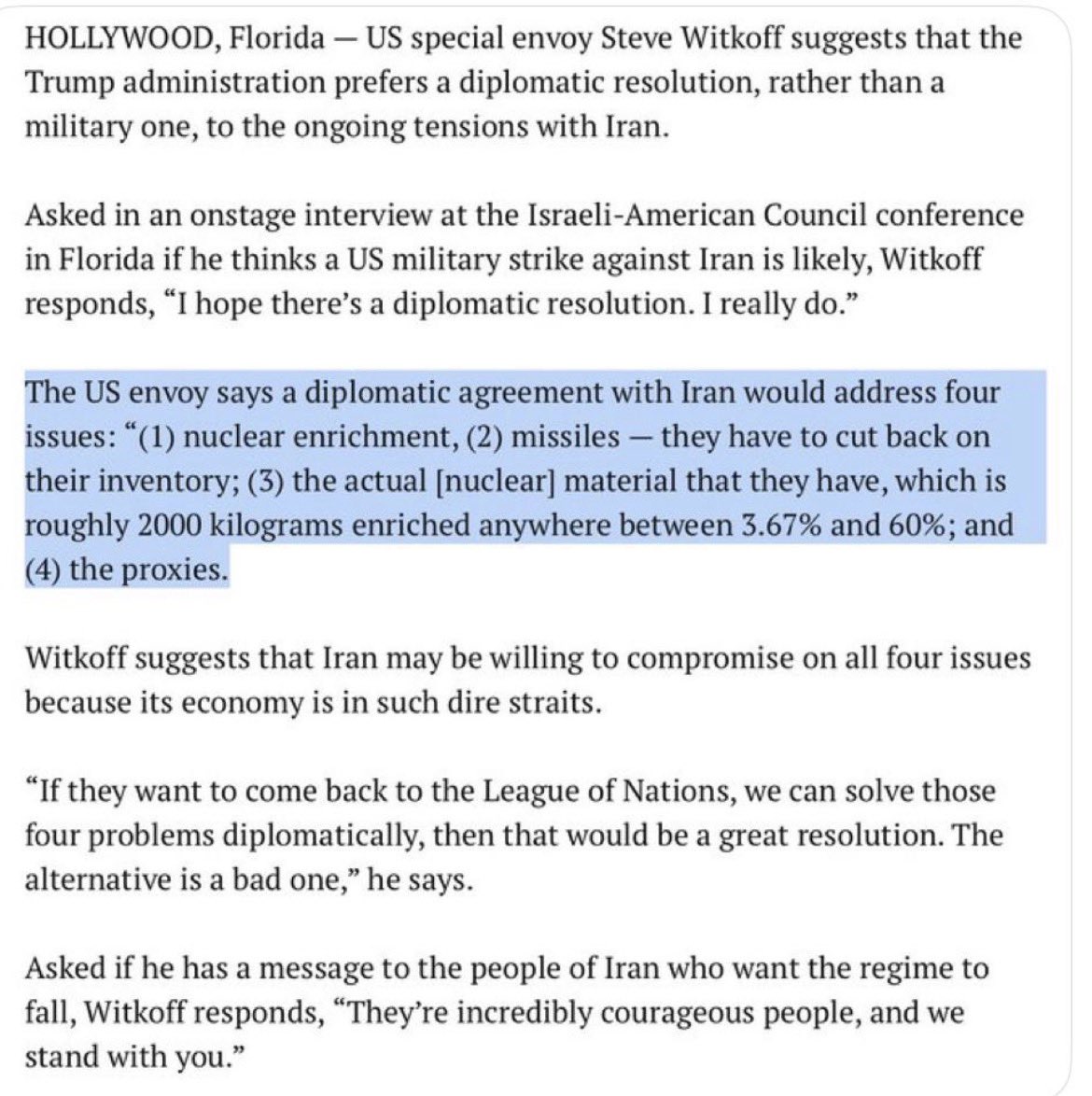
@citrinowicz thanks but do you think the US will stop at zero enrichment? Because apparently they are focusing on missiles and proxies as well
Salman tweet media
English
0
0
0
146
Danny (Dennis) Citrinowicz ,داني سيترينوفيتش
The preferred policy towards #IranRevolution2026: Against the backdrop of the current protest movement in Iran, it is increasingly clear that regime change is neither a simple nor an attractive option. Toppling the Islamic Republic would require a long, costly, and uncertain campaign, one that offers no guarantee of success and, even if successful, no assurance of a stable or pro-Western outcome. The risk of civil war or the rise of even more radical forces is real and cannot be ignored. Yet the core dilemma lies not in Washington or Jerusalem, but in Tehran. Ultimately, the decisive question is whether the Iranian regime, and especially Supreme Leader Ali Khamenei, is willing to compromise on its foundational principles in negotiations with the United States. Concessions such as giving up enriched uranium stockpiles are not unprecedented; Iran has done so before. Freezing enrichment levels or restoring international inspections are also feasible steps that Tehran could present as confidence-building measures. However, the true red line is strategic: whether Khamenei is prepared to fundamentally alter Iran’s nuclear doctrine by abandoning domestic enrichment altogether. Based on past behavior and the current political climate, the likelihood of such a shift is extremely low. The open question is whether other power centers within the Iranian system can influence the Supreme Leader, as they did under President Rouhani ahead of the 2015 nuclear deal. If Iran proves unwilling to offer President Trump a clear, tangible achievement, one he can credibly present as a justification for changing U.S. policy, then the choice facing Washington is not simply between military action and capitulation. Recent developments inside Iran demonstrate that the regime has no viable path toward improving its situation. Neither China, nor Russia, nor the BRICS framework, nor outreach to Africa can compensate for continued sanctions on Iran’s energy sector. Without meaningful sanctions relief, Iran’s economic trajectory will not improve. Under these conditions, continued rigidity from Khamenei and the limited advantages of military action at this stage, the most effective alternative is intensified economic and diplomatic pressure. If the United States succeeds in significantly curbing Iran’s oil exports to China, while working with allies to strengthen sanctions enforcement, the likelihood of profound internal change in Iran increases considerably. At the same time, maintaining a strong U.S. military presence in the Gulf, particularly through the continued deployment of aircraft carriers near Iran, helps sustain credible deterrence and projection of power and reinforces the sense of looming consequences in Tehran. This is not a symmetrical standoff. Iran has no interest in escalation with the United States precisely because its leadership understands a basic reality: the U.S. remains the only power with the capacity to truly threaten the survival of the Islamic Republic. That awareness, combined with sustained economic pressure and a firm negotiating posture, generates immense stress on the Iranian system. This strategy will not deliver immediate results. But over time, if Washington maintains pressure and exploits the structural weaknesses of the Iranian system under Khamenei, the balance of power becomes clear: Iran is the weaker side. Despite its ability to muddle through, a coordinated campaign of non-kinetic measures, backed by a credible military threat, offers a far better chance of producing meaningful change in Iran than a risky and costly military confrontation.
Mousavian@hmousavian

هشت نکته در مورد شرایط فعلی ایران و گزینه های پیش روی واشینگتن و تهران ۱. اوضاع داخلی ایران آرام و نیروهای امنیتی کنترل کشور را به دست گرفته و زندگی مردم نسبتا به روال عادی بازگشته است. ۲. احتمال حمله نظامی آمریکا بسیار ضعیف تر شده و خویشتنداری حکومت ایران در مورد اعدام افراد دستگیر شده، به رئیس جمهور آمریکا این فرصت را داد که حداقل در این مقطع، حمله دوم را منتفی اعلام کند.  ۳. واشینگتن در مورد « استراتژی فروپاشی ایران از طریق سازماندهی شورش و بی ثباتی و جنگ داخلی در ایران»؛ نا امید شده یا حداقل بشدت مردد شده است. هزینه های میلیارد دلاری برای موفقیت این استراتژی بر باد رفت ضمن اینکه توهم خلق یک آلترناتیو خارج نشین برای رهبری تظاهرات در داخل ایران؛ نیز شکست خورد.   ۴. در عین حال مشکلات مردم ایران، جدی، واقعی و نه تنها همچنان بقوت خود باقی است بلکه بعد از حوادث اخیر بیشتر هم شده ضمن اینکه خون بیگناهان زیادی نیز ریخته شد.  ۵. بازگشت آرامش نسبی فعلی، فرصتی است برای حاکمیت ایران است که اقدامات اساسی برای حل مشکلات ساختاری و بهبود حکمرانی بعمل آورد از جمله: بهبود شرایط اقتصادی کشور، رفع فقر و فساد و بیکاری و حذف مدیران ناکارآمد یا نفوذی.  نارضایتی ها و اعتراضات مردم در اینگونه موارد به حق و مشروع و قانونی است. ۶. بزرگترین چالش سیاست خارجی و امنیت ملی ایران، «تشنج در روابط با آمریکا» است. برای پرزیدنت ترامپ نیز یکی از پیچیده ترین موضوعات روابط  خارجی، «رفع تشنج با ایران» است. برای حل این معضل؛ هر دو پایتخت نیازمند تصمیمات بزرگ هستند.   ۷. حمله نظامی محدود و هدفمند آمریکا هیچ نتیجه ای بجز تشدید خصومت نداشته و نخواهد داشت و اقدام نظامی گسترده علیه ایران نیز قطعا ثبات کل منطقه‌ را به خطر می‌اندازد و شرکای ایالات متحده در سراسر خاورمیانه را تهدید میکند. لذا آمریکا باید گزینه‌های نظامی را از روی میز بردارد چون هزینه‌ها و ریسک‌های قابل توجهی برای ایالات متحده، ایران و کل منطقه به همراه دارد. ۸. دیپلماسی تنها مسیر صلح است. واشینگتن و تهران نیازمند یک گفتگوی مستقیم، معنی دار و جامع هستند بشرطی که نتیجه آن برای هر دو پایتخت آبرومندانه باشد.

English
9
9
50
10.9K