

Sanjay
386 posts

Spoke to champion apprentice jockey Aditya Waydande...

English
@BachhawatVikram Very well put Vikram . Thoughtful and impactful . A time & need to respect legacy !
English
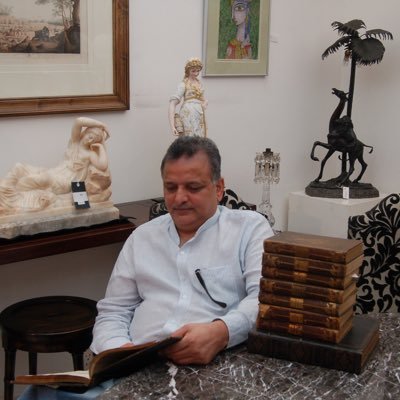
Vanishing Turf: A Call to Preserve India’s Historic Racecourses and Polo Grounds
Across India, a quiet but deeply consequential shift is underway. The recent takeover of the Madras Race Club and the Ooty Racecourse, coupled with eviction proceedings against the Delhi Race Course and Jaipur Polo Ground, and mounting pressure on the Bangalore Turf Club, signals more than isolated administrative action. It reflects a broader reimagining of historic sporting spaces as expendable urban land — a shift that risks erasing over a century of living heritage.
The history of horse racing and polo in India is inseparable from the country’s social and cultural evolution. The Madras Race Club, established in 1777, is among the oldest racing institutions in the world, predating many modern sporting bodies. It has, for generations, been at the heart of Chennai’s sporting life, nurturing champions, sustaining livelihoods, and fostering a deep-rooted equestrian culture. The Ooty Racecourse, set against the unique landscape of the Nilgiris, developed during the colonial period as a seasonal extension of the Madras racing calendar, bringing with it a distinct tradition that blended sport with geography. In Delhi, the racecourse and the Jaipur Polo Ground are not merely venues but historic spaces embedded within the capital’s identity — the latter, in particular, being one of the most iconic polo grounds globally, sustaining India’s legacy in a sport where it once dominated the world stage. Similarly, the Bangalore Turf Club has, for decades, been one of India’s premier racing centres, combining modern racing excellence with an inherited tradition.
These are not empty tracts of land awaiting redevelopment. They are highly specialised ecosystems built painstakingly over decades — even centuries. A racecourse is not simply a field; it is a finely balanced environment involving turf science, drainage systems, training tracks, stabling infrastructure, and an entire network of human expertise. Trainers, jockeys, veterinarians, farriers, breeders, and stable staff form an interdependent community that cannot be uprooted without consequence. The cultural value of these institutions lies not only in their past but in their continued, everyday function. They are living heritage.
Yet, the justification increasingly offered for their takeover is “public purpose” — typically framed as the need to create parks or open spaces in rapidly urbanising cities. While the need for urban green spaces is undeniable, this argument overlooks a fundamental reality: racecourses are already among the largest and best-maintained green lungs in these cities. Unlike many public parks that suffer from inconsistent upkeep, encroachment, or misuse, racecourses are maintained to exacting standards because their very function depends on it. They offer not only ecological value but also structured access, safety, and continuity of care.
Experience across Indian cities also raises legitimate concerns about what follows such takeovers. Too often, spaces converted into public parks lose both their identity and their discipline of maintenance. Encroachments emerge, oversight weakens, and areas intended for recreation gradually become underutilised or unsafe. What is lost, therefore, is not only a specialised sporting institution but also a well-preserved green ecosystem — replaced by something that may not deliver either heritage or quality public space.
The developments in Madras and Ooty have already demonstrated how quickly uncertainty can engulf such institutions. What is now unfolding in Delhi, Jaipur, and Bangalore suggests that this may not remain an exception. If this trajectory continues, India risks dismantling an entire equestrian framework that has taken generations to build — one that connects sport, culture, employment, and environment in a way few other institutions do.
The need of the hour is restraint, reflection, and above all, respect for legacy. #Polo #horse

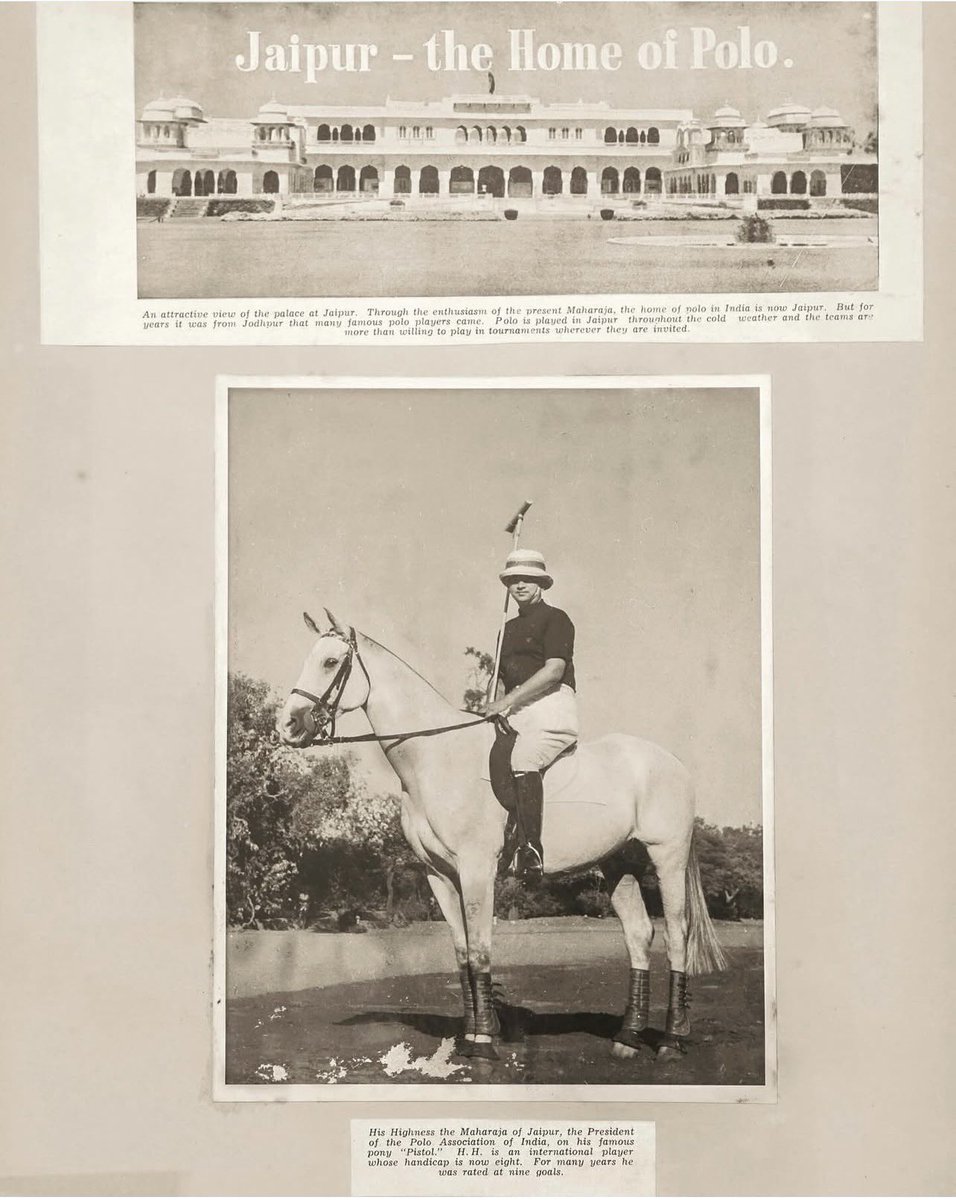

English
@BachhawatVikram Superbly written Vikram. Trips to Ooty a combination of racing & friends will remain a fond memory for a lifetime.
English
The Last Gallop in the Hills: Farewell, Ooty.
With the Ooty racecourse now a memory, an annual ritual we once cherished feels suddenly adrift.
Each summer, I would fly from Kolkata to Coimbatore, timing my arrival perfectly with friends flying in from Mumbai. In all those years, we never waited more than an hour. Shiven would have a van waiting at the airport—our faithful chariot through the hills. We stayed at a small boutique hotel nestled in the hills, with just eight rooms that we booked entirely, ensuring complete privacy and a sense of home.
Days were spent at the racecourse, taking in the thrill of the sport amid Ooty’s mist-kissed hills—over 55 acres carved out for excitement and tradition, where the Nilgiri Gold Cup was more than a race, it was an institution  .
Beyond the roar of hooves and the cheer of the crowd, we would slip away to the Ooty club’s heritage pavilion—an atmospheric nod to colonial gentility. There, the bar offered an elegant, distinctly English repose, with polished wooden counters serving classic spirits and a hushed cigar room alongside—an enclave where the aroma of fine tobacco mingled with the soft murmur of camaraderie, like a scene from another time  .
Evenings unfolded around a crackling fire on the hotel terrace—Sunil Jhangiani and Tiger often breaking into song, their voices mingling with laughter and stories of horses past. The staff, ever gracious, handled music, drinks, and a barbecue under the stars with effortless finesse. Adhiraj Singh Jodha , James and Vijay Singh would join us by nightfall, with others trickling in—filling the night with tales of thoroughbreds, wagers, and bygone glory.
Those Ooty evenings weren’t just about racing. They were about friendship, tradition, and that rare, breathless moment when time seemed to stand still. Now, with the racecourse gone, that chapter feels irrevocably closed. Deeply missed—for in those hills, our memories galloped free.


English

The Thoroughbred Truth: Why Horse Racing Deserves Its Place as a Sport of Skill
Horse racing is not all about gamble—it never truly was. At its core, it is a sport where skill, instinct, and partnership define success. The gallop of a thoroughbred down the home stretch is not the sound of chance at play, but of months—often years—of planning, breeding, training, and trust coming together in a brief, breathtaking moment.
The public imagination may often mistake it for a game of wagers, but those who live and breathe the turf know better. Behind every winning horse is a network of decisions made with remarkable precision: the pairing of sire and dam after intense pedigree analysis, the careful selection of a young foal based on its conformation and gait, the tailored fitness regime built by the trainer, the intuitive understanding between jockey and mount. Every element matters. And every victory, no matter how narrow, is earned.
India’s relationship with racing dates back more than 175 years. From the royal paddocks of Calcutta to the verdant tracks of Mumbai/Pune,Mysore,Hyderabad and Madras, the sport once stood among the nation’s finest displays of athleticism and elegance. Its institutions are well-established, its rules governed, its legacy deep. Generations have found livelihoods in its folds—trainers, grooms, breeders, vets, transporters, and stewards, all part of a finely tuned machine that moves behind the scenes.
And yet today, this grand tradition stands at a fragile crossroads.
A 28% GST imposed not just on winning , but on the entire tote collection, has strained the sport’s formal ecosystem. Legitimate betting has fallen, prize money has shrunk, and many stakeholders are being forced out. At the same time, younger generations—already distanced from equestrian culture—see little incentive to engage with a sport that’s been clouded by misperceptions and overregulation.
But there is still time to course-correct.
What horse racing needs is not sympathy, but recognition—for what it truly is: a pursuit that blends science, sport, and soul. The champion at the starting gate is not a token of chance but a product of generations of selective breeding and skilled training. The sport is a living heritage, deserving not only of protection but of celebration.
If nurtured with care and vision, horse racing can thrive again. Not merely as a spectacle for the privileged few, but as a profession that inspires, a tradition that endures, and a national passion that gallops forward with pride.

English
@BachhawatVikram Outstanding ride for the most deserving horse and owner 👍🏻
English
A Night to Remember: Time and Tide’s Grit, Sandesh’s Brilliance
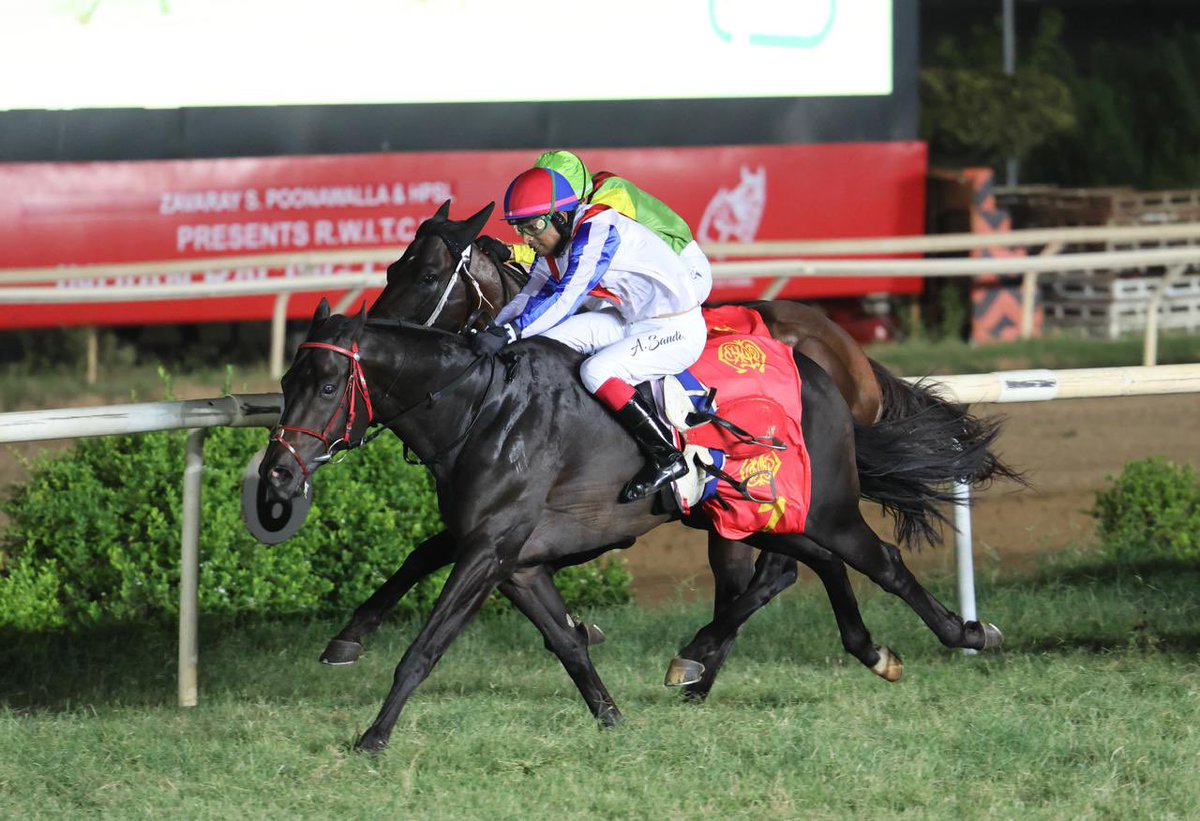
In the world of horse racing, some victories go beyond the form book and race card — they become stories of grit, instinct, and raw courage. The Zavaray S. Poonawalla Sprinters’ Challenge, held under the lights at Mumbai on April 5, 2025, was exactly that — a race that will be remembered for years to come, not just for the result, but for the astonishing circumstances under which it was achieved.
Our five-year-old colt Time and Tide, partnered once again by the ever-reliable A. Sandesh, broke smartly from gate 7 and quickly moved into his usual prominent position. But just a few strides into the straight , disaster nearly struck — the saddle slipped, throwing the entire balance of the ride into jeopardy. For most jockeys, that would’ve meant a compromised performance at best, or a non-completion at worst.
But Sandesh is no ordinary rider.
Displaying an extraordinary sense of balance and poise, Sandesh rode the entire straight without the support of his iron stirrups — relying purely on instinct, leg strength, and his deep rapport with Time and Tide. It was a flashback to his formative years riding on the undulating slopes of Matheran, where horses and riders learn to move in unison, without the crutches of perfect equipment. That muscle memory, that local wisdom, came alive on the big stage.
As the field thundered into the straight, Constable loomed up with a strong challenge, and Magileto was closing fast down the outside. But Time and Tide, galloping straight and true under hands-and-heels urging, dug deep and held them off by a neck and a length-and-three-quarters, respectively. The clock stopped at an impressive 1:08.78, a time that matched the quality of the contest.
A heartfelt thanks to trainer Adhiraj and the dedicated stable staff for keeping Time and Tide in such outstanding shape. Their hard work and meticulous care played a vital role in this memorable victory. Watching our horse overcome adversity with such grit, guided by Sandesh’s brilliance, was a moment of immense pride and joy for all of us at Bachhawat Farms.
Racing is full of close calls, dramatic turns, and emotional highs — but once in a while, a performance like this reminds us why we’re all in it. Time and Tide may have won a race, but Sandesh won our hearts.
@Adhirajsingh



English

Mumbai: Race 6
1️⃣ TIME AND TIDE *
J: A Sandesh
T: Adhiraj Singh Jodha
O: Vikram Bachhawat rep. Bachhawat Farms Pvt Ltd
.
2️⃣ Constable
3️⃣ Magileto
4️⃣ Miss American Pie
.
.
#TimeAndTide #ASandesh #AdhirajSinghJodha #Mumbai #HorseRacing #MumbaiRaces #RWITC #IndianRacing #Bombay #MahalaxmiRacecourse #RaceMirror @AdhirajsinghJ

English
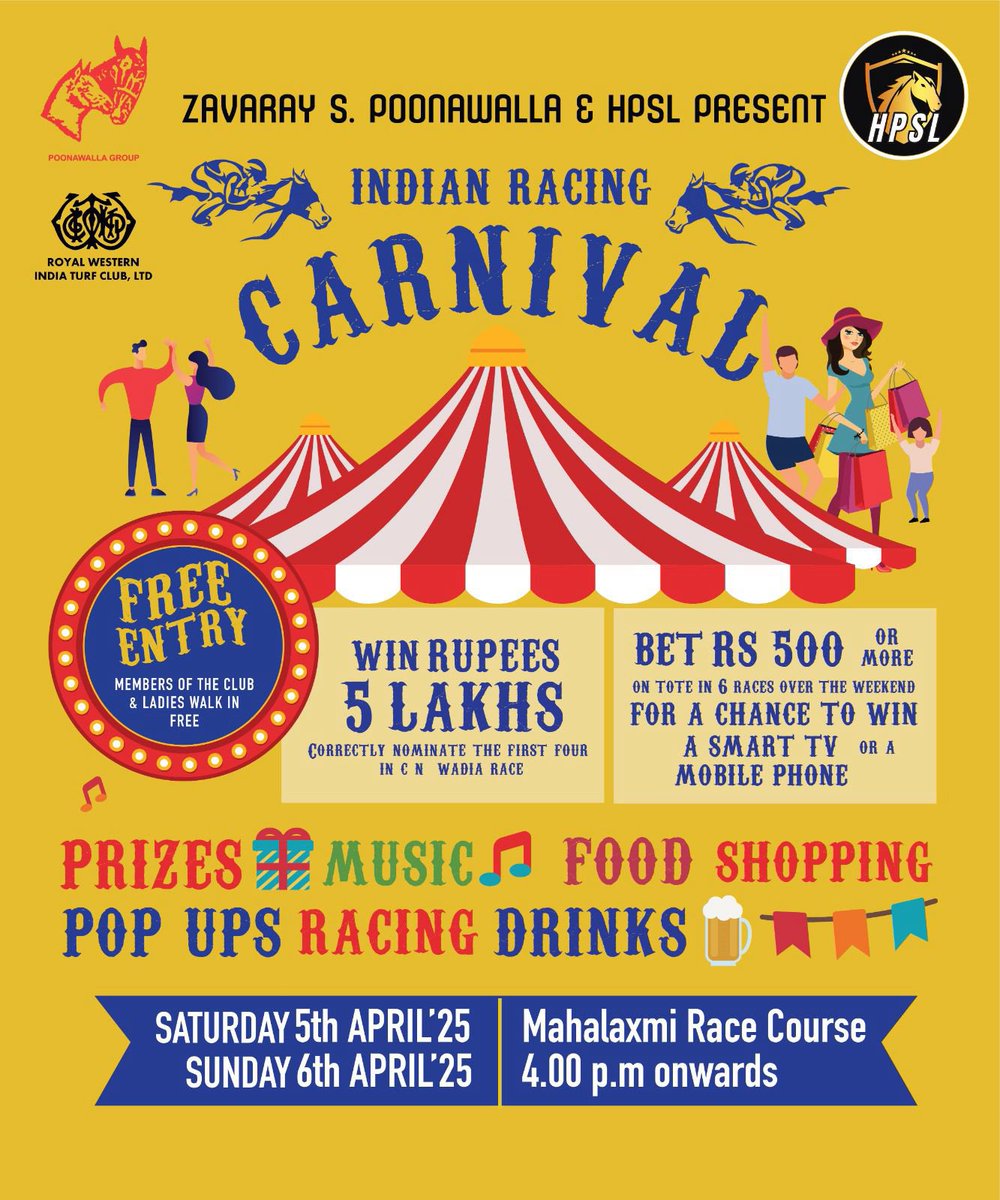
Indian Racing Carnival 2025: A Grand Celebration of Equestrian Excellence
Mumbai, April 5-6, 2025 – The Indian Racing Carnival, presented by Zavaray S. Poonawalla at the Royal Western India Turf Club (RWITC), is set to be one of the most anticipated events in India’s horse racing calendar. With a staggering ₹3.5 crore in stake money and prizes, the two-day extravaganza promises to bring together top-class thoroughbreds, elite jockeys, and passionate racing enthusiasts for a weekend of high-octane competition and grandeur.
A Carnival Like No Other
Sponsored by HPSL, the Indian Racing Carnival aims to blend the thrill of horse racing with a festival-like atmosphere, making it an unmissable event for both seasoned racing aficionados and newcomers alike. With some of the finest horses from across the country competing in marquee races, the carnival is expected to draw an exceptional crowd at the Mahalaxmi Racecourse, Mumbai’s iconic racing venue.
In addition to the races, the event will feature exclusive hospitality lounges, live music, gourmet food stalls, and fashion showcases, reinforcing RWITC’s commitment to transforming horse racing into a social and cultural spectacle.
The Aakriti Art Gallery Million
One of the highlights of the event is the Aakriti Art Gallery Million, presented by Chisel Crafts Pvt Ltd. In a historic first for RWITC, this race will award an original art work as a trophy to the winning connections, moving beyond the tradition of silverware and cup trophies. The specially commissioned sculpture, created by renowned artist Akhil Chandra Das, brings an artistic dimension to the sport, merging the worlds of equestrian excellence and fine art.
As the countdown begins for April 5-6, 2025, the excitement is palpable among horse owners, trainers, and punters, all eager to witness the spectacle. The Indian Racing Carnival is not just another race meet—it’s a celebration of the sport’s heritage, its future, and the cultural synergies that make it unique.
With world-class racing action, an infusion of art, and an atmosphere of festivity, the 2025 Indian Racing Carnival is set to redefine the Indian horse racing experience.


English
@toi_shailendraA This article is a testament to the human spirit's capacity for resilience and determination . Well written 👍🏻 Shailendra
English



@BachhawatVikram Congratulations Vikram and nicely written 👍🏻
The fastest horse 🐎 in the country.
English
what a race! Time and Tide has done it again – Sprinters’ Cup champion for the second year in a row! I am overflowing with joy and pride at this back-to-back victory. This horse has a heart as big as this track, and today he showed the world what true champions are made of. To win it once was special, but to win it again against the best is extraordinary.
This triumph was a team effort, and there are many people to thank. My deepest gratitude goes to our brilliant trainer Adhiraj Singh Jodha, whose expert guidance and unwavering faith in Time and Tide turned him into a powerhouse. A big thank you to our jockey A. Sandesh, for a flawless, fearless ride—he timed the sprint perfectly and brought out the best in Time and Tide when it mattered most. I also applaud our incredible stable staff: the syces who care for Time and Tide day in and day out, and the work riders who push him every morning. You are the unsung heroes behind this victory—we couldn’t have done it without your hard work and love. This win belongs to all of you.
They say, “Time and tide wait for none,” and today Time and Tide proved that on the racetrack. He stormed down the stretch like an unstoppable tide, leaving everyone else in his wake. Moments like these are fleeting — today’s victory is tomorrow’s memory — so we seized the moment with everything we had. This magnificent horse has shown that with passion, teamwork, and an unyielding will to win, you can defy the odds and make history. We will savor this win, but we won’t rest on our laurels — the next challenge is always around the corner. Time and Tide waits for no one — and neither will we. Thank you, everyone!
@AdhirajsinghJ
Race Mirror@RaceMirror
TIME AND TIDE [Dali (USA) - Starlet (IND) by Eljohar (IRE)] wins The Zavaray S Poonawalla Sprinters' Cup G1 J: A Sandesh T: Adhiraj Singh Jodha . . @RaceMadras @AdhirajsinghJ @BachhawatVikram @rwitcmumbai @angads110 #TimeAndTide #SprintersCup
English

Sanjay retweetledi

Press Conference for HPSL Indian Derby: Unveiling of the Grade 1 HPSL Indian Derby, set for Sunday, February 2, at Mahalakshmi Racecourse, marking the biggest weekend in Indian racing.
Pic: Sayyed Sameer Abedi
#Mumbai #Racing #MumbaiNews


English
Sanjay retweetledi
Santissimo: The Rising Star of Indian Racing
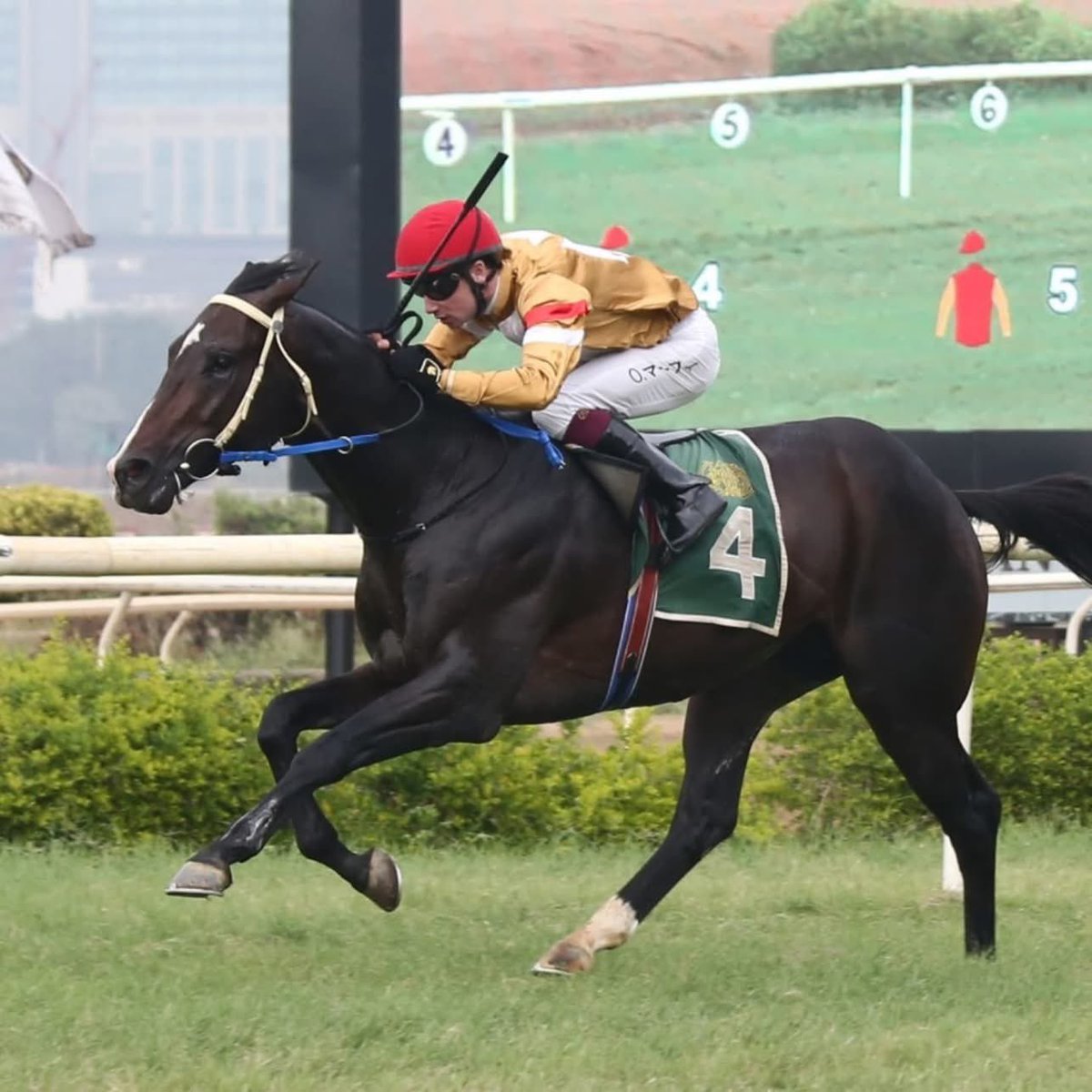
Santissimo, a 3-year-old bay colt, has emerged as one of the most promising racehorses on the Indian circuit, captivating the racing community with his impeccable performances and stellar pedigree. Trained by the renowned Pesi Shroff and owned by a distinguished group of racing enthusiasts, including Mr. Gautam Lala, Mr. Kishore P. Rungta, Mr. Joydeep Datta Gupta, Mr. Saleem Fazelbhoy, and Mr. Achuthan Siddharth, Santissimo is writing his success story one race at a time.
Pedigree Analysis
Santissimo hails from a lineage of champions. Sired by Gusto (GB), known for his speed and agility, his bloodlines trace back to the legendary Oasis Dream and Green Desert, both significant contributors to European racing history. His dam, Beldon Hill (USA), enriches his pedigree with strong American influences, ensuring a perfect blend of stamina and speed. This combination has given Santissimo the versatility to excel across different distances and conditions.
Racing Career and Recent Triumph
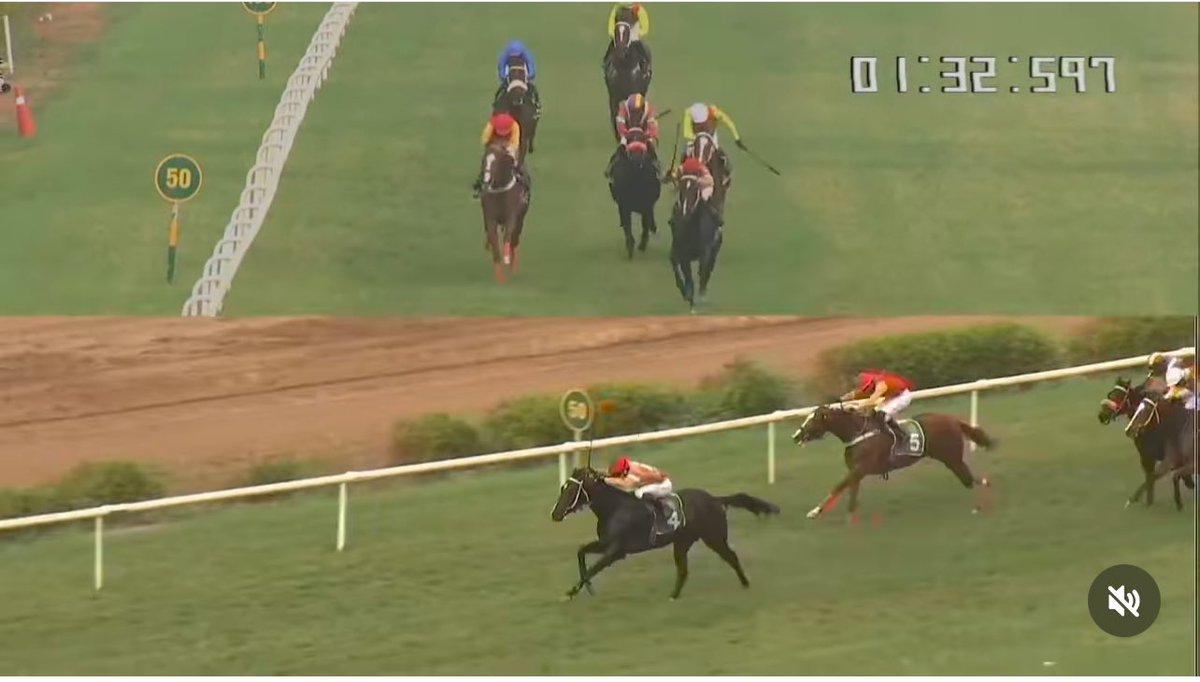
Santissimo has delivered an extraordinary performance on the track, amassing an impressive record of 9 runs with 7 wins and 2 second-place finishes, showcasing his consistency and dominance. His most recent and perhaps most significant victory came on Sunday, December 22, 2024, when Oisin Murphy piloted him to a triumphant win in the HPSL Indian 2000 Guineas (Grade I) at Mumbai’s Mahalaxmi Racecourse. The race further solidified Santissimo’s status as a leading contender in Indian racing and displayed his capability to perform at the highest level under world-class jockeys.
Other Notable Wins
•Pune Derby (Grade I): Santissimo claimed victory in October 2024, demonstrating his dominance over middle-distance races.
•Bangalore Summer Derby (Grade I): In August 2024, he showcased his endurance and class with a stellar win.
•Mayor’s Trophy (Bangalore): His earlier victories, including this one in July 2024, laid the foundation for his growing reputation.
What’s Next?
With earnings of over ₹2.1 crore and an enviable racing record, Santissimo’s career trajectory points to further success in the classics. Backed by an elite team of owners, a master trainer, and his natural talent, he is poised to challenge the best in the upcoming Indian classics, including the highly anticipated Indian Derby.


English
Sanjay retweetledi
Indian Horse Racing: A Promising Future Rooted in Innovation and Tradition
Indian horse racing, with its rich 200-year legacy, has been a sport of grandeur, excitement, and cultural significance. However, like any historic institution, it has faced its fair share of challenges, particularly in recent years. The imposition of a steep 28% GST on betting activities led to declining revenues, forcing racing clubs to think creatively about sustainability and growth.
Despite these hurdles, two of India’s most iconic institutions—the Royal Western India Turf Club (RWITC) in Mumbai and the Royal Calcutta Turf Club (RCTC) in Kolkata—are leading a revival. Through innovative strategies, modernized facilities, and a focus on engaging younger audiences, they are ensuring a vibrant future for horse racing in India.
The New Wave of Change at RWITC
The RWITC, synonymous with the glamour and excitement of horse racing, has undertaken bold steps to secure its future while preserving its heritage.
Revitalizing the Mahalaxmi Racecourse
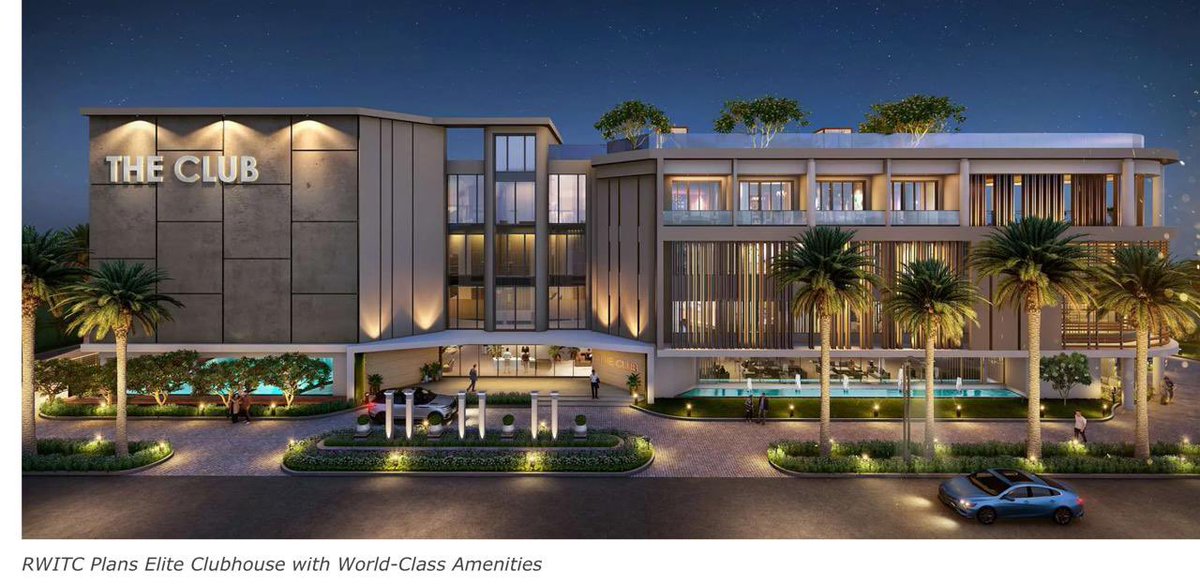
One of the most significant projects at RWITC is the modernization of the historic Mahalaxmi Racecourse. The club is upgrading its infrastructure with plans for a state-of-the-art clubhouse and enhanced spectator facilities. These improvements aim to attract a new generation of enthusiasts while retaining the charm that has defined the venue for decades.
Strategic Partnerships for Longevity
In an innovative move, the RWITC collaborated with the Brihanmumbai Municipal Corporation (BMC) to hand over a portion of its land for the development of a public theme park. This mutually beneficial partnership resulted in a 30-year lease renewal for the club, ensuring horse racing continues to thrive at this iconic venue.
RCTC: Engaging the Youth, Expanding the Appeal
While RWITC is modernizing its facilities, the Royal Calcutta Turf Club (RCTC) is focusing on attracting younger audiences and diversifying its offerings.
Paddock Lounge: A Hub for Young Members
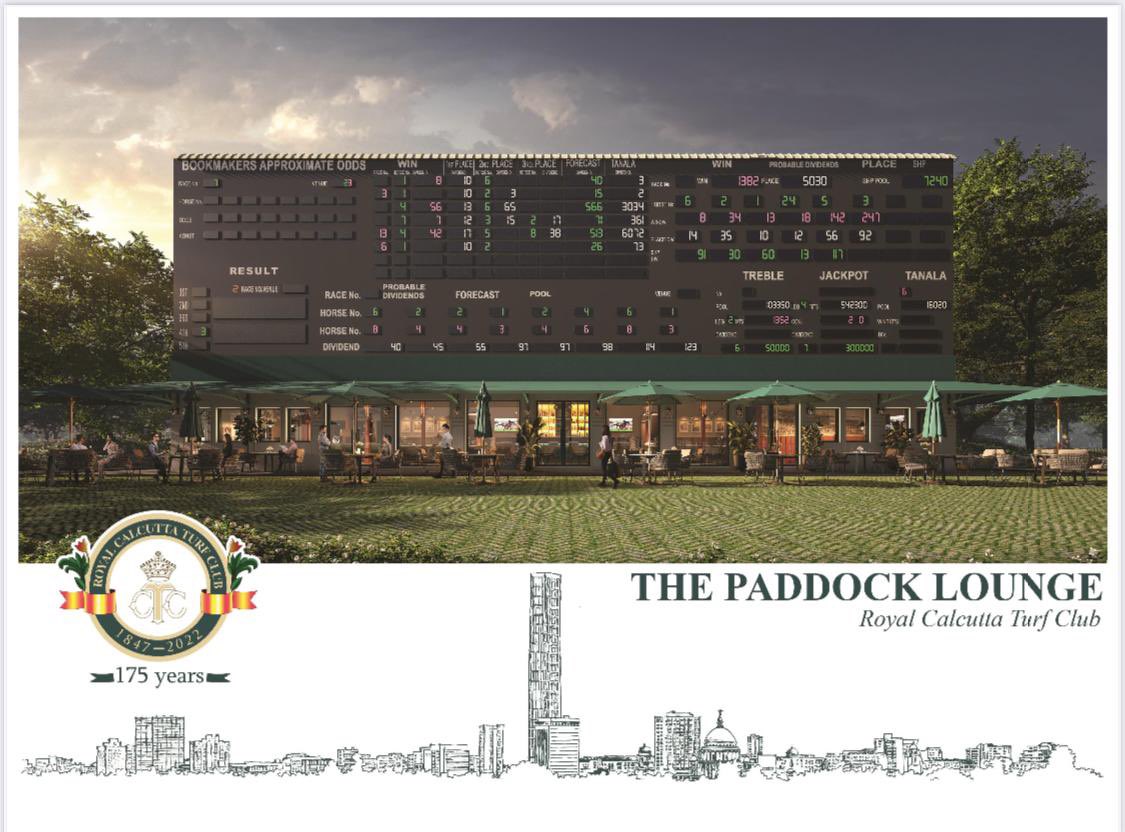
The Paddock Lounge, a chic and contemporary space, has become a popular hangout for members under 40. Combining the thrill of horse racing with a modern social atmosphere, the lounge is designed to introduce a younger demographic to the sport, fostering a new generation of racing enthusiasts.
Pickleball Courts: A Sport for the Youth
In a nod to emerging trends, RCTC has introduced pickleball courts on its premises. This fast-growing sport has captured the attention of young athletes and sports lovers, making the club a multi-recreational hub. By incorporating activities like pickleball, RCTC is expanding its appeal and creating a community space that goes beyond racing.
Blending Tradition with Innovation
Both RWITC and RCTC are blending their rich traditions with modern innovations to ensure sustainability:
•Digital Transformation: Initiatives like online betting platforms and live race streaming are reaching tech-savvy audiences and boosting revenues.
•Community Events: From themed race days to family-friendly activities, these clubs are making racecourses a destination for more than just the sport.
Looking Ahead: A Bright Future
The future of Indian horse racing looks promising, thanks to the visionary efforts of RWITC and RCTC. By modernizing facilities, fostering community engagement, and embracing innovation, these clubs are charting a sustainable path forward. Initiatives like the Paddock Lounge and pickleball courts at RCTC, and the modernization of Mahalaxmi Racecourse by RWITC, are just a few examples of how the industry is adapting to contemporary demands while honoring its heritage.
With these bold steps, horse racing is not just surviving—it is thriving. As younger audiences engage with the sport and clubs diversify their offerings, Indian horse racing is poised to reclaim its position as a celebrated and cherished pastime for generations to come.
@shivens @sanjay_facets @sunil57 @indiaracedotcom @RaceMirror @rwitcmumbai #horseraces
English
Sanjay retweetledi


@BachhawatVikram @shivens Well written Vikram . Always happy to have you over in Mumbai with all your vibrancy & enthusiasm 🐎👍🏻
English
“Of Words, Strokes, and Strides”
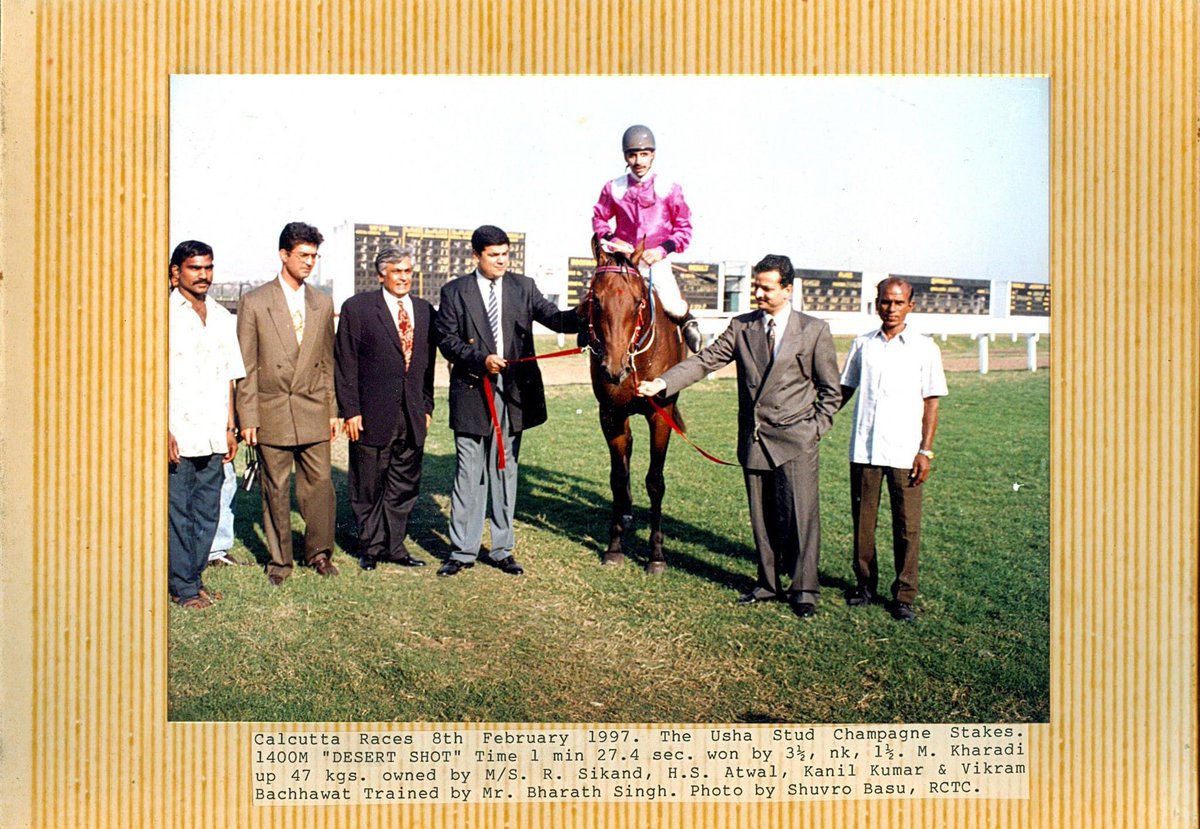
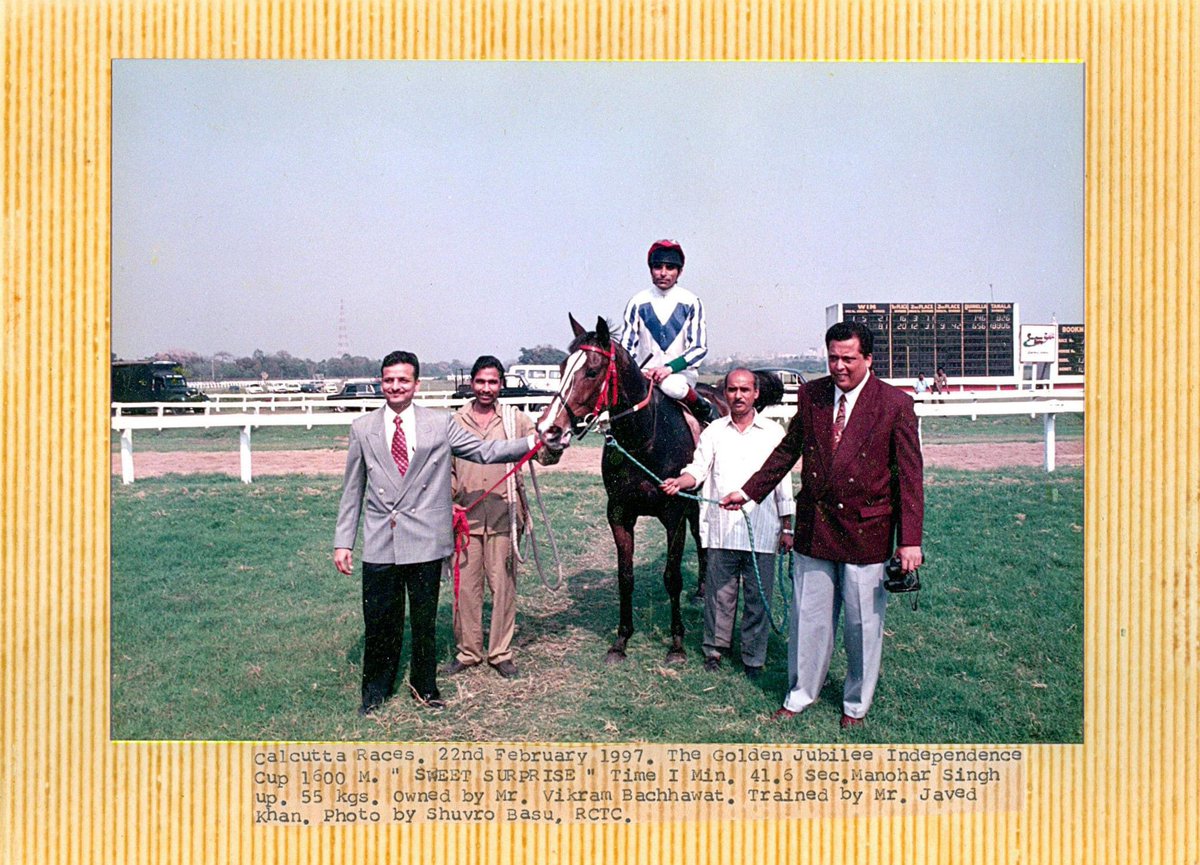
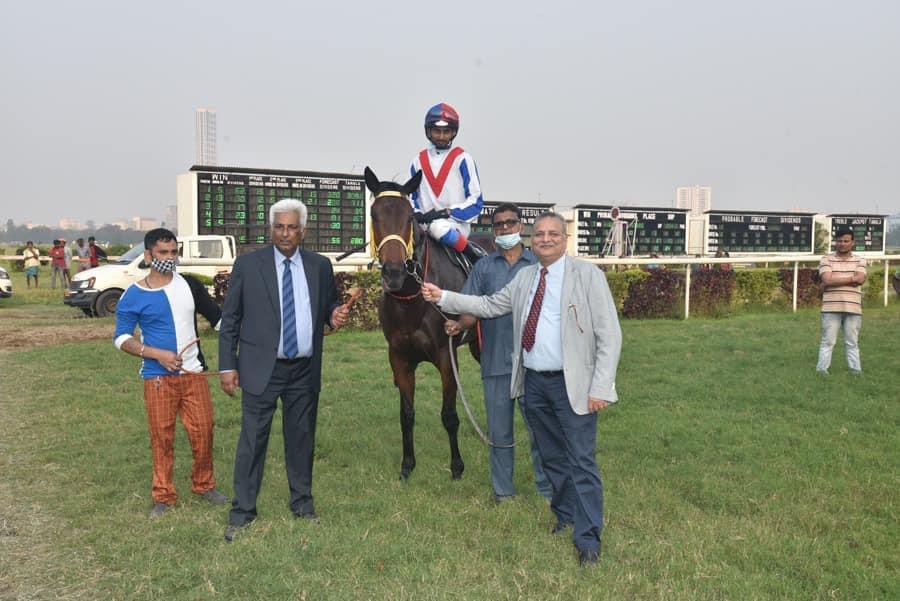
I started owning horses while still in college, in the late 1980s. My first horse, “Oleron,” was co-owned with my friends and trained by Bharat Singh. It was the beginning of a journey that would intertwine my love for horses with some of the most meaningful friendships in my life. Over the years, I had several horses trained by Javed Khan, who remains a dear friend to this day. Around 2017 or 2018, I began training with Vijay Singh, a highly professional and dedicated trainer who has since become a close confidant.
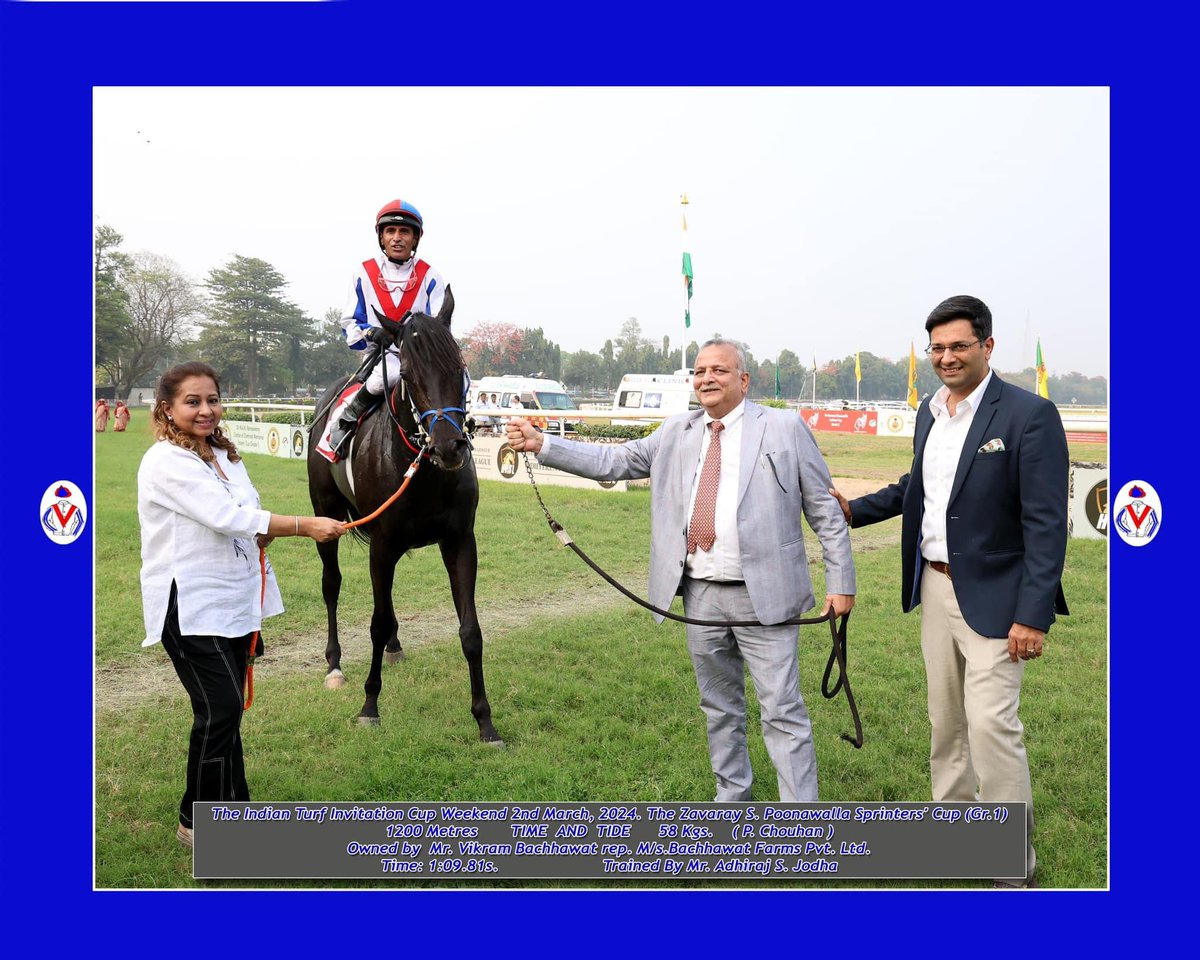
In recent years, my focus has shifted more toward owning horses in Mumbai. I initially had a few with the late trainer Sunderjee and now with champion trainer- Adhiraj Singh Jodha, who oversees my main string . The decision to race more in Mumbai came down to one simple reason: I found the atmosphere there more conducive and friendly. It’s a place where I’ve forged many great friendships and where I cherish every visit, often accompanied by my travel companion, trainer Patrick Quin. Though I don’t have any horses in his stable, his company adds a unique charm to these trips.
People often wonder how I’ve built so many friendships in the racing world without any professional engagements tied to them. Honestly, I don’t have a definitive answer. I believe it’s the nature of the relationships themselves—genuine, unburdened by expectations—that draws people closer. For me, owning horses is not just about the thrill of the sport; it’s about the connections it fosters, the camaraderie shared, and the memories made. These relationships, much like my art and words, are meaningful in their simplicity, yet deeply profound.
@AdhirajsinghJ @VijaySi2909 @Patrick51660899 #nostalgia #horseracing #FRIENDS4EVER
@shivens @sunil57 @BloodstockWorld @dashmeshstud
English
Ground staff giving the track a look over - The S.A.Poonawalla Million day @rwitcmumbai .
#puneraces

English
🐎
Vikram Bachhawat@BachhawatVikram
“Another Jewel added to my collection : 1921 Prince of Wales at the Calcutta Racecourse" This photograph is indeed a rare and fascinating addition to my collection, capturing a momentous event in the history of Indian horse racing. It features the Prince of Wales, later known as King Edward VIII, during his visit to India in 1921. The image was taken at the Calcutta racecourse, one of the oldest and most prestigious racecourses in the country, dating back to 1820. The Prince of Wales' visit was a significant event, symbolizing the British Empire's influence over India at that time. Horse racing was a popular pastime among the British elite, and the Calcutta racecourse was one of the key venues where the social and political elite gathered. The presence of the Prince of Wales at this event would have added considerable prestige and excitement to the occasion. The photograph itself is a treasure trove of historical details. The crowd in the background, dressed in the formal attire of the period, reflects the social customs of the time, with men in suits and hats, and women in elegant dresses and gloves. The trophies displayed in the foreground are indicative of the importance of the races, and they provide a glimpse into the grandeur and ceremonial aspects of the event. This particular moment, where the Prince and other dignitaries are seen tipping their hats, conveys the respect and formality associated with royal visits. It's a powerful reminder of the connections between British royalty and the Indian subcontinent during the colonial era. For me, this photograph is more than just a historical artifact; it represents a piece of the cultural and social tapestry of India during the early 20th century. It adds depth to my collection, offering insights into the role of horse racing in Indian society and the broader historical context in which these events occurred. I'm excited to continue exploring and preserving such significant moments from the past, not just as a collector, but as someone deeply interested in the rich heritage of horse racing in India. #HorseRacing #BritishIndia #Horseracinghistory #calcutta #india #CalcuttaTurfClub
ART
Santissimo, August, John Wick & Once You Go Black: The #Bombayboyz were plum picking @BTCINFO5 today !
English