Sanjeev Kumar, FRASGB

344 posts

Sanjeev Kumar, FRASGB banner
Sanjeev Kumar, FRASGB

Sanjeev Kumar, FRASGB

@sanjeevku

Historian and Author. Fellow of the Royal Asiatic Society of Great Britain. Author of book series “Treasures of the Gupta Empire”.

Global citizen Katılım Haziran 2009
4.6K Takip Edilen1.2K Takipçiler
Sabitlenmiş Tweet
Sanjeev Kumar, FRASGB
Sanjeev Kumar, FRASGB@sanjeevku·
The Book “Treasures of the Gupta Empire, 2nd Edition” (2024) Part I, is now available as a PDF download. This will allow all the Scholars, Researchers and Students and everyone else to have access to the latest research on this amazing and beautiful History of Ancient India. The Hindi translation of the book is ongoing and I hope to have this available soon also. It is also available via Internet Archive. archive.org/details/treasu… Please share this so everyone can have access: academia.edu/resource/work/…
Sanjeev Kumar, FRASGB tweet media
English
18
189
561
40.9K
Sanjeev Kumar, FRASGB retweetledi
நா. கணேசன் (Dr. N. Ganesan)
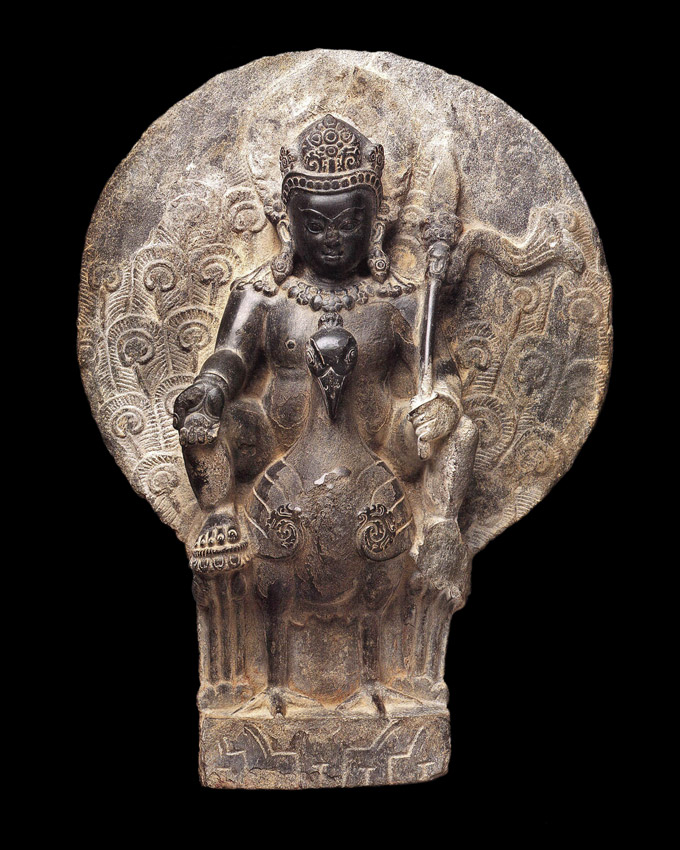
King Kumaragupta put the peacock (mayuura), the vehicle of Kumara/Skanda, on his coins to indicate his iSTa-devata. There are Gandhaara sculptures and other dynasties with Kumara and peacock along with his parents, Siva and Umadevi. @guptanumis @sarvamedha @Saatvata @monidipadey @MumukshuSavitri @tapeshyadav_usa @veludharan @sanjeevku @tsssubbu @Anand_Venkatram @marthandavelan @naavalam Kumara with Vel (Lance) on his Peacock, The Divine Commander Nepal, Kathmandu Valley 8th/9th c., Gray schist James and Marilynn Alsdorf Collection, Art Institute of Chicago. Photo after Pratapaditya Pal, A Collecting Odyssey (Art Institute of Chicago, 1997), cat. # 76
நா. கணேசன் (Dr. N. Ganesan) tweet media
English
0
5
19
289
Sanjeev Kumar, FRASGB
Sanjeev Kumar, FRASGB@sanjeevku·
When discussing India’s rich history, it is very important to be concise. From the time of a Phooti Kaudi to present day, we have all sizes and weights of coins in Lead, copper, silver and gold. Each region assigned different names and weights ranged for 0.02grams up to 30+grams .. India’s monetary history did not evolve in a straight line from Kaudi → Damdi → Dhela → Paisa → Anna → Rupee. This mixes different eras, regional systems, informal exchange media, and official state currencies into one simplified chain. If we want historical accuracy, the story starts much earlier with Punch-Marked Kārṣāpaṇas (c. 6th century BCE) — among the earliest Indian coins — followed by Indo-Greek, Kushan and Gupta gold dinars, lead, silver and copper regional coinages, and later the Rupiya standardized under Sher Shah Suri and the Mughals. Also, the graphic reverses the actual rupee structure. Under British India: 1 Rupee = 16 Annas = 64 Pice/Paisa = 192 Pies — meaning Anna came before Paisa in value, not after it. Cowries (kaudi) certainly existed for petty exchange in many regions, but they were never the singular origin point of all Indian currency. India’s monetary history is over 2,500 years old — far richer than this viral oversimplification.
English
1
0
4
262
Śrī 🪷
Śrī 🪷@srisrinedha·
The Evolution of Indian Currency: From Phuti Kaudi to One Rupee Coin
Śrī 🪷 tweet media
English
9
36
280
7.6K
Sanjeev Kumar, FRASGB retweetledi
Samapa
Samapa@guptanumis·
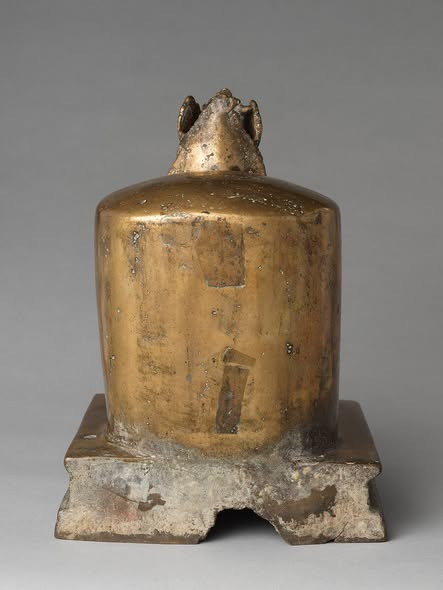
This rare metal linga is addorsed with the figure of Shiva, who displays a rosary (aksamala) and citron fruit (vijapuraka), representing the seed of the universe. Shiva is routinely described as the “seed giver,” the supreme progenitor.Ekamukhalinga metmuseum.org/art/collection…
Samapa tweet mediaSamapa tweet mediaSamapa tweet mediaSamapa tweet media
English
2
40
177
4.1K
Sanjeev Kumar, FRASGB retweetledi
Śrī 🪷
Śrī 🪷@srisrinedha·
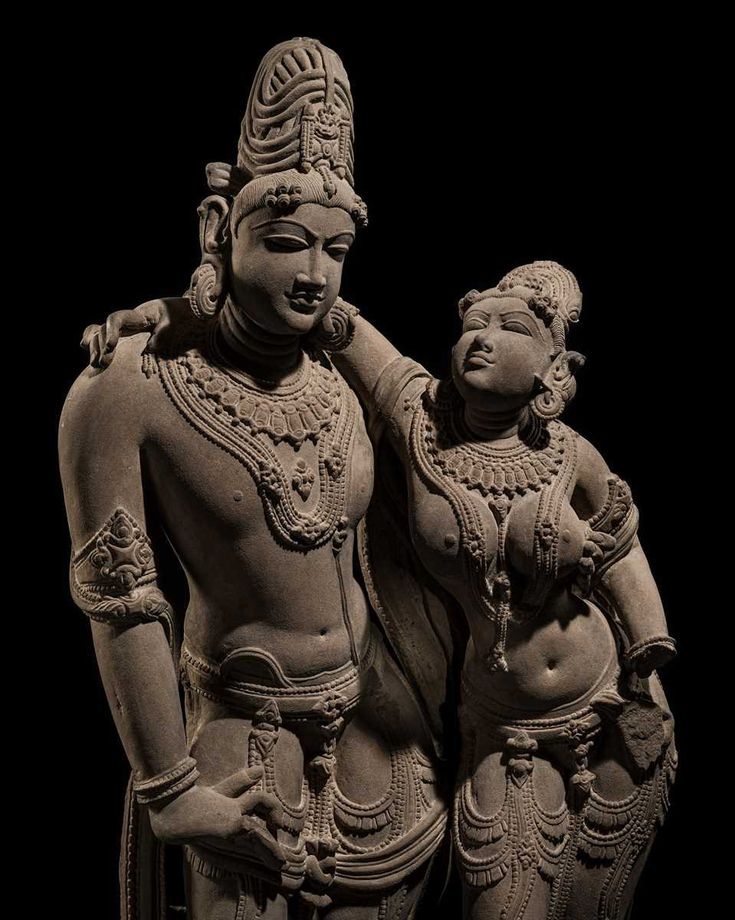
Sandstone sculpture of Lakṣmī Nārāyaṇa from the Chandela period (10th–12th century CE).
Śrī 🪷 tweet media
Română
7
70
529
5K
Sanjeev Kumar, FRASGB
Sanjeev Kumar, FRASGB@sanjeevku·
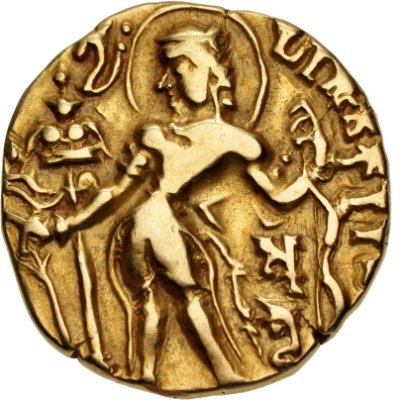
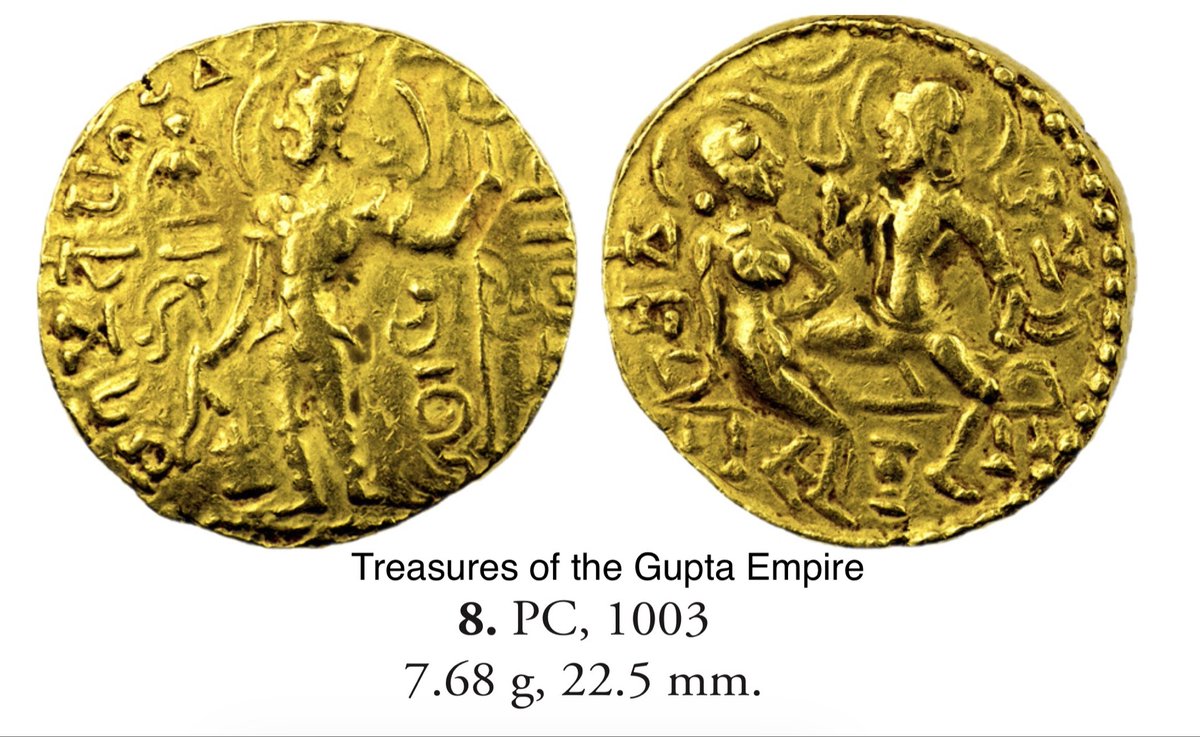
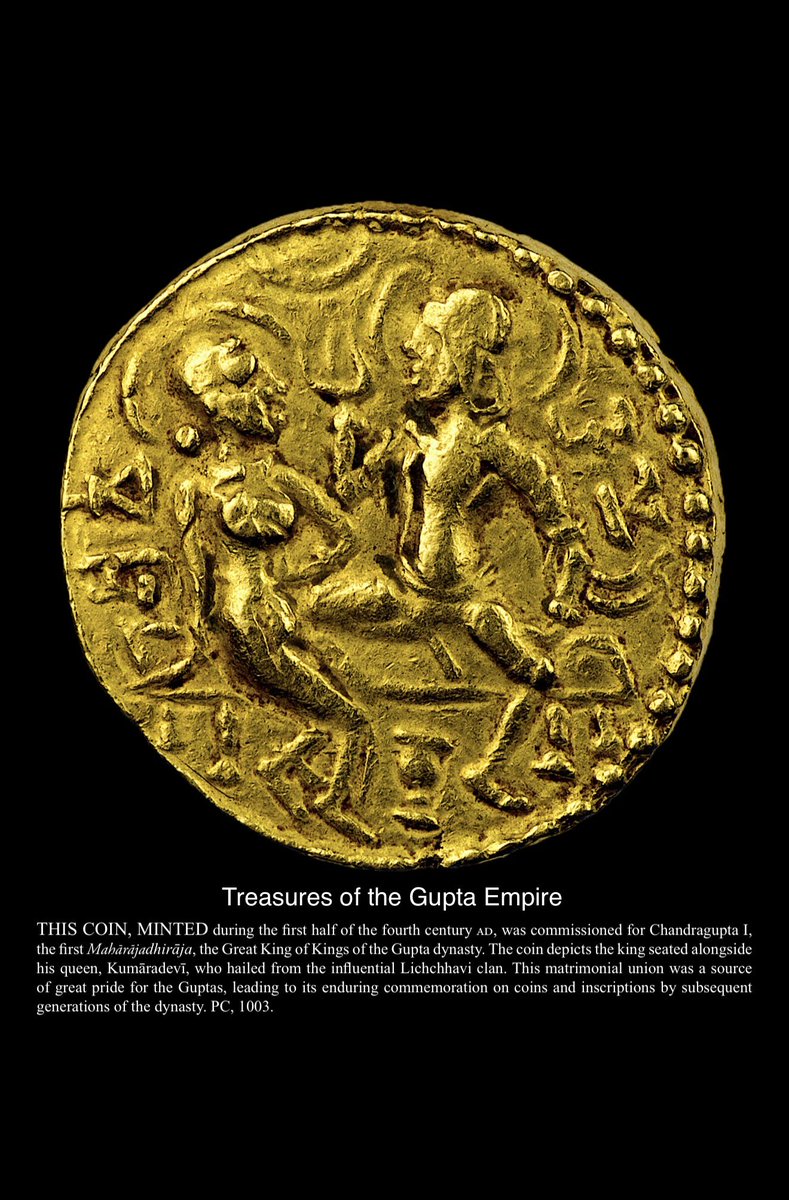
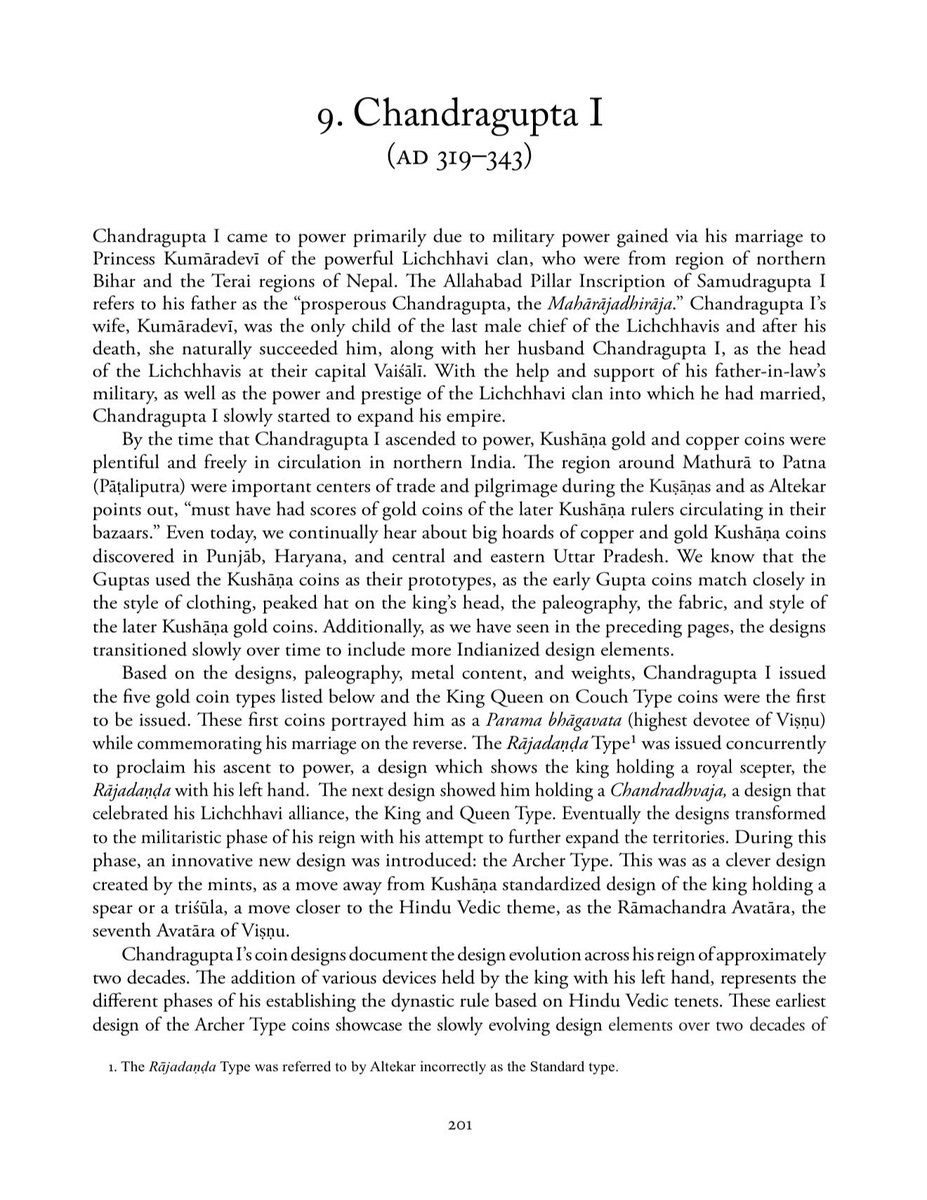
Chandragupta I (AD 319–343) The is the first gold coin struck by the first Gupta King… not just a King, the Great King of Kings, the Mahārājādhirāja Śrī Chandraguptaḥ The King and Queen on Couch Type of Chandragupta I is one of the rarest and the earliest types of gold coins in Gupta numismatics. There are a total of five known specimens of this design known to exist. (2 in Bharat Kala Bhavan, 1 in National Museum, Delhi and 2 in Private Collection). Under the king’s left arm, we can see the name Chandra, and on reverse we see a Biruda. Starting at 9 o’clock we can see the letters Śrī Vi ---… On these coins, the legend starts at 11 o’clock and has been reconstructed to read as ‘Prarathamath adhiruhya kshitim abhipata divam jayati’ (“Having ascended his excellent chariot, the preeminent protector of the earth also conquers heaven”). Obverse: King stands facing left and is wearing Kushāṇas-style clothing, armored tunic, and trousers. He wears a conical hat reminiscent of headgear seen on late Kushāṇa coinage and is shown offering oblations to the Agnī kuṇḍa with his right hand. With his left hand he holds the javelin—the spearhead of the inverted javelin can be seen on both the Bharat Kala Bhavan coins below. The National Museum coin does have a rounded bulbous end at the base of the staff and can be mistaken as a Rājadaṇḍa (Scepter). The two Bharat Kala Bhavan coins below (nos. 8264 and 8454) with the spearhead confirm that the complete die included a spearhead design at the end of the staff. The king is shown with a halo and is facing the Garuḍa standard. Under the king’s left arm, we can see his name written in Brāhmī, Chandra. It is important to note here, that no diadem is shown in the designs on either side of these coins. Reverse: The king and queen are shown sitting on a couch. The queen leans back, and the king offers a ring to the queen. The king’s right leg is folded under him, and his left leg hangs down. Both king and queen have a halo. The king wears big earrings. He is bare-chested and possibly wears a dhotī, while the clothing of the queen is uncertain, and her hair is tied in a bun. On the left edge behind the queen’s back are two letters Śrī and vi and similarly behind the king’s back we see the letters kra maḥ: Śrī Vikramaḥ, which is the Biruda of Chandragupta I. Below the couch we can see a spittoon. In the top center, above the king’s hand, which holds a ring, we see a crescent (or possibly a crescent standard with dhvaja hidden in background). The identification of these two figures has been much debated over the past century. On Gupta gold coins, the reverse was always reserved for divinity and almost always shows a goddess. Here on the coins of this type, it is not clear if these two figures are in fact a representation of divinity or the king and queen themselves. Hoernle proposed that this was a scene recreating a Lakṣmī Narayna representation of Viṣṇu. Based on that assertion, sometimes these coins are incorrectly referred to as the Vaikuṇṭha type when in fact if we were to consider this design as a divine representation, the correct term should be the Lakṣmī Nārāyaṇa Type, which was the mint’s way of tying the imagery of royalty with divinity. … from my book ‘Treasures of the Gupta Empire’
Sanjeev Kumar, FRASGB tweet mediaSanjeev Kumar, FRASGB tweet mediaSanjeev Kumar, FRASGB tweet media
English
1
27
85
3.9K
Ravi Kiran S
Ravi Kiran S@vikataravi·
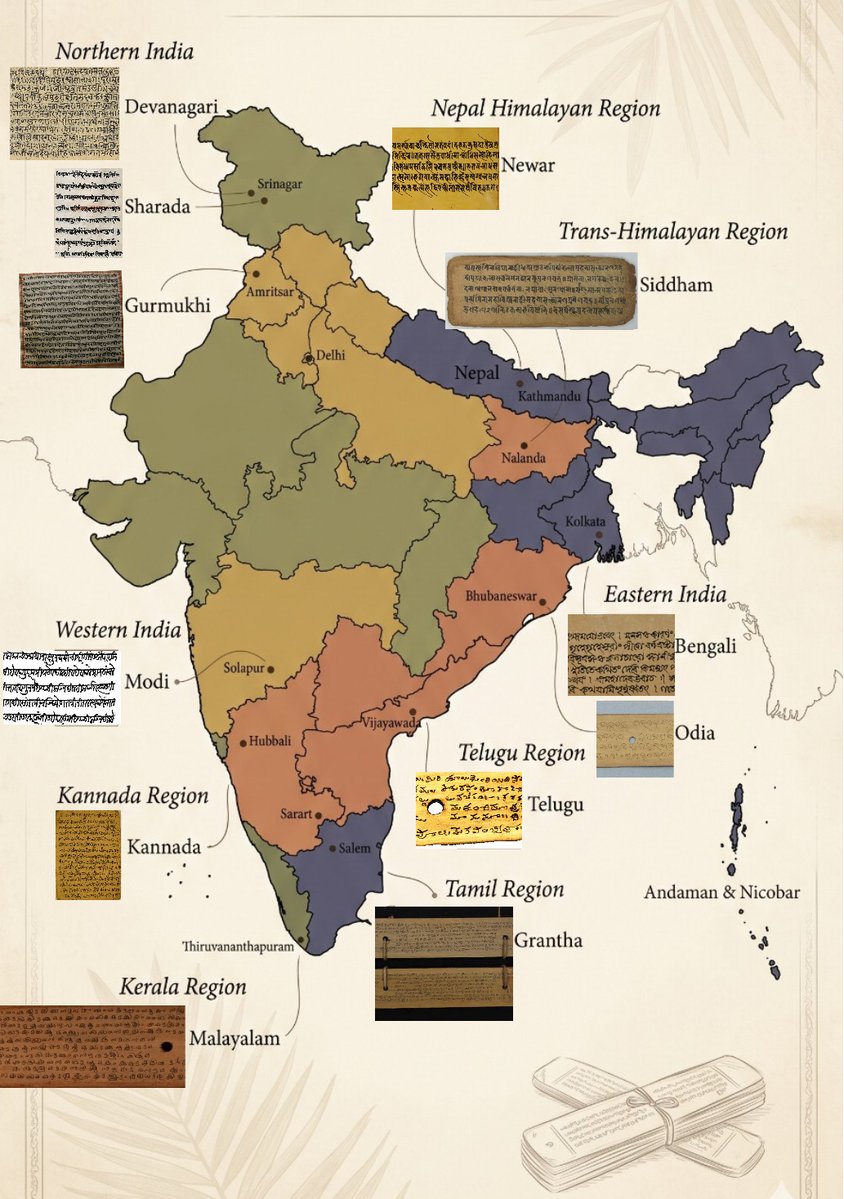
A breakthrough for Indic manuscript OCR. Introducing UniLipi - a unified Sanskrit manuscript OCR system capable of decoding across 13 scripts.
Ravi Kiran S tweet media
English
54
771
2.6K
47.2K
Sanjeev Kumar, FRASGB
Sanjeev Kumar, FRASGB@sanjeevku·
@vikataravi This is excellent. It would be good if a similar effort could be done for Brahmi and Prakrit scripts also. 👏🏼👏🏼
English
1
0
2
420
Sanjeev Kumar, FRASGB retweetledi
Give A Shit About Nature
Give A Shit About Nature@giveashitnature·
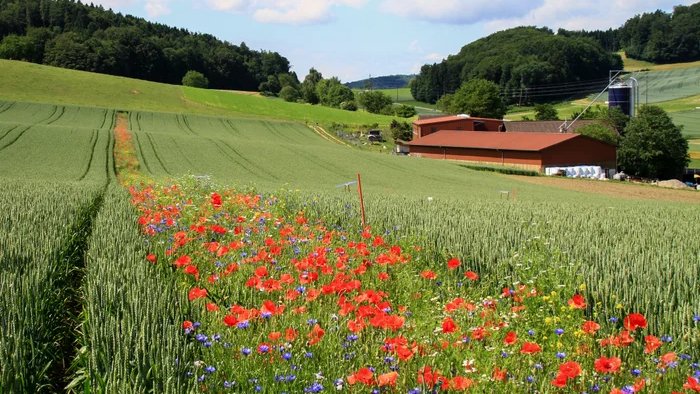
Farmers have figured out that the cheapest pesticide is a strip of flowers. When you plant wildflowers through a crop field, not just around the edge but in strips running through the middle, you get ladybugs, lacewings, hoverflies, and parasitic wasps living in the field instead of visiting it. They eat the aphids, the caterpillars, and the mites for free, all summer long. In controlled trials, fields with tailored flower strips had leaf-beetle numbers 40 to 50% lower and crop damage cut by around 60%, enough to drop below the threshold where spraying was even considered worth it. The flowers attract a standing army to our fields. We spent decades engineering chemicals to kill the insects eating the crop, when the insects that eat those insects would have worked for the price of seed.
Give A Shit About Nature tweet media
English
715
19.1K
63.8K
3.1M
Sanjeev Kumar, FRASGB
Sanjeev Kumar, FRASGB@sanjeevku·
This coin is a fake cast copy made from the gold Aśvamedha coin of Samudragupta I. Many such cast copies in silver and then plated with gold have been recorded and a few are also listed in my latest book. Many such coins are still in Museum collections and misidentified or mis-attributed to different dynasties. The legend at the reverse is an attempt to write the Biruda ‘Aśvamedha-parākramaḥaḥ’, in a crude manner. I have attached the pages from the book as a reference. I am also attaching additional pages from the book which discuss the spear shown in front of the goddess. Hope this helps. For more understanding on the evolution of iconography and the coins, please feel free to down the book - link is the pinned message on my profile. Hope this helps. 🙏🏽
Sanjeev Kumar, FRASGB tweet mediaSanjeev Kumar, FRASGB tweet mediaSanjeev Kumar, FRASGB tweet media
English
0
6
31
1.9K
Historia De Gauda
Historia De Gauda@historiadegauda·
Coinage of Bijay Sena: turned into antique silver colour texture There are numerous coins of the Sena dynasty but duy to unknown force none of them are published in the journal. Even this journal does not mention that it is a Sena coin.
Historia De Gauda tweet media
Historia De Gauda@historiadegauda

This coin was discovered from Mainamamti Bihar Comilla. Currently preserved in Decca Museum. & Published in the journal of Lalit Kala Academy. Mainamamti Bihar site was from Pala-Sena era and except Bijay Sena no other king was named as Bijay from that era.

English
3
9
23
1.3K
Sanjeev Kumar, FRASGB retweetledi
Collin Rugg
Collin Rugg@CollinRugg·
NEW: Students go nuts after donor announces during his commencement speech that he is paying off all of their senior year debts. Anil Kochhar and his wife decided to give the gift to all ~200 graduates in N.C. State's family. Kochhar is the son of Prakash Chand Kochhar, an immigrant from India who studied textile manufacturing in Raleigh. "My father found not just an education, but an opportunity that allowed him to build a life, support his family, and begin a legacy that continues today. And it will never stop, never," Kochhar said.
English
388
1.9K
23.4K
2.2M
Sanjeev Kumar, FRASGB
Sanjeev Kumar, FRASGB@sanjeevku·
Thank you for bringing light to these stones. While discussing these stones, one important clarification is necessary: The Villupuram–Tiruvannamalai Visiri stones should be described as megalithic anthropomorphic memorial or ritual stones, locally worshipped as Thai Deivam / Amman. Their goddess identification rests mainly on living folk worship, perceived female morphology in some cases, and later Tamil mother-goddess assimilation. It is safer not to identify them as a specific goddess unless supported by inscription, iconographic attributes, or secure ritual continuity. These stones are “Goddesses” in local religious memory; archaeologically, they are not yet securely identifiable as named goddesses.. 🙏🏼
English
0
0
1
76
Jijith Nadumuri Ravi
Jijith Nadumuri Ravi@Jijith_NR·
Indo Gangatic plain's Copper Hoard Anthromorphic figure style anthromorphic figures in South India! But these are huge in size and worshiped as goddesses. They are also known as Visiri stones. This is from Villupuram and Tiruvannamalai in Tondai land. They dated to 1000 BCE to 100 CE.
Jijith Nadumuri Ravi tweet media
English
8
40
182
12.3K
Sanjeev Kumar, FRASGB
Sanjeev Kumar, FRASGB@sanjeevku·
This book, now available for free viewing, provides more accurate details about the inscriptions, the history of the Gupta Kings, their actual dates, and of course, the legendary King Vikramaditya. This latest research will help you with more accurate information. Feel free to download: x.com/sanjeevku/stat…
English
0
0
0
160
Urvi
Urvi@itsmiling_face·
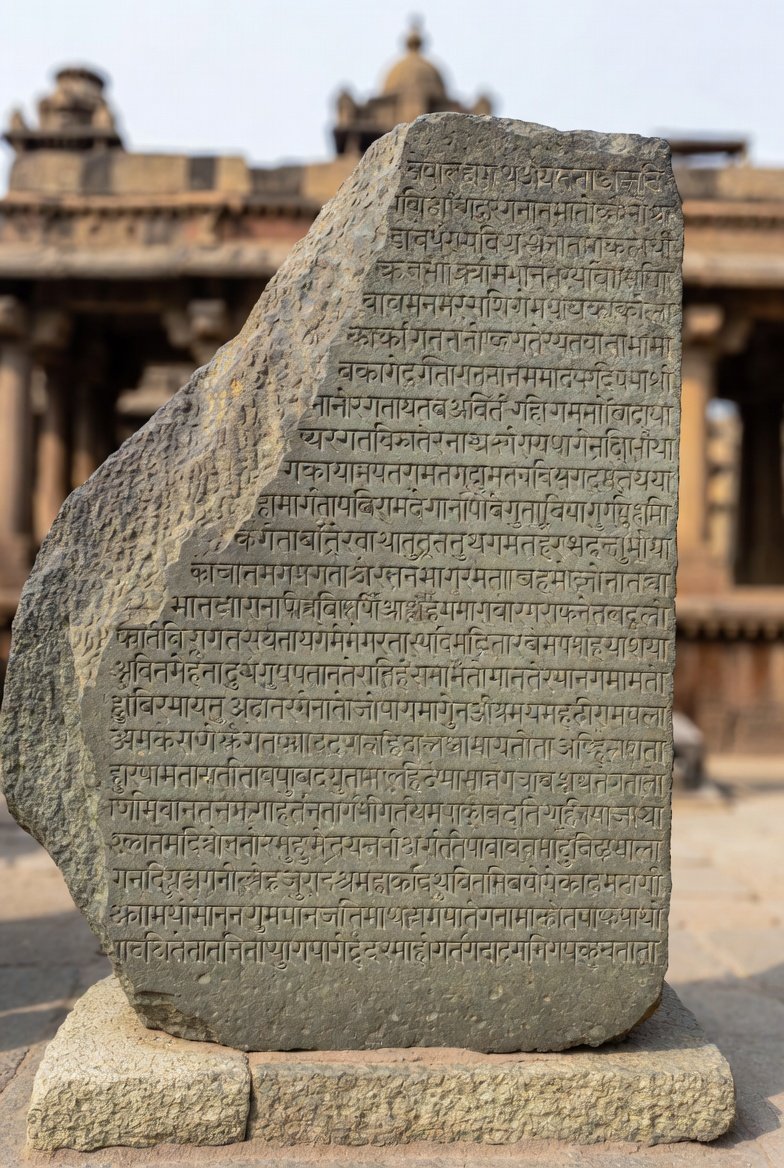
Legendary king Vikramaditya is historic! A stone inscription that describes Chandragupta Vikramaditya, that is, Chandragupta II - as a great devotee of Viṣṇu! This strengthens the Vaishnava affiliations of the Guptas. It is Discovered in 1853 by Alexander Cunningham. The inscription is wiitten in Gupta Brahmi script, in Samskrit. Most importantly it mentions the king’s parents:- - Samudragupta (father) - Mahādevī Dattādevī (mother) It states that Samudragupta personally “accepted” Chandragupta as his successor, confirming the dynastic legitimacy. It calls Samudragupta “Sarvarājyo­chettā”, the “Exterminator of Kings”! This title is also seen on his coins. The script praises Samudragupta as a donor of “many crores of gold and cows, lawfully acquired.” It is currently housed in the Mathura Museum. This Mathura Stone Inscription of Chandragupta II is assigned an approximate date range of c. 380–405 CE. Many nternal clues point clearly to the early years of Chandragupta II Vikramaditya’s reign. His father Samudragupta has died but no mention of Chandra­gupta’s major conquests or his Western Kṣatrapa victories. This uggests it belongs to his early phase, before c. 409–415 CE. Script style (early Gupta Brahmi) matches - late 4th early 5th century CE inscriptions. Image: representative
Urvi tweet media
English

51
404
1.3K
22K
Sanjeev Kumar, FRASGB retweetledi
Tibet.Net
Tibet.Net@CTA_TibetdotNet·
During an audience with His Holiness the 14th Dalai Lama on 10 April 2026, an elderly visitor asked, “Is it true that there are no gods or devils other than human beings?” In response, His Holiness explained that whether God exists or not, we as human beings have the responsibility to build a happy and peaceful world. He emphasised that we must make use of our human intelligence and reasoning. As human beings, we are capable of compassion and broader thinking. By using these qualities, we should reflect within ourselves and think, “I am a human being. I should be honest, truthful, and helpful to others.” To watch the full video, click the link given here: youtube.com/watch?v=_fg76u…
YouTube video
YouTube
English

20
117
511
31.1K
Sanjeev Kumar, FRASGB retweetledi
Tehxi
Tehxi@yajnshri·
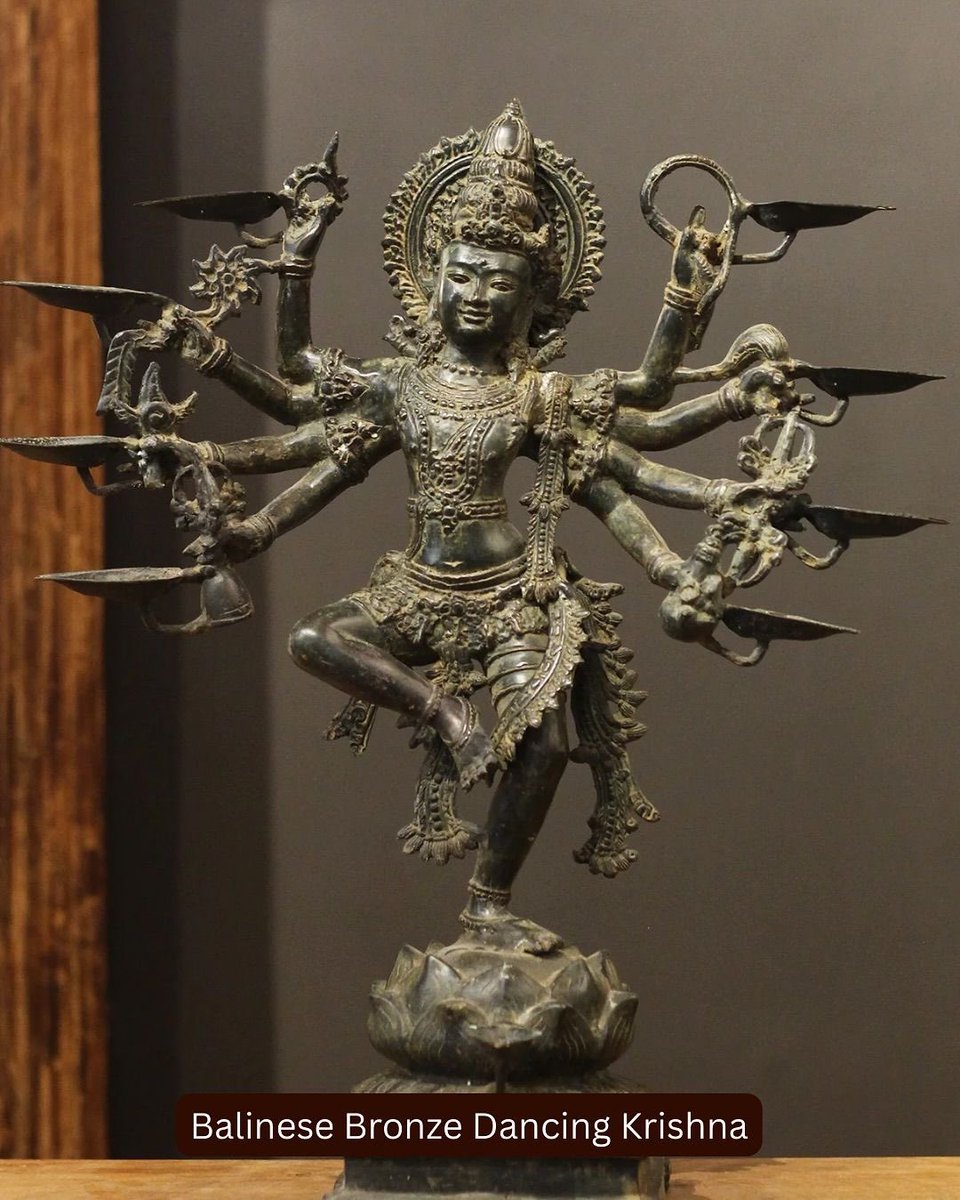
This is rarest vigrah of Bhagwan Shri Krishna .
Tehxi tweet media
हिन्दी
11
272
2.5K
16.9K
Sanjeev Kumar, FRASGB retweetledi
Yadu
Yadu@Yaduvam·
This is how these 2,000 year old earrings from the Satavahana period were traditionally worn!
Yadu tweet mediaYadu tweet media
English
8
67
483
13.3K
Sanjeev Kumar, FRASGB
Sanjeev Kumar, FRASGB@sanjeevku·
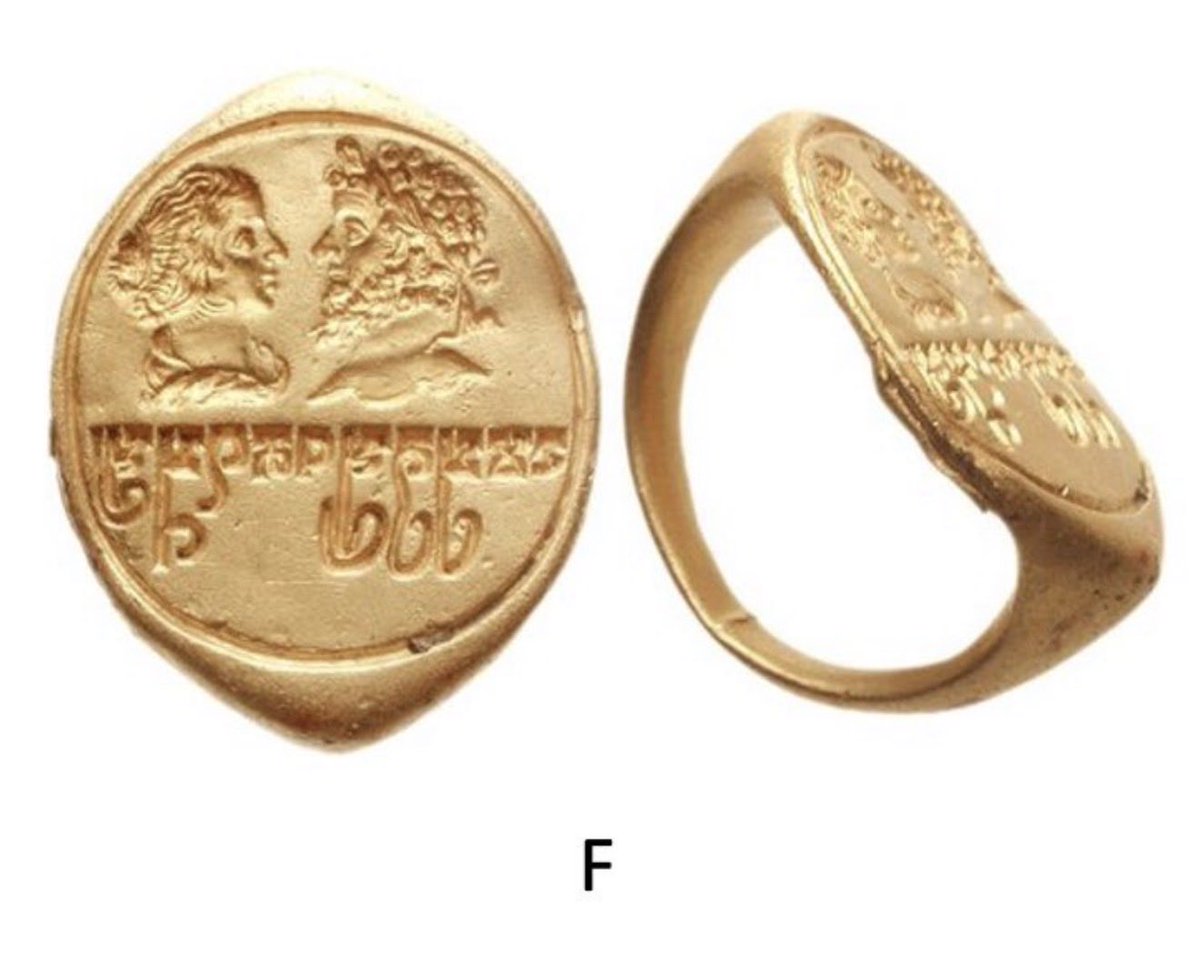
Even today we find Roman Gold coins along the ancient Port sites in Gujarat and also in the South. This Ring Seal showing The busts of Roman Emperor Septimius Severus and Julia Domna along with the Brahmi legend below was found in Gujarat (Diu region). This research paper and many others including my Book “Treasures of the Gupta Empire” may be of interest and are now available for a free download. Links are on my page. Enjoy. x.com/sanjeevku/stat…
Sanjeev Kumar, FRASGB tweet media
English
0
0
1
83
Savitri Mumukshu - सावित्री मुमुक्षु
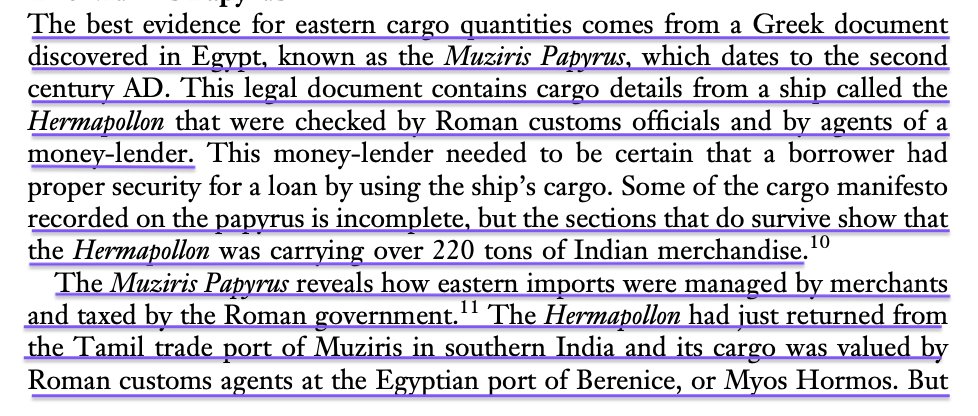
Alright since so many of you asked for more after Akbar and his last Paan - let's make this a series. Here's Fact #2: By the 2nd c. CE, Rome was importing over one Billion sesterces (the Roman currency unit) worth of luxury goods across the oceans from India alone, a trade figure larger than what Rome needed to sustain its whole Empire for an entire year! The Romans charged a 25% Tetarte tax on these Indian imports worth 1 billion, to raise over 250 million sesterces in yearly tax revenues. On top of that they double taxed the goods with an additional portoria (1/40th) tax. Yet so high was the demand for Indian luxury goods, that the Roman revenue from the annual taxes on Indian imports alone was enough to finance the entire Roman Imperial Army for the whole year! These figures are accurate estimates calculated by historian Raoul McLaughlin in his critically acclaimed book “The Roman Empire and the Indian Ocean” His estimates are based on the Muziris Papyrus, a Greek document dating back to 2nd c., which was discovered in Egypt & contains the details of contracts, type of goods and value of the cargo in a Roman ship called the Hermapollon. The Hermapellon had returned from trading at the Tamil port of Muziris, Kerala to the Roman Egyptian port of Berenice (Myos Hormos). The cargo it brought back included luxury Indian goods like pepper, cinnamon, spikenard, turtle shell, ivory, pearls, gemstones, cotton & silk. The Muziris Papyrus records that the Hermapollon carried 220 tons of cargo on board which required over 1000 camels to transport across the desert! This cargo itself was worth over 10 million sesterces. When we combine that with Greek geographer Strabo’s statement that about 120 ships sailed annually from Roman-Egyptian port Myos Hormos to India, we get 10 million sesterces × 120 ships ≈ over 1 billion sesterces of annual imports, and 2.3 million × 120 ≈ about 270 million sesterces in annual customs revenue. The tax that Romans gained from Indian goods alone was enough to pay for the entire Roman Imperial Army for an entire year! Without India’s luxury goods to finance its Army and Empire, there would have been no “Golden Age of the Roman Empire” No wonder India was called the "Sone ki Chidiya".
Savitri Mumukshu - सावित्री मुमुक्षु tweet mediaSavitri Mumukshu - सावित्री मुमुक्षु tweet mediaSavitri Mumukshu - सावित्री मुमुक्षु tweet mediaSavitri Mumukshu - सावित्री मुमुक्षु tweet media
Rishi Bagree@rishibagree

Hit me with the craziest Indian history facts you know.

English
39
419
1K
25.5K