Samuel Charap retweetledi

I spoke with RAND's top Russia expert @SCharap about Ukraine and avoiding NATO-Russia conflict turning into open war.
Things I learned:
1. Russia has accepted Ukraine joining the EU (in 2022).
2. Finland joining NATO has made defending the Baltic states much easier.
3. Ukraine has options to build 'porcupine defences' during a ceasefire, making a Russian re-invasion very painful.
4. Ukraine would accept an unconditional ceasefire right now. Russia won't as they believe they're winning.
5. Research suggests China's calculus on Taiwan is shaped more by US behaviour in Asia than by what happens in Ukraine.
6. Russia sees itself as weaker than NATO, such that the biggest escalation risk comes not from a land grab, but from Belarus disintegrating.
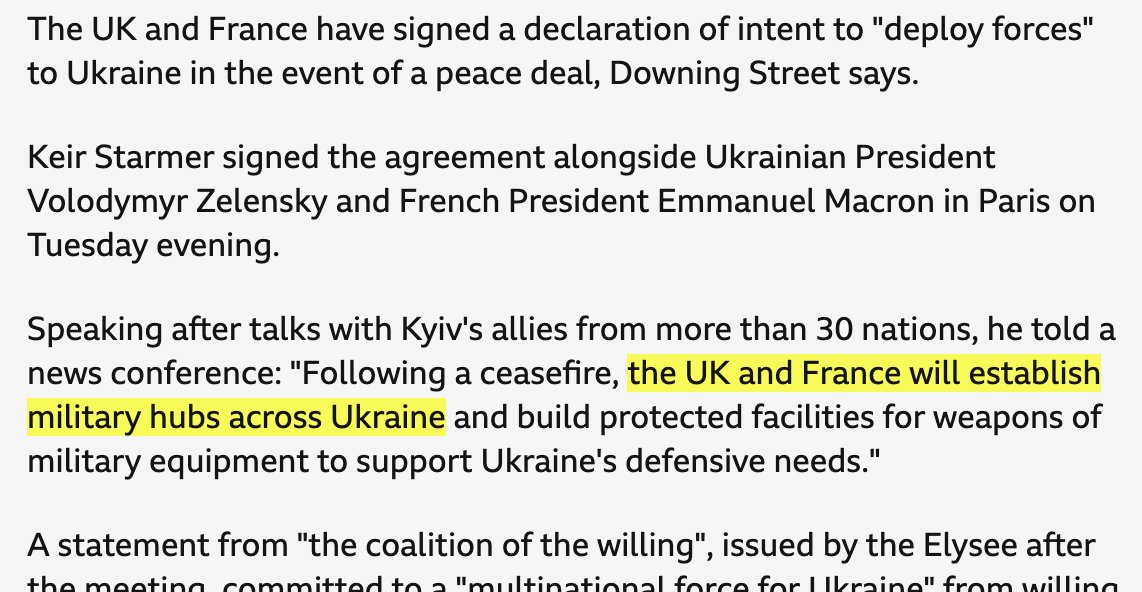
7. Deploying UK/French troops to Ukraine probably does more to prevent a ceasefire than to deter Russian invasion.
8. The "snapback" mechanism in ceasefire negotiations would flip the burden of proof and reimpose sanctions and deep-strike weapons automatically and immediately should Russia violate it.
9. Parts of the Russian military probably knew the 2022 invasion plan was insane but couldn't stop it.
And plenty more. On the 80,000 Hours Podcast, enjoy! Links below.
• Could peace in Ukraine lead to Europe’s next war? (00:00:47)
• Do Russia’s motives for war still matter? (00:11:58)
• What does a good ceasefire deal look like? (00:18:16)
• What’s still holding back a ceasefire? (00:40:15)
• Why Russia might accept Ukraine’s EU membership (00:47:51)
• How to prevent a spiralling conflict with NATO (00:49:58)
• What’s next for nuclear arms control (00:51:56)
• Finland and Sweden strengthened NATO — but also raised the stakes for conflict (00:55:36)
• Putin isn’t Hitler: How to negotiate with autocrats (00:58:53)
• Why Russia still takes NATO seriously (01:04:33)
• Neither side wants to fight this war again (01:14:04)
English