Sabitlenmiş Tweet

Jo Mama
157.7K posts
@shaansewak
Aviateur, gunzel, sporting fanatic. Newsman, blogger & politophile; lover of books & music. Loyal, eccentric & eclectic.


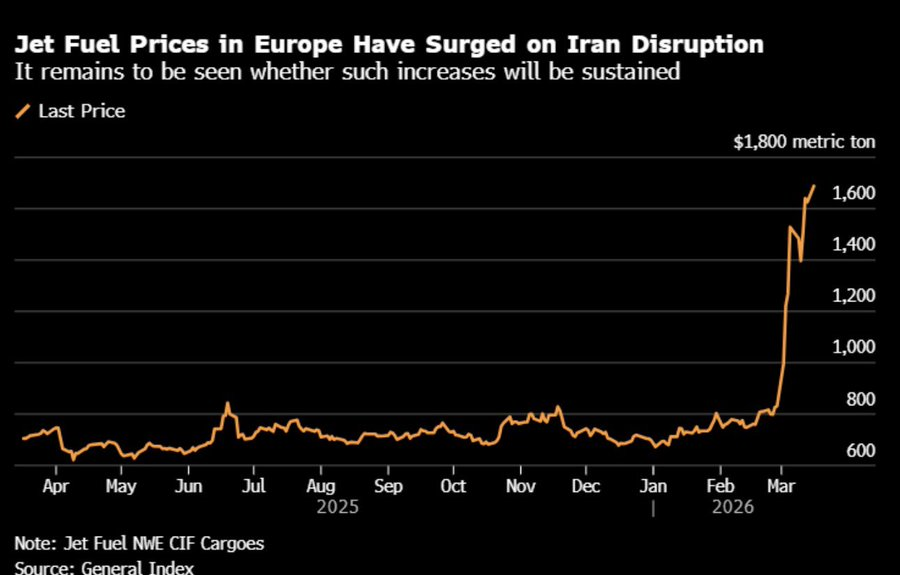
Jet fuel prices in Europe have now risen over +100% in a matter of weeks. Soon, the discussion will be about how many rate hikes Europe will need to fight the massive wave of inflation heading their way.


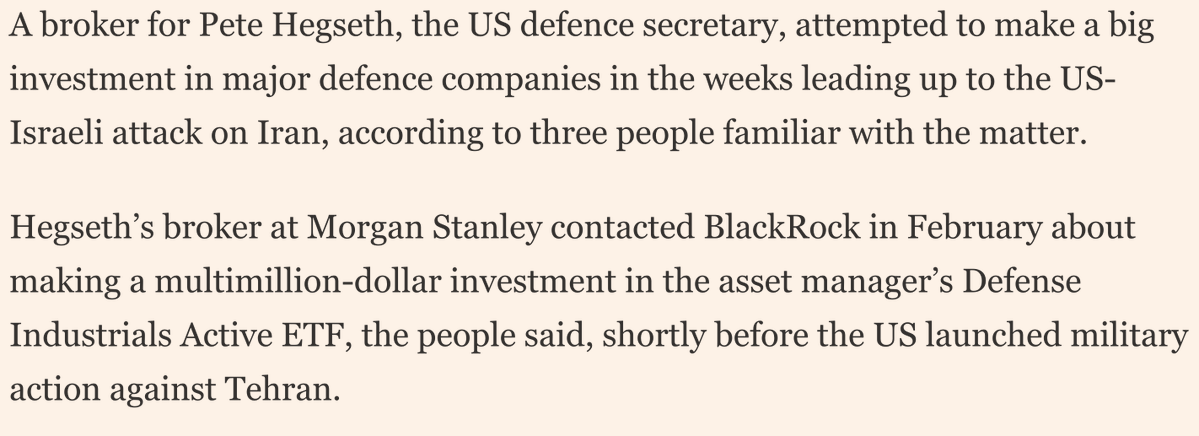
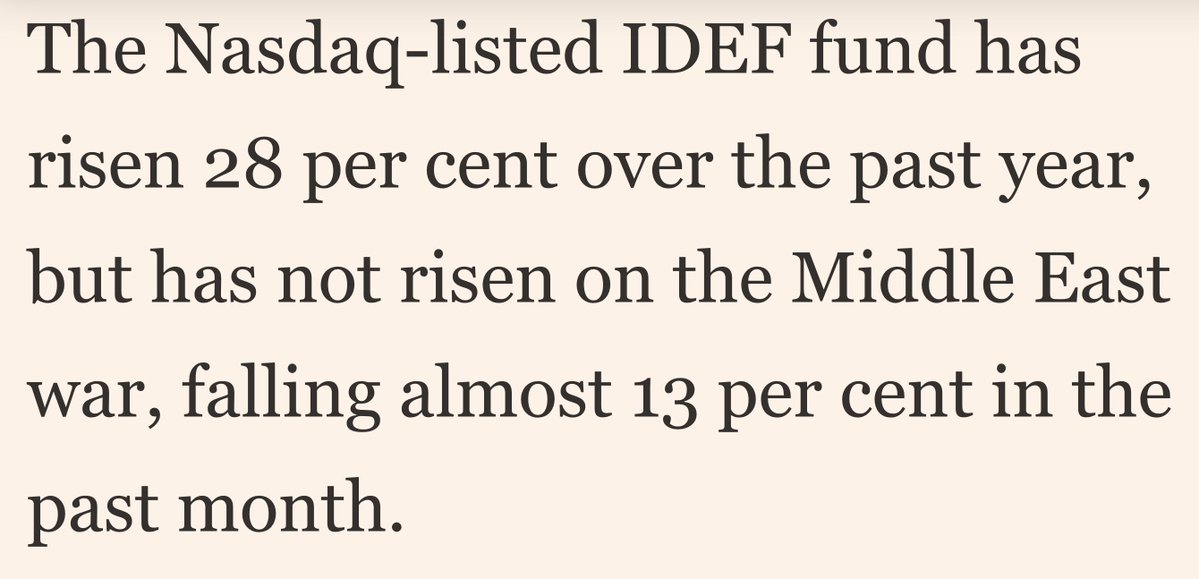

Pete Hegseth’s broker looked to buy defence fund before Iran attack ft.trib.al/DKXRnPP

Imagine closing your entire consumer memory division because this guy signed a non binding letter that he would buy 40% of the world’s RAM. Only to have him rug pull 3 months later.



[🟢] NEW: Despite the waters calming [after the truce in December], Arne Slot privately felt vindicated by his decision to take Mohamed Salah out of the team, believing it made his side more compact out of possession. While the football was not always easy on the eye, they went on an unbeaten run that lasted 13 games. [@ptgorst] #google_vignette" target="_blank" rel="nofollow noopener">liverpoolecho.co.uk/sport/football…

✍️ New article: Battery costs have declined by 99% in the last three decades, making electrified transport a reality— Over 20 million electric cars were sold globally in 2025 — some for as little as $10,000. Even just two decades ago, that would have been impossible. The reason it's possible now? Batteries have gotten *much* cheaper. In 1991, lithium-ion battery cells cost around $9,200 per kilowatt-hour. By 2024, that had fallen to just $78 — a decline of more than 99%. You can see this in the chart. To put that in perspective: the battery cells in a standard electric car today cost around $5,000. In 1991, those same cells would have cost nearly $600,000. There was no single breakthrough behind this. Batteries follow a “learning curve”: as cumulative production grows, thousands of small improvements in chemistry, manufacturing, and supply chains drive prices down. Since 1998, every time global cumulative battery production doubled, the price dropped by roughly 19%. Early progress was driven by consumer electronics — phones and laptops — before the technology became viable for cars, buses, and larger energy storage. Energy density has also more than tripled since the 1990s, meaning batteries can now store far more energy for their volume. The half-a-million-dollar battery was never going to transform transport. The $5,000 battery is.


What the FUCK are we doing! My son will NEVER die for a foreign country! I voted for you 3 times, took abuse and fought for you and this is what you do! You do the exact opposite of what you railed against for over a decade!

@Bigalanh5 it's here to stay, people forget what it was like before. it's now a case of getting back to its original intent - clear and obvious



Europe’s social democratic parties are collapsing — and their leaders don’t seem to know how to reverse the trend. politico.eu/article/europe…

🚀🙃 Lindsey Graham rides Space Mountain and spends the weekend at Disney World amid the shutdown. tmz.me/3UxCAPd






After the White House complained about an unflattering photo of Karoline Leavitt, it was scrubbed from AFP and Getty’s systems, another episode in image control from the press sec New from @oliverdarcy status.news/p/karoline-lea…