

shane mc
1.7K posts
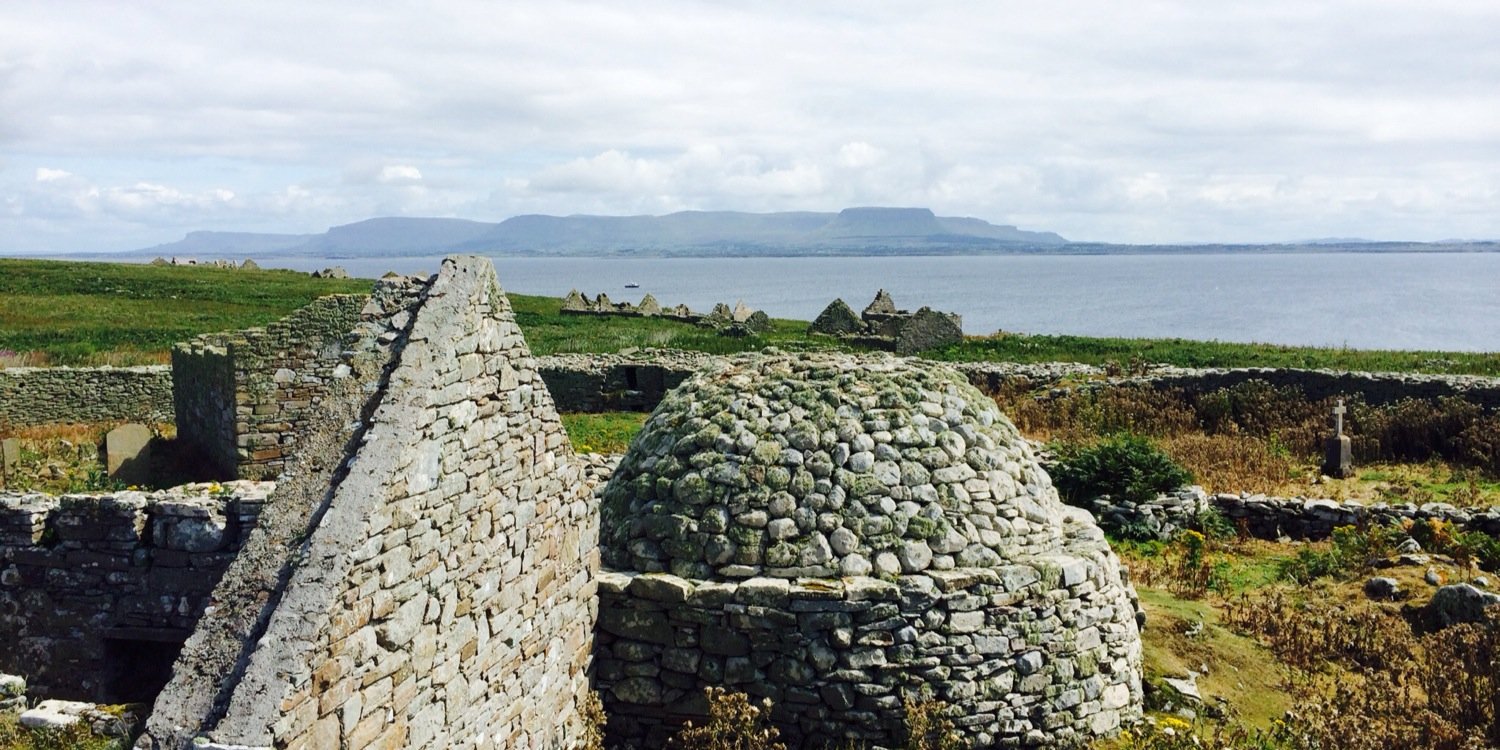


@ArrakisGlobal @Kacper_PK_CH @EcoAtlantic_OG now has a few interesting partners in the hottest offshore oil address ……
English

@Kacper_PK_CH stable and beautiful country. Great place to invest.
English


Orban gone. Hard to imagine, but it does make you wonder how much it would cost to get JD Vance to come here and support Albo’s re-election.
English


None of you own enough $LGO
In 12 months, it's gonna be looked back as such an obvious no brainer trade to buy a #vanadium producer trading so cheaply as the bull begins. #CallingIt
GIF
Lukas Ekwueme@ekwufinance
China revealed their 15th Five-Year Plan - $560T investment into a new power system (+40%) - Large-scale wind and solar expansion - Increased stockpiling of critical minerals - Rapid battery storage buildout As the world’s largest commodity consumer, China effectively sets the tone for global demand. This plan adds another major demand driver into an already tight supply environment, while the US is simultaneously competing for access to the same critical minerals. The result is increasing pressure on already constrained commodity markets
English
@TheProjectUnity Knocknarea in Sligo. Neolithic passage tomb estimated to be over 5000yrs old.
English

I'm ashamed to admit I have not travelled into Scotland or Ireland past Edinburgh and Dublin.
Are you Scottish or Irish?
Can you post some places you think people NEED to visit in your country?
Bonus points for ancient, mysterious and megalithic sites!


English
@TraderPamplona @Rory_Johnston I’ve heard so many @Rory_Johnston podcast in the last few weeks that I’ve starting talking in a Canadian accent …. Keep em coming Rory 💪
English
@bowtiedstocks There will absolutely be more hands out. The tolerance for pain is close to zero.
English

Financial hardship is obviously going to sky rocket in the coming months
Unless you’re banking on more Covid style taxpayer handouts
But hope is not a strategy
If you’re struggling to make your numbers work, you gotta address it early
Don’t put the head in the sand and pray it gets better
It will probably get much worse
And if you need to sell propadee I’d be selling that early too
English

This is big news
A sign our fuel situation is serious
and that government taking it seriously
Andrew Greene@AndrewBGreene
Anthony Albanese plans visits to Singapore and Malaysia to shore up fuel supplies | The West Australian thewest.com.au/politics/feder…
English
@respeculator Don’t worry mate Penny Wong is on the case. Just some internationals relationships to manage as long as nobody is misgender shouldn’t be any hiccups 👌
English

Something something... careful about biting the hand that feeds you...
Giovanni Staunovo🛢@staunovo
Australia is seeking to leverage its vast liquefied natural gas exports to Asia to secure fuel supplies in return, as the country grapples with shortages triggered by the war in Iran. Canberra has stepped up diplomatic outreach across the region, with Resources Minister Madeleine King and Foreign Minister Penny Wong engaging with leaders from South Korea, Malaysia, Singapore and Japan to ensure that shipments keep flowing. Australia is a top LNG exporter to these countries, and imports the majority of its refined fuel from Asia. bloomberg.com/news/articles/…
English
@Cyclops_Trader Yes, but a subsidy for demand… so when there is no fuel left we will all be paying 0 ✅
English

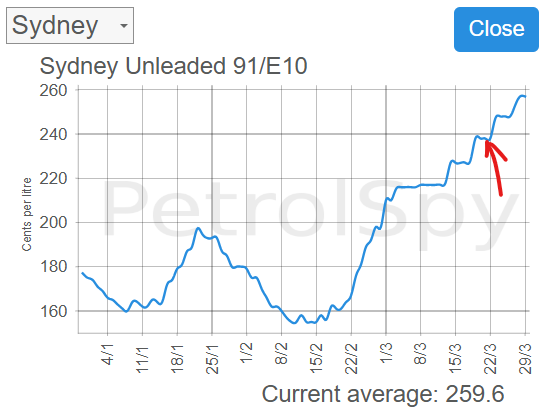
Aus fuel excise should cut 26c/l off fuel price.
So people are paying the same price they were about....
*Checks notes:
7 days ago....
Cheers
Cyclops Trader@Cyclops_Trader
Post panic buying vols, Aus Govt finally cuts (by only HALF), the Fuel excise.
English
@respeculator Over and over again the ability of most governments to make any problem worse is unmatched. We are so fucked. 😖
English
@robert_ivanhoe @robert_ivanhoe we are past 3 weeks. Any update for on the ground ? Thanks
English

>90% of sulphur imported into Africa is from the Middle East… and therefore passes through the Strait of Hormuz
Let that sink in.
I have heard that traders are already struggling to source any. Sulphuric acid prices will therefore significantly increase across Africa… and if the disruption lasts longer than ~3 weeks, copper oxide operations will have to close as they’ve run out of acid.
Oxide copper is the dominant ore source of copper produced in DRC… and the DRC is the world’s 2nd largest copper producer.
Robert Friedland@robert_ivanhoe
The cost of leaching copper oxide ore in the Central African Copperbelt is about to get even more expensive. In the past few days a number of Middle Eastern Oil refineries have been attacked / closed. In addition, exports through the Strait of Hormuz have ground to a halt. What has this got to do with leaching copper in one of the world’s largest copper belts ? Sulphur, or more specifically sulphuric acid. Approximately, 50% of seaborne sulphur is shipped through the Strait of Hormuz. The central African Copperbelt imports around 2 million tonnes of this sulphur per annum. The sulphur is used in local sulphur burners to convert into sulphuric acid, which is used by mining companies for leaching copper out of copper oxide ores. One part of sulphur makes 3 parts of liquid high-strength sulphuric acid. Therefore, 2.0 million tonnes of sulphur produces approximately 6.0 million tonnes of sulphuric acid. The price of high-strength sulphuric in Kolwezi, on the western edge of the DRC Copperbelt, has been trading near all-time highs of $700-$800/tonne for the past 4-5 months, due to regional export restrictions, higher copper prices, as well as an already tight global sulphur market. This price will rise further. In addition to the 6.0 million tonnes of sulphuric acid produced from imported sulphur, 2.5 million tonnes of sulphuric acid is generated by regional smelters that smelt copper concentrates. Ivanhoe Mines’ Kamoa-Kakula has just started ramping up its copper smelter near Kolwezi. Once fully ramped-up later this year, our smelter will produce over 700,000 tonnes per annum of sulphuric acid… in the past 2 months the smelter has already ramped up to a capacity of 60%. This is an absolutely critical time to be ramping up our copper smelter, which is of the highest strategic importance to the Democratic Republic of the Congo.
English
Yes your job is very likely to be replaced by AI at some point
One of:
- An Indian
- An Immigrant
- Artificial Intelligence
afr.com/companies/fina…
English
@SStapczynski They better send us some refined products or coal will be more expensive than gas when Aussie miners run out of diesel 😅
English
This is happening across Asia 👇 🪨
Japan will lift restrictions on the operation of coal-fired power plants as the conflict in the Middle East chokes LNG supply, the Nikkei reported
Older facilities will be put back into service for a year starting in April

English
@respeculator AUS only ? Andian raised 27mil cad at 80c and now at 70ish $ANDC.v
English
Would love help on similar list today....
To kick it off... I got
$BTR.AX raising A$180m at 50cps.. now trading at 35cps (MCAP shrunk to A$360m, EV even lower post raise)...
$LOT.AX raising A$76m at $2.15/sh now at $1.25/sh
#29M raising A$150m at 40cps (trading 60cps pre raise)... now at 35cps
Preferably chunky raises (15%+ of MCAP) done in past 3-6mths..
Respeculator@respeculator
Making a list of companies trading well below recent (large) cap raises… 1. $CAY.AX raised A$200m (FDMCAP A$450m) at 26c, now 17c.. a 35% discount on a raise done 6wks ago 2. $TRE.AX raised A$400m.. chunk being equity at 40cps, trades 27cps or 33% discount on a raise done 4wks ago Any others??
English
@respeculator I’m really looking forward to the Aus government making sure we make no money on Australian names and set the industry back 10yrs with some regressive tax ….
English
Fun little “excursion”… long energy.. and short anything else..
Defense Intelligence@DI313_
⚡🇺🇸 The United States is preparing to deploy elements of the 82nd Airborne Division to the Middle East region -CBS
English
@Rory_Johnston Ok hear me out….. we just float the stuff straight over the SoH ! 🧠
English

Qatar accounts for ~1/3 of global helium supplies.
Thankfully we just use helium in balloons and it isn’t a critical component in the manufacturing of microprocessors and semiconductors.
Sucks about the balloons, though.
The Associated Press@AP
Iran war halts Qatar helium output, threatening global tech supply chains apnews.com/article/iran-c…
English
@respeculator @ScottNorth64736 Governments ability to see a problem and the fix is making worse is unmatched. But the truth is it’s our fault as a collective because they are just feeding the ducks. Feelings over physical reality
English
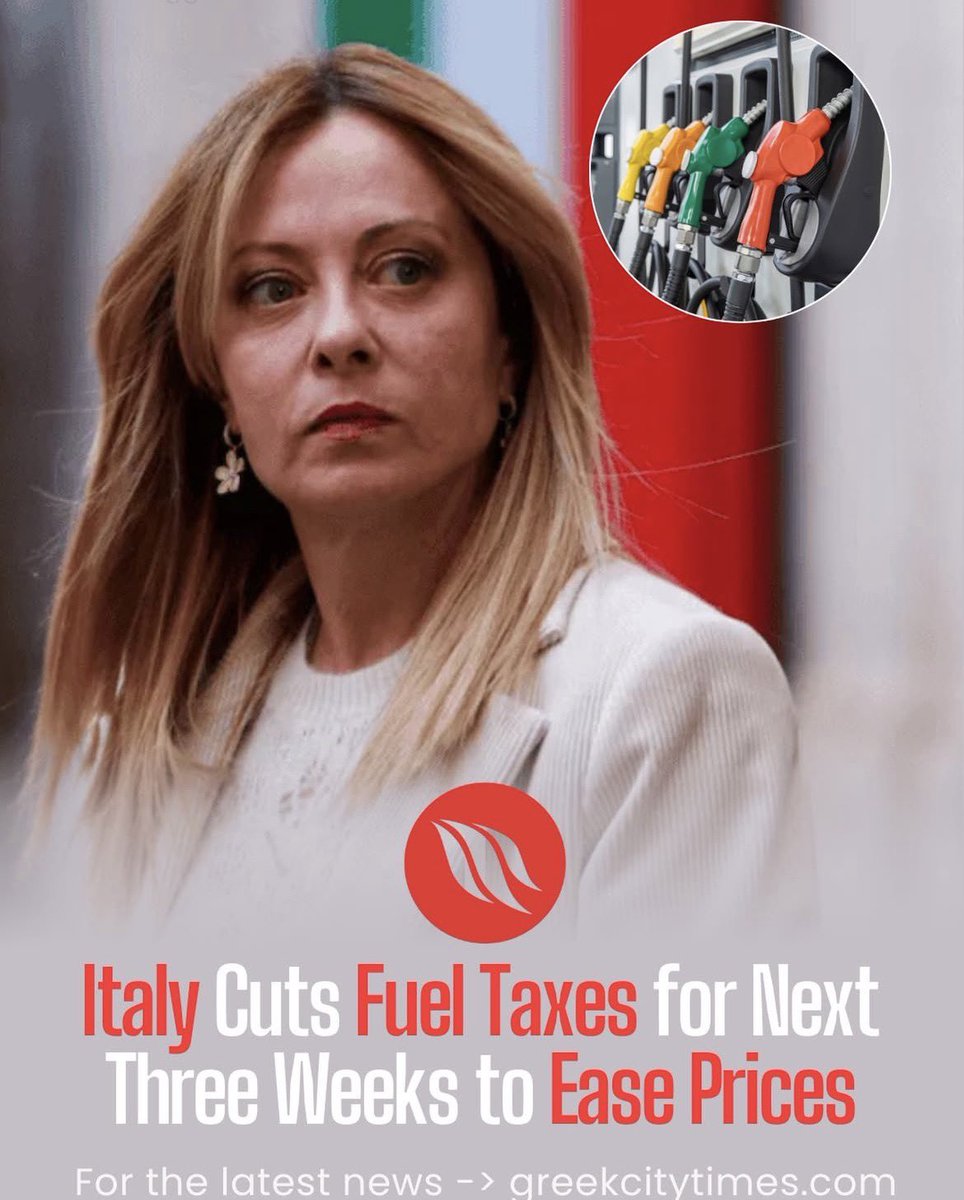
The list of countries “subsidising” fuel demand via removing taxes is growing… will only accelerate a physical shortage..

Respeculator@respeculator
How to not fix a physical shortage problem…. Unfortunately you cannot print yourself out of a physical shortage.. it has the opposite effect
English
@ScottNorth64736 Got a shock cos I know you are Aus based but next post down put a bit more context on it. Maybe you should have also.

English