
Sabitlenmiş Tweet
victor
530 posts


victor
@spaceblob
cs major. swe. open source advocate.
Lagos, Nigeria Katılım Aralık 2021
75 Takip Edilen41 Takipçiler
@_hashcode @baysemarkets Tried, but the API docs aren't up to date (seems so). Can't place orders.
English


victor retweetledi

been giving this guy a series of increasingly esoteric and unanswerable riddles and somehow he keeps answering them correctly. im so fucking tired dude he comes back every day just to answer the next riddle and leave. he doesnt even enter the temple wtf do i do
English
victor retweetledi

victor retweetledi

victor retweetledi

wait until shape rotators will understand that words is shapes too and you can rotate them infinitely to get many combinations as u want
English
victor retweetledi


victor retweetledi

formally proved in Lean4 that music is not Turing complete.
that's because there can be no endogenous self-replication during music playback (unfortunately).
proof: every infinite playback of any valid midi-like symbolic composition is eventually periodic.
English
built this to solve a problem that's only gotten worse with the rise of ai code slop.
macrozero. an agentic review tool. open source. free to use.
@dev_careers @RaenestApp
#RaenestXDevCareer
English
victor retweetledi

One annoying thing about thinking hard to solve technical problems is that a successful solution almost always involves reformulating the question in a way that makes the answer simple
Then, I feel bad that it took me 3 days to come up with an "obviously simple" answer
English
victor retweetledi


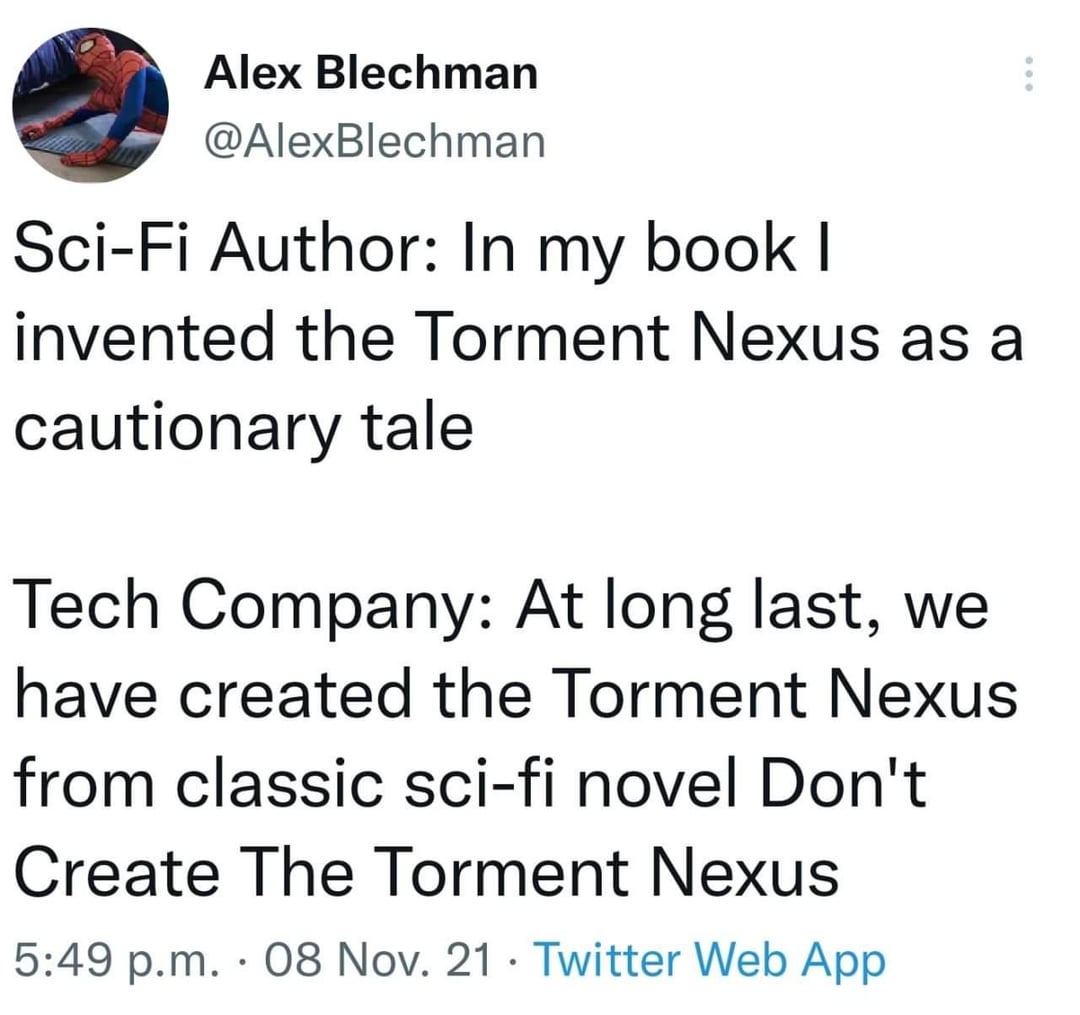
What Python was doing for C++ in ML, English is now doing it for Python.
It’s just continuous layers of abstraction for simplicity. Now you can run the entire code with a simple prompt in English 😊
lyv ⌘@wholyv
What if C++ was used for machine learning instead of Python. given C++ evolved to allow that. I wonder how faster, our AI models would be these days.
English
victor retweetledi


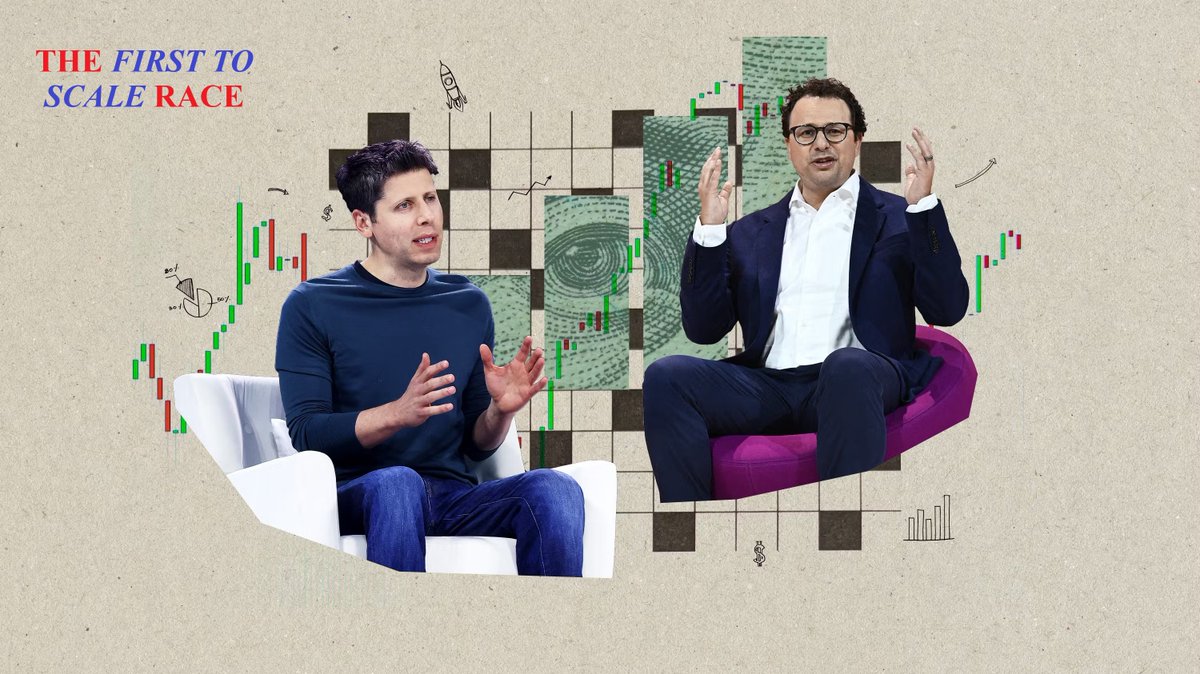
In business classrooms and boardrooms, we romanticize first-mover advantage. We assume that whoever starts first will finish first. But history, when examined over the long horizon, teaches a different lesson: what truly matters is first-scaler advantage. It is not the company that invents the category that wins; it is the one that builds the capability, resilience, and trust architecture to scale it. And today, OpenAI appears to be scoring an own-goal at precisely the moment when discipline in scaling matters most.
Remember this: before the iPod, there was the Walkman. Before the iPhone, there was BlackBerry. Before the Apple Watch, there was Pebble. Yet Apple Inc. won those categories because it mastered integration, distribution, ecosystem control, and emotional branding. It did not merely enter markets; it scaled them. Being first gave others visibility. Scaling gave Apple dominance. That distinction explains everything.
OpenAI started first and was winning. ChatGPT had everything a brand could want: first-mover advantage, hundreds of millions of users, cultural relevance, and a mission that made people feel good about adoption. But as the season of scaling begins, it seems to be punting its lead. If it mishandles this phase, it could find itself in real trouble. Scaling is not just about infrastructure and enterprise deals; it is about protecting the intangible asset called trust.
One decision at a time, that trust narrative appears to have weakened. The pivot from nonprofit ideals toward profit maximization unsettled early believers. The introduction of ads after signaling there would be none created cognitive dissonance. A rushed Pentagon deal which has introduced perception risk. These are not engineering issues; they are signaling issues. And markets price signals.
Meanwhile, Claude, built by Anthropic, quietly pursued a different scaling philosophy. It said no to ads, and to defense contracts that conflicted with its positioning. Last weekend, it overtook ChatGPT as the most downloaded app in the U.S. App Store. That is not merely an app-store metric; it is a market signal. Users reward alignment between promise and posture.
Good People, this is a trust story. And trust compounds or decays during the scaling phase. First movers capture attention. First scalers capture markets. If OpenAI forgets that scaling is as much about institutional coherence as product capability, it may discover that being first was never the true advantage. The advantage was always the discipline to scale without breaking the covenant with the market tekedia.com/openai-revises…
English
victor retweetledi
