Stan Shull

10K posts

Stan Shull banner
Stan Shull

Stan Shull

@stanshull

Space industry analyst and consultant: strategy, partnerships & ecosystem development. #SpacePartnerships

Seattle, WA Katılım Eylül 2009
1.5K Takip Edilen1.5K Takipçiler
Sabitlenmiş Tweet
Stan Shull
Stan Shull@stanshull·
Cost reduction in satellite manufacturing is not getting enough attention, and it's changing the economics of space. linkedin.com/posts/stanshul…
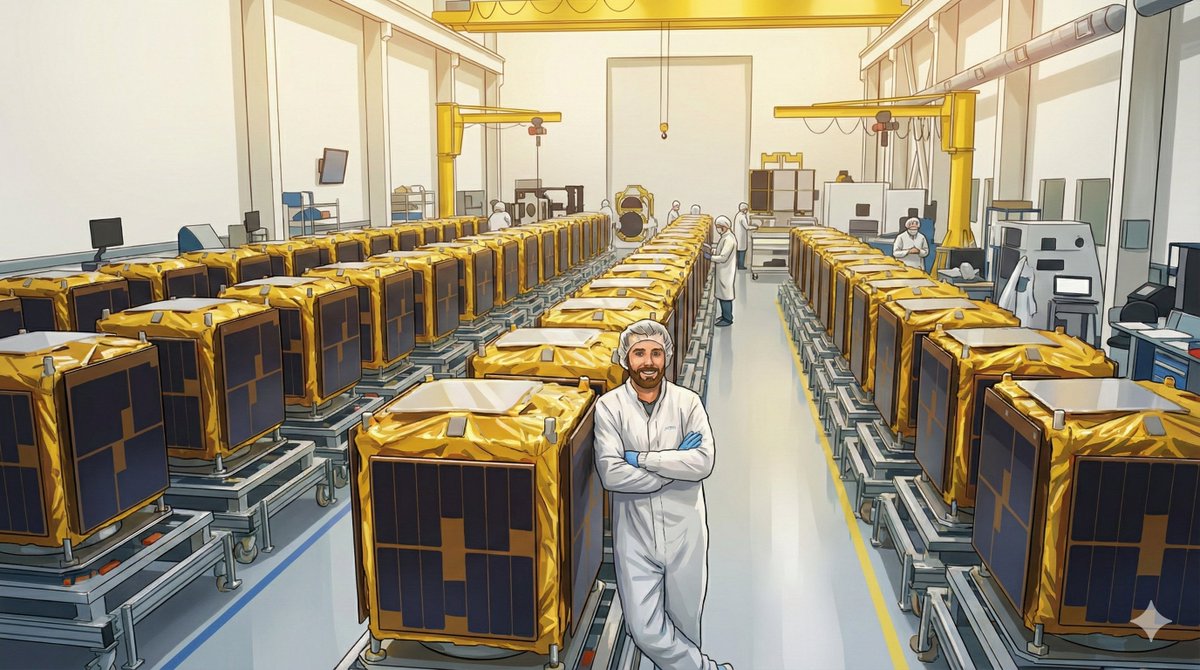
Stan Shull tweet media
English
0
0
1
366
Stan Shull retweetledi
Eric Berger
Eric Berger@SciGuySpace·
It’s interesting to read critiques of the Moon base proposal, which seems like the smart path forward and could fit within NASA’s budget. The gist I’m hearing from critics is that this Isaacman priority is happy talk, will all fade away, and not happen. Then you realize these were the same people who: - Said Isaacman wouldn’t be renominated - Said he would was a political amateur - Said he couldn’t build a coalition to cancel EUS and put SLS on a path toward sunset -Said he was an Elon puppet (who has subsequently prioritized getting Blue Origin moving on HLS due to Starship delays) - Said he would never get Congress, which called it a “national priority,” to go along with canceling Gateway - Said he would never actually cancel Gateway These people are now saying Isaacman can’t get NASA and its contractors to execute on a plan that has administration and Congressional support. The reality is, from a policy and political standpoint, NASA is in a better place now than it has been for years. If the Moon Base fails that’s on NASA and private industry, not stupid policy. And believe me, I’ve seen a lot of terrible, pie-in-the-sky space policy over the decades. #JourneyToMars It’s a new era. I’m not sure everyone realizes this, but Isaacman and his team have eyes wide open to a lot of the major challenges facing NASA and they’re trying to fix them. They’re working long days. Weekends. It’s inspiring to see our government work like this, especially in an era when so much seems broken. I don’t know what will happen. Maybe this Moon base all will fade away. But I do know that NASA’s chance for success in the next couple of decades is a lot higher today than it has been for a long, long time. What we were doing was decidedly not working. This has a chance.
English
142
280
2.7K
78.7K
Stan Shull retweetledi
AstroForge
AstroForge@AstroForge·
Last year, the U.S. launched twice as many times as the next closest country. It’s slightly ironic that in this second space age, in the era of reusable rockets, not only launch but landings have become routine. What a tragedy it would be to squander the public's burgeoning excitement over the arrival of a new space age with a glut of mundane constellation launches. There will always be a subset of the population that finds rocket launches exciting, just like there will always be a subset that enjoys watching planes take off, or trains trundle past… but increasingly the excitement in spaceflight comes not from launch itself but from what will be done once access to orbit and beyond is finally *actually* routine and cheap. Comsats, Earth Observation, and Launch are currently the name of the game in spaceflight, with a smattering of crew on the side. The vast majority of in-space activity is paid for by governments, aka: taxpayer funded. This is a huge problem. Comm sats are the only example of something everyday consumers are willing to pay for that is directly tied to space, and thank goodness for them. To get to a future where humanity is a spacefaring civilization with colonies in space - both free flying and on the surface of the Moon and Mars - we cannot solely rely on the economics of and public support for LEO constellations. A future where resources are gathered not from our one precious habitable planet, but rather from the untold riches of the solar system is simply a no-brainer, and far more inspiring and exciting than one where we merely continue to trash our homeworld. As launch grows ever cheaper, we can afford to adjust our tolerance of risk for a given payload or mission… so long as it’s uncrewed, of course. As we adjust or risk tolerance, we can attempt more and more bold endeavors. After all, that is ultimately the draw of spaceflight; swinging hard and taking calculated risks to boldly push the boundaries of what is thought to be possible. We think that by virtue of keeping spaceflight exciting through continued exploration, we can not only foot the bill for a colony on the moon and someday mars, but also enable Humans on Earth to live better, cleaner, more fulfilled lives. All too often we hear the same refrain. Why spend time and money on anything in space when we have problems here on Earth. This, we know, is a false dilemma. We can fix problems here on Earth AND explore the cosmos. In fact, spaceflight has repeatedly benefited the people of Earth in ways large and small. In the name of putting this tired old argument to bed, we’ll name just a few: GPS, weather forecasting that annually saves thousands of lives, satellite imagery that guides relief efforts within hours of a disaster, high speed internet in historically under or unserved areas, heart pumps keeping cardiac patients alive, cochlear implants that give people the gift of hearing, even the cameras in every smartphone! All of these things trace their lineage directly to space research. We know that spaceflight benefits the lives of the people of planet Earth. It is not up for debate; it’s merely a matter of how much benefit we as a people want to go for. How hard do we want to swing? Mining asteroids is certainly a hard swing, and one we work every day to make a reality.
English
5
26
187
6.4K
Stan Shull retweetledi
Tom Mueller
Tom Mueller@lrocket·
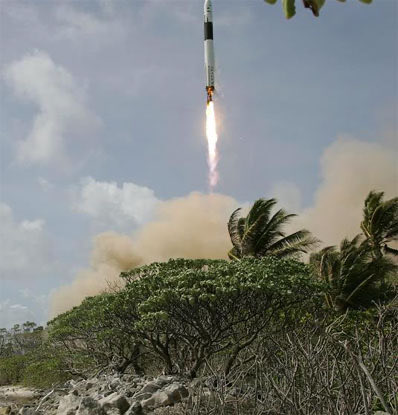
Falcon 1, flight one. 20 years ago today. Can you believe it? It looks like a beautiful flight until you look a little closer and see that the engine is on fire. Very short flight less than a minute up and back down to crash on the reef. We learned a lot that day.
Tom Mueller tweet media
English
120
348
4K
171.4K
Stan Shull retweetledi
NASA Administrator Jared Isaacman
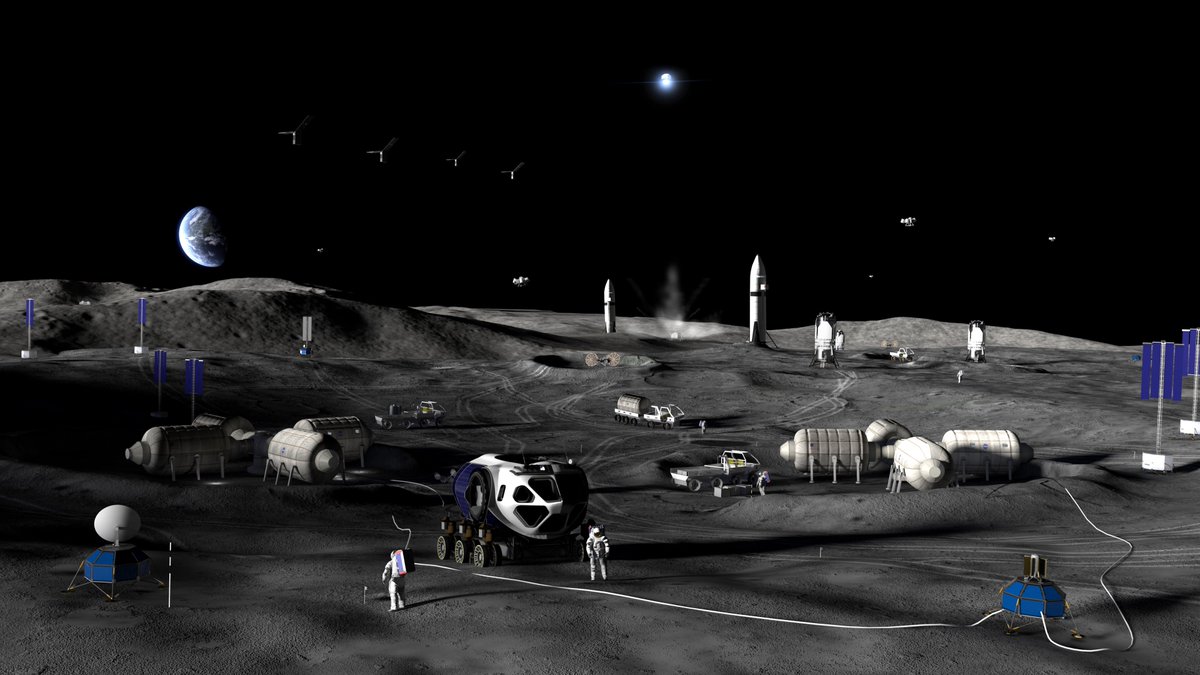
To build a sustained human presence on the Moon, we are building @NASAMoonBase, prioritizing surface operations and scalable infrastructure.  - Frequent robotic landings and mobility testing including MoonFall drones  - Starting in 2027 nearly monthly cadence of equipment and rovers with scientific payloads landing on the Moon.  - Investments in power, communications, and surface mobility  - Scalable infrastructure to support long-term human presence The objective is clear: build the foundation for an enduring lunar base and take the next step toward Mars.
NASA Administrator Jared Isaacman tweet media
English
946
2.7K
16.7K
2.2M
Stan Shull retweetledi
Karan Kunjur
Karan Kunjur@KaranKunjur·
I’m excited to share that @K2SpaceCo is on contract to deliver 28 satellites to @SES_Satellites for meoSphere, SES’s next-generation MEO network. This program reflects a shift we’ve believed in from the beginning: that satellite networks of the future will require significantly more power, flexibility, and scalability than legacy architectures were designed to support. The initial batch of 28 K2 high-power satellites will effectively double SES’s networks capacity. Over time, we will continue to build on this foundation together, to deliver new levels of performance to MEO and support the growing demands for sovereign, secure, and high-throughput connectivity. We’re proud to support SES as they push forward a truly multi-orbit, multi-mission network. Thanks to @adel_al_saleh for helping to share the news!
English
9
23
111
21.6K
Stan Shull retweetledi
HEO
HEO@heospace·
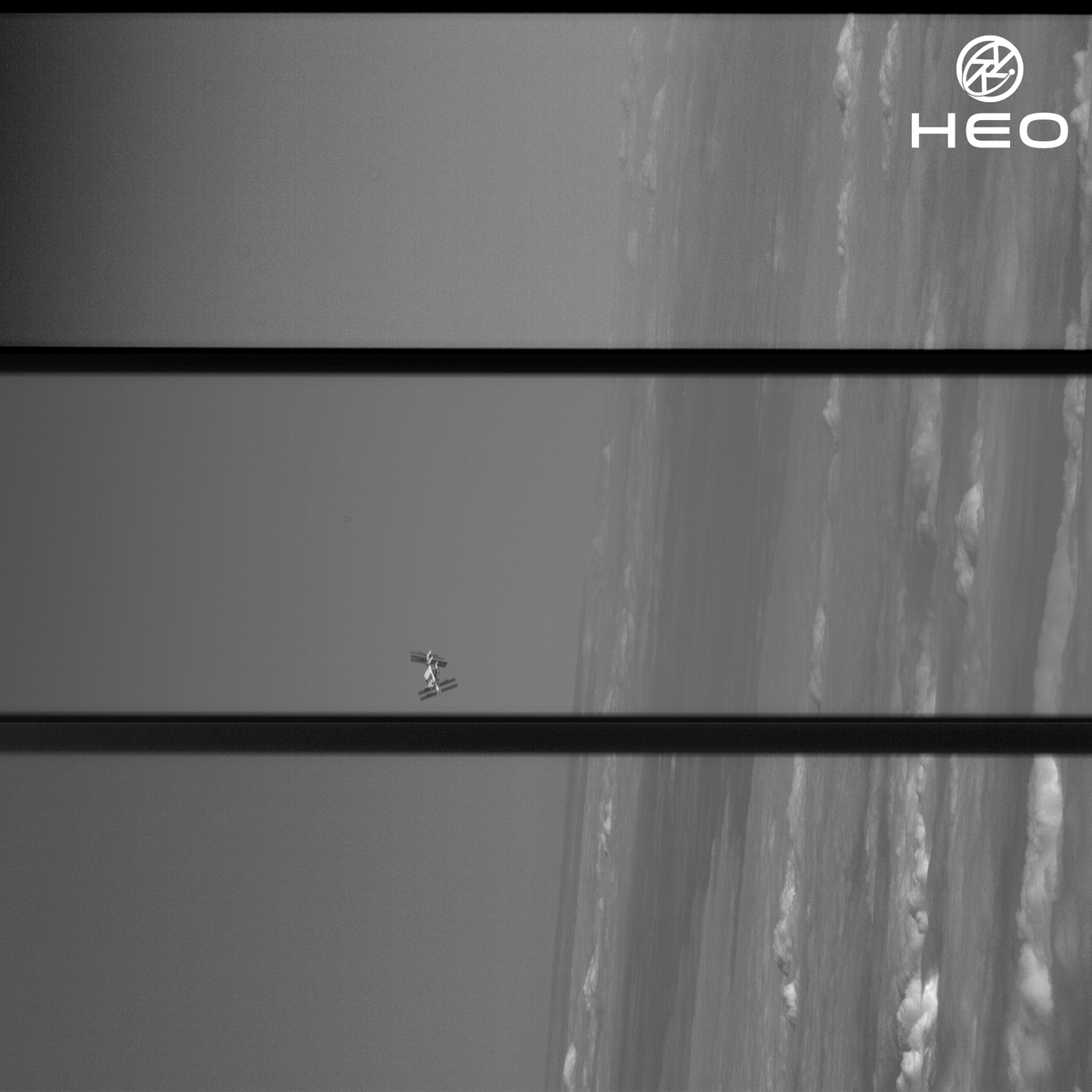
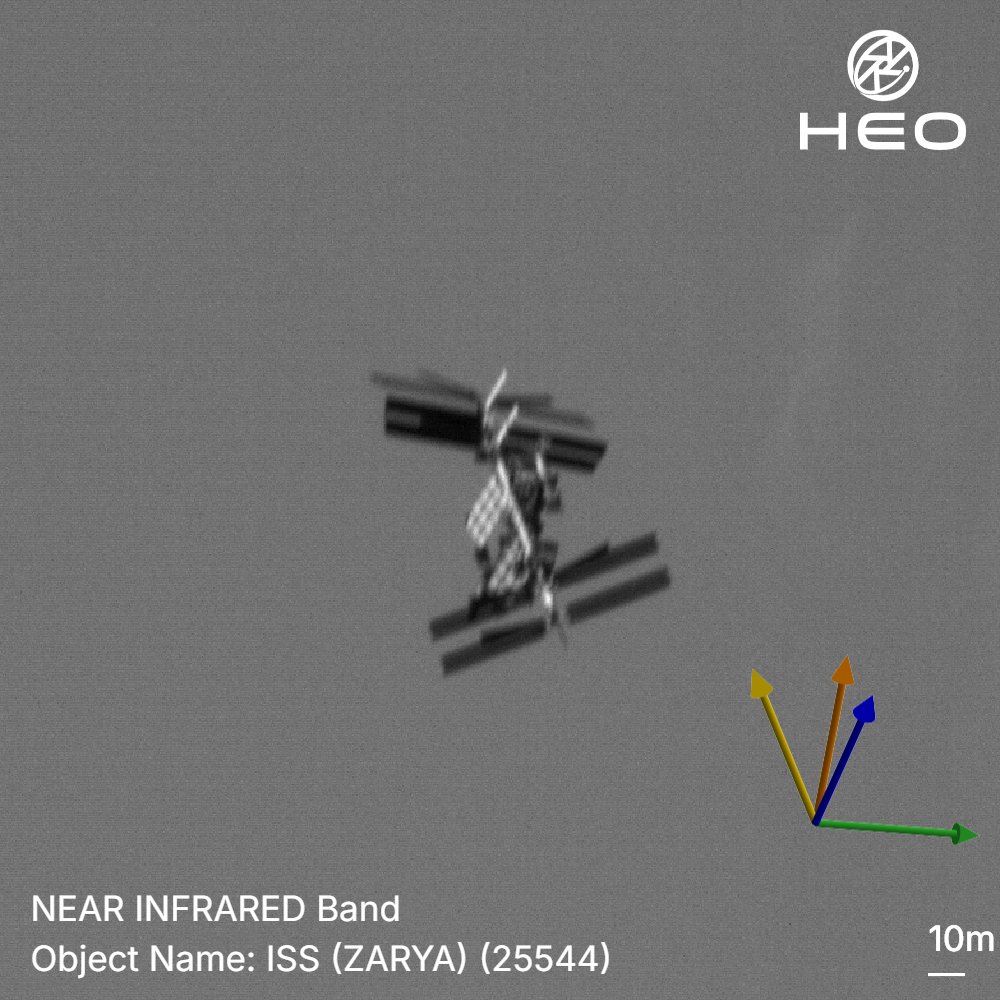
Our unique view of the ISS above the horizon. This non-Earth image, taken by another satellite on March 18, captures the space station over Argentina during an active spacewalk.
HEO tweet mediaHEO tweet media
English
20
234
2.1K
259.2K
Stan Shull retweetledi
Blue Origin
Blue Origin@blueorigin·
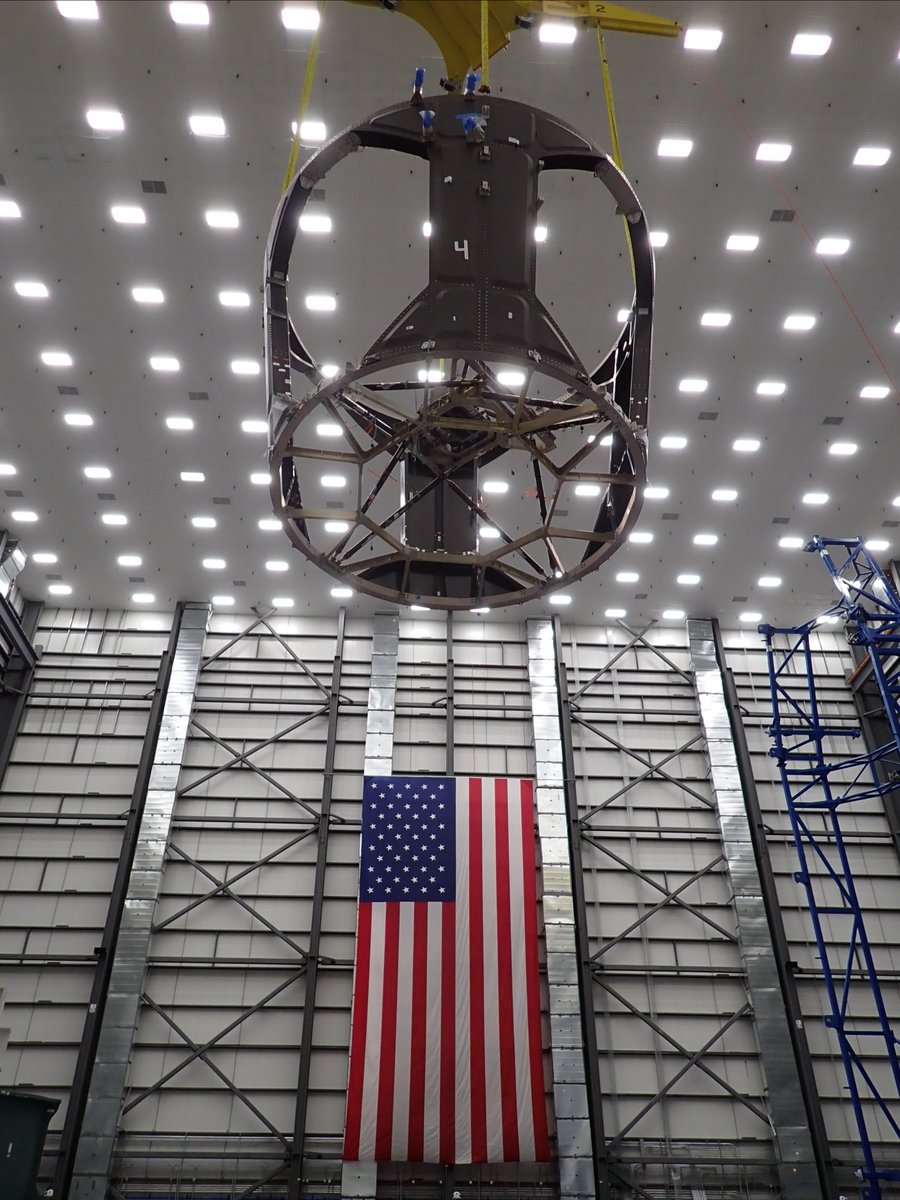
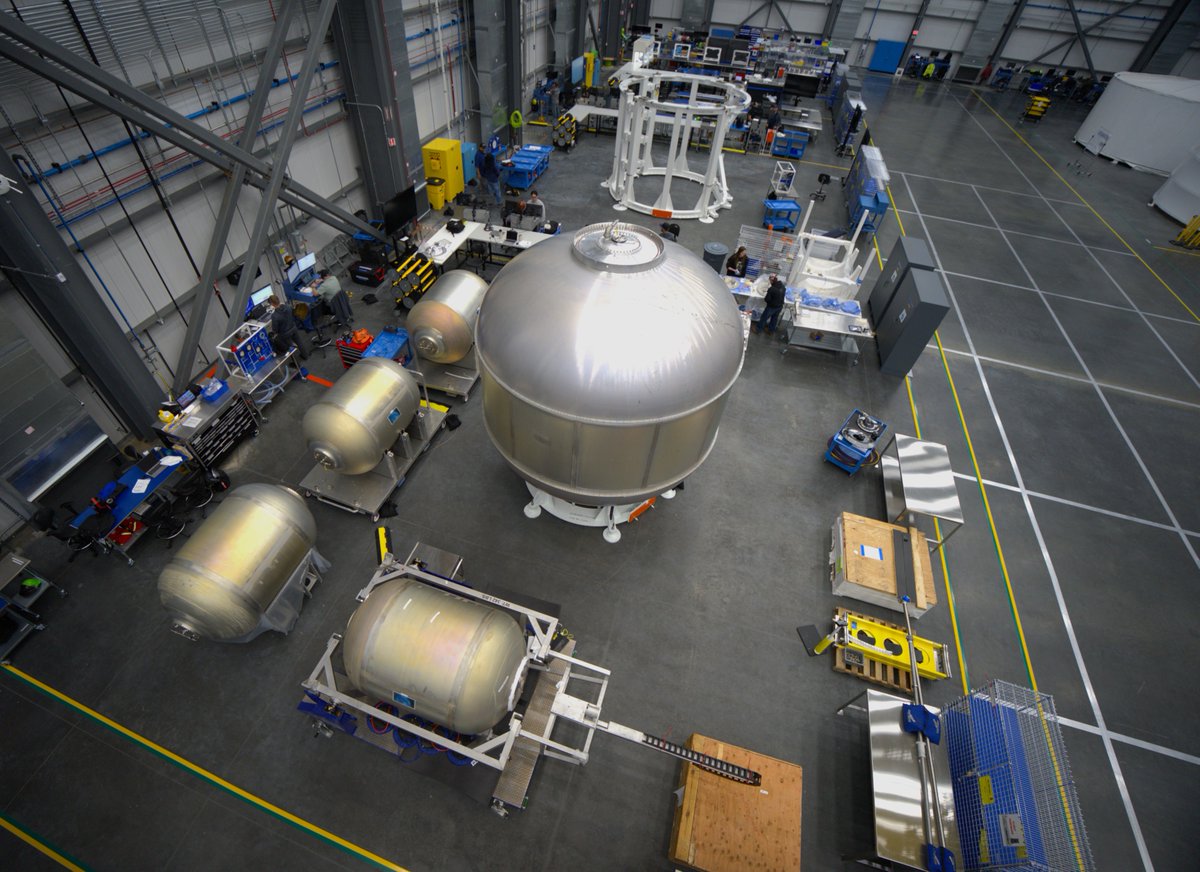
Our second Blue Moon MK1 is moving through the production line at Lunar Plant 1 in Florida. The aft module and LOX/LH2 tanks are in assembly, with the aft module recently transitioning from a test fixture to a low-test stand for processing. Each lander is a step toward Lunar Permanence.
Blue Origin tweet mediaBlue Origin tweet mediaBlue Origin tweet media
English
44
344
2.7K
108.2K
Stan Shull retweetledi
Dustin
Dustin@r0ck3t23·
Jensen Huang just reverse-engineered why Elon Musk operates at a speed no one on the planet can match. Three traits. The first is deletion. Huang: “He has the ability to question everything to the point where everything’s down to its minimal amount.” Most engineers solve problems by adding. Musk solves them by subtracting. Every part. Every process. Every assumption that survived because no one had the nerve to kill it. He picks it up. Asks if it’s load-bearing. If the answer is anything less than absolutely, it is gone. Not simplified. Not optimized. Removed. What survives is the skeleton. The bare physics of the problem. Nothing between intent and execution. Huang said it plainly. As minimalist as you could possibly imagine. And he does it at system scale. Not at a product level. Not at a department level. Across entire companies. Entire industries. Entire supply chains. He strips a rocket the same way he strips a meeting. Down to the load-bearing walls and nothing else. The second is presence. Huang: “He is present at the point of action. If there’s a problem, he’ll just go there and show me the problem.” Not a Slack message. Not a report filtered through four layers of people who weren’t there when it broke. He walks to the failure. Stands over it. Puts his hands on it. Most executives have never seen the actual problem their company is trying to solve. They have seen slides about it. Read summaries of it. Formed opinions about it in rooms that are nowhere near it. Musk stands over the broken hardware and does not leave until it works. That collapses the distance that buries most organizations. The gap between something breaking and the person with authority to fix it actually understanding what broke. In most companies, that gap is weeks. For Musk, it is hours. The third is the one that bends everyone around him. Huang: “When you act personally with so much urgency, it causes everybody else to act with urgency.” Every supplier has a hundred customers. Every vendor has a dozen priorities. Every manufacturer has a backlog stretching months into the future. Musk makes himself the top of every single one of those lists. Not by demanding it. By demonstrating it. When the CEO shows up at your facility at midnight. When he is moving faster than your own internal team. When his timeline makes yours look like a suggestion. You do not put him in the queue. You rearrange the queue around him. Huang watched this up close. Huang: “He does that by demonstrating.” Not by asking. Not by negotiating. Not by leveraging a contract clause. By moving so fast that everyone else’s normal pace feels like standing still. Three traits. Strip everything down. Show up at the failure. Move so fast the world rearranges around you. That is not a management philosophy. That is why one man runs six companies while entire boards cannot keep one moving.
English
208
1.8K
9.5K
759K
Stan Shull retweetledi
Karan Kunjur
Karan Kunjur@KaranKunjur·
We have shipped our 20kW satellite - Gravitas - to the launch site. Given the supply chain to operate at this power regime doesn’t exist, we had to build 85% of the satellite in-house. This includes building our own large solar arrays, high power propulsion system, large batteries, large reaction wheels and much more. This launch will represent the first time all of these systems are test on orbit together. Internally at @K2SpaceCo, we’ve thought about a few levels of success for this mission - we expect mission success to fall somewhere along this spectrum: - Tier 1 (Baseline mission success): Deploy solar arrays, establish comms, operate the satellite —> we’ve now got an operational 20kW satellite on orbit - Tier 2: Power on the payloads, activate the 20kW propulsion system —> we’re completing payload missions and have fired the highest power hall thruster ever flown on orbit - Tier 3: Orbit raise the satellite, test performance in high radiation environments (like 2,000km) —> we’ve collected massive amounts of data on the performance of the platform in very very difficult environments More than anything, Gravitas represents the start of an iterative journey, where we will take the data we receive from this first satellite and incorporate it into the next wave of satellites launching next year. We’re excited to start this journey, we’ll report back as we get more data. Thanks to Tim for covering our story on TechCrunch techcrunch.com/2026/03/19/k2-…
English
22
46
331
35.6K
Stan Shull retweetledi
Aravind 🌍 🛰
Aravind 🌍 🛰@aravindEO·
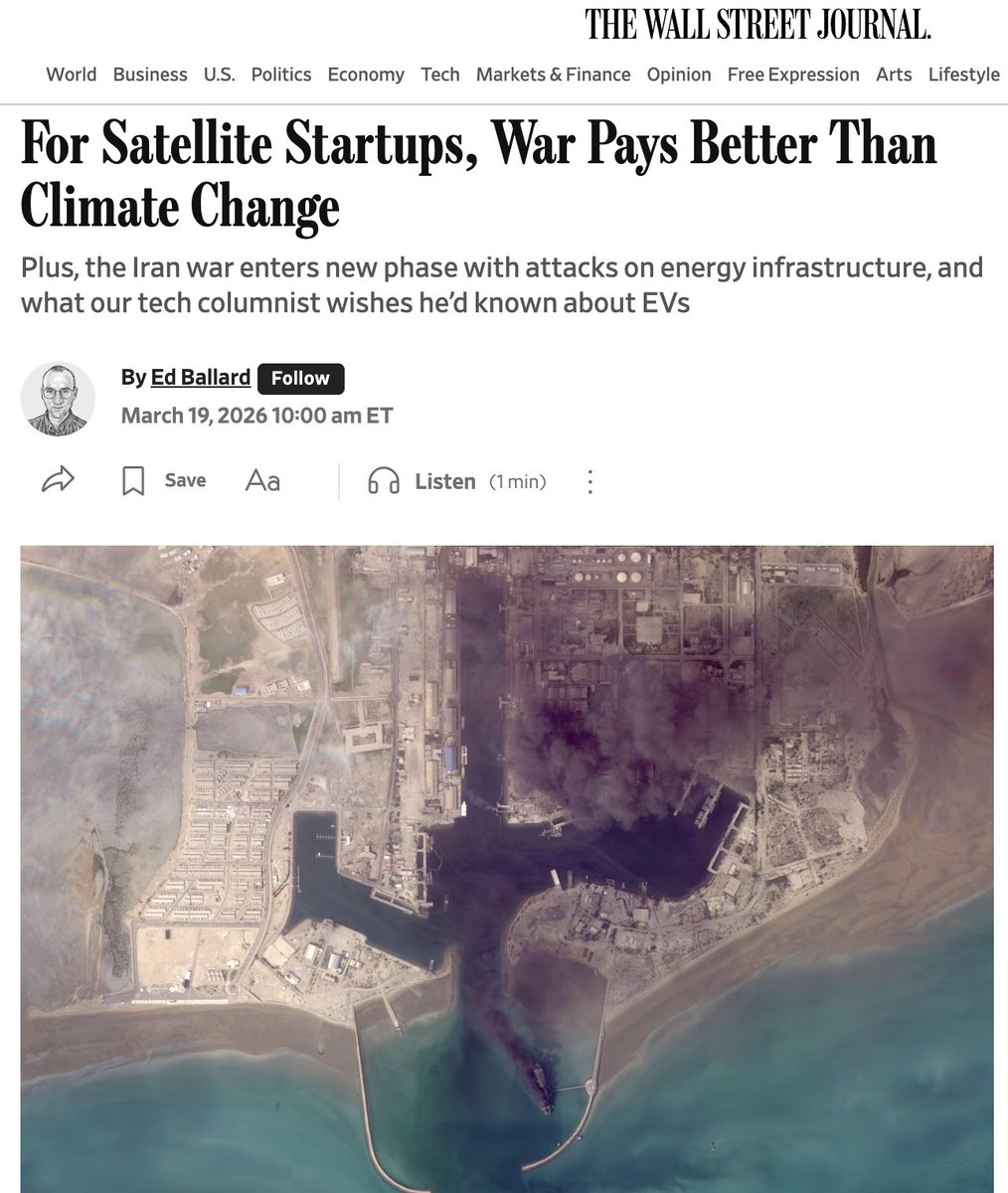
Glad to have provided my thoughts for this piece in WSJ that looks into the reality of the Earth observation market. As I say in the piece, "2025 was the year the industry stopped pretending" - EO companies pitched climate and commercial applications to raise capital, but defense is where the money actually is. The question is whether serving defense customers now prevents commercial scale later. History says it will.
Aravind 🌍 🛰 tweet media
English
3
45
188
15.8K
Stan Shull retweetledi
Tory Bruno
Tory Bruno@torybruno·
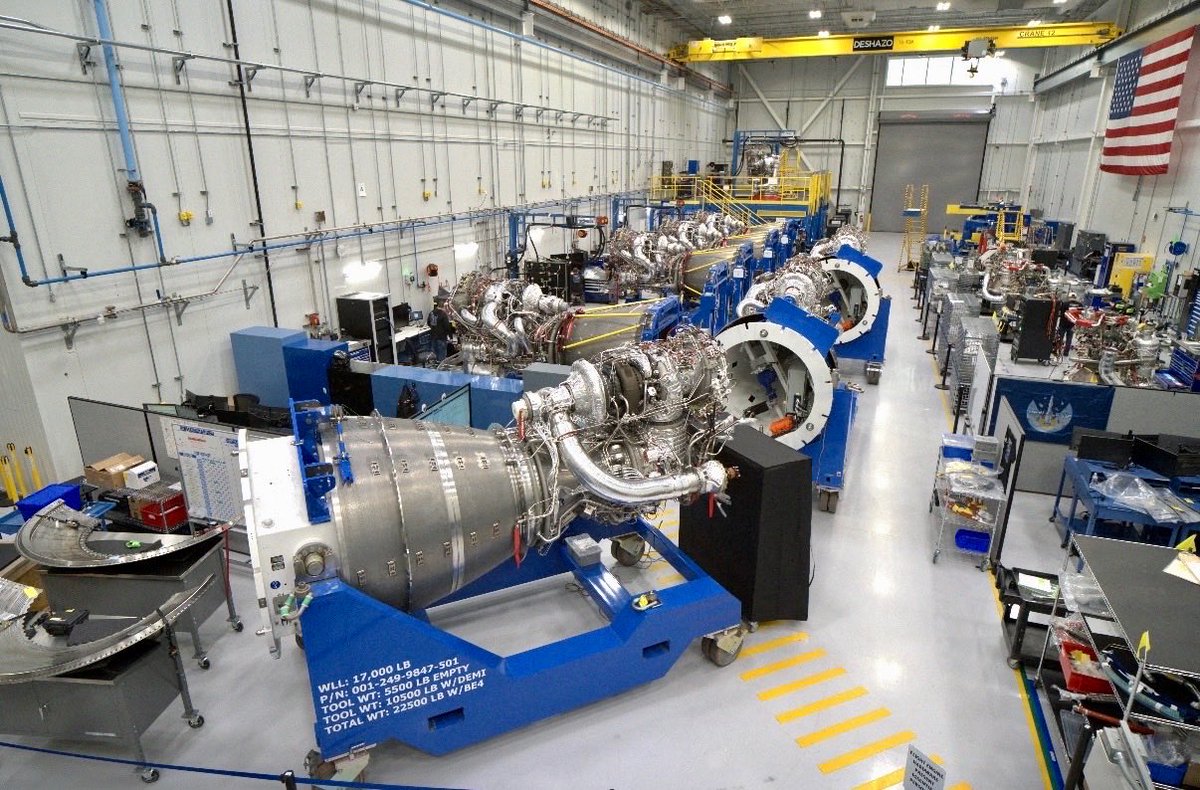
That’s a beautiful engine…
Tory Bruno tweet media
English
158
208
3.4K
71.5K
Jonathan A. Goff
Jonathan A. Goff@rocketrepreneur·
@stanshull I enjoyed it for the most part. I'm not as much of a "asteroids and free-space colonies are the only way" koolaid drinker as the author, but it was a well-written and engaging story.
English
1
0
1
24
Jonathan A. Goff
Jonathan A. Goff@rocketrepreneur·
Ok, I made it through the 714pg non-fiction book I was reading this past week. Should I move on to Critical Mass by Daniel Suarez (the sequel to Delta-V), which arrived today? Or should I reread Andy Weir's Artemis or Stiennon & Hoerr's The Rocket Company?
English
8
1
7
649
Stan Shull retweetledi
Scott Kelly
Scott Kelly@StationCDRKelly·
When I was on the ISS for my nearly year long mission, there was a telomere experiment comparing my telomeres to my earth baseline and my twin brother as a control. Hypothesis was they would get damaged and worse due to the environment. Turns out they got better. Initially NASA thought maybe it was due to exercise and diet. After I returned we learned JAXA had a telomere experiment on some small worms the same time I was there. Their telomeres got better too. Never saw the worms doing any exercise. After further study determined it was the radiation.
English
144
407
8.5K
1.3M
Stan Shull retweetledi
Dave Limp
Dave Limp@davill·
Our engine shop at Rocket Park continues to hum. The next BE-4 shipset is ready for install on our third New Glenn booster.
Dave Limp tweet media
English
57
223
2.3K
147.1K