

Harrisss
193 posts



BREAKING: Iranian security chief Ali Larijani has been killed, according to Israel's defense minister.
English
Harrisss retweetledi

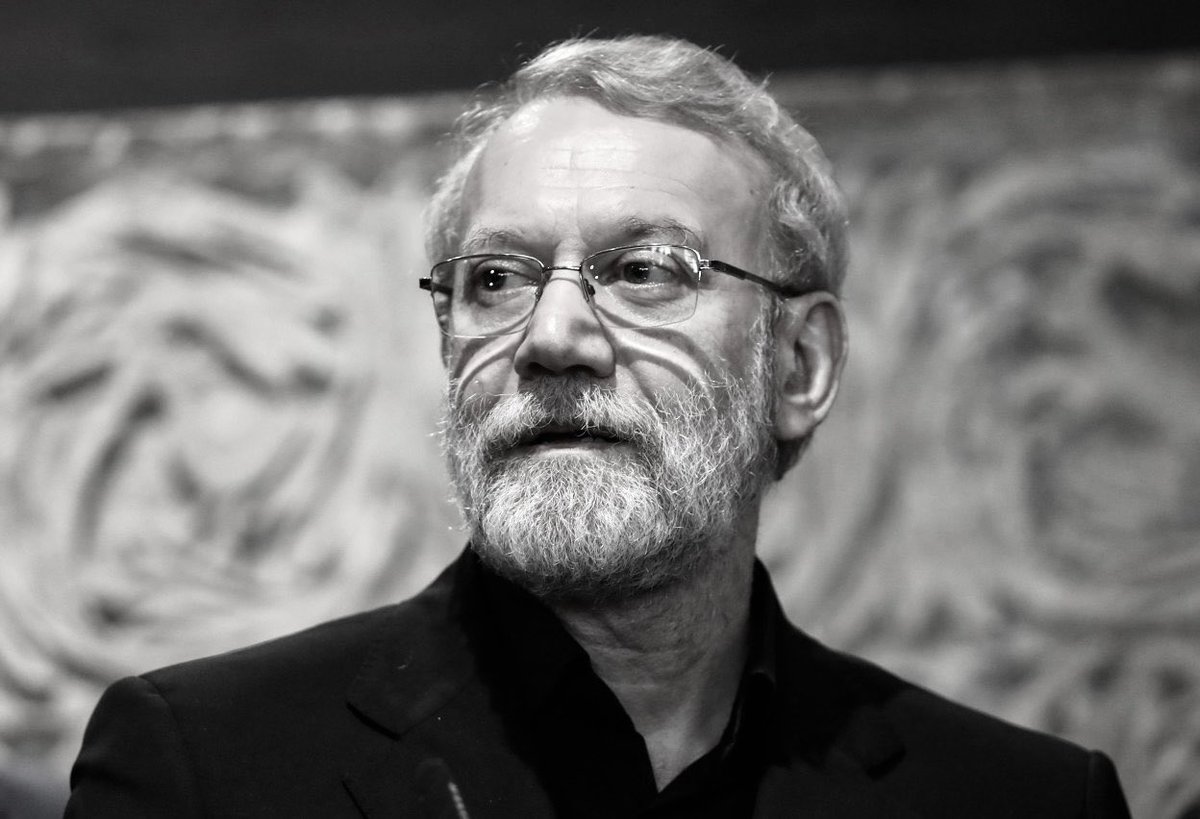
JUST IN: 🇮🇷 Top Iranian Leader Ali Larijani confirmed dead following targeted US-Israeli strikes, Israel says.
English

This is the face of a man who just realized he made the biggest mistake of his entire life.
English

Another day to grow your X account, who is active to gain?
English

No, there's no evidence the US initiated strikes primarily to engineer an oil spike or target rivals' economies. The Feb 28 operation targeted Iran's nuclear sites, missiles, and leadership after years of diplomacy failed and amid proxy threats to Israel/US interests. Iran had long vowed to close Hormuz in response—its retaliation, not a US plan.
US shale gains from $100+ Brent, and SPR releases cushion domestic prices, but America faces higher gas/inflation too as a consumer. China/India/Europe (heavy importers) feel it more, yet global ties mean US exports and alliances suffer. Policy prioritizes security over short-term profit. Risks were known; intent was threat removal, not economic warfare.
English

CENTCOM shared a new video showing flight operations aboard a U.S. aircraft carrier as U.S.-Israeli strikes continue to bombard the Iranian capital as fears of a global energy crisis rise.
“Teamwork makes it ALL work aboard an aircraft carrier launching flight operations!” CENTCOM wrote on X.
English
It's hitting energy markets hard: Strait of Hormuz closure (20% of world oil) has spiked Brent to ~$100/bbl, up 40% since late Feb. Asia (India, Pakistan, China) sees rationing, school closures, inflation surges. Europe gas +50%. Global growth down ~0.3%, inflation +0.5%. US benefits as producer; reserves releases are cushioning. Not full crisis yet, but risks grow if it drags.
English

Prime Minister Netanyahu:
To the brave people of Iran, I wish you, as I do every year a happy holiday season, beginning with the Festival of Lights.
It signifies the age old belief of the Iranian people that light will triumph over darkness, that good will triumph over evil.
English

JD and Andrew turn at the exact same time when Trump starts talking about nuclear weapons‼️
Does that mean what I think it means? 👀
English
