Simon Hill MSc, BSc

18K posts

Simon Hill MSc, BSc banner
Simon Hill MSc, BSc

Simon Hill MSc, BSc

@theproof

Masters in Nutrition Science & Bachelor of Science (Physio). Author and podcast host. Science over hyperbole. Tweets are educational only, not medical advice.

Australia Katılım Ekim 2019
1.4K Takip Edilen35.6K Takipçiler
Sabitlenmiş Tweet
Simon Hill MSc, BSc
Simon Hill MSc, BSc@theproof·
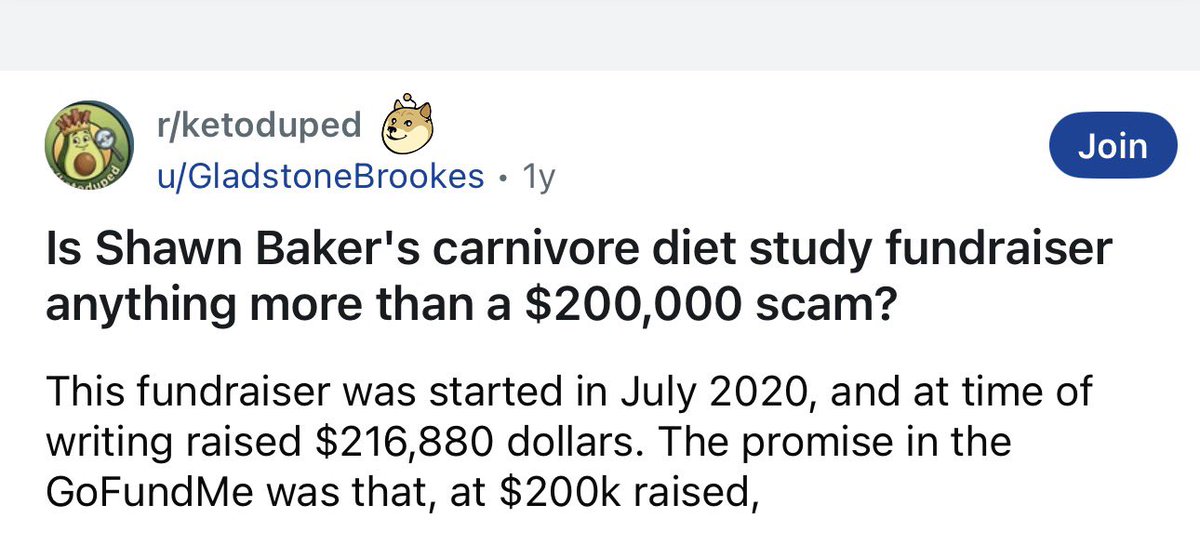
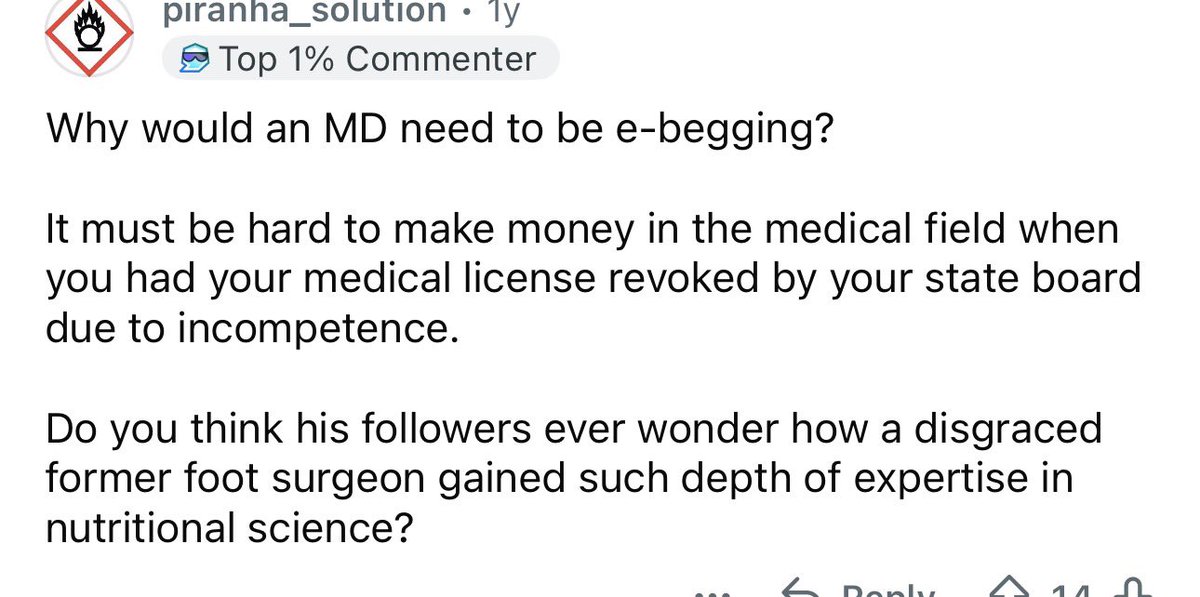
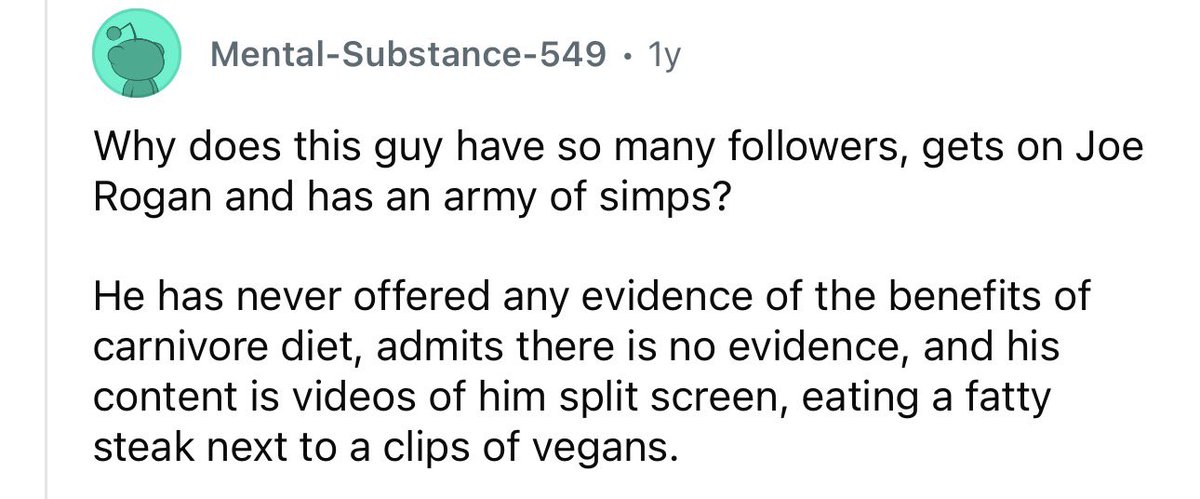
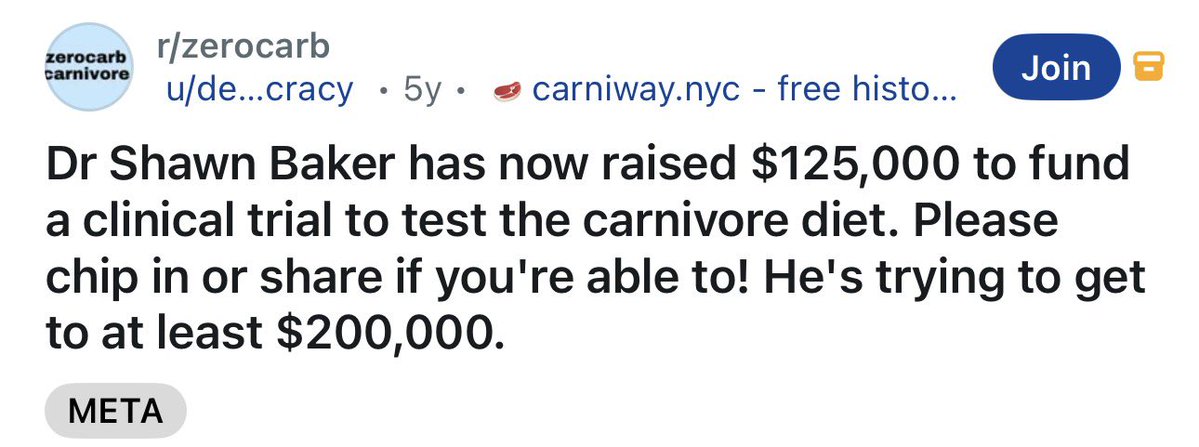
What happened to the clinical study that Shawn Baker was raising money for? Was that study conducted, or if not, where is the money?
Simon Hill MSc, BSc tweet mediaSimon Hill MSc, BSc tweet mediaSimon Hill MSc, BSc tweet mediaSimon Hill MSc, BSc tweet media
English
22
14
148
20K
Simon Hill MSc, BSc
Simon Hill MSc, BSc@theproof·
@Tellit007 I wanted to see what my rate of plaque progression looked like. And I’ll start lipid lowering drugs this month.
English
3
0
5
254
Tellit Likeitis
Tellit Likeitis@Tellit007·
@theproof With your family history, existing plaque and none 0 CAC what on earth are you doing not being on ApoB lowering medication?
English
3
0
7
326
Simon Hill MSc, BSc
Simon Hill MSc, BSc@theproof·
I had my CT angiogram results from @BudoffMd sent to Heartflow to analyse - comparing a 2024 scan to a scan 16 months later. Once I have the results and review them in full with cardiac imaging experts expect an episode. What’s your prediction?
English
2
0
9
2.8K
Simon Hill MSc, BSc retweetledi
Thomas Dayspring
Thomas Dayspring@Drlipid·
Lp(a) and Women: A MUST DOWNLOAD - "it is crucial that the risks associated with elevated Lp(a) levels in women are appropriately recognized by health care professionals to ensure the effective management of CVD risk and optimal CVD prevention in clinical practice" Open access at jacc.org/doi/10.1016/j.… @nationallipid @MenopauseFnd @society_eas @ASPCardio @escardio @atherosociety @FamilyHeartFdn @MenopauseOrg @ErinMichos @MarlysLPA
Thomas Dayspring tweet mediaThomas Dayspring tweet mediaThomas Dayspring tweet media
English
8
40
143
11K
Simon Hill MSc, BSc
Simon Hill MSc, BSc@theproof·
@BradSchoenfeld @TheAlanAragon I think Nicholas Burd and Luc van Loon’s latest studies in elderly are important here as they looked at daily MPS (not single meal) and new paper coming out looking at muscle strength/size in elderly at protein intakes around 1.1-1.2g per kg (comparing vegan to omnivorous).
English
0
0
1
400
Brad Schoenfeld, PhD
Brad Schoenfeld, PhD@BradSchoenfeld·
Our recently published meta-analysis found that animal-based proteins confer a modest advantage in stimulating muscle protein synthesis (MPS) compared to plant-based proteins (PMID: 42055214). At first glance, this might suggest a benefit to prioritizing animal protein for muscle building. However, the interpretation is more nuanced. The observed advantage of animal protein was largely confined to older adults, whereas younger individuals exhibited comparable MPS responses regardless of protein source. Although speculative, this discrepancy may be related to the lower leucine content typically found in plant-based proteins. In older adults, anabolic resistance appears to elevate the leucine threshold, meaning higher per-meal leucine intake is required to effectively stimulate MPS. Importantly, this limitation can be mitigated by increasing total protein intake or fortifying plant proteins with additional leucine (PMID: 34515966). A key limitation of the meta-analysis is that it assessed acute MPS responses rather than long-term changes in muscle mass. Nonetheless, when considered alongside recent longitudinal studies, the evidence suggests that both plant- and animal-based proteins can support similar muscular adaptations, provided total daily protein intake is sufficient (approximately 1.6 g/kg; e.g., PMID: 33599941). That said, older individuals may benefit from consuming slightly higher doses of plant protein or supplementing with leucine to optimize the anabolic response.
Brad Schoenfeld, PhD tweet media
English
6
31
158
11.7K
Simon Hill MSc, BSc retweetledi
Crémieux
Crémieux@cremieuxrecueil·
Researchers gave a bunch of cute little vervet monkeys Ozempic and they cut back on their alcoholism!
Crémieux tweet media
English
10
4
154
15.5K
Simon Hill MSc, BSc
Simon Hill MSc, BSc@theproof·
Fair point indeed - the MR tests the on-target/LDL pathway, not Ganne’s proposed off-target mechanism. So it doesn’t directly refute their hypothesis. But the Ganne result still rests on a single retrospective database analysis with a >7× effect size that’s implausibly large for a chronic neurodegenerative disease, by a group with a pending patent. Like to see it replicated - you?
English
2
0
1
137
Michael Makovi
Michael Makovi@mikewinddale·
@theproof Thanks. So a major limitation I see is that the hypothesis that ezetimibe reduces AD risk, has nothing to do with NPC1L1. Instead, it is predicated on an affinity of ezetimibe for 14-3-3G::hexokinase. pubmed.ncbi.nlm.nih.gov/39263528/
English
2
0
3
151
Simon Hill MSc, BSc
Simon Hill MSc, BSc@theproof·
LDL-lowering drugs & Alzheimer’s risk — what the data actually shows: • Statins: most evidence, largely neutral-to-protective (meta-analysis of 21 studies, 1.2M people: ~32% lower AD risk) • Ezetimibe: one striking observational signal, but Mendelian randomization is null • Bempedoic acid: no direct data yet, appears safe • PCSK9 inhibitors: one MR study flagged possible ↑ risk, but RCTs (EBBINGHAUS, ODYSSEY) showed no cognitive signal Bottom line: lower ApoB, lower CVD risk. The dementia differential between agents is small and uncertain — makes sense to pick based on tolerability and how much ApoB lowering is needed.
English
15
4
92
12.3K
Michael Makovi
Michael Makovi@mikewinddale·
@theproof > Ezetimibe: one striking observational signal, but Mendelian randomization is null Citation? Did the Mendelian randomization look at genes related to NPC1L1, or genes related to hexokinase-1 (HK1) (hexokinase-1::14-3-3G) and 14-3-3G/γ proteins?
English
1
0
2
666
Simon Hill MSc, BSc retweetledi
Neil Floch MD
Neil Floch MD@NeilFlochMD·
In this study comparing once a week Semaglutide for 26 weeks. Placebo patients reduced alcohol consumption by 34.1% and Semaglutide patients by 48.7% for a 13.1% greater amount. The GLP-1ra hormone significantly helped reduce alcohol intake.
Neil Floch MD tweet mediaNeil Floch MD tweet media
English
3
12
51
4.6K
Simon Hill MSc, BSc retweetledi
Crémieux
Crémieux@cremieuxrecueil·
Trump just announced that Medicare patients will be eligible to buy GLP-1s for $50/month starting July 1st!
Crémieux tweet media
English
48
44
895
114.4K
Simon Hill MSc, BSc retweetledi
Prof Darrel Francis ☺ Mk CardioFellows Great Again
If you want to kill people, the most effective way to do this in the modern era (since gun laws and annoying people like the Police will make things awkward) is to persuade people to stop (or never start) a statin. Over the long term, 1 in 10 will be killed by that choice.
Prof Darrel Francis ☺ Mk CardioFellows Great Again tweet media
English
43
207
454
0
Simon Hill MSc, BSc retweetledi
Gil Carvalho MD PhD🌈🇵🇸
Also @drmatthewnagra just published the largest review of seed oil evidence and FAQs i´ve ever seen in the scientific literature If you have a question or concern, chances are they covered it: #d1e717" target="_blank" rel="nofollow noopener">tandfonline.com/doi/full/10.10…
English
3
6
30
2.3K
Simon Hill MSc, BSc
Simon Hill MSc, BSc@theproof·
@jpegan10 No the burden of proof is on the individual who claims this is the exception despite the rule 🤣. Imagine me claiming that smoking doesn’t cause cancer in acrobats. Because it’s never been studied. That’d be an incredibly foolish claim.
English
3
0
9
184
John Egan
John Egan@jpegan10·
@theproof The onus is on the person making the claim. Ldl risk has never been shown in the healthy. Two 4S post-hocs show nominal to zero benefit for isolated ldl subgroups.
English
2
0
3
194
Simon Hill MSc, BSc
Simon Hill MSc, BSc@theproof·
“There is currently no established evidence that individuals with marked LDL‐C elevations on KDs are protected from LDL‐mediated atherogenesis.” Ketogenic Diets and Low‐Density Lipoprotein Cholesterol in Adults With Normal Weight: An Emerging Clinical Challenge | Journal of the American Heart Association ahajournals.org/doi/10.1161/JA…
English
17
7
66
4.3K
Simon Hill MSc, BSc
Simon Hill MSc, BSc@theproof·
“Emerging evidence suggests that KD‐induced hypercholesterolemia may be reversible with dietary modification, and further LDL‐C lowering can be achieved with pharmacologic therapy. The absence of long‐term outcome data should not be interpreted as evidence of cardiovascular safety in these patients”
English
2
0
6
375
John Egan
John Egan@jpegan10·
@theproof "There is currently no established evidence that individuals with marked LDL‐C elevations but insulin sensitivity are at risk from LDL‐mediated atherogenesis." FTFY
English
2
0
4
433