
Michael Wanyama | Team Leader @Autosafety_UG

1.1K posts

Michael Wanyama | Team Leader @Autosafety_UG banner
Michael Wanyama | Team Leader @Autosafety_UG

Michael Wanyama | Team Leader @Autosafety_UG

@thetechsamya

Clean, Safe & Sustainable Mobility - Africa | Winner 2022 ITF Award🥇 for Decarbonising Transport & 2022 World Smart City Award - Innovation | Rts ≠ Apvl

Kampala, Uganda Katılım Kasım 2011
1K Takip Edilen752 Takipçiler
Michael Wanyama | Team Leader @Autosafety_UG retweetledi
Ronald Amanyire
Ronald Amanyire@amronaldo·
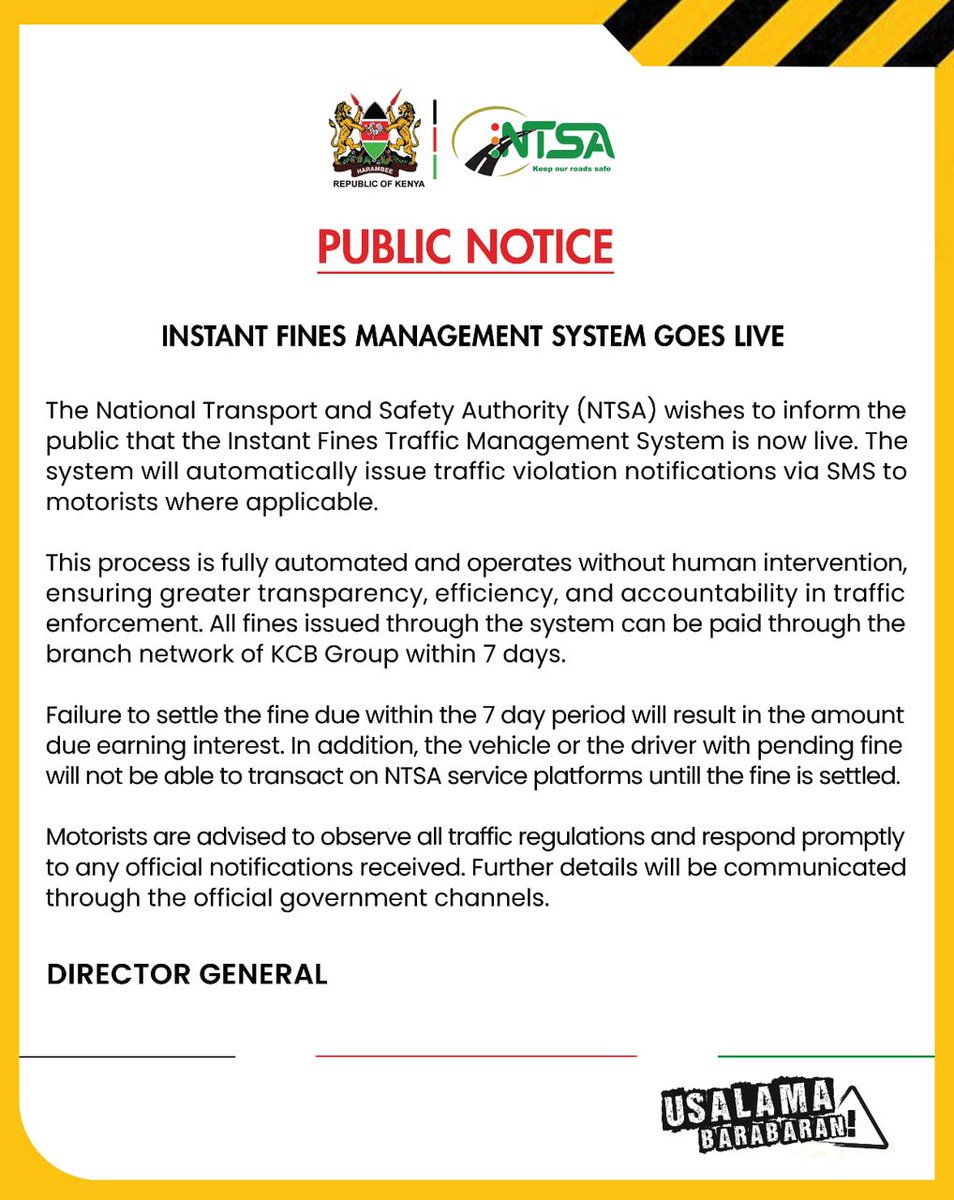
Given the widespread circulation of this information today, I engaged in preliminary consultations with NTSA personnel. Their insights into the Instant Fines Management System (IFMS) highlight the key differences with Uganda EPS: ➡️Implementation of Driving Permits with a chip came first around 2019 which will now be used for implementing demerit point system along with the instant fines. ➡️They have had a PPP in place approved by Cabinet from the initial steps of introducing the smart driving permits (which are much cheaper than the Ugandan ones). KCB Bank is part of the PPP which may imply delays in payment will attract interest payments at commercial bank rates. The PPP covers many more functions including production of Driving Permits. ➡️Ministry of Transport procured and installed 1,000 smart cameras (fixed and mobile) monitoring major roads like Mombasa Road and Thika Superhighway. ➡️Fines covered • Speeding • Licence and inspection violations • Plate and identification issues • PSV compliance failures • Driver conduct and road‑use violations ➡️Fines range from KShs 500 (approx. 15,000 UGX) to KShs 10,000 (approx. 300,000 UGX). ➡️No surcharges. KCB interest rates may apply.
Ronald Amanyire tweet media
English
2
5
18
3K
Michael Wanyama | Team Leader @Autosafety_UG retweetledi
AirQo
AirQo@AirQoProject·
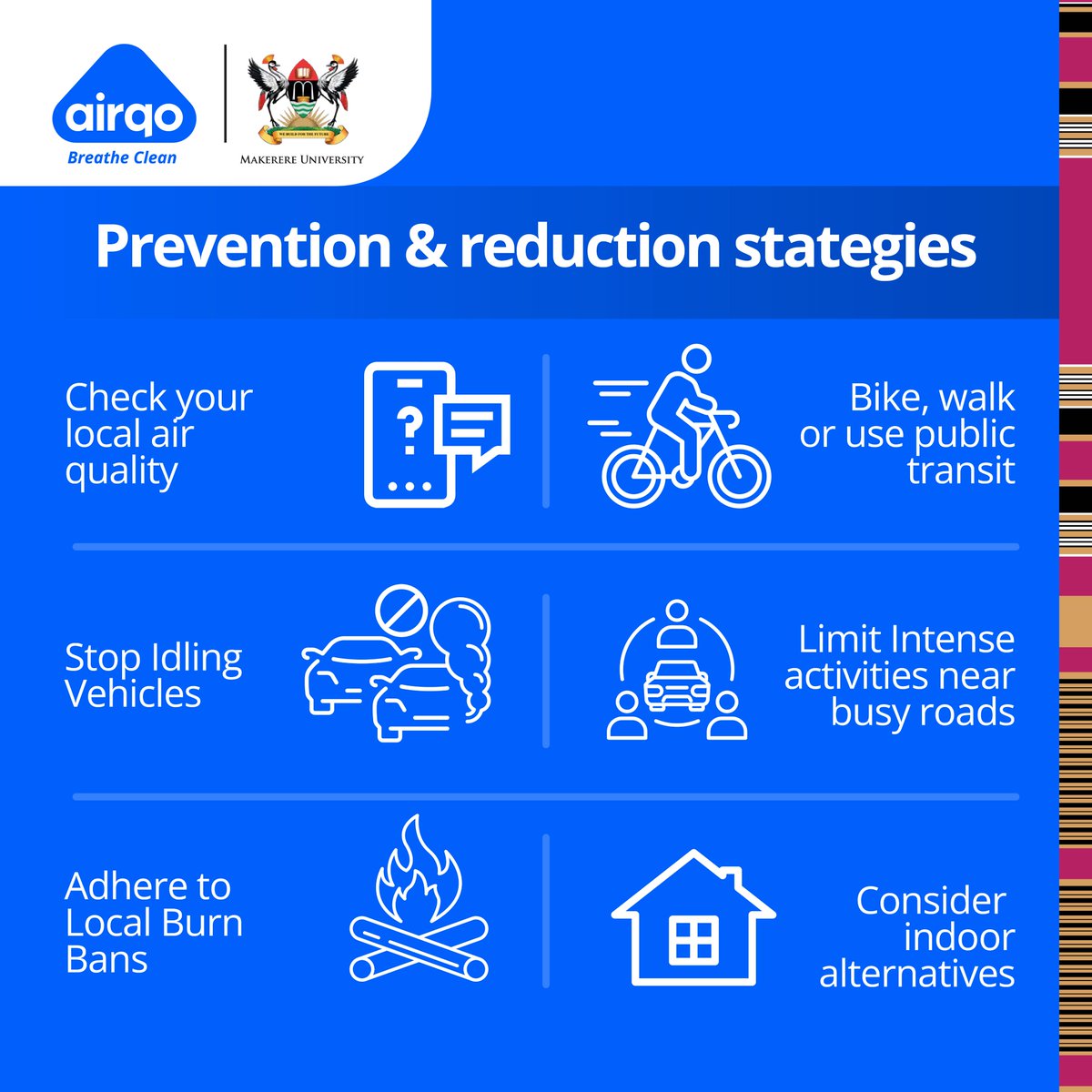
Small habits can create a big impact on the air we breathe. 🚘 Turn off your engine when waiting in traffic. 🚶 Walk short distances instead of driving. 🚲 Use a bicycle where possible. 🚐 Choose public transport when you can. Even reducing vehicle idling can significantly cut transport-related #AirPollution and help create healthier streets for everyone. What change can you commit to this week? @GAHP_Global
AirQo tweet media
English
0
3
6
122
Michael Wanyama | Team Leader @Autosafety_UG retweetledi
Joseph Beyanga Joe Walker
The hazards at Kyakabuga that have made this spot a death trap on Kampala Hoima road. These two potholes, see video, which according to the locals have caused more than 9 serious road crashes most recent of which is one that occurred last weekend involving a truck and the bus that claimed 7 lives on spot. Why can’t we fix these potholes and eliminate this death trap? Safe Roads Save Lives
English
27
56
147
25.3K
Michael Wanyama | Team Leader @Autosafety_UG retweetledi
AirQo
AirQo@AirQoProject·
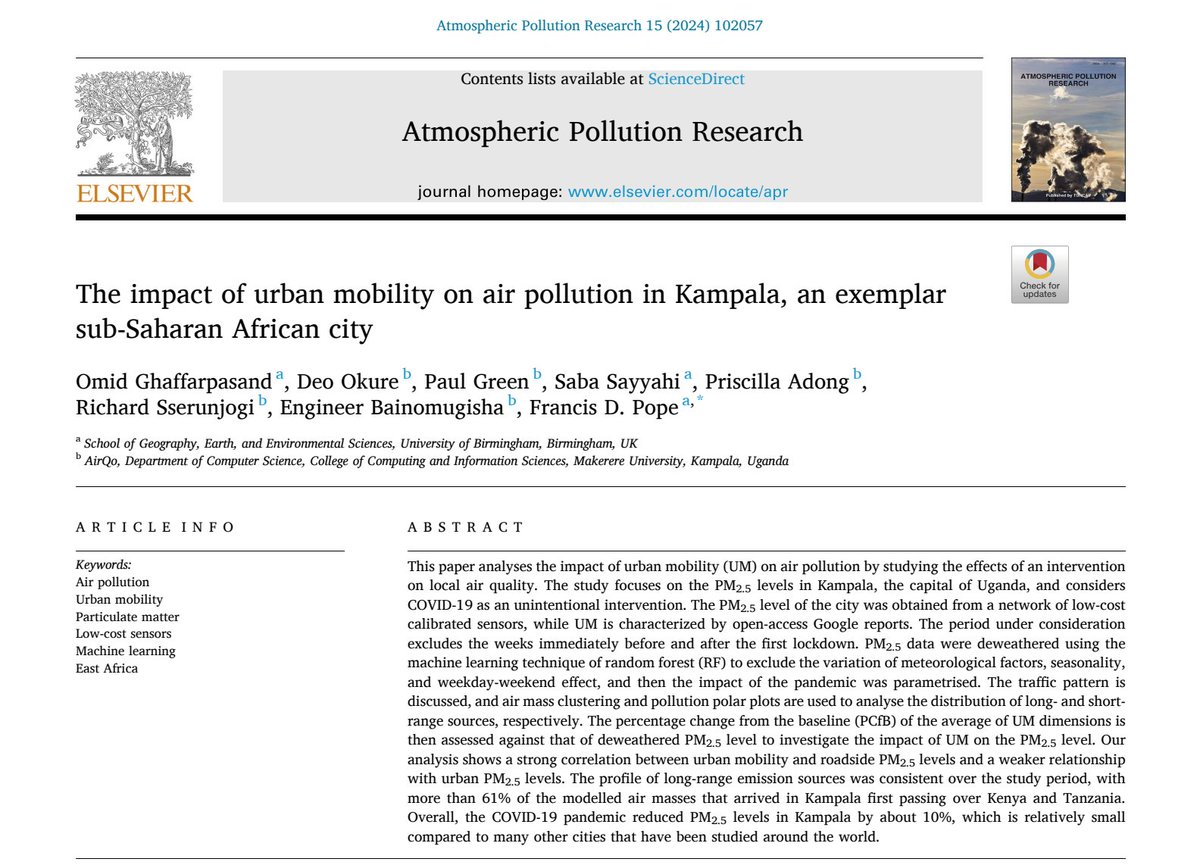
Research shows that over 35% of #AirPollution in Kampala is linked to transport-related activities. Traffic congestion increases exposure to pollution for pedestrians, vendors, schoolchildren, and traffic officers. This study, focusing on Kampala, examines the complex relationship between #UrbanTransport and #AirPollution, revealing a strong correlation between traffic patterns and roadside pollution. Reducing traffic emissions protects our health. Read the research > bit.ly/3HBXlYA
AirQo tweet media
English
0
4
6
129
AhMad 𝕏 Ansari
AhMad 𝕏 Ansari@Ahmadansari2233·
New Tecno Modular phone is crazy you can stack batteries, speakers New camera modules and more. It's the most awesome Frankenstein phone
English
588
2.9K
12.9K
3.5M
Michael Wanyama | Team Leader @Autosafety_UG retweetledi
Ronald Amanyire
Ronald Amanyire@amronaldo·
Around 2015, when the World Bank was encouraging the Ministry to establish a Metropolitan Area Transport Authority (MATA) as part of the broader BRT agenda, I attended a World Bank workshop in Addis Ababa with a colleague who has since left the Ministry. One statement from the facilitators has stayed with me ever since: “You cannot engineer yourself out of traffic congestion.” He explained that building more roads, widening highways, or constructing flyovers cannot, on their own, solve congestion. Congestion is not simply a road‑capacity problem. It is fundamentally a behavioural, economic, land‑use, and road‑management problem. Engineering interventions treat the symptoms, not the underlying causes. He highlighted several issues that illustrate this point: Induced or Latent Demand: Whenever road capacity is increased, more people choose to drive because the road initially feels faster. Over time, the new lanes fill up and congestion returns. This pattern is well‑documented globally. He gave the example of Seoul, South Korea — a city I had visited in 2007 and seen the phenomenon firsthand. Kampala’s Radial Network: Kampala’s road network funnels traffic from Entebbe, Masaka, Jinja, Hoima, and Gayaza into a very small CBD core. Even with flyovers, all these streams still converge at the same point. A flyover may remove conflict at one junction, but it does not reduce the volume entering the city. Land‑use Patterns: Most jobs, services, and government offices are concentrated in the CBD. This creates strong tidal flows: everyone enters the city in the morning and leaves in the evening. Flyovers cannot change the distribution of demand. Kampala continues to grow inward rather than outward, intensifying pressure on the same limited space. The Geometry Problem: In dense cities, the real bottleneck is rarely the roads themselves. It is the intersections, off‑ramps, and city streets. You can build a 12‑lane highway/road but if all those vehicles must eventually exit onto a 2‑lane urban road with traffic lights, you have simply created a faster way to reach a stationary queue. Weak Last‑mile Connectivity: Even when trunk roads are improved, the feeder roads in suburbs such as Ntinda, Najjera, Kisaasi, Makindye, Nansana, and Kireka remain narrow, unpaved, or poorly managed. Congestion simply shifts from the improved section to the next choke point. Other Systemic Factors: Land‑use planning, enforcement, public transport quality, roadside activity, and general road management all influence congestion. Without addressing these, engineering solutions alone cannot deliver lasting relief. Summary The lesson from that workshop from the Kampala’s live in or work in is clear: you cannot build your way out of congestion. Sustainable mobility requires a combination of engineering, planning, enforcement, behavioural change, and institutional reform. ADDING LANES TO FIX TRAFFIC CONGESTATION IS AKIN TO LOOSENING YOUR BELT TO CURE OBESITY. IT ADRESSES THE SYMPTOM (TIGHTNESS) WITHOUT FIXING THE CAUSE.
Andy Kristian Agaba@andykristian

The mother of all traffics happening in Kyanja this morning. AVOID Kisasi—Kyanja road. Not sure of the cause. Man, this city needs roads! @mkainerugaba

English
46
199
479
59.4K
Michael Wanyama | Team Leader @Autosafety_UG retweetledi
Ronald Amanyire
Ronald Amanyire@amronaldo·
I am ashamed to hold the title of Principal Road Safety Officer at the Ministry of Works and Transport. I am ashamed that every time a road crash happens, I feel the need to comment because I know it could have been prevented. I am ashamed that, no matter how many Ugandans die on our roads, I seem to be the only one willing to say openly that it is the responsibility of government to stop this carnage — a government I work for. If this were another country, I would have resigned long ago. Not because I am incapable of doing my job, but because I have not been given the funds, tools, or institutional support to do it. But this is Uganda, where even resignation carries the risk of losing the basic means of survival. What enrages me most is that the excuse of “lack of funding” is false. Completely false. As we began budgeting for FY 2019/20, I drafted a five‑year project to reverse road carnage. It required UGX 20 billion per year. At the last minute of the budgeting process, UGX 30 billion was approved by @mofpedU, under the belief that it was for road safety. They approved it knowing the intention. They were wrong. And instead of fixing the mistake, I was hounded — and continue to be hounded — while the funds were diverted to things that do nothing to save lives. Someone recently sent me that TikTok video. It reminded me of one of the core components of the project: improving driver testing. The plan was to automate the entire process. A theory test with randomised questions from a national question bank would be first for any applicant after going through any driving school. A system where once a candidate registered, every testing station — Busia, Jinja, Arua, Gulu, Mbarara, Masaka, Kabale, Fort Portal, Hoima — could see her/his results instantly. No shortcuts. No piles of paper. No manipulation. If she failed, the system would show it everywhere. Instead, the initial funding became the foundation for spending over UGX 100 billion on motor vehicle registration — and it seems the system is now worse than before. I reported this misuse to the Director @CID1_UG, who as part of the investigation requested a forensic audit by @OAG_Uganda. I even asked to be summoned by the audit team, as shown in the screenshots. I wanted them to understand my motivation clearly. But the OAG team told me their mandate was only to confirm whether the money was spent “as per contract,” not whether it served the original purpose. They promised a value‑for‑money audit to determine whether taking motor vehicle registration from @URAuganda was justified or simply a convenient way to siphon funds. Since then, everything has gone silent.
Ronald Amanyire tweet mediaRonald Amanyire tweet media
Sudhir Byaruhanga@Sudhirntv

At least six people have died in the Kyankwanzi road crash which left scores injured this morning. The bus they were travelling in caught fire after colliding with a truck carrying charcoal.

English
30
32
105
41.7K
Michael Wanyama | Team Leader @Autosafety_UG retweetledi
AirQo
AirQo@AirQoProject·
Day 2: From Nakawa to Kawempe Division: Continuing conversations on transport-related #AirPollution. Community members in Kawempe shared experiences of living and working around busy transport corridors, linking everyday challenges like congestion, dust, and vehicle emissions to #AirQuality and health. Discussions focused on practical actions individuals can take and the role communities play in protecting the air we all share.
AirQo tweet mediaAirQo tweet mediaAirQo tweet media
English
0
2
5
139
Michael Wanyama | Team Leader @Autosafety_UG retweetledi
AirQo
AirQo@AirQoProject·
Do you know the quality of the air you're breathing? Every day, thousands of cars, boda bodas, and taxis fill our streets and the air. Transport-Related #AirPollution (TRAP) is one of the biggest invisible threats to our health in Uganda's cities. Over the coming weeks, we'll lift the lid on TRAP, the science, the data, and what we can do about it. Stay tuned 📢
AirQo tweet media
English
0
5
9
164
Michael Wanyama | Team Leader @Autosafety_UG retweetledi
SP kananura Michael
SP kananura Michael@M_Kananura·
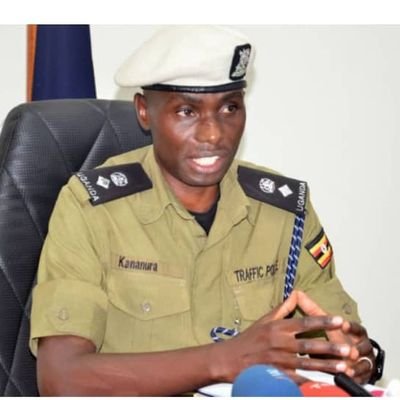
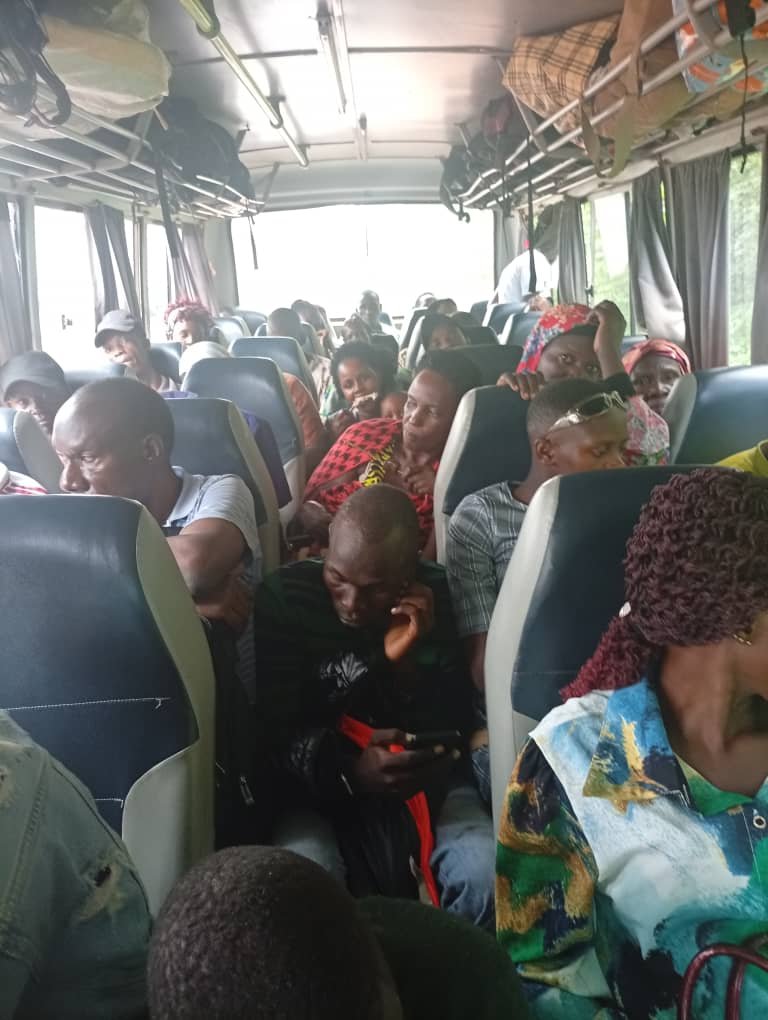
As passengers in such a loaded vehicle, we should not wait for @PoliceUg to intercept the reckless driver. Speak out! Your voice could save lives Our Toll Free 0800199099
SP kananura Michael tweet media
English
203
108
587
41.7K
Michael Wanyama | Team Leader @Autosafety_UG retweetledi
Joseph Beyanga Joe Walker
THIEVES OR MARKS OF IMPUNITY? We have a growing number of vehicles driving on our roads without number plates. I have seen some freely drive past Traffic @PoliceUg. Is it a case of high levels of stolen number plates or these numberless cars are badges of impunity on wheels?
Joseph Beyanga Joe Walker tweet mediaJoseph Beyanga Joe Walker tweet mediaJoseph Beyanga Joe Walker tweet mediaJoseph Beyanga Joe Walker tweet media
English
82
117
489
49.9K
Michael Wanyama | Team Leader @Autosafety_UG retweetledi
Ronald Amanyire
Ronald Amanyire@amronaldo·
Another crash. Eight people dead. And once again the explanation is the same tired line: reckless driving, speeding, overtaking. At what point do we admit that these are human behaviours hard‑wired into every society? In every advanced country, they solved this problem not by preaching behaviour change but by engineering solutions. Reckless driving is no longer the real cause of road crashes. The real cause is negligence of duty by the Government MDA responsible for road safety. Why do we refuse to see this? Do we not travel? Do we not observe the systems in place elsewhere—barriers, rumble strips, signage, lane discipline, speed‑calming infrastructure, automated enforcement, black‑spot redesigns? Or are we still deceiving ourselves that we can “change human behaviour” through slogans and press conferences? Almost everyone in the responsible department has attended the two‑week course hosted by @TUDelftOnline. Yet the moment they land back at Entebbe, everything they learned is left on the plane. No implementation. No engineering. No systems thinking. Just recycled excuses. Until we stop blaming drivers and start fixing the system, the crashes will continue—and so will the funerals.
Daily Monitor@DailyMonitor

8 die in Kiruhura road crash bit.ly/4arY7W1 #MonitorUpdates

English
30
66
218
27.6K
The Kenyan Vigilante
The Kenyan Vigilante@KenyanSays·
A Kenyan engineer named Freddie has created a cooking stove that runs on used oil from cars and motorbikes!
English
69
229
1.1K
46.4K
Michael Wanyama | Team Leader @Autosafety_UG retweetledi
Ronald Amanyire
Ronald Amanyire@amronaldo·
You are absolutely right. Syndicated and systemic corruption is the primary driver of road crashes. Globally, these incidents are no longer called “road accidents” but “road crashes,” precisely because they are preventable. This shift followed the 2004 World Report on Road Traffic Injury Prevention, which demonstrated that road deaths are not random events, they are the predictable outcome of policy choices. The most effective way to drastically reduce road crashes, and the immense loss of life and trauma they cause, is for governments to deliberately implement proven safety measures. Yet in Uganda, the default approach is to blame drivers, road users, and even pedestrians, instead of addressing the institutional failures that create the conditions for these crashes. The paradox is striking: even when drivers are blamed, they are almost never prosecuted. In my 26 years of service, not a single driver has been held accountable, despite thousands of deaths every year. Entrenched corruption ensures that accountability simply does not exist. Parliament’s accountability committees don’t their jobs when it comes to road crashes. Critical factors such as road condition and road geometry are rarely analysed for repair or corrective safety design. An estimated 99% of paved roads undergo no safety inspection and no maintenance assessment. Narrow, unsafe roads are constructed because corruption rewards cost-cutting and kickbacks. Driver and Road User education is compromised by corruption. Ambulance availability is undermined by corruption. Enforcement of regulations is weakened by corruption. Safer roads are not built because corruption diverts resources. Even road contractors go unpaid on time because corruption distorts the entire procurement chain. In short, corruption is not a side issue—it is the central mechanism through which road crashes are not reducing and instead they’re now normalised as part and partial of road usage.
TOKO@GodwinTOKO

@BalaamBarugahar There's no witchcraft, just BAD roads thanks to gross corruption in the regime you serve & keep singing praises, Mr Balaam. We all suffer that, I hit a pothole the other in Kafu. No one bewitched me, no bullets, just a BAD road with hundreds of potholes - YEP, CORRUPTION!

English
1
8
10
2.8K
Michael Wanyama | Team Leader @Autosafety_UG retweetledi
Gabriel Buule
Gabriel Buule@GabrielBuule·
18 -year -old Mugabi Winner who is also a senior four candidate, urgently needs to go for heart surgery in India, but her family has failed to raise USD 30,000 . Please Retweet until everyone joins this campaign to save her life. To help- 0707370498 Muwonge Ratib (Parent)
English
11
1.1K
1.9K
117.5K
Michael Wanyama | Team Leader @Autosafety_UG
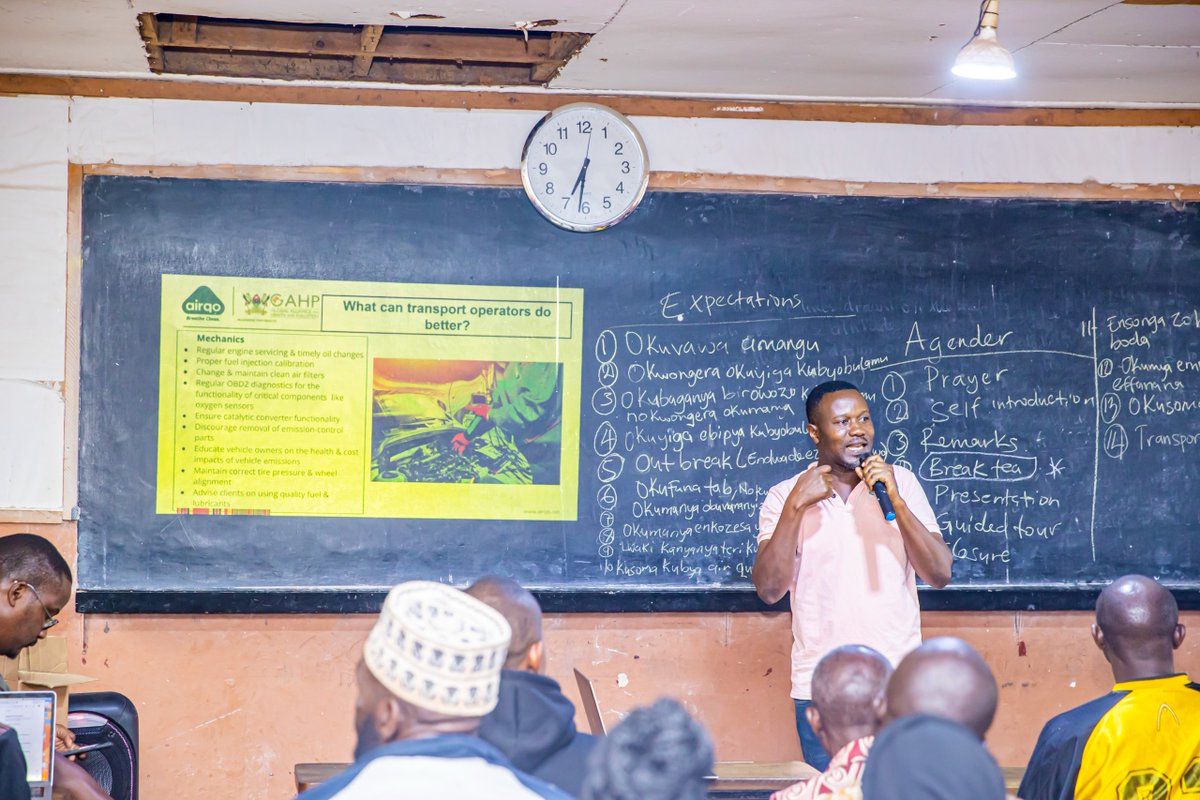
On #CleanAirDay, we highlight a major transport challenge in Africa; not just vehicle emissions, but harmful garage practices - waste oil, open-air spraying, tampered emission controls. @AutoSafetyUg, trains informal mechanics in sustainable practices to protect kids & planet.
Michael Wanyama | Team Leader @Autosafety_UG tweet mediaMichael Wanyama | Team Leader @Autosafety_UG tweet media
English
0
1
0
33
Michael Wanyama | Team Leader @Autosafety_UG retweetledi
Clean Air Fund
Clean Air Fund@CleanAirFund·
We’re excited to announce our 2025 #UrbanCleanAirChampions!🌍 From grassroots action in Accra, to influencing policy in Bangkok, these champions demonstrate how clean air action looks in practice. Meet them ahead of @UN #CleanAirDay 👇 bit.ly/4n9DzGv
English
0
8
18
1.6K
Michael Wanyama | Team Leader @Autosafety_UG retweetledi
Warrior Moms
Warrior Moms@Warriormomsin·
Please join this International Day of Clean Air for Blue Skies, on Sep 7th. Air pollution claims 8.1 million lives a year. It’s time we all buckle up. #RacingForAir isn’t just a theme, it’s a lifeline💙 Join from your park, neighbourhood, school, work or anywhere else to demand #cleanairforblueskies 💙
Warrior Moms tweet media
Warrior Moms Maharashtra@WMMaharashtra

🌍 Let’s join the global #RacingForAir this 7 Sept! Walk, run, cycle, draw, plant, speak out, whatever moves you. Demand blue skies. Defend our breath. Be a part of this citizen-led movement for cleaner air. #CleanAirIndia #OurKidsAir cleanairblueskies.org @Warriormomsin @UNEP

English
1
16
32
1.6K