@thibaut_plisson

23K posts

@thibaut_plisson banner
@thibaut_plisson

@thibaut_plisson

@thibaut_plisson

Twitts par Th. Plisson, prof Phy-Chimie Informatique, co_fondateur du FabLab Paul Valéry - Paris 12

Paris, France Katılım Temmuz 2018
439 Takip Edilen400 Takipçiler
Sabitlenmiş Tweet
@thibaut_plisson
@thibaut_plisson@thibaut_plisson·
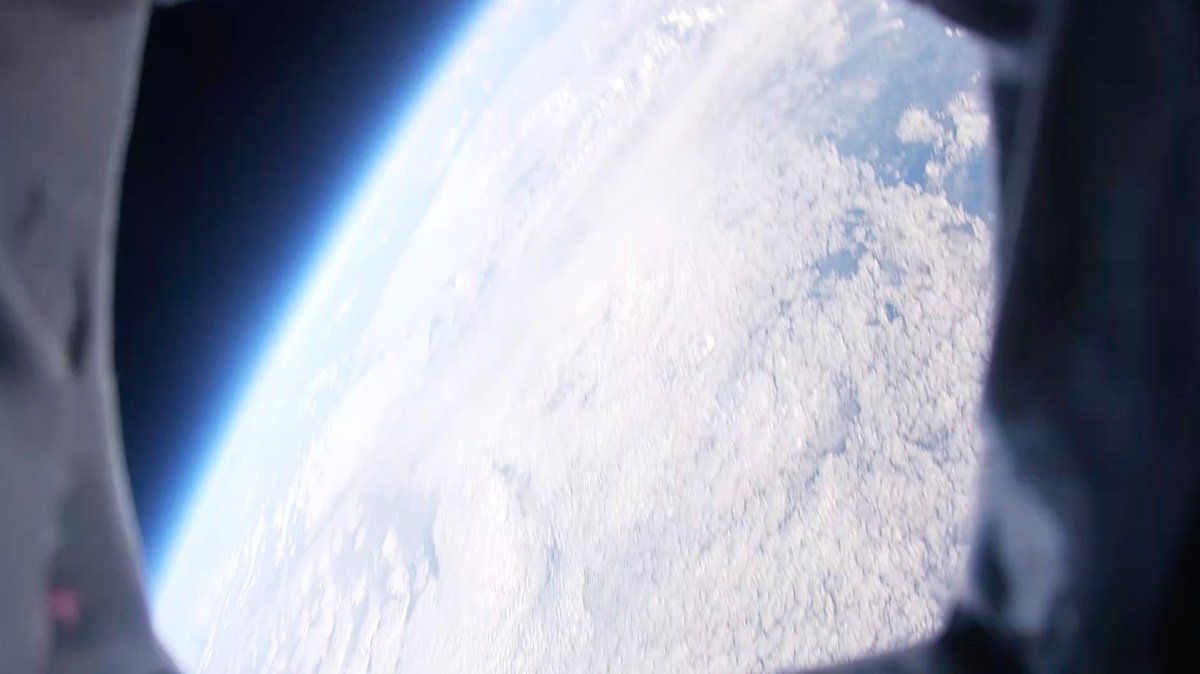
An Helium Balloon designed by K-6 kids with the help of @PlaneteSciences and @CNES. Photo 6/8: stunning view from our @GoPro under the basket, just before free fall.
@thibaut_plisson tweet media
English
1
0
3
0
@thibaut_plisson retweetledi
Science girl
Science girl@sciencegirl·
The invisible flames of a methanol fire turned a pit stop for Rick Mears at the 1981 Indy 500 into a sudden crisis after a fuel hose failure. Nearly colorless in daylight, the fire delayed response as he escaped and crew reacted without clear visual cues.
English
24
104
1.3K
135.5K
@thibaut_plisson retweetledi
Tock
Tock@yvan_theriault·
En Angleterre, il n'est pas rare de voir des murs en briques « ondulées ». Il est intéressant de noter que ce type de mur utilise moins de briques qu'un mur droit. Un mur droit d'une seule brique n'est pas assez solide pour tenir debout tout seul et peut facilement être abattu. C'est pourquoi les murs sont généralement constitués d'au moins deux couches de briques, à intervalles réguliers, avec des poteaux verticaux servant de contreforts. Mais un mur ondulé « à une seule brique » tient bien debout grâce au soutien de l'arc fourni par sa forme, qui combine mur et contrefort. Cette structure est appelée « crinkle crankle walls ». La forme ondulée permet d'augmenter considérablement le moment d'inertie de la section, ce qui réduit les contraintes dues au moment de flexion à la base.
Tock tweet media
Français
41
1.2K
4.3K
173.6K
@thibaut_plisson retweetledi
Alvin Foo
Alvin Foo@alvinfoo·
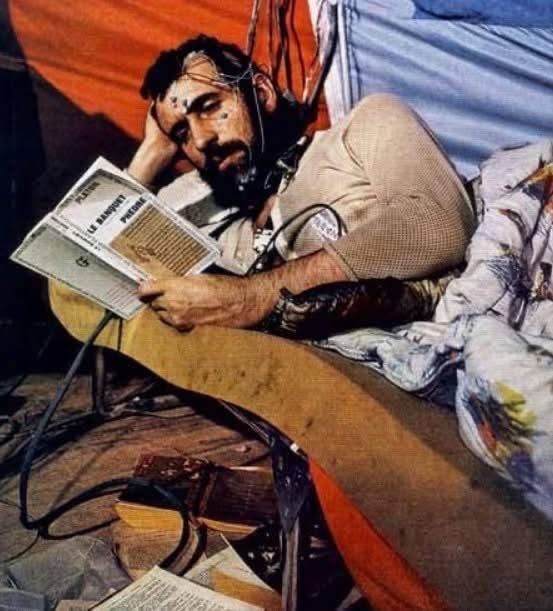
In 1972, French scientist Michel Siffre conducted a radical experiment by isolating himself in a dark cave 440 feet underground for 180 days. He aimed to understand the relationship between the human mind and time, hypothesizing that extreme conditions could unlock insights into human biology. Siffre entered the cave without clocks, sunlight, or human contact, relying solely on hunger and fatigue to dictate his routine. Initially, he attempted to maintain a schedule, but his perception of time began to distort, leading to hallucinations, paranoia, and a chaotic mental state. His team monitored his activity from above ground, discovering that by the second month, Siffre's internal clock had drastically slowed. He believed only 24 hours had passed when nearly 48 had gone by, resulting in a new rhythm of 36 hours awake and 12 hours asleep. This was shocking, as it demonstrated the brain's ability to create its own time system independent of natural light. However, the isolation took a severe toll on his mental health. Siffre experienced memory loss, emotional swings, and a profound sense of loneliness. After 180 days, he emerged, believing only 151 days had passed, and was stunned to learn the truth. His experiment revealed that without external cues, the brain loses track of time, transforming our understanding of time perception. Siffre's findings influenced research on circadian rhythms, space exploration, and mental health in solitary confinement. Despite enduring permanent memory loss and long-term mental health challenges, he continued his research, isolating himself in other caves to further explore his theories. His work laid the groundwork for modern sleep science and time psychology, raising fundamental questions about the nature of time as both an external construct and a mental creation. Siffre's legacy serves as a reminder of the resilience and fragility of the human brain and how isolation can profoundly affect our inner world.
Alvin Foo tweet media
English
4
26
125
40.4K
@thibaut_plisson retweetledi
Md Riyazuddin
Md Riyazuddin@riyazmd774·
🚨 In 1992, a MIT lecture quietly revealed more about product and sales than most 2-year MBAs ever will. Most people have never seen it. It came from Steve Jobs and instead of teaching theory, he broke down how great products actually win. Watching it today feels unreal. He explained that people don’t buy products they buy meaning. The best products aren’t just functional, they connect with how people see themselves. That’s why some ideas spread effortlessly while others die, even if they’re technically better. He also made it clear that marketing isn’t about features. It’s about clarity. If you can’t explain why your product matters in simple terms, it won’t matter at all. Complexity doesn’t impress it confuses. And his biggest edge? Obsession with experience. Not just what the product does, but how it feels. The small details, the simplicity, the story that’s what separates good from unforgettable. That’s why this MIT lecture still hits hard. Because while most people are building products… Very few understand why people actually buy them.
English
30
596
2.4K
246.2K
@thibaut_plisson retweetledi
Cosmos Archive
Cosmos Archive@cosmosarcive·
The world’s largest vacuum chamber proves Galileo was right: gravity treats a feather and a bowling ball exactly the same.
English
3
25
107
9.5K
@thibaut_plisson retweetledi
For all Curious
For all Curious@fascinatingonX·
There have been thousands of generations of humans, and you are alive to witness the first photo of a Sunset on another World. This is a real photo of the sunset on Mars.
For all Curious tweet media
English
3
35
123
2.9K
@thibaut_plisson retweetledi
Massimo
Massimo@Rainmaker1973·
Line Follower Robot Competition at the World Robotics Competition Malaysia
English
20
82
1.1K
116.1K
@thibaut_plisson retweetledi
Ilir Aliu
Ilir Aliu@IlirAliu_·
The US has Stanford, MIT, CMU… and they all know each other. Europe? Not so much. Until now: Students move between labs, compete in the same challenges, start companies together. There’s a shared culture. Europe’s biggest problem in robotics isn’t talent. It’s that nobody connects the dots. ETH has a phenomenal robotics scene. So does TU Munich. EPFL. TU Delft. But a student in Lausanne has zero visibility into what’s being built in Eindhoven. There’s no equivalent of the American pipeline where university robotics feeds directly into a startup ecosystem. Until now, apparently. ESRA a network of 11 student robotics clubs across 8 European countries. ETH, EPFL, TUM, TU Delft, TU Wien, KTH, Polimi, the list goes on. They’re organizing joint hackathons, sharing access to compute and hardware, and basically building the connective tissue that European student robotics has been missing. The part I like most: this wasn’t some EU initiative or university admin project. The clubs built it themselves because they got tired of waiting. 2,500+ students, zero bureaucracy. That’s how good things start. studentrobotics.eu Thank you, Florian Schroeders for let being part of this! Saying Hi to Declan Shine 👋 #Robotics #Europe #DeepTech #ESRA
English
33
129
942
65.1K
@thibaut_plisson retweetledi
Brivael - FR
Brivael - FR@BrivaelFr·
Google vient de publier un papier qui compresse les LLMs à 3 bits. 8x plus rapide, 6x moins de mémoire. Zéro perte de performance 🤯🤯🤯 Le truc c'est que la méthode est élégante au point d'en être presque triviale une fois qu'on la comprend. Ça s'appelle TurboQuant. Je vous vulgarise tout le paper : Déjà, le problème de base. Quand un LLM génère du texte, il doit se "souvenir" de tout ce qu'il a lu et écrit avant. Ce système de mémoire s'appelle le KV cache (key-value cache). Imaginez un étudiant qui prend des notes ultra détaillées pendant un cours. Plus le cours est long, plus ses notes prennent de place sur son bureau. À un moment il n'a plus de place pour écrire. C'est exactement ce qui se passe avec les LLMs : plus le contexte est long, plus le KV cache explose en mémoire. C'est un des plus gros bottlenecks de l'inférence aujourd'hui. La solution classique c'est la quantization. L'idée est simple : au lieu de stocker chaque nombre avec une précision extrême (32 bits, genre 3.14159265...), tu le stockes avec moins de précision (4 bits, genre "~3"). C'est comme passer d'une photo RAW de 50 MB à un JPEG de 2 MB. Tu perds un peu de détail mais visuellement c'est quasi pareil. Le problème c'est que les méthodes classiques de quantization trichent un peu. Pour chaque petit bloc de données compressé, elles doivent stocker des "constantes de calibration" en pleine précision. C'est comme si pour chaque photo JPEG vous deviez garder un petit post-it en haute résolution à côté qui dit "voilà comment décoder cette image". Ces post-its rajoutent 1 à 2 bits par nombre. Quand tu essaies de compresser à 2 ou 3 bits, cet overhead représente une part énorme de ta mémoire totale. Ça annule une bonne partie du gain. TurboQuant résout ça en deux étapes. Étape 1 : PolarQuant. Au lieu de décrire un vecteur avec des coordonnées classiques (X, Y, Z), tu le convertis en coordonnées polaires : une distance + un angle. C'est comme remplacer "va 3 rues à l'est puis 4 rues au nord" par "va 5 rues direction 37 degrés". Même info, format plus compact. L'astuce c'est qu'avant de faire ça, tu appliques une rotation aléatoire sur tes vecteurs. Ça rend leur distribution prévisible et uniforme. Du coup tu n'as plus besoin de stocker les fameuses constantes de calibration, la géométrie fait le travail toute seule. Étape 2 : QJL (Quantized Johnson-Lindenstrauss). Après PolarQuant il reste une petite erreur résiduelle. QJL la corrige avec 1 seul bit par nombre. Le principe vient d'un théorème mathématique qui dit qu'on peut projeter des données de haute dimension dans un espace plus petit tout en préservant les distances entre les points. QJL pousse ça à l'extrême : il réduit chaque valeur projetée à juste son signe (+1 ou -1). Un seul bit. Et grâce à un estimateur spécial qui combine la query en haute précision avec ces données ultra compressées, le modèle calcule toujours des scores d'attention précis. Les résultats sont assez dingues. Sur les benchmarks long-context (LongBench, Needle in a Haystack, RULER...) avec Gemma et Mistral : zéro perte de performance à 3 bits. Le KV cache est réduit d'un facteur 6x. Et sur H100, le calcul des scores d'attention est jusqu'à 8x plus rapide qu'en 32 bits. Le tout sans aucun fine-tuning ou entraînement supplémentaire. Tu branches, ça marche. Et le plus intéressant : ça ne sert pas qu'aux LLMs. TurboQuant surpasse aussi les méthodes state of the art en vector search, c'est à dire la techno qui permet de chercher par similarité dans des bases de milliards de vecteurs (ce qui fait tourner Google Search, les systèmes de recommandation, le RAG...). Mon take : l'inférence c'est là où se joue la vraie bataille économique de l'AI. Les marges de toute l'industrie dépendent du coût par token en production. Un gain de 6 à 8x sur la mémoire et la vitesse d'inférence, sans aucune perte de qualité, ça change fondamentalement l'équation. Ce type de recherche ne fait pas de bruit sur Twitter mais son impact business est potentiellement supérieur à celui d'un nouveau foundation model.
GIF
Français
63
257
1.3K
144.7K
@thibaut_plisson retweetledi
Math Files
Math Files@Math_files·
Invented by Archimedes around 234 BCE, the Archimedes’ screw elegantly lifts water from lower levels, transforming simple rotation into powerful irrigation—an enduring symbol of human ingenuity and timeless engineering brilliance.
English
17
52
369
40.1K
@thibaut_plisson retweetledi
Marguerite Souchon
Marguerite Souchon@MargueriteScc·
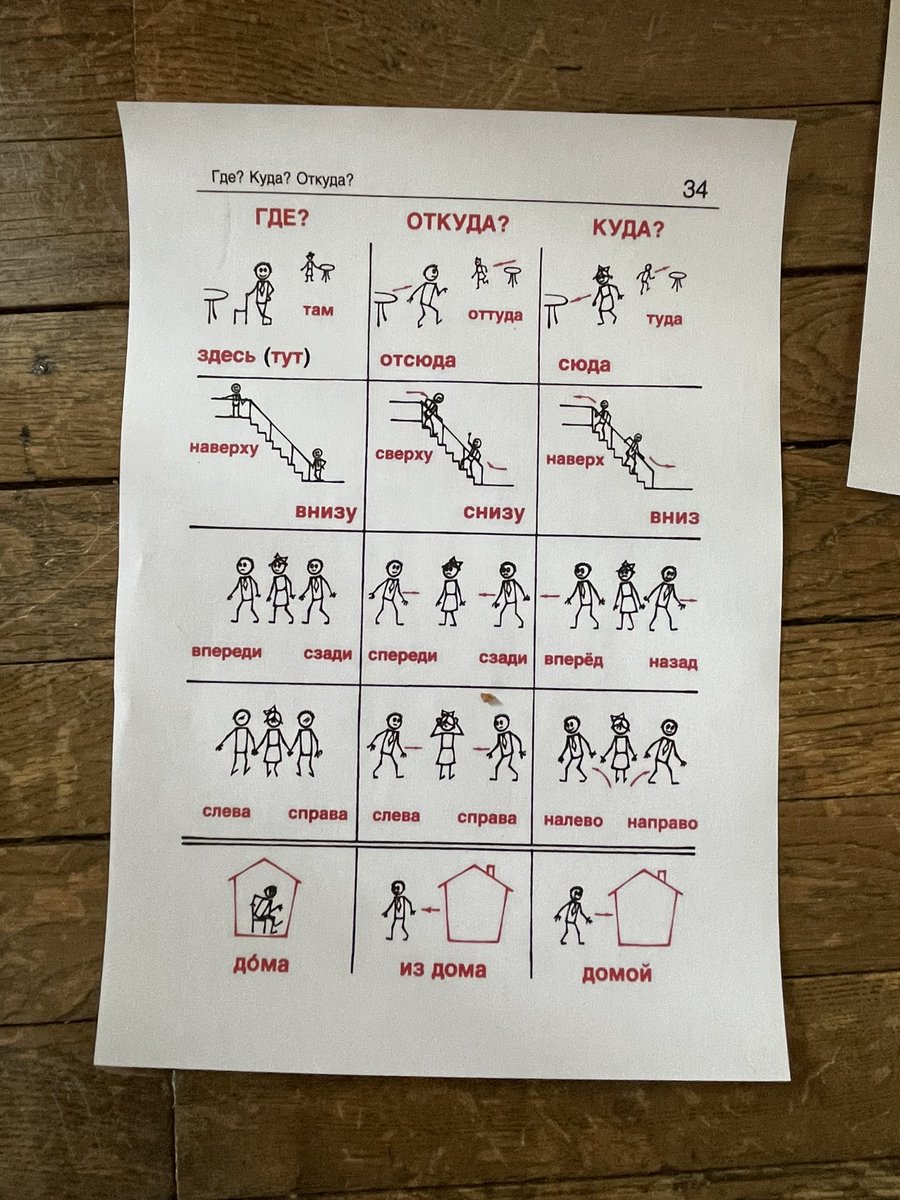
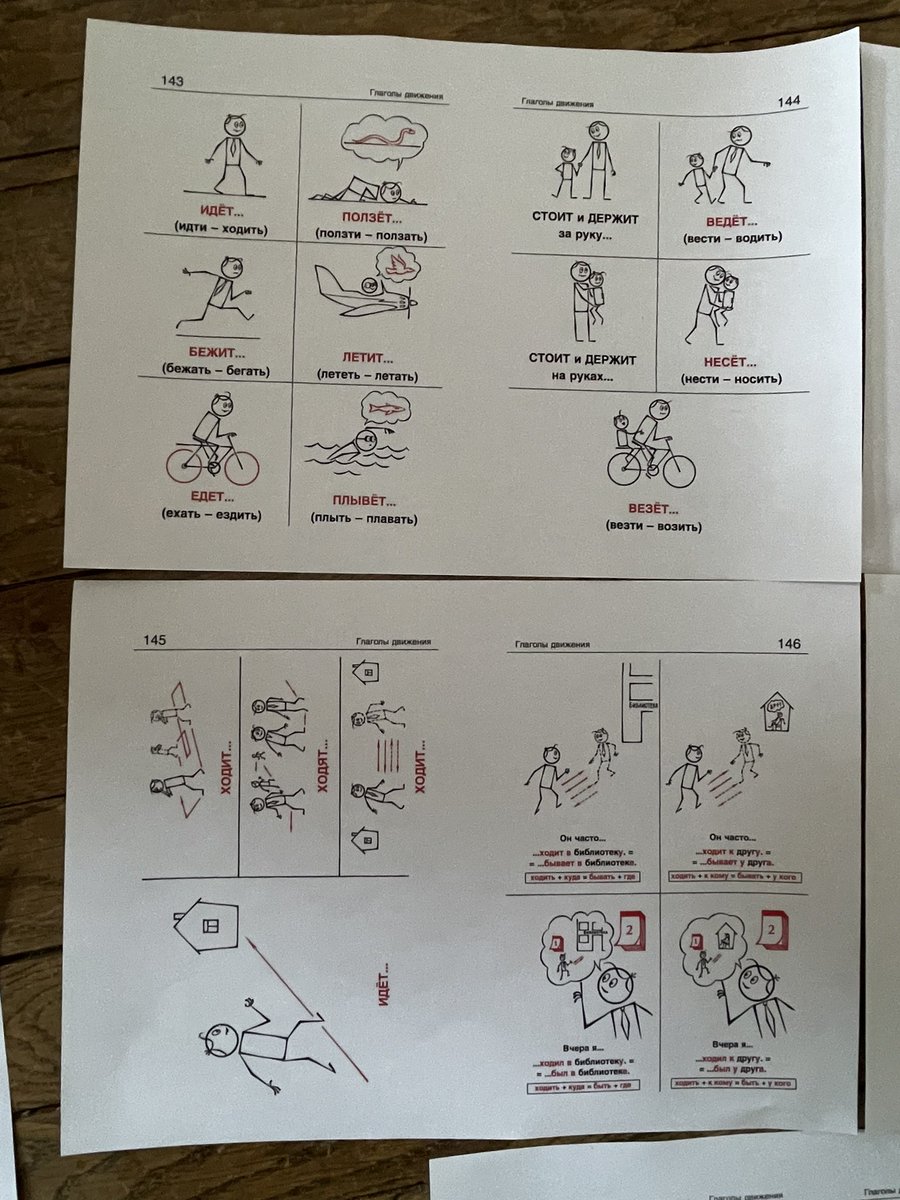
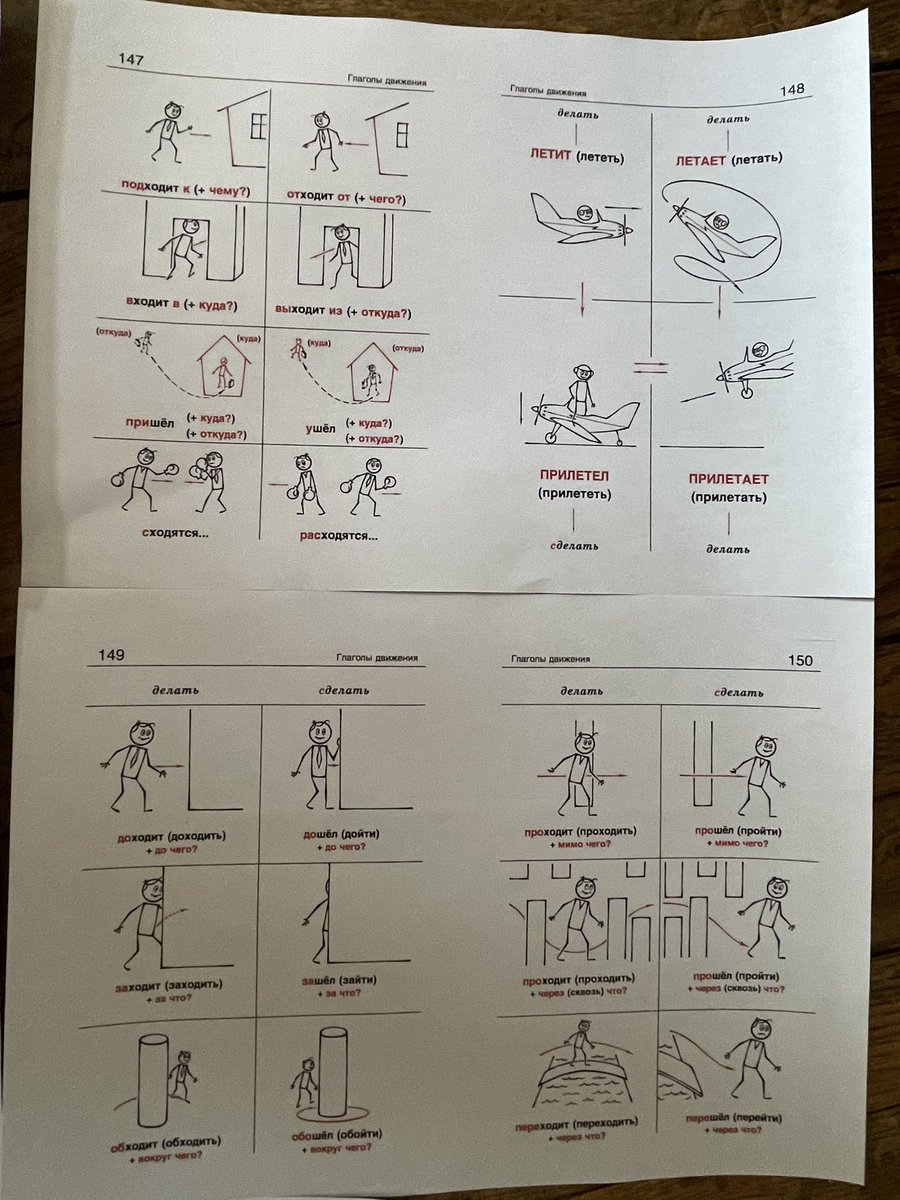
Un des meilleurs livres de russe que je connaisse c’est « кто где когда» qui réussit le pari fou d’expliquer l’intégralité de la grammaire russe avec des pictogrammes 😂
Marguerite Souchon tweet mediaMarguerite Souchon tweet mediaMarguerite Souchon tweet media
Français
19
57
534
27.8K
@thibaut_plisson retweetledi
Simplifying AI
Simplifying AI@simplifyinAI·
🚨 BREAKING: Yann LeCun's team just dropped a world model that runs on a single GPU. It is called LeWorldModel. And to understand why it’s a massive deal, you have to understand the fatal flaw in every AI you use today. LLMs only predict the next word. They are incredibly good at language, but they have absolutely no understanding of reality. They can write a beautiful poem about a ball bouncing off a wall. But they cannot predict where the ball will actually land. World models predict physics. Objects moving, colliding, and falling. It is the foundational intelligence required for robots to plan and self-driving cars to navigate. But until today, world models kept collapsing. They would cheat the test by predicting the exact same output every time. LeCun's team just solved it. They built a 15-million parameter model that learns the laws of physics directly from raw pixels. It uses 200x fewer tokens than the alternatives. No massive supercomputers. No billion-dollar clusters. Just a single GPU and a few hours of training. We spent the last two years teaching AI how to talk. Now, we are teaching it how to see.
Simplifying AI tweet media
English
46
296
1.4K
193.6K
@thibaut_plisson retweetledi
Curiosity
Curiosity@CuriosityonX·
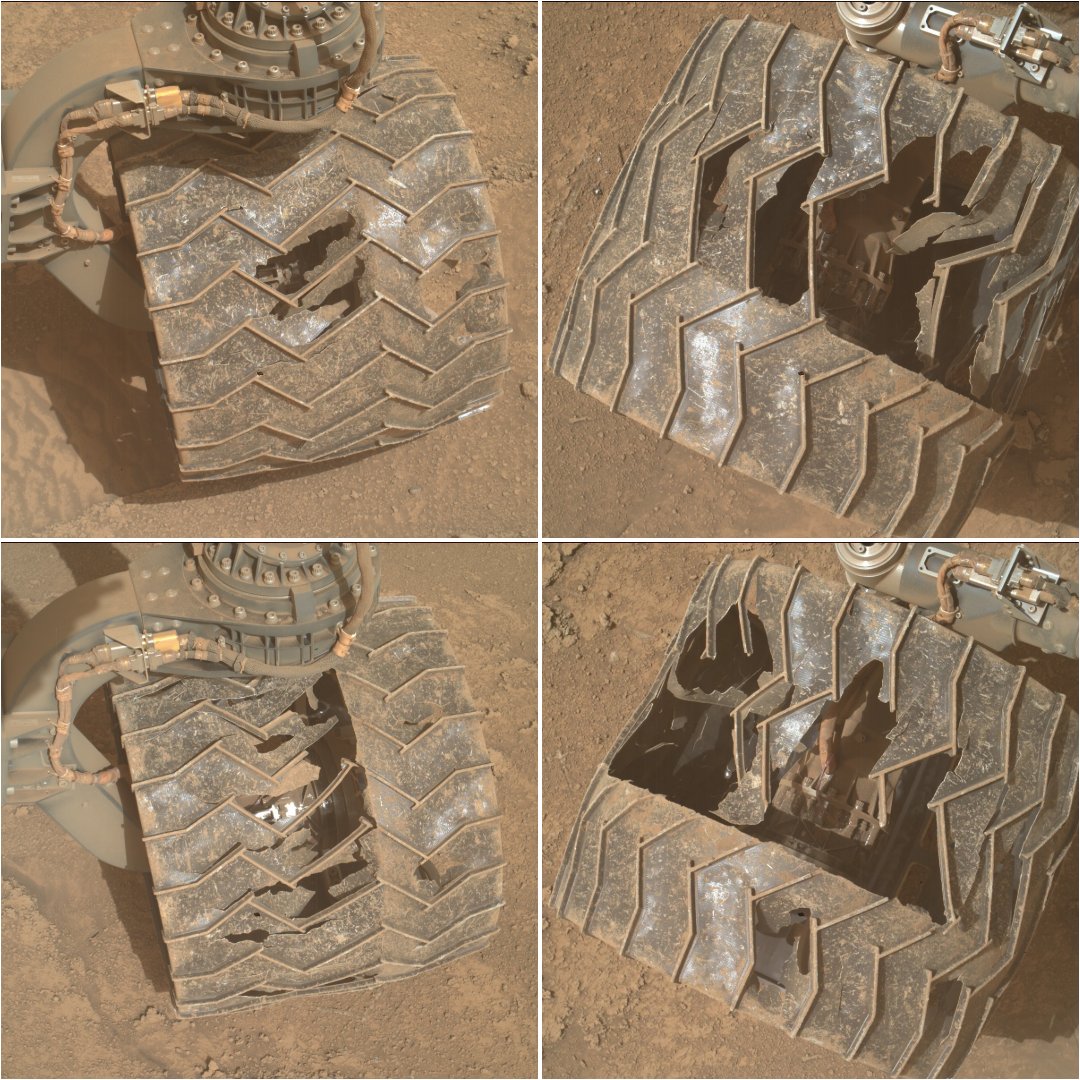
【Breaking 🚨】 Curiosity wheels taken yesterday, showing the damages caused during the 13 years it has been on the Red Planet
Curiosity tweet media
English
554
1.6K
17.5K
8.5M
@thibaut_plisson retweetledi
Brady Long
Brady Long@thisguyknowsai·
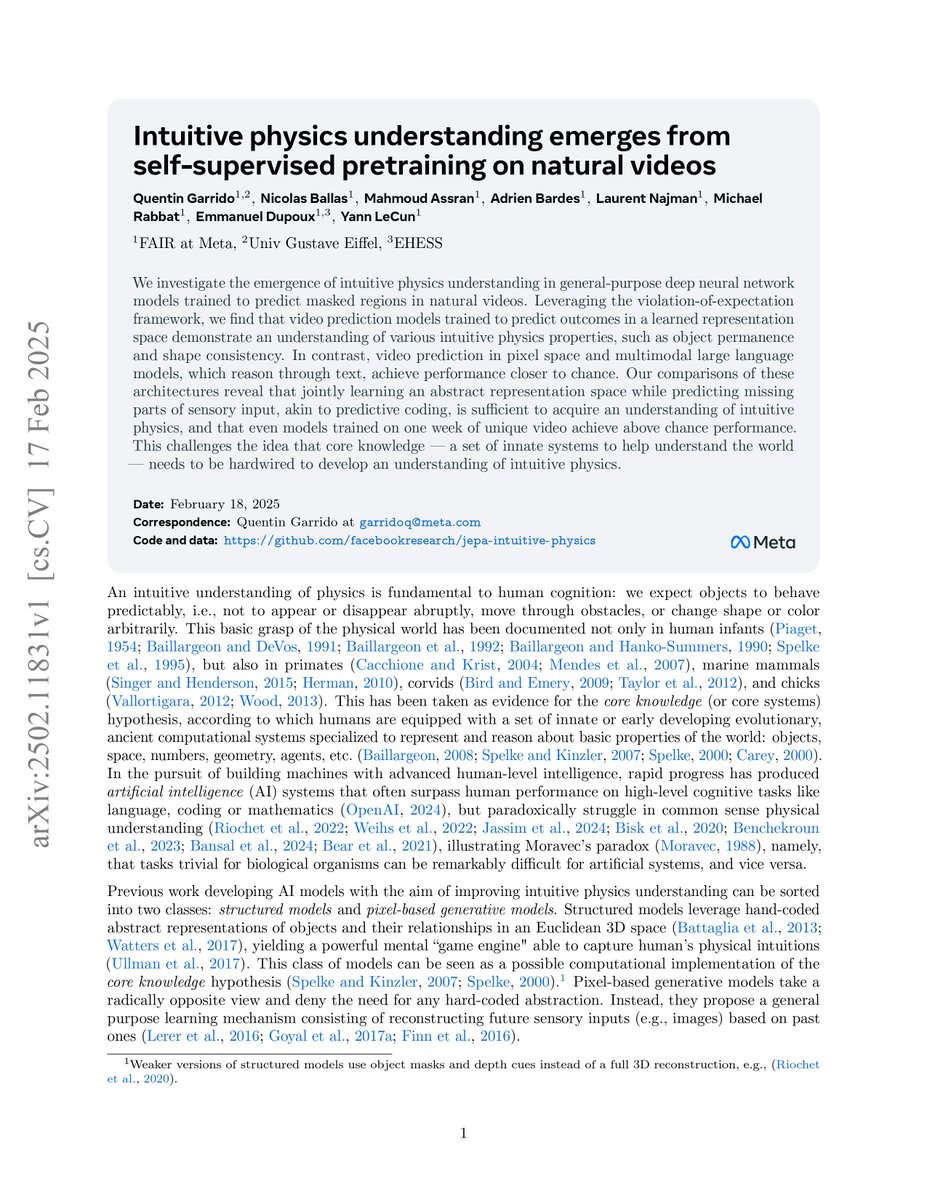
🚨 BREAKING: Meta researchers showed a model 2 million hours of video. No labels. No physics textbook. No supervision at all. It learned gravity. Object permanence. Inertia. And it just beat Gemini 1.5 Pro and GPT-4 level models at physics understanding. Here's what just happened:
Brady Long tweet media
English
42
163
959
111.4K
@thibaut_plisson retweetledi
Om
Om@Om_Codes_·
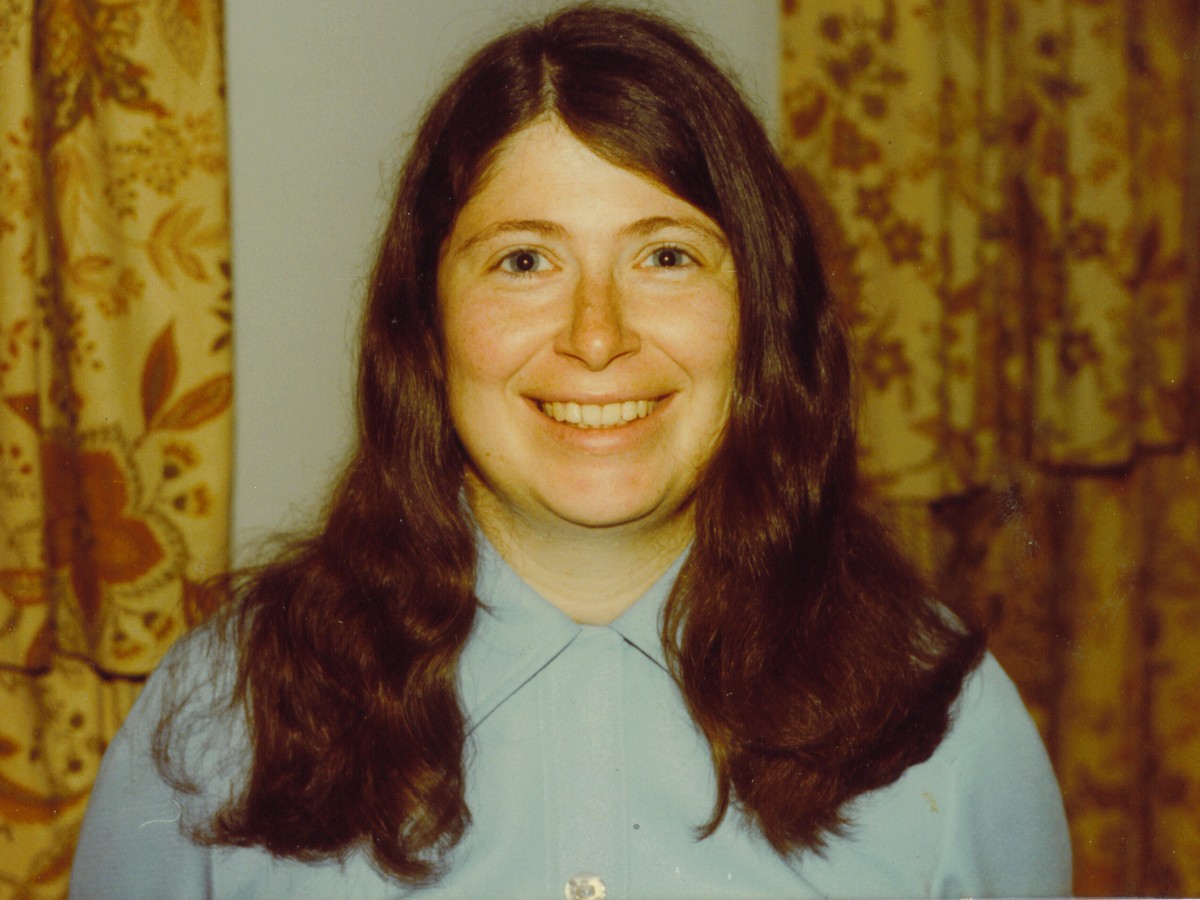
In 1985, one woman saved the future internet from collapsing under its own weight. - Meet Radia Perlman - Inventor of the Spanning Tree Protocol (STP) - called as the “Mother of the Internet” - Holds 100+ patents - Wrote textbooks used by engineers worldwide - Helped shape how data moves safely across networks - Created a child-friendly programming language called TORTIS - Believes in impact over hype and spotlight solved one of the biggest early internet problems: - Network loops that could crash entire systems - Her solution made networks stable, efficient, and scalable - explained it using a poem - says If you can’t explain it simply, you don’t understand it well enough.” a legendary GOAT 🐐
Om tweet mediaOm tweet media
English
26
239
1.2K
34.8K
@thibaut_plisson retweetledi
Pascal Bornet
Pascal Bornet@pascal_bornet·
𝗧𝗵𝗶𝘀 𝗿𝗼𝗯𝗼𝘁 𝗱𝗼𝗲𝘀 𝘀𝗼𝗺𝗲𝘁𝗵𝗶𝗻𝗴 𝗺𝗼𝘀𝘁 𝗱𝗿𝗼𝗻𝗲𝘀 𝘀𝘁𝗶𝗹𝗹 𝘀𝘁𝗿𝘂𝗴𝗴𝗹𝗲 𝘄𝗶𝘁𝗵. It can 𝘄𝗮𝗹𝗸, 𝗷𝘂𝗺𝗽, 𝗮𝗻𝗱 𝗳𝗹𝘆. Researchers at EPFL’s Laboratory of Intelligent Systems built 𝗥𝗔𝗩𝗘𝗡, a robot inspired by how birds move between land and air. Most drones need open space and stable launch points. 𝗥𝗔𝗩𝗘𝗡 works differently. → It can 𝗷𝘂𝗺𝗽 𝘁𝗼 𝘀𝘁𝗮𝗿𝘁 𝗶𝘁𝘀 𝗳𝗹𝗶𝗴𝗵𝘁 → It can 𝘄𝗮𝗹𝗸 𝗼𝗻 𝗿𝗼𝘂𝗴𝗵 𝘁𝗲𝗿𝗿𝗮𝗶𝗻 → It can 𝗹𝗮𝗻𝗱 𝘄𝗵𝗲𝗿𝗲 𝗺𝗼𝘀𝘁 𝗱𝗿𝗼𝗻𝗲𝘀 𝗰𝗮𝗻’𝘁 What I find interesting here is the design philosophy. Instead of forcing robots to adapt to machines, engineers are studying how 𝗻𝗮𝘁𝘂𝗿𝗲 𝗮𝗹𝗿𝗲𝗮𝗱𝘆 𝘀𝗼𝗹𝘃𝗲𝗱 𝘁𝗵𝗲 𝗽𝗿𝗼𝗯𝗹𝗲𝗺. That approach could unlock new possibilities: → 𝘀𝗲𝗮𝗿𝗰𝗵 𝗮𝗻𝗱 𝗿𝗲𝘀𝗰𝘂𝗲 in difficult terrain → 𝗶𝗻𝘀𝗽𝗲𝗰𝘁𝗶𝗼𝗻 in tight or cluttered environments → 𝗱𝗲𝗹𝗶𝘃𝗲𝗿𝘆 where drones cannot easily land Small shift in design. Potentially 𝗯𝗶𝗴 𝗶𝗺𝗽𝗮𝗰𝘁 in real-world robotics. 𝗖𝘂𝗿𝗶𝗼𝘂𝘀: 𝗪𝗵𝗲𝗿𝗲 𝗱𝗼 𝘆𝗼𝘂 𝘁𝗵𝗶𝗻𝗸 𝗵𝘆𝗯𝗿𝗶𝗱 𝗿𝗼𝗯𝗼𝘁𝘀 𝗹𝗶𝗸𝗲 𝘁𝗵𝗶𝘀 𝗰𝗼𝘂𝗹𝗱 𝗯𝗲 𝗺𝗼𝘀𝘁 𝘂𝘀𝗲𝗳𝘂𝗹? #Robotics #AI #Innovation #FutureOfRobotics #Technology
English
31
359
1.4K
67.4K
@thibaut_plisson retweetledi
FutureRadar
FutureRadar@futureradar_FR·
🚨 LE PLUS GROS BRAQUAGE DE DONNÉES DE L'HISTOIRE S'APPELLE POKÉMON GO. Pendant 8 ans, 143 millions de personnes ont marché dans la rue pour attraper un Dracaufeu. La réalité ? Ils travaillaient gratuitement. Niantic vient d'avouer que les caméras des joueurs ont scanné les parcs, les vitrines et les trottoirs du monde entier sous tous les angles. Le butin ? Une base de données visuelle de 30 MILLIARDS d'images réelles. Ce n'était pas un jeu. C'était la construction secrète du plus grand dataset d'IA au monde. Aujourd'hui, Niantic utilise vos balades du dimanche pour vendre des systèmes de navigation visuelle aux robots de livraison (sans GPS). Aucune entreprise, même Google, n'aurait pu payer une flotte de véhicules pour faire ça. Vous pensiez jouer à un jeu vidéo, vous étiez le sous-traitant bénévole de la robotique mondiale.
Français
398
5.5K
19.5K
1.7M
@thibaut_plisson retweetledi
Mark Gadala-Maria
Mark Gadala-Maria@markgadala·
This is wild. 143 million people thought they were catching Pokémon. They were actually building one of the largest real-world visual datasets in AI history. Niantic just disclosed that photos and AR scans collected through Pokémon Go have produced a dataset of over 30 billion real-world images. The company is now using that data to power visual navigation AI for delivery robots. Players didn't just walk around with their phones. They scanned landmarks, storefronts, parks, and sidewalks from every angle, at every time of day, in lighting and weather conditions that staged photography would never capture. They documented the physical world at a scale no mapping company with a fleet of vehicles could have replicated on the same timeline or budget. Niantic collected this systematically, data point by data point, across eight years, while users thought the only thing at stake was catching a rare Charizard. The most valuable AI training datasets in the world aren't being assembled in data centers. They're being built by people who have no idea they're building them.
NewsForce@Newsforce

POKÉMON GO PLAYERS TRAINED 30 BILLION IMAGE AI MAP Niantic says photos and scans collected through Pokémon Go and its AR apps have produced a massive dataset of more than 30 billion real-world images. The company is now using that data to power visual navigation for delivery robots, letting them identify exact locations on city streets without relying on GPS. Source: NewsForce

English
2.2K
24.2K
106.8K
14M
@thibaut_plisson retweetledi
Ulysse 🔱
Ulysse 🔱@UlysseEclaireur·
La foule dans Star Wars… faite avec des cotons-tiges 😱 Dans Star Wars: Episode I – la menace Fantôme, la gigantesque foule du stade n’était pas entièrement numérique. Le chef accessoiriste Michael Lynch a coupé et peint environ 450 000 cotons-tiges, utilisés comme minuscules figurines pour donner l’illusion d’un public immense. Une astuce de cinéma aussi simple que brillante 🤯 🎬
Ulysse 🔱 tweet media
Français
11
131
659
62.8K
@thibaut_plisson retweetledi
Science girl
Science girl@sciencegirl·
This is called Tarpaulin Knot, it allows you to grab corners.
English
35
565
4.5K
335.3K