

tushar
137 posts
tushar
@tushj994
3 years architecting and building systems in web3. prev intern at CERN and Microsoft. Learn by doing.
Katılım Temmuz 2022
975 Takip Edilen111 Takipçiler
@TrisH0x2A this sounds so fun!!! Will do on my own sometime this week!
English

malloc(size) takes a byte count and returns a pointer to a block of that size.
that's it. one function. but to implement it you need to understand how the OS hands out memory, how to track free blocks, and how to inject your code into any binary without recompiling it.
let's build it from scratch

English

Devcon is built by the people who show up!
Volunteering is one of the best ways to experience it from the inside.
Thanks to @Nitashaberry for sharing her experience✨
Comment below for the waitlist link ✍️👇
English
finished the cache-friendly version of this!!! was very fun implementing it, took a couple of iterations to get it to work. onto benchmarking!
tushar@tushj994
Finished a concurrent version of this that uses a read-write lock instead of just a mutex. Was super fun. Onto making this whole thing more cache-friendly!
English


@0xlelouch_ The way i’ve tackled this is by breaking down tasks into small, “easy” steps and then just doing it one at a time.
English

It is hard to improve as a software engineer when your main coping strategy is distraction.
I have seen a lot of engineers (including me) who say they want to get better at systems, debugging, cloud, observability, performance.
But the moment things get a bit uncomfortable, they escape.
Open YouTube.
Jump to another course.
Switch from Go to Rust to Python to Kubernetes.
Read 20 threads.
Watch 3 conference talks.
Do everything except sit with the actual confusion.
That is the trap.
Real improvement needs sustained contact with what you do not understand yet.
Take observability for example.
Most people would say they “know” logging, metrics and tracing.
But ask them to debug a real production slowdown and things start falling apart.
API latency spikes.
CPU looks normal.
Error rate is low.
Customers are still complaining.
Now what?
This is where distraction usually begins.
You start reading random blogs on OpenTelemetry, Grafana, Jaeger, Prometheus, distributed tracing.
Looks productive.
Feels productive.
But you are still avoiding the real work.
The better way is more uncomfortable.
Pick one small service.
Add structured logs properly.
Add request IDs.
Add latency metrics.
Add error counters.
Add one trace through the critical path.
Now send traffic.
Break one dependency.
Add retry.
Watch what changes in logs, metrics and traces.
Now you are learning observability for real.
It's not only about consuming content.
It's is essentially about being in contact with the part that is still weak.
You will notice things like:
- logs tell you what happened
- metrics tell you where the pattern is
- traces tell you where time went
That one hands-on exercise will teach more than 50 “complete observability roadmap” posts.
Most people are stuck because they have trained themselves to escape discomfort too fast.
As a software engineer, your growth starts the day you stop using distraction as fake progress and start sitting with the messy part long enough to understand it.
Thanks for reading!
Justin Skycak@justinskycak
It is hard to improve when your main coping strategy is distraction. Improvement requires sustained contact with what is not yet good enough.
English

@dansku_hk @Remitarded whats the mechanism for this? how does the absorption actually happen?
English

@Remitarded Aave token holders must absorb any loss of the protocol. READ the use of Aave token.
English

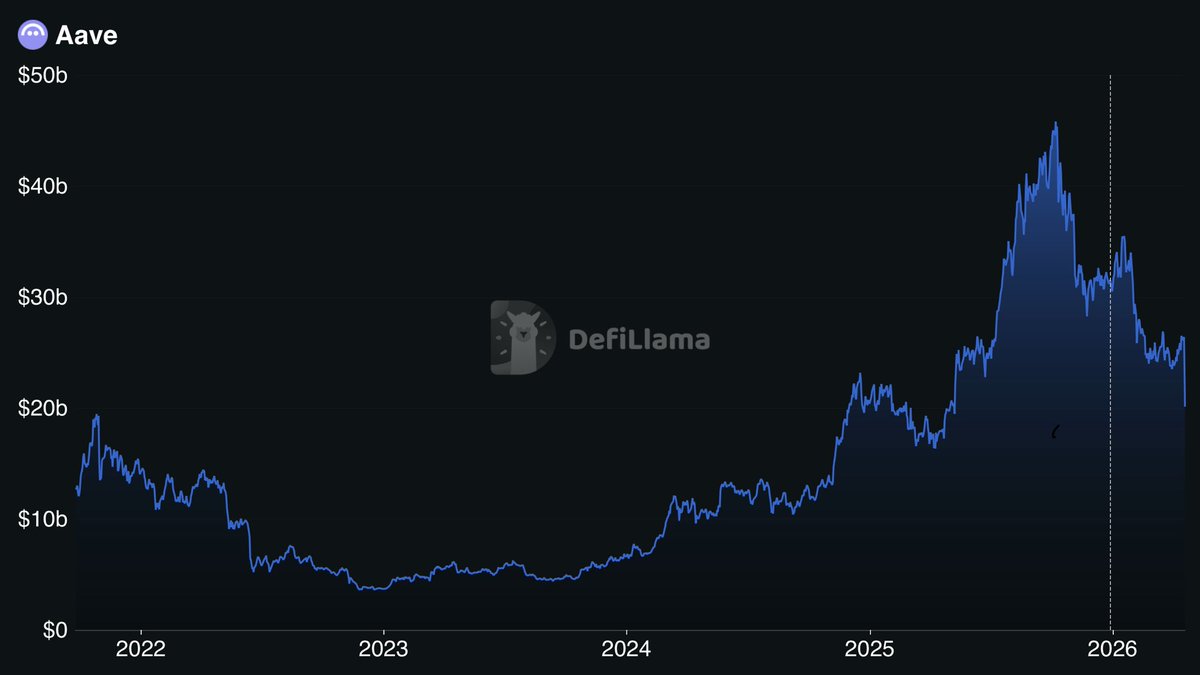
$Aave below $100 feels cheap
Price is around previous bearmarket low but with ~4x TVL
Confident it will bounce back stronger

English

This time freeze effect is going viral, and it's super easy to make using Seedance 2.0
Check the reply for the prompt.
English
@juliusilg @ItsWillHenry A lot of people do believe in the Fat Model Thesis. What's your opinion on it?
English

@ItsWillHenry reverse roles if founder is building on the app layer, where the value accrues 💀

English

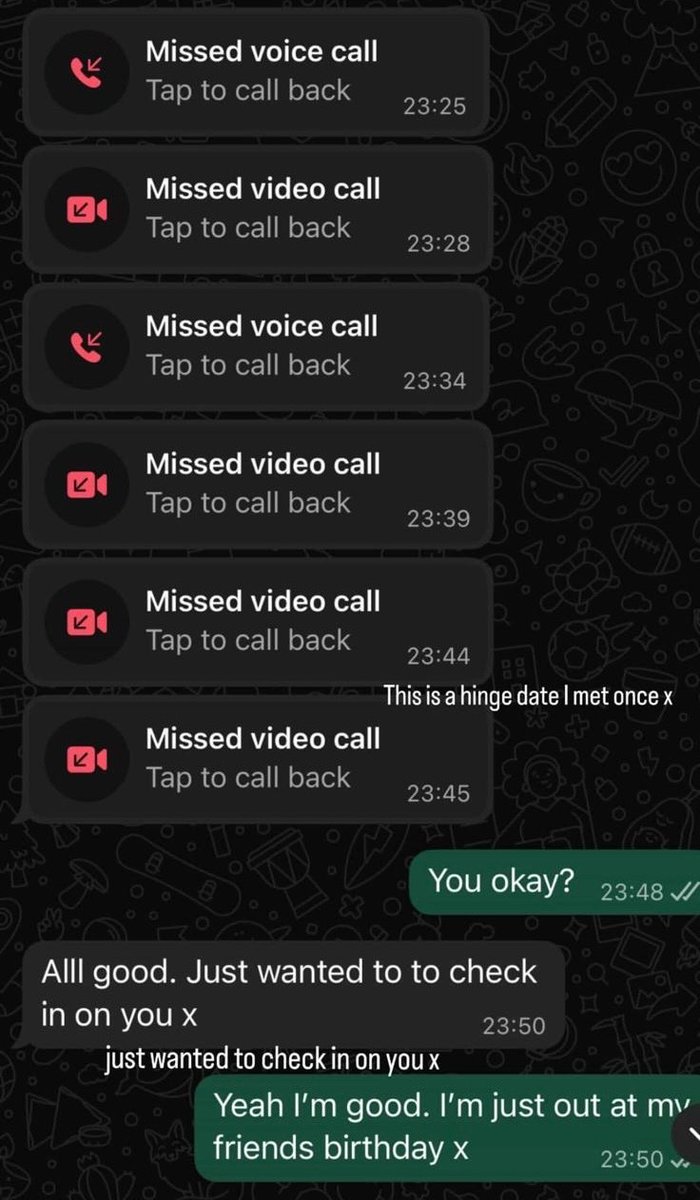
How VCs treat me after I tell them my company does “AI infrastructure”.
English

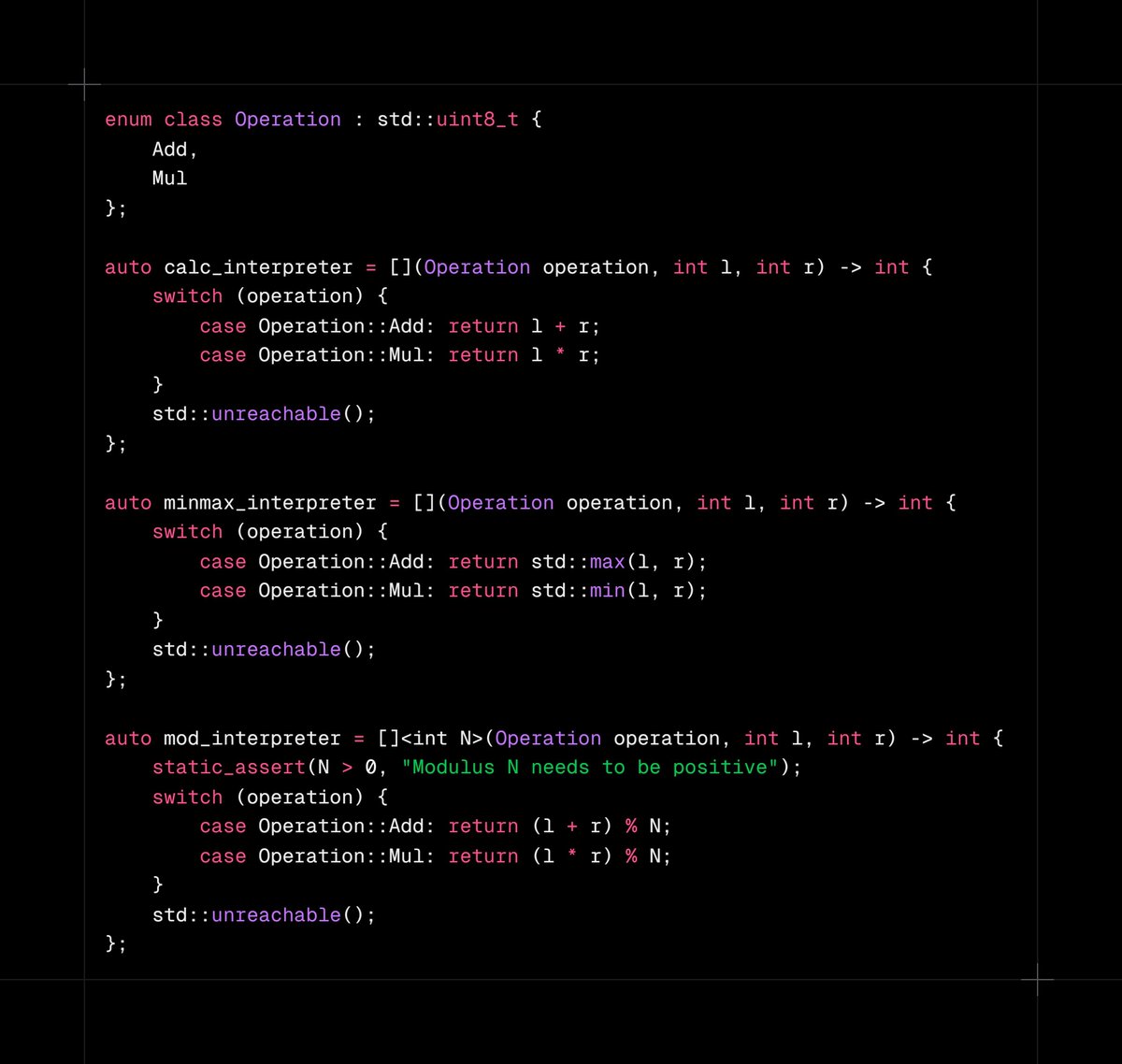
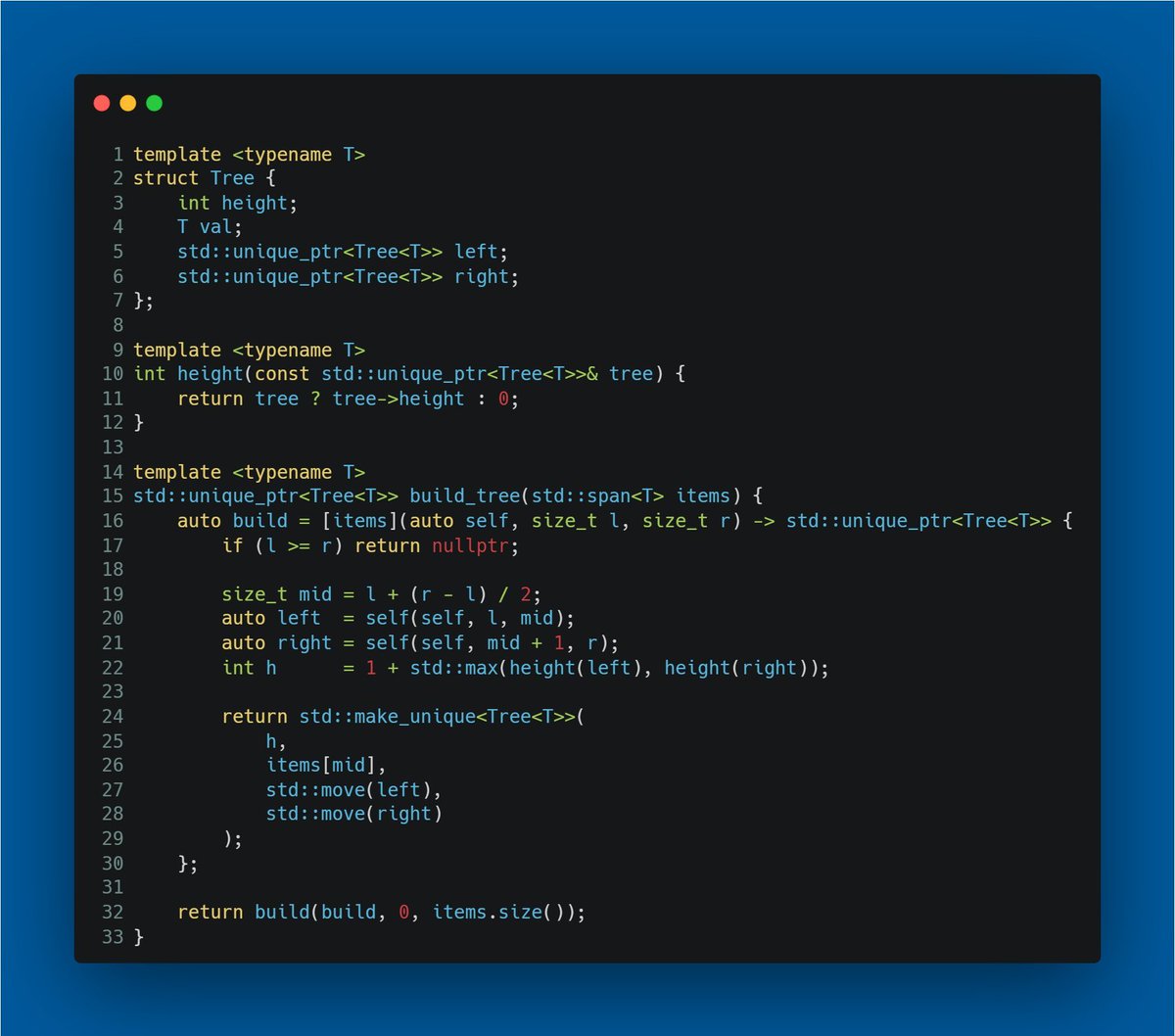
This is all me, and nobody does it like me


21@twentyone21___
This is all me, and nobody does it like me
English

Met someone yesterday who has 3 separate Claude accounts, all with max subscription, and he still hits the weekly limit within 3-4 days. 💀
Here's what his browser might look like…

English
@uttam_singhk defi brings more transparency and more independence to users. But this means that users have to be much more aware of the risks in everything they do. If we don't push this, then it's better for most users to just give their money to professional money managers.
English



@_trish_xD making a simple system is much harder than making a complex system. That's where true engineering lies.
English


When I said WHYC is going to be fun, I meant it FR
super excited to have @hankypanty joining us for the show.
and i can promise you’re still not ready for this.

English
@AroraBhavyam yeah alot of my friends attended, none of them said that they liked it XD.
English
Honest opinion about the event:
- All the talks felt like recordings, and we were not allowed to ask questions.
- Most crowd were IIT & BITS students who just wanted free credits, not building anything and wanted a job.
- Networking was worthwhile if you hit the right person.
- Content team was crazy though @blockwee!
- Pretty bad air ventilation, almost felt like a boiler room!
Left within 3 hours of entering. 🫡


Bhavyam Arora (Content Arc)@AroraBhavyam
Let’s fking goooo! 🫡
English