

nisanisanisa
2.9K posts

Pernah gak dapet Surat Tugas H-1 atau malah di hari-H nya?
Indonesia
nisanisanisa retweetledi
Saya hanya ingin menjelaskan, keputusan ibu korban untuk tidak damai dan melanjutkan proses hukum, itu bukan soal demi anaknya semata. Tapi ini demi anak-anak lainnya. Kedua anak tersebut berbahaya jika terus dibiarkan bebas.

Indonesia
nisanisanisa retweetledi

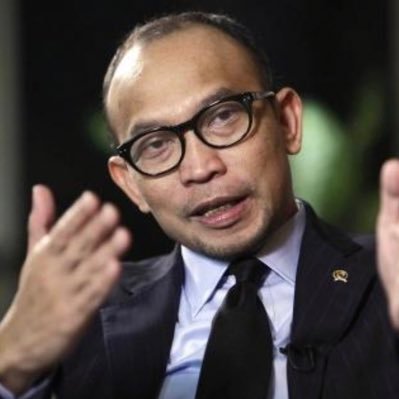
Penjelasan Chatib Basri di Grab Business Forum hari ini emang beda kelas.
Mantan Menkeu 2013-2014 itu bilang tugas Menkeu “sangat gampang”: cuma 3 pilihan, naikkan penerimaan, potong belanja, atau utang.
Sekarang kalo naikin pajak susah (bisa tekan usaha & daya beli), utang juga mahal. Jadi opsi paling realistis: rasionalisasi belanja secara selektif + perbaiki administrasi pajak.
Runtut, simpel, langsung ke inti + sentuh soal kepercayaan investor.
Seandainya Purbaya bisa nerangin situasi ekonomi & fiskal kayak gini… mungkin kita masih bisa berharap lah ya.
Beda banget gayanya.

Indonesia
nisanisanisa retweetledi

“gak semua orang mau dijadikan tempat buat bercerita”
totally agree, karena dengerin cerita orang itu bisa nguras energi banget.
makanya orang yang jadi good listener itu hebat karena mereka bisa ngedengerin tanpa rasa kepo dan menghakimi.
makanya jangan lupa apresiasi orang orang terdekat yg mau secara ikhlas dan suka rela jadi rumah untuk tempat bercerita kita
ceci@ppurimn
ga semua orang mau dijadikan tempat buat bercerita, gw selalu mau dengerin curhatan orang2 tapi orang2 itu? belum tentu kalo gw cerita penglihatan orang kerjaan gw ngeluh mulu dan ga pernah bersyukur
Indonesia
@arsenatasyas samaaaa banget. gak ada pemisah antara waktu kerja dengan becanda. mana tim bisa duduk terpencar yakan 😅
Indonesia

Jujur gue tim kubikel sih. Ada privasi dan tenang aja kalo kerja. Maybe an unpopular opinion tapi gue kurang cocok sama open space buat kerja. Alasannya karena susah buat konsentrasi deh 😭
Azwardi Iqbal@azwardiiqbal
Kalian mau ngak puluhan tahun kerja kantor kubikel? Mayoritas Gen Z termasuk milenial pasti ogah. Tapi jujur saya pernah! 3,5 tahun kerja begini di BUMJ Konstruksi yang jadi salah satu awal karir saya dari tahun 2015. Bayangin jaman itu 70% karyawan usia 45 tahun keatas dan banyak yang udah lebih dari 15 tahun kerja disitu. Bahkan ada yang dari fresgrad sampe pensiun hanya kerja disitu. Kaget? Jelas, apalagi culture nya kaku ngak sat set kek startup. But what did I learn dari kerja disitu? Pelajaran hidup dari pengalaman mereka, yang akhirnya saya rasakan dan pahami di usia saya sekarang. Selain itu ada jenjang karir, dapet asuransi swasta bahkan sampe perawatan gigi, cuti berbayar, dan lembur dibayar sangat layak. Overall, kantor seperti ini memang beda 180 derajat dengan culture startup tapi cenderung bisa jadi pilihan untuk stabilitas karir.
Indonesia
nisanisanisa retweetledi

Underrated life hacks:
- pray first thing every morning, last thing every night
- always keep an open notebook and pen within sight
- halve the amount time you allot yourself to read books & do your work
- extend your vision out by 5-10 years, then reverse engineer to present
- every time you catch yourself worrying, immediately surrender it to God
- never stop learning, ever, no matter what
- recognize no one is stopping you more than yourself
English
nisanisanisa retweetledi

Pak, lalu ini yang bisa Bapak lakuin malam ini:
1. Masuk kamar anak.
2. Lihat lampu tidurnya.
3. Warna apa?
Putih? Kuning terang? Biru? Itu pencuri melatoninnya.
Ganti ke merah. Malam ini.
Gak perlu mahal. Gak perlu sleep trainer. Gak perlu suplemen.
Kadang yang anak butuhin buat tidur nyenyak, bukan ritual baru.
Tapi lampu yang bener.
Indonesia
nisanisanisa retweetledi

devjobsindo.org
Udah, ini tempat paling oke buat nyari kerjaan NGO/INGO. Tiga dari empat kerjaanku sejauh ini selalu dapet dari devjob.
ayyy@iamailaellah
Okeii, sesuai janji aku spill beberapa loker embassy / INGO / NGO yg lagi available! Aku drop di comment bentar lagi ya, habis beres assist beberapa orang dulu di WA 😭 Kalau ternyata banyak yg nyari, aku kepikiran bikin circle / group khusus buat sharing opening yg aku dapet dari network juga haha
Indonesia
nisanisanisa retweetledi
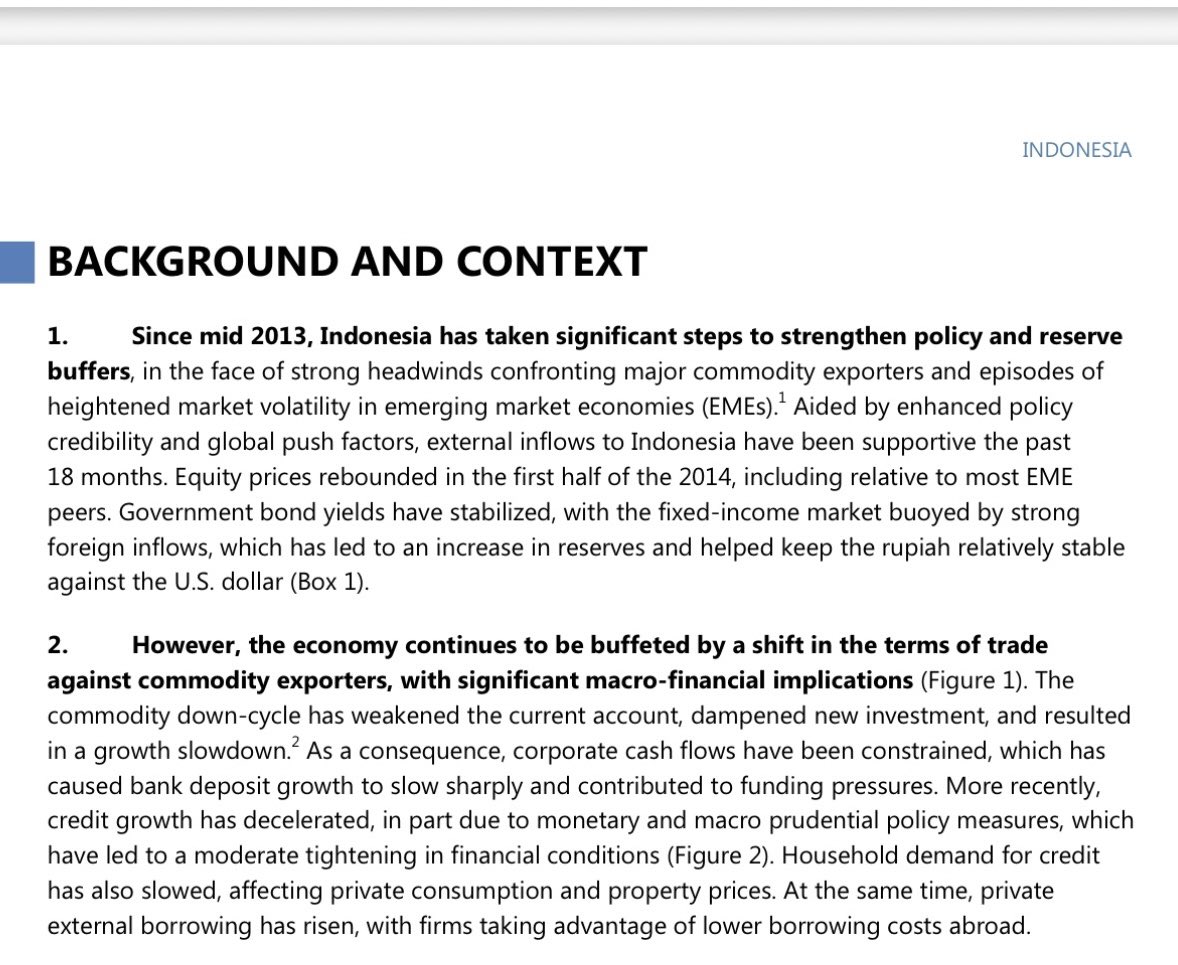
Membaca kembali berita2 saat Taper Tantrum. Saat itu rupiah melemah dan kekuatiran krisis keuangan terjadi. Indonesia di kategorikan masuk ke dalam fragile five waktu. Namun dg kombinasi pengetatan fiscal, BI menaikkan bunga, dan expenditure switching policy, Indonesia, bersama dg India, keluar dari Fragile Five dalam waktu 7 bulan. Kekuatiran kiris keuangan berhasil diatasi
Ini salah satu contoh assesment dari media saat itu “ Indonesians Shrug-off Taper Tantrum
thediplomat.com/2014/02/indone…
“Fragile-five days long gone as funds pile into India, Indonesia”
m.economictimes.com/news/economy/f…


Indonesia
nisanisanisa retweetledi

INSTEAD OF WATCHING AN HOUR OF NETFLIX TONIGHT.
This 1 hour Stanford lecture by Joel Peterson will teach you more about negotiation and getting what you want than most people learn in years.
Bookmark it and give it an hour, no matter what.
English
nisanisanisa retweetledi

Stanislas Dehaene adalah seorang neuroscientist yg udah 3 dekade meneliti cara otak manusia bekerja.
Tahun 2020 kemarin, dia nulis buku berjudul “How We Learn” yg bahas cara otak kita memproses & mengingat ilmu baru.
Aku udah selesai baca dan isinya bener2 mind-blowing, terutama soal tips praktis yg disebut Dehaene sebagai 4 PILLARS OF LEARNING.
A thread 🧵 by Narasi Visual
꒰ᒡ . . ᒢ꒱ αcαα :c@acamaricahehey_
penasaran deh, cara kalian belajar biar cepet ngerti atau inget materi tuh gimana? boleh sharing nggak moots🥹
Indonesia
nisanisanisa retweetledi


nisanisanisa retweetledi

Baik Kita coba bahas Skema PP Tata Kelola Ekspor Komoditas SDA
Bagaimana awal mula kenapa ini dibikin ? Bagaimana Pengaruh selanjutnya ? dan Bagaimana Resiko nya.

Jihad Brahmantyo | #pelanpelanlamalamajadijuga@Gieehad
Tahun 1992 ada namanya Badan Penyangga Pemasaran Cengkeh atau kita sebut BPPC. Badan ini Monopoli keluar masuknya cengkeh di Indonesia. Hanya Boleh lewat badan ini saja.. Namun tahu apa yang terjadi BPPC ini ngasih harga beli jelek ke Petani. dibawah ongkos Produksi.A
Indonesia
nisanisanisa retweetledi
Next seminar with @IIEPGW: "Beyond Poverty: Mapping Multidimensional Wellbeing in Indonesia", from Dr Putu Natih, building on national discussions & international frameworks such as Gross National Happiness.
In person: Meeting Room A @ODID_QEH
Online: bit.ly/26MaySeminar

English
nisanisanisa retweetledi

Direct carbon pricing covers nearly one third of global emissions.
Today, nearly 30% of global greenhouse gas emissions are covered by a direct carbon price across 87 implemented policies.
Read more in our new report: wrld.bg/iOgC50Z1PoQ #PriceOnCarbon

English
nisanisanisa retweetledi


nisanisanisa retweetledi

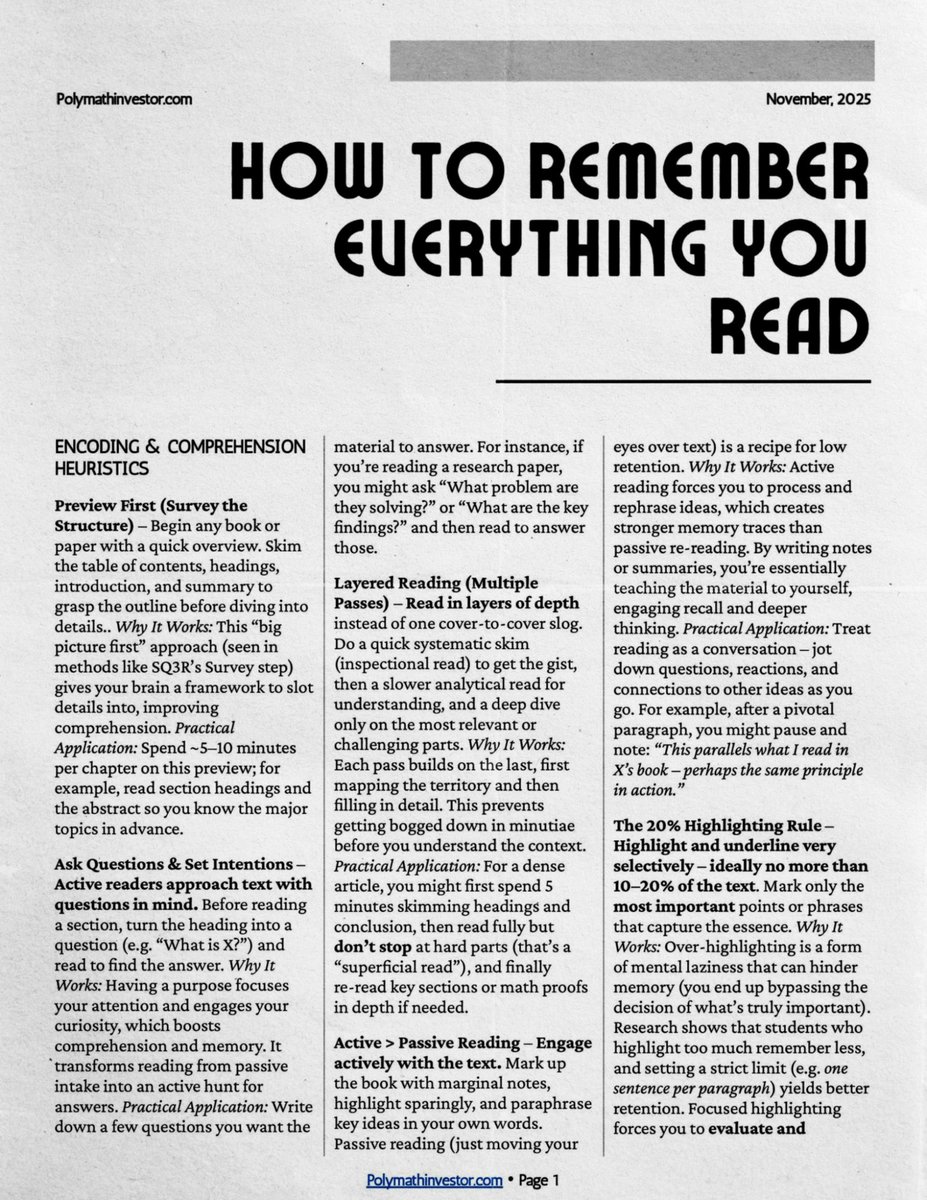
A few months back, I published this guide on how to remember everything you read.
Re-sharing it here for anyone who finds these protocols useful.
(1/11)
English
nisanisanisa retweetledi

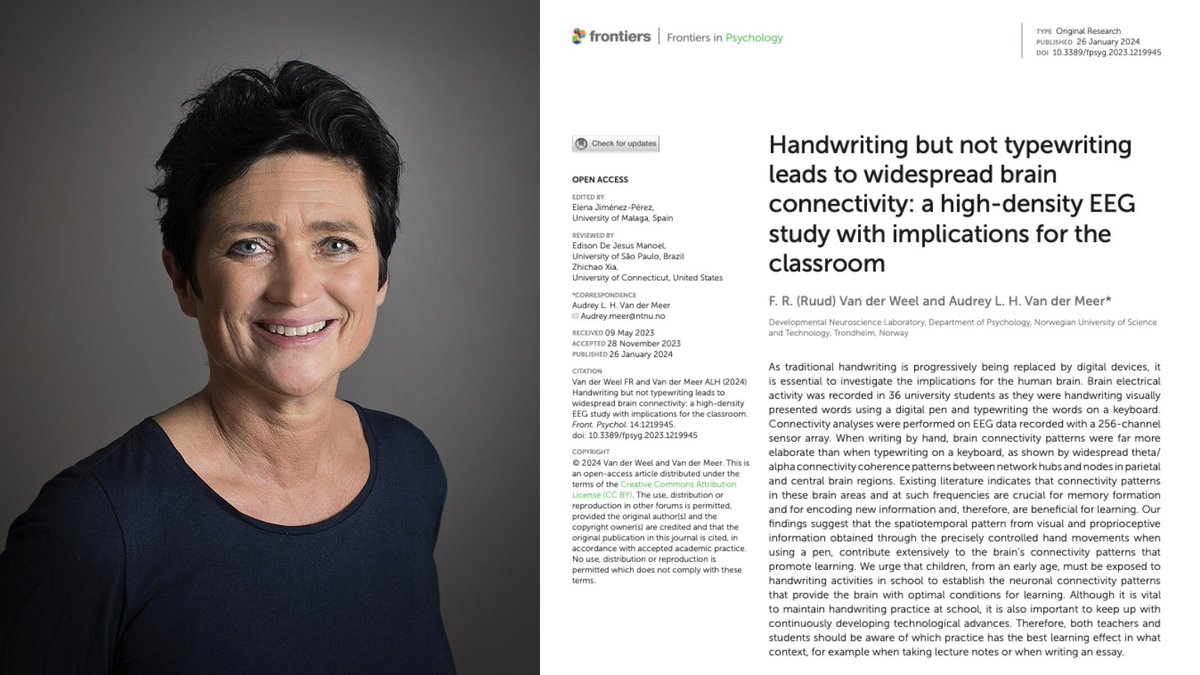
A Norwegian neuroscientist spent 20 years proving that the act of writing by hand changes the human brain in ways typing physically cannot, and almost nobody outside her field has read the paper.
Her name is Audrey van der Meer.
She runs a brain research lab in Trondheim, and the paper that closed the argument was published in 2024 in a journal called Frontiers in Psychology. The finding is brutal enough that it should have changed every classroom on Earth.
The experiment was simple. She recruited 36 university students and put each one in a cap with 256 sensors pressed against their scalp to record brain activity. Words flashed on a screen one at a time.
Sometimes the students wrote the word by hand on a touchscreen using a digital pen, and sometimes they typed the same word on a keyboard. Every neural response was recorded for the full five seconds the word stayed on screen.
Then her team looked at the part of the data most researchers had ignored for years, which is how different parts of the brain were communicating with each other during the task.
When the students wrote by hand, the brain lit up everywhere at once.
The regions responsible for memory, sensory integration, and the encoding of new information were all firing together in a coordinated pattern that spread across the entire cortex. The whole network was awake and connected.
When the same students typed the same word, that pattern collapsed almost completely.
Most of the brain went quiet, and the connections between regions that had been alive seconds earlier were nowhere to be found on the EEG.
Same word, same brain, same person, and two completely different neurological events.
The reason turned out to be something nobody had really paid attention to before her work. Writing by hand is not one motion but a sequence of thousands of tiny micro-movements coordinated with your eyes in real time, where each letter is a different shape that requires the brain to solve a slightly different spatial problem.
Your fingers, wrist, vision, and the parts of your brain that track position in space are all working together to produce one letter, then the next, then the next.
Typing throws all of that away. Every key on a keyboard requires the exact same finger motion regardless of which letter you are pressing, which means the brain has almost nothing to integrate and almost no problem to solve.
Van der Meer said it plainly in her interviews.
Pressing the same key with the same finger over and over does not stimulate the brain in any meaningful way, and she pointed out something that should scare every parent who handed their kid an iPad.
Children who learn to read and write on tablets often cannot tell letters like b and d apart, because they have never physically felt with their bodies what it takes to actually produce those letters on a page.
A decade before her, two researchers at Princeton ran the same fight using a completely different method and ended up at the same answer. Pam Mueller and Daniel Oppenheimer tested 327 students across three experiments, where half took notes on laptops with the internet disabled and half took notes by hand, before testing everyone on what they actually understood from the lectures they had watched.
The handwriting group won by a wide margin on every question that required real understanding rather than surface recall.
The reason was hiding in the transcripts of what the two groups had actually written down.
The laptop students typed almost word for word, capturing more total content but processing almost none of it as they went, while the handwriting students physically could not write fast enough to transcribe a lecture in real time, which forced them to listen carefully, decide what actually mattered, and put it in their own words on the page.
That single act of choosing what to keep was the learning itself, and the keyboard had quietly skipped the choosing and skipped the learning along with it.
Two studies. Two countries. Same answer.
Handwriting makes the brain work. Typing lets it coast.
Every note you have ever typed instead of written went into your brain through a thinner pipe. Every meeting, every book highlight, every idea you captured on your phone instead of on paper was processed at half depth.
You did not forget those things because your memory is bad. You forgot them because typing never woke the part of the brain that would have made them stick.
The fix is the thing your grandmother already knew.
Pick up a pen. Write the thing down. The slower road is the faster one.
English
nisanisanisa retweetledi


nisanisanisa retweetledi

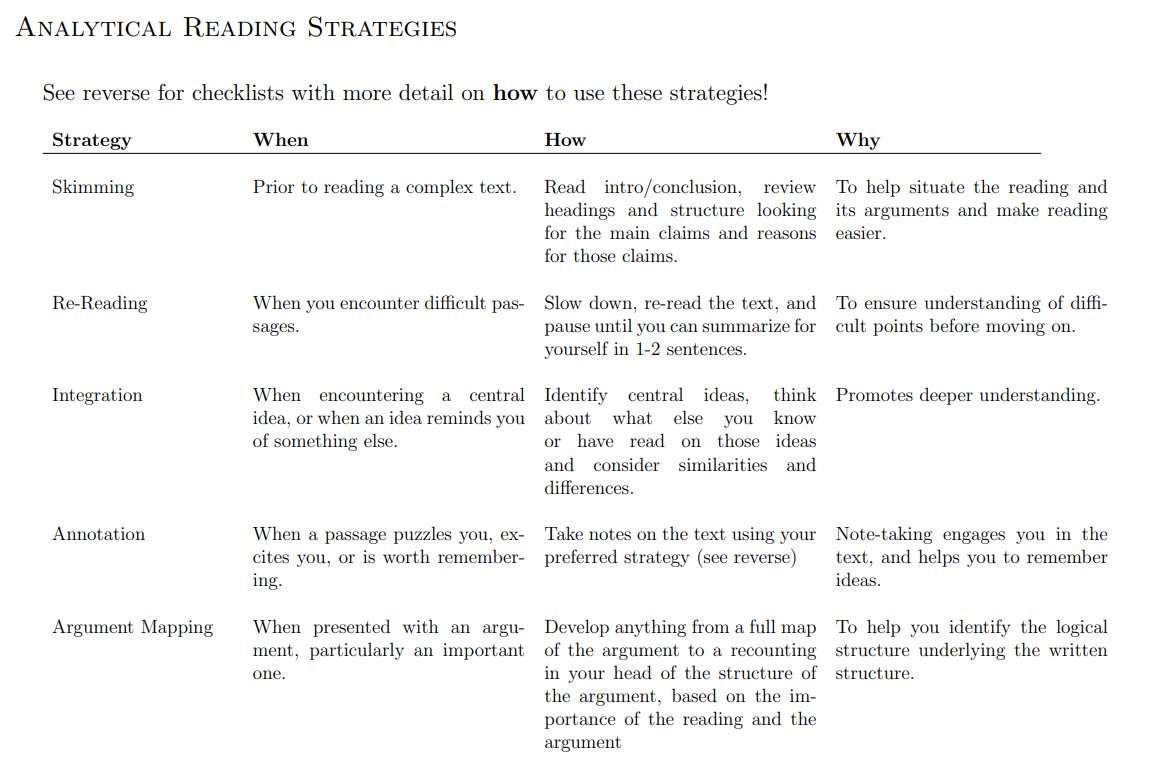
dulu, kayaknya aku ga pernah diajarin ANALYTICAL READING di sekolah.
semua pertanyaan mentok di "kalimat utamanya apa?" atau "mana pernyataan yg benar menurut teks di atas?"
kalo dikasih soal2 yg jawabannya tersirat atau disuruh interpretasi, malah jadi bingung sendiri 🥲
Indonesia