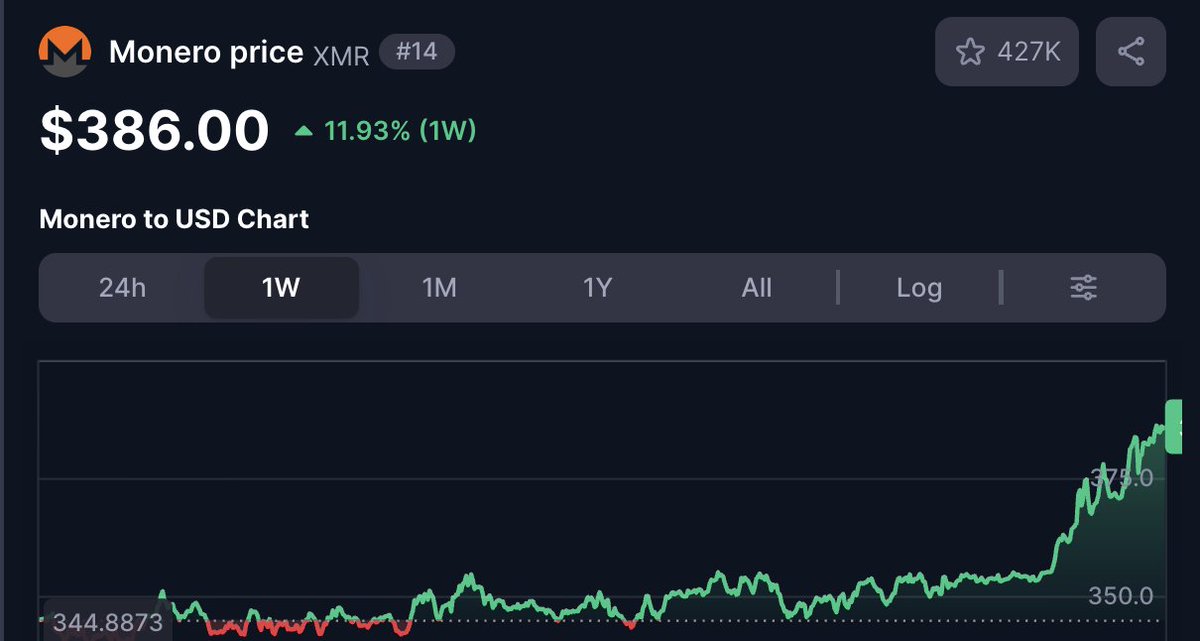
I promised that if $BTC hits $78,000,
I will give away $50,000 in BTC to 15 people.
So as promised I will be giving away
$50,000 to 15 person today.
Rules: Like, Retweet, and Comment "BTC" 🔔
Gonna lock comments in 24 hours!
English
user3333
190 posts



The Arbitrum Security Council has taken emergency action to freeze the 30,766 ETH being held in the address on Arbitrum One that is connected to the KelpDAO exploit. The Security Council acted with input from law enforcement as to the exploiter’s identity, and, at all times, weighed its commitment to the security and integrity of the Arbitrum community without impacting any Arbitrum users or applications. After significant technical diligence and deliberation, the Security Council identified and executed a technical approach to move funds to safety without affecting any other chain state or Arbitrum users. As of April 20 11:26pm ET the funds have been successfully transferred to an intermediary frozen wallet. They are no longer accessible to the address that originally held the funds, and can only be moved by further action by Arbitrum governance, which will be coordinated with relevant parties.



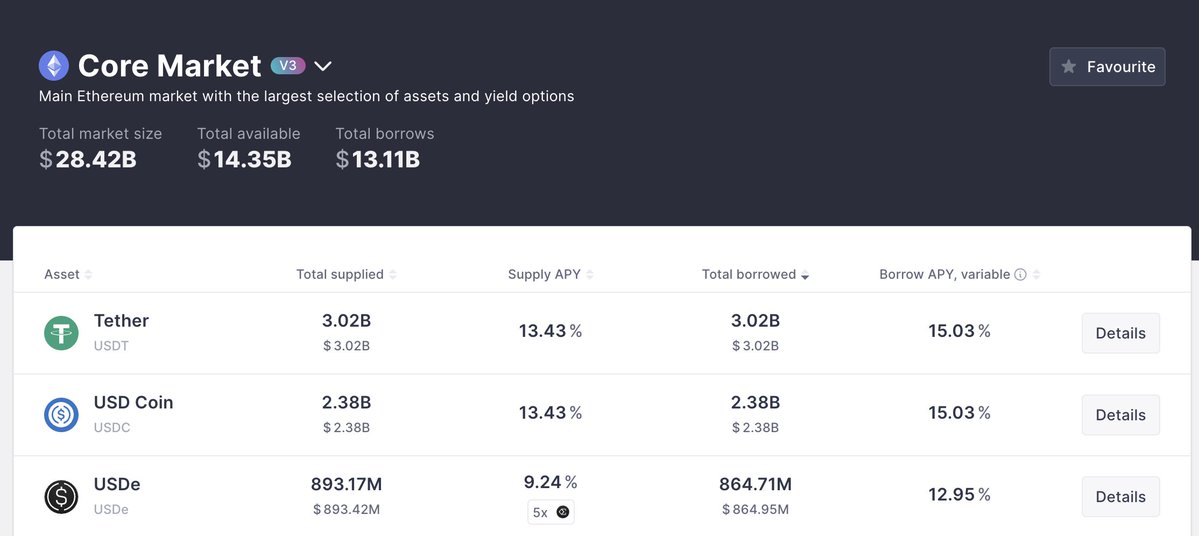


I'm a WETH provider on @aave watching my position go negative after the @KelpDAOxyz rsETH exploit. Can't withdraw — 100% utilization. Every failure here is a feature of shared-pool variable-rate lending: • One bad collateral listing impairs the whole WETH reserve • Slope2 punishes borrowers trapped when whales exit first • DAO votes move slower than collateral can lose its backing • First-come-first-served exits reward informed capital • Umbrella socializes losses onto suppliers who never approved the listing The architecture that fixes all of this already has its primitives deployed: Event-driven intent-based lending with fixed rates and P2P matching. Lenders sign intents specifying collateral, LTV, rate, duration, and event triggers. Borrowers sign symmetric intents. Solvers match. Custody stays with the user until atomic settlement. No shared pool. No slope2. No slow governance. No socialized loss. Each loan is a discrete contract. We solved this pattern for spot trading with 1inch Fusion. Lending is next.