
Valdis Vītoliņš 🐧

5.9K posts

Valdis Vītoliņš 🐧 banner
Valdis Vītoliņš 🐧

Valdis Vītoliņš 🐧

@valdisvit0lins

Par tehnoloģijām, programmatūru un dažkārt par sabiedrību.

Ogre, Latvija Katılım Mayıs 2009
57 Takip Edilen198 Takipçiler
Sabitlenmiş Tweet
Valdis Vītoliņš 🐧
Valdis Vītoliņš 🐧@valdisvit0lins·
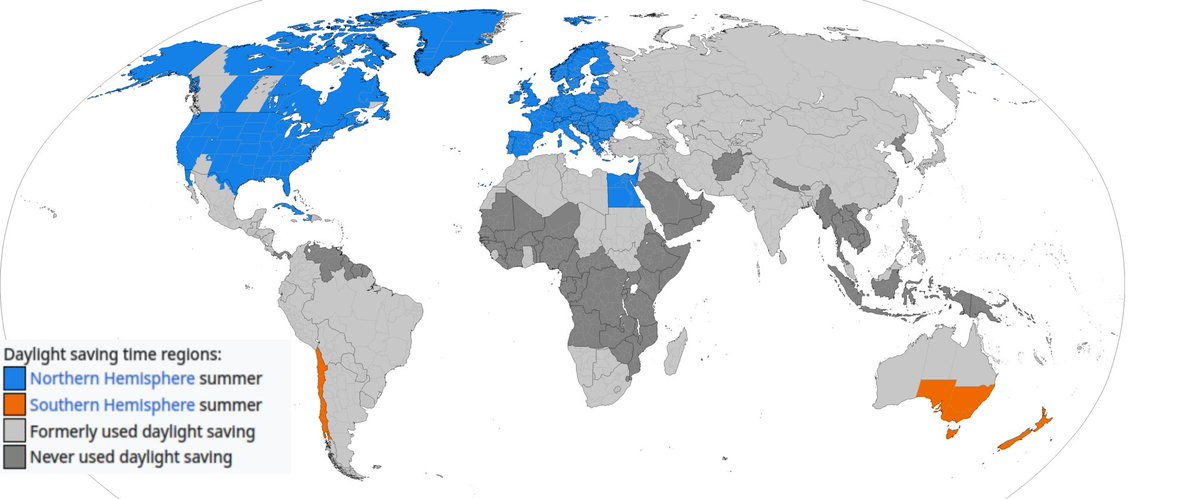
Pulksteņu grozīšana ir birokrātiska mērkaķošanās ar nepamatotu ekonomisko efektu, pret kuru iedzīvotāji ir vairākkārt nobalsojuši gan Latvijas, gan Eiropas līmenī, un kuru bija paredzēts atcelt jau 2019. gadā: odo.lv/Blog/141026
Valdis Vītoliņš 🐧 tweet media
Latviešu
1
4
8
533
Valdis Vītoliņš 🐧 retweetledi
Peter Clack
Peter Clack@PeterDClack·
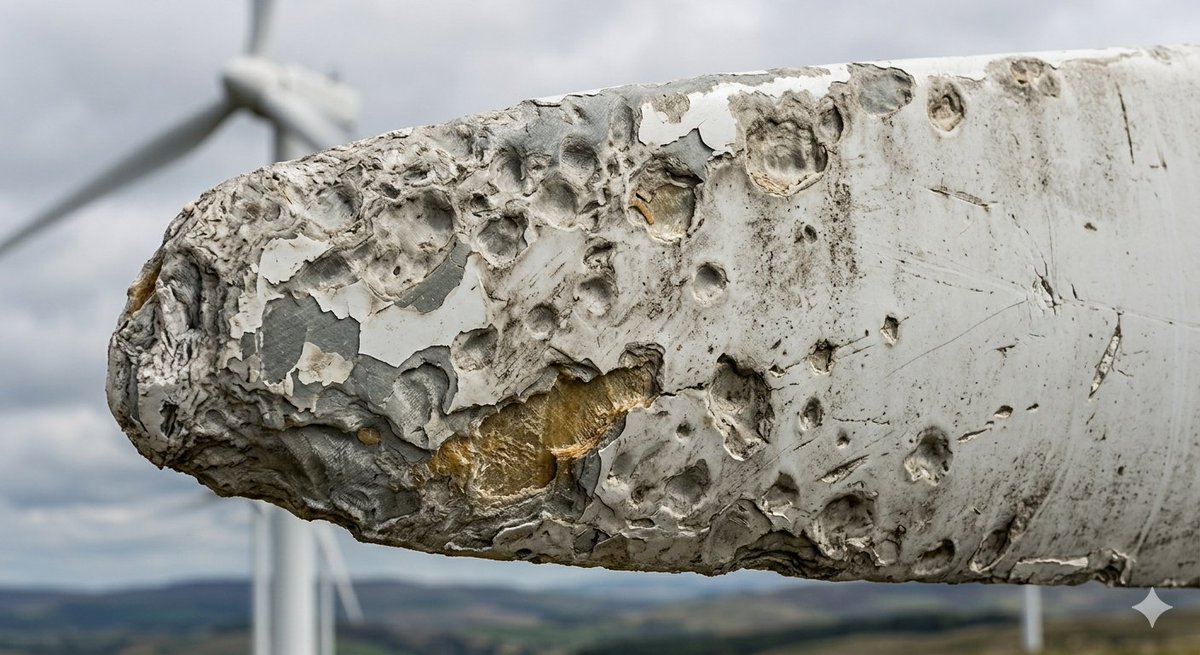
Many of the onshore wind farms along the coasts of the UK and Denmark are falling apart after only 10 years. A study reveals that energy contributions from wind farms begin to fall sharply after only 10 to 15 years, leaving the skeletons of steel and plastic blowing in the wind. The economic analysis reveals the lifespan of an onshore turbine is not 20 to 25 years, as stated by the wind industry itself, supported by the UK Government. This peer reviewed British study reveals that the energy production of onshore wind farms falls substantially as they get older, due to wear and tear. Energy and environmental economist, Professor Gordon Hughes (University of Edinburgh), carried out the statistical analysis of wind farm performance data in the UK and Denmark. He concluded that load factors, like electricity generated as a percentage of capacity, declined a lot faster than expected, suggesting a baseline 10 to 15 year lifespan. This is when the technical life of most turbines crunch to halt, and become unprofitable to continue. Rising maintenance costs makes them uneconomical. The study found the average UK wind farm's ability to meet electricity demand had fallen by a third after around 10 years, leading to a conclusion that many are fully uneconomic to run after only 12 years. While the wind industry generally forecasts a 25-year lifespan, the data reveals a different reality about the viability of keeping them spinning so long. Many companies now 'repower' (replace old turbines with new ones) long before the 25-year target to maximise subsidies and output. This often ends the lifespan of the original hardware much sooner. The wind farm study is published by the 'Renewable Energy Foundation on the Performance of Wind Farms in the United Kingdom and Denmark, 2012'.
Peter Clack tweet media
English
558
4.7K
9K
616.4K
Valdis Vītoliņš 🐧 retweetledi
Rod Adams
Rod Adams@Atomicrod·
"Too cheap to meter" frightened most energy market competitors. They effectively worked to ensure it never happened. If nuclear energy had become "too cheap to meter" and we had completed the 1,000 reactors by 2000 that President Nixon's Project Independence envisioned, here are some consequences that might have happened – or not happened. 1. Coal would have become "too cheap to mine" and would have been pushed off of the US electricity grid. 2. Natural gas would have become "too cheap to drill." 3. George Mitchell would have never been motivated to develop the combination of directional drilling and hydraulic fracturing that enabled the shale revolution. 4. The LNG industry would have never been created. 5. It's unlikely that the wind and solar industries would have expanded beyond certain niche applications and geographies with superior resources. 6. Hydro would have continued producing from existing dams, but would have experienced limited growth. 7. Oil markets would have been more limited than they are today. The ~100 nuclear plants that did get completed have steadily produced about 1/5 of US electricity for several decades now. If we had successfully completed 1,000 nuclear plants, would we have just stopped building? Imagine what 10-20 times as many nuclear plants would be powering? Who might have worked hard to limit nuclear energy's market penetration? Why should their proxies get all of the credit just because they were openly carrying the signs and attending the rallies? BACKGROUND This post was inspired by a Wall St. Journal USA250 podcast installment titled "Nuclear Power's Reboot." The host of that podcast is Katherine Sullivan. Most of the show tells a conventional interpretation of nuclear energy's development history, starting with Truman's announcement about how Hiroshima's military capability had been destroyed by a single bomb, going through Strauss's statement about a future with nuclear providing energy that was "too cheap to meter" and ending with the 25+ year hiatus in nuclear power plant construction. Victor Gilinsky, an NRC Commissioner during Three Mile Island, shares his certainty that serious accidents were bound to happen in the future. As history has shown, the low-consequence accident that took place on his watch is still the worst nuclear accident in US history. Sullivan played clips from Ralph Nader's antinuclear rallies and interviewed a woman who was a frighted young mother in Middletown, PA when the core at TMI unit 2 melted and caused a media/political/regulator stoked panic without harming anyone. When she returned from her governor-suggested evacuation to her undamaged home, she became an active member of the antinuclear movement. Finally, in the last few minutes of a 22 minute podcast, Ms. Sullivan attributed essentially all of the recent interest in nuclear energy to the growth of AI. That framing is not only wrong, it worries me. Nuclear energy is a clean, capable and potentially affordable replacement for much of the coal, gas and oil that we burn for electricity, industrial heat and ship propulsion. We need nuclear for far more than powering planned AI data centers. But energy system experts like Robert Bryce (@pwrhungry) have been warning that AI data centers are about as popular in rural America as hog farms. I worry about a near future when protests, finances and grid connection challenges slow AI data center expansion enough to cause the established antinuclear movement and its well-heeled, powerful, motivated friends to more loudly claim that less AI means we don't need new nuclear. The energy market consequences mentioned at the beginning of this post would be good for most of humanity. But those who are profiting by the enterprises that would lose in the competitive markets for energy fuels are guaranteed to do everything they can think of to ensure that they continue to survive and flourish. I suspect that many of those who would be negatively impacted by a thriving nuclear enterprise both read and advertise in the Wall St. Journal. @thecourier
English
17
31
141
47.3K
Valdis Vītoliņš 🐧 retweetledi
Montel News
Montel News@montelnews·
Finnish company Steady Energy expects to produce heat from small modular nuclear reactors in Sweden with a lifetime cost of around EUR 40/MWh, making it cost-competitive with other energy sources. montelnews.com/news/d32cc9f4-…
English
0
12
20
1.3K
Valdis Vītoliņš 🐧 retweetledi
Ilmārs Poikāns
Ilmārs Poikāns@ilmarmors·
Tagad ir ar ko salīdzināt. Kā izrādījās - @RenarsKadzulis ar SOAAR tiešām kaut kā pamanījās uztaisīt IT vēlēšanu sistēmu, kas strādāja, par kārtu vai pat daždesmit reizes lētāk nekā uzņēmumi, kuri ir starp 8, kas parasti sadala milzīgo valsts IT pīrāgu. youtu.be/GvtRaUBbnms
YouTube video
YouTube
Latviešu
7
57
178
17.3K
Valdis Vītoliņš 🐧
Valdis Vītoliņš 🐧@valdisvit0lins·
@_vvc Pilnībā autonomiem aparātiem, kas strādā bez pilota, ja nepatīk "skynet", var domāt citu nosaukumu.
Latviešu
0
0
0
14
Valdis Vītoliņš 🐧
Valdis Vītoliņš 🐧@valdisvit0lins·
@_vvc Un precīzāks skaidrojums būtu, ka "drons" ir aparāts ar attālinātu pilotu jeb attālinātu vadību, nevis "bezpilota". Jo tiem ir pilots, tikai tas nesēž iekšā aparātā.
Latviešu
1
0
0
25
Valdis Vītoliņš 🐧 retweetledi
Brecht De Poortere
Brecht De Poortere@brecht_dp·
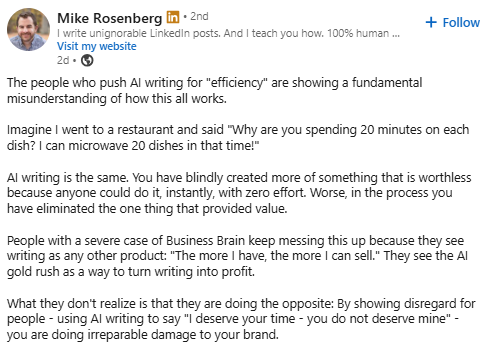
As seen on LinkedIn: Using AI for writing is like cooking with a microwave 🤣
Brecht De Poortere tweet media
English
9
13
82
3.3K
Valdis Vītoliņš 🐧
Valdis Vītoliņš 🐧@valdisvit0lins·
@ilmarmors @DziveIrSuds Tie PPM mērījumi man atgādina Gudharta likumu: "Kad mērs kļūst par mērķi, tas pārstāj būt labs mērs." Jo mani īpaši neinteresē NO₂ un CO₂ miljonās daļas gaisā, ja daudz vairāk traucē vienkārša smaka.
Latviešu
0
0
0
17
Ilmārs Poikāns
Ilmārs Poikāns@ilmarmors·
@DziveIrSuds @valdisvit0lins Lai kaut kādu ideju (vienalga kādā sfērā) izbīdītu, vajag normāli sagatavoties un argumentēt, nevis ar revolucionāru pārliecību piedāvāt cirvisku un nepārdomātu risinājumu.
Latviešu
2
0
1
39
Ilmārs Poikāns
Ilmārs Poikāns@ilmarmors·
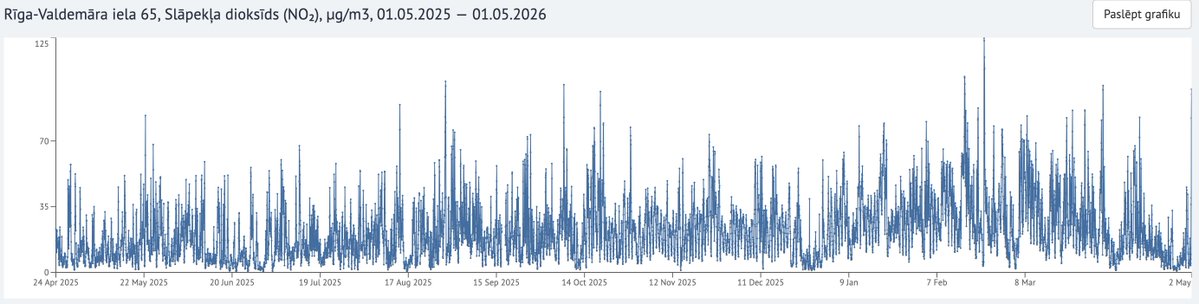
Te būs vēl viens piemērs, kā mums cenšas pasniegt argumentu par kaut ko, salīdzinot ābolus ar bumbieriem un bez konkrētiem datiem. Lai arī Rīgu mēdz saukt par mazo Parīzi, pilsētvides un zaļuma ziņā tās nav tieši salīdzināmas. Ir pilnīgi muļķīgi kopēt 1:1 kaut ko, kas ir noticis citur, neanalizējot situāciju Rīgā. Ja iedziļinās datos (2025-05-01 līdz 2026-05-01), tad Rīgā situācija ar PM2.5 un NO2 piesārņojumu ir pat labāka nekā Parīzē 2024. gadā pēc visādiem "cilvēkcentriskiem" uzlabojumiem. ~20 µg/m3 ir dzeltens Parīzes grafikos. Kronvalda bulv. 4: Vidējā NO2 koncentrācija 18 µg/m3 (>20 µg/m3 ir 33,4% stundu, >30 14,9%, >40 7,3%). PM2.5 koncentrācija - 11 µg/m3 (>20 µg/m3 ir 8,6% stundu, >30 3,2%, > 40 1,0%), Kr. Valdemāra 65: Vidējā NO2 koncentrācija 22 µg/m3 (>20 µg/m3 ir 45,3%, >30 23,9%, >40 11,8%). PM2.5 datu nav. Rēķinot vidējo, izmantoju tikai stundas, kur rādītāji > 2. Tas, ka vidējie rādītāji ir pat labāki nekā Parīzē, tas nenozīmē, ka Rīgā gaisa kvalitāti nav jāuzlabo. Noteikti ir, taču lēmumi jāpieņemt, balstoties uz datiem, nevis akli jādara tā, kā kaut kur kādi citi darīja. Kad ziemā bija bezvējš, iebraucot Rīgā, uzreiz varēja sajust smaku un rajonos ar malkas apkuri cirvi varēja pakārt, un to smogu pat varēja fiziski redzēt. Arī smilšu un sāls novākšana no ielām pēc ziemas ir būtiska un ne tikai pēc ziemas. Oriģinālais raksts par Parīzi: washingtonpost.com/climate-soluti… Dati par Rīgu: videscentrs.lvgmc.lv/noverojumu-arh… (Kronvalda bulv. 4) un videscentrs.lvgmc.lv/noverojumu-arh… (Kr. Valdemāra 65)
Ilmārs Poikāns tweet mediaIlmārs Poikāns tweet mediaIlmārs Poikāns tweet media
AE 💙💛 (ansis.bsky.social)@AnsisEgle

Negribas ticēt, ka žurnālisti ir tik tuvredzīgi un acīmredzami nevadās pēc sabiedriskā labuma vairošanas, bet klikšķiem. Te piemērs no Parīzes un piesārņojuma, ko radīja auto un kas mainījās, kad pilsētā mainīja auto centrisko domāšanu uz cilvēkcentrisko. Tādu piemēru ir kaudzēm.

Latviešu
10
16
64
8.3K
Valdis Vītoliņš 🐧 retweetledi
Our World in Data
Our World in Data@OurWorldInData·
Low-carbon electricity sources grew faster than demand in 2025, pushing fossil fuels into decline— Solar and wind energy have grown quickly in recent years, but global electricity demand has grown faster. So while their share of electricity generation kept rising, it wasn't enough to push fossil fuels into absolute decline. But in 2025, that changed. According to Ember's Global Electricity Review, low-carbon electricity sources grew faster than demand, pushing some fossil fuels out of the mix. Global electricity generation increased by around 850 terawatt-hours (TWh) from 2024 to 2025. As you can see in the chart, solar and wind accounted for nearly all of this growth. While the world still burned slightly more gas, this was more than offset by a decline in coal and oil. To reduce carbon emissions, fossil fuel use needs to keep falling in absolute terms — not just in the power sector but also in other energy and industrial sectors. (This Data Insight was written by @_HannahRitchie and Pablo Rosado.)
Our World in Data tweet media
English
36
160
386
33.7K
Valdis Vītoliņš 🐧 retweetledi
NEXTA
NEXTA@nexta_tv·
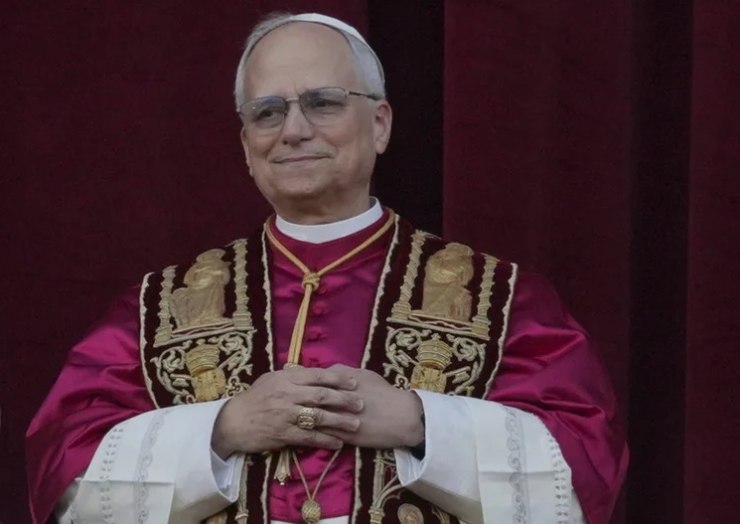
The Pope failed a bank security check — they simply didn’t believe him Pope Leo XIV tried to update his details with a U.S. bank where he holds an account. He personally called customer support, answered security questions, and asked to change his phone number and address. But the bank employee refused to make any changes and told him to come to a branch in person. The pontiff then asked, “What if I tell you I’m Pope Leo?” — the operator simply hung up. The story was shared by the Pope’s close friend, priest Tom McCarthy. According to The New York Times, the issue was later resolved.
NEXTA tweet media
English
228
960
13.1K
1.4M
Valdis Vītoliņš 🐧
Valdis Vītoliņš 🐧@valdisvit0lins·
@AivarsOzo Lielos valodu modeļus izmantojošie transformatīvie rīki labāku latviešu valodu neprot.
Latviešu
0
0
2
125
Valdis Vītoliņš 🐧 retweetledi
Devuan GNU/Linux
Devuan GNU/Linux@DevuanOrg·
Since 2014, we chose the hard path: NO systemd. Good reasons for this keep coming. Now it harvests personal data like birthdates, unrelated to computing and ripe for abuse. This is not a feature. It is a boundary. We do not ship surveillance. github.com/systemd/system…
English
43
190
1.1K
24.6K
Valdis Vītoliņš 🐧 retweetledi
nixCraft 🐧
nixCraft 🐧@nixcraft·
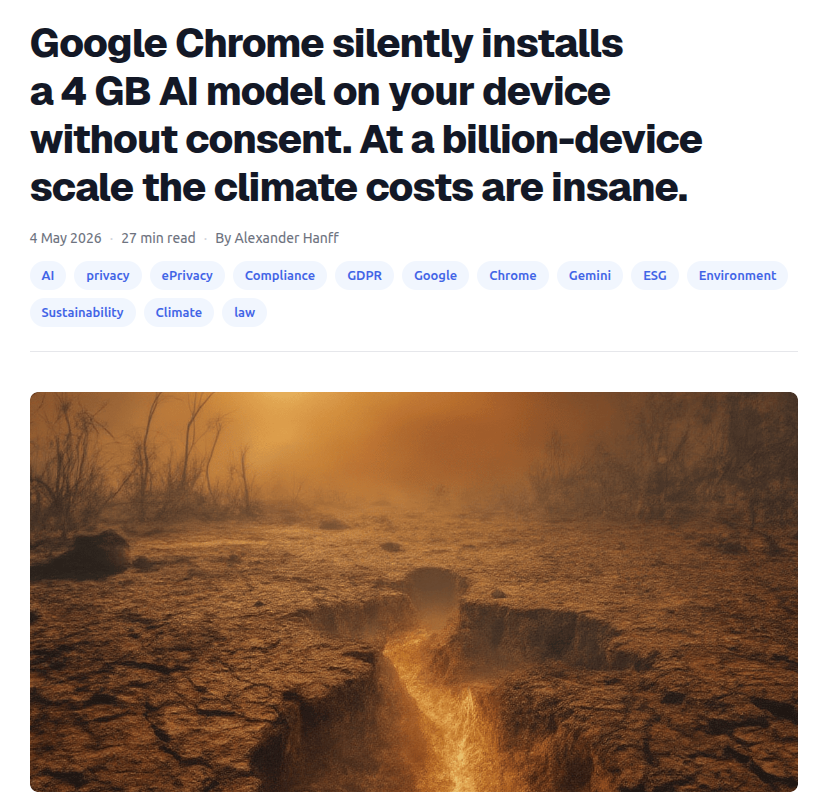
Google Chrome silently installs a 4 GB AI model on your device. > No consent dialog. No opt-out UI. Re-installs itself if the user removes it manually. That is the true definition of malware.
nixCraft 🐧 tweet media
English
520
6.6K
25.4K
1.2M