Weiwei Zhai

813 posts

Weiwei Zhai

Weiwei Zhai

@weiwei_beijing

Population geneticist by training, interested in cancer and somatic cell evolution@Institute of Zoology, CAS, Beijing|Previous @astar_gis, @UCBerkeley, @Cornell

Beijing Katılım Ocak 2012
805 Takip Edilen504 Takipçiler
Weiwei Zhai retweetledi
UC Berkeley
UC Berkeley@UCBerkeley·
Two historians, a biologist and a bioengineer from UC Berkeley have won illustrious Guggenheim Fellowships and will pursue independent work under “the freest possible conditions.” news.berkeley.edu/2026/04/17/fou…
English
3
8
21
3.9K
Weiwei Zhai retweetledi
Nrken19
Nrken19@nrken19·
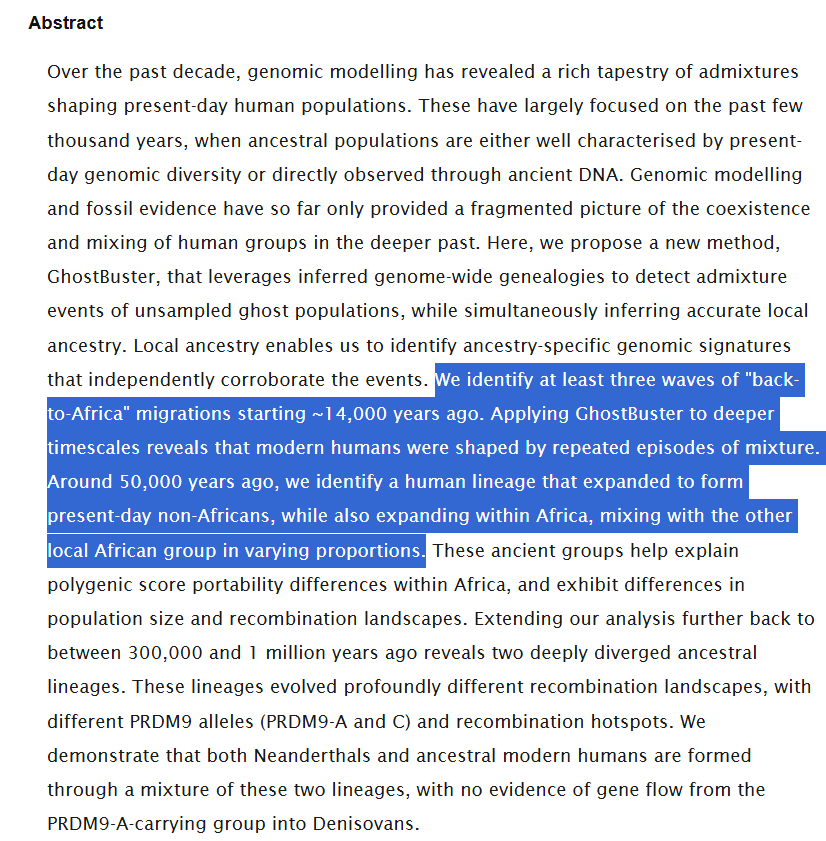
Genome-wide genealogies reveal deep admixtures forming modern humans. Funny name to call the method for "GhostBuster" biorxiv.org/content/10.648…
Nrken19 tweet media
English
3
22
125
20.2K
Weiwei Zhai
Weiwei Zhai@weiwei_beijing·
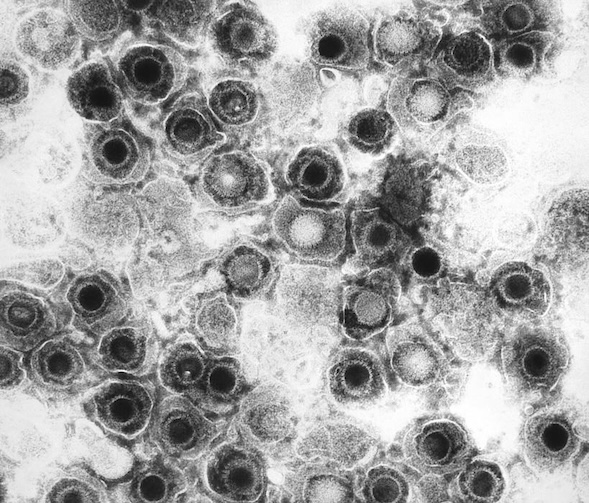
Super excited to publish this study on EBV and human interaction driving high incidence of nasopharyngeal carcinoma in Southern China. at @Nature nature.com/articles/s4158… with Miao XU, Jianjun LIU, Zhonghua LIU。
English
1
5
28
1.8K
Weiwei Zhai retweetledi
StemCellReports
StemCellReports@stemcellreports·
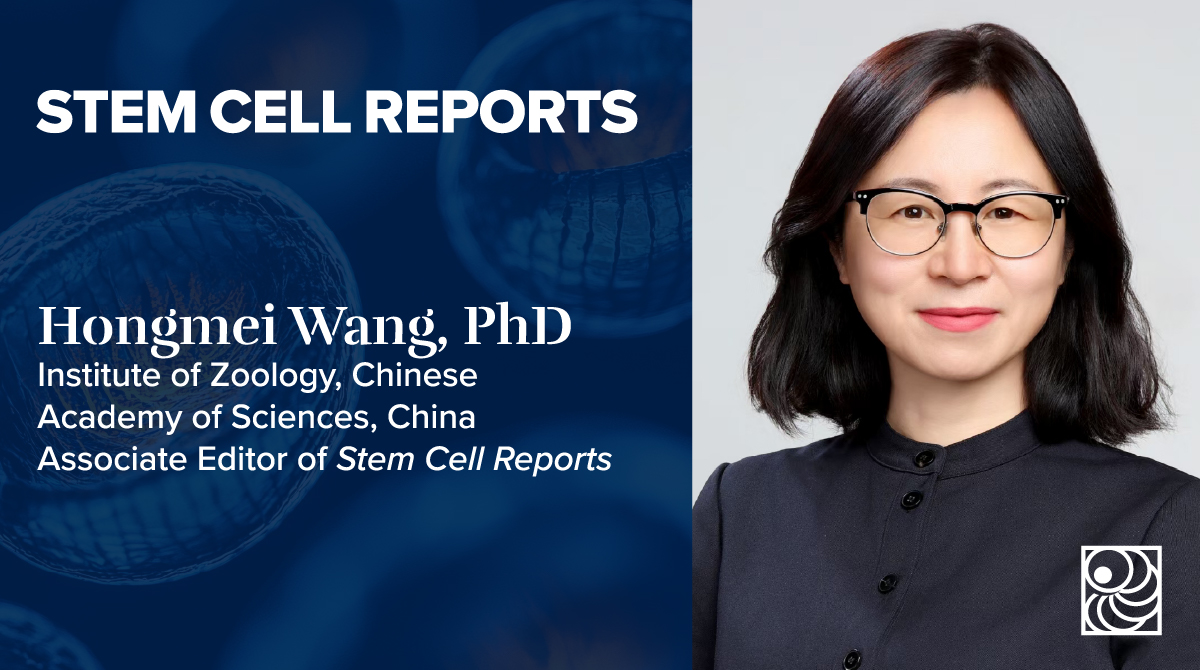
Stem Cell Reports is pleased to announce the appointment of Hongmei Wang, Ph.D., as an Associate Editor. Dr. Wang is a professor of State Key Laboratory of Organ Regeneration and Reconstruction, Institute of Zoology, Chinese Academy of Sciences (CAS). ow.ly/hcoj50YGw85
StemCellReports tweet media
English
0
4
10
2.2K
Weiwei Zhai retweetledi
Runxi Shen
Runxi Shen@wshenrx·
Such a great honor for me to start a new chapter of my career as a Research Assistant Professor at Purdue University and to co-lead the Carpenter-Shen lab with @DrAnneCarpenter! More details: linkedin.com/posts/runxi-sh…
Anne Carpenter, PhD@DrAnneCarpenter

I'm moving to Purdue University as a tenured professor this summer! Excited to hire postdocs there and get a lab up and running with @wshenrx as co-lead. More details: linkedin.com/posts/annecarp…
English
2
4
38
5.8K
Weiwei Zhai retweetledi
Andrea Sottoriva
Andrea Sottoriva@AndreaSottoriva·
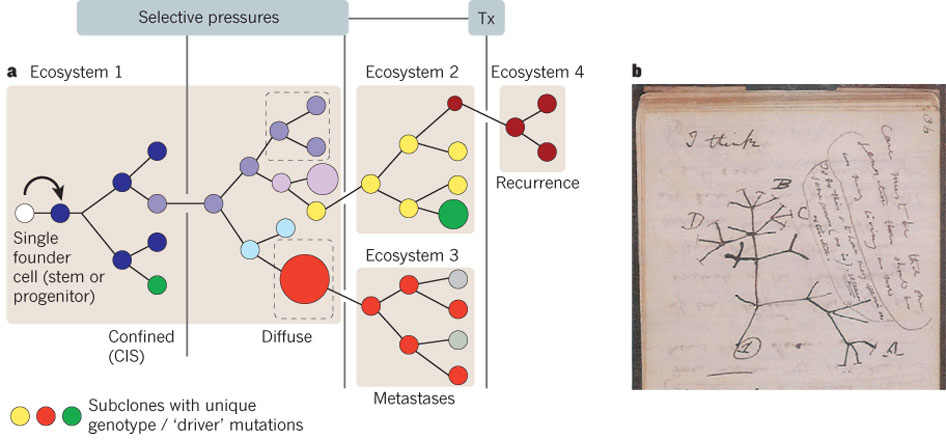
Cancer is an evolutionary process. We've known this for decades, but we didn't know whether its complexity was tractable. We now know we can measure and sometimes predict cancer evolution in patients from molecular ('omics) data, although with still suboptimal precision. A way forward is combining evolutionary theory (maths and concepts from theoretical population genetics) with machine learning & AI, the latter filling the theory “gaps” when solutions from first principles are out of reach. Building predictive models of cancer evolution means we may be able to control the disease, designing evolution-aware therapies that prevent or delay drug resistance. Come to learn more about this at #AACR26 session: ED53 - Cancer Systems Biology, Ecology, and Evolution. abstractsonline.com/pp8/#!/21436/s…
Andrea Sottoriva tweet media
English
10
59
257
17.2K
Weiwei Zhai retweetledi
Ivana Bozic
Ivana Bozic@IBozic_·
Join us on Tuesday, April 7 at 11am PDT to hear Kamila Naxerova @naxerova from Harvard Medical School in the next installment of the Mathematical and Computational Modeling of Cancer Seminar. Livestream link to follow shortly.
Ivana Bozic tweet media
English
1
2
4
353
Weiwei Zhai retweetledi
David Sinclair
David Sinclair@davidasinclair·
This paper took us 13 years and is one of the longest papers ever in Cell. Check it out & judge for yourself cell.com/cell/fulltext/…
David Sinclair tweet media
Olafur Pall Olafsson@olafurpall80

@JoinLifespan Just because epigenetic drift follows a predictable pattern doesn't necessarily mean it's causal in aging. Predictable patterns can form from stochastic reactions. Also you cannot fix all extracellular damages with cellular rejuvenation. More here: olafurpall.substack.com/p/why-aging-is…

English
25
271
1.5K
223.9K
Weiwei Zhai retweetledi
nature
nature@Nature·
After 20 years, 58 generations and more than 30,000 cloning attempts, a team of researchers has hit the limit on the number of times a single mouse can be serially re-cloned go.nature.com/47hykPQ
English
9
260
677
442.2K
Weiwei Zhai retweetledi
Broad Institute
Broad Institute@broadinstitute·
By analyzing DNA data from over 900,000 people, a new study found that some of the most common viruses hiding in the body vary with age, sex, and the seasons — and that genes influence the long-term effects these viruses have on our health. broad.io/virome-news
Broad Institute tweet media
English
4
23
71
7.4K
Weiwei Zhai retweetledi
Li Zhao
Li Zhao@lizzyzhao·
We wrote a review on using machine learning to study evolutionary genetics and molecular evolution in Trends in Genetics @TrendsGenetics . It is open access—please read it if you are interested in this topic sciencedirect.com/science/articl…
Li Zhao tweet media
English
2
101
462
21.5K
Weiwei Zhai retweetledi
Nature Reviews Drug Discovery
Nature Reviews Drug Discovery@NatRevDrugDisc·
Human organoids as 3D in vitro platforms for drug discovery: opportunities and challenges rdcu.be/e8qhG nature.com/articles/s4157… This Review in the March issue discusses generating and maintaining organoids, and their applications in disease modelling and drug screening
Nature Reviews Drug Discovery tweet media
English
0
44
151
9.9K
Weiwei Zhai retweetledi
Bo Wang
Bo Wang@BoWang87·
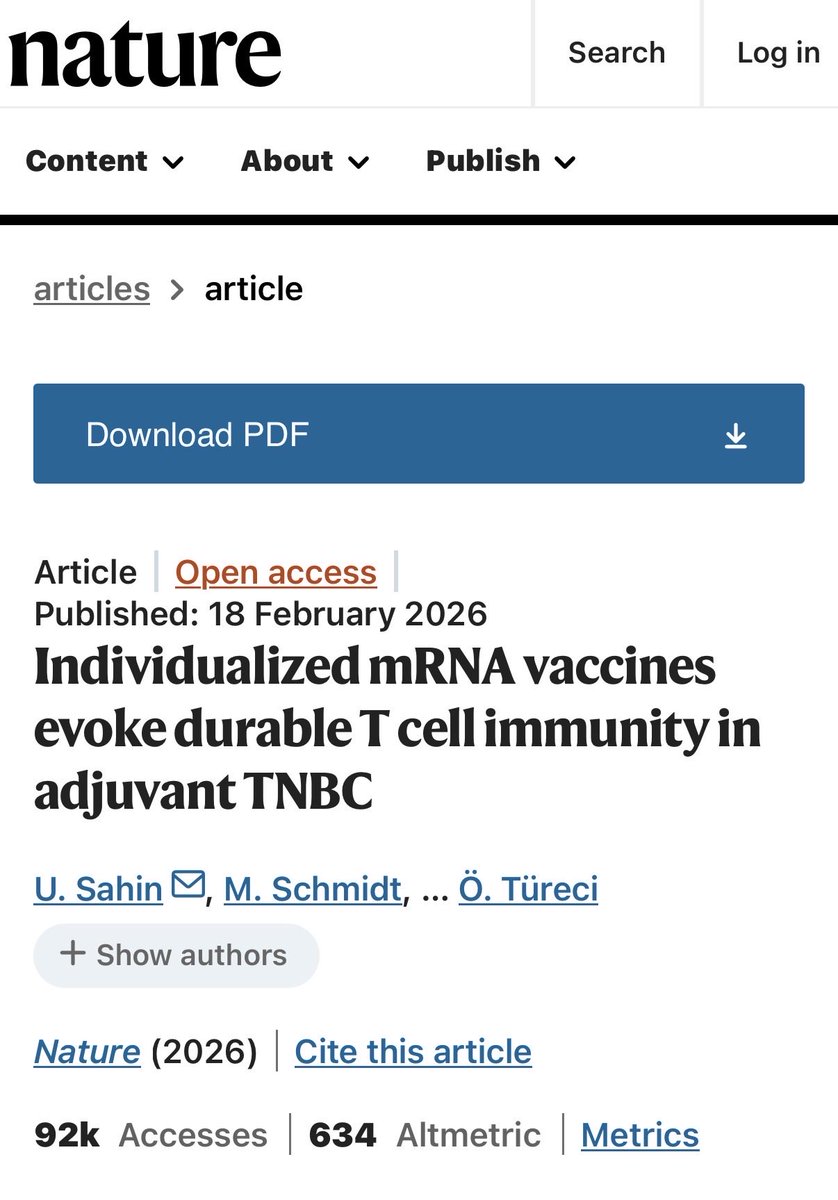
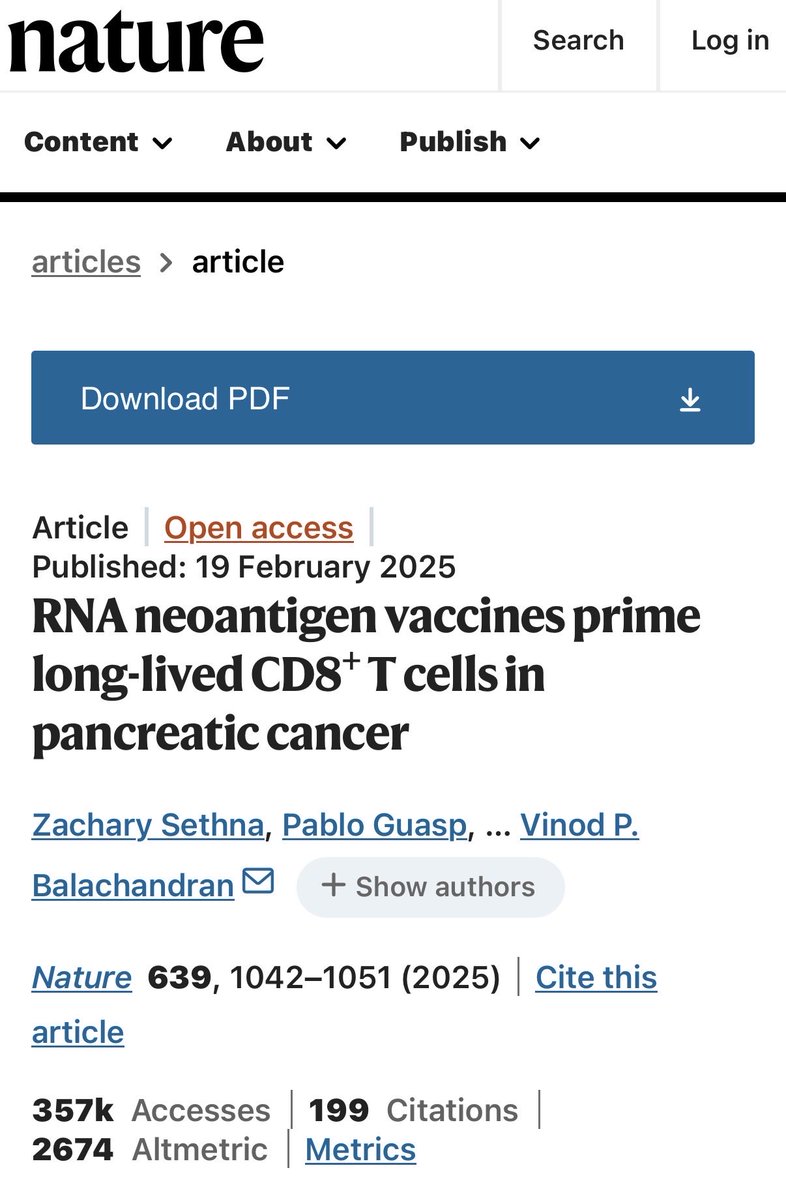
Everyone is talking about personalized mRNA cancer vaccines. I want to share two recent Nature papers that cut through the excitement and reveal something the viral posts aren't telling you: the approach works — but only in patients whose immune system actually responds to the vaccine. In the PDAC trial, that was half. Papers: — TNBC-MERIT trial (Nature 2026): nature.com/articles/s4158… — PDAC 3-year follow-up (Nature 2025): nature.com/articles/s4158… Here's the exact number that explains why. The PDAC trial: at 3.2 years median follow-up, vaccine responders had median recurrence-free survival that was never reached. Non-responders: 13.4 months. HR = 0.14. The T cell memory is real — some clones are projected to persist for over a decade. The TNBC trial: 10 of 14 patients remained relapse-free at 5 years. One patient has been in remission for over 6 years, with neoantigen-specific T cells still circulating at ~2% of her CD8 repertoire. So what separates responders from non-responders? Across both trials: only 41 of 251 neoantigens actually triggered a T cell response. That's 16%. Each vaccine encodes up to 20 neoantigens — the algorithm's best guess at which tumor mutations will be immunogenic. Most don't work. Half the PDAC patients didn't respond — not because they couldn't mount an immune response (they responded fine to concurrent COVID vaccines) — but because their selected neoantigens happened to miss. This is the core unsolved problem: predicting, from sequence alone, which mutations will produce peptides that a specific patient's immune system will actually recognize. It sounds like an MHC binding problem. It isn't. Tools like NetMHCpan handle binding affinity reasonably well. What they miss is the full causal chain: 1. Proteasomal processing — will the protein actually be cleaved into this exact peptide? 2. TAP transport — will it reach the ER for MHC loading? 3. HLA-peptide stability — across the patient's specific HLA alleles (10,000+ variants in the population) 4. T cell repertoire availability — has central tolerance already deleted the clones that would recognize it? 5. Tumor clonal architecture — is this mutation in every tumor cell, or just 30%? Targeting subclonal neoantigens leaves most of the tumor untouched. Every step is a filter. Current prediction stops at step one. Compounding everything: average manufacturing time in the TNBC trial was 69 days (range: 34–125) from sample to vaccine release. For pancreatic cancer, where non-responders recur at 13.4 months post-surgery, that's not a footnote. It's a window closing. The good news: the T cell biology is sound. The mRNA platform works. The immunology is spectacular — when it works. The bottleneck is the first step: choosing which 20 neoantigens go in the vaccine. Get that prediction right, and the responder rate moves. This is where AI in cancer immunotherapy has to go next. Not mRNA design. Not LNP formulation. Immunogenicity prediction — integrating mutation calling, HLA typing, T cell repertoire sequencing, and single-cell tumor expression simultaneously, as a causal inference problem, not a binding affinity lookup. We don't have a model that does this well. That's the gap.
Bo Wang tweet mediaBo Wang tweet media
English
27
123
586
54.1K
Weiwei Zhai retweetledi
Keiichi Ito
Keiichi Ito@itok10918·
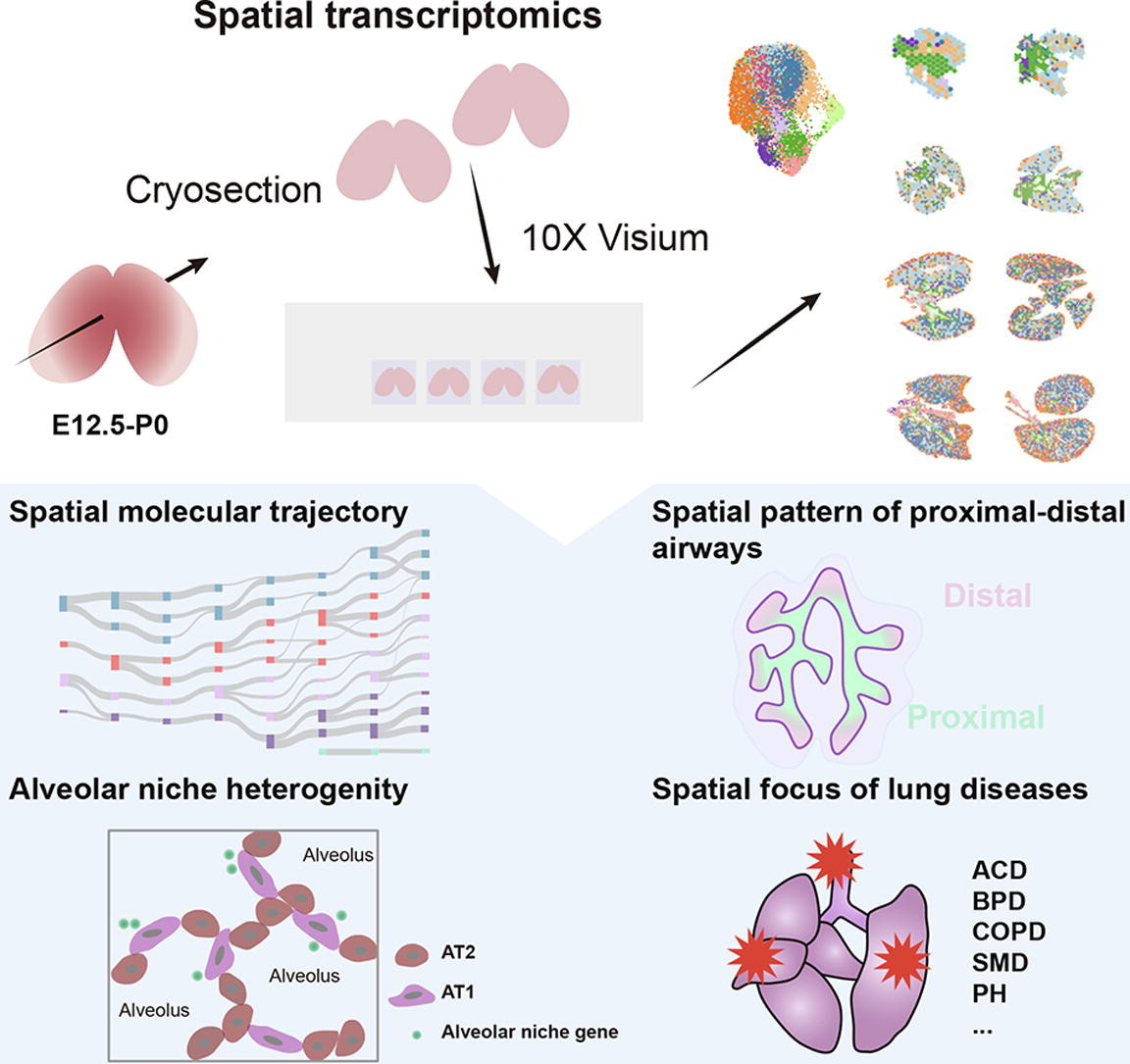
Whole-embryo spatial transcriptomics at subcellular resolution from gastrulation to organogenesis | Science science.org/doi/10.1126/sc…
English
0
7
54
6K
Weiwei Zhai retweetledi
Karsten Borgwardt
Karsten Borgwardt@kmborgwardt·
Jian Ma (@jmuiuc) and I sent out initial decisions for all #ISMB2026 Proceedings papers this week. Huge effort: ~1800 reviews + 400 meta-reviews by 400+ PC members and 24 area chairs in just 7 weeks. Thanks a lot to everyone involved! iscb.org/ismb2026/home
English
1
5
30
3.2K