Sabitlenmiş Tweet
Muneeb | Career Growth
6.1K posts

Muneeb | Career Growth
@wizzofbizz
I Teach Professionals How To Grow Their Careers Through Personal Branding. 8 Years consulting to Fortune 100 companies.
Practice real NSC past papers Katılım Temmuz 2014
357 Takip Edilen12.6K Takipçiler

Claude Cowork + Google Ads is f*cking cracked 🤯
Set up once → ask Claude questions like:
"What's driving my CPA spike this week?"
"Which search terms are wasting budget?"
"Run a full account audit and tell me the top 5 things to fix."
All inside Claude Cowork.
Perfect for DTC brands and agencies running Google Ads who are still pulling reports manually, digging through search term reports, and trying to figure out where budget is leaking.
Claude Cowork eliminates the entire loop:
→ Connects to your live Google Ads data via MCP
→ Runs a full account audit across campaigns, ad groups, and keywords
→ Finds wasted spend — search terms burning budget that aren't converting
→ Analyzes quality scores and flags what's dragging them down
→ Detects anomalies — CPA spikes, CTR drops, budget pacing issues
→ Generates a prioritized action list: what to pause, what to scale, what to test
→ Writes a weekly performance report in plain English, not spreadsheet noise
No logging into Google Ads and staring at columns.
No exporting CSVs and rebuilding pivot tables every Monday.
No guessing which search terms to negate.
What you get:
→ 21 specialized Google Ads skills that plug into Claude
→ Full account audits in minutes, not hours
→ Negative keyword discovery on autopilot
→ Search term mining that surfaces hidden winners and budget waste
→ Quality score analysis with specific fix recommendations
→ Weekly reports your clients or team can actually read
I put together the full skill pack:
All 21 Google Ads skills for Claude, plus the setup guide to get Cowork connected to your accounts.
Want it for free?
> Like this post
> Comment "ADS"
And I'll send it over (must be following so I can DM)
English

Removing assistants from @Replit is a deal breaker.
I've been struggling to move a section on my home page to a few sections higher and every time the fast agent does something funny and breaks my app. Nothing complicated - all the code is there already - just move it higher.
Assistant would have done this easily.
@ReplitSupport
@amasad
English

📍 everyone talks map rankings
💡 nobody talks data layering
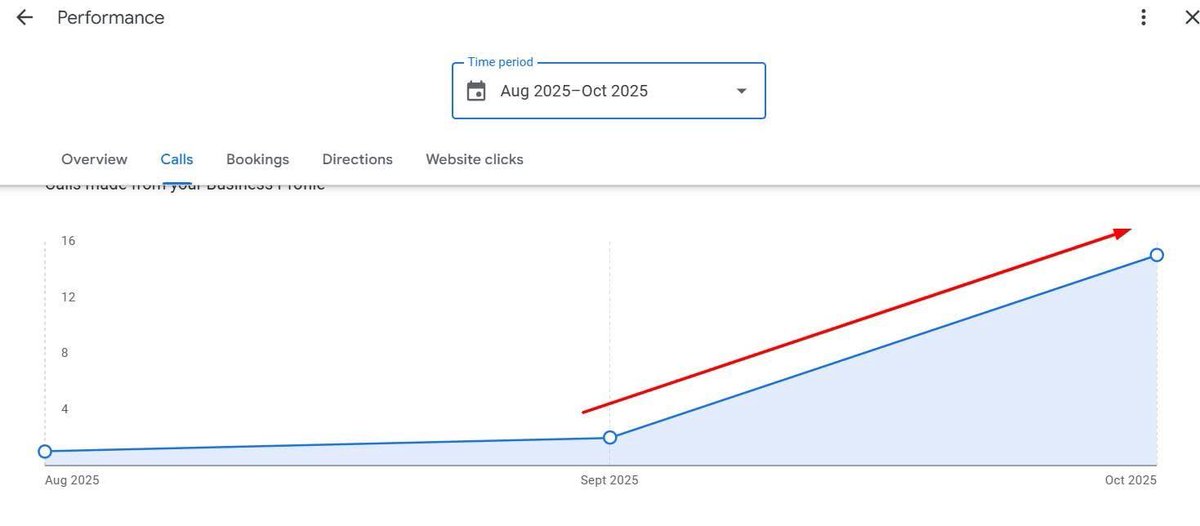
we took a 3 month old GBP and built a full structured data map around it.
citations were embedded inside schema, not dumped on random directories.
🔹 site intent tuned
🔹 internal link flow fixed
🔹 citation signals connected with schema
🔹 entity map completed
the result —> it’s now outranking a 9 year old business with 2k reviews.
I just finished a 30 page ebook showing the exact GBP signal setup, page layout, and data layers we used.
🎁 giving it free for now
comment hi and I’ll send the full pdf

English

I ranked #1 on Google in 10 hours using Perplexity AI 🚨
Here’s how 👇
1️⃣ Find easy-money keywords (KD under 10 in Semrush/Ahrefs).
2️⃣ Open Perplexity Pro → Pages.
3️⃣ Use your keyword as the title (but make it juicy).
4️⃣ Let AI draft, then edit + add YOUR expertise.
5️⃣ Hit publish + promote FAST in first 24h.
6️⃣ Submit to GSC (Google Search Console).
7️⃣ Watch traffic 🚀
This is Parasite SEO with Perplexity. It’s so easy your grandma could do it (and she still thinks WiFi is a Pokémon).
💡 Bonus hack: Match your YouTube video titles with trending Perplexity searches → double rankings.
P.S. Want a FREE lifetime of SEO coaching, my best SOPs, 200+ AI SEO prompts + secret case studies?
Comment AI and I’ll send it over 📩

English

The Real Opportunity Is Altcoins – Why The Best Is Yet To Come! [ownbrand] x.com/i/broadcasts/1…
English

@AdamMGrant And this skill is so more difficult to master with the biggest distraction in our hand. I try to be conscious of putting my phone down. That's already half the battle won.
English

I've always hesitated to use the word 'toxic,' but sometimes, you just have to call it what it is.
We know toxic bosses don't just hurt morale - they drive employees away.
One positive side of our “woke” era? Subtle bullying is finally being called out.
And the more we talk about it, the more people notice.
As a manager, being aware of subtle bullying isn’t just important- it’s essential.
Left unchecked, it can create a toxic environment, where people feel they’re always walking on eggshells.
Here are some forms of subtle bullying that I’ve come across over the years:
• Micromanaging everything - this erodes trust.
• Setting impossible deadlines - and then not helping to meet them.
• Expressing constant frustration - every issue is a personal criticism.
• Disregarding personal situations - life also happens outside of work.
• Ignoring calls for help: Not replying to requests when support is needed.
• Changing message based on the audience - Inconsistency leads to confusion.
• Using senior management as intimidation: CC’ing higher-ups to apply pressure.
When these behaviors show up, stress is the inevitable outcome for employees.
And it doesn’t stop there:
→ Confidence is eroded.
→ Mental health is impacted.
→ And slowly, the life drains out of the workplace.
If you’re in a position of power, you have a responsibility—to notice, call out, and eliminate these subtle forms of aggression.
Kindness and respect shouldn’t be the exception; they should be the norm.
♻️ Share this if it resonates with you, or pass it along to someone else on their leadership journey.

English

Great leaders aren’t born; they’re made
with the right mindset.
Over 25 years, McKinsey uncovered a simple truth from studying top leaders worldwide:
There are six mindsets that can transform your leadership journey.
❶ Be Bold in Your Vision
True leaders embrace uncertainty and know that fortune favors the bold. Start shaping the future by being bold in your:
→ Vision: Picture a future where your organization leads the industry.
→ Strategy: Develop plans that challenge the norm.
→ Resources: Invest in game-changing ideas.
Think of Elon Musk and SpaceX—he’s aiming for Mars. That’s bold leadership.
❷ Focus on People and Culture
The “soft stuff” can be the hardest to get right. Leading people means:
→ Well-being First: Create programs that support mental and physical health.
→ Inclusivity: Foster a space where every voice is valued.
Google’s success? It’s not just about innovation; it’s about employee happiness and creativity.
❸ Focus on How the Team Works Together
How your team works together can be more critical than individual roles. To build strong bonds:
→ Team Dynamics: Try regular team-building exercises.
→ Open Communication: Set up channels for honest conversation.
Pixar’s culture shows that collaboration is the real key to innovation.
❹ Surround Yourself with Experts
Building a strong team means bringing in the right skills to realize your bold vision:
→ Hire for Diversity: Different skills and perspectives are invaluable.
→ Invest in Learning: Support continuous development in your team.
Steve Jobs knew that top talent could turn Apple’s visions into reality.
❺ Start with ‘Why?’
Understand your customers’ hopes, motivations, and fears, and use that insight to inspire others:
→ Customer Insights: Actively listen to customer feedback.
→ Purpose-Driven: Align your mission with a larger purpose.
Simon Sinek’s "Start with Why" inspired leaders like Apple’s to focus on purpose, not just profit.
❻ Do What Only You Can
Focus on the essential, and delegate the rest:
→ Prioritize: Use tools like the Eisenhower Matrix to keep on track.
→ Delegate: Empower your team with responsibilities that help them grow.
Richard Branson is a master of this, delegating to focus on Virgin’s growth.
Leading a team isn’t easy—and leading an organization can be even harder.
But these mindsets can give you an edge.
♻️ Share this if it resonates with you, or pass it along to someone else on their leadership journey.

English

Have you lost interest in your work?
What once filled you with energy now feels like a drain. If so, you could be dealing with burnout. But losing interest isn’t the only sign. 🤔
Here are some other costs you might not realize burnout brings:
• Decline in mental and physical health
• Increased risk of leaving your job
• Damaged relationships
• Decreased productivity
• Career stagnation
Burnout is real, but it doesn’t have to be the end. You can turn things around by taking a few steps to regain control:
❶ Set Boundaries
→ Protect your time outside of work by learning to say no and truly disconnecting.
❷ Prioritize Self-Care
→ Make time for sleep, exercise, and activities that recharge you. Self-care isn’t optional.
❸ Break Tasks into Smaller Chunks
→ Dividing tasks into bite-sized steps can make them feel less overwhelming.
❹ Focus on Meaningful Work
→ Think about the parts of your job that you truly enjoy and reconnect with those.
❺ Seek Support
→ Don’t carry the burden alone; talking to someone can make all the difference.
Burnout is tough, but it’s also a signal that something needs to change. And if you’re leading a team, think about what this might mean for those you manage—burnout can take a heavy toll.
♻️ Share this if you know someone who could use this reminder.

English

Toxic bosses don’t just hurt morale - they drive employees away.
But what if leaving isn't an option?
Let’s face it: not everyone can just quit when they’re dealing with a toxic boss.
But staying in a tough work environment isn’t a sign of defeat—it’s an act of resilience. Sometimes, it’s about taking control where you can and improving things before you decide whether to leave.
The truth is, sometimes managers are just clueless. And while you can’t change them, you can take steps to improve your situation.
Here are 10 things you can do right now to make your workplace more bearable.
❶ Micromanagement: Being controlled down to the last detail can feel suffocating.
→ Try this: Clearly communicate your need for autonomy. Give examples of times when having more freedom led to great results.
❷ Lack of Recognition: Feeling like your work goes unnoticed? You’re not alone.
→ Share your achievements regularly with your manager and ask for specific feedback to ensure your efforts are recognized.
❸ Poor Communication: Constant miscommunication and unclear expectations are exhausting.
→ Initiate regular check-ins to clarify your tasks and make sure you’re both on the same page.
❹ Unfair Treatment: Bias and favoritism can make you feel undervalued.
→ Keep a record of unfair incidents, and when the time is right, present them to HR or a trusted leader with suggestions for fairer practices.
❺ Overwork: Drowning in tasks and unrealistic expectations? Burnout is real.
→ Tell your manager when your workload is overwhelming. Suggest prioritization techniques or ask for help to balance your tasks.
❻ Toxic Leadership: Abusive leaders aren’t just tough—they’re damaging.
→ Provide constructive feedback during performance reviews and seek support from other leaders or HR when needed.
❼ Negative Company Culture: Gossip and bullying create a toxic environment.
→ Organize team-building activities to shift the energy and address negative behavior head-on or through HR channels.
❽ Lack of Growth Opportunities: Stagnation happens when you don’t see a path forward.
→ Be proactive. Seek skill development opportunities, request training, and talk to your manager about your career goals.
❾ Unfair Compensation: Feeling underpaid? That can add to the stress.
→ Do your research on industry standards, build a case for a salary review, and have an open conversation with your manager.
❿ Poor Work-Life Balance: Constant work creep into your personal life? That’s unsustainable.
→ Set boundaries between work and personal time, and communicate these clearly to your manager and team.
Remember, even in a tough work environment, you have the power to take control of your experience. And if things don’t improve, at least you know you did everything you could.
P.S. Have you ever dealt with a toxic boss? How did you handle it?
♻️ Share this post with someone who needs these tips.

English

New managers often feel stuck in their new role.
You’ve probably been there—feeling like you’re just doing tasks instead of actually leading your team.
It’s a tough transition, especially when you're unsure how to shift from getting things done yourself to guiding others.
But remember that being a leader isn’t about doing everything on your own. It’s about focusing on the people around you.
Here’s how to tell if you're more of a doer than a leader right now.
Doers:
→ Love having all the answers.
→ Prefer working independently.
→ Focus on completing tasks alone.
→ Take pride in their personal achievements.
→ Solve immediate issues without thinking of the bigger picture.
Leaders:
→ Celebrate the team's successes, not just their own.
→ Inspire others to reach shared goals.
→ Encourage collaboration and teamwork.
→ Empower others to come up with solutions.
→ Ask the right questions to guide the team forward.
If you feel like you're stuck in "doing" mode, don’t beat yourself up. It’s normal. New managers often face so many challenges, and many do it without the support they need.
The good news is, you can make that shift from a doer to a leader.
Here’s how I’d approach it:
↳ Start mentoring your colleagues.
↳ Ask for feedback regularly, and really learn from it.
↳ Shift your focus to long-term goals, not just quick wins.
↳ Practice active listening—your team will thank you for it.
↳ Start delegating more—it helps you build trust and develop your team’s skills.
So, let me ask you—what’s the biggest character trait you think most new managers struggle with?
♻️ Repost this if you know someone who could use this advice.
English

After sitting in hundreds of interviews, it’s become easy to spot who’s prepared - and who hasn’t.
And let me tell you, if you haven’t prepped, I’m already questioning your commitment.
I get it. Interview prep can feel overwhelming - writing the perfect resume, crafting your cover letter, practising answers. It can be stressful and time-consuming.
But guess what? With tools like ChatGPT, it doesn’t have to be.
Here’s what I would do to prepare for my next interview (and it’s easier than you think):
Upload your resume and the job description into ChatGPT and use these 9 prompts to help you get started:
❶ Understand the Job Fit
→ Ask: "Based on the job description, what are the top three responsibilities for this [Job Title]?"
This will help you focus on what matters.
❷ Tailor Your Resume
→ Ask: "Can you adjust my resume to match the [Job Title] role at [Company]?"
Make sure your resume speaks directly to the job you want.
❸ Craft a Professional Summary
→ Ask: "Can you write a professional summary that aligns with this role?"
A tailored summary can set the tone for your entire application.
❹ Enhance Your Resume
→ Ask: "Can you improve this bullet point from my resume to highlight my accomplishments?"
Make your wins shine.
❺ Write Your Cover Letter
→ Ask: "Can you create a personalized cover letter for the [Job Title] at [Company]?"
You’ll have a cover letter that speaks directly to the hiring manager.
❻ Prepare for the Interview
→ Ask: "What key skills should I highlight in an interview for this role?"
This will give you confidence going into the room.
❼ Common Interview Questions
→ Ask: "What are the top 10 questions for this job, and how should I answer them?"
Practice makes perfect.
❽ Craft Responses
→ Ask: "Can you help me answer this interview question [Insert Question] with measurable results?"
Make sure you’re showcasing your value.
❾ Mock Interview
→ Ask: "Can we do a mock interview for this role?"
Practice answering questions and get feedback—without the pressure.
Bonus Interview Tips: → Start strong: Introduce yourself confidently and stay positive.
→ Map out your career journey and tie it back to the role.
→ Share results: Highlight your biggest achievements with numbers.
→ Be forward-thinking: Talk about your goals and how this role fits into them.
Walking into your next interview prepared means walking in with confidence. And the more you prepare, the better your chances.
P.S. What’s your top tip for interview prep?
♻️ Share this post with someone who’s looking to land their next job.

English

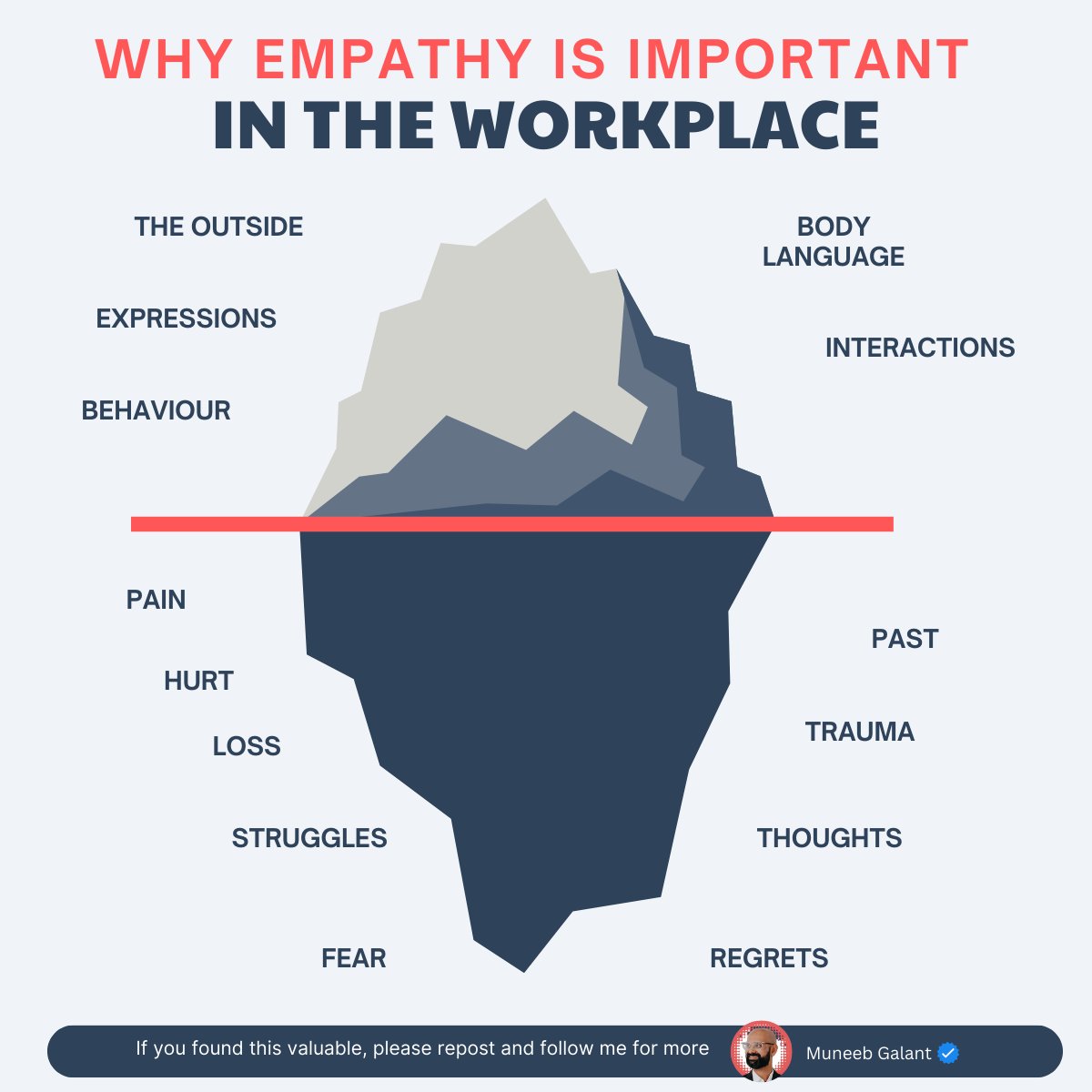
Ever wonder what’s really going on in the minds of your colleagues?
We see their smiles, their interactions -
but do you ever stop to think about what’s happening beneath the surface?
Here’s the thing:
We often know the people we work with on a surface level. But we don’t always see their inner lives -
→ their past experiences,
→ struggles,
→ feelings,
→ fears.
And that’s where empathy comes in.
Empathy isn’t just a “soft skill.” It’s the heart of emotional intelligence.
It’s what helps us connect on a deeper level, recognize the humanity in each person, and build relationships that can transform a team.
So why does empathy matter so much?
It’s simple. Empathy:
❶ Builds Stronger Teams:
When you understand someone’s struggles, it strengthens your connection and teamwork.
❷ Enhances Communication:
Empathy creates space for open and honest conversations.
❸ Boosts Morale: When people feel understood, they feel more valued and satisfied at work.
❹ Drives Innovation: When you understand diverse perspectives, you can spark creative solutions.
But here’s the real question: Do you practice empathy at work?
If not, what steps can you take to start?
Even small moments of empathy can make a huge difference.
P.S. Want to help others grow, too?
♻️ Share this post with your network.

English

Feeling like your workplace is spiraling out of control?
You’re not alone.
But here’s the thing - you can take control of your experience, even when everything around you feels chaotic.
With all the new tech, constant role changes, and endless restructuring, it’s easy to feel overwhelmed.
But what makes it even worse?
When you don’t understand why these changes are happening in the first place.
Here’s the harsh reality:
Leaders are pushing rapid transformations to stay competitive.
But poor communication is creating confusion, anxiety, and resistance.
I’ve seen it firsthand, and it’s exhausting.
The worst part?
Many employees feel blindsided, unsure about what’s coming next.
If you’ve been feeling like this, I get it it can spark stress, lower morale, and make you wonder if your job is even safe.
What might this mean for you?
The fear of the unknown is real. But you don’t have to see change as a threat—you can flip the script and turn it into an opportunity. Here’s how:
❶ Embrace Lifelong Learning
→ Stay ahead by building new skills. Upskill wherever you can, and take advantage of training opportunities to keep your adaptability sharp.
❷ Seek Clarity
→ Don’t wait for answers to come to you. Take charge by asking the “why” behind changes. Understanding the reason can give you a clearer sense of direction.
❸ Prioritize Your Well-being
→ Protect your mental health by setting boundaries. As expectations shift, it’s key to avoid burnout and maintain your balance.
❹ Leverage New Opportunities
→ Grow with change. Use evolving roles and technologies as a chance to explore new career paths and expand your skillset.
❺ Foster Resilience
→ Build your resilience muscles. Change is inevitable, but adaptability will help you thrive in uncertainty and keep moving forward.
By shifting to a proactive mindset, you can turn workplace chaos into a chance to grow and excel.
Don’t let fear be the driver—embrace the change and make it work for you.
P.S. Is you company going through rapid changes and you feeling left behind? 😊
♻️ If so, share it with others who need to hear this today.

English

Want to become a more effective leader?
Here’s something that changed everything for me: it’s not just about technical skills.
It’s about soft skills. These are the real game-changers that help you lead with confidence and connect with your team on a deeper level.
Let me break down 8 soft skills that are most in demand—and show you exactly how to showcase them.
1️⃣ Positive Attitude
How often do you stay positive, even when things aren’t going your way?
It’s not easy, but keeping a constructive outlook is one of the fastest ways to build trust with your team.
Example:
Encouraged team members during a tough project, boosting morale and getting the job done ahead of schedule.
2️⃣ Communication
How well are you getting your ideas across?
Effective communication is more than talking—it’s about making sure your message hits the mark.
Example:
Presented monthly training to new hires, making sure they felt confident and supported from day one.
3️⃣ Adaptability
Can you roll with the punches when things change unexpectedly?
Being flexible is what keeps teams agile and productive in today’s fast-paced environment.
Example:
Transitioned to a new project management system, improving efficiency by 20%.
4️⃣ Time Management
Do you feel like you’ve got your time under control?
Mastering this soft skill is how you juggle priorities and keep things moving smoothly.
Example:
Prioritized tasks in a high-pressure environment, meeting every deadline without fail.
5️⃣ Work Ethic
How consistent are you in delivering high-quality work?
Having a strong work ethic sets you apart from the rest—it shows you're committed, not just compliant.
Example:
Delivered projects with precision, consistently finishing ahead of deadlines.
6️⃣ Problem Solving
When challenges come up, are you the one finding solutions?
The ability to think critically is what keeps operations smooth and people confident in your leadership.
Example:
Resolved complex operational problems, cutting downtime by 30%.
7️⃣ Teamwork
Are you truly collaborating with others or just working alongside them?
Great leaders know how to bring people together and make every voice count.
Example:
Coordinated with cross-functional teams to launch a product successfully.
8️⃣ Emotional Intelligence
How well do you understand your team’s emotions—and your own?
Empathy is the key to resolving conflicts and building a supportive environment where people can thrive.
Example:
Mediated team conflicts during organizational changes, fostering a more positive and cohesive team.
You don’t need to master all these skills overnight. Start with just one—maybe the one you feel you need the most right now.
P.S. Which one are you focusing on today? 😊
♻️ Share this post with your network to help them build their leadership toolkit, too!

English

I used to think that my hard work would speak for itself.
But I never got a good performance review when I worked at Accenture.
As an introvert, I realized too late that outperforming others wasn't enough—it was about how my manager perceived my performance.
Here’s the truth: performance reviews don’t start when you sit down with your manager. They start long before that.
Your manager—and everyone else in that room—needs to know about your wins throughout the year. That’s how you influence their perception.
So, how do you make sure you’re getting the recognition you deserve?
Here are 7 tips to crush your next performance review (especially if you think your work will do the talking for you):
Beginning of the Cycle:
1️⃣ Set SMART goals.
2️⃣ Seek input from your manager.
3️⃣ Document those goals clearly.
4️⃣ Get regular feedback throughout the year.
5️⃣ Share your wins consistently—not just at the end.
During the Review:
6️⃣ Do a self-assessment—own your impact.
7️⃣ Understand how your manager will score you and align your messaging.
After the Review:
8️⃣ Start the cycle again and focus on continuous improvement.
Your goal is to have more control over your performance review so that you set yourself up for the rating you deserve.
P.S. Which tip do you need to work on the most? 😊
♻️ Share this post so others can take control of their reviews, too!

English