
Sabitlenmiş Tweet
一个人在梦中
16.4K posts


一个人在梦中 retweetledi


一个人在梦中 retweetledi





一个人在梦中 retweetledi
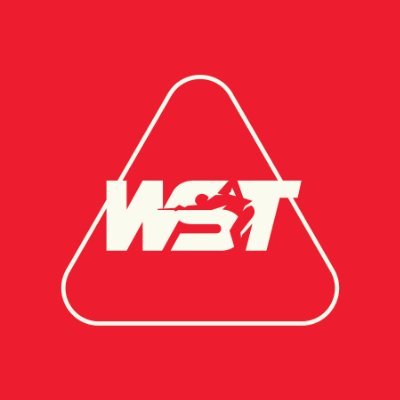
One hundred minutes...
The frame between Mark Allen and Wu Yize is the longest EVER at the Crucible.
#WorldChampionship
English
一个人在梦中 retweetledi

一个人在梦中 retweetledi
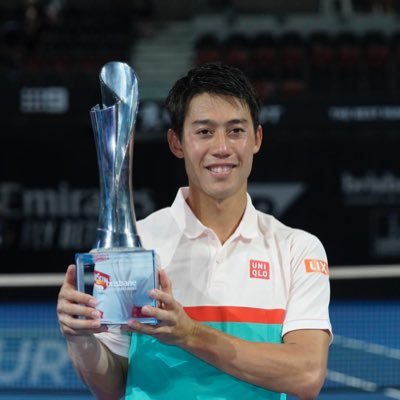
Hi everyone. Lots of false info out there. YES, I am playing the Sarasota Challenger at the @IMGAcademy, and NO I am not retiring this week. I will make an update myself on this topic in the near future. Thank you. 🙏
English
一个人在梦中 retweetledi

A wedding gift from Prince Albert of Monaco that only the Leclerc's could receive. 🎁

English
一个人在梦中 retweetledi

MIAMI SUPREME 🧡 🏓
Presenting a unique challenge that's both satisfying and frustrating at the same time!
#MiamiOpen | @TennisTV | @WTA | @atptour | @TennisChannel
English


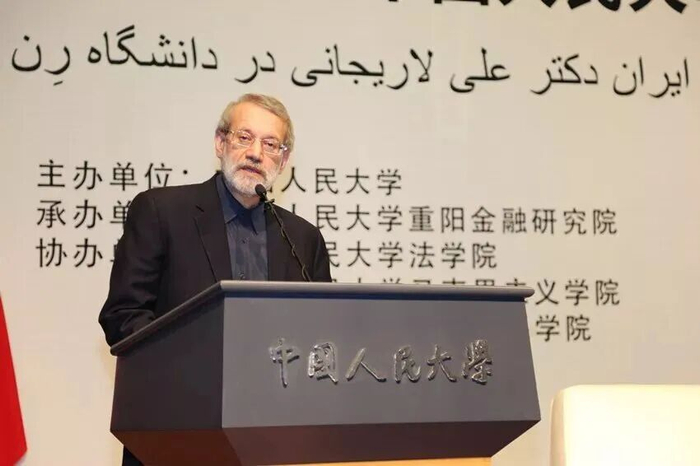
阿里·拉里贾尼7年前在中国人民大学演讲全文
Full Text of Ali Larijani's Speech at Renmin University of China Seven Years Ago
转自:人大重阳。
编者按:3月18日,伊朗总统证实伊朗最高国家安全委员会秘书阿里·拉里贾尼已遇难并发表悼词。作为伊朗的最高级领导人之一,拉里贾尼曾于2019年以伊朗议会议长的身份访问中国人民大学,并在“重阳论坛”作题为“伊朗与中国:走向共享未来之路”的演讲。透过这篇演讲,我们得以窥见这位伊朗政治人物的思想深度与国际视野。现将其演讲全文再次发布如下:
阿里·拉里贾尼:尊敬的先生们、女士们,首先,我想表达内心的喜悦,今天有幸能在中国人民大学与各位尊敬的学者和思想家们见面,同时,我谨代表我敬爱的伊朗同胞们向中国人民致以新春问候,并对中国改革开放40周年表示祝贺,我希望能与在座各位一同见证在全面改革开放新的十年里,与中国人民、全世界人民日益成功和幸福的未来。
尊敬的朋友们,世界局势正在朝着更加复杂和危险的方向发展。我们注意到,世界和平与稳定的基石正在被一些霸权势力所动摇,他们一方面寻求成为21世纪的历史缔造者,并给那些“文明”的国家强加以被历史抛弃的发展模式;另一方面寻求给其他国家施以任意价码来实现自己国家的一己私欲,随意践踏国际秩序与合法政权,并破坏几世纪以来逐渐形成且来之不易的多边主义。
那些霸权势力否认别国民众选择自身命运的权利,干涉别国内政,使世界许多国家的政权受到威胁与挑战,他们利用邪恶势力,如恐怖主义、支持极端主义、政变等方式,通过诉诸他们的双重标准来给地区带来不稳定与骚乱,却拒绝为其行动对那些国家带来的灾难负责。在与他国的经济交往中,强行输入零和思维,非赢即输,并从不认可互利共赢思维及其他共建经济体。
但是与那些古老而文明的国家寻求相应的解决之道,从这些霸权势力造成的错综复杂的情况中脱身而出是可能的,因为他们依靠自身丰厚的历史文化底蕴和智慧,会向全人类展示正确的道路,这一观点有着丰富的历史实例来佐证,那些霸权势力应仔细研究学习,才能追赶上中国、伊朗这样的大国在世界的历史地位和分量。有中国这样的文明古国在“一带一路”倡议框架下,复兴古丝绸之路精神,对于21世纪的各个国家都是非常有价值的历史性事件。
尊敬的女士们、先生们,我们总体追溯一下过去的政治哲学。
在自由主义思想体系中,虽然关注到了竞争,但这类思想往往打着自由主义的幌子,谋求强权统治、主张弱化中央集权,没有解决实现经济平等时所面临的重大挑战。这一点,在作为自由主义发源地的那些国家中,就能找到诸多现实例证。
“一带一路”倡议,正如我在习近平主席阁下的书当中看到的,所有国家都应在包容和竞争的基础上追求世界和平,因为中国的发展和其他国家的发展是联系起来的,因此,这一倡议在实现和平方面具有非常高的潜力。
虽然美国正在努力破坏这一倡议,但我认为,因为“一带一路”倡议让其他国家参与其中,所以这个理论将不会被美国的冒险行为所打败。“一带一路”倡议让我们想起了和平合作、开放包容、互学互鉴、互利共赢的丝绸之路精神以及“一带一路”沿线国家在丝绸之路上创造的辉煌历史,古丝绸之路通过解决人类社会需求,推动各民族之间的对话交流和通商往来,促进了商贸发展,世界和平,加强了人际纽带,有助于人类和平共生,可以说人类在丝绸之路时代共同创造的文明已成为人类共同遗产,并成为当前人类共同的骄傲。
今天,“一带一路”倡议秉持了三大重要原则,指的是共商、共建、共享,并注重建立各国之间的沟通与合作,强调法治,支持多边主义,提供互利共赢的合作平台,并很好响应了当今时代的发展需求。现在有一些霸权势力对发展中国家和欠发达国家的发展和稳定并没有做出实质性的努力,只是空喊政治口号。然而“一带一路”倡议真正专注于这些国家的需求,并指出发展是当今人类最主要的需求。世界人民也很好地从这一倡议中获益,并且有越来越多的国家加入到这一倡议中来。
当今世界,一些大国拒绝认同理解其他国家,并输出自己的思想和价值观,并承诺把自己的价值观作为发达模式,强加给其他各国,然而“一带一路”倡议正在努力,建立各国之间的精神纽带,为人类之间相互理解创造基础,并有助于这些国家形成自己的本土发展模式,“一带一路”倡议与那些没有责任感的大国截然不同,它号召人类共同承担责任,在一条形成人类命运共同体的理念道路上前行。
“一带一路”倡议在一定程度上已得到历史悠久的文明古国伊朗的支持,伊朗著名诗人萨迪在公元7世纪就创造出了著名的诗句“亚当子孙皆兄弟,造物之初本一体”的诗句,正式强调了人类相互之间应对人类共同命运负有的责任感。
尊敬的朋友们,下面我想谈谈丝路精神对伊朗伊斯兰共和国的重要性。
第一,关于伊朗核问题签署的联合全面行动计划得到了联合国安理会的认可,已是伊朗与其中包括中国在内的各国进行漫长会谈的结果,同时表明了伊朗恪守丝路精神,尊重多边主义。至今为止,伊朗全面履行协议中承诺的,已经得到国际原子能机构13次确认,但令人遗憾的是,美国以子虚乌有的借口逃避自己在协议中的承诺,并全面退出了伊朗行动计划即伊朗核计划,而且肆无忌惮煽动其他各方退出该协议。虽然各方拒绝了美国提出的非法要求,并强调继续维护全面联合行动计划,但伊朗伊斯兰共和国仍希望各方采取务实行动,全面履行自己的承诺,不要屈服于强权势力施加的任何压力,以充分保护该协议,共同维护多边主义。
第二,伊朗伊斯兰共和国认真遵循互不干涉内政,尊重国家主权原则,一贯主张各民族有决定自己命运的权利。但令人遗憾的是,美国以各种形式,比如支持世界各地的国际恐怖主义和极端组织,在世界各地推翻独立国家,扶植一些非法傀儡政权。美国干涉他国内政的行径的确对世界来说是非常危险的。
第三,在40年前,伊斯兰革命在霍梅尼的领导下彻底根除了依附于美国的傀儡政权,把美国从伊朗赶出去了,霍梅尼的思想是维护和平,保护受压迫人民的权利。伊朗的反恐是应伊拉克和叙利亚的要求而进行的,其宗旨是在伊斯兰革命领袖阿亚图拉·哈梅内伊的领导下实现地区和平,维护受压迫人民的权利。令人欣慰的是,今天我们看到了恐怖主义和极端主义遭到了重创,美国是恐怖主义的主要支持者,这是有目共睹的事实,多年来,美国一直在破坏阿富汗、伊拉克、叙利亚和其他国家的安全,还有一些本地区的国家受到美国的教唆,自中东地区危机一开始,伊朗就以一个负责任的国家倡导通过政治协商解决问题。今天,以色列政权,我们不能把它称为一个国家,而是作为一个政权,该政权正在破坏中东地区的和平与稳定,并借助美国的谎言破坏本地区人民的权利。所以,面对美国和以色列政权破坏地区安全的行为,需要世界各国联合起来,共同抵抗,否则世界的和平将会遭到威胁。
但遗憾的是,美国总是对其他国家采取敌视政策,并以各种方法诸如单方面对他国进行非法制裁,对他国进入美国的商品征收高额关税,企图通过这些方法来打击其他国家。但美国的这些行径是不会取得成功的,因为大家都知道,在21世纪,单边主义已经行不通了,各国不会屈服于美国的淫威。
女士们、先生们,今天世界比以往任何时候更需要“一带一路”倡议中的丝路精神,以及多边主义等具有建设意义的理念,因为只有这些思想和理念,才能更好地提升国际和地区的和平与稳定,才能有效促进各国的经济发展,增进人类的互相交流、理解和认识。我们认为,带着政治有色眼镜或以狭隘的思想看待“一带一路”倡议是在理解这一创举的内涵方面出现的战略错误,我们必须从不同角度解读“一带一路”倡议所包含的丰富内涵。那些所谓的列强大肆利用政治宣传攻击“一带一路”倡议,这是他们“故意”犯的错误,同时暴露了他们对“一带一路”沿线国家创造新文明的仇恨。
伊朗伊斯兰共和国的区域政策一直强调促进和平,持续发展,实现各国幸福,通过对话和协商,和平解决分歧的理念。在过去的40年里,伊朗在地区和国际领域提供了许多帮助,并发挥了积极有效的作用,中国是我们的朋友和兄弟,我们愿意与中国携手,在“一带一路”倡议框架内加强交通、基础建设和能源等领域的合作,共同推进“一带一路”建设,共同营造一个由人类共同决定命运的国际社会。此外,我代表伊朗人民以及伊朗伊斯兰议会,伊朗伊斯兰议会将与中国人民代表大会携手合作,共同利用双边优势,为实现“一带一路”建设发挥应有的积极作用。
谢谢大家!
中文
一个人在梦中 retweetledi

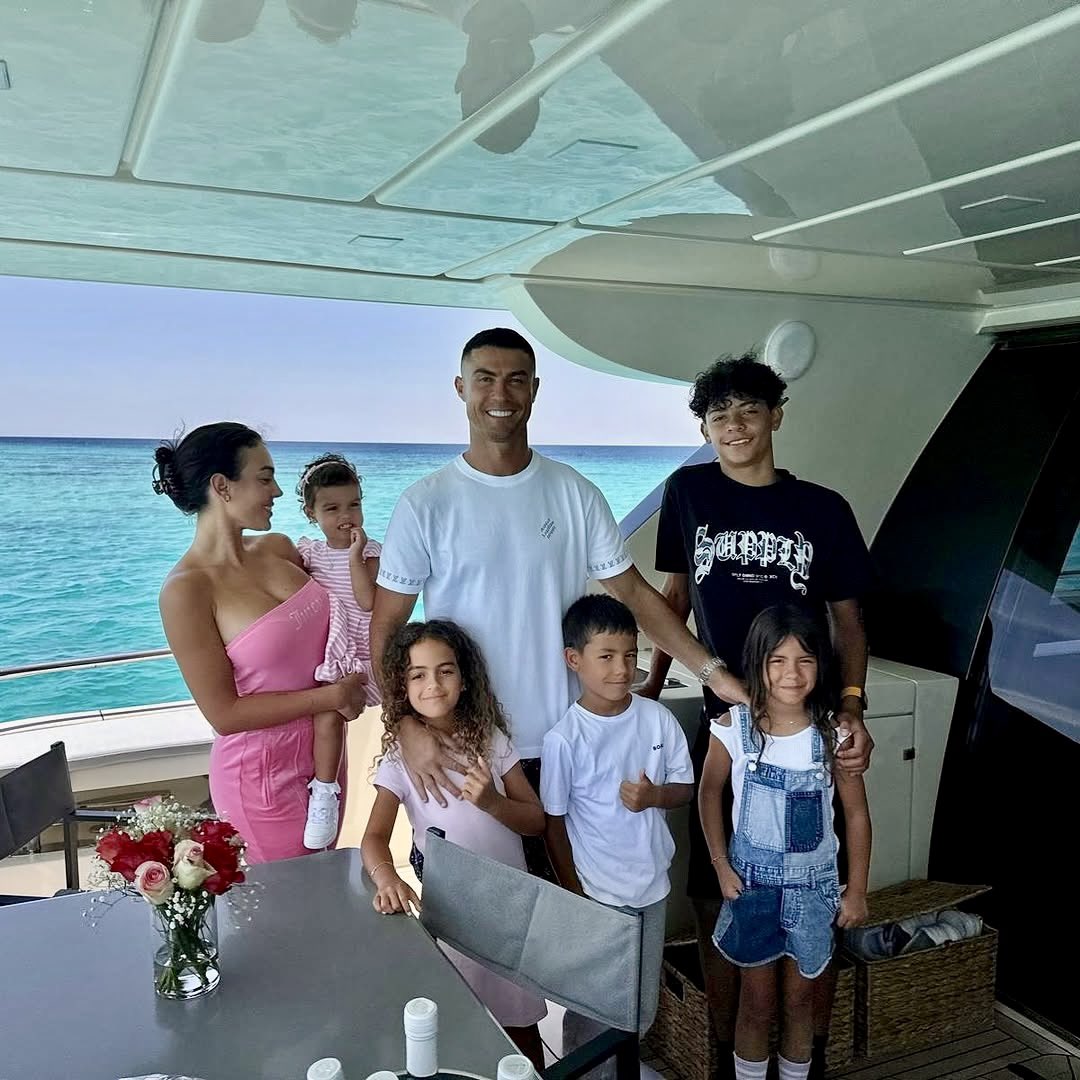
De onde venho e para quem vivo. Feliz Dia do Pai ❤️

Português
一个人在梦中 retweetledi

Hi @united…need a little help. Flew from PSP to Florida yesterday and none of my bags arrived. Kind of need them to play in the @MiamiOpen 😉….can you help?
English
一个人在梦中 retweetledi

Referee Paul Tierney ended up trapped in the middle of Chelsea’s pre-match huddle on the kick-off spot 😅

English
一个人在梦中 retweetledi

一个人在梦中 retweetledi

NEW: American Nathan Martin wins the closest Los Angeles Marathon in race history, beating Kenya’s Michael Kimani Kamau by just 00.01 seconds.
Martin was seen chasing down Kamau at the end of the race.
“I made an actual move five miles out… when I saw no one else was picking up the pace. I decided I needed to push,” the 36-year-old said.
“At a mile and a half to go, I could see the leader and with 800 meters to go, I was thinking, ‘I’m catching him.’”
Martin finished the race with a time of 2 hours, 11 minutes, 16.50 seconds.
English
一个人在梦中 retweetledi

一个人在梦中 retweetledi


一个人在梦中 retweetledi


Happy birthday, sis.
You deserve a life filled with the kind of love you give so easily to others. Keep glowing from the inside out. The world’s better with you in it. ❤️

English
一个人在梦中 retweetledi

Is China rethinking its defence and national security posture in light of the US-Israeli attack on Iran?
An official account of China’s armed forces, @ChinaMilBugle, recently published this image listing five lessons drawn from the ongoing US-Israeli attack on Iran. Though no additional comment is offered, these seem to suggest that the war is actively reshaping how the PLA thinks about China’s defence and national security posture.
This matters because it sits in tension with a long-standing principle. For decades, China’s approach to national security has been organised around the following logic: economic development requires stability, and stability requires avoiding military confrontation. The PLA was modernised not to fight wars but to make them unnecessary — a deterrent posture designed to raise the cost of aggression without triggering it. Diplomatic engagement, multilateral institutions and strategic patience were the preferred instruments.
That posture now appears to be under significant internal pressure. The US-Israeli strikes on Iran — a country with which China maintains substantial economic ties (Iran supplies around 12% of China’s oil imports), which sits within the broader BRICS constellation of states that Beijing considers strategic partners, and with which China has been working for years towards a global alternative to the dollar-centric system — seem to have sharpened a question that Chinese strategists have been circling for some time: what does it mean to watch an adversary systematically dismantle your partners, and what does restraint actually buy you?
Lesson One: The Deadliest Threat — The Enemy Within
The Iran case appears to have reinforced an old anxiety in Chinese strategic thinking: that sophisticated adversaries don’t just attack from outside, they exploit vulnerabilities that have already been cultivated within. Whether through intelligence penetration, compromised officials or ideological subversion, the argument seems to be that Iran’s defences were softened before the first missile was fired. The lesson Chinese planners seem to draw is less about foreign espionage in the abstract and more about the reliability of the system itself — its personnel, its loyalties, its resistance to outside influence.
From Beijing’s perspective, this likely validates ongoing efforts to tighten internal security screening, expand counterintelligence functions and frame national security as a collective civic responsibility rather than a purely institutional one. The political implication is significant: it provides justification for continued purges and loyalty campaigns within the military and party apparatus under the banner of readiness.
Lesson Two: The Costliest Miscalculation — Blind Faith in Peace
Iran’s apparent belief that ongoing negotiations might forestall military action is read here as a strategic failure of the first order. The fact that diplomatic talks were still underway when strikes began is presented not as a tragedy of miscommunication but as a deliberate exploitation of Iran’s preference for a negotiated outcome. Blind faith in peace and diplomacy, in this reading, became a liability — a disposition that the adversary weaponised. In other words, Iran was attacked not because it was considered an imminent threat but precisely because it was not.
For China, this carries pointed relevance to Taiwan and the broader Pacific region. The implicit argument is that deterrence cannot be outsourced just to diplomacy, and that any willingness to pursue talks must be backed by a credible military posture, otherwise negotiation signals weakness rather than goodwill. In short, complacency dressed up as pragmatism may be just as dangerous as war-mongering, if its signals to the enemy that it can escalate with impunity.
Lesson Three: The Coldest Reality — The Logic of Superior Firepower
This lesson is the most straightforwardly. The US-Israeli operation demonstrated what integrated, AI-assisted, precision-strike capabilities look like at scale: air superiority was established rapidly and key defences were either lacking in the first place or systematically degraded. The technological gap, in this reading, was not just a matter of hardware but of integration — the ability to synthesise intelligence, command systems and kinetic assets into a coherent operational whole.
China’s takeaway appears to be about closing that gap, or at minimum denying it. Investment in hypersonic systems, AI-enabled command and control, electronic warfare and anti-access capabilities all fit within a doctrine designed to ensure that any adversary contemplating a similar operation against Chinese territory or interests would face unacceptable costs. The lesson is not that China needs to match US power projection globally, but that it needs sufficient asymmetric capability to make the calculation prohibitive in its own theatre.
Lesson Four: The Cruellest Paradox — The Illusion of Victory
Even granting military success, the post-strike environment raises a harder question: what has actually been achieved? The Chinese framing here gestures at a deeper strategic argument — that decisive conventional victory against a motivated adversary rarely produces durable outcomes, and that the destruction of a state’s military capacity tends to generate new forms of resistance rather than submission.
For China, this lesson likely cuts in two directions. Externally, it may reinforce skepticism about the US preference for coercive solutions and lend weight to China’s positioning as a power that favours “political resolution” of conflicts — a framing useful in the Global South. Internally, it suggests that any conflict scenario China might face, particularly over Taiwan, would need to account for the long tail of resistance and international delegitimisation that follows even a “successful” use of force. Victory on the battlefield and victory in the strategic sense are treated here as quite different things.
Lesson Five: Ultimate Reliance — Self-Reliance
The fact that Iran — despite receiving from Russia and China technical-material support to its military production as well as intelligence-satellite support (key in this case was Tehran’s shift from US-controlled GPS to China’s BeiDou navigation system) — was ultimately left to rely on its own military means in its response to the US-Israeli attack is read as a structural condition of the current international order, not an anomaly. Ultimately, no country can count on the automatic support of its “allies” in a conflict.
China’s response to this lesson is visible in policy rather than rhetoric: the push for food security, energy independence, domestic semiconductor production and resilience in critical supply chains all reflect a strategic posture premised on the assumption that external support cannot be counted on under pressure. This is not isolationism — China remains deeply integrated into global trade — but rather a deliberate effort to ensure that key dependencies cannot be weaponised against it, as they were against Russia after 2022 and, in this reading, against Iran. Self-reliance is framed not as autarky but as strategic insurance.
Conclusion
The publication of this list of “lessons” by an official PLA-affiliated account is telling less for what it says than for what its tone implies. The through-line across all five lessons is a single uncomfortable conclusion: that the doctrine China has traditionally followed — challenging empire through self-sufficiency and the development of an alternative international economic order without directly challenging the West’s increasingly unrestrained use of violence — may not be sufficient when your adversary has decided that it’s no longer bound by even the most basic norms of international relations, as testified by the assassination of Iran’s supreme leader Khamenei.
Whether this represents a genuine doctrinal shift or an exercise in institutional signalling remains to be seen. But the fact that it is being said, officially and publicly, suggests that within Chinese defence circles, the old consensus is being revisited.

English