Sabitlenmiş Tweet

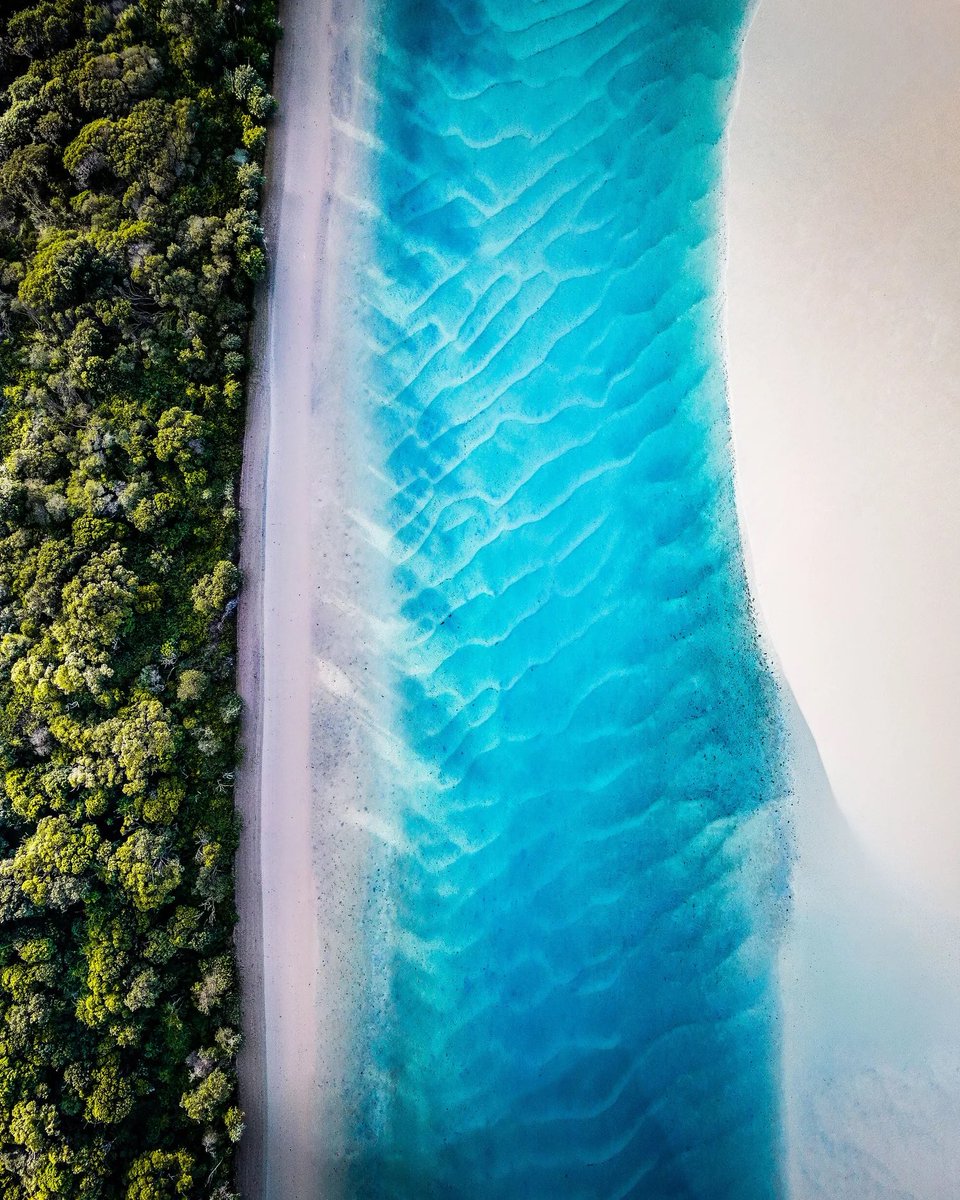
Im happy to reveal "Carte Blanche"!
My new phase of art!
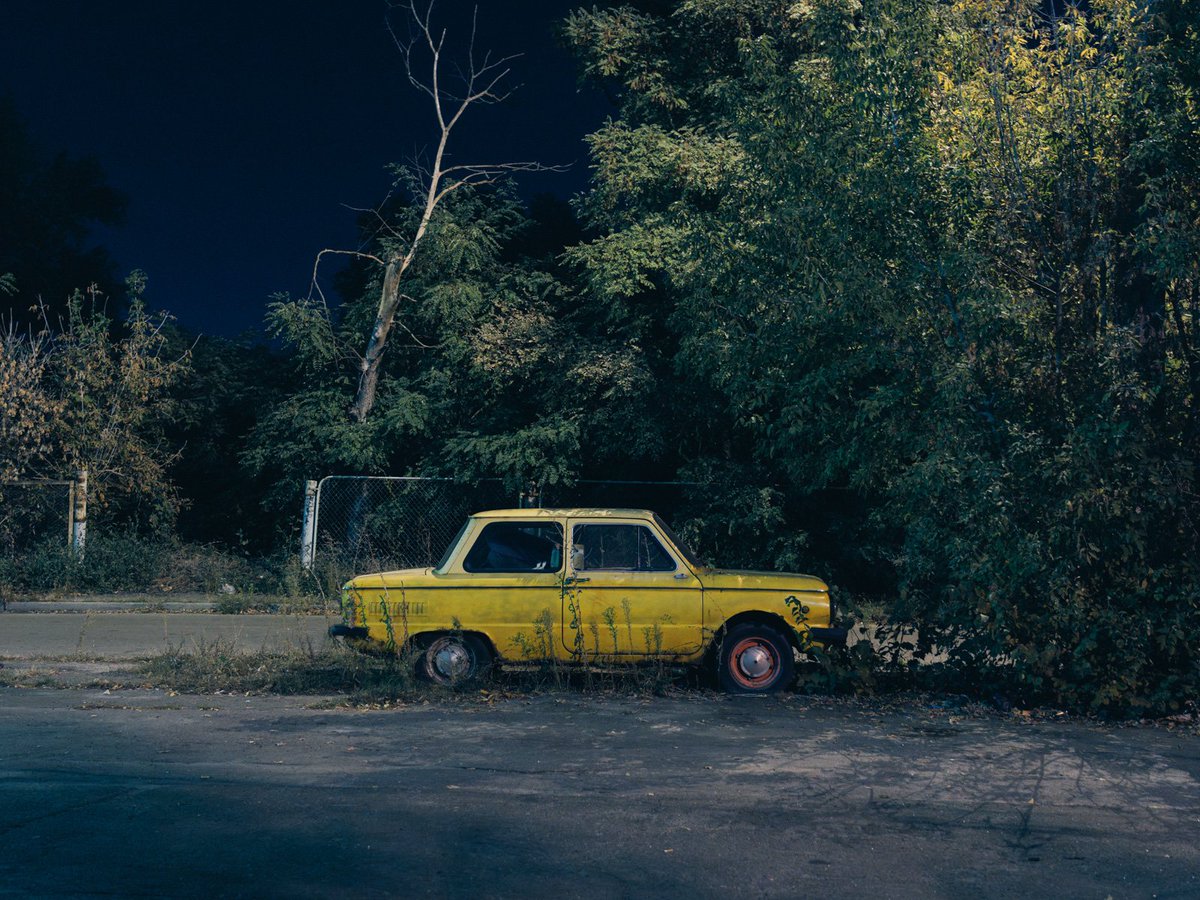
My origin is photography and where I always will be, it's the place I feel most comfortable and at ease
But I always looked to push myself into "discomfort" because there lies progress and also new fun and rewarding experiences
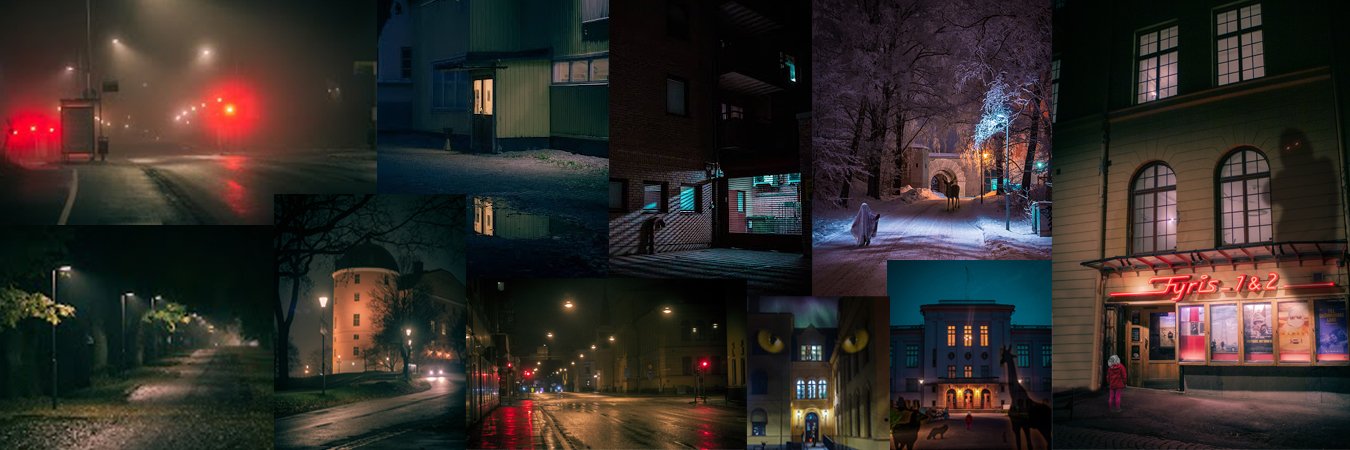
Carte Blanche is built on my night photography as a base. But have for a long while played with forms of expanding my ability to express things through my art in new ways that gives more creative freedom
It is my night photography inverted.
Turning dark into light , on top of that double exposure that brings shape in the lightness. Where you can tell a story through the subject of the piece and how it reveals what's beneath.
To add even more ability to say something through my art, animation comes in to make the piece come to life, to tell a story, to address a topic or just bring energy into it. Lastly there are elements of illustrations.
Might be the whole piece that's contouring the photography, also lines that add a rawness and also make it more dynamic even when the piece is less animated
Carte Blanche stand for to be able to do what you want, and that is what my exploration into this from came form. An increased freedom of expression with less limits and using more of my artistic skills. But shortened Blanche becomes Blanc which stands for white.
A blank slate to start from , and also the white bright visuals that for me is a path to also express "darker" emotions and topics and have it be delivered in a form that might hit people differently and more off guard. Just as animation often can address topics that normal video cant
This drop is the first step but it will be part of more things as it rolls out. My piece for Formosa is part of Carte Blanche, as well as something that's revealed tomorrow
I'm hoping you want to come on this journey with me!
This is just the start. More works will come and it will grow in other ways as well

English