Dan Nunn
38.4K posts

Dan Nunn
@danyay
occasionally tweet about dtc ecom and travel, but don’t get your hopes up


@neilcybart Mark at Bloomberg has been all over it and way before this year.


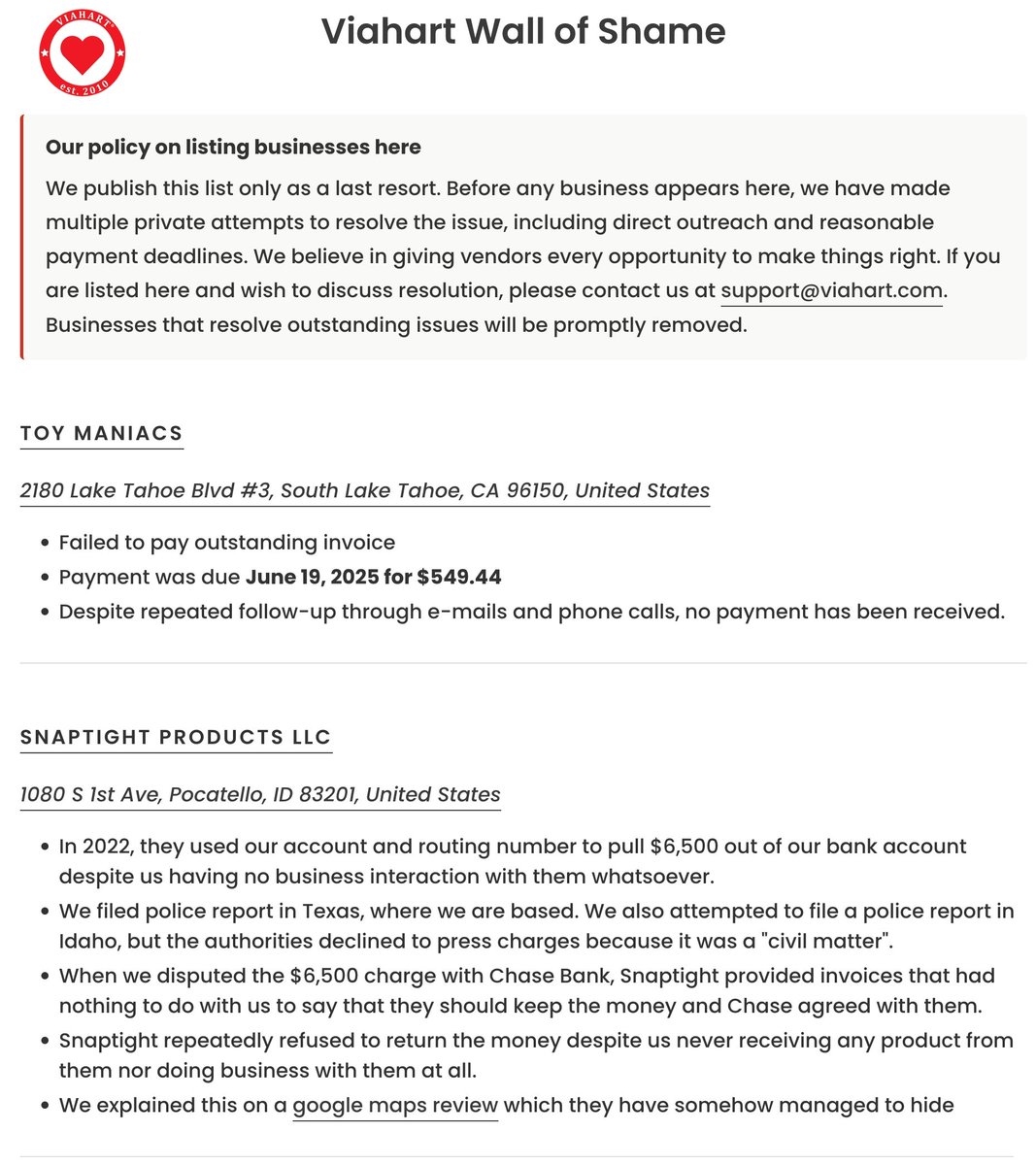
This is not fair @ajassy cc @JeffBezos Amazon is charging my company money to answer customer questions and then directing our customers to inferior competitor products who have paid Amazon. We never signed up for Rufus ads. The customer is already on the Amazon page for Brain Flakes. We may have even already paid for an ad for them to get there. And then Amazon shows them an ad designed to answer questions that are already answered by us directly on the page they are on? And then Amazon sends them to another “brand” which is advertising on our product page. Look, I get it. Amazon is a big company with lots of people, lots of teams, and lots of AI, but you can’t keep doing this. You have to rethink your approach. The more you squeeze sellers, the higher prices will go on Amazon, because we don’t have the margins that you do (or the access to capital). This combined with Amazon’s market share and pricing policies mean that when you force us to raise prices by raising our costs, pricing across the entire ecommerce ecosystem rise. In other words, all Americans pay more when shopping online. You need to rethink these policies and the endless backdoor price increases. Thank you

I've now visited three provinces and two municipalities in China, and based on what I've seen, there's no clear gap in quality of life between the West and China. Some things are generally better in the West: air quality, real wages, work-life balance. Some things are generally better in China: infrastructure, urban modernity, safety. Overall, the gap that many Westerners assume exists has largely closed.


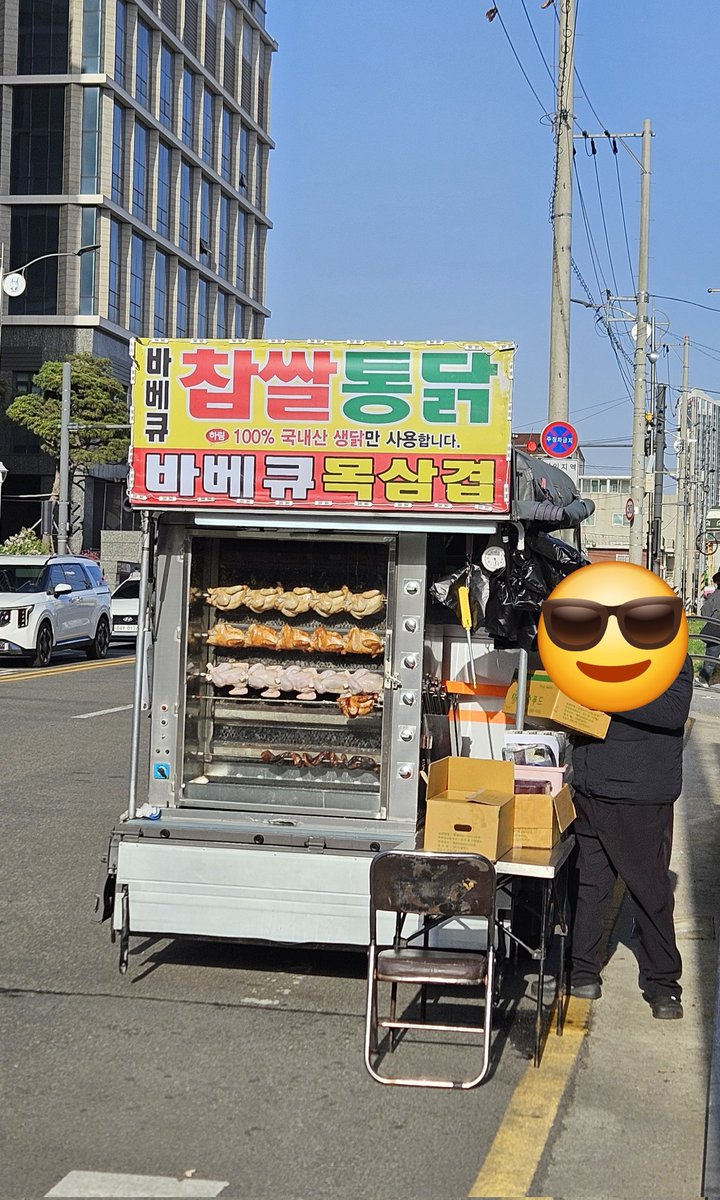
Alguém consegue me explicar o motivo disso aqui acontecer?


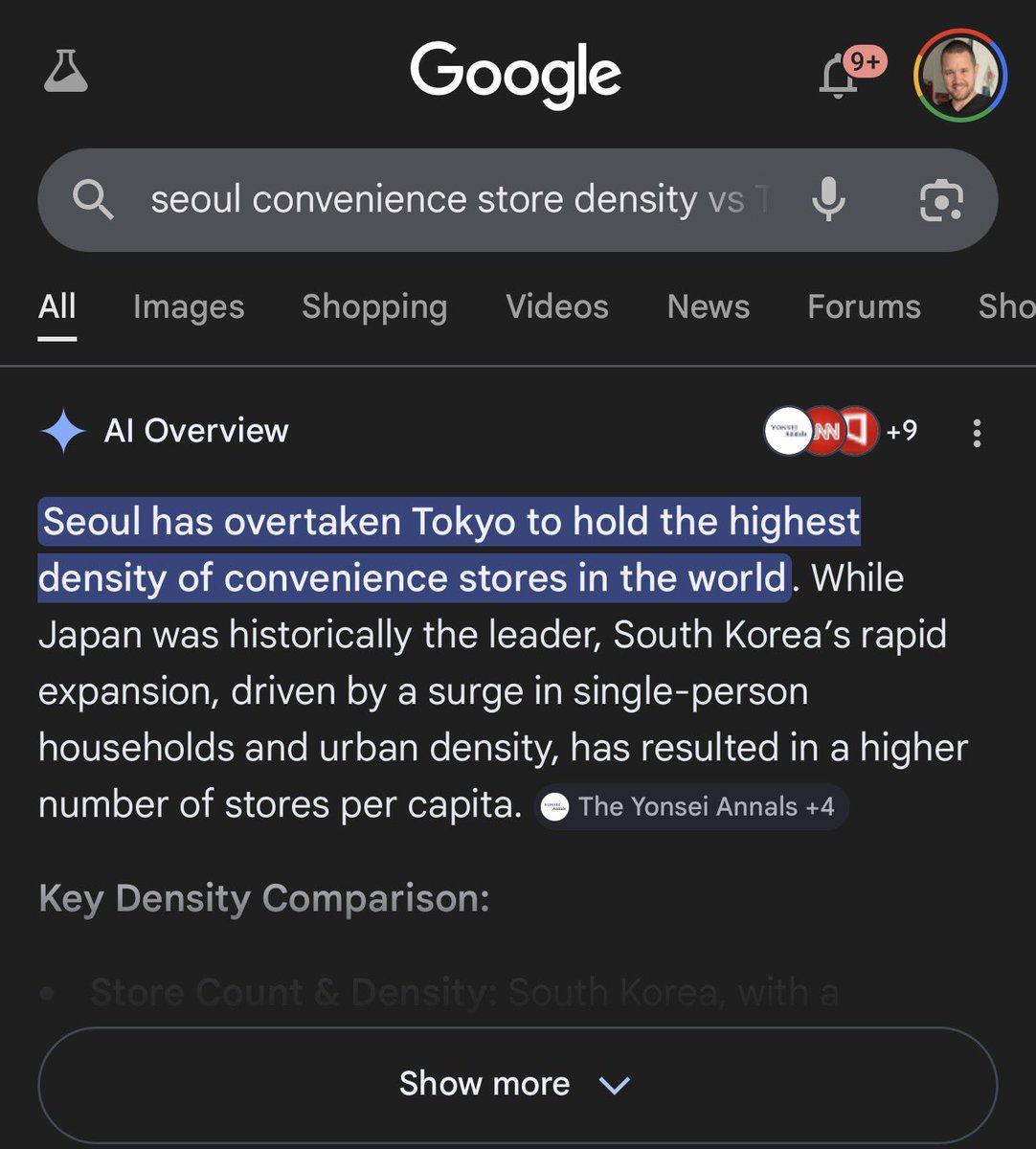
The highest concentration of Michelin-starred restaurants in the world is 20x denser than Paris, 50x Manhattan/SF and 100x Tokyo. It’s Higashiyama ward in Kyoto. With ~50 stars for ~35k residents, it has an insane 1 star every ~700 residents! You can’t be >200m away from one.


JetBlue's business model was priced on $2.50 jet fuel. The Strait of Hormuz closed on February 27, and jet fuel is now $4.88/gallon. That single variable is what's putting them into bankruptcy. JetBlue ended 2025 with $9.1B in revenue, $2.5B in liquidity, and a $602M net loss at $2.49/gallon fuel. That was the baseline. Then the US and Israel started military operations against Iran. Tehran closed Hormuz. By April 2, jet fuel at major US airports hit $4.88/gallon. Up 95% in five weeks. JP Morgan's Jamie Baker ran the math at $4.50 fuel. JetBlue loses $1.3B this year. Debt climbs toward $9B. Annual interest payments go from $600M to $800M. The part nobody's pricing in: this is a structural problem specific to point-to-point low-cost carriers. Delta and United can absorb a fuel shock because premium cabins, international long-haul, and cargo revenue cushion the hit. Their 2026 fuel bill goes up, but their ticket mix lets them reprice the top 20% of seats by several hundred dollars and recover most of it. JetBlue has no premium international network. Spirit has no premium anything. Their entire pitch was cheaper than legacy. The moment fuel doubles, that gap closes on its own, and the financial cushion legacy carriers built from 30 years of hub dominance becomes the only thing that matters. Spirit is already asking the Trump administration for a bailout. JetBlue's founder says no buyer wants the debt. Alaska isn't interested. Southwest isn't interested. United's internal view is that the debt load is disqualifying. Five weeks of one geopolitical event is restructuring the bottom half of US aviation. The fuel wasn't the real risk. The real risk was that the cheap-seats business model only worked within a narrow band of oil prices, and nobody built a buffer for leaving it.


中国経済の崩壊は日本のマスコミではあまり出てこないが酷い状況のようだ。2020年以降の5年で外資は90%撤退、日本もソニー、パナソニック、イトーヨーカ堂など多くの企業がすでに撤退しているが、今度は日本第2位の自動車メーカー、本田技研工業が広州と武漢の2つのガソリン車工場を閉鎖する。本田は2020年に中国販売台数が162万7千台の過去最高を記録して以降、5年連続で減少が続いており、2025年は64万5千台に落ち込んだ。世界の工場と言われた中国の時代は終わった。