Benithe lsingizwe

1.6K posts

Benithe lsingizwe banner
Benithe lsingizwe

Benithe lsingizwe

@BenitheI

#christian |Femtor | Founder @TheirvoiceI

Rwanda Присоединился Aralık 2017
786 Подписки685 Подписчики
Rutambi
Rutambi@Rutambii·
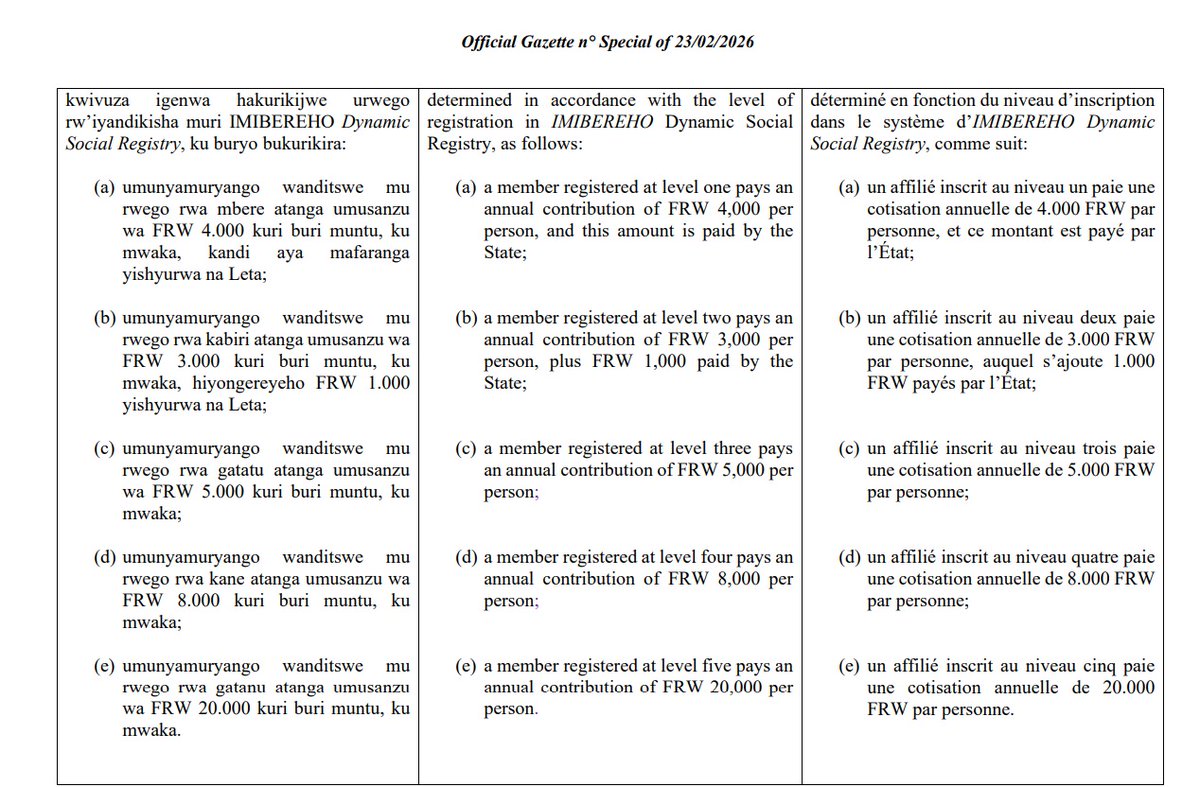
all I'm saying is .. 20k isn't a small sum sum for anyone that makes under 150k. in a world where they milk us from isuku, umutekano, ipatante for some and other bills, 20k just feels abit too much. someone link me to a detailed summary of this new policy, nisomere.
English
8
3
82
8.4K
Benithe lsingizwe
Benithe lsingizwe@BenitheI·
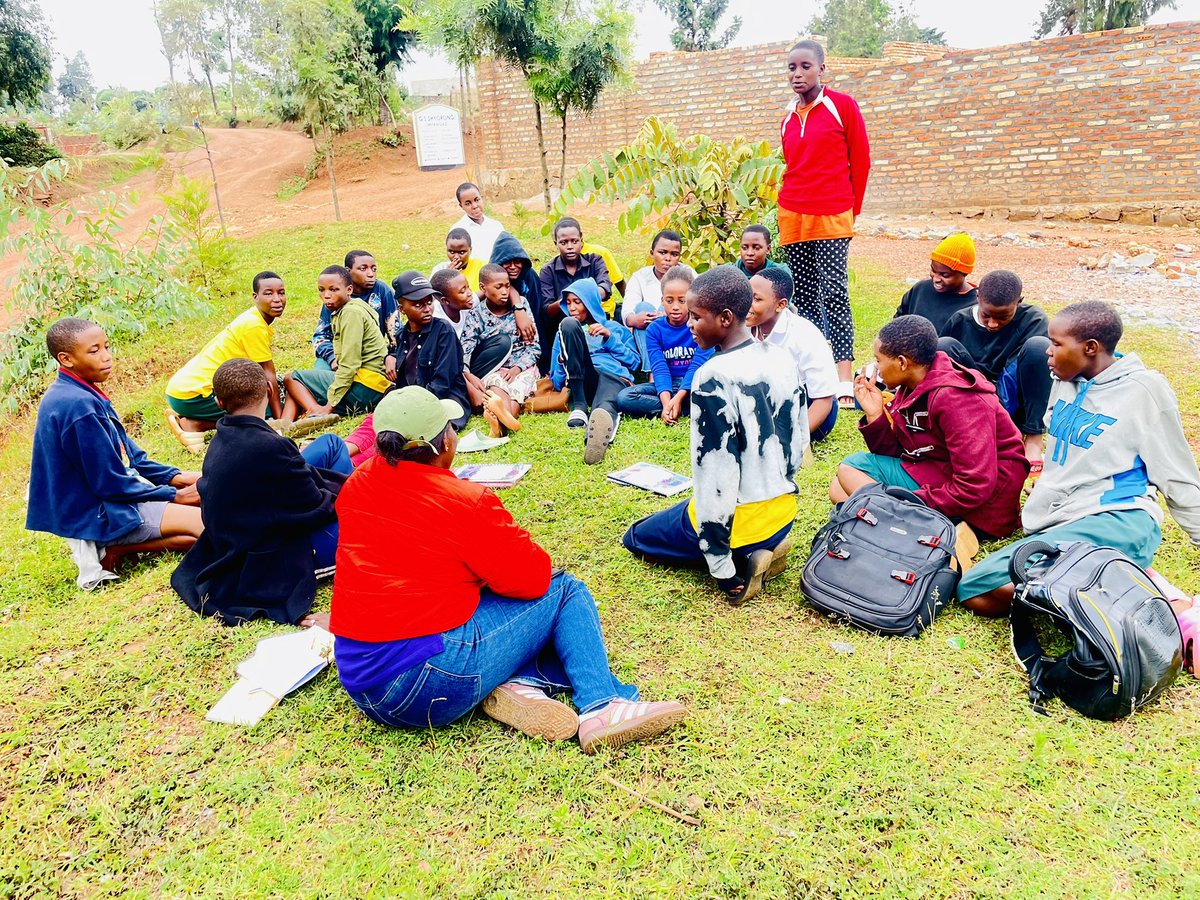
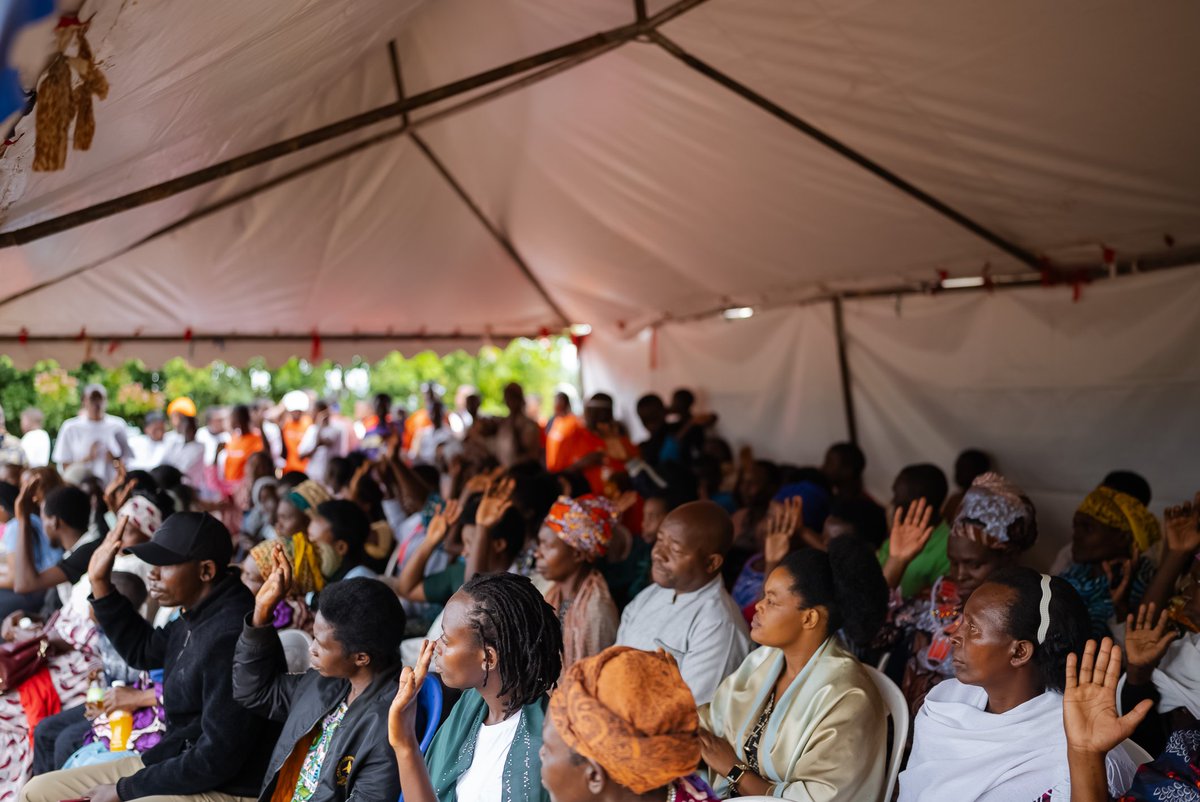
Through our Sauti ya Dada Club this Saturday ,we fostered girls leadership through engaging girls in discussions on climate change and gender equality We believe informed, confident girls become transformative leaders in their communities #SDG5 #SDG13 @CreativeAction_
Benithe lsingizwe tweet mediaBenithe lsingizwe tweet mediaBenithe lsingizwe tweet media
English
0
0
1
27
Alice Kanyana
Alice Kanyana@alice_kanyana·
Looking back with gratitude, looking forward with hope. 🥳🎉🎊
Alice Kanyana tweet media
English
40
17
298
17.8K
Benithe lsingizwe ретвитнул
Ngozi Okonjo-Iweala
Ngozi Okonjo-Iweala@NOIweala·
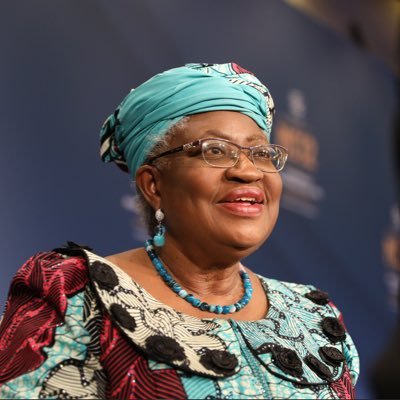
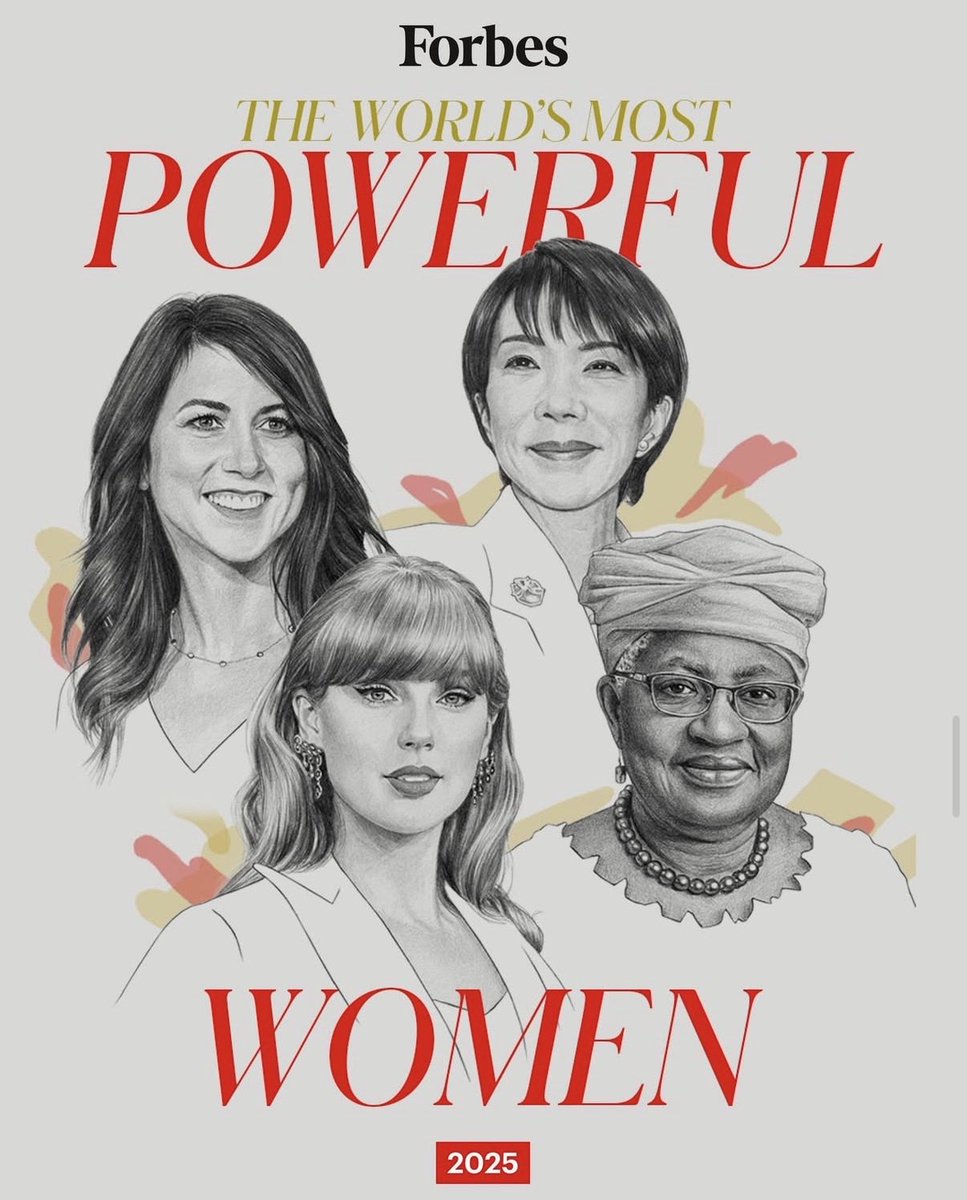
Nice to make (for the eighth time) the @Forbes List of the 100 most powerful women of the world 2025 and to be on the cover of the magazine. With power comes responsibility! We are doing our best to fight for and reform the rules-based multilateral trading system which the world needs to avoid a chaotic approach to world trade that would hurt the smallest and the least powerful countries. Congratulations to all my sisters on the list, and in particular my African sisters, HE Netumbo Nandi-Ndaitwah, President of Namibia @SWAPOPRESIDENT, HE @SuminwaJudith, PM of DRC, Mpumi Madisa, CEO of Bidvest, @MoAbudu, CEO EbonyLife Group and HE @miaamormottley, PM of Barbados.
Ngozi Okonjo-Iweala tweet media
English
955
3.8K
16.9K
374.9K
Benithe lsingizwe ретвитнул
Al Jazeera English
Al Jazeera English@AJEnglish·
Kenyan President William Ruto told the UN General Assembly that excluding Africa from permanent Security Council membership is unfair and undermines the UN’s credibility, noting the continent bears the “heaviest cost of instability.
English
467
2.4K
8.7K
890K
Benithe lsingizwe ретвитнул
Hopewell Chin’ono
Hopewell Chin’ono@daddyhope·
A Kenyan court has suspended the implementation of the US$2.5 billion health “aid” deal signed with the US government last week over serious data privacy concerns. This deal is terrible not only for Kenya but for the entire African continent because it hands over sensitive health and genomic data to a foreign government without proper safeguards, and it exposes millions of Africans to potential surveillance and data exploitation. It is sad that the Kenyan government did so little thinking before signing such a treacherous and dangerous agreement. On 4 December 2025, Kenya and the United States signed a five-year Health Cooperation Framework in Washington. The agreement, worth up to US$1.6 billion, directs new funding toward HIV, malaria, maternal health and disease surveillance. Many have celebrated it as a major investment in Kenya’s overstretched health sector. Yet across Africa, the deal has triggered serious concern because of provisions that grant long-term access to Kenya’s biological samples, genomic data (all the information contained in an organism’s DNA) and surveillance information. That issue, more than the money itself, has now become the centre of the debate. The questions arise from clauses that reportedly sought multi-decade rights over Kenyan pathogen samples and related data. Even in revised form, the agreement’s language remains vague enough to raise fears of long-term commitments that outlive the funding cycle. These concerns are sharpened by the continent’s past experiences. In 2007, Indonesia challenged the global health system after discovering that its shared H5N1 samples were being used to develop vaccines it could not afford. In 2021, South Africa and Botswana were punished with travel bans immediately after openly sharing genomic data on the Omicron variant (a highly mutated strain of the virus that causes COVID-19). During the West African Ebola crisis, biological samples left the continent without any assurance that affected countries would benefit from the discoveries or intellectual property that emerged later. These precedents cast a long shadow over today’s negotiations and deal between Kenya and America. What is happening in Kenya fits into a much larger global contest. Biological samples, genomic data and pathogen information have become strategic assets, capable of driving the next generation of vaccines, diagnostics, therapeutics and artificial intelligence models in health. This has drawn intense interest from major powers. China, through BGI (one of the world’s biggest genomics and biotechnology companies), has invested in genomic laboratories across Africa. European institutions are building deeper data partnerships, while private technology and pharmaceutical companies see immense value in Africa’s large and genetically diverse populations. Kenya is therefore not negotiating a quiet bilateral agreement. It is operating at the centre of a geopolitical struggle over who will shape the future of biotechnology. For Africa, the implications go beyond Kenya. The African Union’s New Health Security and Sovereignty Agenda aims to strengthen public health institutions, govern data responsibly and expand local manufacturing so that the continent can produce 60 percent of its vaccines by 2040. So any agreement that gives external partners preferential access to Africa’s biological resources undermines that vision. It also risks weakening domestic research institutions. In Kenya’s case, the Kenya Medical Research Institute could find itself competing with foreign partners who enjoy privileged access to samples or who set the direction of research. And because these deals are rarely subjected to parliamentary scrutiny, decisions with profound long-term implications for Kenya’s biological sovereignty will be made without public oversight. The stakes become even higher when considering the rest of the continent. Kenya has stronger negotiating capacity than many African states. If Nairobi accepts terms that compromise long-term sovereignty, poorer and more vulnerable nations will feel compelled to follow suit, especially when offered short-term financial support. This could create a pattern in which African health priorities are increasingly shaped by external actors rather than by national and continental interests. Africa must now recognise that fragmented national bargaining over biological resources is no longer sustainable. The African Union and Africa CDC need to establish enforceable continental rules that protect sovereignty while enabling fair and transparent partnerships. This requires a coherent framework governing pathogen access and benefit sharing, clear rules on technology transfer and intellectual property, mandatory disclosure of all bilateral health agreements that involve samples or data, and stronger domestic laws to ensure that biological material cannot leave the continent without guaranteed African rights over resulting discoveries. Without such protections, Africa risks becoming a perpetual exporter of raw biological inputs for technologies developed and commercialised elsewhere. The U.S.–Kenya pact unquestionably brings resources that can strengthen health services and save lives. But it also exposes the next major frontier of African sovereignty, control over the continent’s biological and genomic wealth. The question emerging from this deal is no longer simply about funding. It is about whether Africa will gain or lose power in the health technologies of the future. If Africa does not set the rules now, others will, and the continent’s biological destiny will be determined far from African decision-makers.
English
9
61
310
29.9K
Benithe lsingizwe
Benithe lsingizwe@BenitheI·
The problem is who select the leaders!! It's more looking like giving the gifts more than giving responsibilities.....
Joseph Ryarasa Nkurunziza@JosephRyarasa

When tools improve but local governance declines. Roughly from 1998 to 2008, Rwanda’s local government system was defined by a rare blend of efficiency, discipline, and selfless leadership. Mayors at that time were far from perfect, but many embodied a spirit of service that visibly transformed districts and improved citizens’ lives. What makes that era remarkable is that these leaders operated under incredibly difficult circumstances. Districts had no electricity, no internet, very limited transport, and sometimes struggled even with basic office supplies. Yet, despite the scarcity, they delivered. Back then, service meant improvisation. A mayor would walk long distances to visit communities, sit with farmers under a tree, and mobilize citizens around development priorities. Sectors functioned almost entirely on community trust and leadership humility. Teamwork was not optional; it was the only way anything got done. This collective spirit laid the foundation for Rwanda’s early development milestones, including the impressive progress toward Vision 2020. Fast forward to today, and the story feels very different. Local leaders operate in a vastly improved environment. Districts and sectors have electricity, internet, computers, data systems, and transport. With 4G coverage reaching even remote areas, a mayor can hold a virtual meeting from anywhere. Leaders have access to resources their predecessors could never have imagined: brand new TXLs or Prados, fuel allowances, airtime packages, travel facilitation, full secretariat support, and technical teams for planning, monitoring, and reporting. And yet, despite these staggering advantages, many districts are struggling. Mayors are failing to deliver on basic service outcomes. Districts are scoring poorly on governance and service indicators. Food insecurity is rising in certain regions, youth unemployment remains high, and the implementation of national priorities often lags behind. This contradiction points to a deeper issue that tools alone cannot solve. What went wrong? One of the most overlooked drivers of underperformance is the process through which mayors are selected. Over time, political proximity has increasingly influenced appointments. Individuals are often elevated not because they possess strong leadership experience, deep sector knowledge, or proven managerial capability, but because they are close to a particular personality or enjoy the protection of a "godfather." This informal system of patronage undermines the entire decentralization model. When leaders are chosen to please power structures rather than serve citizens, their accountability shifts upward, not downward. They hesitate to challenge poor decisions, fear losing patronage support, and focus more on survival than transformation. This dynamic creates a class of leaders who may hold the title of mayor but lack the autonomy, vision, or courage required for bold district reforms. In the early decentralization era, mayors were chosen primarily for their leadership spirit, community trust, and proven commitment to public service. Today, the government must seriously reconsider the vetting system if Rwanda expects a different outcome. The quality of leadership is directly tied to the quality of selection. Another key challenge is constant turnover. Many mayors step down or are dismissed before completing their mandates. This has occurred repeatedly in Musanze, Gisagara, Nyaruguru, Kayonza, Rubavu, Nyabihu, and several other districts. Constant turnover disrupts continuity, weakens institutional memory, and makes long-term planning nearly impossible. In the early decentralization period, mayors worked closely with executive secretaries and sector leaders. Today, district leadership is increasingly defined by internal intrigues, competition for influence, and fear-driven decision-making. When leaders are busy navigating political tensions or personal rivalries, service delivery inevitably suffers. It is ironic that leaders today have more tools than ever, cars, the internet, and data systems, yet deliver less impact. Rising hunger, poor service indicators, and slow implementation of national priorities point to a growing distance between leaders and communities. Many citizens now see district offices as purely administrative spaces rather than drivers of transformation. Are Elected Councils Still Effective? Elected councils should provide oversight, hold mayors accountable, and ensure quality leadership. Yet many councils struggle to exercise this authority. Some lack the technical capacity required to evaluate district plans. Others hesitate to challenge the executive. The result is an oversight system that often reacts too late. Given the frequency of mayoral resignations and dismissals, where are the councils when performance begins to decline? Why are issues detected only after the situation has deteriorated? Strengthening councils is essential for restoring accountability. Rwanda’s early transformation came from leadership culture, not technology. That culture can be rebuilt through several strategic shifts: 1.Reform the Vetting Process: Competence, character, and leadership skills must matter more than political proximity. Rwanda needs mayors who are chosen for what they can do for citizens, not for whom they know. 2.Empower Councils: Equip councils with the expertise and confidence to perform their oversight functions without fear or favor. 3.Reconnect Leaders: Bring leaders closer to the everyday realities of households. Plans must reflect what families experience on the ground, not only what indicators demand on paper. Rwanda has already demonstrated that great leadership can deliver remarkable progress even with limited resources. Imagine what could be achieved today if the advanced tools available were finally matched with leaders chosen through a rigorous, merit-based system, and guided by the same spirit of selfless service that defined the country’s early decentralization era. linkedin.com/pulse/high-cos…

English
0
0
0
33
Benithe lsingizwe ретвитнул
THEIR VOICE INITIATIVE
THEIR VOICE INITIATIVE@TheirVoiceI·
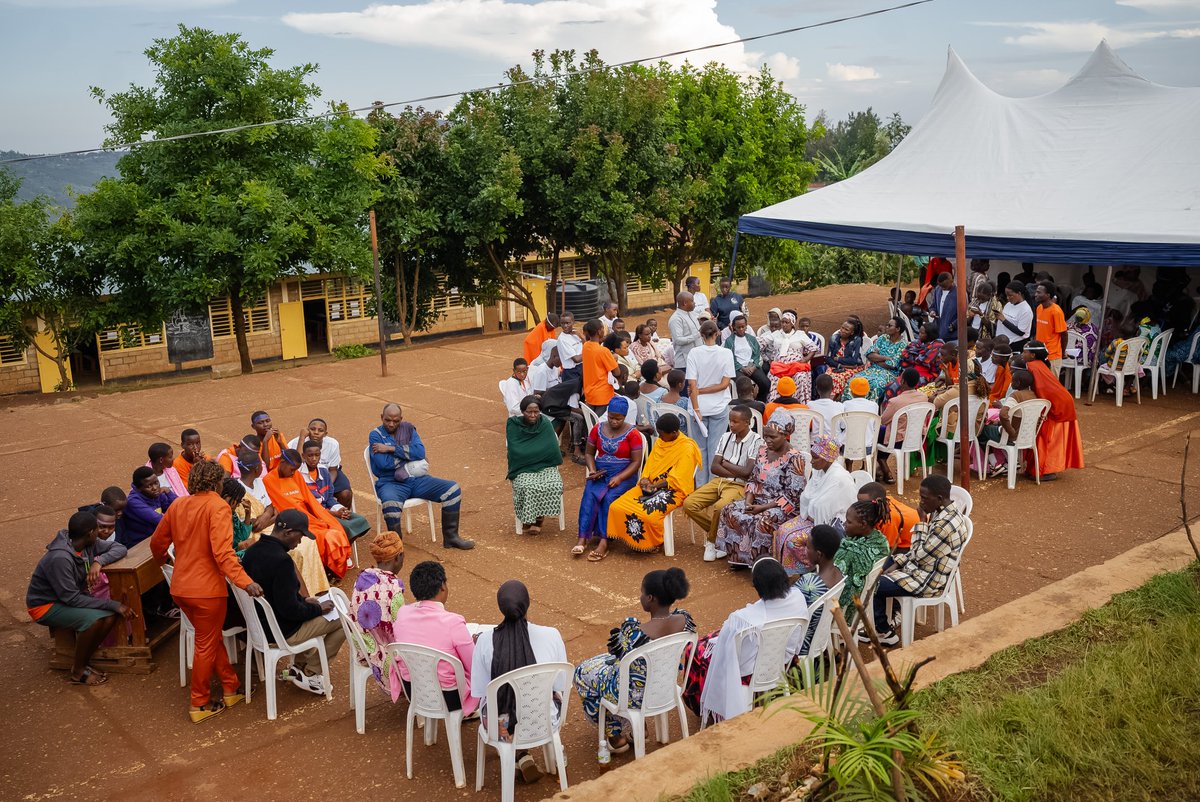
Sauti ya Dada Club led a Creative Advocacy Practicum at GS Shyorongi using skits,mural art & dance to spark dialogue on the importance of parental support in girls’ education. Parents discussed healthy parent–teen relationships&made commitments Special thanks to @CreativeAction_
THEIR VOICE INITIATIVE tweet mediaTHEIR VOICE INITIATIVE tweet mediaTHEIR VOICE INITIATIVE tweet mediaTHEIR VOICE INITIATIVE tweet media
English
1
5
9
333
Benithe lsingizwe ретвитнул
AU-EU Youth Lab
AU-EU Youth Lab@AUEUYouthLab·
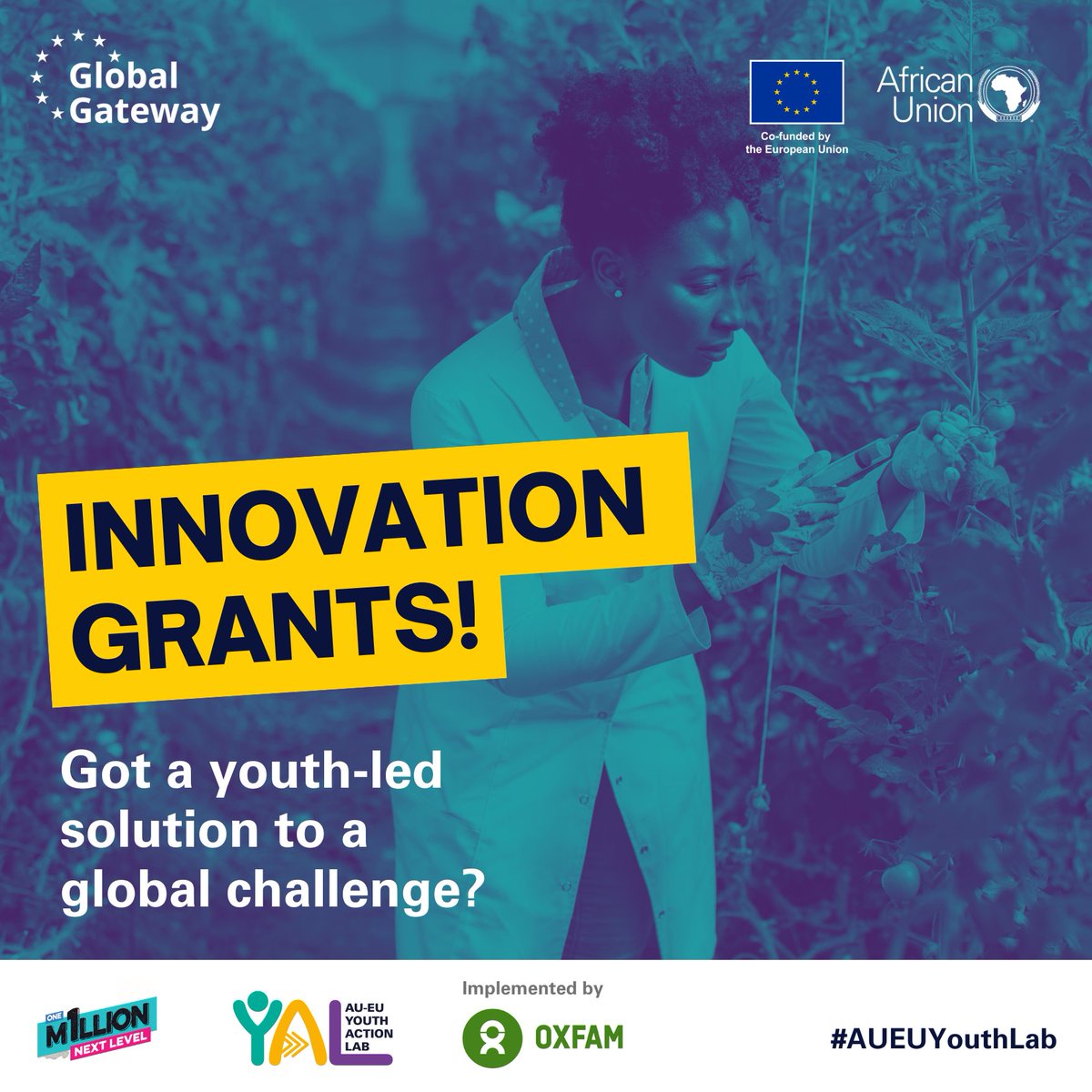
📢 Calling All Changemakers Across Africa & Europe—INNOVATION GRANTS NOW OPEN! 🌍 Are you part of a youth-led organisation with a powerful idea that could transform your community or address a global challenge? This is where your impact begins. The #aueuyouthactionlab Innovation Grants support young changemakers across Africa who are ready to design, test, scale, or improve a solution that creates long-term impact. 💶 Funding Available: €30,000 – €40,000 open to individual youth-led organisations ready to take their innovation to the next level. 💡 So, what sets your idea apart as a true Innovation? We consider an innovation to be any activity or approach that continues to benefit young people long after the project ends. Your proposal can include a range of activities that build on one another—and we’re excited to see the ideas you bring forward! 🧭 As general guidance, we can identify three broad types of activities: Meaningful youth participation in decision-making, Implementation of a youth-driven solution & Sharing and scaling of a distinct activity with other youth organisations beyond their own context. See the potential? Learn more and take the next step. Application Resources: • Innovation Grants: aueuyouth.com/innovation-gra… • Presentation of the AUEU Youth Action Grants (Second Cohort): youtube.com/watch?v=S2Spdn… • Innovation Grants Webinar: youtu.be/2YCcKsSJ4S0?si… • See other currently open #aueuyouthactionlab grants, including the Cooperation, Entrepreneurship, and Representation grants: aueuyouth.com/grants/ • Follow the AU-EU Youth Lab for more opportunities: linktr.ee/aueuyouthlab 🗓️ Save the date! 7 January 2026 is your final chance to submit. Late applications won’t be considered. SHARE WIDELY! #AUEUYouthActionLab #AUEUYouthLab #AUEU25 #grants #youth_empowerment #Africa
YouTube video
YouTube
YouTube video
YouTube
AU-EU Youth Lab tweet media
English
6
96
270
17.3K
Benithe lsingizwe ретвитнул
Fidel Rubagumya , MD, MMed, MPH
Excited to share that my book “Beyond Cancer” is out. A collection of real stories, hard truths, and quiet victories that show cancer is more than a diagnosis. All proceeds go to @RwCancerRelief to support patients facing financial hardship. Get it: a.co/d/dd1CZoV
Fidel Rubagumya , MD, MMed, MPH tweet media
English
19
44
160
9.2K
Judicaelle Irakoze
Judicaelle Irakoze@Judicaelle_·
-My firm handled multiple million dollars projects - I got two book deals -my library cafe/lounge bar was the Hotspot of the city -my mom was fully healed from her diabetes -I won the lawsuit I initiated -I took my mom for two week trip to Asia as she wants Above all, my life was more easy and easier
KHAN'✨@khanofkhans11_

What happened to you in 2026?

English
9
28
497
36.2K
African Hub
African Hub@AfricanHub_·
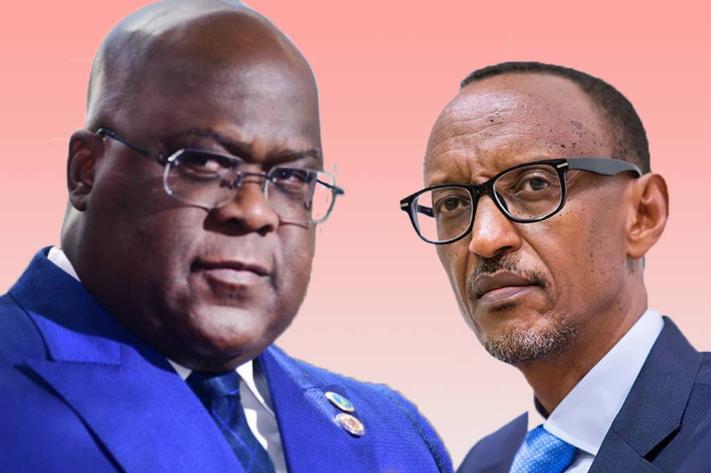
The presidents of the Democratic Republic of Congo and Rwanda will travel to Washington to sign a peace agreement and hold talks with U.S. President Donald Trump
African Hub tweet media
English
105
34
279
15.6K
Benithe lsingizwe ретвитнул
Vision Jeunesse Nouvelle
Vision Jeunesse Nouvelle@visionjeunesse2·
Youth empowerment is at the heart of what we do. Join our Space conversation this evening as we discuss how to build resilient, confident, and active young people ready to shape tomorrow. Don’t miss the insights from our speakers and partners! 20 Nov | 🕒 7 p.m
Vision Jeunesse Nouvelle tweet media
English
0
6
21
570
Benithe lsingizwe
Benithe lsingizwe@BenitheI·
@visionjeunesse2 Aba peace fellows natwe turimo, we are accros Rwanda and we work together with VJN as Young people
English
0
0
3
125
Benithe lsingizwe ретвитнул
The New Times (Rwanda)
The New Times (Rwanda)@NewTimesRwanda·
#Rwanda has secured a USD 4.6 million (Rwf 6.6 billion) contract to design and deploy Jamaica’s Integrated Electronic Case Management System (IECMS), marking one of its most extensive justice digitalisation exports to date. newtimes.co.rw/article/31367/…
English
6
56
193
14.8K
Benithe lsingizwe ретвитнул
Africa Centers of Excellence
Africa Centers of Excellence@Ace2Africa·
#SpeakerSpotlight🎙️ Meet Dr. @jbatamuliza, Data Scientist, Girl Empowerment Advocate & Lecturer @Uni_Rwanda 🇷🇼 Together with other scientists, Dr. Batamulizqa provides hands-on training, #mentorship, and skills development to #girls, especially in #STEM 🎧 Be part of this insightful #XSpace discussion on how African professors are redefining research and innovation. 🗓️Thursday, Nov 20 |⏰7 - 9 PM EAT Add to calendar🗓️: x.com/i/spaces/1jMJg… #ACEII @WorldBankAfrica @WBG_Education @WBG_Gender @iucea_info
Africa Centers of Excellence tweet media
English
1
6
26
1K